



Merino wool is often marketed as the irrefutable sustainable choice fabric for cycling kit, with brands endlessly listing the natural performance benefits for outdoor exercise. Is it really as environmentally friendly as we’re led to believe though?
Yes, there are an impressive amount of those natural performance benefits and it results in cycling gear you’re bound to enjoy wearing, but even merino isn’t without its issues. While we’ll acknowledge the wonderful qualities of this renewable resource, in this feature we’ll also be looking at where merino is sourced, the ethical problems and the certifications you should be looking out for, why it’s often blended and the consequences, and how you should be looking after your merino gear to make the most of its sustainable value…
How is merino cycling kit sustainable?
In short, if a product is durable and has performance benefits, you’re more likely to only buy once and use it lots. It’s important for us as consumers to put more effort into finding suitable products that we like and need, after assessing if we can use what we currently own.
Buy something that suits your needs, and do it once. It’s no good purchasing a product that is slightly better for the environment if you then fail to use it, and need to buy the more suitable item second time round.
It’s much more environmentally friendly to make a limited number of considered purchases. If it’s not a hasty purchasing decision and you’ve spent longer saving up for the premium performance item, then you’re also more likely to appreciate the garment and take good care of it.
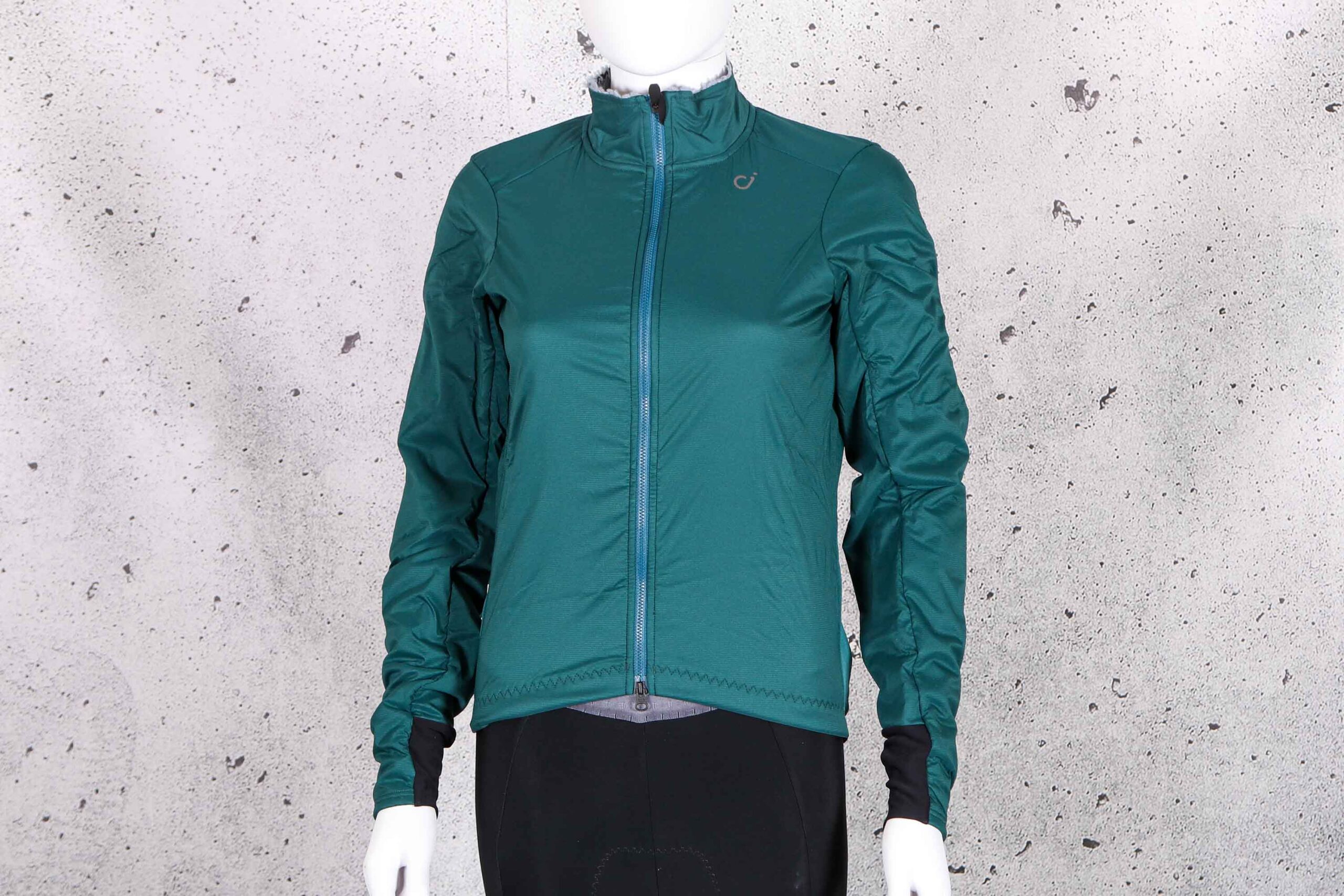
Velocio is one cycling apparel brand that makes good use of merino in specific products, and it explains that its overarching aim is to create apparel that is both high performance and durable: “Our primary goal is to create apparel that improves experience and comfort and lasts a really long time.
“We recognise that the highest impact any apparel has is manufacturing, so these two goals mean that we can effectively reduce the impact of manufacturing by reducing the number of garments produced if we can make a product that people love to wear, and they can wear that product longer.”
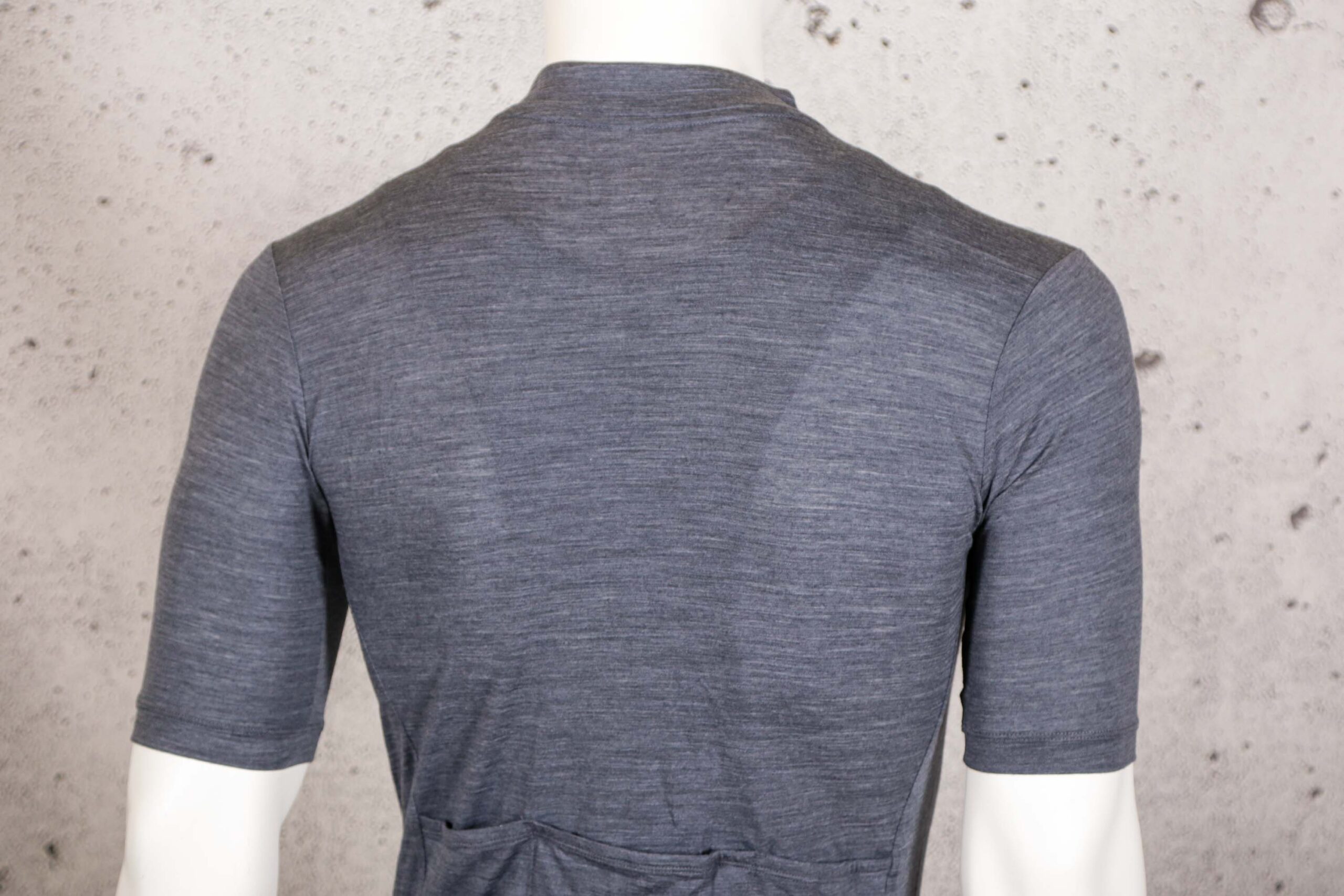
There’s no doubt that merino wool garments boast a lot of performance benefits and so are likely to keep you satisfied. As detailed on Woolmark, here’s what it can offer:
Warmth: Merino wool contains crimps (natural waviness) which create pockets that trap air as you move. As that air can’t circulate it retains heat from your body to keep you warm.
This heat retention method which utilises the merino’s fine fibres provides a high warmth to weight ratio – you can stay warm with minimal bulk, and therefore it performs a useful role in a layering system for dealing with the cold or elements.
Merino wool also maintains its insulating properties when damp, meaning it has versatile use.
Soft and comfy: As merino wool fibres are fine and more flexible than standard wool fibres, they provide a gentler next-to-skin experience and, with this, can reduce itchiness issues.
Breathability: Wool is naturally highly breathable as it can absorb large quantities of moisture into its own fibres, holding it away from your skin before then moving it away to evaporate into the air.
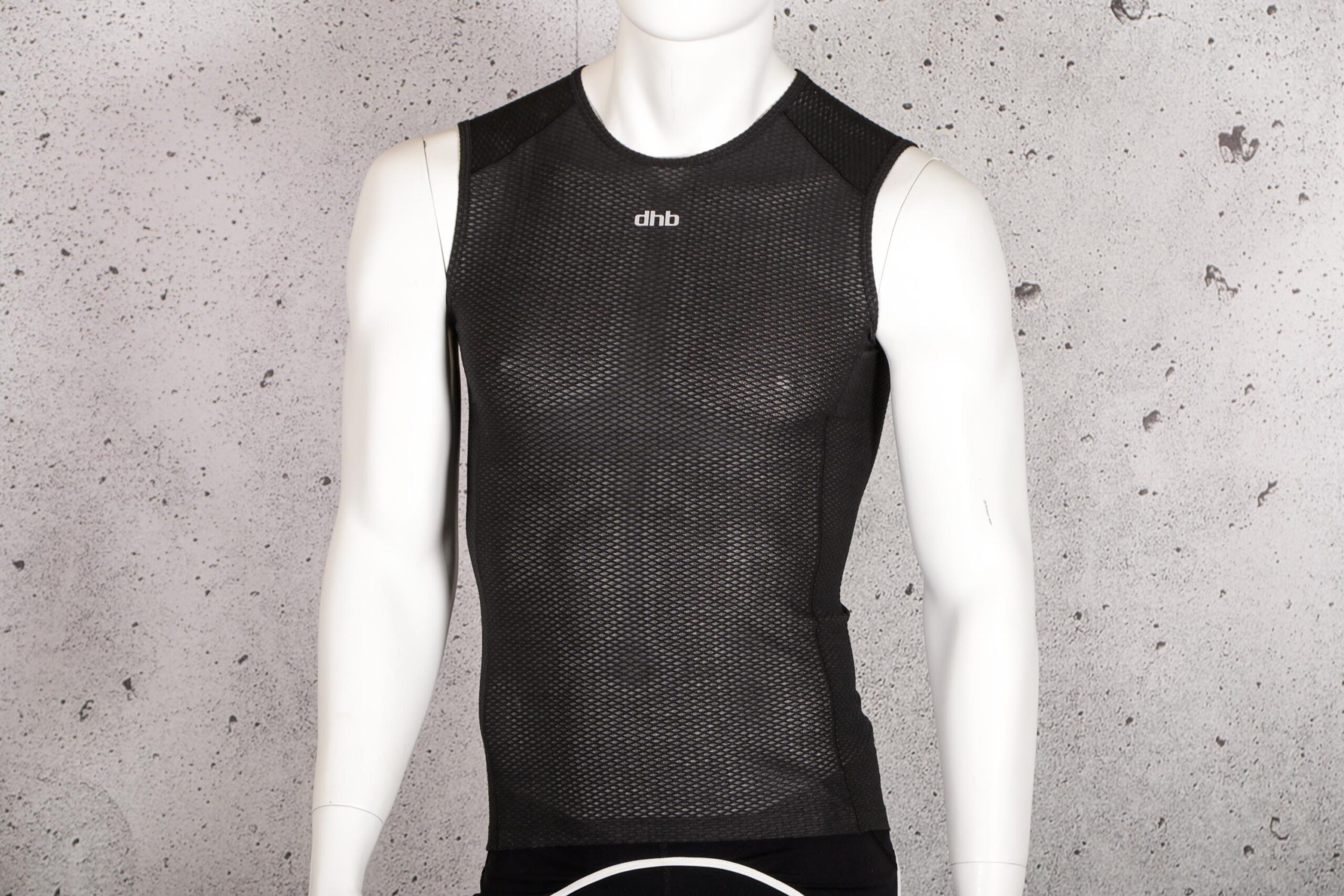
Quick-drying: The fine fibres produce lighter fabrics that dry quicker. The fast-drying aspect is convenient for trips away and also is great for cutting down on the environmental impacts by reducing the need for high energy use for drying.
Odour resistant: Merino wool garments can be worn for longer between washing intervals because of the natural odour resistant properties of wool. This makes it a practical option for bikepacking trips as you can wear the same item of clothing without any social judging.

“It retains its benefits and often reduces other things needed on synthetics, like anti-bacterial treatments or coatings due to its natural and inherent properties,” Velocio adds.
Renewable and biodegradable
A sheep produces a new fleece each year, meaning that wool is a renewable fibre.
Merino wool is a natural fibre, and therefore 100% biodegradable. The ideal conditions are warm, damp soil combined with access to oxygen.
Researchers in New Zealand found in a study that merino fabrics lost around 36% of their mass after only two months burial in soil and up to an impressive 99% after nine months, whereas a polyester knitted fabric did not degrade at all during the course of the nine-month burial period.
Merino wool has also been found to readily biodegrade in a marine environment, whereas synthetic fibres do not.
The Woolmark Company is a not-for-profit organisation that works alongside Australia’s 60,000 woolgrowers to research, develop and certify Australian wool. It conducted a study into the biodegradability of untreated and machine washable merino wool in a marine environment compared to nylon, polyester and polypropylene.
To simulate a partial garment lifetime, all fabrics were washed repeatedly before testing. The rate of biodegradation was then compared to that of kraft paper pulp, a substance known to biodegrade readily.
Researchers found untreated wool biodegraded at 20.3% the rate of the pulp and the machine-washable wool biodegraded more than three times as quickly, at a rate of 67.3%. Nylon biodegraded at the slowest rate of just 0.8%, followed by polypropylene (1.8%) and polyester (6.3%).
Merino wool is therefore a good environmental choice during the use phase, as it won’t be polluting the ocean when being washed. Once it’s reached the end of its usable life, it can biodegrade fully when buried in soil.
Less energy intensive use phase
Two of the reasons for choosing merino wool are for its naturally odour-resistant and anti-bacterial qualities. Thanks to these qualities the social and hygienic reasons for washing frequently are significantly reduced; however, this benefit for the environment is only realised if you follow through and practice good washing and drying habits.
“Wool garments have particular attributes that favour reduced environmental impacts in the garment use phase, associated with odour resistance leading to less frequent need for washing, low washing temperature requirements and suitability for air drying practices,” it’s noted in Wiedemann, Stephen G. et al.’s study (2021).
Merino wool may have potential for a long life and low environmental impact in use, but the study concluded that there are “substantial differences between the best, current and worst case scenarios”. The use phase is well understood to be a hotspot for fossil energy demand and water consumption, but as the study acknowledges, with merino wool “opportunities exist for consumers to rapidly reduce these [environmental] impacts”.
Airing wool garments can help keep the clothing free of odours for longer, according to Laitala, K. et al.‘s study (2017). By doing this you can maximise the number of times a wool garment is worn before it is washed.
As merino wool is quick-drying thanks to its fine fibres, it’s important to realise that there’s less need to attempt to quicken the drying process. Line drying or drying in an unheated room is the least energy intensive and so you should be using one of these methods where possible.
However, Laitala, K et al.’s study (2012) acknowledges that in practice it can be difficult to follow the ideal washing scenario because if you own few wool garments, it can take longer to accumulate a wool-specific laundry load, which may result in efficient washing loads.
With this in mind, Laitala, K. and Klepp, I.G.’s study (2016) recommends airing wool garments as it gives you more time to accumulate a fuller wool load. If this is not enough, making up the rest of a wool wash with garments made of other fibres is okay, as a wool wash cycle tends to be more gentle than other wash settings, and therefore won’t be detrimental to the other fibres.
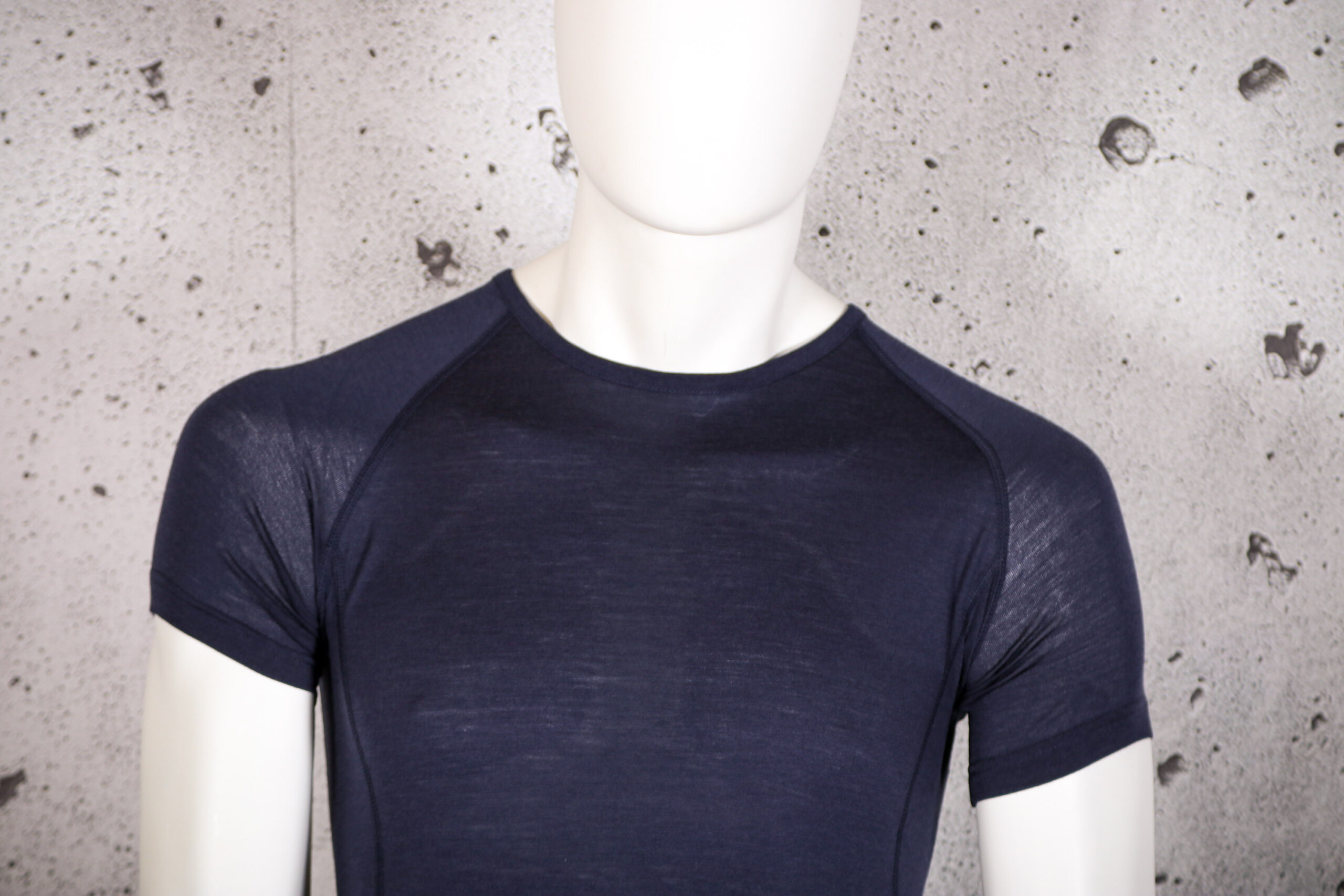
Consumer washing and drying habits are a key part of making best use of the environmental benefits of merino wool, and while brands can do a lot more to instil these environmentally friendly practices by making it clearer on the product packaging, it’s down to you to wash less frequently and dry in an energy-saving way.
Can merino cycling kit be unsustainable? Mulesing, sourcing and more
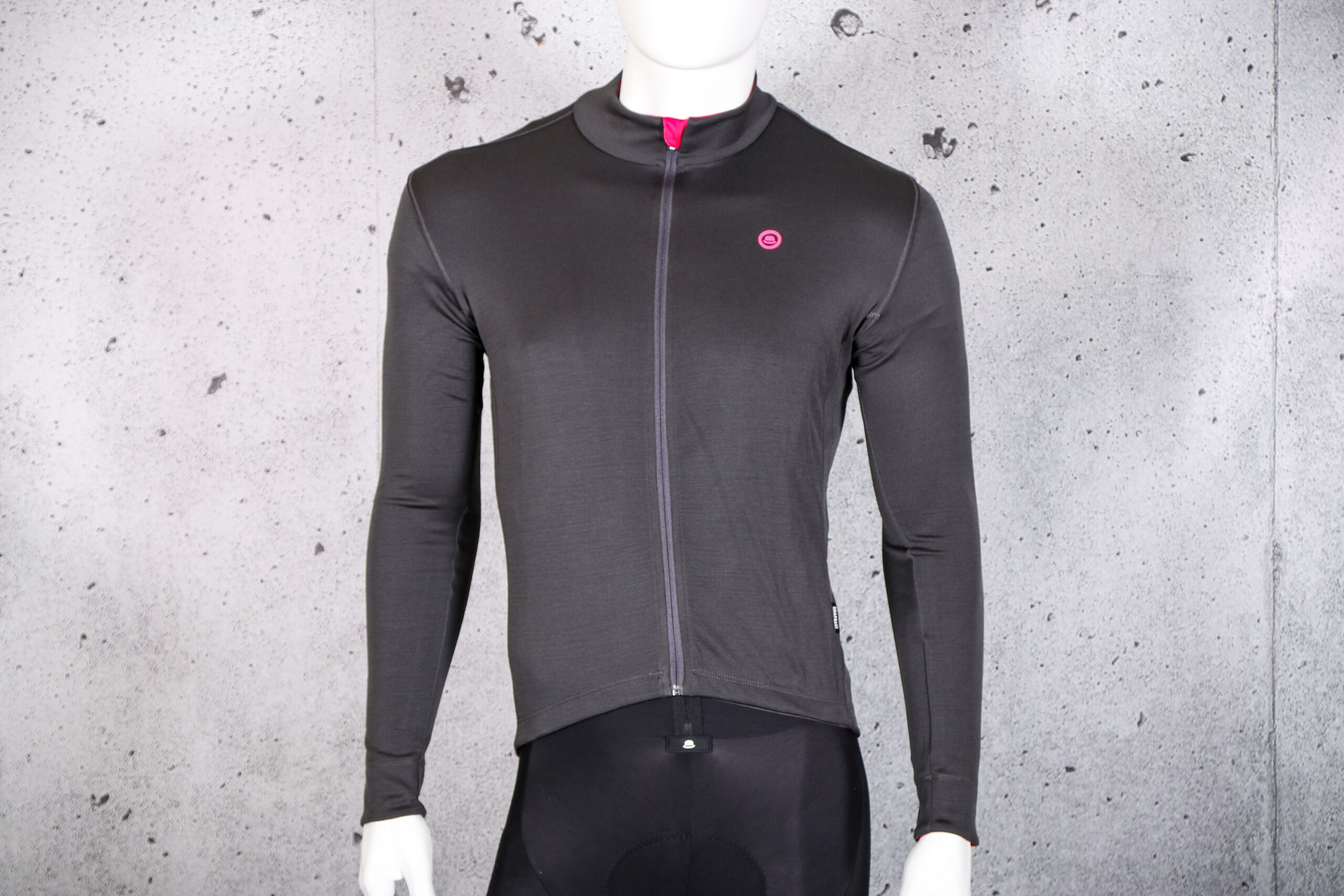
Mulesing is method that’s carried out to reduce the risk of losing sheep to a parasite called flystrike, but it is a painful procedure where skin is removed from around the backside of the sheep. This practice is the most important to be aware of, and to ensure you avoid if you’re conscious about the welfare of the animal your garment came from.
Regular washing and shearing are much kinder methods of protecting the sheep, albeit much more expensive. Sheep that have been treated with the kinder methods produce non-mulesing merino wool.
“Where these [natural fibre] materials become problematic is more commonly associated with ethics,” Velocio acknowledges. “The treatment of these animals, how it’s processed, milled and so on.” The brand adds that down is another example of an amazing natural material in terms of performance, that has a sordid past.
“With anything – whether it’s sourcing raw materials, labour in manufacturing or end of garment life, it’s important that we consider how things are made and ensure that everyone and everything that’s involved through that process is part of that product.
“We are always working to ensure that our product meets the highest standards at every step – environmentally and ethically – and we work with all of our partners to continue to challenge this process and see where we can improve.”
Sheep mulesing has been illegal in New Zealand since 2018, but in Australia the practice is still legal.
Standards and certifications aim to address the environmental and social challenges related to wool production, and so it’s important to ensure the brands you are buying from are sourcing from certified farms and mills.
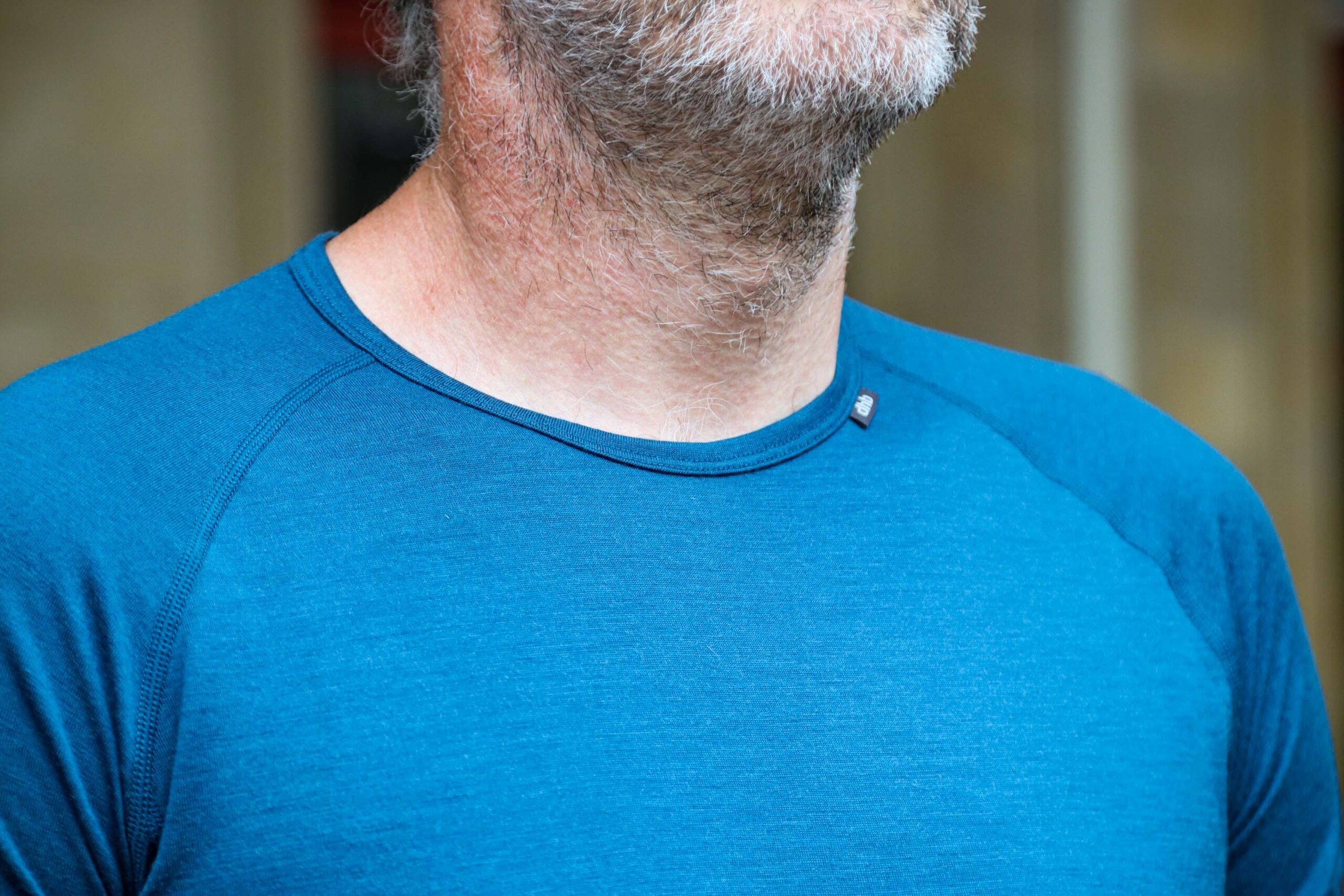
RWS stands for the Responsible Wool Standard, and alongside guaranteeing the absence of mulesing, this standard aims to ensure animal welfare through the application of Five Freedom points:
- Freedom from hunger or thirst
- Freedom from discomfort
- Freedom from pain, injury or disease
- Freedom to express normal behaviour
- Freedom from fear and distress
The Responsible Wool Standard’s social requirements are based on the principles of the International Labour Organisation’s Declaration on Fundamental Principles and Rights at Work, for guarantees that good working conditions are upheld.
Rapha, for example, has committed to only sourcing wool that is certified to the Responsible Wool Standard (RWS) by 2025. “Our commitment to using the finest, most responsibly sourced wool ensures the welfare of sheep – no mulesing – and land management practices that protect soil health, biodiversity and native species,” Rapha states on its website.
Where is merino wool sourced from?
For the cycling kit to be sustainable, ‘virgin’ (first time use) wool needs to be sourced from farms that are Responsible Wool Standard certified, which promote standards for animal welfare and land management. But where are these farms?
Merino wool is a natural fibre grown by merino sheep which were originally bred in Spain in the 12th century, and were later introduced to Australia in the 1700s.
“Nowadays 81% of merino wool is produced in Australia, which is the leading producer followed by New Zealand, South Africa, Uruguay, Argentina, etc,” Rapha highlights.
“There is a herd of Bowmont Merino sheep in the UK, though it tends to be relatively low volume, producing only 700kg of fibre each year – except for this kind of small scale solution, there are currently no merino wool producers in the UK or Europe.”
Rapha currently sources the majority of its wool from Australia, with a small portion from New Zealand, and does so due to its confidence in the Australian Wool Strategy 2030.
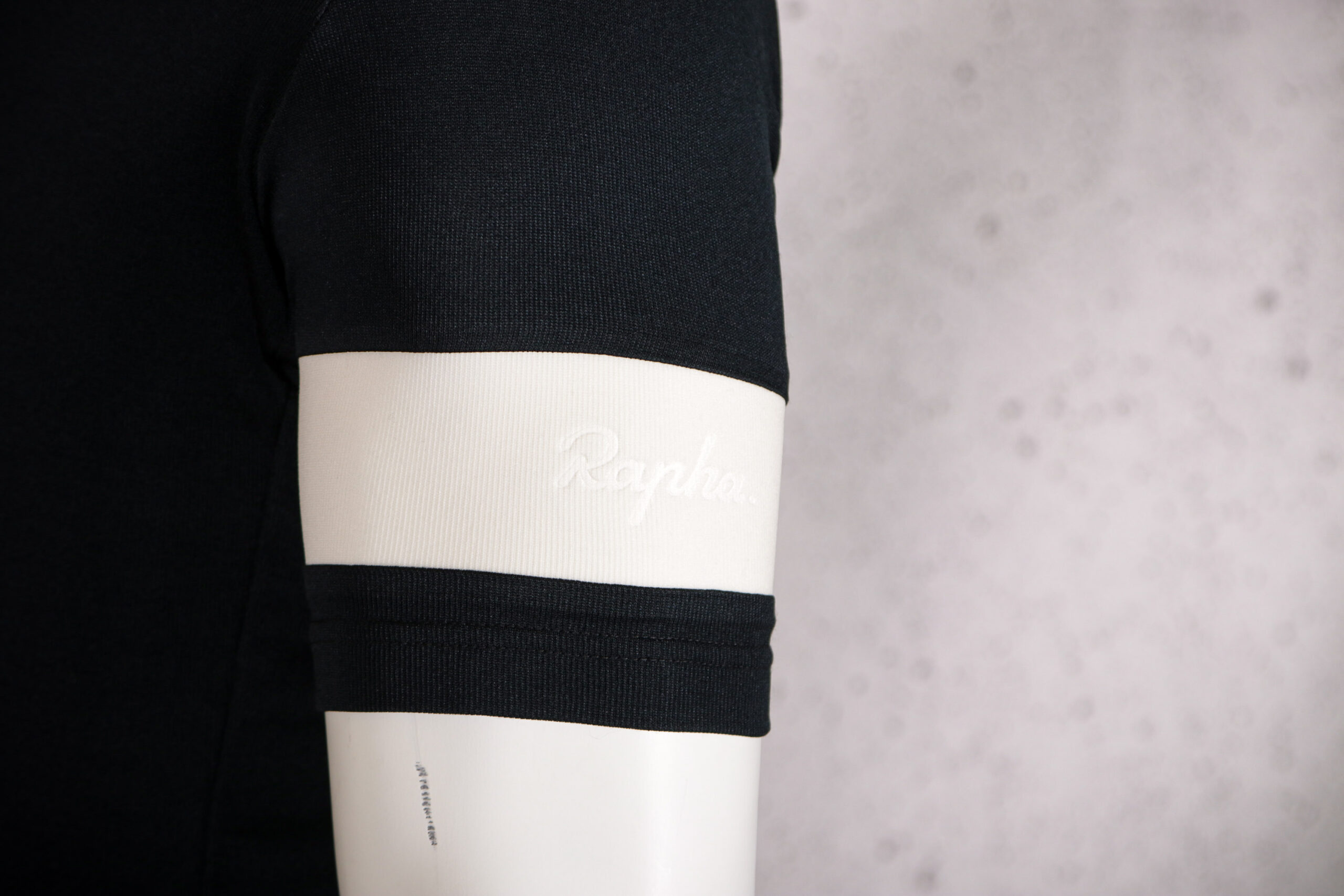
“Through technological innovation, environmental stewardship and building a young and prosperous community of farmers, the strategy is transforming Australian farming,” Rapha highlights.
“Progressive agritechnologies including virtual fencing and remote sensing are employed to help the young, skilled workforce, and farmers are also equipped with the apparatus needed to detect health issues like flystrike early on, so that sheep can be separated and treated without the need for mulesing.”
Relationships form part of Rapha’s sourcing practice. “Since the inception of our sportwool jerseys, which make up the majority of our merino supply chain, we have worked with the same mill who sources from Australia and New Zealand,” Rapha says.
“Wherever possible, we look to build upon our existing relationships with our long-standing partners, who are experts in their field.”
Although wool is environmentally friendly as a natural, renewable and biodegradable resource, it is sourced from far, far away from UK consumers, which does result in some unwanted environmental impacts. How it’s transported over can make quite a considerable difference in how much damage is cause, though.
Blending for increased durability and lengthened use phase
Merino wool is often blended with other fibres to increase the durability and elasticity of the clothing for improved comfort, fit and lifespan. In these cases, the performance benefits and increased use period are chosen over biodegradability and recyclability.
Alpkit uses the ‘corespun’ manufacturing method for its merino wool clothing to improve the durability and elasticity without losing any of the benefits.
“It’s made by wrapping a central thread of nylon and elastane with Merino wool fibres to create a single yarn,” Alpkit explains. “Clothing made with corespun Merino lasts longer, stretches more and recovers its shape better.”
Velocio, for another example, has blended merino wool with nylon and elastane in its Concept Merino jersey.
It’s also the same case for Rapha’s Classic Jersey II. “For performance, our RPM fabric is 64% recycled polyester, 36% merino wool,” says Rapha.
But… “unfortunately, once you blend a natural fibre with a synthetic fibre it limits both biodegradability and recyclability,” Rapha continues.
“It’s one of the biggest challenges for the apparel industry, as so many fabrics are blends.
“For the cycling industry especially, we’re all going to struggle with recycling clothing with high amounts of elastane, such as bibshorts.
“This is something we’re exploring and looking to overcome, with our target of 50% of production volume being recyclable or compostable by 2027.”
Velocio explains its approach: “We look to how we can reduce the use of “new” materials wherever possible.
“That’s why we look to recycled polyester and nylon, bio-based synthetics and natural fibers, such as non-mulesing merino wool.
“It’s important to consider here the first point about performance, comfort and durability.
“The fact is, merino is superior for certain applications over synthetics, while in other situations, synthetics prevail.
“This goes for durability as well. So when we select a non-mulesing merino, we’re doing so because it performs exceptionally and for its sustainable qualities.”
There are certainly many considerations that need to be balanced. A lot of cycling brands utilise merino for its natural performance benefits, and accept that increasing the durability is a necessary step for reducing the environmental impact in one way by lengthening the use phase.
The journey of the merino product
So, we’ve gathered that merino is often blended to bolster its performance benefits, and we’ve also established that merino wool is often distantly sourced in Australia. This is because there simply aren’t closer options for cutting shipping emissions, which would of course be preferable for a reduced environmental impact.
With the added blending process, the distant farm from which the merino wool is sourced is only one step in its journey to the final product
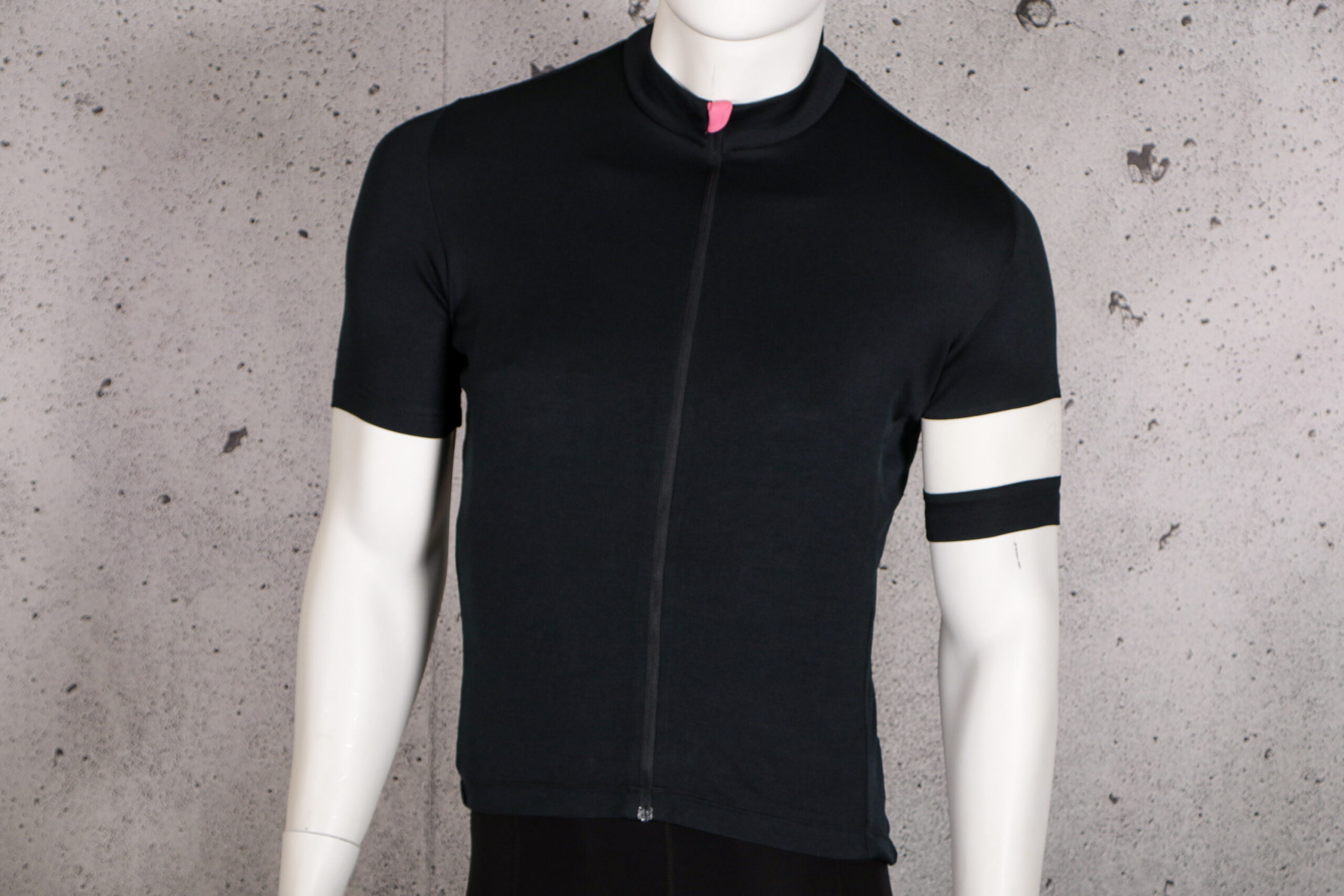
We were very impressed by the comfort and breathability of Rapha’s Classic Jersey II, in both the men’s and women’s cuts, and so it certainly ticks the boxes of being a high quality product that’ll cover your needs. With this in mind, here are the steps taken from the raw material to final product, to understand how environmentally friendly the whole process is…
> You can read the full review of the men’s version here and the women’s fit here.
Rapha made the jersey with its Rapha Performance Merino 150 fabric (RPM150) which consists of 36% merino wool mixed with 64% recycled polyester. The polyester is often added to merino to help with stretch and strength of the fabric.
”The raw wool is sourced from an Australian farm, then sent to Italy to be spun into yarn, where it leaves with Responsible Wool Standard certification,” Rapha says.
“Meanwhile, the mechanically recycled polyester is sourced from post-consumer waste in Asia.
“The two come together in Poland, before being sent back to China where it’s cut and sewn into a finished jersey.”
Rapha clarifies that the RWS certification is up to fabric level, not just yarn, so it leaves the Poland mill with the certification.
“We’ve put in the work to trace each fibre back to the source, but it’s clear to see that the supply chain for materials is complex,” Rapha notes.
“Having this information to hand is the first step to making adjustments that will make things more efficient and ultimately minimise emissions.”
So, is merino cycling kit really sustainable?
It’s a complicated process to produce a top-performing merino product – so there’s certainly a lot more to consider when using merino wool than just its natural performance benefits.
While merino does boast a lot of amazing natural performance benefits – it’s warm, comfy, breathable, quick-drying and odour resistant – it could also do with a little bit of extra stretch and strength, particularly to meet the demands of cycling.
Brands often blend merino with other fibres such as nylon and elastane to increase the durability and elasticity of the clothing for improved comfort, fit and lifespan which will help lengthen the use phase, but this does limit biodegradability and recyclability, as well as increasing the steps in its journey across the world, from raw materials to the final product.
Cycling kit that is ethically produced – made from non-mulesing merino wool and meeting certifications such as RSW – begins its journey as far away as Australia or New Zealand.
But merino wool is a good environmental choice during the use and end-of-life phase. Thanks to its naturally odour-resistant and anti-bacterial qualities the social and hygienic reasons for washing frequently are significantly reduced, and it’s quick-drying too so it’s possible to dry in an energy-saving way. That said, it’s down to you to follow through with these good practices.
Merino wool also won’t be polluting the ocean when being washed and once you’ve finished using it, it can biodegrade fully when buried in soil.
Knowing what you know now about merino manufacturing, will you be buying merino cycling kit in future?



















114 thoughts on “Is merino wool really the ultimate sustainable choice for cycling kit?”
Very interesting article.
Very interesting article.
Part of the reason I became ‘vegan’ is the environmental aspect, however being a ‘proper’ vegan means no use of animal products in clothing, as well as food. With regard to cycling kit, this pretty much restricts one to synthetic garments only (given cotton isn’t really an option). Having read this, it seems the actual ‘green’ thing would be to use merino that is ethically produced.
(Vegan) food for thought indeed.
Another vegan here (that’s
Another vegan here (that’s two of us, Hurrah!).
What this article doesn’t touch upon are two crucial points which the industry doesn’t want addressing. Fwiw, this industry is out to make a profit, plain and simple. Animal welfare is not a consideration.
1) When sheep are done being used for whatever monetary benefits they bring, they are a commodity after all, not a sentient being, they are sent to have their throats slit and eaten just like any other animal that is killed unnecessarily.
2 The land and crops required for animals to serve us is massive. This is incredibly bad for the environment, and it’s also senseless feeding animals crops that humans could be eating. This is not to mention the deforestation caused by the relentless pursuit of soy with which to feed these animals (something like 75-80% off all soy production is used for animal agriculture).
HollisJ wrote:
Is that necessarily true for sheep being farmed for wool? I have no idea if their wool production becomes less useful if they age, but if not, then why not just keep them around until they die naturally or start suffering from a fatal disease? It would seem that they’re more valuable producing fleece than being sold as mutton.
Edit: from a bit of duckduckgo-ing, it looks like wool production does decline after a few years, so it’s likely that older sheep become unprofitable (and thus killed and sold as food).
Same with dairy cows – once
Same with dairy cows – once they reach their shelf life, and they can no longer be milked for a profit, they’re killed. The whole thing is a shit show but we’ve been doing it for so many years now that we think is all totally normal. Tragic.
Every merino sheep sheared
Every merino sheep sheared for its wool ends up being killed?? If that is true it’s not good to hear. Guess theres exploitation in every type of manufacturing, to humans and animals alike. Look at the stories about how Apple have stood by while Chinese workers are treated terribly to give us our Macs, iphones etc. Feels like sometimes, the only way we can live exploitation-free lives without coming across as hypocrites is to go live in the rainforest or something.
HollisJ wrote:
What industry doesn’t?
Even CICs and charities want to make a profit, though some charities are charlatans in disguise. I won’t support the big celebrity-driven TV types. Keep it small, keep it personal, like road.cc regular Rendel Harris’s efforts for toilet twinning (forum thread).
Buying synthetic products directly supports the oil industry (recycled ones far less so) and as Rich_cb as said, disposal is always going to be a problem. And no-one seems to mention the byproducts of synthetic fabric manufacture. But choosing between these and livestock farming byproducts (i.e. wool) is not a simple A or B exercise.
One way to genuinely reduce the impact of your clothing is to wash it less and wash it cool. This prolongs its life and uses less energy, detergent (you’re using Bio-D, SESI, Ecover or equivalent, right?) and water. Tumble dryers are bad news for your clothes and energy consumption.
True. If you drink soya milk then European soya used by Alpro/Provamel and others is not implicated. The overall footprint of plant milks is roughly a quarter of that of dairy, which also has serious consequences far beyond the exploitation of animals.
Pasture-fed livestock and dairy is a growing niche but it’s not a solution; from what I can see only the feed and some husbandry practices that are changed so it’s far from perfect. But locally sourced PF meat and milk/cheese is probably where diehard meat-eaters and should be looking. Organic cow’s milk and cheeses can be inexpensive (on-farm vending machines are on the increase) while the environmental, welfare and other benefits of choosing organic are not insignificant.
There are large areas of UK land that cannot grow many crops and there is an case for selective low-impact grazing, notably beef cattle. But we should be restoring peatland where possible and growing lots more trees and far fewer sheep on UK uplands. Natural regeneration in some places, managed woodland for timber etc in others.
Ecover delicate is good for
Ecover delicate is good for all of your cycle clothing needs, not just wool, apart from goretex, want a more pure soap for that. Cold washes too.
Needed to source some raw milk for work, found a vending machine thing at a farm near Farnham. Jersey cows. One of the greatest miklky experiences of my life. Like milk was truly meant to be. Occasional TB problems mind…
Great article, thanks for all
Great article, thanks for all the information.
IMHO merino is the most sustainable material for cycling clothing.
As an aside my oldest pice of merino kit has been going strong for a decade now so is very likely to outlive the ovine flatulence that was necessary to create it!
I’ve synthetics that still
I’ve synthetics that still look great after 10 years versus merino (good quality merino) that’s falling apart in the same amount of time. I’m not convinced about the durability aspect.
I’ve merino kit still going
I’ve merino kit still going strong after nearly 20 years, long after the synthetics bought in the same era have gone in the bin.. I’m convinced, but YMMV.
But over that period those
But over that period those synthetics will have leached a huge amount of micro plastics into the water system where they will remain forever. Any small amounts of merino reaching the oceans will biodegrade.
Once synthetics finally wear out they’ll likely be unrecyclable and will either have to be buried and contaminate the land forever or burnt to add to climate change.
My merino kit will cheerfully compost down to nothing.
Although your composting
Although your composting merino will release CO2 and probably methane as well…
But where did that come from
But where did that come from originally?
It was derived from atmospheric co2 and had merely been trapped in my base layer for a few years.
The whole process is carbon neutral.
Rich_cb wrote:
From the stars.
mdavidford wrote:
From the stars.
Alright smartiepants, where did the stars come from then? What about the emissions involved in setting up a multiverse? We’ll want the life-cycle analysis of that before you go making base layer suggestions.
chrisonatrike wrote:
I think it’s fair to say the sun has been the biggest source of global warming over the last 50 years.
wycombewheeler wrote:
I know their reporting is fairly dismal, but you can’t just blame the rag for global warming.
hawkinspeter wrote:
Why not? It causes much venting of hot air. If everyone carried a Mirror or two that might help reflect though. (Causing reflection of solar radiation, not by the carriers that is).
Rich_cb wrote:
That’s a bit like spending all your savings and saying that’s neutral, burning biomass etc. The sheep eating grass is an inefficient way to turn sunlight and carbon dioxide into wool – we would be better off using something that doesn’t need an animal.
I don’t know what material is right, having been educated away from bamboo on another thread. Tencel?
And all this is a bit moot if Rapha are going to transport it all from Aus to Italy to Poland to China to the UK to wherever the stereotype lives, having stuck a green label on it.
Not really.
Not really.
The whole point of net zero is that there is no net increase in atmospheric CO2.
A sheep can live on marginal terrain that’s unsuitable for growing crops and produce a useful product for no net increase in CO2.
Rich_cb wrote:
It can indeed and that’s why sheep and other ruminants such as goats have been favoured by self-supporting communities in arid areas. However, the industrial production of lamb/mutton and/or wool frequently requires large-scale land clearances and tree felling to provide sufficient pasture, leading to long-term soil erosion and flooding issues downstream. You only have to look at our own dear Lake District or Welsh mountains to see this effect in action.
This is true but is equally
This is true but is equally true of cotton or wheat or potatoes etc.
It’s also a lot easier to encourage biodiversity on a sheep farm than an arable farm that, by its nature, requires large areas of monoculture.
Rich_cb wrote:
Simply not true, I’m afraid.
Land management (though much lower than some other livestock types) such as nitrates, manure and other products applied to the land, ploughing or cultivating, reseeding, fencing, draining, dealing with invasive species like gorse or bracken. Straw from arable crops, winter feed, feed supplements and supplies from energy-intensive sources using national or regional agribusinesses chain which itself has significant infrastructure and logistical overheads. Vet visits and treatments such as dips and drenches for a range of conditions, particularly expensive and time-consuming during spring lambing. Farmhouse (often large, poorly insulated and heated with solid fuel). Family members, employees or contractors may need to travel to the farm regularly. Quad bike, tractors, 4×4 and a big shed full of machinery (or hiring a contractor as required). A trailer or HGV for moving the animals between fields/holdings and transporting them some distance to a livestock market then on to slaughterhouse (nowadays this could well be a 4 or 5 hour journey, not a short trundle down to the local abattoir). The sheared wool has to be collected, bagged, transported, washed, dyed, spun, knitted, transported some more…
And that’s just a rough list from memory. Machinery, materials and energy used at every single step in the process.
You’re comparing apples and oranges. And not all arable farms are thousands of hectares of flat, hedgeless prairie.
Virtually every single one of
Virtually every single one of those applies to arable farming too. Some even more so than a sheep farm.
All arable farms require large areas of monoculture by default. Sheep farms do not.
Comparing a sheep farm to an arable farm is perfectly reasonable, the alternatives to wool are produced on arable farms. If we’re going to make the most sustainable choice we have to compare the production of wool to the production of its alternatives.
The farmer happening to live in a draughty house is a bit irrelevant.
Rich_cb wrote:
You’re welcome to your barley gloves and straw baselayer but it will be uncomfortable and won’t last long.
And no, the points I made were not irrelevant. You’re just not willing to admit that you may have been a bit wide of the mark.
Is a cotton farm or a bamboo
Is a cotton farm or a bamboo farm not arable?
Your points are entirely irrelevant in the context of this discussion as those factors are constant between different materials and therefore meaningless in any comparison.
Rich_cb wrote:
In the case of bamboo, not generally; arable land is land that can sustain regular tillage and repeated crop growth, one of the advantages of bamboo is that it grows quite happily on land that can’t support this, so it’s rare for it to be grown on land that could be used for foodstuffs. Its tolerance for marginal land (land with little or no agricultural value), along with its rapid growth, is what makes it such a useful material.
Whilst it can be grown on
Whilst it can be grown on marginal land it often isn’t, particularly where it is grown outside of South East Asia, so perhaps the strict definition of ‘arable’ would require a case by case evaluation.
Just as an aside, and not
Just as an aside, and not very cycling, but is linen more sustainable than cotton or even bamboo?
LInen production uses a lot
LInen production uses a lot less water than cotton and, reading around a few sites that concern themselves with these issues, seems to be considered friendlier to the environment, not least because the flax plant has lots of other uses like making flaxseed oil. However, it ends up expensive because its harvested by hand in order to get the longest-possible fibres.
The fabric marketed as bamboo, on the other hand, is environmentally dreadful as the bamboo fibres are just a feedstock for the viscose rayon process which releases into the environment carbon disulphide, a neurotoxin, which, according to wikipedia, produces this lovely set of symptoms:
ktache wrote:
From a very brief look, bamboo is the best, followed by linen with cotton in last place. I’ve previously heard that cotton requires lots of water to grow it, but I don’t know if that’s still true. However, often what is advertised as bamboo is bamboo processed into rayon which uses nasty chemicals and would be less sustainable than cotton.
Also, it depends on where the plants are sourced from – bamboo snatched from the paws of hungry pandas is not going to be a good consumer choice to make (unless you hate pandas).
Found this article: https://www.treehugger.com/do-you-know-which-fabrics-are-most-sustainable-4858778
That makes it look like wool is a good choice (unless you are vegan).
hawkinspeter wrote:
Especially so when you consider the climate effect of methane (Wool’s main contribution to climate change) only lasts for about 10-15 years.
After that time it’s essentially carbon neutral.
Rich_cb wrote:
Sorry, but that’s absolute nonsense. Yes, methane has a half life in the climate of around 9-12 years (during which time it has a far worse effect on the climate than CO2, see below), after which it reacts with ozone and breaks down into water and carbon dioxide. The carbon dioxide thus produced goes on affecting the climate for many centuries. That is not carbon neutral. The Intergovernmental Panel on Climate Change’s (IPCC) Fifth Assessment Report of 2013 assessed methane’s climate heating influence as 84 times worse for global heating than CO2 when averaged over twenty years or 28 times worse averaged over a century. The climate effect of methane does not “only last for about 10-15 years.”
You’ve made a fundamental
You’ve made a fundamental error there Rendel.
CO2 + H2O via plant and animal = CH4
CH4 degrades to CO2 and H2O.
Net increase in CO2 is zero.
If herd size is constant net effect on warming is zero. Methane production is entirely offset by methane degradation.
You shouldn’t confuse methane from animals and plants and methane from fossil fuels.
Whilst chemically identical only methane from fossil fuels will worsen climate change as only methane from fossil fuels increases the level of atmospheric CO2.
You’ve made a fundamental
You’ve made a fundamental error there Rendel….
This criticism of Rendel is such a load of tripe that it’s not even worth the time taken to scan quickly over it
What a well argued riposte.
What a well argued riposte. Here is the argument in a bit more detail.
https://clear.ucdavis.edu/explainers/why-methane-cattle-warms-climate-differently-co2-fossil-fuels#:~:text=Methane%20stays%20in%20our%20atmosphere%20for%2012%20years&text=Its%20short%20lifespan%20is%20further,making%20it%20a%20flow%20gas.
Rich_cb wrote:
And if you increase the herd size, for example to breed more sheep to meet demands for merino wool, it isn’t. As the human population grows so demands for meat, dairy, wool etc grows and so the herd size increases (for example there are more than twice as many cattle in the world now than in 1950). Your carbon neutrality and zero warming effect depends, as you admit, on a constant herd size which, as you know, does not pertain. No fundamental errors, just facts.
Apart from that enormous
Apart from that enormous error about CO2/CH4 no fundamental errors at all.
Last time we discussed this we established that the global herd size for cattle had been fairly constant for the last decade meaning that at present there is no net increase in methane from global cattle and therefore no net increase in warming.
If herd sizes decrease or husbandry improvements decrease methane output per animal (many such methods already exist) then the net effect on global temperatures will be negative.
Rich, I know your MO is to go
Rich, I know your MO is to go on and on and on ad infinitum for page after page until people give up, but really, this is the most basic climate science imaginable. Livestock eat plants. They convert those plants into methane. The methane increases global warming and then converts to carbon dioxide, which further increases global warming. You appear to be unable to understand the difference between carbon sequestered in plants which will eventually be sequestered in the soil and ultimately become fossil fuel and carbon converted from plants to methane and CO2 and released into the atmosphere by livestock. It’s mindboggling that you actually believe that livestock production is carbon neutral because eventually the CO2 it produces degrades – after being in the atmosphere for centuries!
Sorry, I’ve followed you down too many rabbit holes and chased too many of your red herrings in the past, it’s just not worth it, I know you will just keep repeating the same nonsense over and over.
P.S. You should at least do a little basic research into your sources: that frankly ludicrous report you linked to below is by Frank Mitloehner, who is a notable promoter of meat-based diets and is funded by the US livestock industry.
This is very basic science
This is very basic science Rendel.
If the level of CO2 in the atmosphere increases it warms the planet. I think we both agree on that.
If a plant absorbs a molecule of co2 then the atmospheric level of co2 decreases.
That molecule of co2 is then converted to ch4 and then degrades back to co2.
There is no net increase in co2. Without a net increase in co2 there is no increase in warming.
The exact same principle applies to methane.
If the level of methane in the atmosphere stays constant then the world does not warm.
A herd of cows that was established more than 12 years ago and that remains the same size produces no net increase in methane and therefore no ongoing effect on warming.
If the herd size decreases or produces less methane per animal the net effect will actually be cooling.
Rich_cb wrote:
I think you might be confusing a reduction in warming with cooling there – they’re not the same thing.
I’m not.
I’m not.
The effect will be cooling.
Rich_cb wrote:
How so? If we accept, for the sake of argument, that the CO2 has a circular lifecycle, so effectively levels remain stable, the net effect would be a lower amount of methane in the atmosphere. But there will still be methane, and that will still have a warming effect. It’s like taking off your 4 seasons duvet and putting a 3 seasons one on instead.
At a fixed level of methane
At a fixed level of methane and CO2 the temperature of the planet will be X.
Methane is a far greater insulator than CO2.
If all else remains constant and we decrease the proportion of Methane and increase the proportion of CO2 the temperature of the planet will therefore fall to < X
Rich_cb wrote:
That’s not right, sadly. At a given level of greenhouse gas above a threshold, the sun warms the earth more than it will radiate heat away. Less gas just means that the rate of warming reduces. But that’s a long way from the temperature actually falling because we are a long way from equilibrium.
Does the sun warm the planet
Does the sun warm the planet indefinitely above this magical ‘threshold’?
Obviously not.
The planet warms to a point and then reaches equilibrium.
Once you reach this equilibrium what happens if you reduce the level of greenhouse gases in the atmosphere?
My post is correct.
The problem being that we’ve
The problem being that we’ve not reached an equilibrium point. We’ve not yet felt the full effect of everything we’ve already chucked up there. Even if we paused atmospheric levels as they are now, the temperature would keep rising for the foreseeable. To stabilise at today’s temperature we’d have to significantly reduce levels, and for it to actually start cooling we’d have to massively reduce them.
I haven’t disputed any of
I haven’t disputed any of that.
At present there are factors heating the earth and factors cooling the earth. The earth is warming.
Falling methane emissions from shrinking livestock herds are a factor that is cooling the earth relative to the point when the herds were at their largest.
Rich_cb wrote:
At the current CO2 concentration, the temperature continues to rise because equilibrium has not yet been reached. You can lower the concentration of CO2 (though this is going to be difficult), but will achieve no cooling until a concentration below that current equilibrium is reached. That’s the point.
This article is quite good on the topic (though covers quite a lot else): https://e360.yale.edu/features/how-the-world-passed-a-carbon-threshold-400ppm-and-why-it-matters. I’ve not found a decent analysis of what the temperature would be if we flat lined emissions right now, perhaps because that’s not a likely scenario to model.
I wouldn’t bother if I were
I wouldn’t bother if I were you Bill, I wish I hadn’t been sucked in. Rich has never, ever, admitted to being mistaken about anything, he either ignores the facts, ridicules the source, or demands that you prove something else to which he’s just switched tack. It’s textbook sealioning: “A harassment tactic by which a participant in a debate or online discussion pesters the other participant with disingenuous questions under the guise of sincerity, hoping to erode the patience or goodwill of the target to the point where they appear unreasonable.”
It’s hard not to want to push back against the air of patronising, smug superiority he exudes but I’m going to do my best in future, it’s a total waste of time. There’s only one person right in Richworld, and it’s not going to be you.
Yeah I know this isn’t an
Yeah I know this isn’t an easy task, but I don’t want to let that carbon neutrality idea go by without pointing out that it’s a bit more complicated than that, to the extent that it becomes only a convenient fiction.
Translation:
Translation:
Rendel gets argued into a corner, his argument in tatters.
He then skulks off, sniping insults from the sidelines and declaring he’ll never engage again.
Next time I post anything up pops Rendel and we repeat the whole process once more.
It’s tedious but it amuses me to take him down a peg or three.
Rich_cb wrote:
QED. Classic sealion.
Feel free to never respond to
Feel free to never respond to a post of mine again.
It’ll save me the time and you the embarrassment.
Rich_cb wrote:
Clearly has a “Sealioning for Dummies” textbook to hand – straight out of the playbook. To be fair you’re right, I do feel a bit embarrassed for wasting my time on you when I could have been doing better things; as Professor Dawkins said, don’t bother arguing with an idiot, the best you can hope for is to say you won an argument with an idiot. Cheerio.
Bye bye Rendel.
Bye bye Rendel.
Look forward to never hearing from you again.
You’re completely ignoring
You’re completely ignoring what I actually wrote. Read my post again.
I agree that at present the Earth is warming.
Some factors are warming the earth, some are cooling it but the balance is currently in favour of warming.
If we look at methane emissions from livestock in isolation the effect of a reduction in herd size will be cooling.
Methane concentrations will fall leading to a reduction in temperature relative to when the herd was at its largest size.
Rich_cb wrote:
I think actually you are mistaking changes in rate for changes in amount. Reduce the volume of greenhouse gases in the atmosphere and you will, all other things being equal, get a reduction in the rate of warming. Get a big enough reduction and you may find that cooling happens (as the planet radiates its own heat off into space).
Imagine a summer night and you have 17 blankets on your bed. You are too warm. Kick one off. You have 16. You are still too warm. It’s not until you kick off almost all the blankets that you start to cool down.
You wrote: “Falling methane emissions from shrinking livestock herds are a factor that is cooling the earth relative to the point when the herds were at their largest.” At what point was that? Since the dawn of civilization, have we been warmer due to reductions in livestock herds (if indeed there have been reductions in a world that’s eating more meat and dairy than ever due to increased consumption in historically low consuming societies)?
I genuinely didn’t expect you not to comprehend this. We disagree on some things but this isn’t PhD level. M Thatcher got it and was quite eloquent on the topic as I recall.
Your blanket analogy is good
Your blanket analogy is good but you’ve misinterpreted it.
If you have all the blankets on your temperature is X.
Remove one blanket and your temperature is < X. You have cooled down. Removing that one blanket cools you down. You may still be too hot but you are cooler than you were. A herd of livestock once established will only heat the world via methane emissions for 10-15 years. After that there will be no further heating effect. The temperature will remain constant. The blankets are all on and for every additional blanket added an exactly equivalent blanket is removed. If you halve the size of the herd then the number of blankets will halve over the next 10-15 years. You will be considerably cooler relative to when you had all the blankets on. Herd sizes in western countries have been falling for decades. Google US/UK/NZ sheep herds for example.
Rich_cb wrote:
You are neglecting the fact that your body is still radiating heat. All you’ve done is affect the rate of warming.
No. Once that methane has broken down, it no longer has an effect on the rate of warming. The 16 blankets are still too many.
Not if you still have 8. You are still confused about magnitude vs rate.
On your analysis, given that oil and coal are basically dead trees, is it ok to burn them as that’s effectively carbon neutral? They took the CO2 in, so there’s no problem in letting it out again as we’re all square?
We seem to be arguing at
We seem to be arguing at cross purpose here.
Let’s get back to absolute basics.
If you double the amount of methane in the atmosphere, then maintain it at that exact same level while everything else remains exactly constant how long does the planet continue to warm for?
Let’s define that and then we can discuss the effect of changes in herd size etc.
Until we define the period of time to equilibrium the discussion can go nowhere.
Rich_cb wrote:
Such a good question that you’ve asked it twice. What I can find is this: “At least 25% of today’s warming is driven by methane from human actions.” from https://www.edf.org/climate/methane-crucial-opportunity-climate-fight#:~:text=Methane%20has%20more%20than%2080,by%20methane%20from%20human%20actions.
So a doubling of methane would make warming worse by a quarter. Good luck if you’re happy with that.
Seeing as I have repeatedly given sources for my info where possible, could you find a reference for your stances that:
1) methane emissions are ok
2) any reduction from current levels of greenhouse gas emissions will result in global cooling
3) your notion of carbon neutrality stacks up
And as you have decided against arguing against my suggestion that
‘On your analysis, given that oil and coal are basically dead trees, is it ok to burn them as that’s effectively carbon neutral? They took the CO2 in, so there’s no problem in letting it out again as we’re all square?”
Would you be so kind as to acknowledge your agreement with it?
Of you don’t know how long it
If you don’t know how long it takes for the warming effect of methane to reach equilibrium then your objections to my previous comments are baseless.
You do not know how long the warming continues for after methane emission so your argument that a reduction in methane level merely slows the rate of warming due to methane is baseless.
I’ve already answered that question about fossil fuels elsewhere in the thread but, for your benefit, no I do not agree.
Burning fossil fuels will increase atmospheric CO2 and lead to climate change.
A livestock herd of fixed size will not increase atmospheric CO2. It will increase atmospheric methane for 12 years after it is established. After this there will be no further increases in atmospheric methane.
If you look at what I’ve actually written I did not say that there would be global cooling. I said that the reduction in methane levels would be a cooling factor. Global temperatures are, obviously, a result of myriad factors.
Carbon brief produced a good explainer of the current status of climate modeling.
“Methane has a short atmospheric lifetime, such that emissions released today will mostly disappear from the atmosphere after 12 years. This is the main reason why the world would cool notably by 2100 if all GHG emissions fell to zero. This would result in around 0.5C of cooling compared to a scenario where only CO2 falls to zero.”
“If all human emissions that affect climate change fall to zero – including GHGs and aerosols – then the IPCC results suggest there would be a short-term 20-year bump in warming followed by a longer-term decline. This reflects the opposing impacts of warming as aerosols drop out of the atmosphere versus cooling from falling methane levels.”
Falling methane levels produce a cooling effect. Just as I have been arguing.
Rich_cb wrote:
Except that’s not what you said.
Even if you had said that, though, it still wouldn’t be right. The reduced methane levels would still be a warming factor. What you would have achieved is to make the stack of warming factors outweigh the other factors that are cooling by a smaller amount, leading to a slower rate of warming.
Now you’re just being
Now you’re just being dishonest.
Scroll down the thread and you will find multiple posts when I said exactly that
I’ve also been careful to state that the cooling would be relative to when the herd was at its largest size.
The carbon brief link confirms that falling methane levels will lead to a cooling effect.
Anything that adds fossil fuel derived co2 to the atmosphere will produce ongoing warming as the co2 concentration will continue to rise. Warming will continue indefinitely as long as co2 concentrations continue to rise.
A static level of methane does not produce ongoing warming. Equilibrium will be reached and warming will cease.
The bit I quoted was your
The bit I quoted was your original comment that all of this was responding to. Saying that referring to this is ‘dishonest’ is a bizarre claim.
Even in the bit you’ve quoted you say that the effect of a reduction in herd size will be cooling, and that there will be a reduction in temperature.
You seem, at heart, to be making a nonsensical claim. That if the current level of methane attributable to sheep herd is x, and we reduced it to y, then the absence of (x – y) methane would have a cooling effect. But an absence of something cannot have any effect. You might as well claim that an absence of unicorns is having a warming effect. What you’ve actually done is reduced the warming effect from that produced by x methane, to that produced by y methane. But it’s still a warming effect.
mdavidford wrote:
They don’t like it up ’em (as previous threads of hundreds of posts evince)!
Sounds like the point where everyone should put the keyboards down since we’ve got to “you wouldn’t let it lie!” I’ve learned something along the way anyway. Personally I’ll continue to wind and waterproof myself with
whale blubbersquirrel furleaves as I’m sure that in no way causes any ethical or ecological issues.Yep – I think this is the
Yep – I think this is the point to accept that meaningful discussion is no longer possible, so I’ll walk away.
That point generally arises
That point generally arises after a certain person has been here for more than three posts…
mdavidford wrote:
Me too. I thought I’d go and have a bath instead. As it was overflowing with the taps on full, I turned them down a tiny bit, but the flooding continued, albeit at a lesser rate. When my family came to ask me what I was doing, I dried it all up by turning just the hot tap off.
TheBillder wrote:
It is dishonest if I’ve
It is dishonest if I’ve clarified multiple times since then what I was referring to and you cheerfully ignored all those posts and claimed I’d never said something which I demonstrably had.
In the bit I quoted I made it explicitly clear I was talking about methane emissions “in isolation”.
I’ve given a credible link that backs this up. Falling methane levels will produce a cooling effect.
You may not be able to understand that but that doesn’t make it incorrect.
TheBillder wrote:
Actually it’s probably worse than that. Firstly, we can’t assume that the effect is linear – it may be more exponential.
Secondly, a doubling of atmospheric concentrations entails doubling the non-human-contributed portion as well.
Thirdly, warming is a function of netting the planet’s ability to absorb energy against its ability to radiate it away. Some portion of current concentrations will go towards balancing that radiative effect, whereas the equivalent addition would go almost entirely to additional warming.
Rich_cb wrote:
But that makes the assumption that you instantaneously heat up to the maximum temperature – you don’t. We’re still in the process of heating up to X.
Think of it another way:
Clearly that’s not going to work – you need to turn it down at least below 22C before the house will start cooling down at all.
My original post made it
My original post made it quite explicitly clear that it was about a fixed point.
Not a point in transition.
This is why your original objection made no sense.
Your blanket analogy also doesn’t make sense in that regard.
And finally the transition argument is irrelevant to the case of animal herds that have been at the same size for a long fixed period.
Any warming period is over.
The temperature is now constant.
A decrease in size produces cooling.
If we fixed every single variable on the planet at the exact level they were at today how long will the planet keep warming for?
Rich_cb wrote:
But that’s not where we’re at – we are in a transition, so it makes no sense to argue as if we were at a fixed point. Even if we accepted your argument that what’s in the atmosphere that can be attributed to sheep farming has been stable for a long period, it makes no sense to consider it in isolation. It’s effect combines with emissions from all other sources, and even if you reduce that from sheep farming a little, the net effect is still going to be warning.
That’s just simply untrue. Things are still getting warmer, and will continue to for some time to come. The actions we take now are about limiting how big that temperature increase will be.
Quite a while yet.
If we’re discussing the
If we’re discussing the effects of one specific variable it makes perfect sense to discuss that variable in isolation.
That’s what I’m doing. I’m discussing the effect of methane from sheep farming. I’m not denying that the planet as a whole is warming just that the contribution to warming made by a herd/flock of fixed size is limited by the short life of methane.
If we want to know whether we should reduce sheep farming for example we need to know what contribution sheep farming has made to warming and what effect on our current temperature continuing at the current level will have.
Ok.
Ok.
If you double the amount of methane in the atmosphere, then maintain it at that exact same level while everything else remains exactly constant how long does the planet continue to warm for?
Let’s define that and then we can discuss the effect of changes in herd size etc.
Until we define the period of time to equilibrium the discussion can go nowhere.
Oh dear. Right, very briefly,
Oh dear. Right, very briefly, the biogenic carbon cycle works by plants absorbing carbon from many sources, some of which is released back into the atmosphere by animal consumption, which is then reabsorbed by plants. Right? However, if you vastly disrupt both phases of that cycle by, firstly, massively reducing the number of available carbon-absorbing plants through the deforestation required for current human levels of animal husbandry and, at the same time, massively increasing the number of animals producing methane/CO2, the entire cycle ceases to balance, there is simply too much CO2 being produced and it remains in the atmosphere, you’re trying to fit the proverbial quart into a pint pot.
This is the reason for the excess levels of CO2 in the earth’s atmosphere at present, because human activity has overdriven the planet’s capacity to absorb carbon whilst at the same time diminishing that capacity. Part of that overload (10-15% of emissions) comes from industrial animal husbandry, which at the same time has played a very major part in diminishing said capacity.
If you want to go on deluding yourself that meat, dairy and wool production is carbon neutral and that every single molecule of CO2 produced by livestock is reabsorbed by plants, be my guest. I’m done.
Levels of methane in the
Levels of methane in the Earth’s atmosphere over time. Same source also states that: “The concentration of methane in the atmosphere has more than doubled since preindustrial times, reaching over 1,800 ppb in recent years (see the range of measurements for 2019 in Figure 2). This increase is predominantly due to agriculture and fossil fuel use.”
Source is the US Environmental Protection Agency
https://www.epa.gov/climate-indicators/climate-change-indicators-atmospheric-concentrations-greenhouse-gases#:~:text=The%20concentration%20of%20methane%20in,for%202019%20in%20Figure%202).&text=Levels%20have%20risen%20since%20the,three%20sites%20in%20Figure%203).
You’re really struggling with
You’re really struggling with this aren’t you Rendel!
Every molecule of CO2/CH4 excreted by livestock is derived from atmospheric CO2 (via plant photosynthesis).
It is mathematically impossible for this process to lead to an increase in the concentration of CO2 in the atmosphere.
1 molecule of CO2 in, 1 molecule of CO2 out.
Deforestation can lead to an increase in CO2, I will give you that but deforestation is caused by farming of all varieties amongst other things so is a bit of a red herring in this discussion.
Livestock can increase the proportion of methane in the atmosphere and this increase does lead to warming but only for 12 years. After that time there is no further increase in the methane concentration and therefore no ongoing warming.
All fossil fuel use by comparison will increase the level of atmospheric CO2 and ongoing fossil fuel use will lead to ongoing warming.
Ongoing livestock farming (at a constant level) will not.
Rich_cb wrote:
You are giving me a good chuckle this afternoon, I confess. Come on, you’re a cussed sort who will never admit he’s wrong but you’re not stupid. In a perfectly balanced ecosystem, one in, one out would work. When you massively increase output of CO2 by increasing livestock numbers and at the same time massively decrease the capacity for CO2 absorption through the processes required to increase livestock numbers, you have more CO2 than the cycle can absorb. Where do you think that excess goes? I know you’ll just keep repeating “one in one out” but it won’t make it any less foolish.
Think about this: every molecule of CO2 created by burning fossil fuels was originally derived from atmospheric CO2 before it was absorbed by plants which then turned into said fuel. Does that mean that it’s mathematically impossible for levels of atmospheric CO2 to be increased by burning fossil fuels? By your logic, the answer should be yes.
You’ve accepted that all
You’ve accepted that all livestock produced CO2 and CH4 originally derives from atmospheric CO2.
That’s basic biology.
What you’re arguing is that not all of that CO2 is resorbed into plants.
Assuming that each animal requires a constant amount of plant based food to survive can you explain where that plant based food comes from?
Rendel Harris wrote:
If you burn the fossil fuels and release the carbon you will return to CO2 to the levels seen when that Carbon was sequestered.
I think it uses less water
I think it uses less water and pesticide than cotton and fewer chemicals than bamboo so overall pretty good.
Hemp is also meant to be a very sustainable choice for normal clothing, not sure it’d be much use for cycling mind!
“Land management (though much
“Land management (though much lower than some other livestock types) such as nitrates, manure and other products applied to the land, ploughing or cultivating, reseeding, fencing, draining, dealing with invasive species like gorse or bracken. Straw from arable crops, winter feed, feed supplements and supplies from energy-intensive sources using national or regional agribusinesses chain which itself has significant infrastructure and logistical overheads.”
But that’s problems of all intensive, industrial farming (which we have to and could do something about), nothing to do with the particular point in question.
marmotte27 wrote:
It was a response to Rich_cb’s assertion that “A sheep can live on marginal terrain that’s unsuitable for growing crops and produce a useful product for no net increase in CO2.”
That’s simply not true.
There are environmental costs to everything and it is rarely a simple choice. For many people natural fibres are generally preferable to synthetics for a number of reasons. Although I have concerns about the sheep monoculture in much of the UK upland areas (and the huge subsidies dished out to make it viable but at the moment I think this is a ‘less bad’ thing than drilling for oil in the sea, the Arctic or anywhere else.
Rich_cb wrote:
Sorry I’m a bit late back to this, but I’m going to disagree. Yes, net zero claims no net increase in CO2. But that’s not going to help. A tree takes 100 years to grow, sequestering CO2 along the way, but if you cut it down and burn it for fuel, the CO2 goes straight back into the atmosphere. No surprise. But that tree has still been carbon neutral over its lifetime. This is what makes biomass such a problem as a fuel and what drove my savings analogy – spending all my savings is cash-neutral but still a bad idea. We have been releasing CO2 absorbed over many millions of years in the last 150, spending the savings.
Yes, sheep can graze on marginal agricultural land. But such land can also sustain non-commercial plant growth and forestry, which can obviously act as a CO2 sink. Just because land is neither built nor farmed on dies not make it useless.
I’ll admit I’m a merino and bamboo fan for performance and the feeling that these are natural materials. I’ve been somewhat schooled on here (ashamed to say I can’t recall by whom) about the actual impacts and have looked a little deeper. I still don’t have an answer about the least damaging material for each type of cycling clothing, apart from these principles:
1. The greenest option is to get more miles out of what you already own, or buy used.
2. Try to find a short supply chain because more transport is usually going to be worse.
I would like to know rather more about this, and would value road.cc doing more on it.
Rich_cb wrote:
It’s not ‘flatulence’, it’s the burps that contain methane.
I’m quite surprised that an
I’m quite surprised that an article looking at the environmental case for Merino wool makes no mention of deforestation and land clearance, a massive factor in the husbandry of any grazing animal, water pollution from both faecal matter and sheep dip and other chemicals, and water usage (approximately 500,000 litres per tonne of wool). None of these factors are necessarily deal breakers in terms of Merino’s environmental footprint, but if you’re trying to present a balanced case their omission is odd, to say the least.
Rendel Harris wrote:
These are all factors but bear in mind that some land may have been cleared hundreds of years ago and not suitable for other types of agriculture. If climate and landscape allows, a sheep flock can require very little intervention for much of the year.
Also many people underestimate the damaging impact of synthetic fibres all the way from oil extraction, transport and refining (which requires huge amounts of energy) through to the contamination of waste water with microfibres and the disposal of used fabric/garments.
And recycling is not the ‘clean, green’ activity many of us are told it is. It still uses energy and resources, including the heavy, fuel-guzzling kerbside collection trucks, processing centres, exporting and further processing… and that’s before we consider the exploitation of desperately poor people in third world countries. Companies like Veolia are definitely not run by angels and greenies!
Most things that are reprocessed/recycled are made into inferior quality items, though there are an increasing number of synthetic fleeces and other polyester garments made from recycled fibres. I recently bought a Lusso base layer made from recycled fibres after reading the road.cc review. It’s excellent.
A local woman I know has developed a thriving small business out of taking donated/purchased secondhand woollen clothing and fashioning them into gloves, shawls and other attractive ‘upcycled’ garments.
Stuff that we blindly ‘recycle’ can end up in all sorts of place. There is apparently more than 100,000 tons of clothing dumped in the Atacama desert (tweet), for example.
As I was careful to say, the
As I was careful to say, the factors I mentioned are not necessarily deal breakers, but equally it’s ridiculous to leave them out of an article about environmental impact.
I think that’s a bit harsh
I think that’s a bit harsh Rendel, we do read these comments! You clearly know a lot about this subject but some of us don’t, I learned a lot by reading the article and the author spent a lot of time researching and writing it.
Your original point was a good one though, we’ll take the advice on board from the comments section here and elsewhere and there’s nothing to stop us updating or doing a part 2.
There’s nothing
There’s nothing environmentally friendly about a wool grown in Australia / NZ, typically shipped by ocean freight to China for processing and then shipped overland by lorry, over ocean or by air to a factory to be made into a garment and then shipped again by road / ocean / air to the consumer.
Quote:
Disappointed – I thought this was going to tell me how I could be 1.6W faster just by wearing merino.
mdavidford wrote:
Disappointed – I thought this was going to tell me how I could be 1.6W faster just by wearing merino.
1.6W more POWERFUL.
(Is that how you do it sxwider?)
No – it’s definitely 1.6W
No – it’s definitely 1.6W faster. Either that or it’ll save me 17 seconds in an hour.
mdavidford wrote:
W is a measurement of power, energy converted per unit time . Speed is a measurement of rate of distance travelled – distance per unit time.
Think you may be having a
Think you may be having a whoosh moment (or thread)…
mdavidford wrote:
To be honest I wouldn’t be surprised….
Captain Badger wrote:
Disappointed – I thought this was going to tell me how I could be 1.6W faster just by wearing merino.
— mdavidford 1.6W more POWERFUL. (Is that how you do it sxwider?)
1.6 W LESS DRAGGY (at a particular speed, air density, and body position)
andystow wrote:
Interesting, although drag is a force (measured in N).
By making you more
By making you more comfortable, wool could well have a positive effect on your power output. Maybe you won’t go faster, but you’ll go faster for longer.
It might be worth adding to
It might be worth adding to the fine article that mulesing is now illegal in New Zealand. Still legal in Australia though.
hawkinspeter wrote:
Thanks for the heads-up on that.
”The raw wool is sourced from
”The raw wool is sourced from an Australian farm, then sent to Italy to be spun into yarn, where it leaves with Responsible Wool Standard certification,” Rapha says.
“Meanwhile, the mechanically recycled polyester is sourced from post-consumer waste in Asia.
“The two come together in Poland, before being sent back to China where it’s cut and sewn into a finished jersey.”
And then sent to Rapha in the UK, before being sent to a buyer anywhere in the world. It’s a madness, and hidden from nearly all of us. Fair play for telling us so we can make better decisions.
Great article, well done road
Great article, well done road.cc (Anna)!
My own experience of merino
My own experience of merino is that it’s not very hard wearing but at least it can be composted when it wears out. I’ve worn out nearly all of my merino kit and I won’t be replacing it. It’s another thing which is over priced in relation to its worth.
I find my merino wool jerseys
I find my merino wool jerseys, and I expect the same from the bib shorts I bought last year, last far better than the lycra stuff I had, which after two years invariably lost their stretch while the bib shorts became see through.
You’ve got to wash and dry the wool correctly though. And I only use 100% merino material, maybe that’s a factor too.
I adore merino wool for the
I adore merino wool for the unique body climate it has. It keeps you warm when it’s cold, but doesn’t heat you up when it’s warm.
In winter I now just wear a merino jacket over a jersey/shirt (when commuting) and get neither cold nor, more importantly, hot and sweaty as I used too with a gore tex jacket.
It still keeps warm even when wet (but obvs gets heavy from the absorbed water).
One aspect missing from the article however is that you need to look after wool clothing in your cupboards. Clothes moths adore the stuff, and that’s one of its major drawbacks.
The article here should also
The article here should also include the huge resources and toll on the environment that animal agribusiness causes raising millions of sheep for their wool; regardless of whether one considers animals a commodity or not (hint: they’re not), they don’t get a free pass – from feed, water, land use, environmental changes… feces run off, antibiotics and so on (and ultimately an animal is killed needlessly, typically as soon as they yield less wool), all this occurs prior to the wool being used and should be a factor. Using vast resources in this way is never sustainable and alternatives exist.
I feel the article also compares the very best of one product versus the worst of another. End of life products don’t necessarily end up in the sea, can be recycled and so on. ‘micro-plastic run off’ can be controlled with better filtration methods and water treatment; not all waste water ends up in the sea.
Alternatives do exist but
Alternatives do exist but each has many of the same issues as sheep farming.
Land use, chemical use, water use etc.
Synthetic fabrics contribute to worsening climate change and to irreversible micro plastics pollution.
You will never be able to recycle 100% of synthetic fabrics or prevent 100% of micro plastics pollution. The legacy of both is measured in the centuries if not longer.
In my opinion that renders synthetic fabrics unequivocally unsustainable.
Sheep farming can be done in a sustainable manner and, as such, is the better alternative.
You’ve forgotten to note that
You’ve forgotten to note that sheep are ruminants, meaning they burp methane, a potent greenhouse gas 84 times more damaging than carbon dioxide. There’s no way to produce sheep wool – or meat – without this damaging side effect.
The methane produced by ruminants is one of the reasons we should all be cutting down on the amount of beef, lamb and goat meat we eat – or going vegetarian or vegan.
This explainer from the Carbon Brief website might be useful:
https://interactive.carbonbrief.org/what-is-the-climate-impact-of-eating-meat-and-dairy/
The methane produced by sheep needs to be factored in to the equation when considering wool. Yes, it is more easily biodegraded – if not blended with other fibres – but you’d hope that the garment would have a long life before that point. Moths will tend to shorten the life of wool garments where they won’t damage synthetics. It’s a difficult balance to make! Well done for raising this issue.
Sheep farming is also implicated in the desertification and topsoil erosion of large sections of Australia and is far from sustainable.
https://www.int-res.com/abstracts/cr/v11/n1/p51-63/
The hard of thinking appear
The hard of thinking appear to be struggling on this one so here’s a nice simplified version.
Imagine 2 identical worlds each with 20 CO2. 0 CH4. (These are arbitrary units to make this easier to understand).
On the first world a keen cyclist gets a flock of sheep to provide him with delightful merino cycling kit.
On the second world a similar cyclist drills for oil to make synthetic kit.
The sheep consume 1 CO2 every year (via plant photosynthesis) and produce 1 CH4 in its place.
The oil drilling releases 1 CH4 every year.
After 10 years Sheep World has 10 CO2 and 10 CH4.
It is considerably warmer than it was before.
Oil World has 20 CO2 and 10 CH4. It is warmer still.
Now let’s assume that after 10 years of existence CH4 breaks down to CO2. (In reality it’s 12 but this makes the maths easier).
In year 11 Sheep World has 10 CO2 and 10 CH4.
Oil world has 10 CH4 and 21 CO2.
In year 200 Sheep World has 10 CO2 and 10 CH4.
Oil world has 210 CO2 and 10 CH4.
Sheep world remains warmer than it was before the sheep but its atmospheric composition hasn’t changed for 190 years.
Oil World gets warmer every single year and its atmosphere contains more Greenhouse gases every year.
If Sheep World abandoned sheep farming it’s atmospheric composition would return to baseline in 10 years.
If Oil World abandoned oil drilling it’s atmospheric concentration would take centuries to return to normal.
This is why methane from animal sources is different from methane from fossil fuels.