
Now, when it comes to gadgets, gizmos and gear, I’m all for innovation. Those little things that make life better, easier, and all the other nice things that come with the evolution of technology.
- “Those rainbow bands stay with you forever”
- Can we survive Iceland’s toughest MTB race?
- Full suspension gravel is now officially a thing
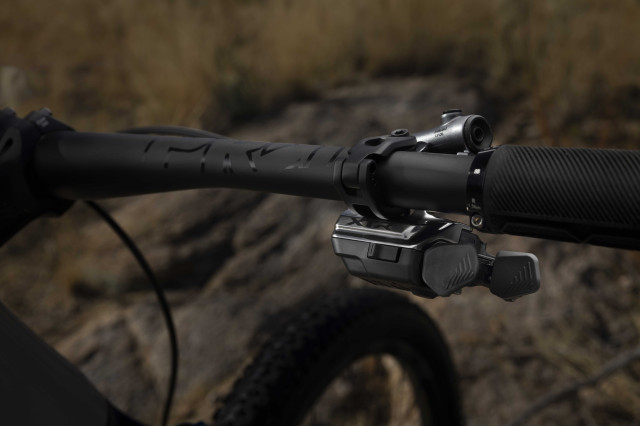
Take electronic shifting, for example. What a wonder! What an incredible idea to introduce a small motor, a couple of buttons, and some batteries to rid yourself of the dexterous battle against cable tension, various springs, and the odd bit of friction from old outer cables.
Sure, that’s simplifying things somewhat, but stay with me. At the basic level, it is that, and don’t forget a Bluetooth transmitter somewhere along the line.
That is where simplicity comes to a very abrupt end, though, because what happens when that happy-go-lucky clicking isn’t swiftly followed by a whir and chirp of magic somewhere underneath the saddle?
What happens? Well, all manners of things that aren’t good, and usually when things used to go south on good Ol’ mechanical drivetrains, you could bodge a few things to get you home in a gear that didn’t either blow up your knees, or have you looking like a less speedy version of Sonic the Hedgehog.
To offer up a bit of real-world comparison, I bought a bargain of a retro 90s mountain bike in late 2019 (a Rock Lobster for those who are interested) with the intention to have a fun run around, adorned with early nine-speed XTR and a lot of questionable anodised parts.
It was quickly upgraded from run around to ultra machine as I signed up to the Atlas Mountain Race in 2020 on a whim.
I rolled up to the start on my 26-inch wheels, disc brake up front, a V-brake on the rear, and that trusty 25-year-old nine-speed groupset.
Yes, 25 years old…
Around me, there were S-Works, custom carbon gravel bikes, and lots and lots of electronic groupsets. I never felt under-biked or ill-equipped, but there was a certain wonder, awe, and jealousy as I looked around at the elite collection of fun shiny things that went whizz, chirp, and click.
Bear in mind my bike, along with a few upgrades like a dynamo wheel, cost me less than £350. I was definitely bringing down the average cost of the bikes at the start line considerably.
Some 600km into the race, I had my first mechanical. Nightmare!
The front chainrings just weren’t shifting. Stuck in the big ring with knees that were in absolute protest of continuing on with this level of resistance, I set about tinkering with just about anything to do with the drivetrain, from the H and L screws, cable tension, even removing the inner and lubing up the whole casing.
Nothing was working, I was tired, and ultimately getting to my wits’ end with what I could do.
Then my eyes widened and relief washed over me, as I noticed what the issue was; a small stone caught between the front mech and the teeth on the largest chainring.
Ta da!
A quick flick, a whoop, and some readjustment of a now very maladjusted front mech, and I was back on my way, without another hiccup for the remaining 570ish km to come.
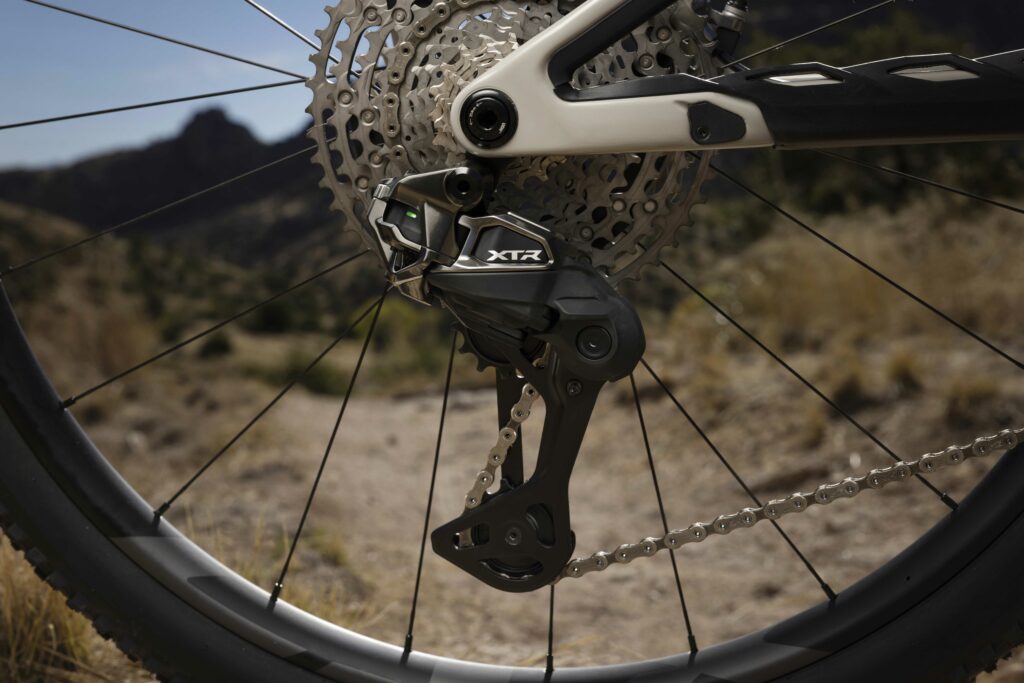
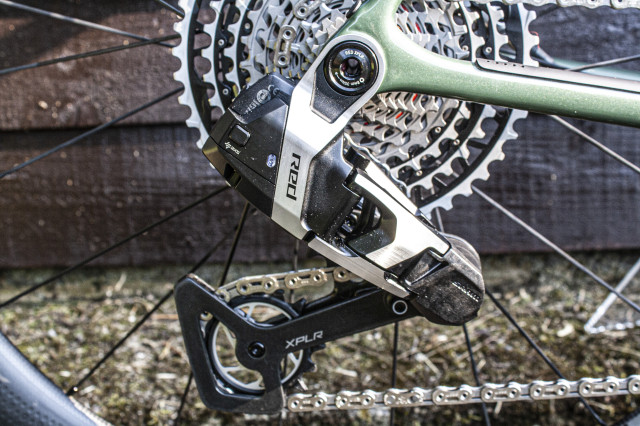
However, flip the script on this whole scenario and replace that nine-speed XTR from 1996 with a shiny battery-operated XTR Di2 from Shimano, Force AXS from SRAM or even maybe UNO, the newer offering from Spanish brand ROTOR, and you are nine times out of 10 going to be left out to dry or totally soaked, as you have to walk back up a mountain because your bike is now a singlespeed with a ratio of 5.56. (That’s really hard by the way).
There is no roadside tinkering and little to no room for hacking a solution to ensure that you are able to continue on, unless perhaps you have packed some micro screwdrivers, a battery-operated soldering kit, or a diagnostic computer to plug in to the ‘mainframe’ to then figure out why the gear no worky.
Such dilemmas as ghost shifting, sudden battery failure, a loose connection on an internal component, and that ‘Sonic The Hedgehog’ impression become a real-life scenario.
That reality, though, is exactly what can happen, and that’s when you are already out riding and trying to enjoy the simple pleasure of being on your bike, but then the dramas that unfold in the garage, conservatory, or hallway at home are just as frustrating, if not more so.
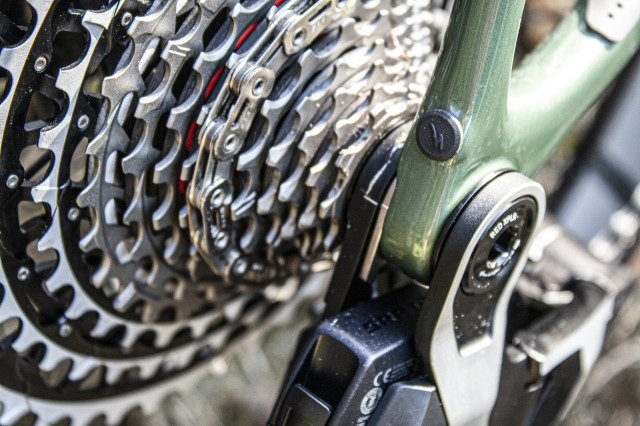
Say, for example, the contacts between your mech and battery don’t interact correctly on your AXS system. Or better yet, the must-have a firmware update on your Ultegra Di2 decides to completely ‘brick’ your drivetrain, then requires you to plug the whole system into a computer, otherwise your shiny road bike turns into a rolling paperweight.
While those two tales sound wildly impractical and far-fetched, they are far from it, as while I type out this paragraph, I am pages deep in both of those horror stories.
Each wonderful hurdle essentially stops you in your tracks (or cleats) as you go to leave the house for a lovely old pedal around.
So yes, the technology is incredible. Yes, the ergonomic relief of not having to force your hands to work through a whole cassette is a gift I didnt know I wanted – but the pressure relieved in the hands and wrist is sometimes preferable to the kind of mental pressure of wondering when will it give up the ghost, and the computer yet again just says “No”.