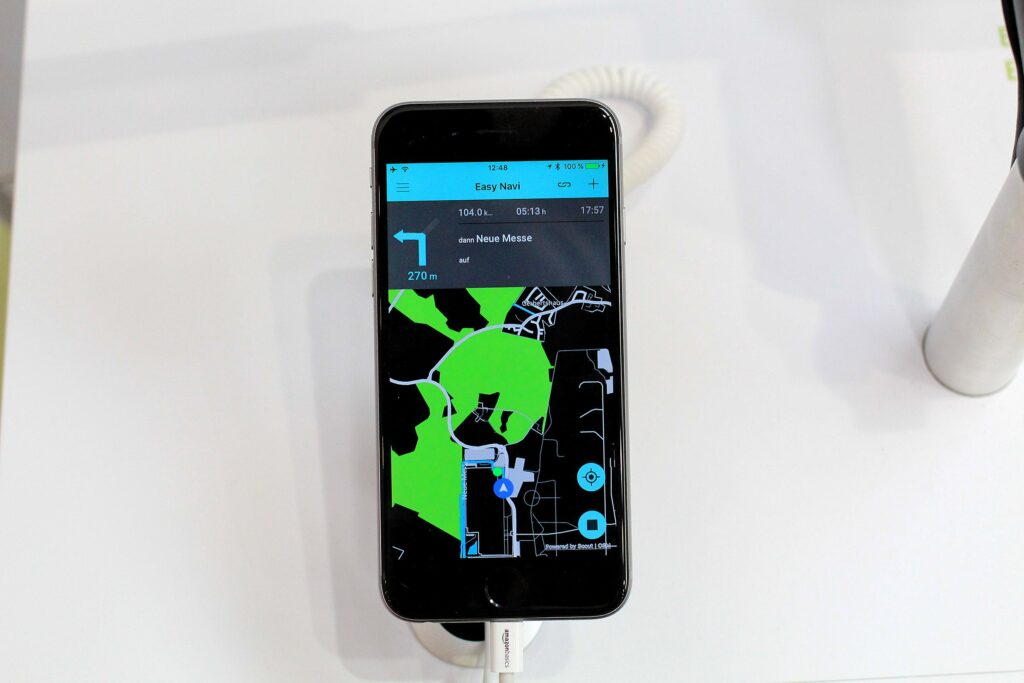
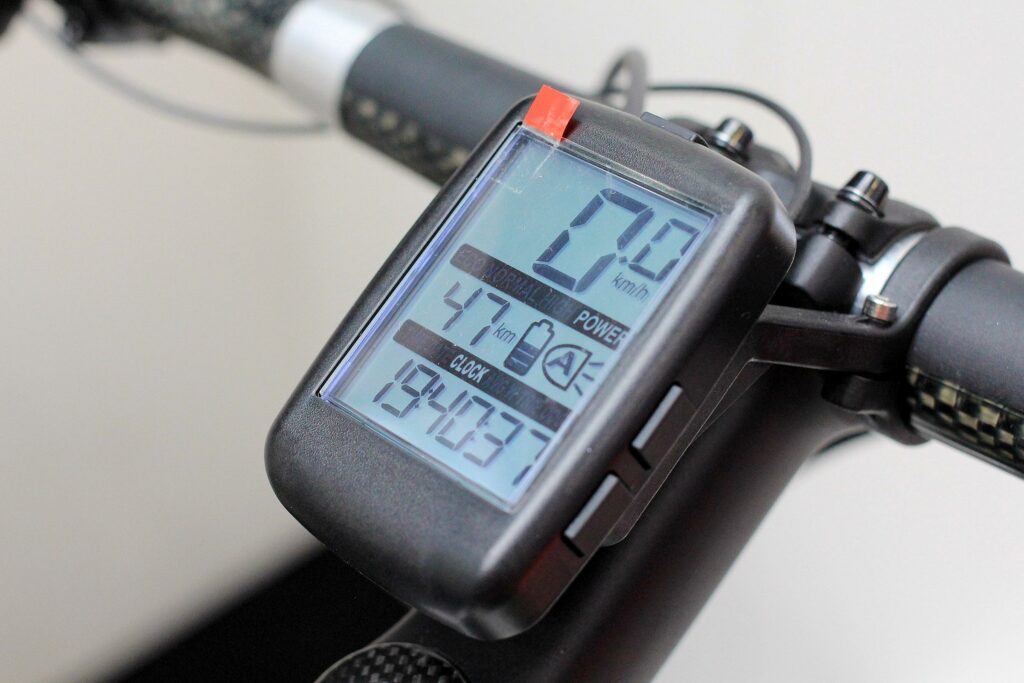
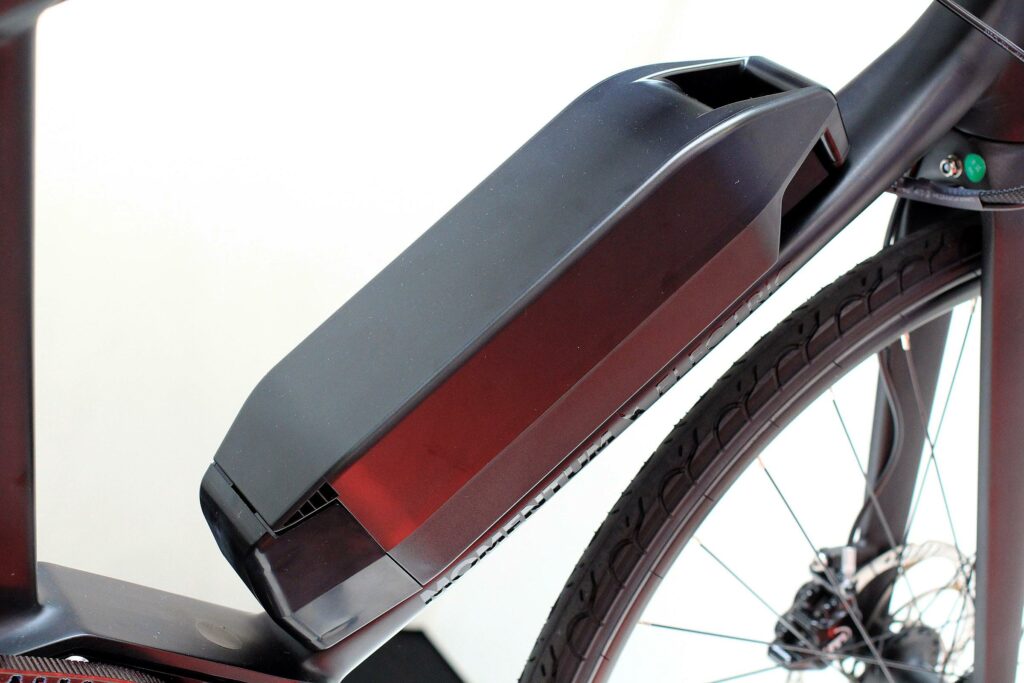
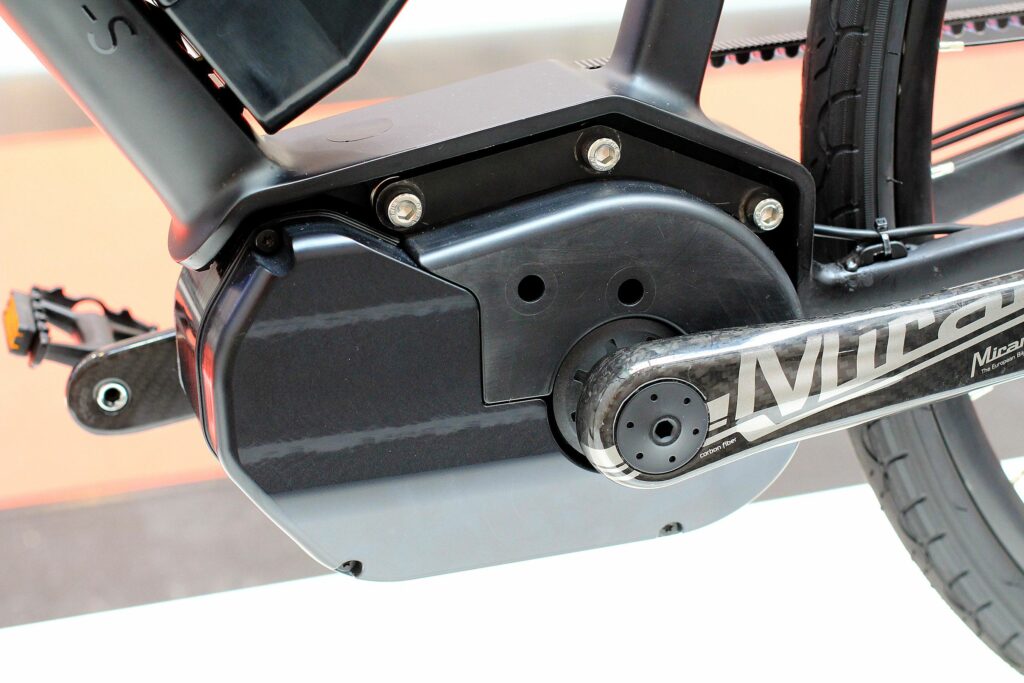
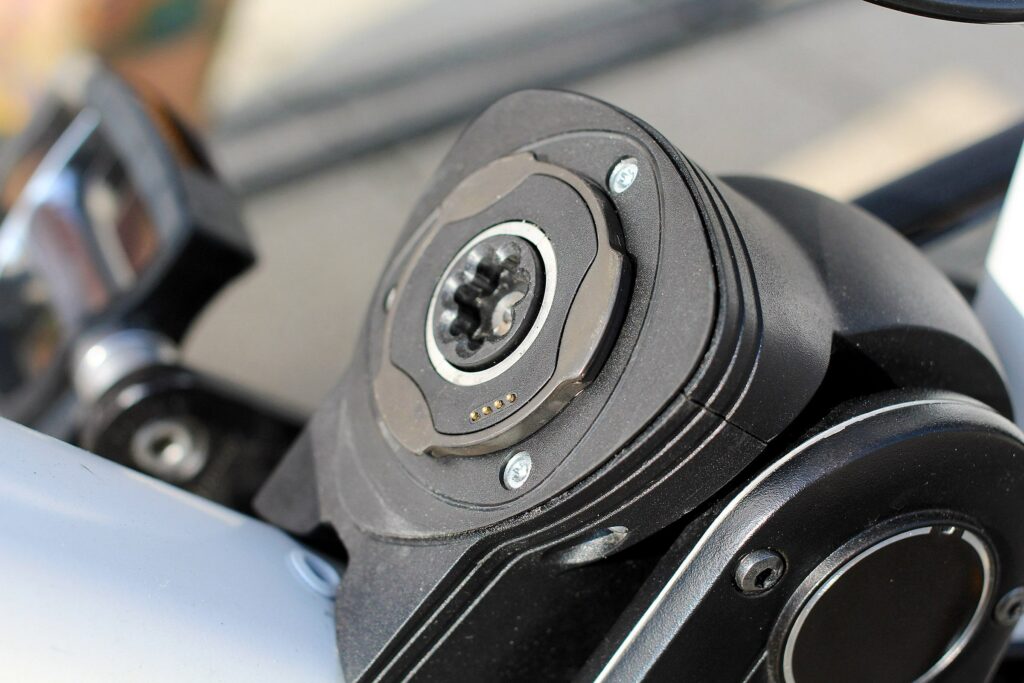
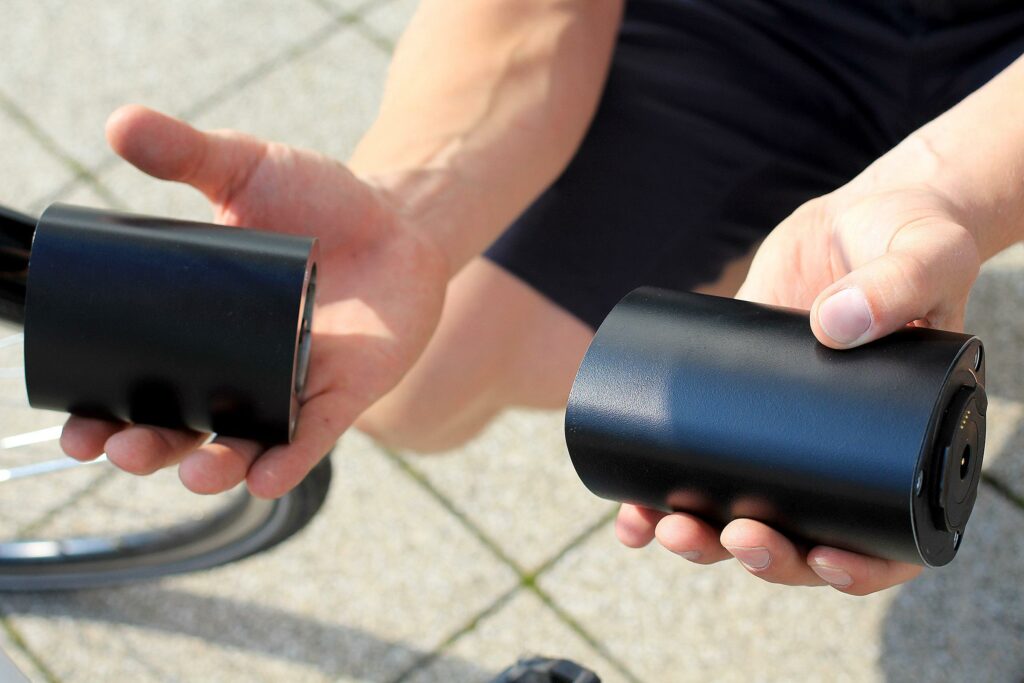
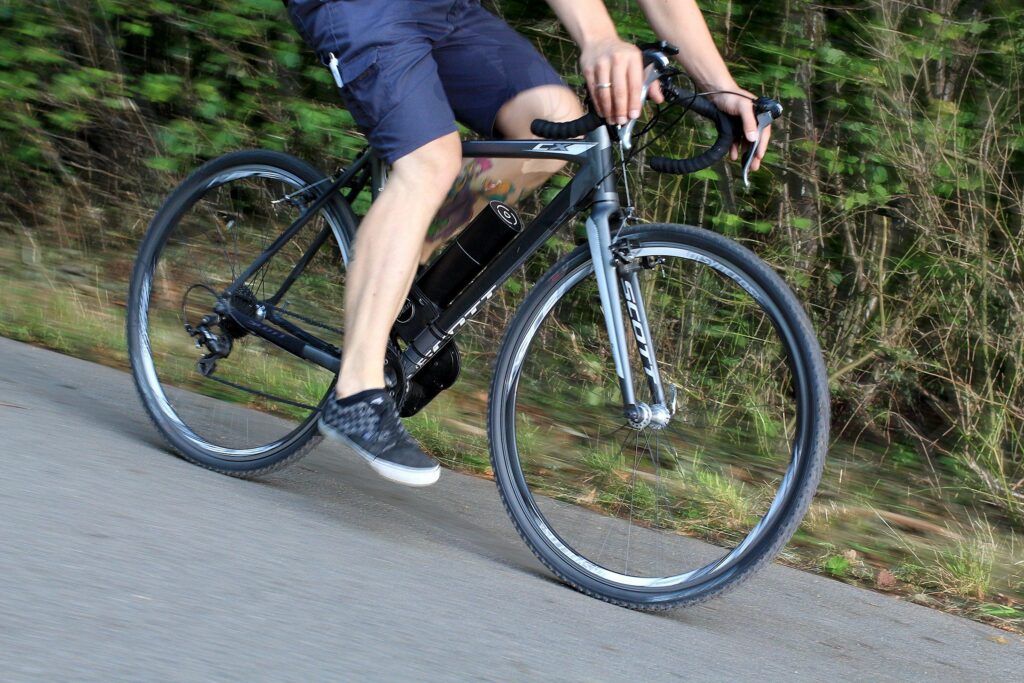
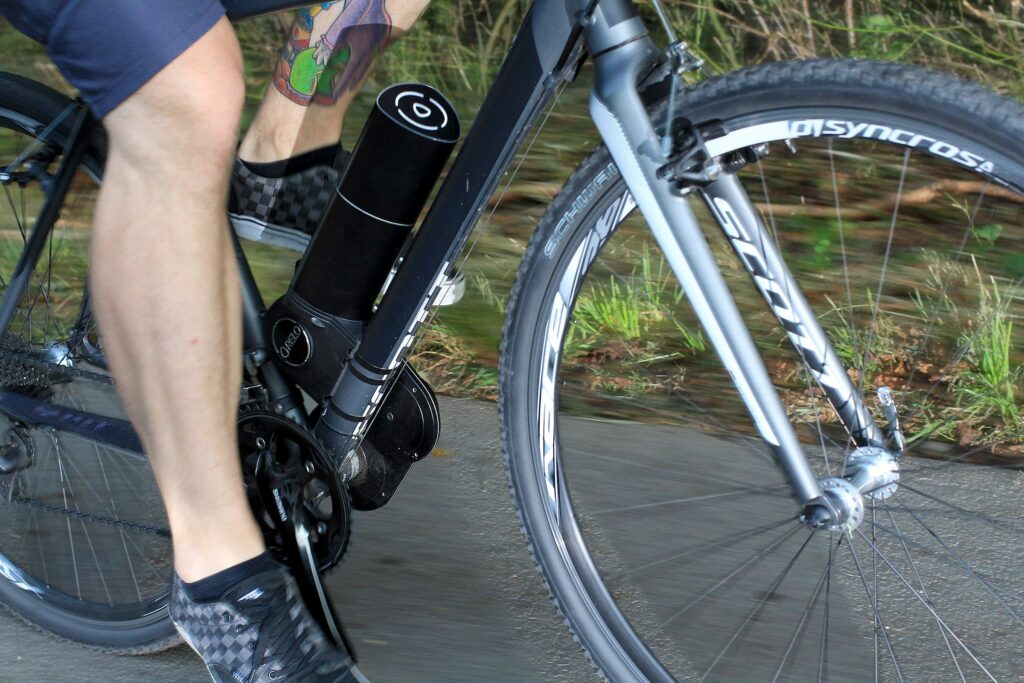
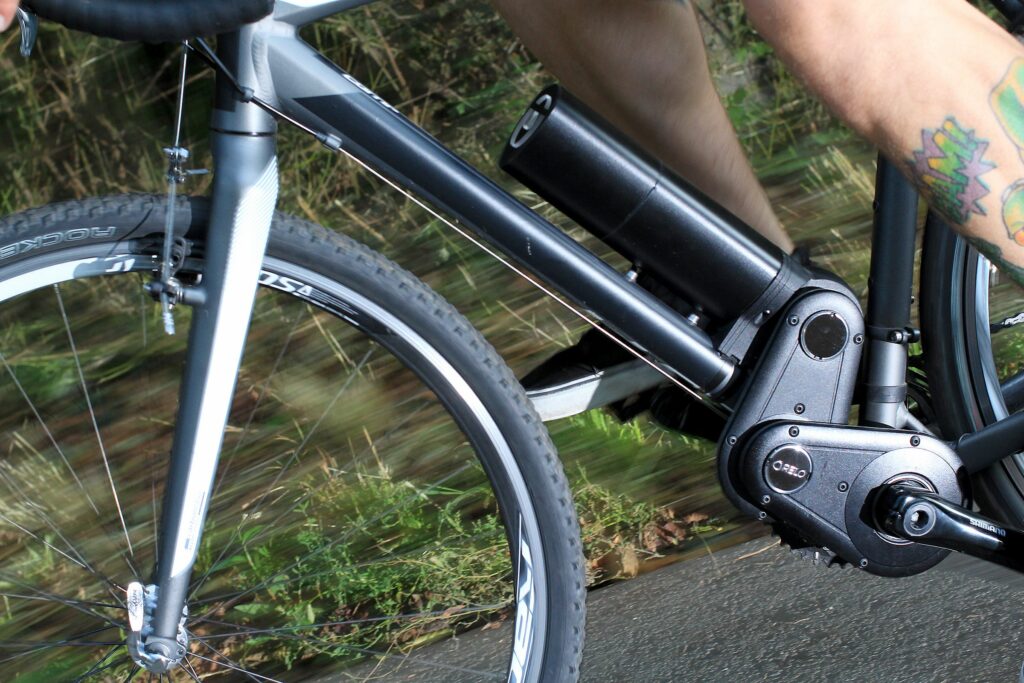
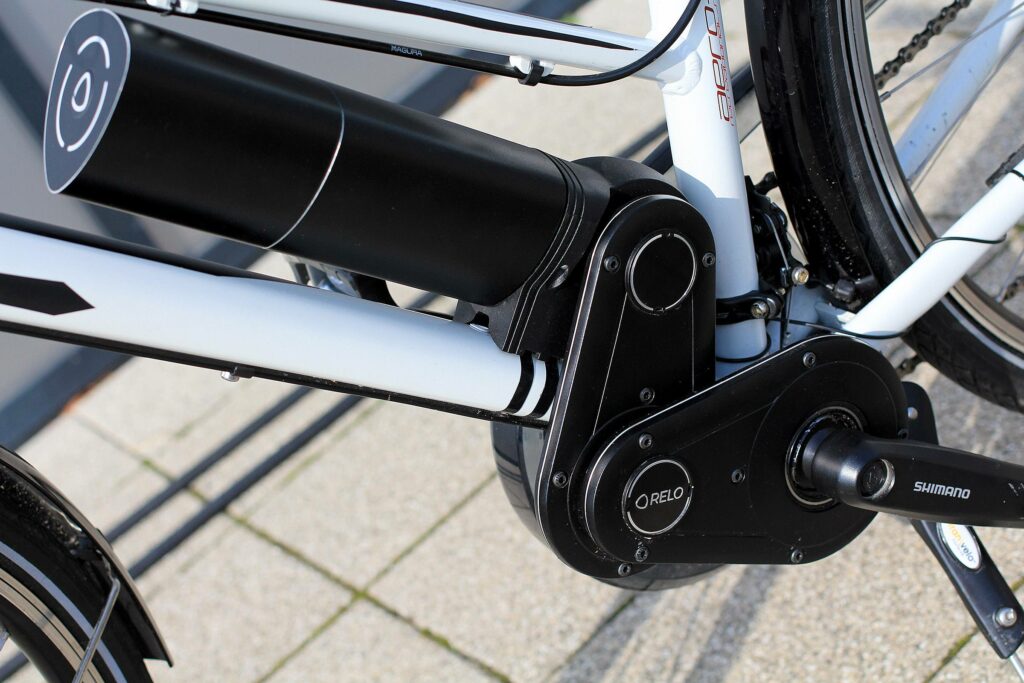

There was lots of e-bikes at Eurobike, and lots of them had drives from the big names: Bosch, Brose, Yamaha, Bafang and more. But that’s not the whole picture: there’s always new things to be seen, and there were lots of new drive units on show. We’ve already brought you the Relo Drive and Bike2, here are six others we saw that are either already here or bubbling under.
Fazua evation
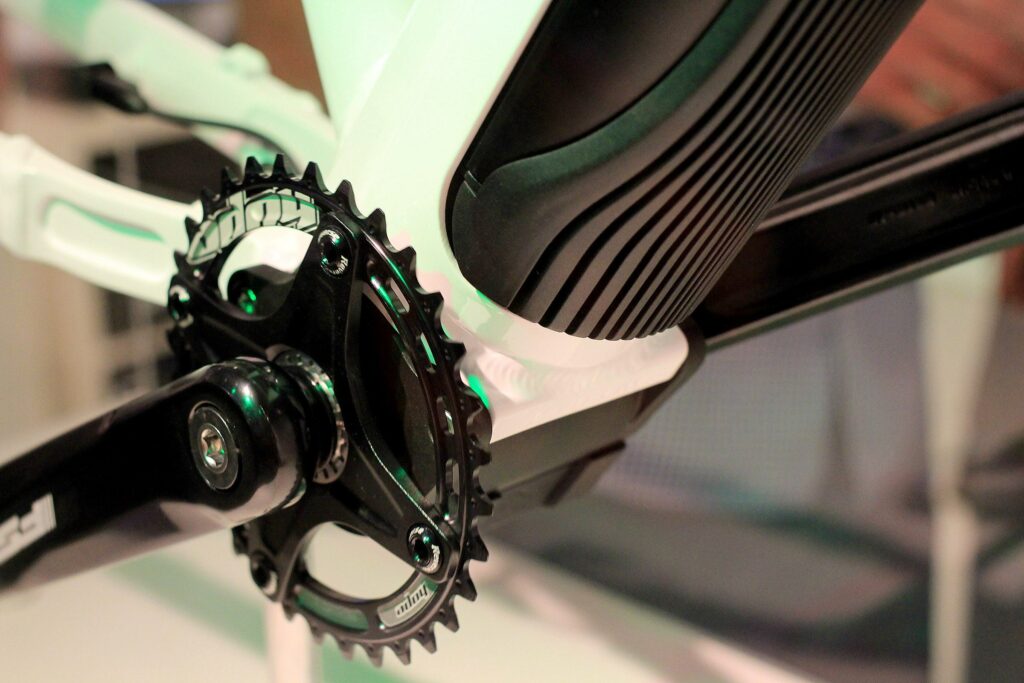
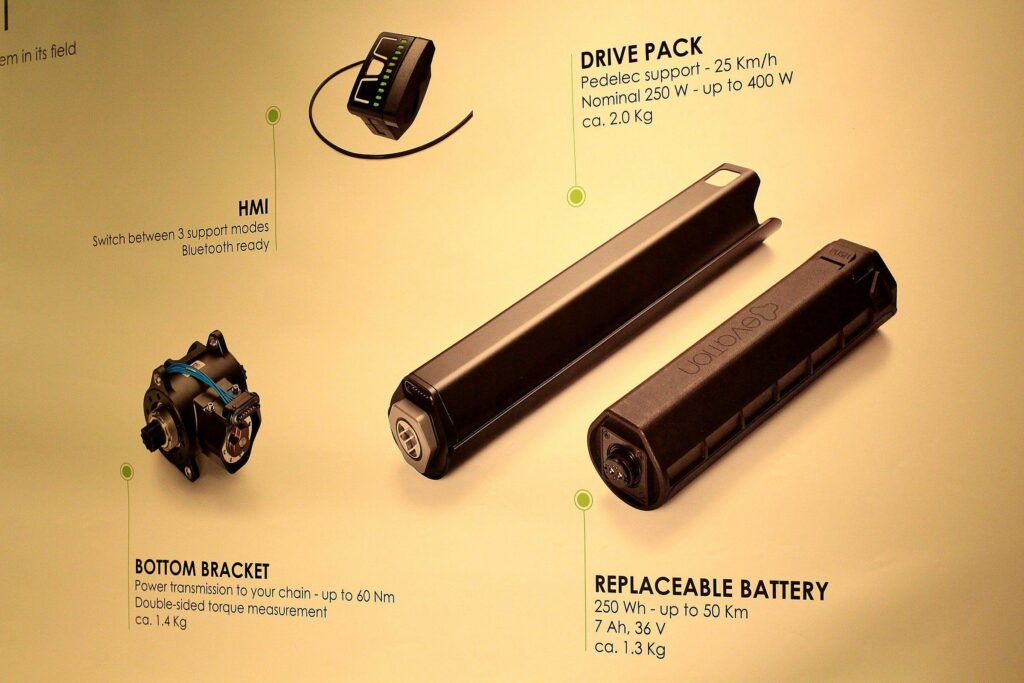
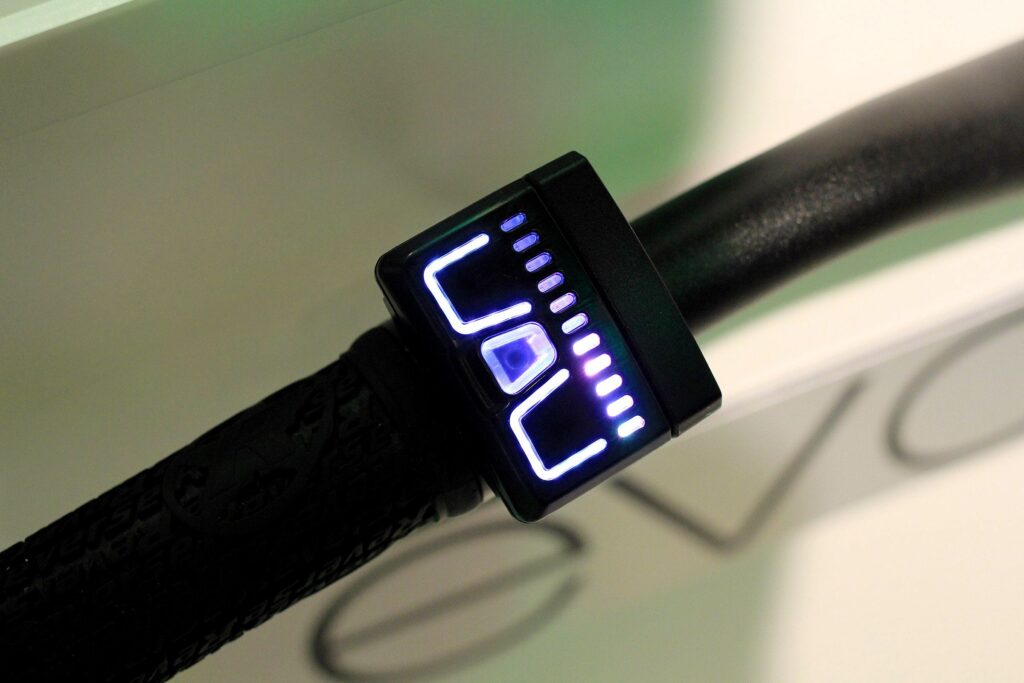
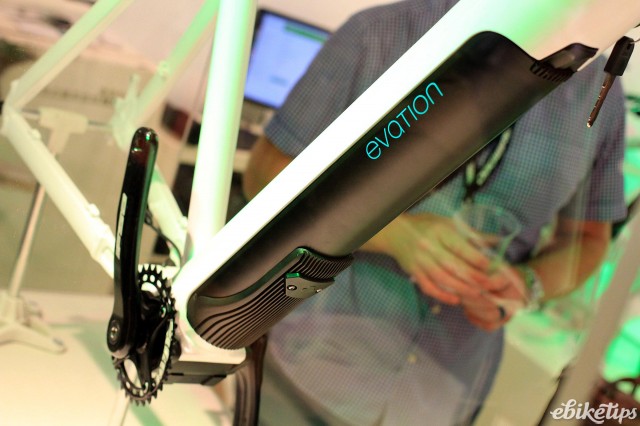
One of the most talked-about drive systems at the show was the Fazua evation. It’s a mid motor system but with a difference: the motor and the battery can be removed, leaving just a friction-free (and very small) gearbox in place. That means you can run a bike with or without the motor.

It’s been talked about a lot mostly because it’s very light, totalling 4.7kg for the motor, gearbox and battery. The gearbox is 1.4kg of that, so it only adds about a kilo on to the weight of a bike if you decide to take the motor and battery off and just use your legs. We’re presuming that Fazua will have some kind of blank cover available for the motor/battery hole, although they seemed surprised that anyone would want one when we asked them. Engineers, eh?

The motor is a 250W constant / 400W peak unit so it’ll be compliant with EU regulations. The battery isn’t huge, at 250Wh, but Fazua claim that’ll give you a 50km range. Focus, when they showed off their Project Y bike that uses the drive system, described it another way: you can get 800m of climbing out of one charge. Either way, a useful helping hand but not in the same league as the likes of Bosch,Yamaha or Brose.
We haven’t tried the drive yet but production is getting underway with the first completed units rolling off the line in January 2017. There’s a few manufacturers lined up to take advantage of them. Focus we’ve talked about and there’s also the Bianchi e-doardo that will, Bianchi say, be available as a 2018 model.
Pendix

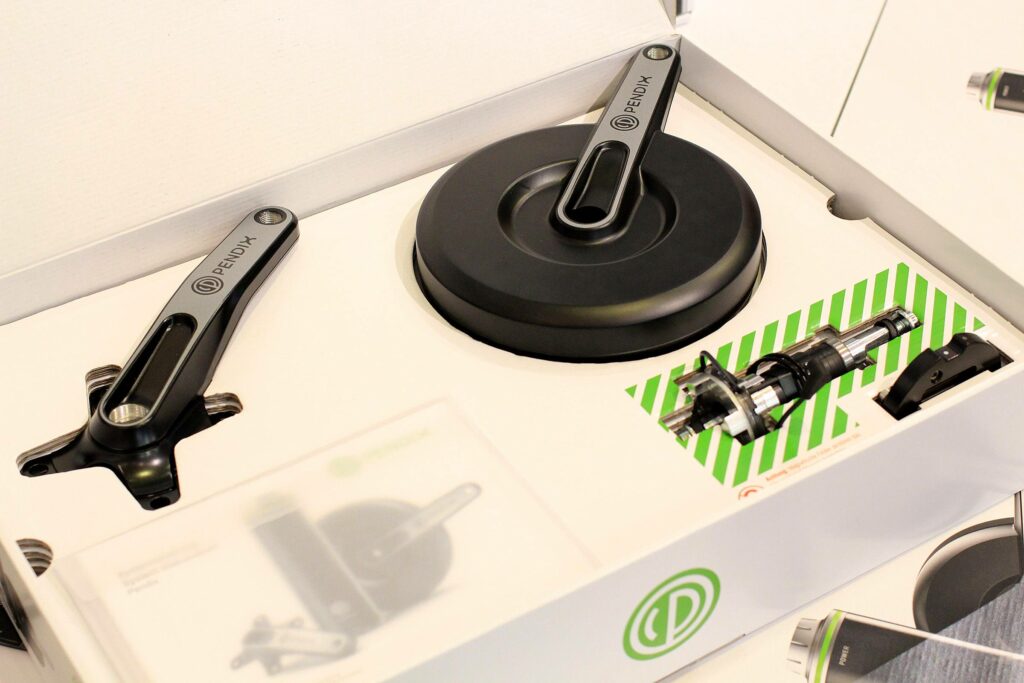
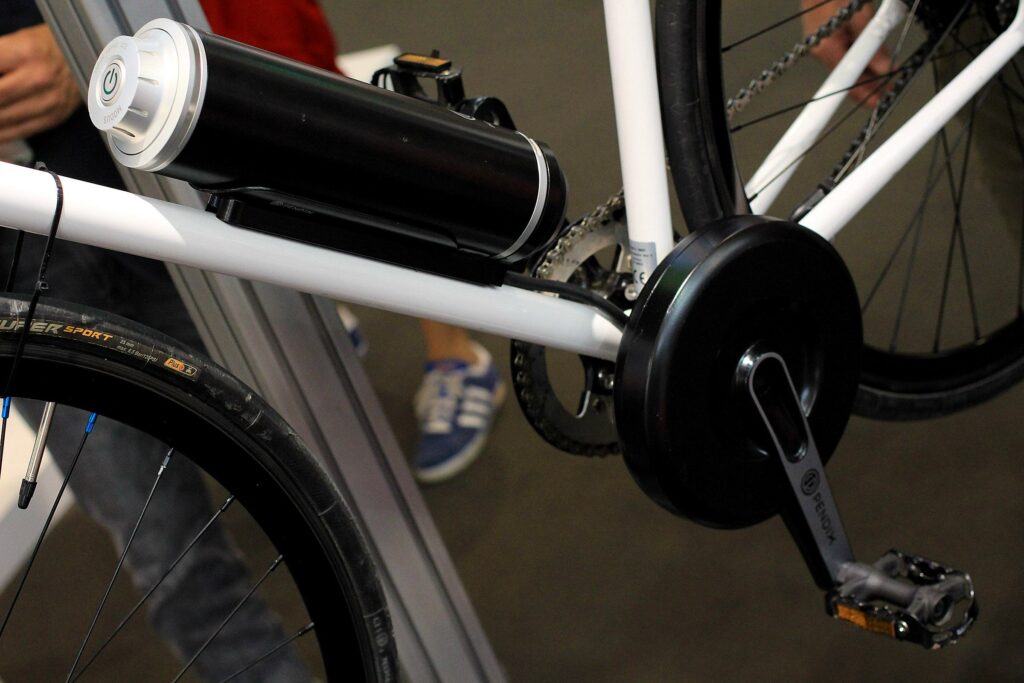
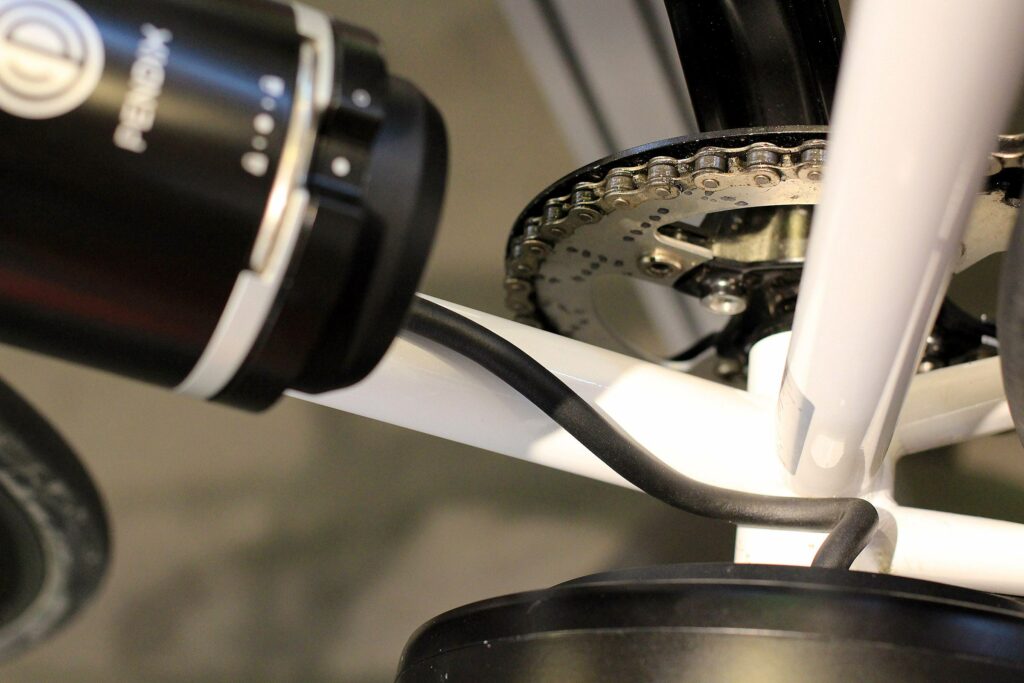
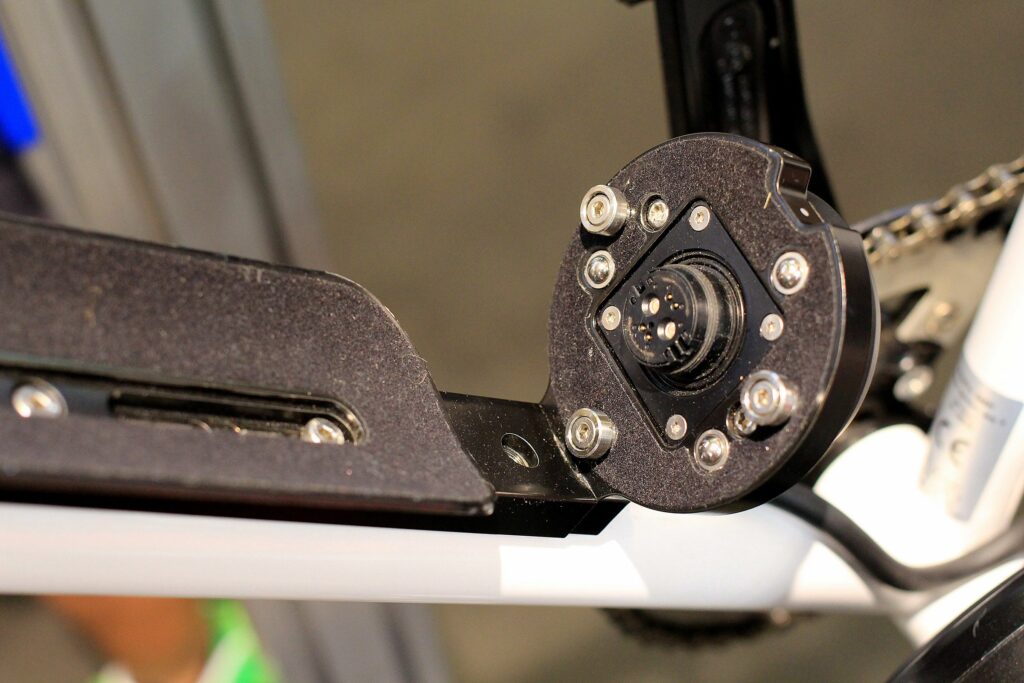
The Pendix system is an interesting one in that it looks as if it should be very easy to retrofit to more or less any type of bicycle, the only requirement being that it needs to have a standard threaded bottom bracket. The brushless motor sits on the non-drive side of the bottom bracket and Pendix supply a new crank for the drive side that’s wider to keep your legs balanced. It’ll take one, two or three chainrings. There’s a torque sensor in the bottom bracket which the system uses to add power.

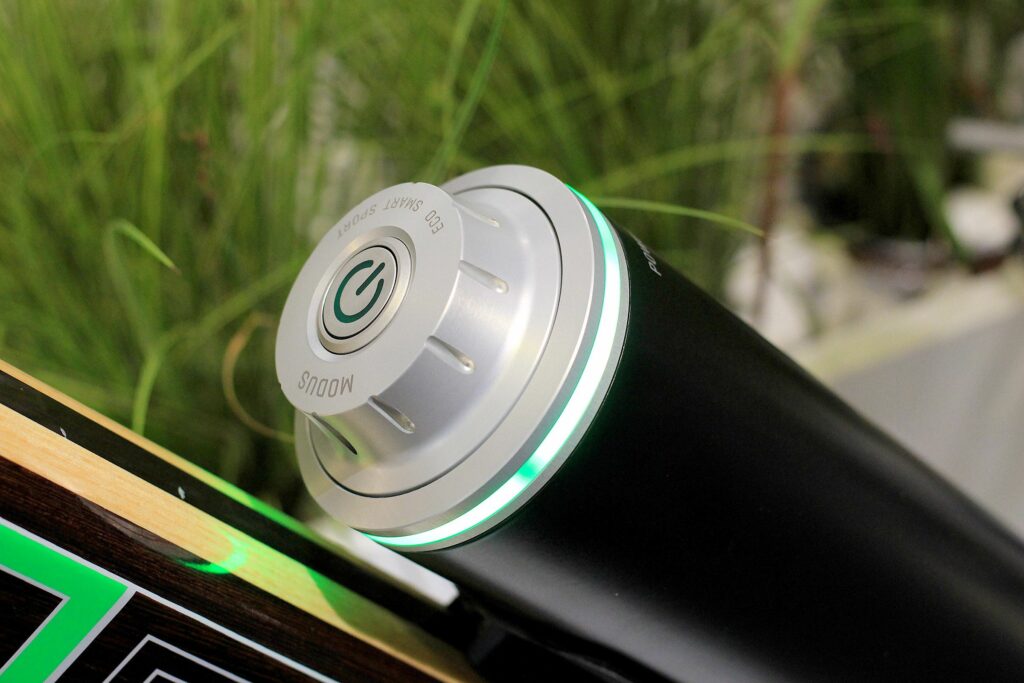
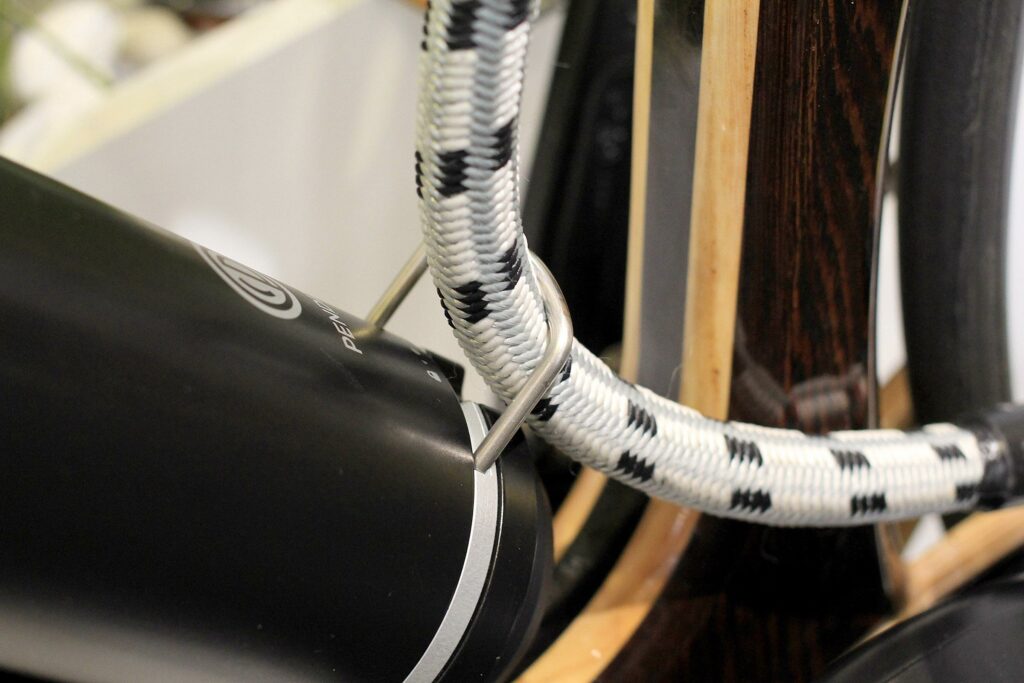
The battery (300Wh or 500Wh) mounts to bottle bosses and it doubles as the system controller. There’s a big tactile dial on the top to switch between the three modes (75% to 200% assistance) and an LED light ring that tells you the charge status. Pendix claim you can get 105km out of the drive in Eco mode, we’re assuming they’re talking about the bigger battery there. It’s possible to double up on batteries, too; if your bike doesn’t have enough bottle bosses the battery mount can be attached with straos instead.

You can charge the battery back to full in 3 hours and it twists in and out of its mount easily for charging off the bike. If you’re worried about it getting nicked there’s an integrated lock loop.
The only other part of the system is a rear-wheel-mounted speed sensor so that the motor can cut out at 25km/h to comply with EU regulations. The whole system weighs in at 6.5kg. It’s €1,490 for the 300Wh system and €1,690 for the 500Wh.
binova flow

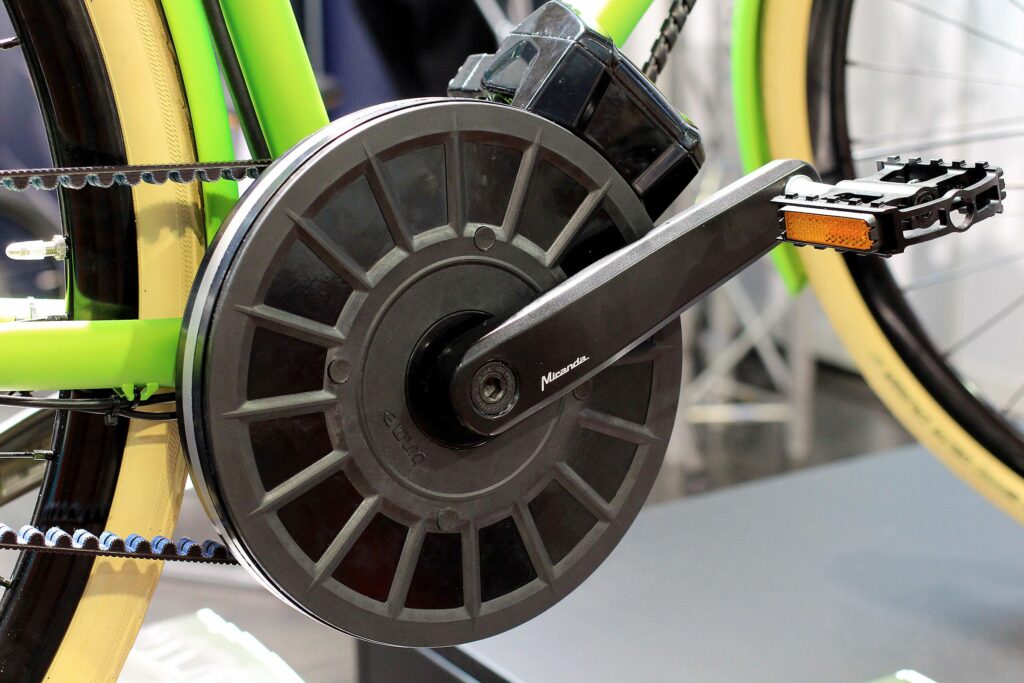
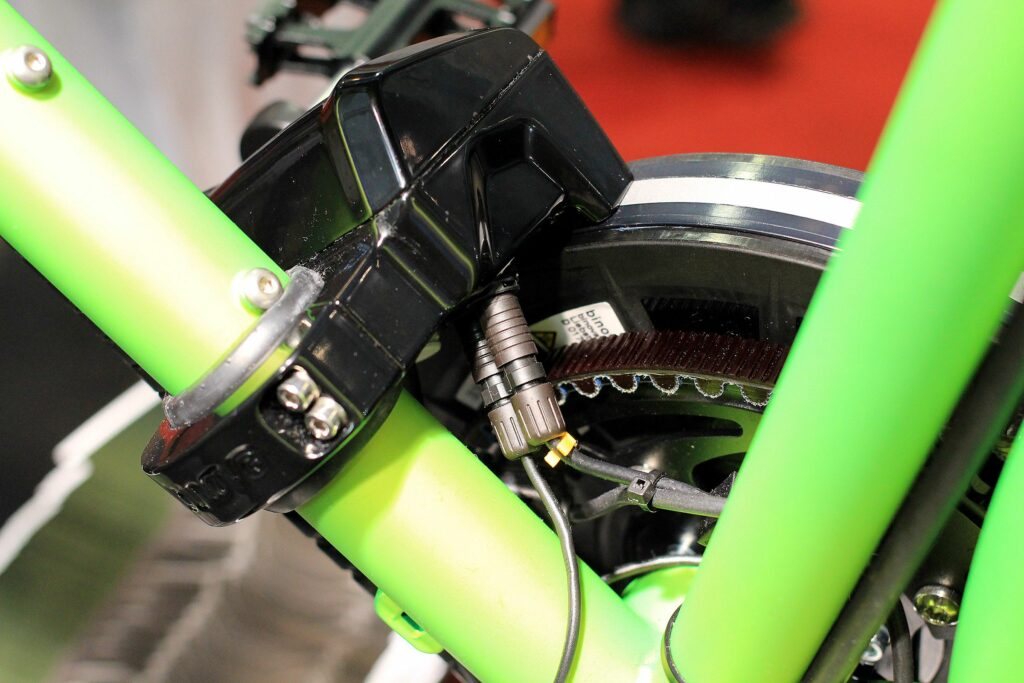
binova’s flow is similar in concept to the Pendix system, using an externally-mounted brushless motor mounted to the bottom bracket. The German manufacturer claims it’s the first gearboxless middle motor, and it can easily be mounted on a standard threaded bottom bracket frame.

It’s not quite as simple a job as the Pendix, because the binova flow has a frame-mounted sensor as well as the motor, which is mounted on the drive side in this case. Matching up the motor and sensor is a bit more fiddly, and for that reason binova will be offering the flow drive only as a shop fit. You won’t be able to buy one and fit it yourself.

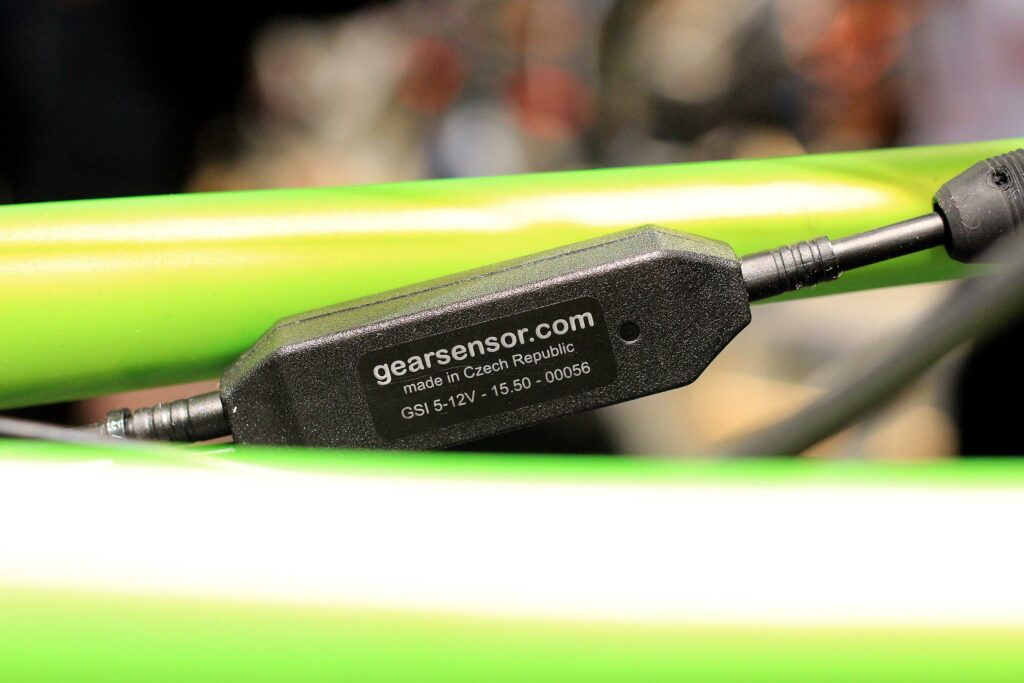
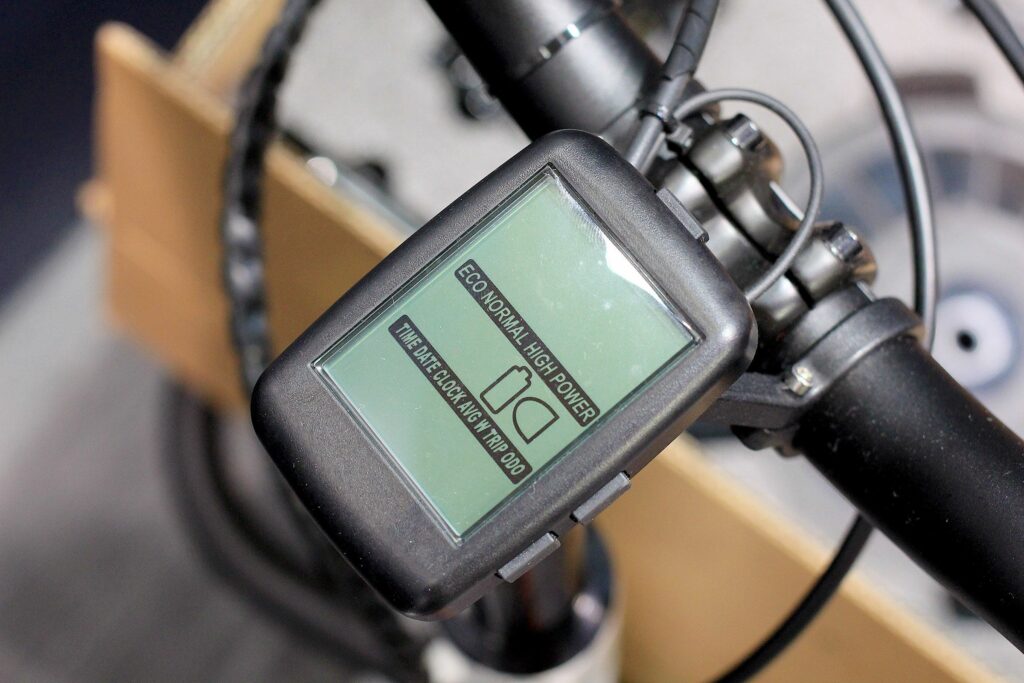
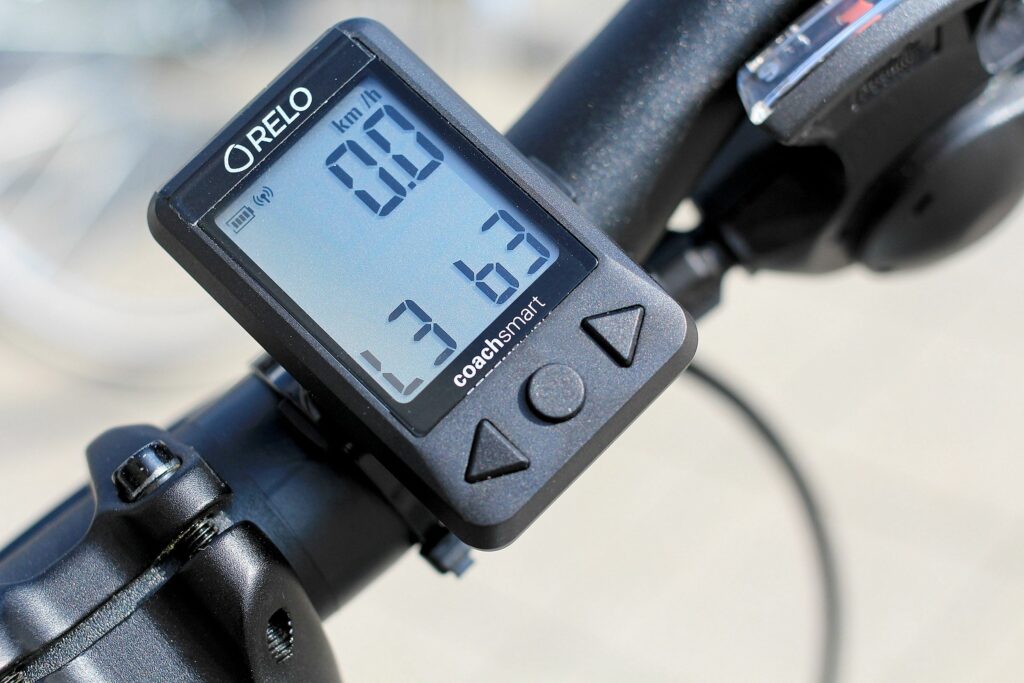
Binova will offer the flow system with a choice of 396Wh or 576Wh batteries, the latter of which will give you a claimed range of 180km from the 65Nm, 250W motor. There’s an LCD head unit and the system can include a gear shift sensor to back off the power when changing gear. That’s especially useful for hub gears that are reluctant to shift under power, and can get damaged.
http://www.binova-technologies.de
Nidec mid motor

Nidec make motors for pretty much everything, from camera lenses to 45 megawatt motors for… well, we’re not sure what you use those for. Something fairly heavy duty. Anyways, they’re making use of their motor expertise in the e-bike field with a new mid drive unit.

The first bike we’ll see the production units of the Nidec mid motor on is the Momentum Electric VIT-S. We’ve already had a go on the pre-production version and we’ll be posting a first ride review of that bike soon. In terms of size and shape it’s pretty similar to the other units on the market, and it’s direct drive between the pedals and chainring so you use a standard-size chainring, like Brose and Yamaha, rather than a small drive ring like Bosch. Nidec will be using the same drive unit for standard and speed pedelecs, with the power restricted for the lower standard.
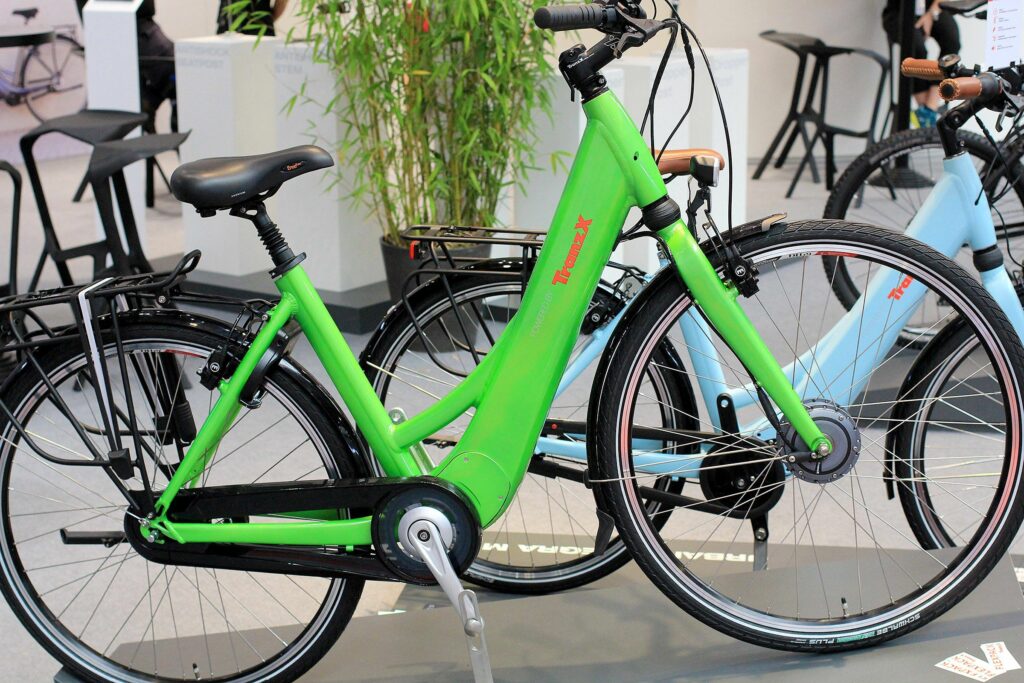
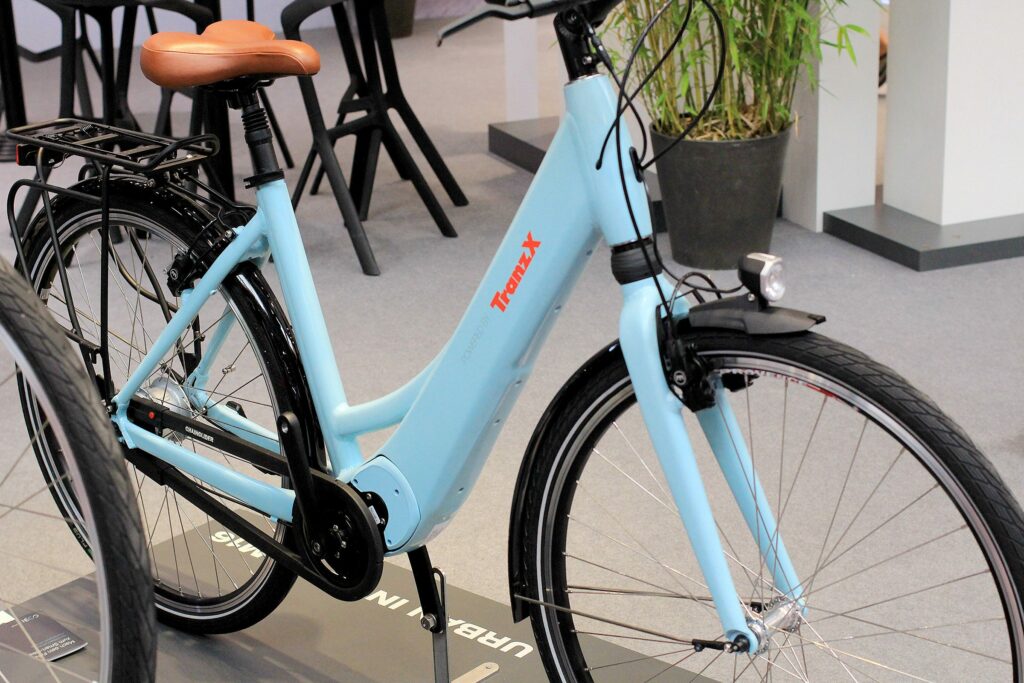
TranzX Integra

“Integra is the first completely integrated frame-drive concept for e-bikes” say TranzX, although BH and Rotwild might have something to say about that; the Integra isn’t a million miles removed from their integrations of the Brose motor. I guess it depends on your interpretation of “completely”.
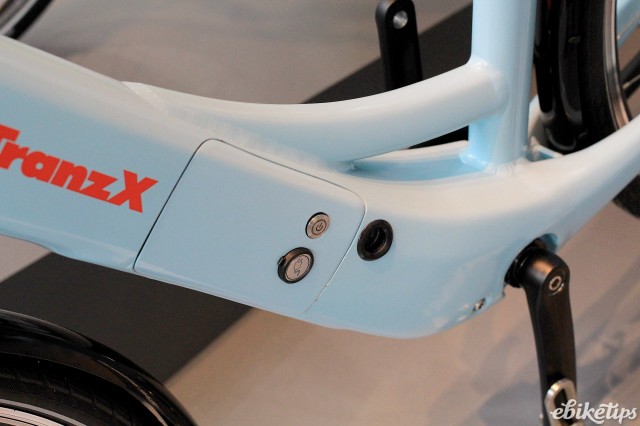
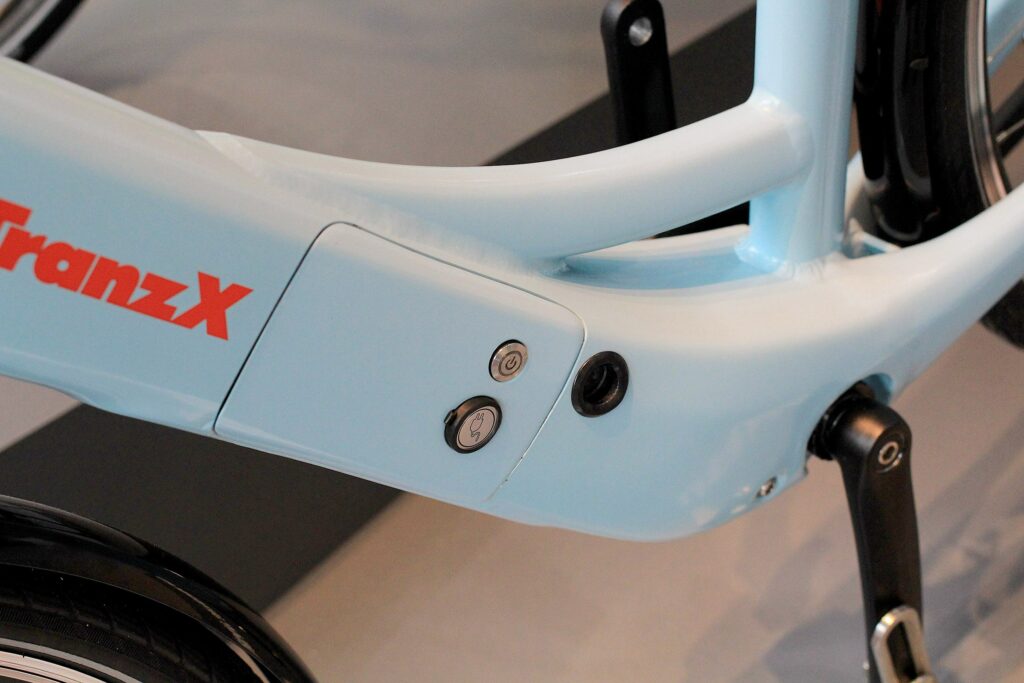
Anyway, enough nitpicking. The Integra drive has some interesting tech. Maybe the most interesting is the FlexPack battery, which is available in 272Wh, 348Wh, 384Wh and 408Wh capacities. The packe isn’t flexible as such, but it is segmented with hinged connectors, so it’ll fit in and out of a much smaller hole in the frame. So the whole battery can be removed from that small hatch in the down tube. Clever eh?
The M16 mid motor is the other part of the system and it’s a 250W (390W peak), 58Nm, low noise drive that uses the CANbus standard to talk to the system controller.
http://tranzx.com/#integration
Oeschler 3ve-matic

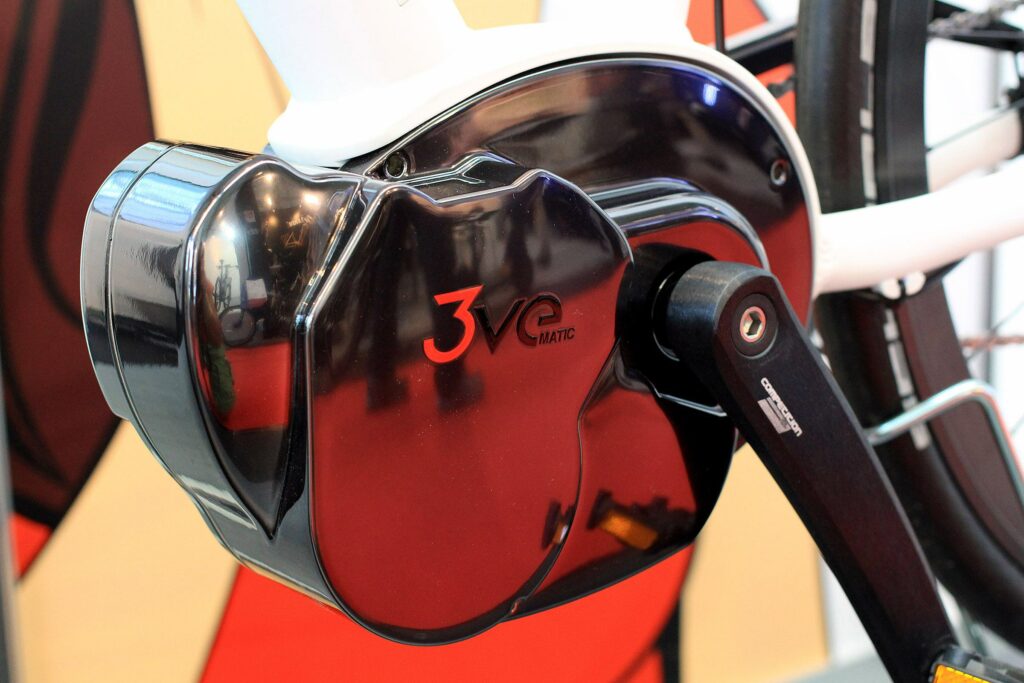
“Why don’t people put the motor and the gears in one place?”, everyone was asking. Well, not everyone. A few people. Okay, just me. Anyway, it makes sense: stick the gears and the motor in the middle. Better weight didstribution, less of a faff getting the back wheel off, no need for an external speed sensor because you can measure the speed internally.

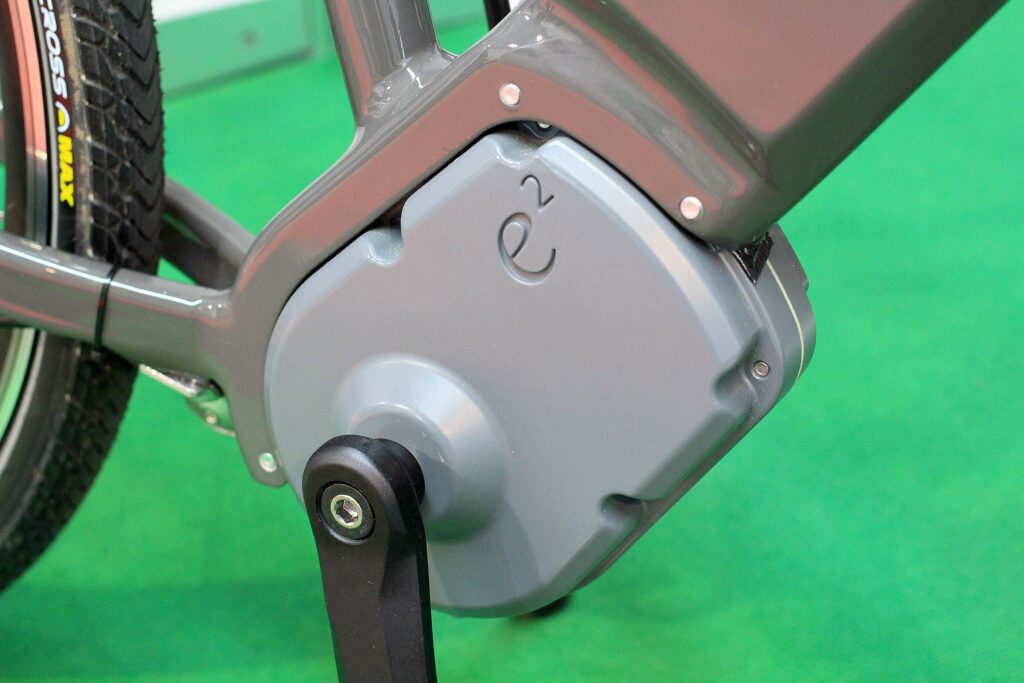
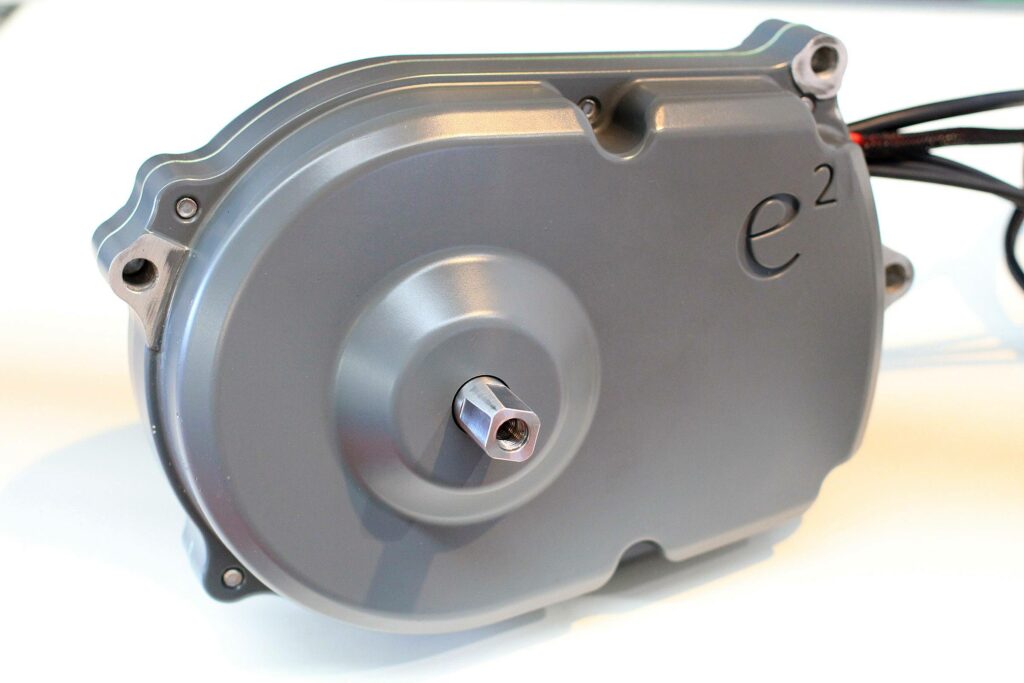
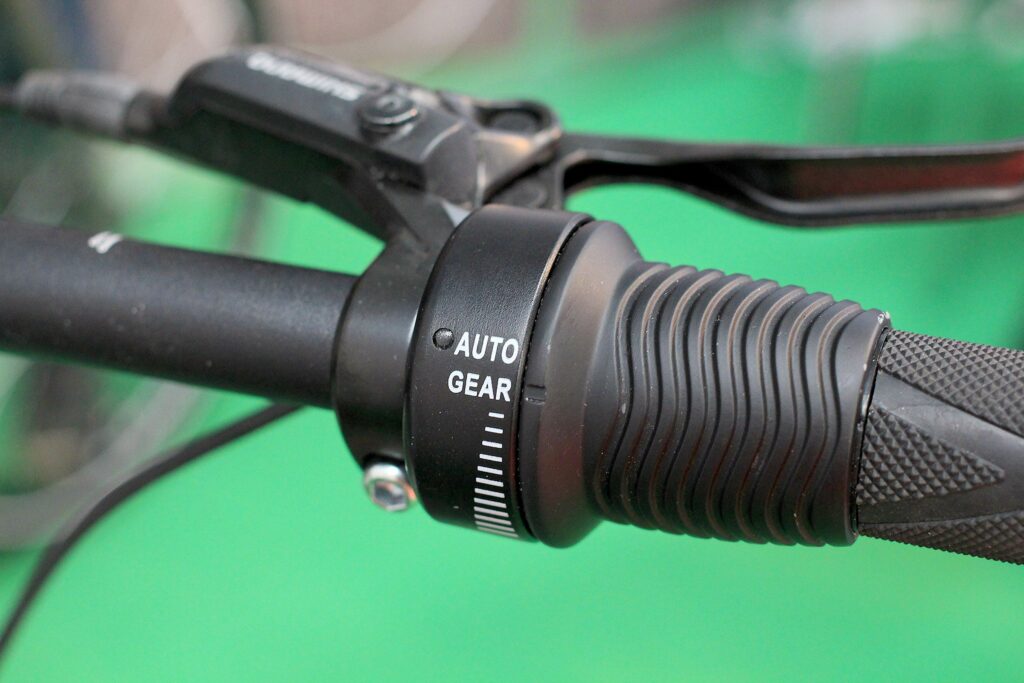
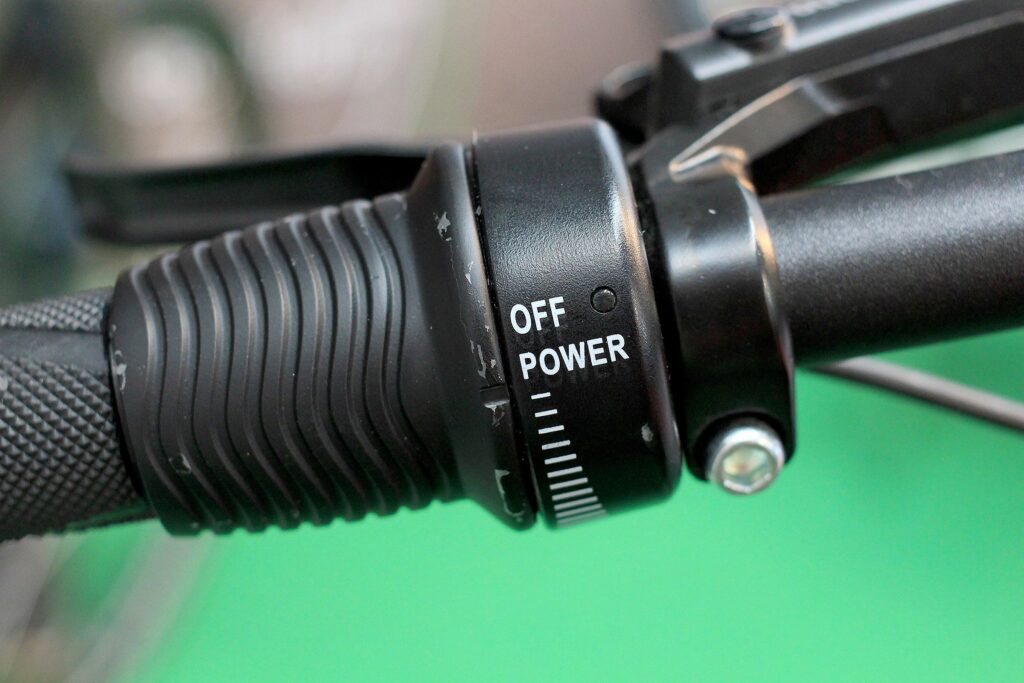
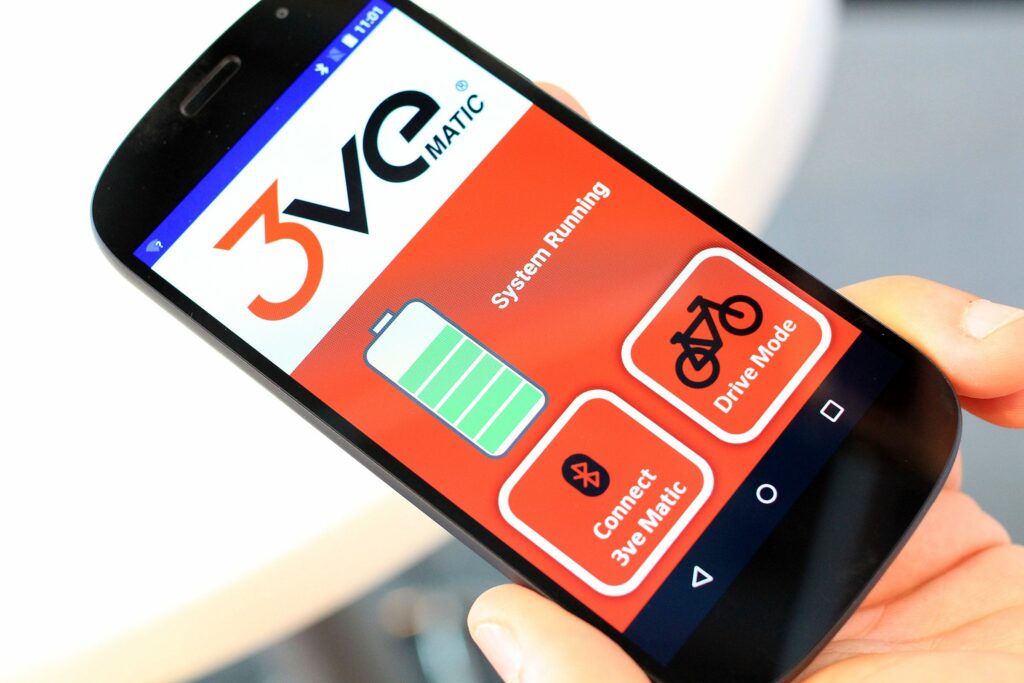
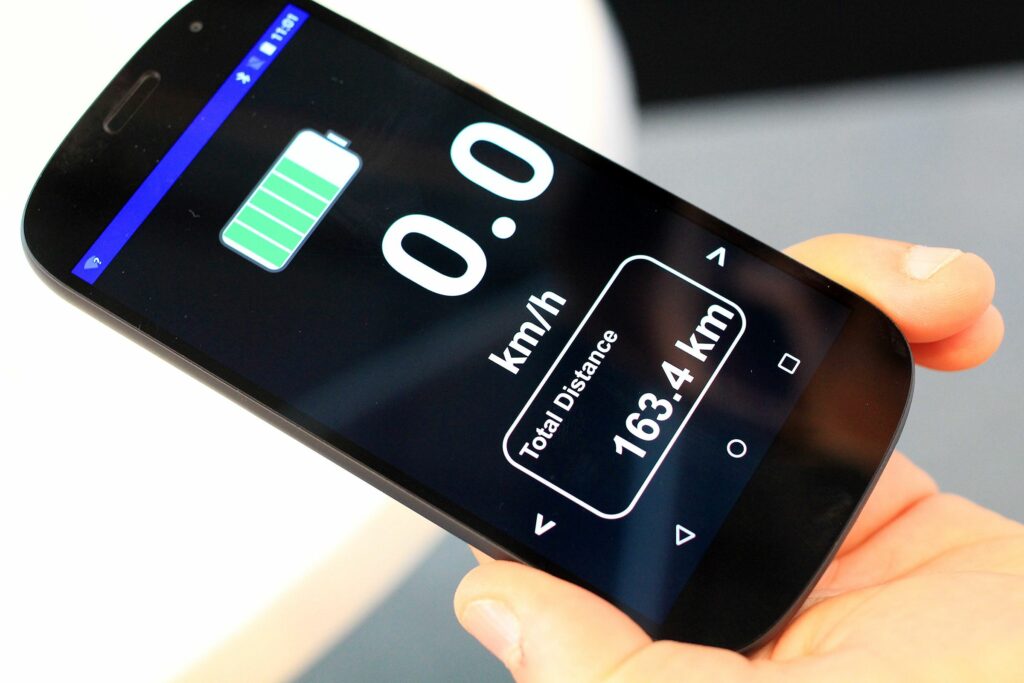
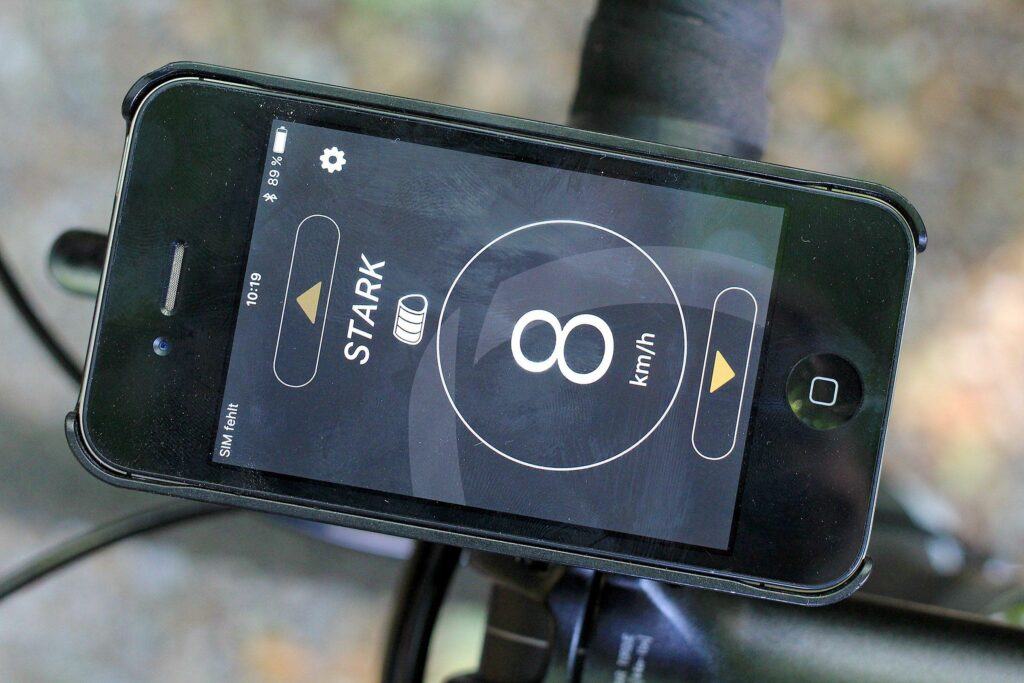
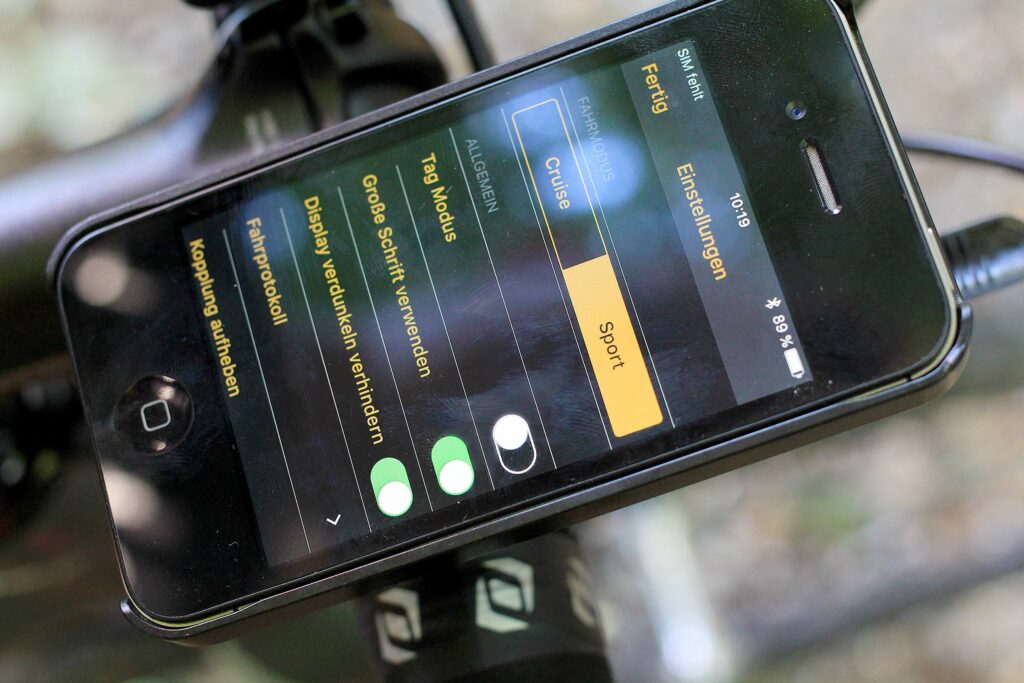
Step forward the 3ve-matic from German manufacturer Oeschler. They’re better known for building bits of cars and this is a new direction for them. The drive unit houses a motor and a three-speed gearbox with electronic shifting. There’s no display and no cabling (except to a battery, of course), but the box is Bluetooth-enabled so that you can access the settings of the drive via a smartphone app.
Oeschler are looking for partners and they’re aiming to have the drive unit in production for summer 2017.