
Cycling is a strange sport. Plenty of you will regularly go out for long rides, and I suspect that some of you reading or watching this have a big ride as your goal.
People outside of cycling often wonder why we go on such long rides, but being on your bike is nice, and the feeling you get after a long ride is amazing. Now, I personally have never been brilliant at long rides. I am very good at arriving home delirious, so it’s safe to say I’ve got a lot of things wrong, and learned many lessons along the way.
My colleague Dave, meanwhile, is much better at long rides, and over the years he has learned many lessons (often the hard way). So, we had a sit down and collated our experiences.
Some you might know, some will be new, but if you can take one thing into your next long ride, it should either make you faster and more efficient, or simply mean you’ll have a nicer time. And riding your bike is meant to be nice, so let’s crack on…
Don’t be a hero in the first few hours
We shall begin with a classic mistake that I seem to make with frightening regularity: going off too hard in the first hour of a long ride is a golden ticket to an unhappy final few miles.
It’s easy to get caught up in the feeling of having fresh legs, and the temptation to start racing yourself, your mates, or everyone around you is often strong. This, I find, is only worsened when riding when it’s windy.
Dave is much better at not doing this, having learned the hard way over many years of Audax riding. His tip is to set a lap on your cycling computer to show you your average power for that hour. Keep this to a level you know that you can sustain for a long time, and you’re far less likely to encounter issues.

I’d also recommend being realistic about your fitness. At Marly Grav, a 160km UCI gravel race, I foolishly decided to race, rather than pace the event. Had I thought about my lack of event fitness, I’d have been far more sensible, and wouldn’t have spent the final 60km running on fumes.
Efficiency makes a difference
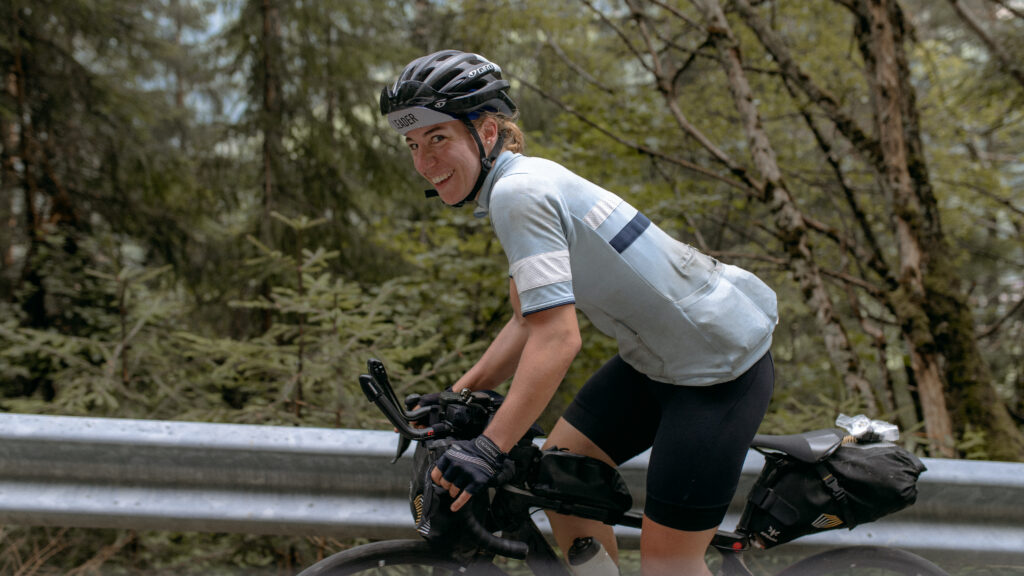
There are numerous ways to be more efficient on the bike, and while many will save you small amounts of time, putting them all together makes a big difference.
Improving your aero credentials is the obvious place to begin. Your clothing, helmet, bike, wheels and tyres can all be optimised for drag reduction and you can go even further, fitting aero bars for really long rides if the event allows.
But lots of these changes will cost you money. If you’re looking for a free efficiency boost, then working on your skills can really help. Be it descending and cornering faster, pacing climbs well, or simply learning how to eat while riding, ensuring your bike skills are polished will help you to find a little more speed.
> Top tips for better cornering
On really long rides, Dave recommends that you have a checklist of jobs so when you stop, you only need to stop once. Having a wee, grabbing some food or tinkering with your bike shouldn’t require you to stop within minutes of you getting going again.
Eating is everything

Whether you want to ride further, faster, or both, eating enough is possibly the most important lesson to learn.
I can recall numerous rides where I have got this wrong only to be left crawling home, in a semi-delirious state and by no means able to go faster. The best practice for when to get the food in depends slightly on the type of ride you’re doing. Sometimes the terrain dictates when you can eat, though other times it can be really handy to set up reminders on your cycling computer.
> How to eat right for sportives and long rides
I generally find that a ‘little and often’ approach is the best way to maintain energy levels while also avoiding any stomach issues.
If you’re off for a really big ride then do a calorie calculation to hammer home just how much you will need to eat over the course of the ride. This should also give you a pretty good idea of your calorie consumption per hour, so you will then be able to plan what food you start with and where is best to find a café.
Prioritise real food

Sports nutrition is great, but unless I’m racing, my body just feels better eating natural food. For example, have you tried chowing down on a whole Madeira cake? This does wonders for the soul on a cold winters ride!
Normal food, like bananas and cereal bars, can be far cheaper while providing a similar amount of energy. They’re also available at a much greater number of shops.
We’re not saying that sports nutrition is bad, not at all. It’s often a compact, easy to carry and carb-dense way to approach fuelling. But on a long ride and outside of racing, a cafe stop for a slice of cake will always get our vote.
Friends are fun

While solo rides are nice, they can get boring. This is especially the case on long rides where a few mates to chat to can make time fly by.
Battling a headwind alone is also a soul destroying experience, so if you’re out with friends, you can just tell them to sit on the front. I’m sure they’ll be happy for you to sit in their wheels, saving your energy.
Riding in a group is an easy way to reach a faster average speed, though if you’re new to group riding, it’s worth practising as things can go wrong if you don’t know your hand signals.
Point-to-point rides can make for great adventures
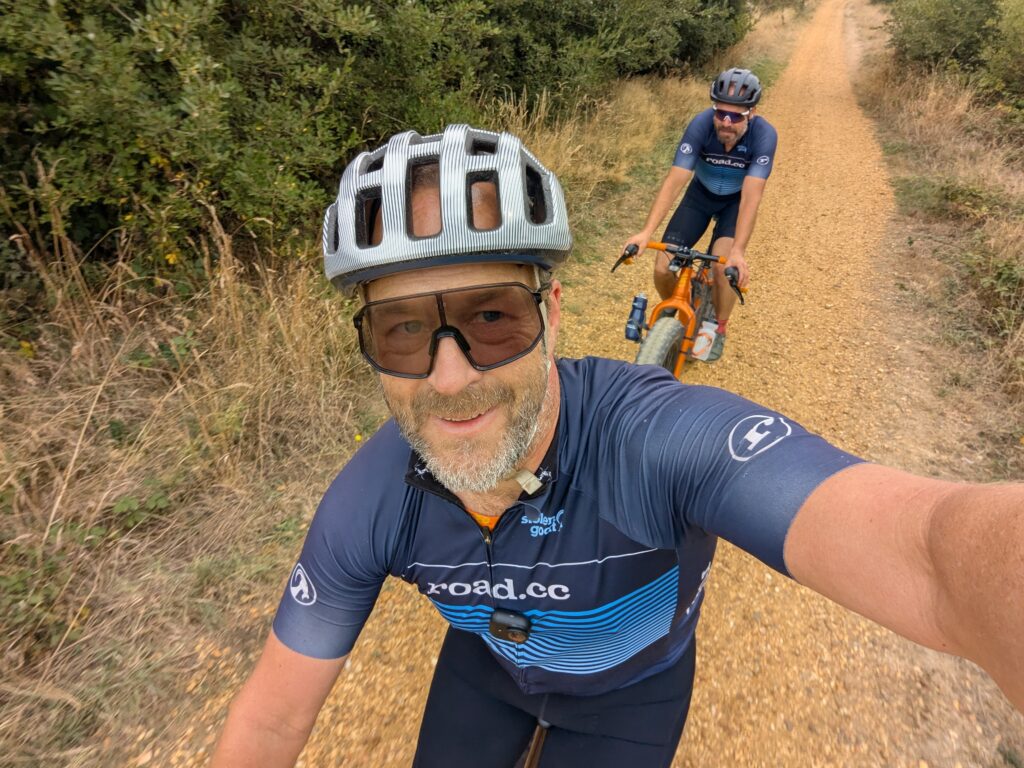
In 2026, one thing I learned to absolutely love is the point-to-point ride. Something about having a destination that is different to your starting point turns the ride into a proper adventure.
You could also consider getting the train to somewhere new, then ride home. If you’ve lived somewhere for a few years and ride lots, you’ve probably done your local loops a lot. Taking the train somewhere then riding home can open up loads of new roads, sights and cafes.
The only thing to consider is the roads you’ll be taking. Make sure you plan your route well, especially if the area is new to you. Using heatmap features on apps like Strava and Komoot is the best way to see which roads locals use.
Being overgeared sucks

While it might be tempting to fit the big chainrings that you see pro road riders using, grinding up climbs just sucks your energy. If you want to enjoy a long, hilly ride, then fit a big cassette and small chainrings.
> Suffering on the hills? Find out how to get lower gears to make climbing easier
For example, on a recent trip to the Alps, I used a 34T inner chainring paired with an 11-36T cassette. Yes, the smallest gear felt tiny, but on steeper sections of those long climbs, it was a lifesaver.
Regular stops are nice

While efficiency is key if your intention is to be faster, if you’re simply in it for a nice time, then regular stops are an excellent idea on long rides. Have some sweets, take a photo, look at a view, chat about how grim the last climb was.
Breaking the ride into smaller segments can really help to make a huge distance less daunting, while simply getting off your bike can let your body recover. Especially your back!
A bike fit now can prevent months off the bike
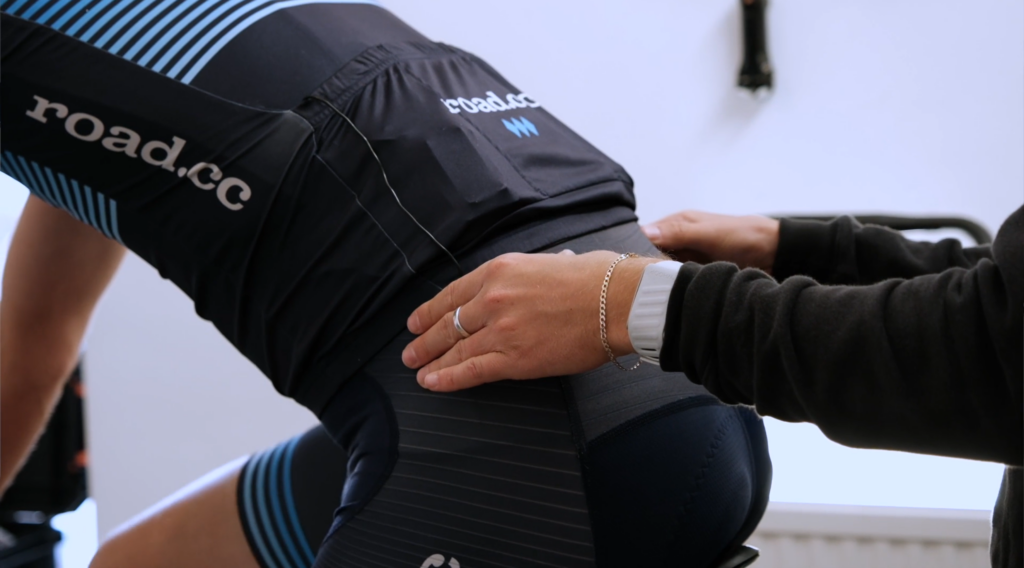
Being well set up on your bike is essential for an injury-free year. Cycling injuries can remain annoyingly hidden before rearing their head just as you approach a big goal or the best weather window of the year, which can be incredibly frustrating. If you’re experiencing discomfort on long rides, then a bike fit can be a worthwhile investment.
> The things I learnt from a professional bike fit
If you’re about to buy a new bike, a pre-purchase bike fit could help you to avoid the wrong frame size, or simply allow you to order the correct bar width at the point of purchase.
Take a break
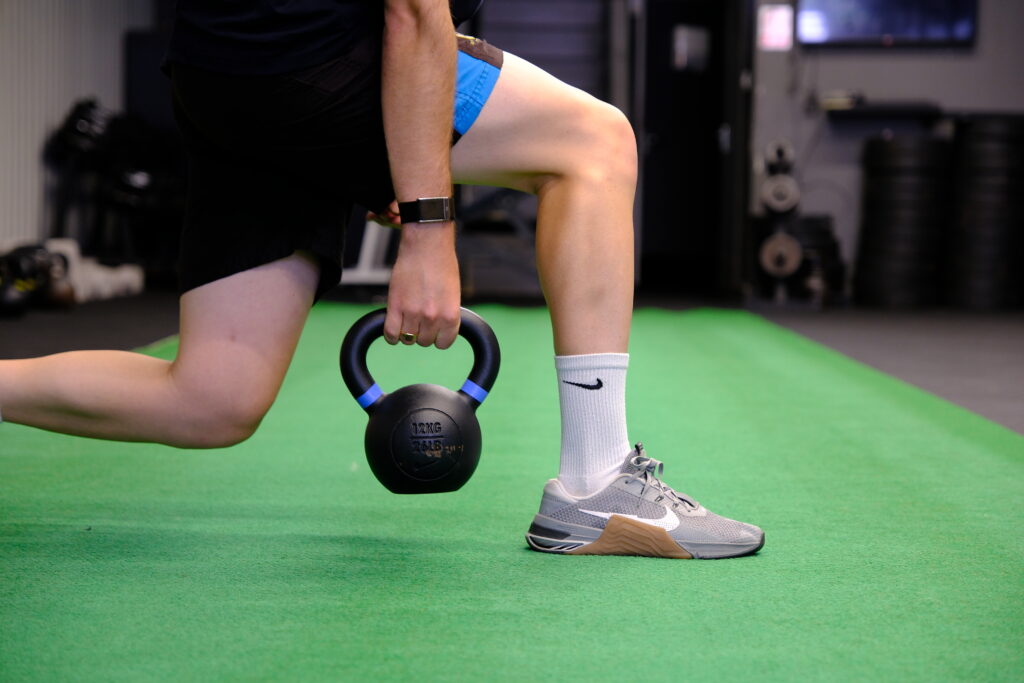
Cycling can be really tough and however you spin things, long rides are hard. If you’re not loving it, take a weekend off. There is absolutely no point in banging your head against the proverbial brick wall as this rarely works.
You could either take a total break, or do something else active. Cycling can be substituted for other forms of cardio such as running and swimming, or if you’ve arrived at the winter months with limited desire to venture outside, a period of strength training in the gym can be exceptionally beneficial.
Do you have any top tips of your own for conquering long rides? Let us know in the comments and they might make the next update.