


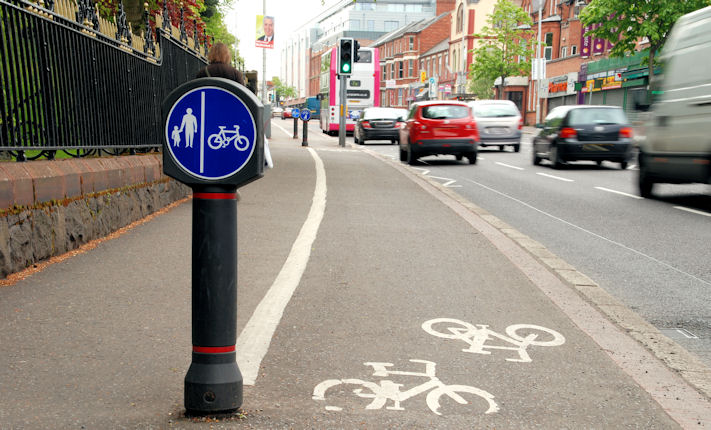
Campaigners in Northern Ireland say that despite regular engagement with the government, work on installing protected cycle lanes is “very, very slow” and has been designed to avoid people’s homes and businesses.
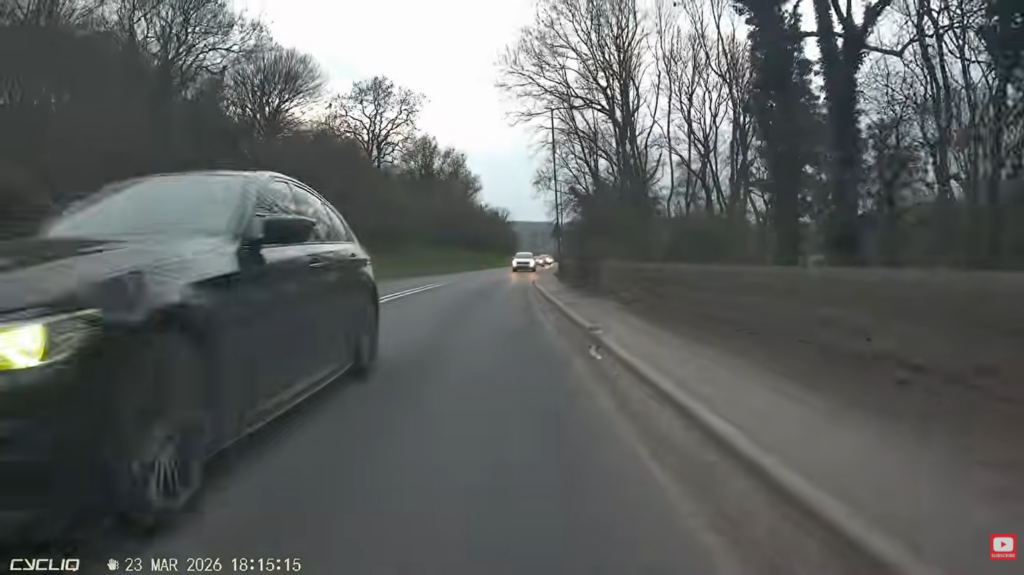
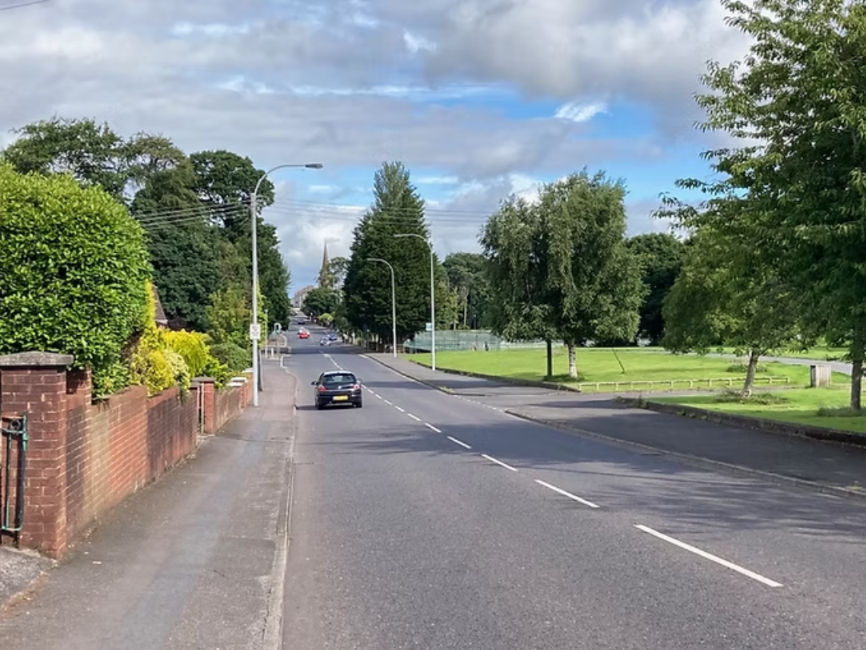
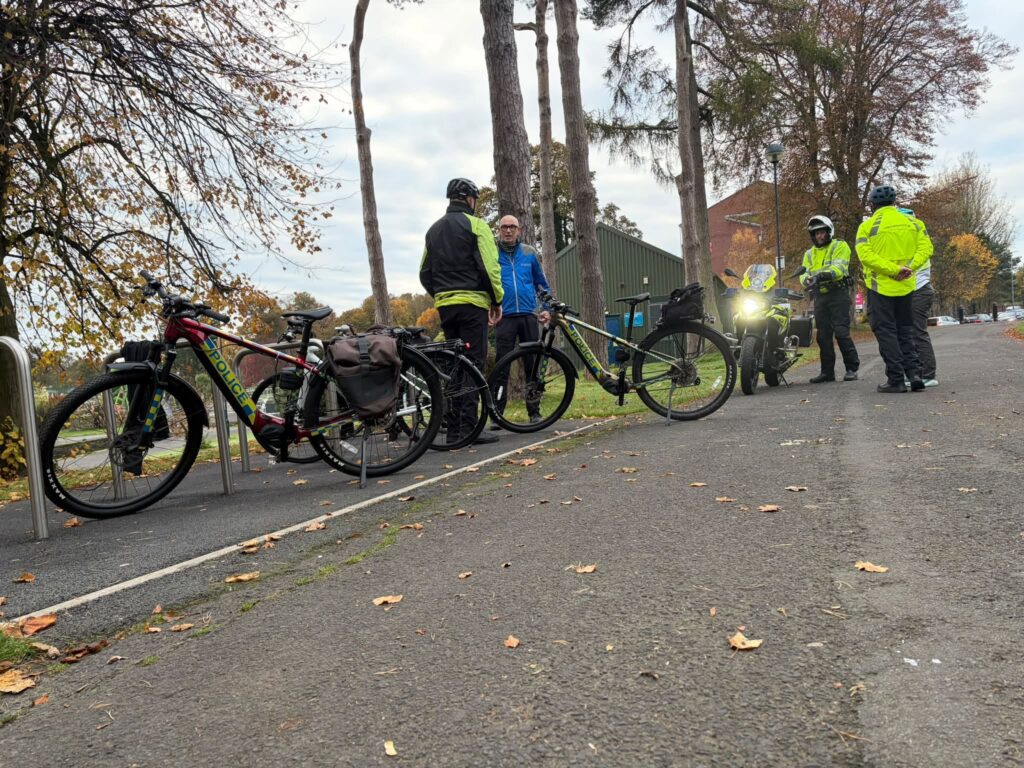
The Ards and North Down Cycling Campaign earlier this week held an event with local police encouraging drivers to leave a safe passing distance of 1.5m when overtaking cyclists. But the sight of children riding their bikes along a footpath to their school along Gransha Road in Dromore led a campaign spokesperson to tell the County Down Spectator there was “a glaring infrastructure failure” that meant school commuters “perceive the road as unsafe”.
“School children and parents and guardians should have the viable and affordable option of being able to cycle to school, and currently, there is no option. Seventy per cent of primary school children are driven to school, with half of these children living within one mile of the school gates.
“This is utterly woeful for a country that is allegedly committed to lessening car dependency for the benefit of our planet.”
The campaigners were supported by local councillor Peter Wray who told the ‘paper “the promotion of active travel, including cycling, is something the North Down and indeed Northern Ireland as a whole is behind many other cities and countries. The outcomes in terms of health, wellbeing, and our environment are undeniable.
“We need to create more segregated cycle lanes which encourage cyclists and families to travel car free. Secondly we need to create awareness around bike safety and change the culture in which some motorists believe they own the road.”
But speaking exclusively to road.cc, chair of the Ards and North Down Cycling Campaign Stephen McCrory said local politicians were largely powerless to enact meaningful change to support walking and cycling.
“Unfortunately all of this is within the gift of the minister in the Department for Infrastructure (DfI) and things are just very, very slow. It’s an unusual situation, some politicians would be particularly critical.
“We can work with the council on the land that they own but anything to do with roads and paths comes back to the DfI, a large body of civil servants with a political head. So if we want to do anything we have to appeal to a local politician to write to the minister or ask a question. It’s an arms-length approach.”
The current Infrastructure Minister, Liz Kimmins, was appointed to the role in February 2025, whilst the results of a consultation on Northern Ireland’s Active Travel Delivery Plan was presented to the department in October that year and made public in February 2026.
But with elections to the Northern Ireland Assembly due to be held within the next six months, McCrory said he wasn’t optimistic of any major policy developments before then, adding that the department had made progress but still has some employees making “car-brained decisions”.
Earlier this week, the department published data which found 86 per cent of people surveyed were either uninterested, unable or too afraid to cycle short distances, whilst half of residents were dissatisfied with their local cycling infrastructure.
> 86 per cent of people in Northern Ireland say cycling short distances is not possible or too scary
“The DfI has been very reluctant to put in any cycle lanes that go past someone’s front door or drive.” McCrory said. “Usually where they’re being put in at the minute, there are no houses or businesses so they’re often in funny places in the countryside.
“It gets hard when you have to start engaging with households. The local, public and political response often knocks these projects back.”
McCrory added that any active travel plans required a presentation and support of the local council to get the government to then commission its own feasibility study into the proposals. He added that the group’s long-term campaign of establishing Quiet Ways routes along the Ards Peninsula were “some years away” from being achieved.
Despite the political and structural obstacles, McCrory said he feels the campaign group has achieved a position of influence in government when it comes to lobbying for better walking and cycle infrastructure.
“We feel they watch what’s happening. The DfI know they need to engage with the public and they look to ourselves and the Belfast Cycle campaign. I think the DfI feel we are a useful resource so when it comes to the time for a cycle lane, they know we can lobby for it because it’s our objective and maybe ask to put it near a house for once.
“[Stories in] the County Down Spectator are useful but it’s got a small readership you know! But at least more politicians, some with pretty archaic views, are now at least paying lip service to active travel whilst they drive to and from their offices.”