


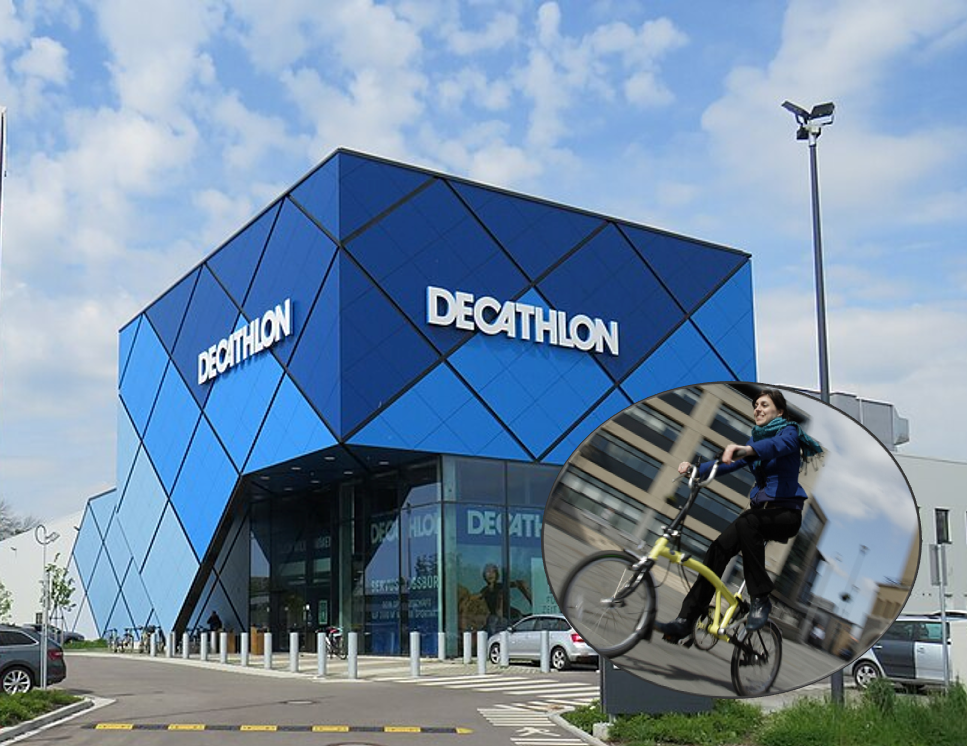

French sporting goods retailer Decathlon has announced a strategic partnership with Brompton, aimed at expanding the folding-bike manufacturer to China and Germany.
Decathlon say they hope the investment will “accelerate the adoption of cycling as a core solution for urban mobility” and will see Decathlon Pulse, the company’s innovation and investment division, support Brompton’s “long-term development, while preserving its independence, brand identity and operational model.”
> Decathlon profits up 16% despite “complex economic and geopolitical environment
Founded in 1975, Brompton has established itself as one of the world’s leading folding bike brands, and has become the biggest bike manufacturer in Britain. Having been primarily sold directly to customers or through independent bike shops, the partnership will also see ‘Brompton corners’ in a handful of Decathlon stores “to help democratise the adoption of their urban mobility bikes.”
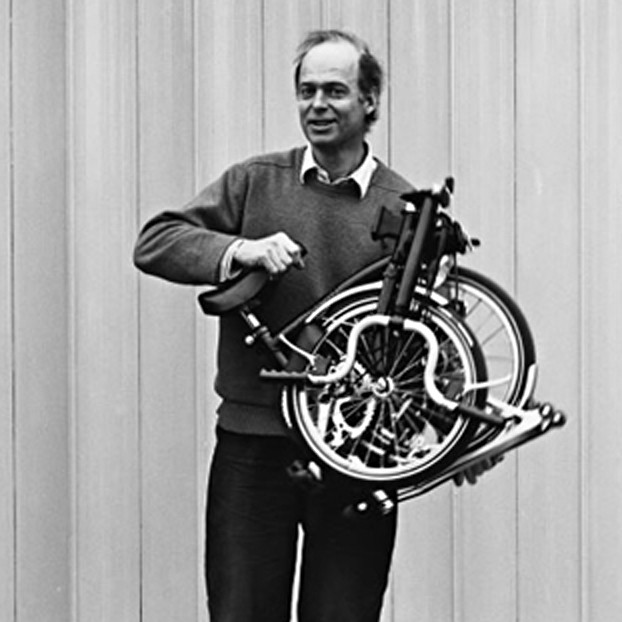
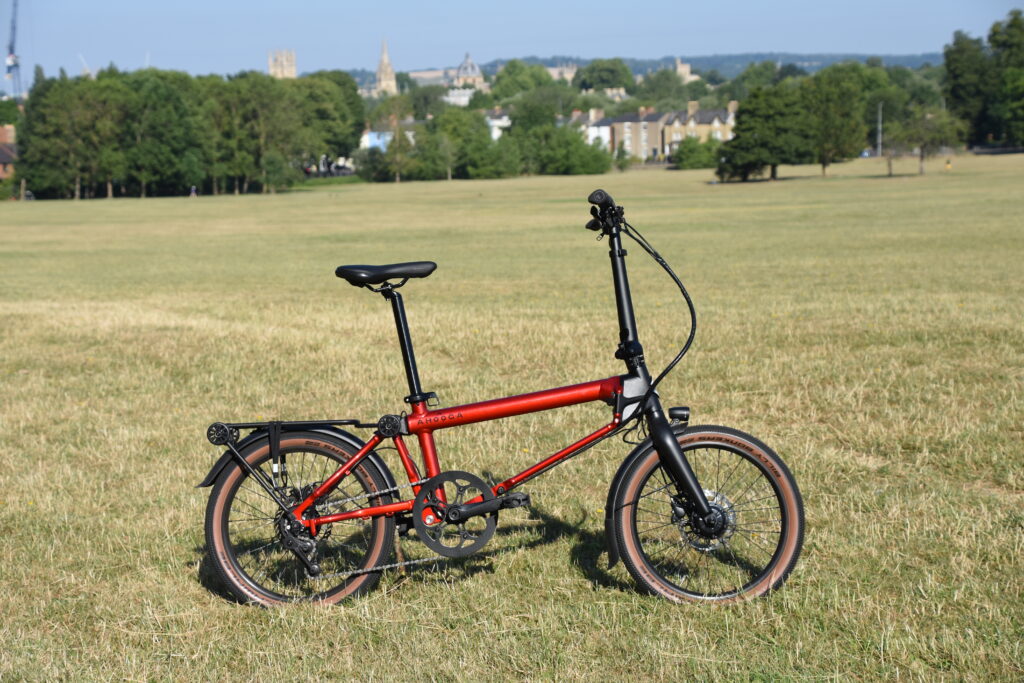
Brompton bikes are currently available in 47 markets worldwide and most recently released the latest version of its lightweight P Line designed for “faster acceleration and easier carrying.” The company has also released e-bikes and off-road equivalents.
> Brompton unveils P Line Mk II folding bike
However, the company’s financial fortunes have become more mixed in recent years, with the company last year recording its lowest annual sales since 2021 whilst demand for the company’s folding bike subscription service has surged. Meanwhile a long-anticipated move to a new ‘car-free’ factory remains on hold whilst the company waits for a “meaningful recovery in market conditions.”
If built the factory would be constructed on stilts on a floodplain in Ashford, Kent and be inaccessible by car, with employees and visitors obliged to walk, cycle or use public transport to get there. The proposal was last budgeted to cost £100 million, but has also attracted criticism from both the Environment Agency and the National Highways authority.

Brompton’s latest set of accounts recorded a post-tax loss of £2 million, double the loss of the previous year. CEO Will Butler-Adams said at the time that, “Ongoing challenges in the industry are causing many dealers to hesitate when it comes to making further investments in stock, which has a knock-on impact on our individual bike unit sales.”
Butler-Adams has also criticised the government’s national insurance and minimum wage increases, arguing they cost Brompton approximately £2 million and led to 40 job losses.
Announcing the Decathlon investment, Butler-Adams said, “For over fifty years, Brompton has unlocked urban freedom and happiness for riders across the globe. While we’re proud of the impact we’ve made, our journey is only just beginning. Together with Decathlon – another family business built over half a century – we’re ready to achieve even more.”
Decathlon Pulse’s CEO meanwhile said the partnership would focus on, “scaling Brompton’s model while preserving what makes Brompton truly unique.
“We are very pleased to partner with Brompton. What convinced us goes beyond the product: we share the same values, a strong culture of quality, and a long-term vision of sustainable urban mobility. Brompton embodies a unique combination of performance, durability and community engagement that perfectly complements our approach.” Franck Vigo said.


7 thoughts on “Decathlon announce investment in Brompton with eye on expanding business into China”
“arguing they cost Brompton approximately £2 million and led to 40 job losses”
That’s a funny way of saying “our business depends on exploiting and underpaying people to be commercially viable and/or to support our executive pay and bonus structures”.
@yodhrin Tell us you haven’t run a business without actually saying it.
By all accounts (employee ratings, length of service) Brompton are a very good employer.
Their ability to absorb massive employment tax driven cost increases is limited by the consumers in their biggest market who now have less money because everything they buy has gone up in price to offset employment and regulatory cost increases.
Meanwhile the government bungs £1.5 at a miners’ pension fund with another £1B announced on top of that etc etc etc.
So no, it’s not “executive pay and bonus structures”.
I believe the Miners Pension Fund has proved a nice little earner for Government coffers, generating a huge surplus and that Government has been pocketing half of it. This payment that you apparently resent so much is a partial settlement of that unfairness!
Yes, I wonder what effect the excellent 2012 and W1A series had on Brompton sales.
They were shown as being a bit naff, complicated to fold and unfold and with a finger trap hazard.
Maybe the BBC took the opportunity to have another dig at cycling and cyclists?
@Mr Blackbird And the Dominic Cummings type Tory policy wonk in The Thick of It. I don’t think it was the BBC having a dig at cycling though, there was a time when there was a very identifiable type of person who chose a Brompton and they were making fun of that rather than cycling per se.
Hopefully they can inject some actual innovation to the ageing company. Decathlon’s own folding bikes have long been much better in every way for a long time.