
Choosing the right on-bike storage can transform your riding, whether you’re commuting across town, heading out on a weekend adventure, or tackling a multi-day tour.
From classic panniers to frame packs, saddlebags and bento boxes, there’s a huge range of options out there that can help you maximise capacity, improve weight distribution, and provide accessibility on the move – depending on your priority. The best setup for you depends on the bike you’re riding, the load you’re carrying, and your riding style.
In this guide, we break down the most popular types of on-bike storage, helping you decide what’s best for your needs.
Rear panniers
Rear panniers fixed to a rack have been the go-to choice for commuting, urban riding, and traditional on-road touring for many years.
Rear panniers work with disc brakes, but they often require specialised disc-compatible racks designed with wider legs or offset mounting brackets to clear the brake calliper, or a seatpost-mounted rack.

Not all rear panniers are compatible with all rear racks, although most standard panniers use adjustable hooks to fit a wide range of racks. Pannier hooks must fit the rack tubing (typically 8mm–16mm) and securely attach without interfering with disc brakes or hitting your heels while pedalling.
> Check out our guide to the best bike pannier bags and pannier racks
You can get rear panniers of vastly different sizes, so pick something that’s suitable for the loads you’d like to carry. Many panniers, such as Ortlieb models, feature welded seams and roll-top closures to keep rain and spray out, but others are only water-resistant or require a rain cover. Make sure you know which you’re buying and pack accordingly.
We rated the Altura Thunderstorm City 20 Pannier highly for commuting and urban use, and found that the TPU-coated polyester fabric delivered excellent waterproofing. It could lend itself to a spot of touring, too.
> Read our Altura Thunderstorm City 20 Pannier review
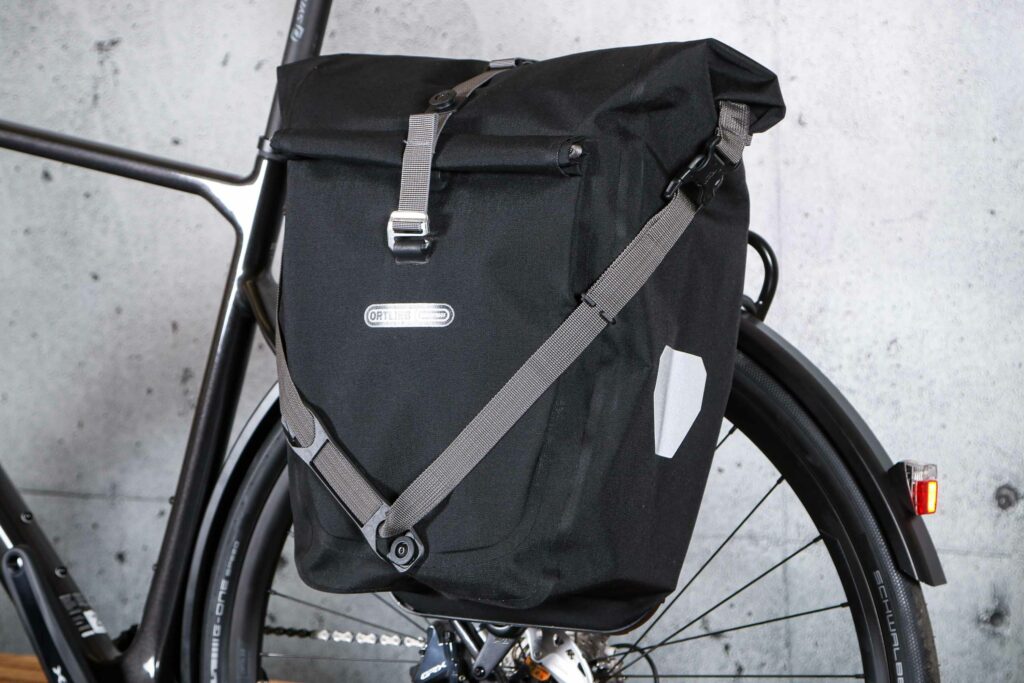
Hollis Jones rated the Ortlieb Back-Roller Plus pannier 10/10 for construction and 9/10 for performance. It’s made from a substantial Cordura fabric and offers a 23L capacity, and an internal organiser allows you to stash extras such as keys in the zipped pocket. Overall, it’s classic Ortlieb: well-made, fully waterproof and easy to use.
> Read our Ortlieb Back-Roller Plus review
Front panniers
Front panniers allow you to distribute weight more evenly around your bike but they can make the steering feel heavier.
Most front panniers fix to lowrider racks – designed to hold panniers low on the front fork. This is the standard choice for front-loaded touring, lowering the centre of gravity to improve handling and stability.
Front panniers are generally smaller than rear panniers, and they’re useful for storing heavier stuff like food.
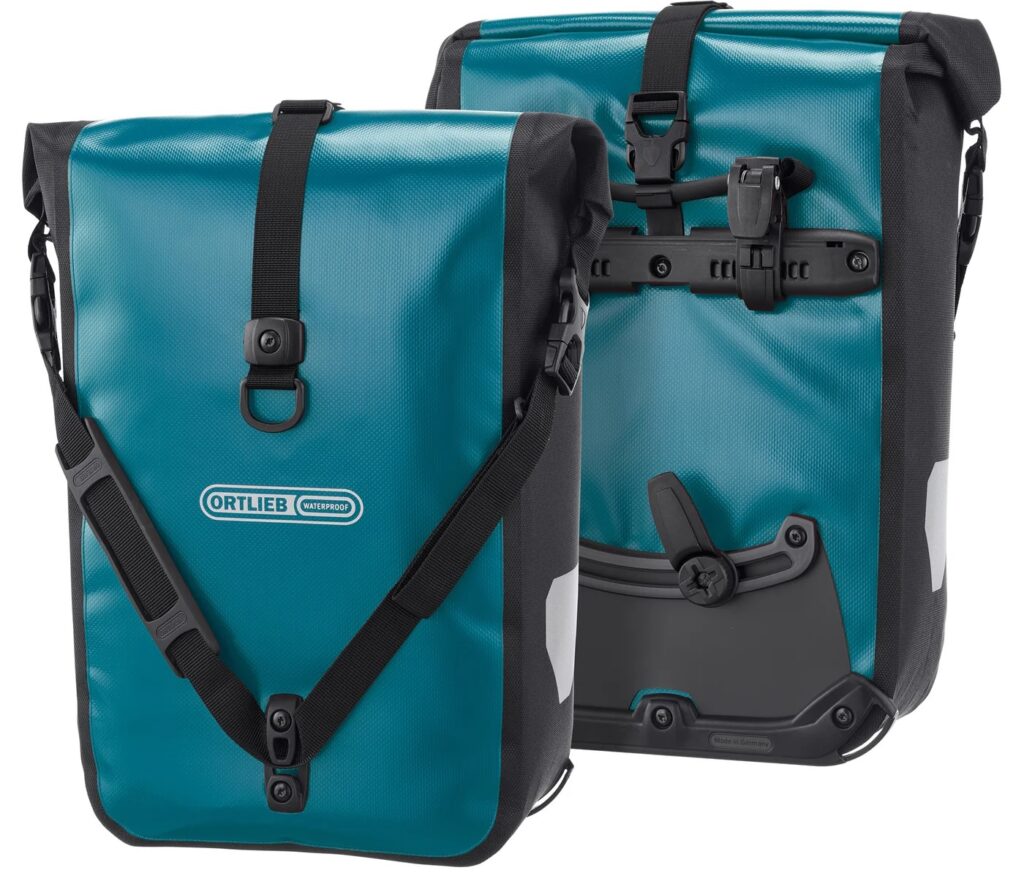
Ortlieb’s Sport-Roller bags (£130 per pair) are designed for both lowrider front racks or for the rear. Each bag has a 14.5L capacity and an IP64 rating, meaning that even very heavy rain and splashing water will be kept out.
Frame packs
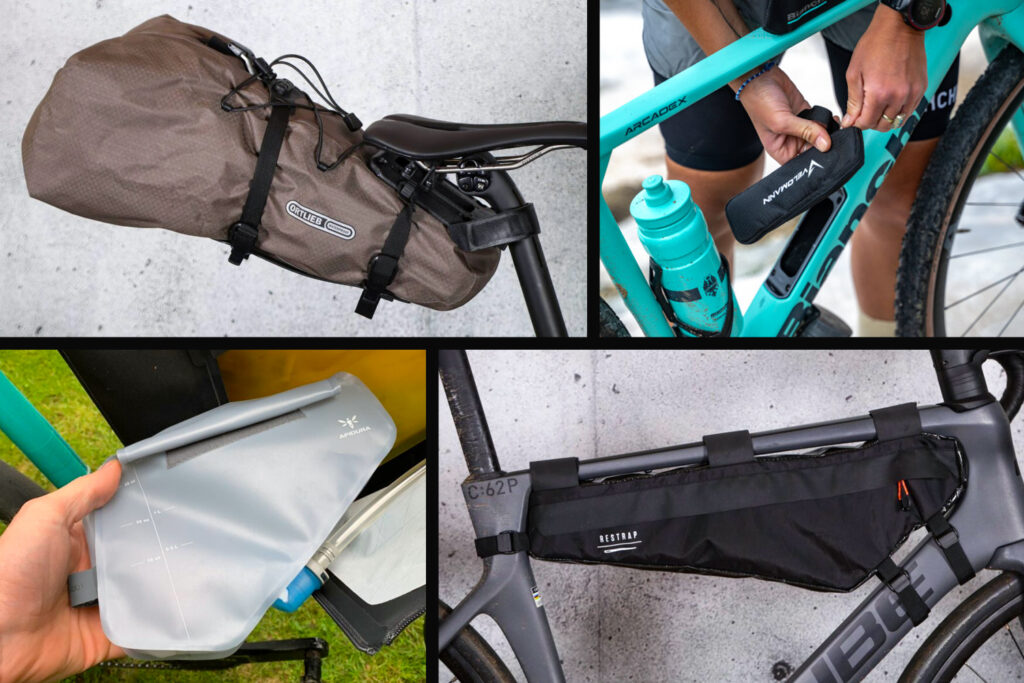
A frame pack (or frame bag) is a bag that fits securely inside the main triangle of your bicycle frame. It mounts via straps around the main tubes, allowing you to store heavier items to maintain a low centre of gravity. Putting weight in this area can help with stability and won’t affect your bike’s handling too much (although beware of crosswinds).

Frame packs come in very different sizes. A full-frame type will fill the entire triangle, more or less, while a half-frame type will leave space for water bottles. Smaller frame bags will take up just space between your top tube and down tube, filling the gap just behind the head tube. Horses for courses.
Some bike brands sell specific bags for certain models so that you get a tailored fit. Canyon, for instance, offers bags for its Grail and Grizl bikes.
You can also get bags custom-made for your specific frame by brands like Restrap.

If you’re using a full-frame pack, you won’t be able to mount water bottles in the most commonly used positions on the down tube or seat tube, but you can fit a bladder inside the pack for water storage – something like the Apidura Frame Pack Hydration Bladder 1.5L that we reviewed a few years ago.
Some frame packs are made from fabrics that are far more hardwearing than others, and you might want one that’s waterproof, or at least highly water-resistant.
Check out our frame pack reviews here.
Saddle packs and saddlebags
A saddle pack can be a good storage option, although you’ll probably want to keep the weight relatively low to avoid instability. You might find yourself packing bulky but not-too-heavy items in here to avoid swaying.

There are loads of low-bulk seat packs out there designed to take just a spare inner tube, tyre levers and maybe a multi-tool, but there are also larger packs intended to carry much more.
Larger bags come in a couple of different styles – a one-piece bag and a harness/cradle design, which allows you to slide in a dry bag and secure it there. The latter means that you can remove the dry-bag from the bike when you leave it and reattach it without having to set up straps, and that can be a big plus for touring or commuting.
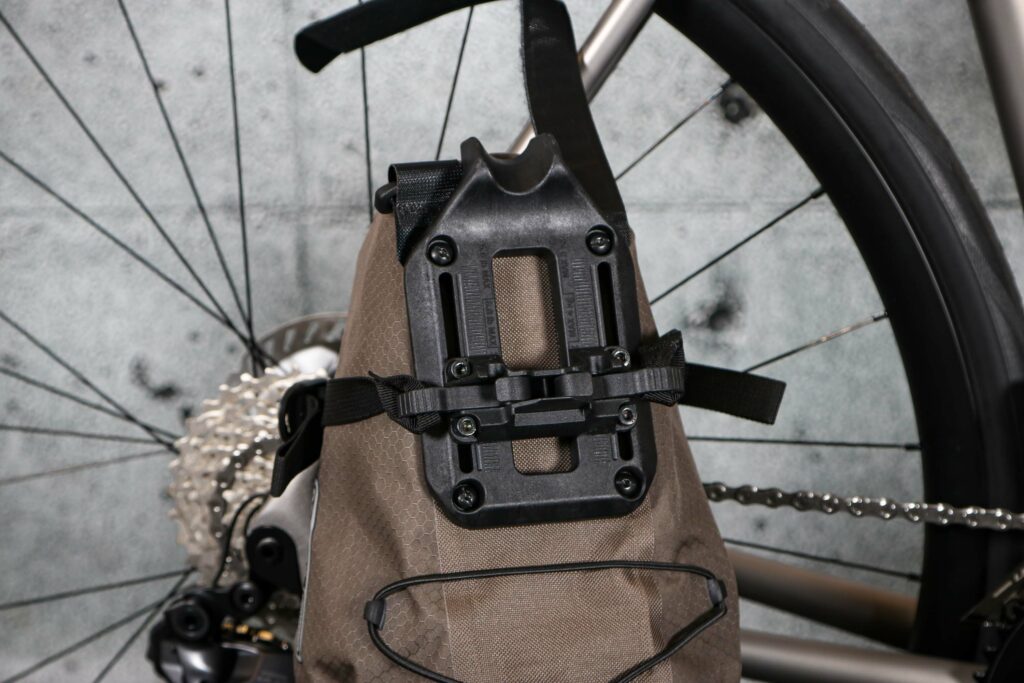
Larger packs usually attach to your saddle’s rails and have a stabilising strap that fits around the seatpost, although our man Dave Atkinson described the Ortlieb Seat-Pack QR as having the best fitting system of any seatpack he has ever tried, adding stability and ease of use.
> Read our Ortlieb Seat-Pack QR review
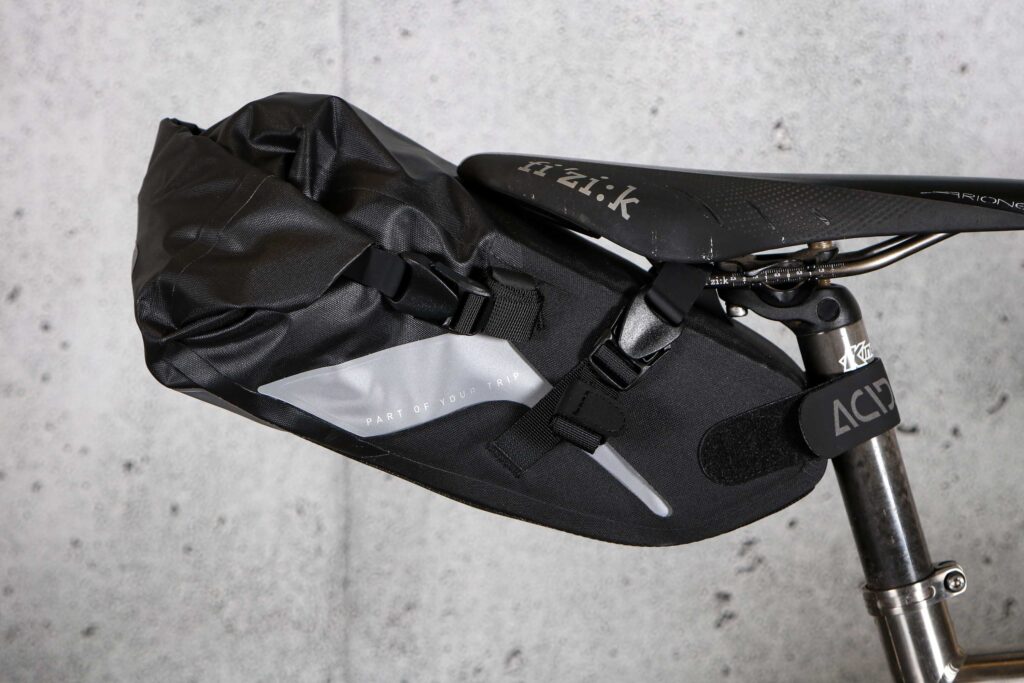
Some larger packs will cover your entire seatpost, in which case a light mount attached to the back is a good idea.
Another neat touch is bungee cords on a large bag. These allow you to carry bulky items like shoes or flip-flops for when you aren’t on the bike.
If you have no mudguards fitted, a saddle pack can be right in the line of fire for water/mud flung up by your rear tyre, in which case good waterproofing is important. We found the Acid Saddle Bag Pack Pro 6 to offer impressive weatherproofing, for instance.
Bar bags
Like other storage options, bar bags come in loads of different sizes, so make sure you buy one that fits the space available on your bike. If you have a narrow handlebar and a very short head tube, for example, you’ll want to steer clear of the bulkier bar bags out there.
Bar bags can be useful for carrying lightweight luggage – heavier weights can affect the steering – particularly things that you’d like to keep accessible: phone, wallet, snacks, an extra layer of clothing… Some have more compartments/internal dividers than others to stop smaller items rattling around.
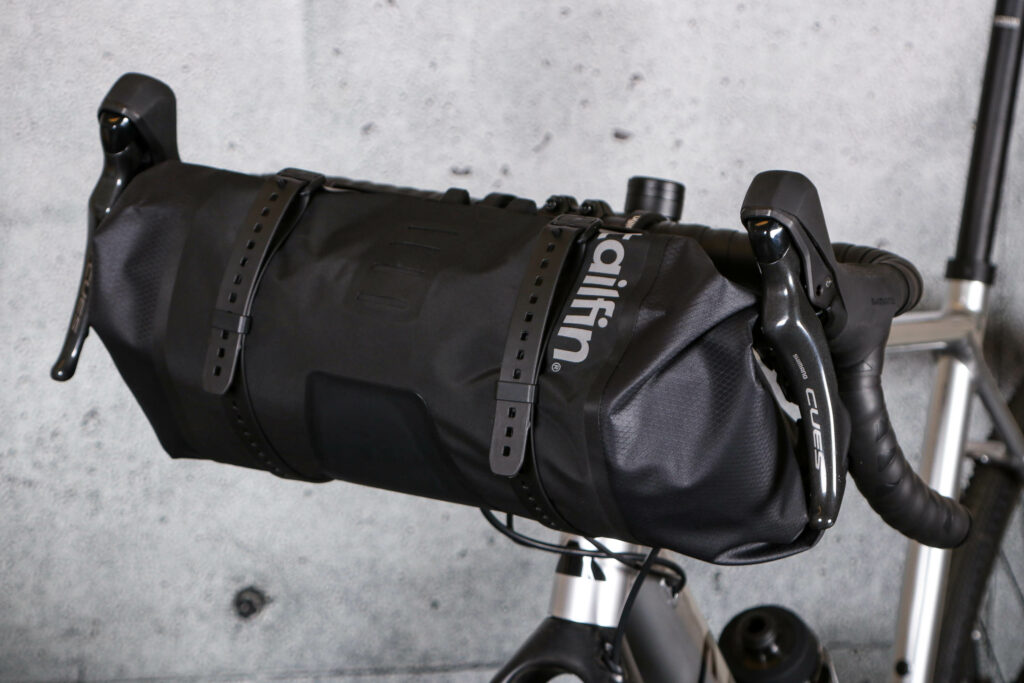
Most barbags attach to your bike using simple straps and Velcro, making them easy to fit and remove. We loved the Tailfin Bar Cage and 11L Bag, though. It’s a more cleverly engineered approach and it works beautifully: rock solid and hugely adjustable
Reviewer Mike Stead said, “This is the new standard by which other handlebar luggage systems will be measured.”
Check out our Tailfin Bar Cage and 11L Bag review
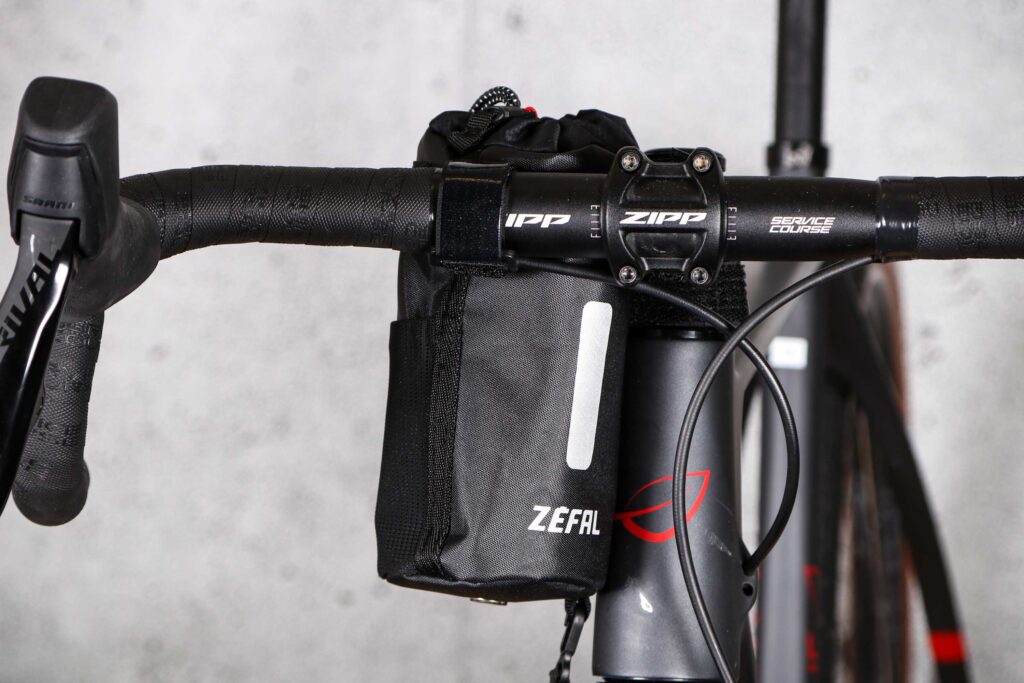
A canister bag is a small, cylindrical handlebar bag designed for storing essentials on day rides, bikepacking, or city commutes. road.cc’s Stu Kerton reports that he uses one loads on his gravel bike. This Zefal one is the last we reviewed on road.cc, and it’s still available for around £20-£25.
Top tube packs and bento boxes
These fit on top of your top tube – up front, in that space behind the stem and the top of the fork steerer. They’re usually held in place by straps, although some bikes have mounting bolts for the job.
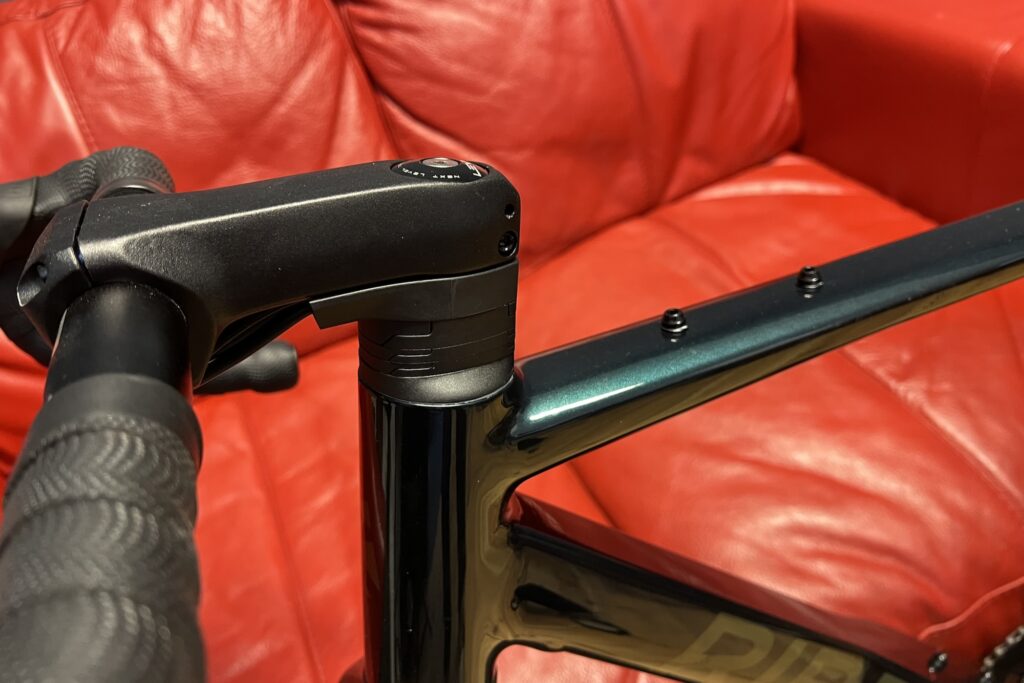
Top tube bags can’t be too wide (or they’d interfere with your pedalling) and they don’t tend to have huge capacity, but they’re really handy for carrying bits and pieces that you might need in a hurry, sometimes without stopping: energy gels, an emergency Snickers bar… You know, the really important stuff.

Our man Ty Rutherford could hardly have been more impressed by the Tailfin Top Tube Bag – 1.1L Flip-Lid that he reviewed recently, awarding it a rare 10/10 score – and we give out very few of those. Available in both direct mount and strap mounting options, it is super-secure, well-made, and the flip-lid keeps the weather out (it’s also available with a zip closure).
“It’s on the pricier side but the quality and performance on offer are top-notch,” said Ty.
> Read our Tailfin Top Tube Bag review
Tool bottle
Chances are that if you’re riding long distances, you’ll want to keep your bottle cages for carrying water or an energy drink, but you can use the space for other essentials, too.
A lot of people take the top off an old water bottle, fill it with things like a spare tube, tyre levers, a CO2 inflator and a multitool, and stick it in the bottle cage for emergencies.
You can also buy bottle cage containers that are designed specifically for the job.
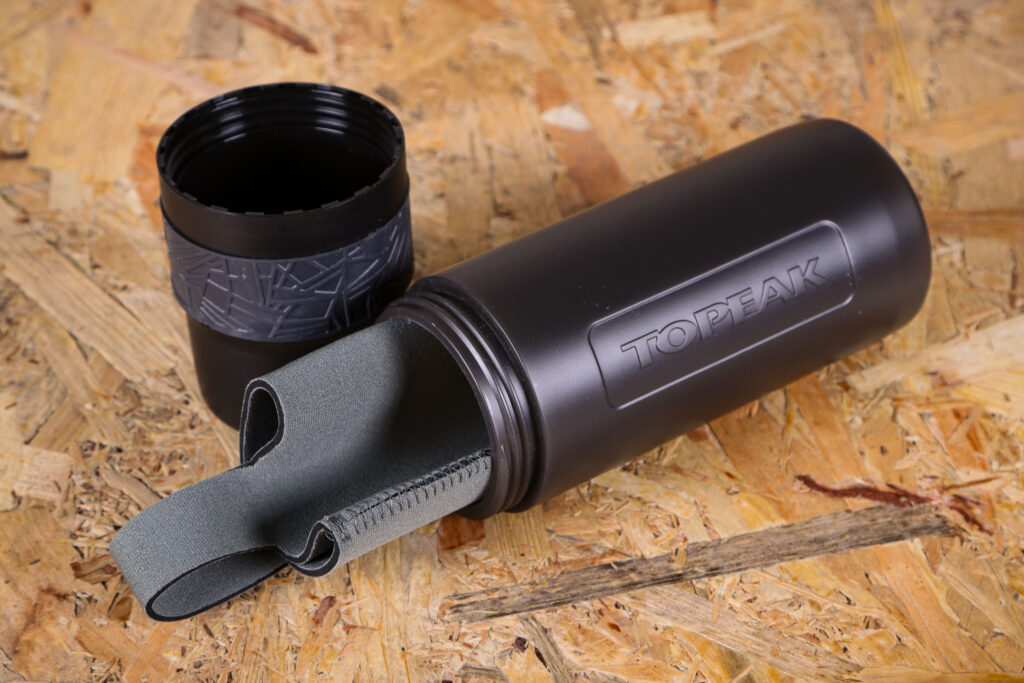
The Topeak Escape Pod+ with Tube Cube, for instance, has two separate compartments, the lower one coming with a removable foam lining designed to reduce rattling.
Reviewer Iwein Dekoninck said, “Yes, you can buy cheaper storage bottles, but I’ve been impressed by Topeak’s Escape Pod+ with Tube Cube. It has the right capacity to carry the tools and spares I want to carry without rattling, and with two compartments I can use the top section for the tools I need the easiest and speediest access to. The tough material used for its construction suggests that it should last you for a fair few years too.”
> Read our review of the Topeak Escape Pod+ with Tube Cube
Rack-top bags
A rack-top bag is exactly what it sounds like: a bag that fixes to the top of a rack. We’ve not reviewed many of these lately but there are plenty out there from the likes of Topeak, Ortlieb, and Tailfin.
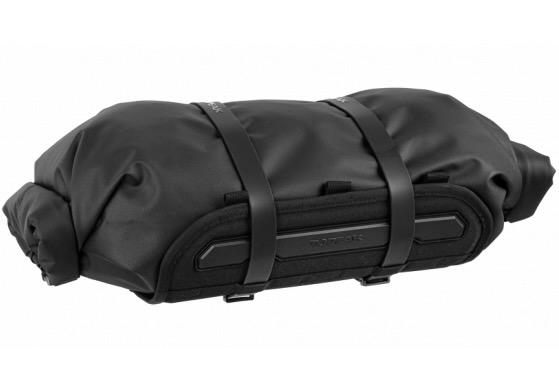
Topeak’s Rackloader Drybag (£64.99), for example, is made with weatherproof fabric with taped seams and is compatible with most front and rear-mounted racks. It has a 12L capacity and is held in place by thermoplastic elastomer straps.
The brand also offers a range of trunk bags that mount directly onto the top of a rear rack, positioned behind the saddle. They’re weather-resistant and come with moulded side panels so they’re semi-rigid.
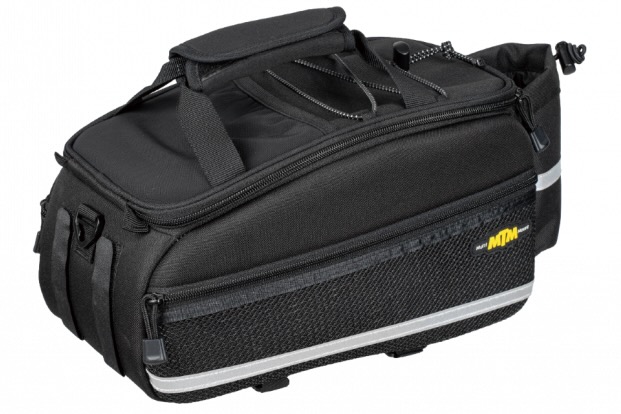
The £59.99 Topeak MTM TrunkBag EX has an 8L capacity, mesh side compartments and a rear water bottle holder. It attaches with integrated straps although Topeak has trunkbags that simply slide and click into place on its MTX QuickTrack 2.0 racks.
Strap-on storage
If you’re really running out of space when bikepacking, you can strap bags to various bits of your bike. Topeak’s Fork Drybag 4L is designed to attach to the brand’s Versacage mount, for instance, and that can fix to a fork leg.

Reviewer Mike Stead loved the performance when he tried it out last year.
“The Topeak Fork Drybag 4L is light and very well made, with an air release valve for ease of compression and two Velcro straps to help with retention,” he said. “For the price, it’s an excellent bit of kit.”
That price is just £29.99.
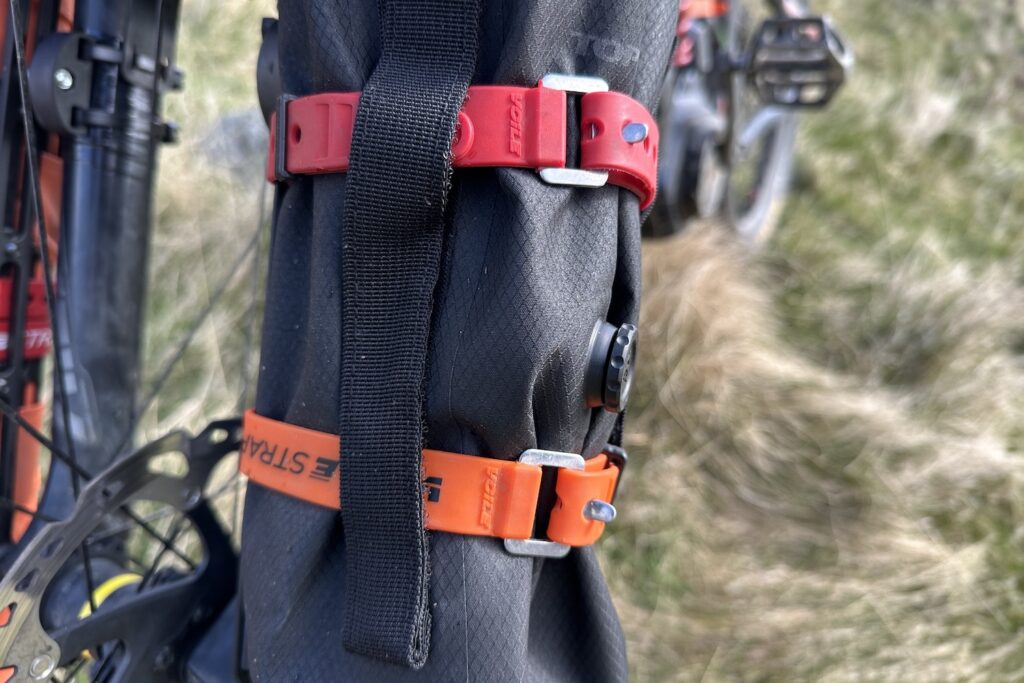
The Topeak Fork Drybag is made of TPU. You stuff your things inside and seal them in there, then release the remaining air via the little valve to make it as compact as possible.
“Topeak has done an excellent job combining form, materials and features to create what I believe will become a classic bit of kit for backcountry travel,” said Mike.
It’s light and strong and works impressively well.
> Read our Topeak Fork Drybag 4L review
Integrated frame storage
With large carbon-fibre frame tubes so popular these days, integrated storage has become increasingly common. This is where the manufacturer provides you with a storage option within the tube itself – usually via a little hatch that sits behind the down tube bottle cage mounts.
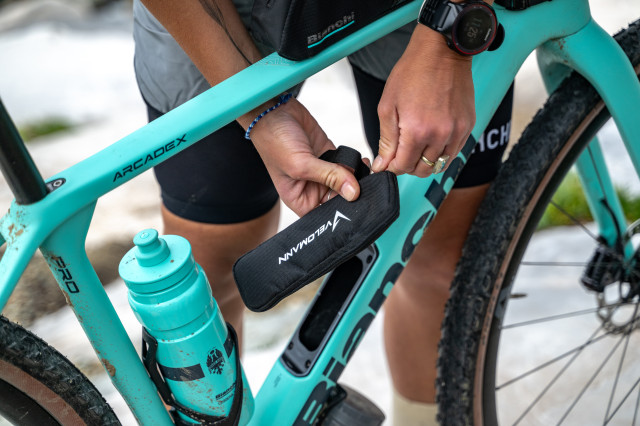
Specialized offers what it calls its SWAT Door on some of its carbon frames, for instance, and Bianchi provides down tube storage on its Arcadex gravel bikes.
The amount of space you get inside a frame is limited but this is a good place to store items that you’re unlikely to need often, such as tools, a spare tube and a lightweight waterproof.
Racks
Some types of on-bike storage – panniers and rack-top bags – require a rack. Although some bikes come ready-fitted with a rack, most don’t, so you’ll need to fit one (or two).
In some cases, that’s straightforward. If your bike has threaded rack eyelets you’re in luck. You’ll often find these on commuter and touring bikes. Bolt the rack in place (it might require a bit of jiggery pokery to get the fit right) and you’re good to go.
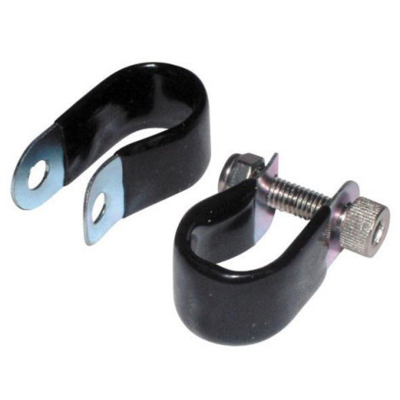
Things are a little more complicated if your bike doesn’t have rack eyelets, but you can get hold of adapters – such as Tortec P-Clips – that provide mounting points.
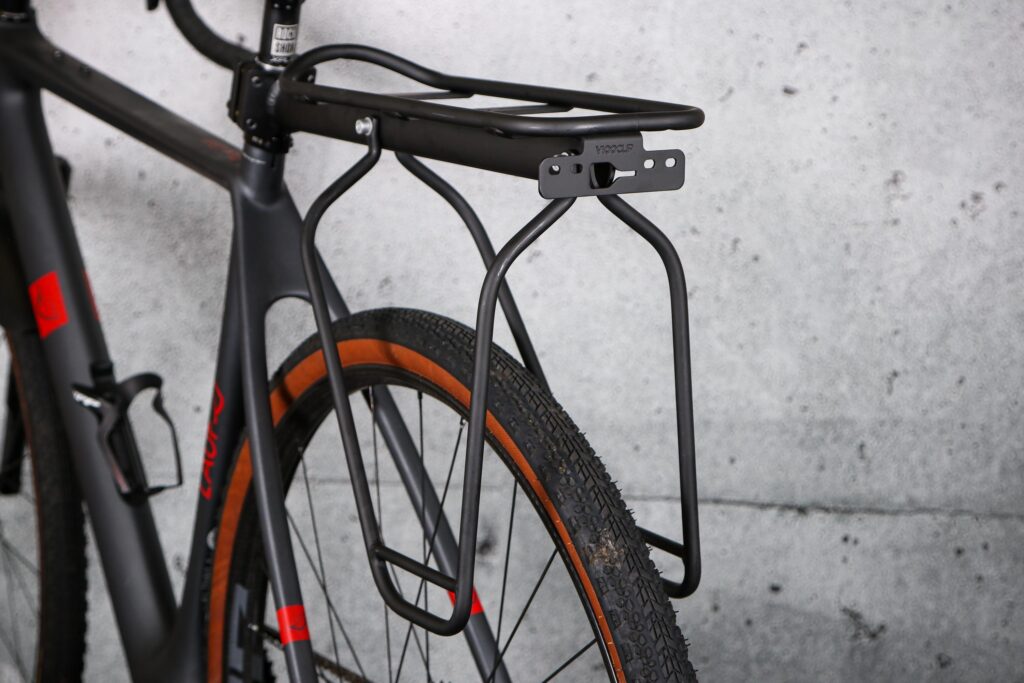
You can also get racks that clamp to your seatpost, such as the BTwin Seat Post Pannier Rack 500 – although, if in doubt, check compatibility with the seatpost manufacturer. As with all other racks, keep an eye on the rack’s maximum weight load, too. If the rack manufacturer says 10kg, don’t push it.

You can also get racks like Ortlieb’s Quick-Rack that can be fixed in place without traditional rack eyelets.
“If your bike has a thru axle, you can replace it with the optional Thru Axle M6 connector and attach the Quick-Rack directly to the axle,” says Ortlieb.
If you don’t have a thru axle either, you can use Ortlieb’s Seat Stay Adapter instead.