


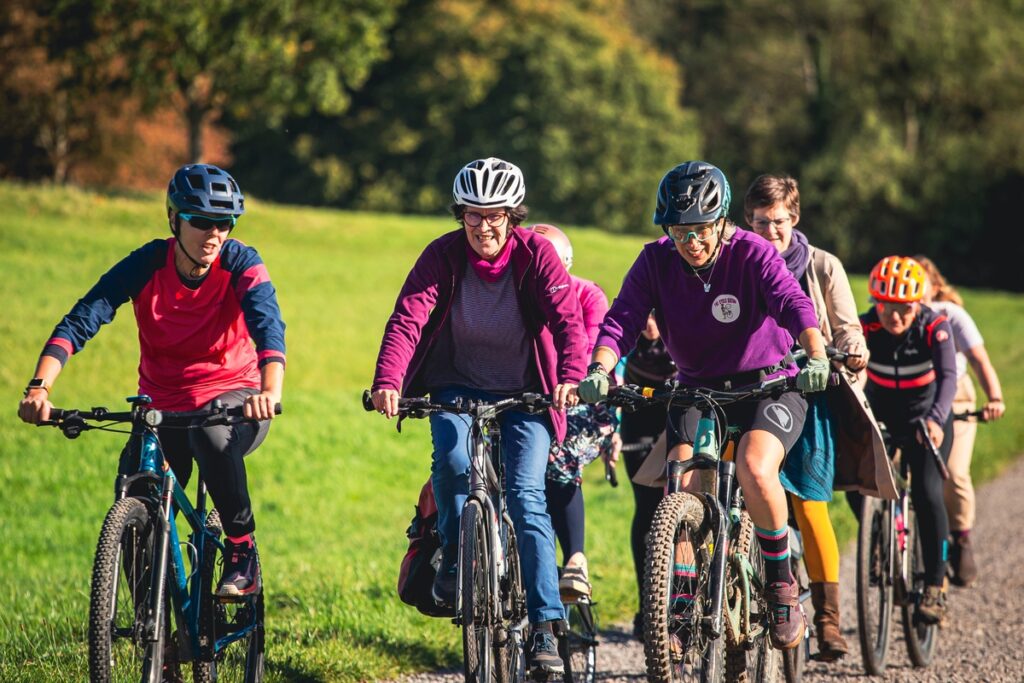

Campaigners in Norwich have launched a Women’s Cycling Safety Audit to examine the deterrents that are preventing women from cycling.
The Norwich Cycling Campaign, with the support of the local council, say broader infrastructure solutions do not do enough to achieve equal freedom, safety and belonging for women and that targeted work is required. The audit has been launched as the NCC told the Eastern Daily Press that women cyclists are continuing to experience verbal abuse and are disproportionately affected by close passes and other similar incidents.
“Verbal abuse, aggressive close passes, intimidation and street harassment are reported far more frequently by women and gender-diverse people, shaping whether and how they ride.” Kitty Cresswell Riol told the ‘paper.

The audit’s purpose is to explore Norwich’s cycle infrastructure and the extent to which it supports safe, accessible cycling. Starting today, drop-in sessions will be held over the next six weeks to survey communities for their views on cycling across the city. The audit itself will then consist of female volunteers cycling predetermined routes to map out the perceived safety of different areas of the city.
“In Norwich, we don’t yet have clear local data on these experiences, and that’s exactly why this audit is so important. By listening directly to lived experiences, we can understand barriers and design streets that are safe, empowering and inclusive for everyone,” Cresswell Riol said.
Assessed data points will include lighting and traffic levels, visibility and social safety. The data will then be used to present a report to local leaders with relevant recommendations based on the evidence.
The participation gap between men and women cycling has long been documented. A Cycling UK report published last March documented that 90 percent of women feel afraid cycling in towns and cities. It also found that the gender barrier to cycling has widened since 2017, primarily due to a lack of segregated cycle lanes. A separate report from the WalkWheelCycling Trust (formerly known as Sustrans) found that the gender participation gap persisted in childhood.
Cycling UK responded to their report by launching a new campaign titled “My ride. Our right.” ‘Glow rides’ have also taken place across the country calling for better lighting and visibility in cities.

In a longer essay published by the NCC, Cresswell Roi also described the systemic male-centred infrastructure that deters women from cycling. Specifically, women’s journeys tend “to be shorter, more complex and often linked to care — combining school drop-offs, shopping or visits to relatives. Yet these multi-purpose trips remain rarely factored into planning decisions.
“The result is infrastructure that fails to serve the way women actually move through cities: poorly lit routes; narrow pavements cluttered with obstacles; disconnected paths. And while safety campaigns are beginning to change, they’ve too often focused on women’s behaviour — walking routes, clothing, vigilance — rather than fixing the conditions that cause fear in the first place.”
The campaign has also pointed towards cycling spaces that tend to “reflect male perspectives – in their leadership, culture and tone” as a historic deterrent. In addition to the support of Norwich City Council, the NCC hope that the Women’s Cycling Audit, backed by a female-led local bike shop and community organisation, can attempt to redress the gender gap.










2 thoughts on “Abuse and harassment continuing to deter women from cycling, as campaigners launch new “safety audit””
This is disgusting. Cycling is for everyone; no-one should feel intimidated out of the hobby. The kind of “men” who think it’s ok to harass women would think twice about doing it to a man. If we are going to persuade large numbers of motorists to become cyclists then the issue of harassment has to be addressed.
A bit late to this article but I can sadly confirm what they found, since my daughter started riding out more on her own in the last year. The amount of comments shouted at her on most solo rides is thoroughly depressing. And it is all men/boys. I am glad it doesn’t stop her going out, but what goes through their brains to think it is OK to harass her? It’s beyond me, but I guess some of us seem revel in our ignorance.