



I’ve done loads of cool stuff on my bike. I’ve ticked off the Alps, the Dolomites and plenty more bucket list climbs and epic destinations, and have even won a (very low-level) race. However, one thing that I’ve yet to experience is a professional bike fit. So, what did I learn, and am I now a convert to leaving bike fitting to the professionals?
Before we get into the takeaways of the bike fit session, a bit of background. I’ve never been the biggest fan of spending big on bike fits, as I always assumed the abundance of literature and advice you can find in books and on the web would inform me well enough to fit myself. I’ve spent the time and effort fine-tuning my position on the bike, and am fairly confident that it works for me.
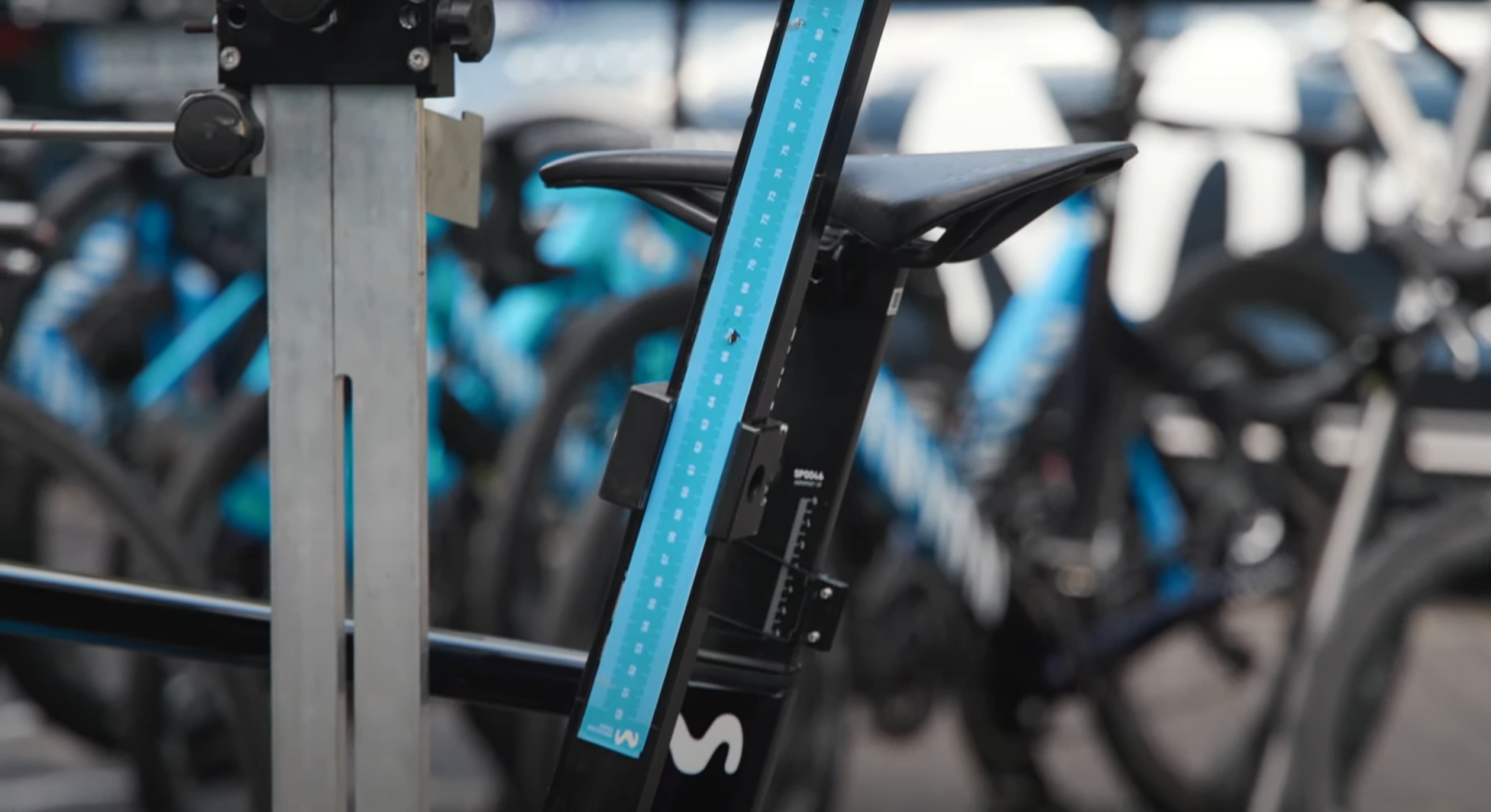
I’ve also seen plenty of cyclists clinging on to millimetre-precise measurements years after a supposed professional bike fit from someone operating out of their shed. It’s safe to say, then, that Synergy Performance had some work to do to convince me.
In no particular order, here are some of the things I learnt…
1. Your foot/pedal connection matters more than you think
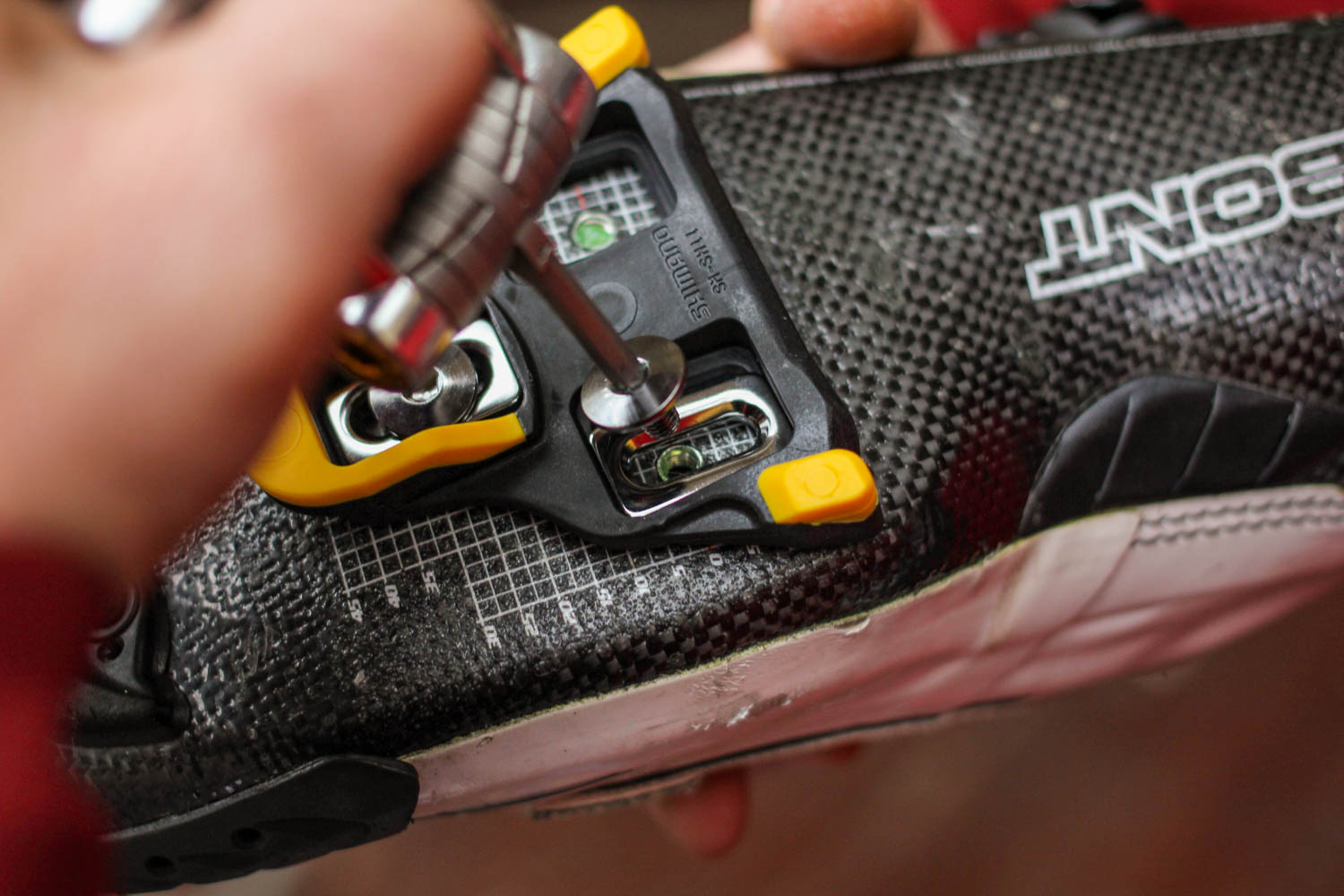
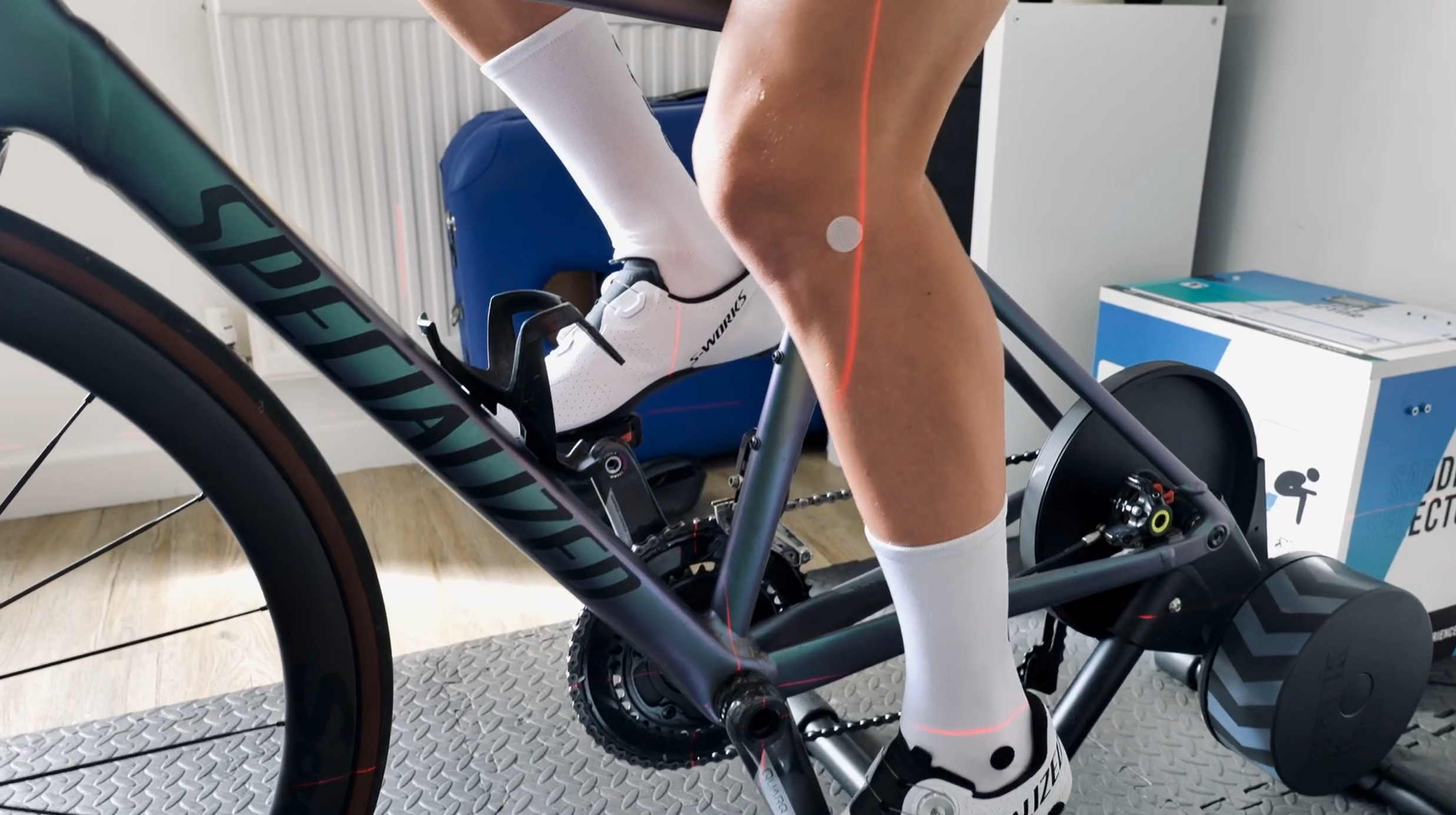
Rather than starting at my bars or saddle, I was slightly surprised to find that the third contact point was the first port of call. Luke Craddock explained that the interaction between feet and pedal is often overlooked and yet is often the primary cause for discomfort further up the body.
Misfitting shoes, inadequate support, misaligned cleats or the wrong stance width can not only lead to the obvious foot discomfort and/or knee pain, but problems could also manifest in other areas because of this such as lower back pain or tight shoulders from compensating at the front end.
2. Loads and loads of people have shoes that are too big for them… yes, even you!
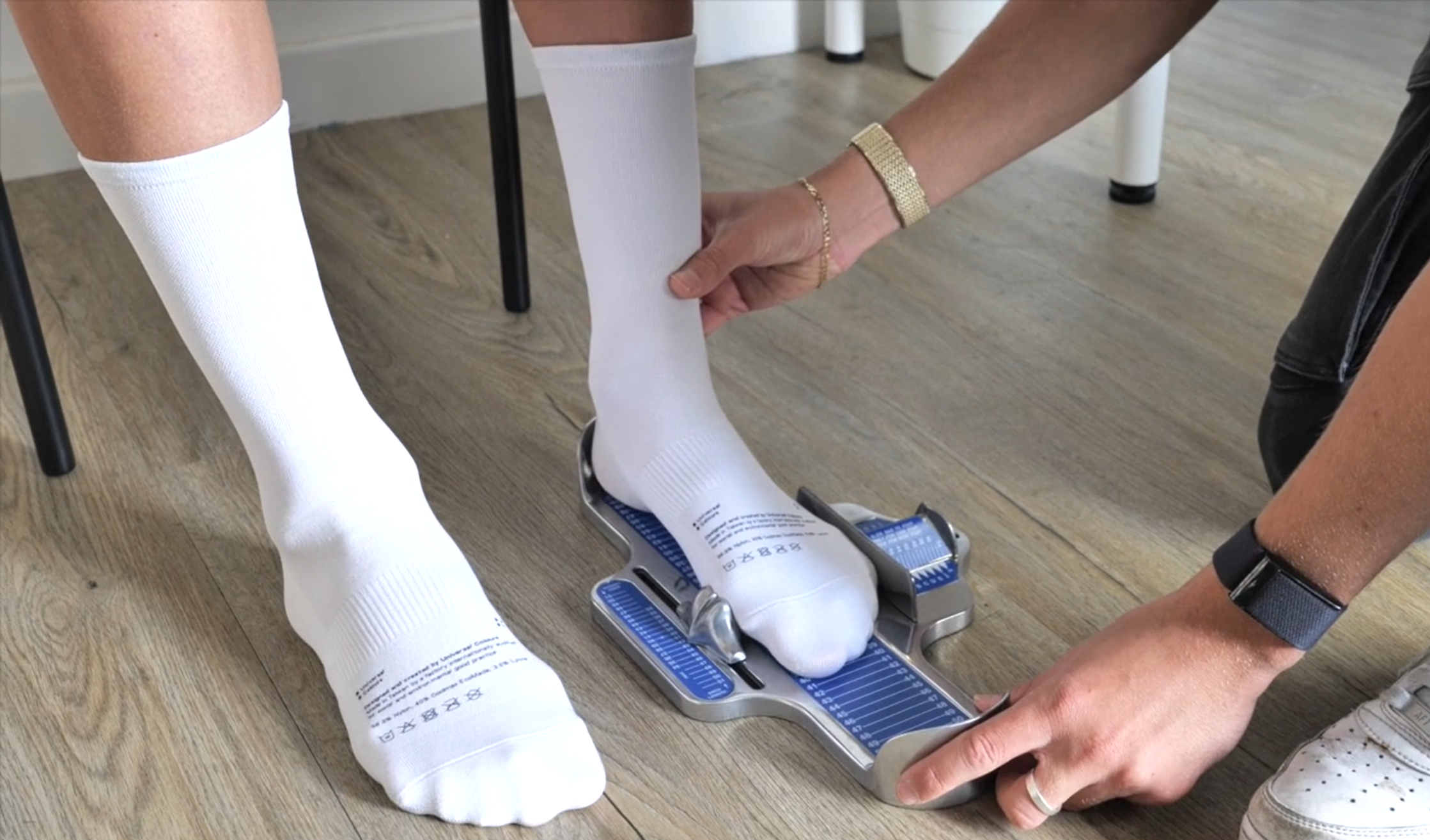
I’m not here to tell you that you’ve got smaller feet than you think, but there is quite a distinct possibility that they are. Mine were!
Craddock explained that with the high price of shoes and our preference to shop online, cyclists rarely take the time to find the perfect shoes for them. Everyone’s feet are different, and most people don’t even have the same foot anatomy from left to right!
Our shoe-buying habits often result in us wearing shoes slightly too big, especially as cycling shoes are unforgiving if they’re too narrow or tight. The reality is that many of us need wide-fitting shoes rather than shoes a size bigger lengthways. In everyday life, a shoe that’s half a size or even a full size too big has negligible consequences, they’ll still be comfy and won’t slip around. The problem is greater when it comes to cycling shoes because the cleat holes are drilled based on the anatomy of a foot that is a different size, if yours aren’t right for you.
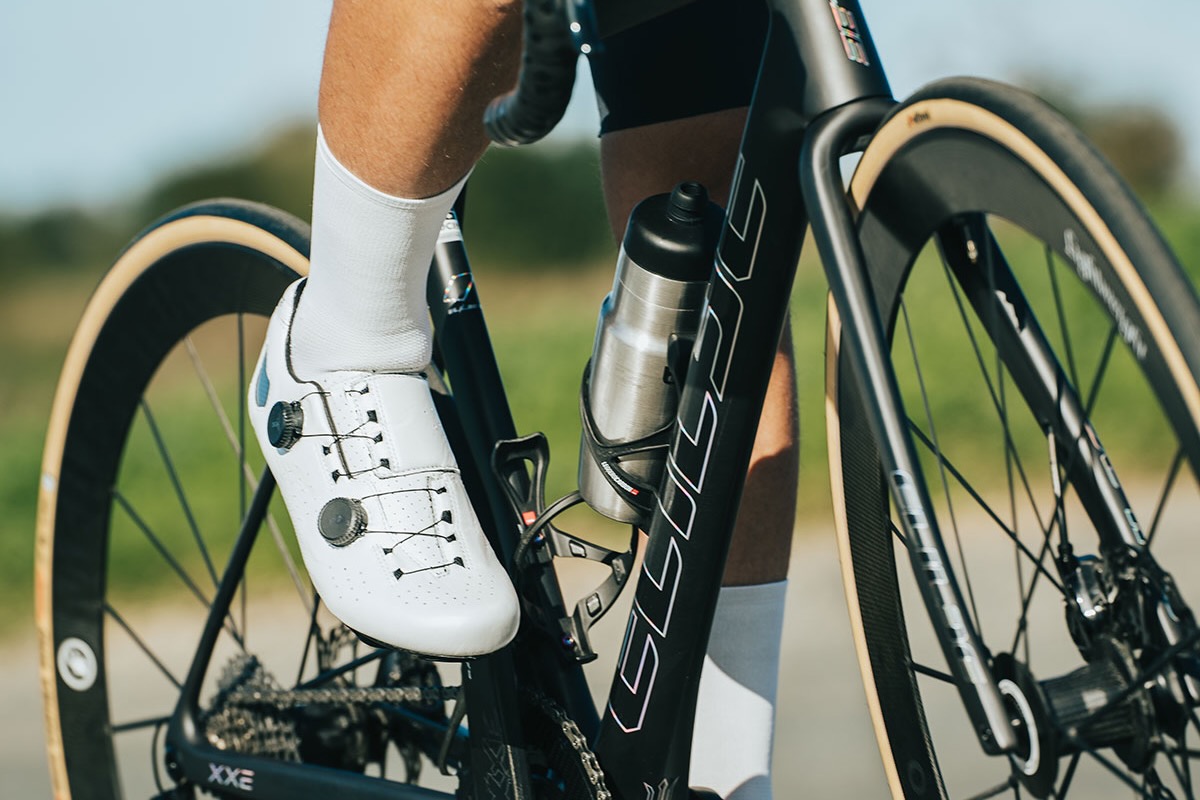
> Where can I find wide cycling shoes?
If you want an easy method to check, put your foot on a sheet of paper, mark the front and rear and measure the distance between them in centimetres. Compare that to your current shoe size using a conversion chart online, and there’s a good chance you’ll find some discrepancies.
Then, you just need to find some cycling shoes in the right size that actually fit, of course. Craddock recommends using a bike fit service which includes shoe fitting, as it’s an easy way of trying out multiple shoes.
3. Many people can benefit from arch support
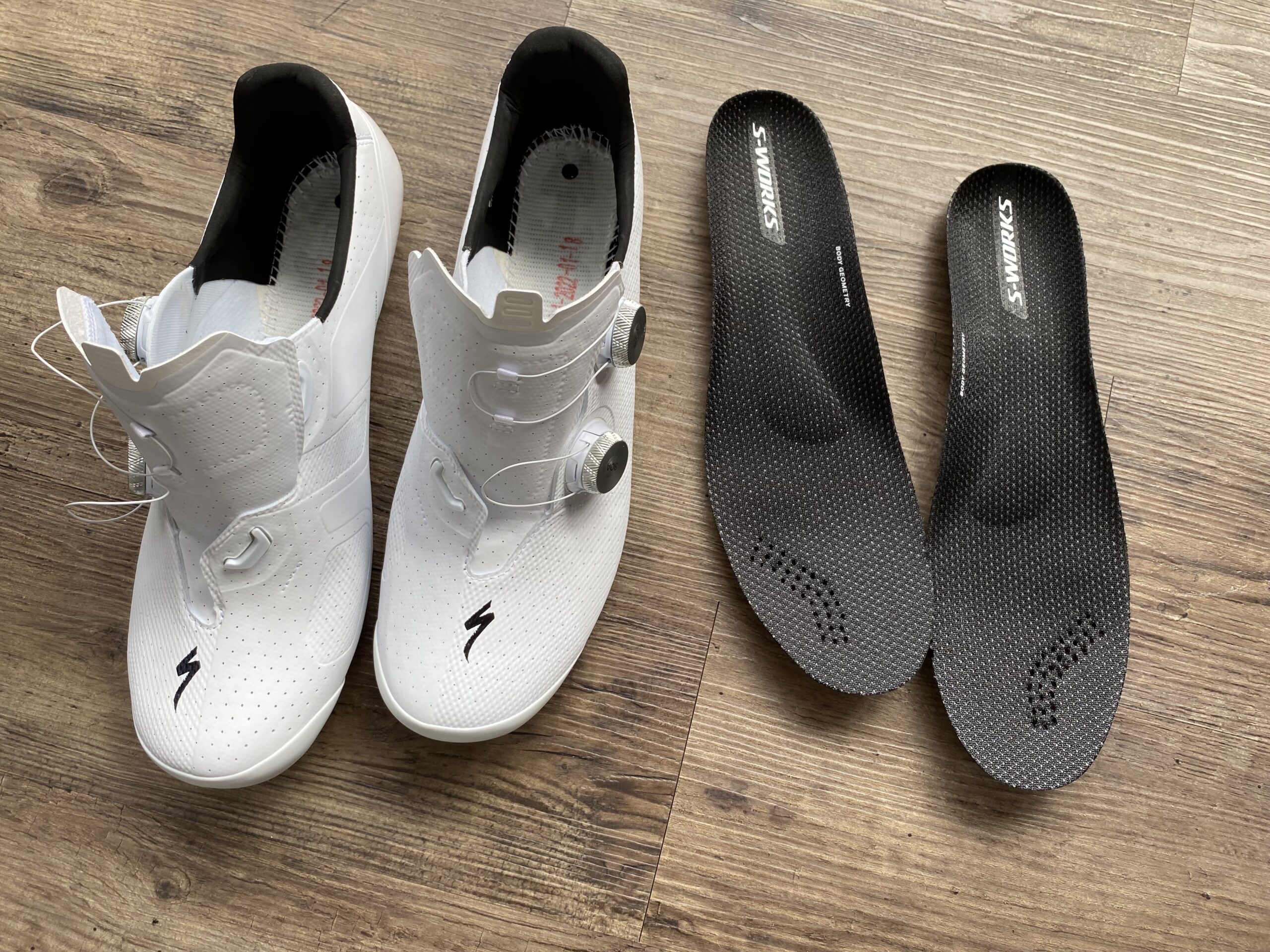
The final point to mention regarding feet is arch support, because a lot of cyclists need that too.
I was completely oblivious to the fact that I have freakishly high arches, as it’s not something I’ve ever tested. However, properly supporting your feet has well-documented advantages such as increased comfort, and reduced risk of injury and musculoskeletal issues. It may even help to unlock some additional power.
Cycling shoes typically come with minimal arch support out of the box, but more and more brands are now offering custom insole options. Bont, Lake and Specialized all offer this service (for a fair bit extra cash) and you can also get aftermarket insoles. Giro makes insoles that attach together with Velcro so you can customise the amount you need.
4. A bike fit should always involve a physical assessment
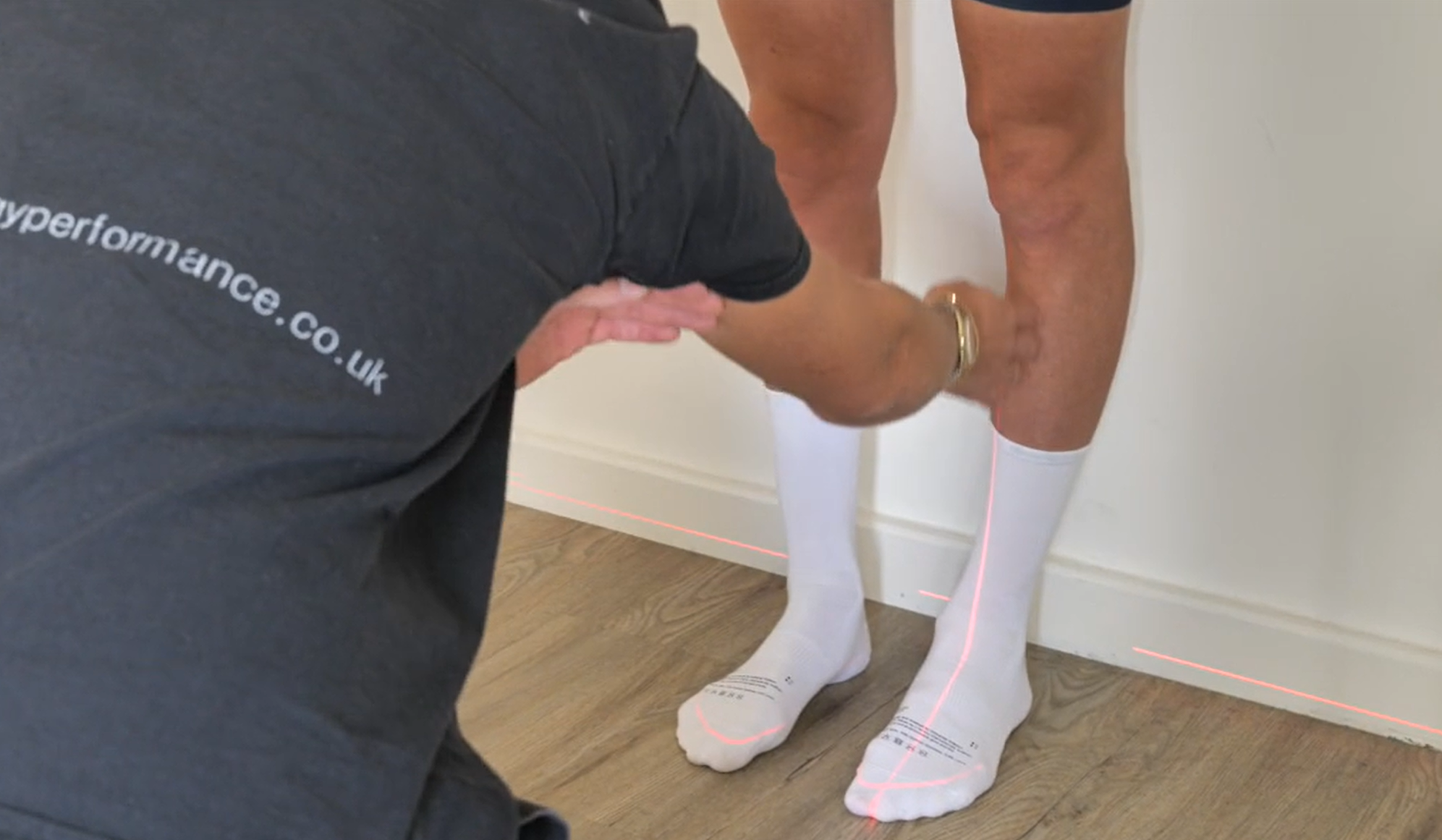
If you rock up to a bike fit and are asked to get on the bike straight away, run!
Quite clearly, the ideal position for you and me is going to be quite different to that of Mathieu van der Poel or Tom Pidcock. It’s not just our on-bike priorities that differ but also our functionality as athletes.
> 8 ways you don’t need to copy pro cyclists
Craddock explained that the only way to get the ‘perfect’ fit is to sit down and have a chat about your goals. It could be racing, all-day comfort or simply riding for enjoyment. You’ll discuss any previous injuries, your current fitness, your body’s current and potential mobility and flexibility and more.
Whether you’re doing a bike fit at home or with a professional, all this needs to be taken into account. It’s really not a good idea to copy someone else’s position because it works for them.
5. The saddle itself probably isn’t the culprit for your pain
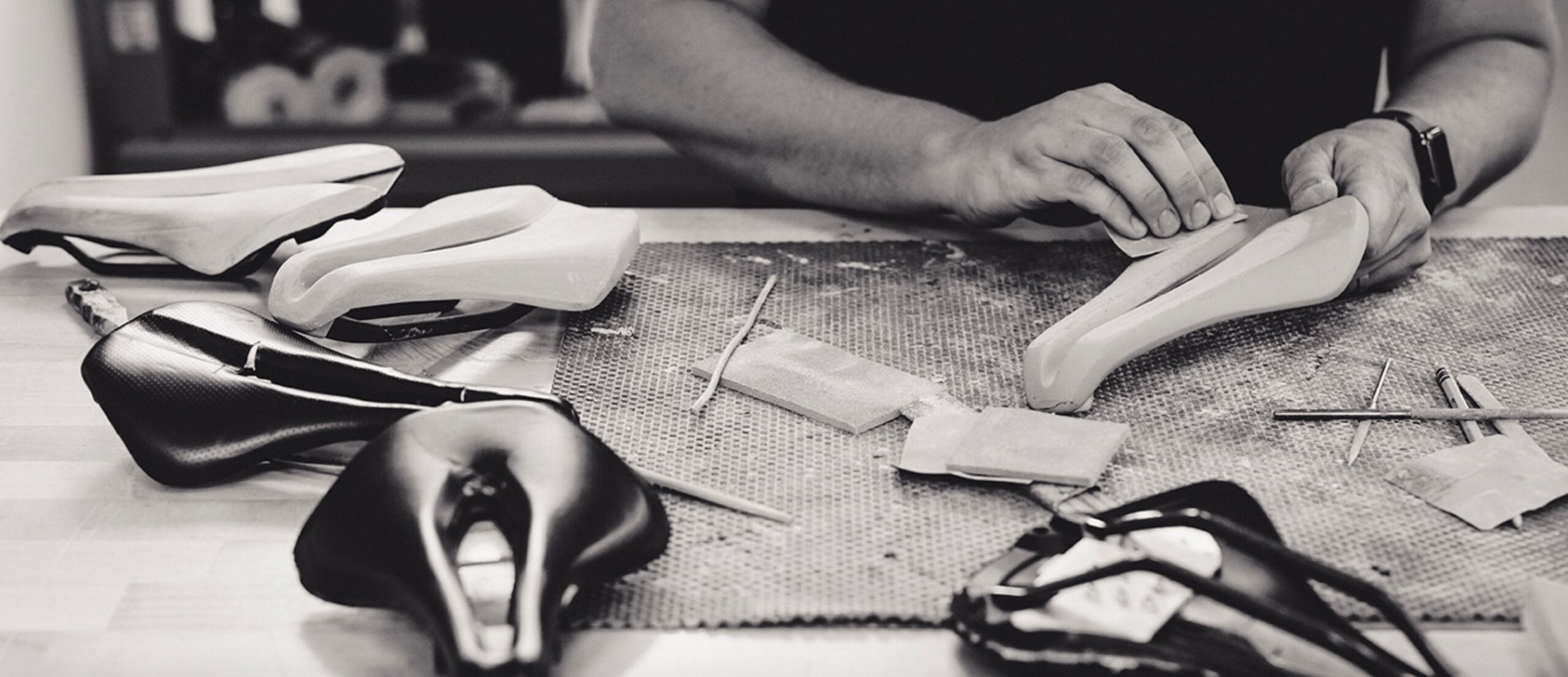
When talking about being comfortable on a bike, the first thing that probably pops into most people’s minds is saddles. I took a whole bag of saddles with me to my bike fit, and came out with the same one that was causing me discomfort still fitted to my seatpost.
Craddock explained that there isn’t some dark art to finding that one magic saddle. It’s more the right position you’re in on your saddle, and having the right width saddle for your sit bones. Get these right, and you’re most of the way there.
He was also keen to quash any thoughts that saddle sores or numbness down below while riding a bike is acceptable, urging riders not to just put up with it. Rather, find the solution to the problem, which can very often be as simple as rectifying excessive saddle height.
6. Are stubby saddles the way to go?
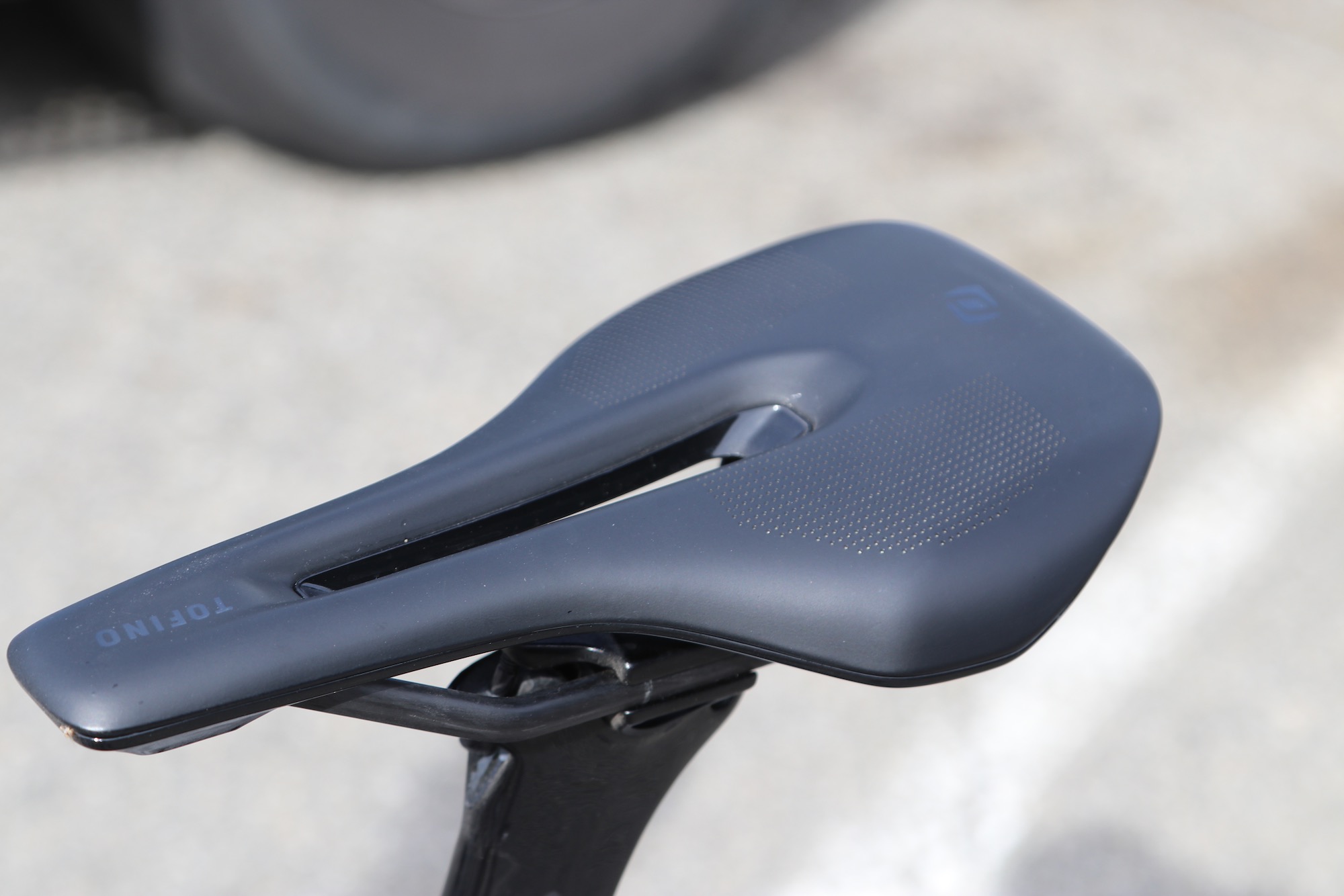
This led us to a very nerdy discussion about the current trend to switch to a stubby, or short-nosed saddle. Look around the pro peloton, and just about any saddle manufacturer’s latest line-up, and you’ll struggle to miss this influx of short-nosed saddles which were extremely rare even just a decade ago. Despite so many brands getting behind the idea, there is still plenty of scepticism.
Craddock likens your sit bones on a saddle to the engine mounts in a car. In most cases they should be fixed in a single position, and these short-nosed saddles are excellent at providing that one position.
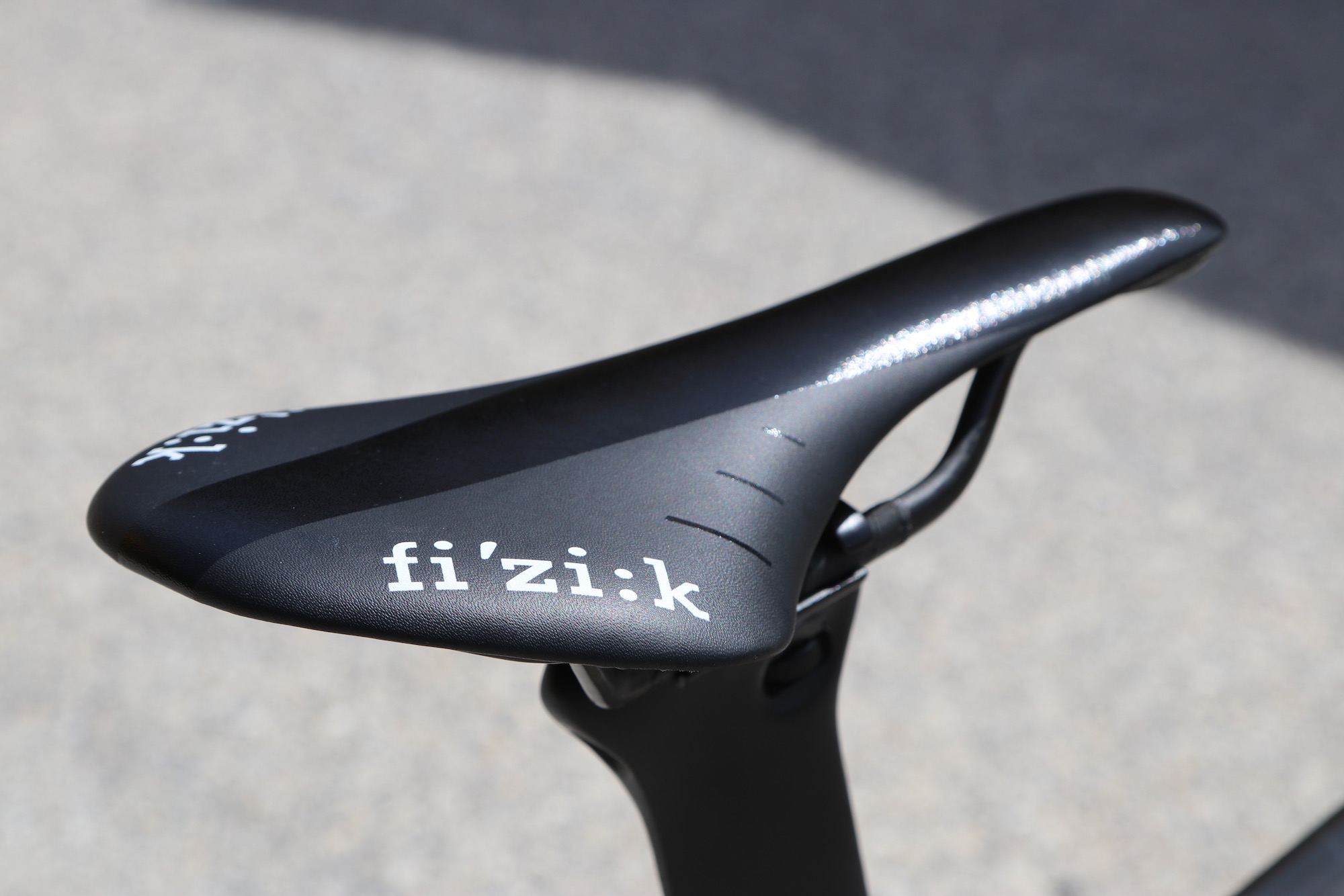
He went on to explain that many bikes still come with long nose saddles, as these offer more positions. This means riders with less-than-perfect fits are more likely to find some degree of comfort on them.
So, if you’ve switched to a short-nosed saddle and found it uncomfortable, or find yourself moving about a lot on a long-nosed one, this could be an indicator that your fit is out.
7. Saddle width has nothing to do with how big you are
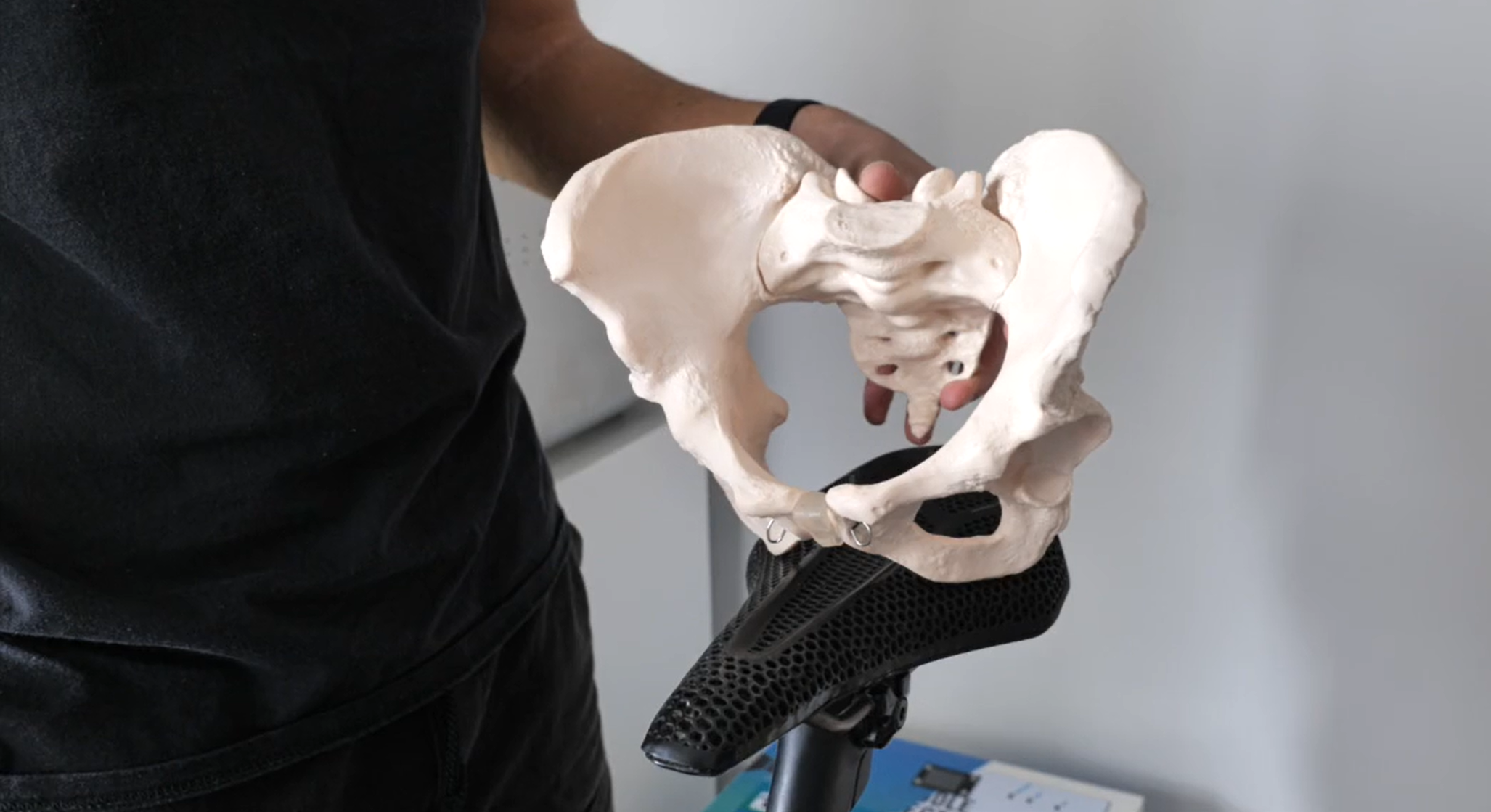
Put a 6’4″ guy next to a 4’8″ woman, and you’d kind of expect the larger build to require the wider saddle. Craddock says that this is not always the case, by a long stretch.
The ischial tuberosity, better known as your sit bones, is independent of height. This can often catch cyclists out when choosing their next saddle.
> Ischial bursitis – How to spot this sit-bone injury ruining your ride
The distance between your sit bones is quite easy to measure at home, albeit not to the same accuracy as the equipment most bike fitters have access to. Your saddle should be somewhere in the region of 12-20mm wider than that measurement.
8. Is THIS why you struggle on climbs?

Next, we moved on to saddle height. This is something I soon learned has a golden range rather than one set value.
Your saddle height, as most of us know, should allow a slight bend of the knee at the bottom of the stroke, and allow a comfortable amount of plantar flexion (toe pointing) which varies from rider to rider.
Something that is less talked about is how this plantar flexion naturally changes as you begin climbing/cycling up a hill. It’s therefore possible to set a saddle height that is perfectly fine for flat miles, but becomes too high as your heels drop when the road starts pointing upwards.
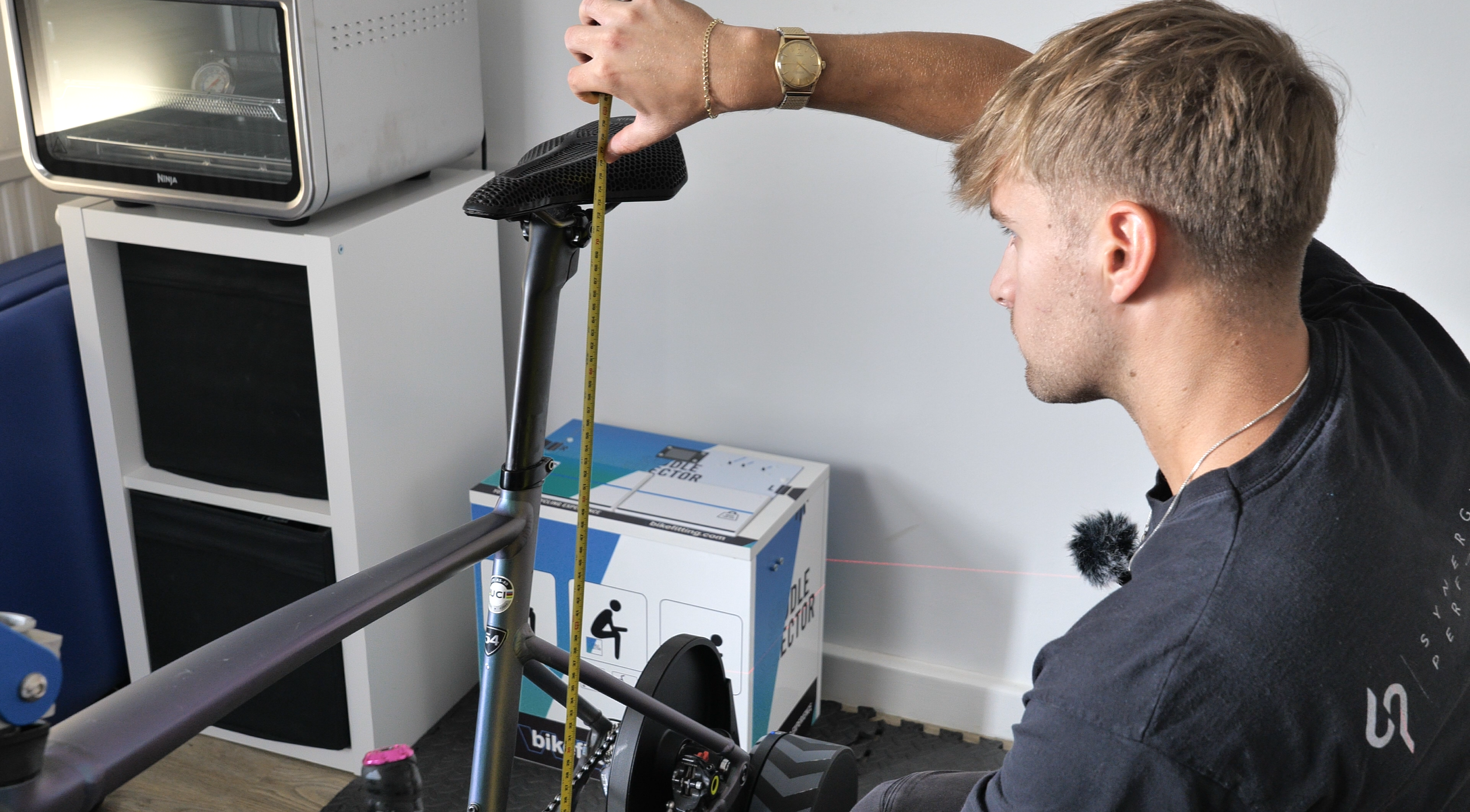
Excessive saddle height can cause all types of problems, such as rocking, increased pressure on soft tissue and reduced power output. Likewise, a saddle too low can result in plenty of issues.
So, unless you ‘do a Mohoric’ and deploy a dropper post, it’s best for most riders to position their saddle in the centre of this golden zone. This means no matter the terrain you face, you’ll be working efficiently and comfortably.
9. A lower front end isn’t always faster
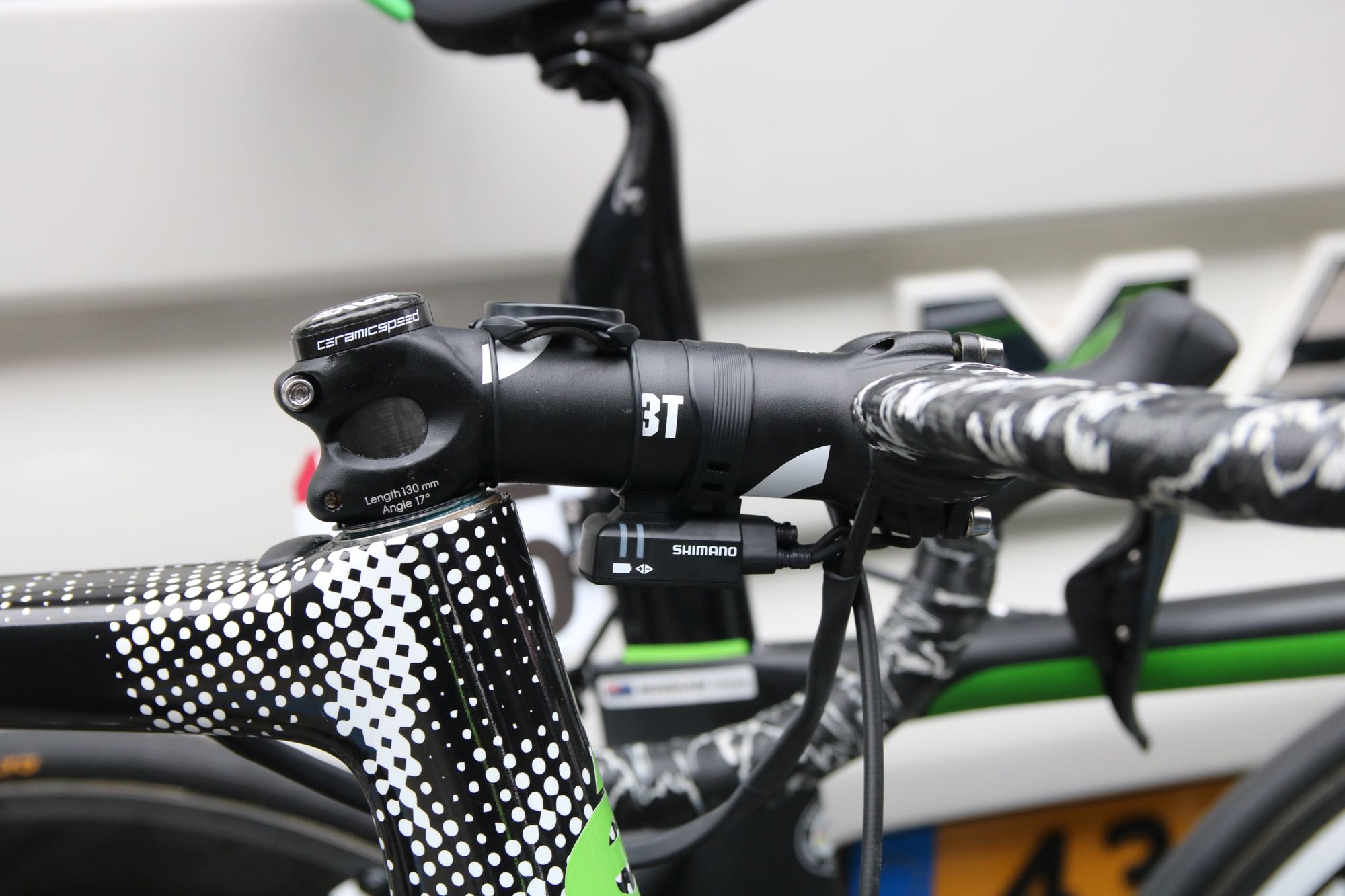
I’m an absolute sucker for slamming the front end of my bike and creating as bigger a drop between my saddle and bars as possible. If I think constructively, then I know that some extra stack might be more comfortable – but somehow I manage to convince myself that if I put myself through the discomfort, then I’ll reap the aerodynamic benefits out on the road.
It turns out my whole life is a lie… going lower is unlikely to make you faster, but not for the reason you might think!
Craddock explained that working with the country’s top athletes, including time trial specialists, has taught him that going lower at the front is not always the fastest approach. Your body is limited by its functionality and flexibility, so your upper body will always revert back to where it feels is possible. Lowering the front end is simply going to increase the distance between your hands and head, hence increasing your frontal profile and aerodynamic drag.
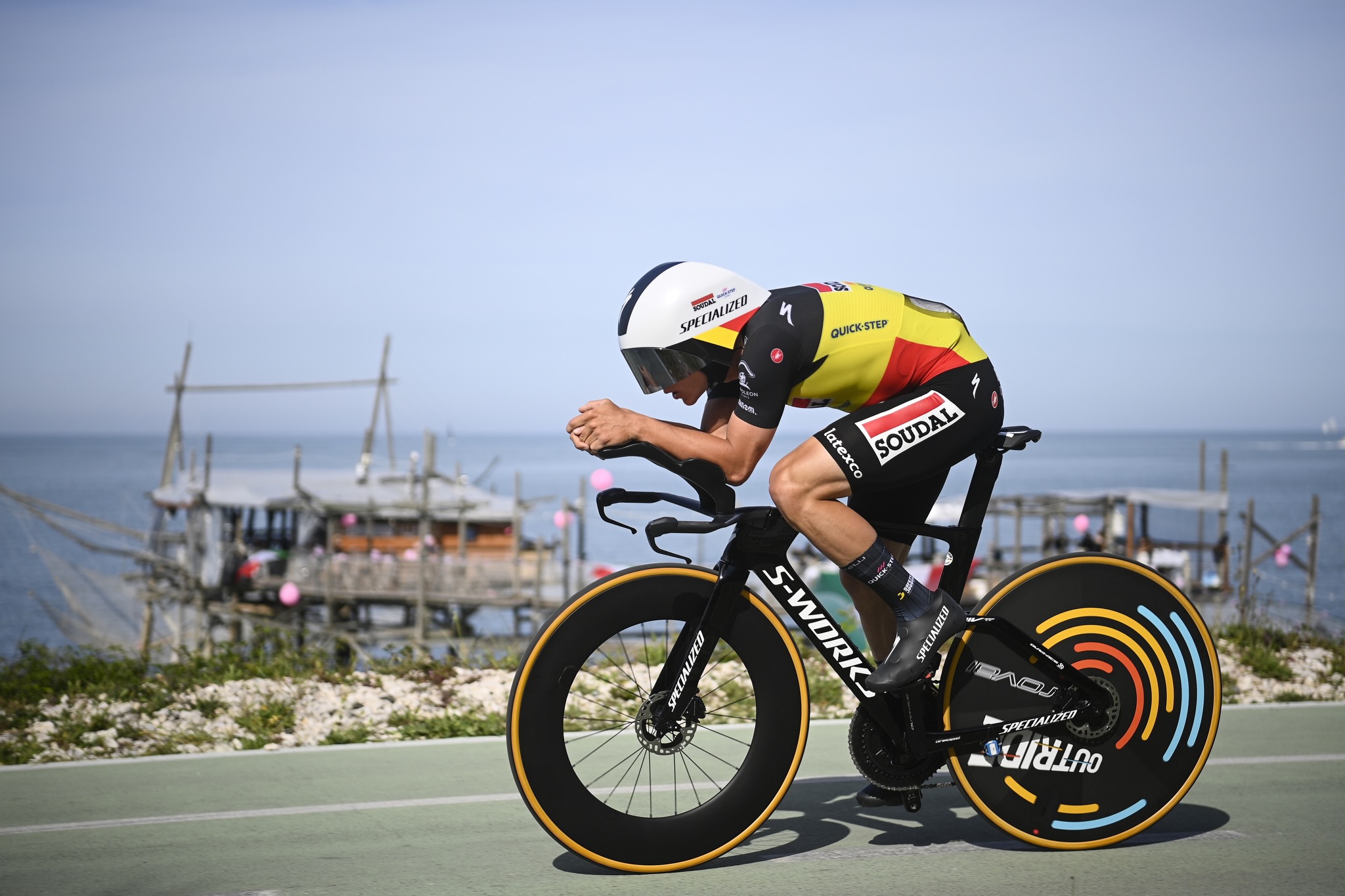
To really hammer this one home, Craddock showed me how the world’s top time trial specialists are now bringing their hands right up to their faces to reduce their cDA.
10. A lot of bikes come with the wrong width bars
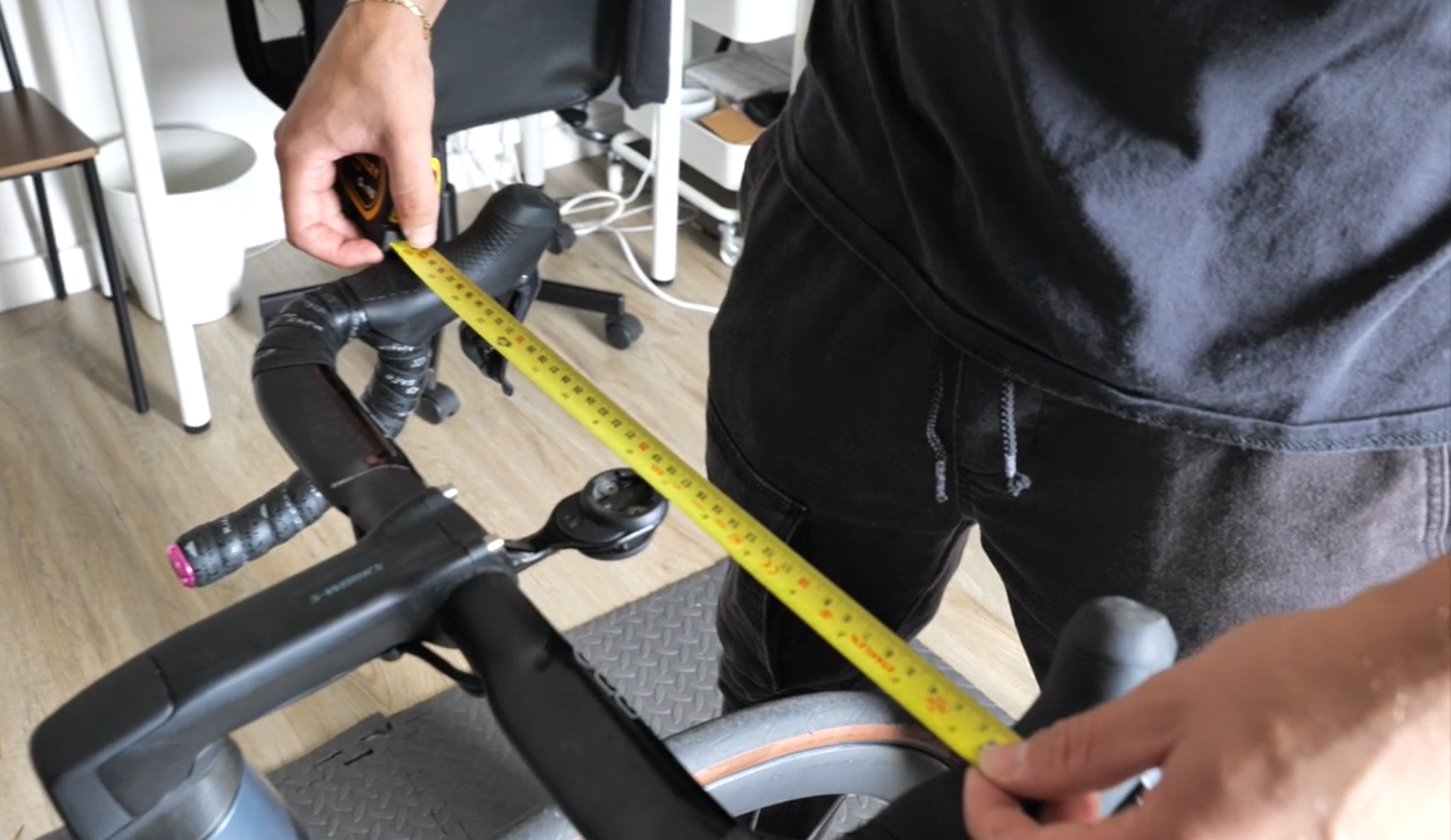
To be fair, manufacturers are seemingly getting better in this regard, but it does remain true. Your width of handlebar can make a huge difference, and not just to your shoulder comfort. Getting it spot on could potentially be one of the biggest performance gains that you can make.
Craddock explains that the ideal width of bar for most riders is within around 2cm of their shoulder width (that’s from centre to centre of the left and right joints). If you think about the huge range of body types that are buying the same size bike, then it’s simply impossible that the handlebar is going to be the right size for everyone. Increased integration of bikes is only resulting in less getting changed for the correct ones.
It’s advisable to determine your preferred bar width prior to purchasing a new bike, and requesting that the bike is specced as you wish. After all, you’re probably dropping a lot of money on your new bike, and many bike shops will only be too happy to help get you comfortable on it.
11. Your perfect position will change over time
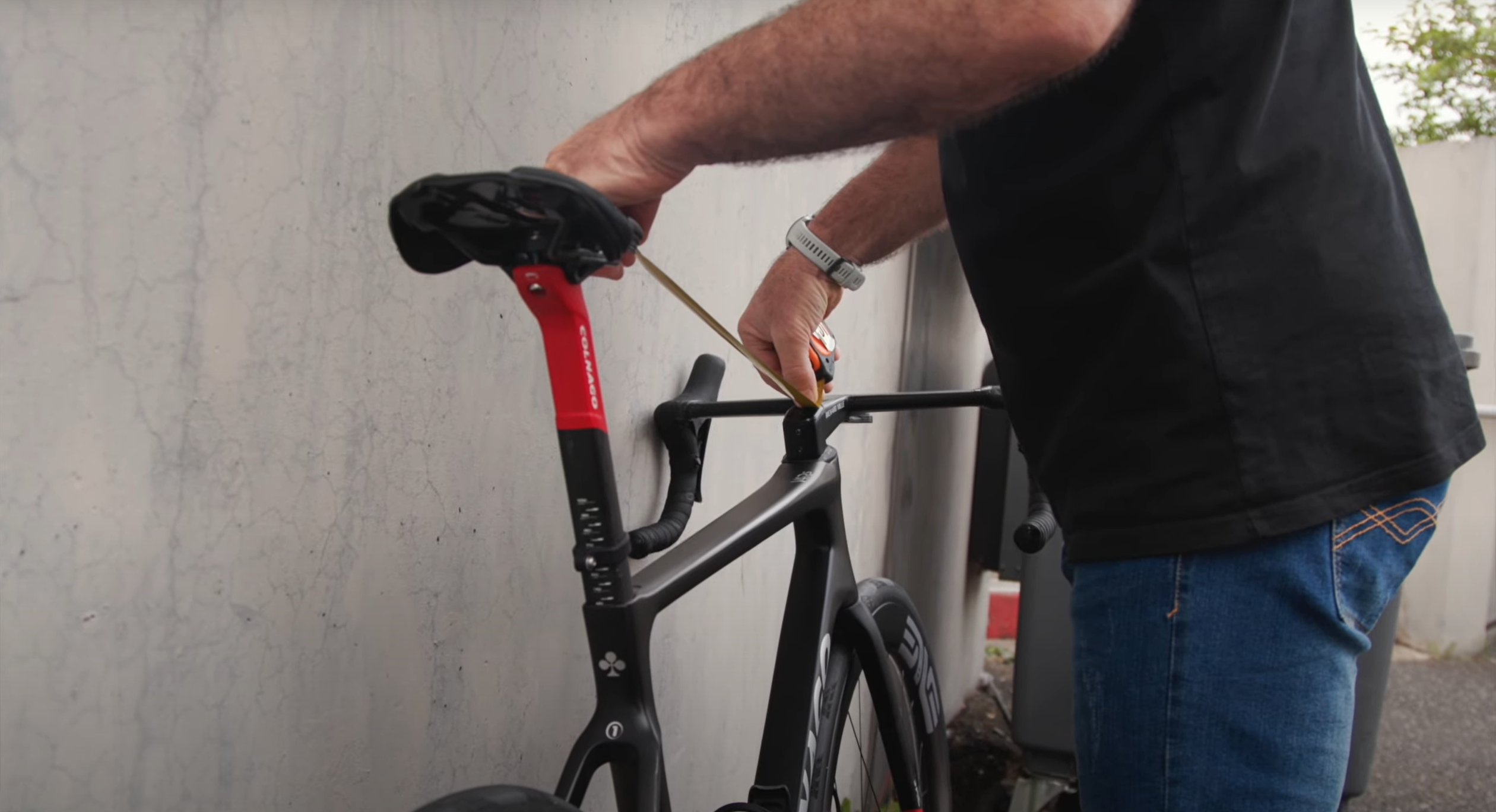
No, this isn’t just some sales ploy from bike fitters to get you to keep going back. Your age, mobility, lifestyle, hours spent on the bike, injuries or crashes all impact your position more than you might think.
It’s worth remembering this before cutting down your stack, or leaving no margin for change when trimming hoses or cables. The good news is that most bike fitters will give you a document with all your important measurements, so you can replicate it across multiple bikes. You can also use the data for future bike purchases.
Are bike fits worth it?
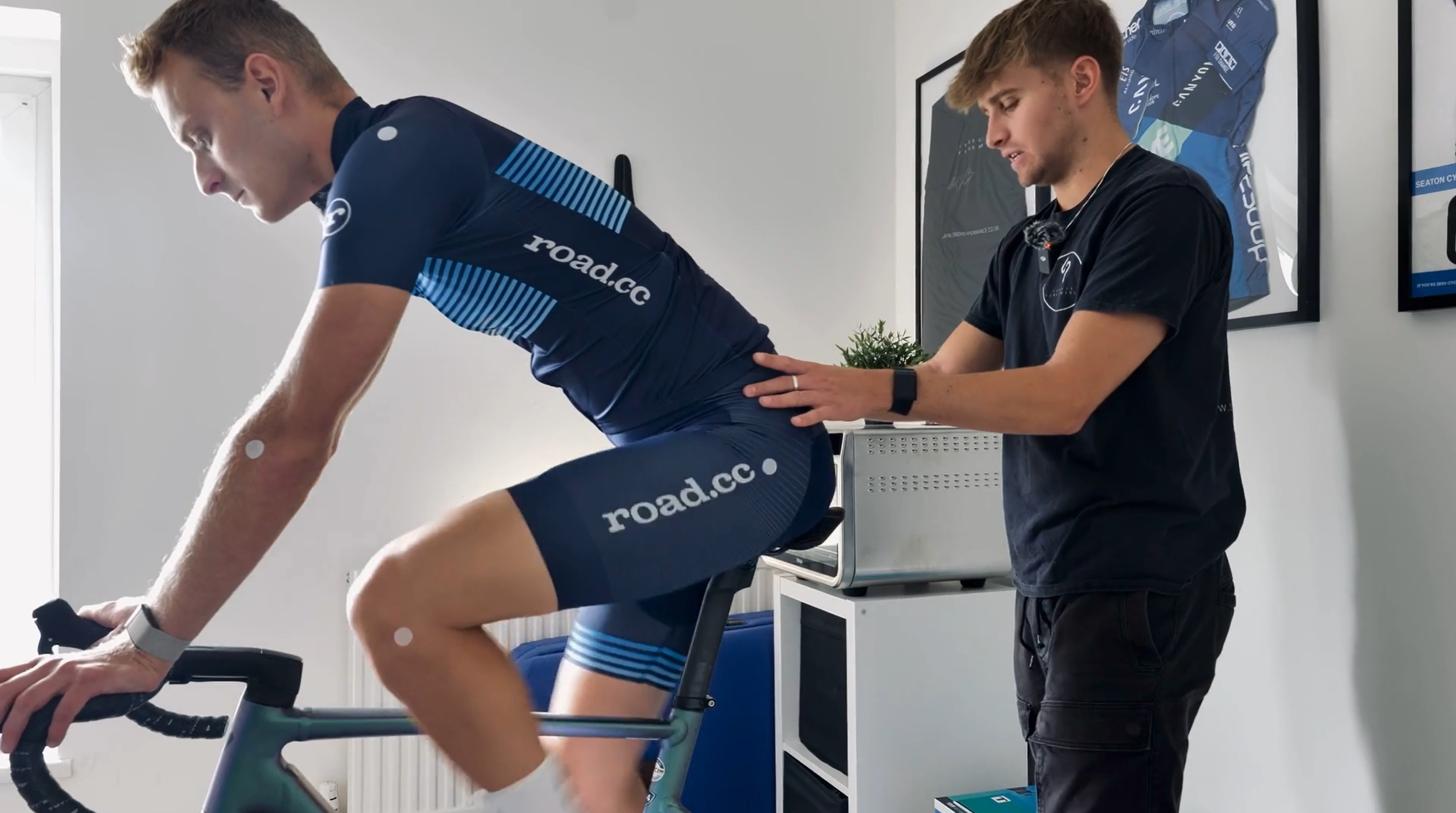
After my experience, the short answer is: yes.
A bike fit might seem like an expensive outlay, with this three-hour session at Synergy Performance costing £220. You can spend a lot more than that with extra analysis, too.
However, compared to many bike upgrades, whether that be a carbon-railed saddle, oversized pulley wheel system, a new set of wheels or fancy stem, the outlay suddenly looks a lot more attractive, because the performance benefit is likely going to be far larger.
A bike fit will likely also make you more comfortable on the bike, and that might mean that you ride for longer or train more, which we all know is one of the best ways to get faster. Most importantly, being comfortable on a bike means you’re going to enjoy it more. After all, that’s why most of us ride bikes.
Even a stubborn git like me can now see the limitations of doing a fit at home. Even with hours of studying and a bottomless pit of resources, there are some things that you can’t just pick up on. For example, even though my general position did turn out to be ok, I’d have never known that I needed insoles, and wouldn’t have worked out how to put the correct stance on my cleats.

It’s also worth reiterating that there’s much more to putting a cyclist in the right position on a bike properly than you might think. Do your research before shelling out on a bike fit, as getting a bad one could do more harm than good.
A big thanks to Synergy Performance for the fitting. Let us know any of your bike fit tips in the comments section below.








10 thoughts on “The things I learnt from a professional bike fit that could make you faster and more comfortable on the bike”
….by Chris Froome
….by Chris Froome
The last sentence is
The last sentence is unfortunately absolutely true. A friend of mine spent 225€ and got a hand written sheet that only featured saddle height and handlebar position.
The bike fitter -if he can so be called – did not notice his misaligned cleats nor the fact that his brifters weren’t the same height. He also didn’t spot his slightly bent left side saddle rail. A basic body check off the bike was also not included.
Anyone can call himself a bike fitter.
Look out for real pros with some sort of background in physiology, osteopathy or at least a cooperation with some sort of medical pro.
If you’re in for a bike fit you’re either in pain or looking for a performance gain or both.
A proper bike fit should include an analysis of your body geometry, your flexibility and maybe even disbalances in position and power output. You also want 3D motion analysis and pressure mapping of your contact points and last not least a competent summary of how to optimize your position based on the results.
Cycling is one of the few things that really matter in life so look in the mirror and ask yourself if it is sensible to ride a 4k€ bike and then wonder if those extra 150€ for a truly professional bike fit are worth it.
Whilst I mostly agree with
Whilst I mostly agree with you I don’t think you necessarily need all the high tech bells and whistles to get a decent bike fit. I think you’re well into marginal gains with your motion analysis and pressure point mapping.
Hmm… Curious about the
Hmm… Curious about the short nosed saddle thing. How does chopping off 2.5cm from the nose of the saddle change the position of your sitbones? Does ANYONE really sit on that last 2.5cm of saddle?
I mean, I get why there might be comfort benefits if your anatomy is in contact with the tip of the saddle, and yeah, maybe a weight saving, but how does it lock your sit bones in position?
I keep meaning to test it myself by swapping my Fizik Antares for a very similarly shaped but shorter Flite Boost..
IanEdward wrote:
I _think_ it’s a rule that says front of saddle must be no closer than X to the handlebars, or something similar. Chopping the front of the saddle back means you can move the whole saddle, and so your sitbones, closer to the handlebars. Something to do with “opening up your hip angles” being advantageous.
Yup, short nose saddles are
Yup, short nose saddles are 100% to do with UCI law and 0% to do with comfort. When most people here this they say “but but but my short nose saddle is the best saddle ever”, that may be so but it isn’t the fact that it’s short making it comfortable. It’s just a comfortable saddle that happens to be short. They were made because pro racers wanted to get the saddle further forward and there is a law that says the saddle has to be 5cm behind it. If you aren’t a UCI rider you can ignore this anyway.
I actually ride a short nose saddle.
IanEdward wrote:
If the saddle nose isn’t used, then why are there so many long nosed saddles? What’s that bit for?
It allows for longer rails
It allows for longer rails for better adjustability and also can help with bike handling as it allows the rider to push the saddle with the upper thigh. It’s minor but go from riding a long nose saddle to an ISM adamo and back and you’ll notice the absence.
I think you are overthinking
I think you are overthinking it.
A long(er than needed) saddle gives you the opportunity to sit too far forward, which in practice – without you being aware – happens quite a lot. That means your sitbones are not supported as they should be, and your bodyweight is mostly on the soft tissue.
A shorter saddle doesn’t ‘lock you in position’ anymore than a simple chair does. When you sit partly next to where you should sit, you clearly notice it, so you just tend to keep the right position.
Oh oh, and also, what’s with
Oh oh, and also, what’s with the trend of dropping the nose of the saddle? Is this just for people with mega core strength or pushing huge watts?
When I tilt it even slightly it just increases pressure on my hands and arms…