Sport can be cruel. Riders spend months chasing goals, targets and ambitions, only for them to disappear in an instant, sometimes in the harshest possible way. Cycling adds another layer to that uncertainty because no matter how well you prepare, there is always a mechanical element that sits slightly beyond your control.
I’ve always been hugely goal-oriented, both in sport and in life generally. There is almost always a future race, ride or event on the horizon, motivating me, whether that is years away, next season, next month or simply the next weekend. Most people who race probably understand that feeling. There is always another challenge to aim for.
For 2026, my big target was to race at the UCI Gravel Series event in Sardinia, the Giro Sardegna. I picked it largely because the date worked and because Sardinia had long been somewhere I wanted to visit. At first, the fact that it was a qualifier for the UCI Gravel World Championships felt more like a secondary objective than a real ambition. The Worlds themselves had never particularly appealed to me… then I looked at this year’s course in Australia. Holy moly!
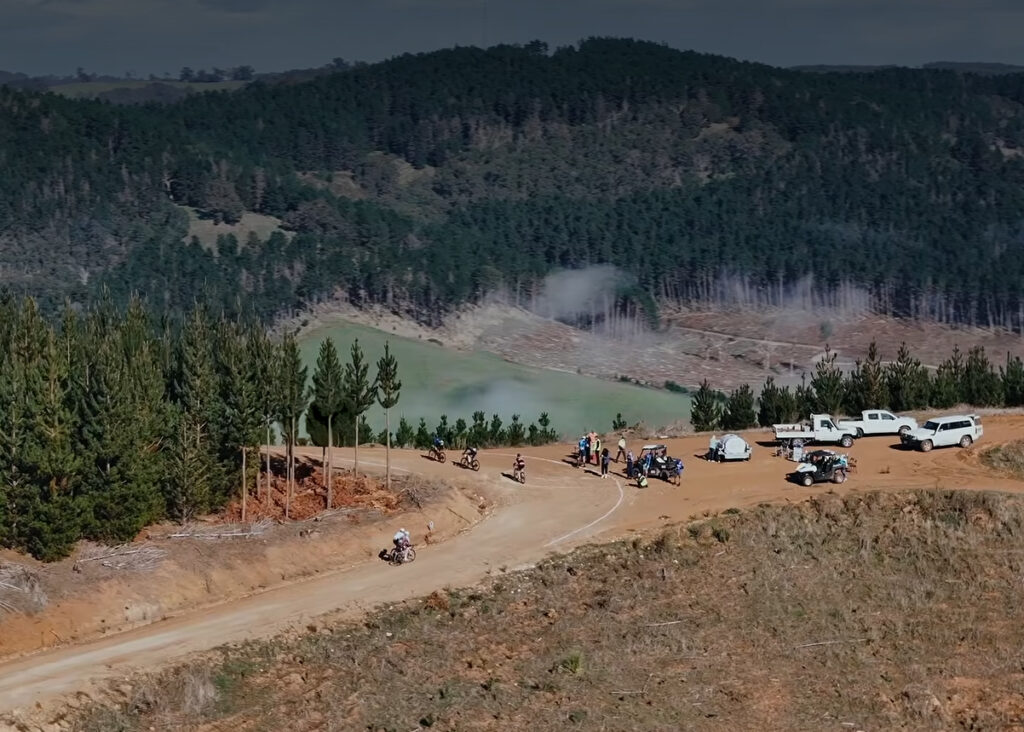
Unlike some previous editions, the 2026 route looks genuinely brutal: around 140km with more than 3,500 metres of climbing on terrain that appears to be ‘proper gravel’ rather than fast dirt roads within the Benelux. As someone who loves long days, big climbs and hard endurance riding, it suddenly became very tempting. I hover around 60kg, so hillier races tend to suit me. So, maybe qualification was worth chasing after all…
Sardinia itself was spectacular, but my trip unravelled almost immediately.
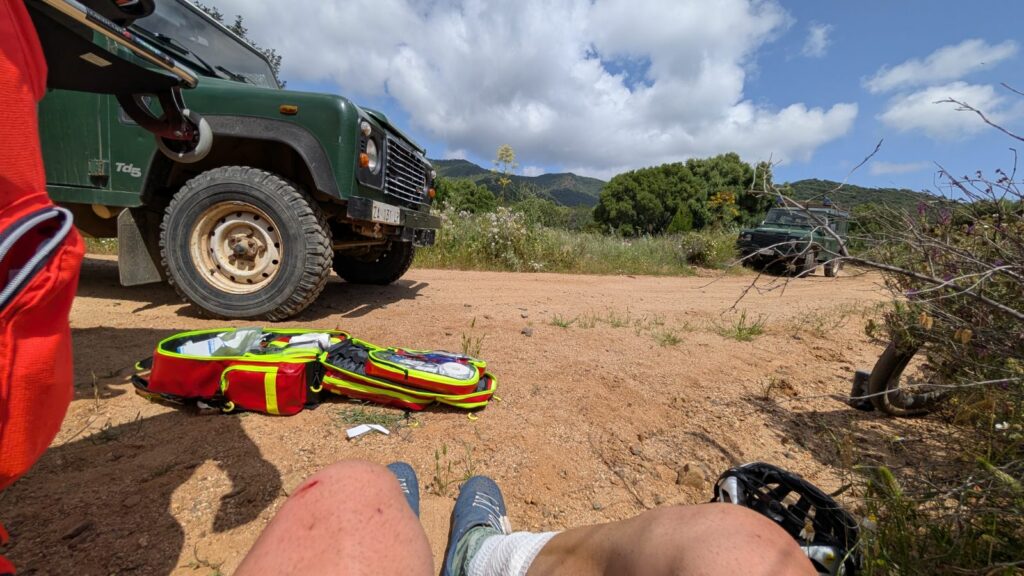
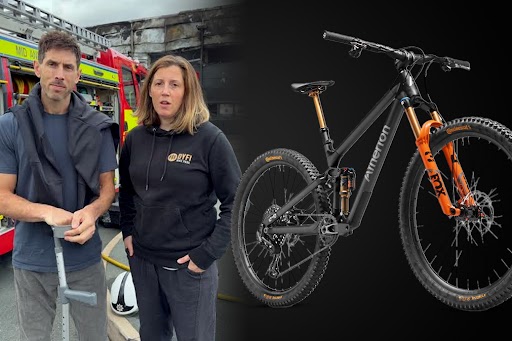
On the second day of the trip, while riding a recce lap of the course, descending on a narrow gravel track, I rounded a corner and hit a Land Rover Defender that was climbing up the trail head-on. I don’t remember the impact itself. My final memory before waking up on the ground was simply seeing a vehicle directly in front of me with nowhere to go.
The next thing I knew, I was lying on the floor in agony, almost certain I had broken my arm, with a bike snapped in half beside me. I’ve had my fair share of crashes over the years, but being knocked unconscious is not something that I ever wished to happen again after a traumatic crash in 2016 that has left me with epilepsy.
Thankfully, the Italian medical staff were exceptional. Within a few hours, I had undergone a CT scan, multiple X-rays, stitches in my leg to fix a gash with bone visible beneath, and a full health check before somehow being brought back to my hotel in a taxi. At that point, riding again felt a very long way off. Walking was painful enough. The advice was six to eight weeks of recovery, as I had a possible greenstick fracture to my forearm.
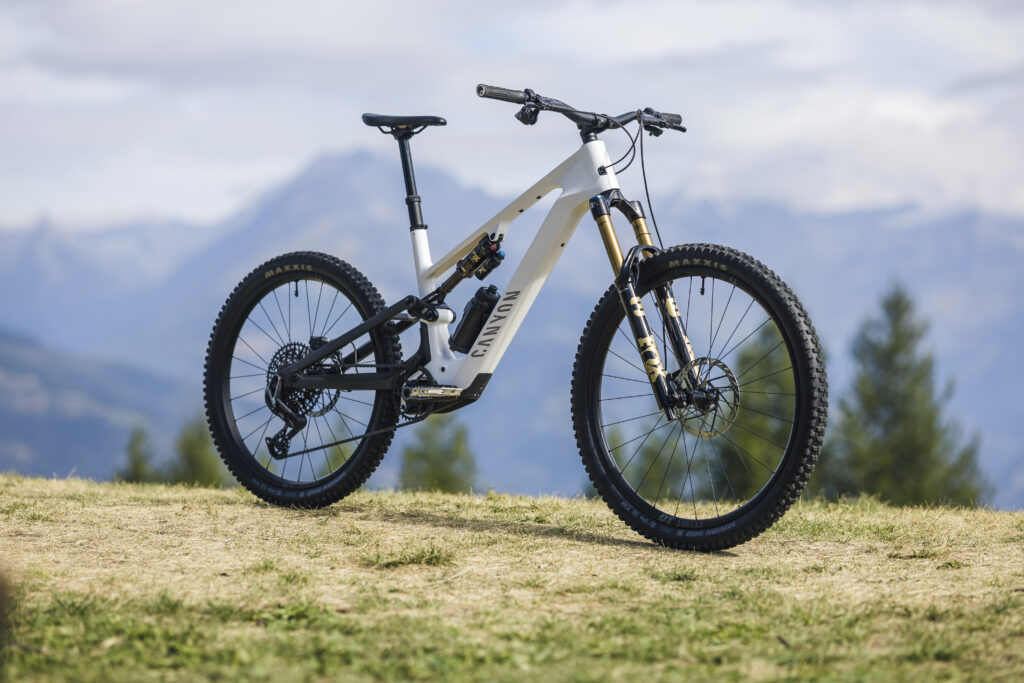
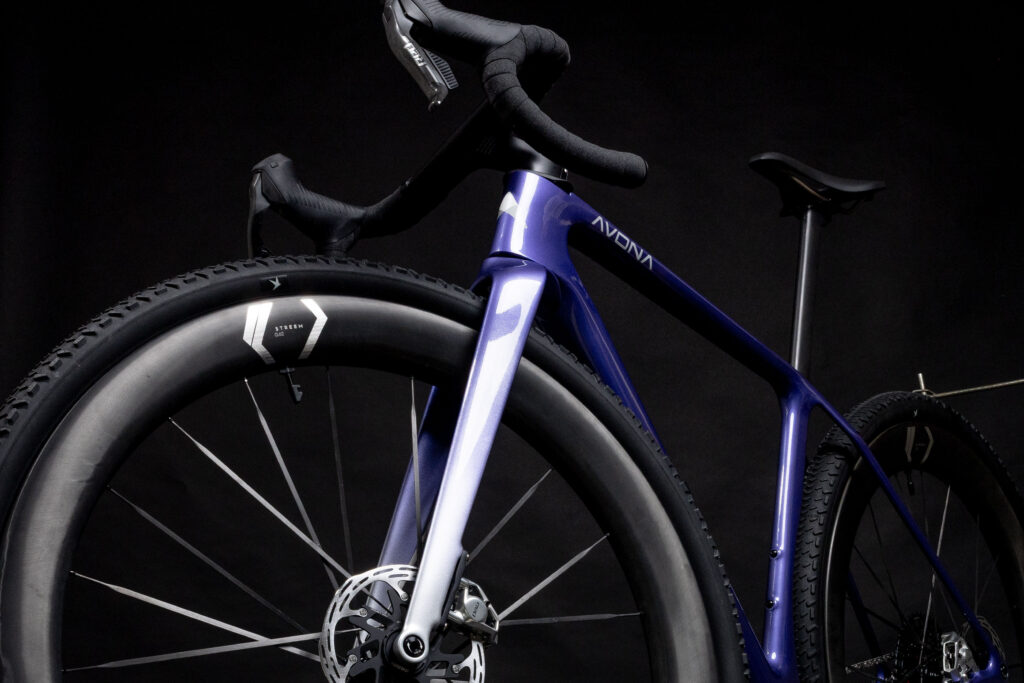
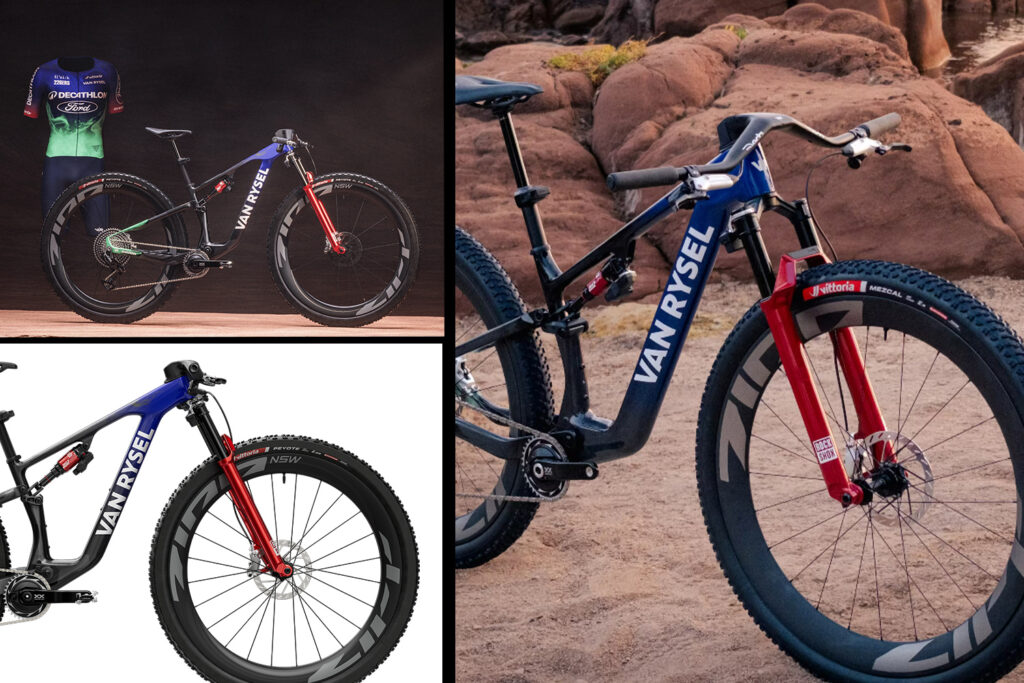
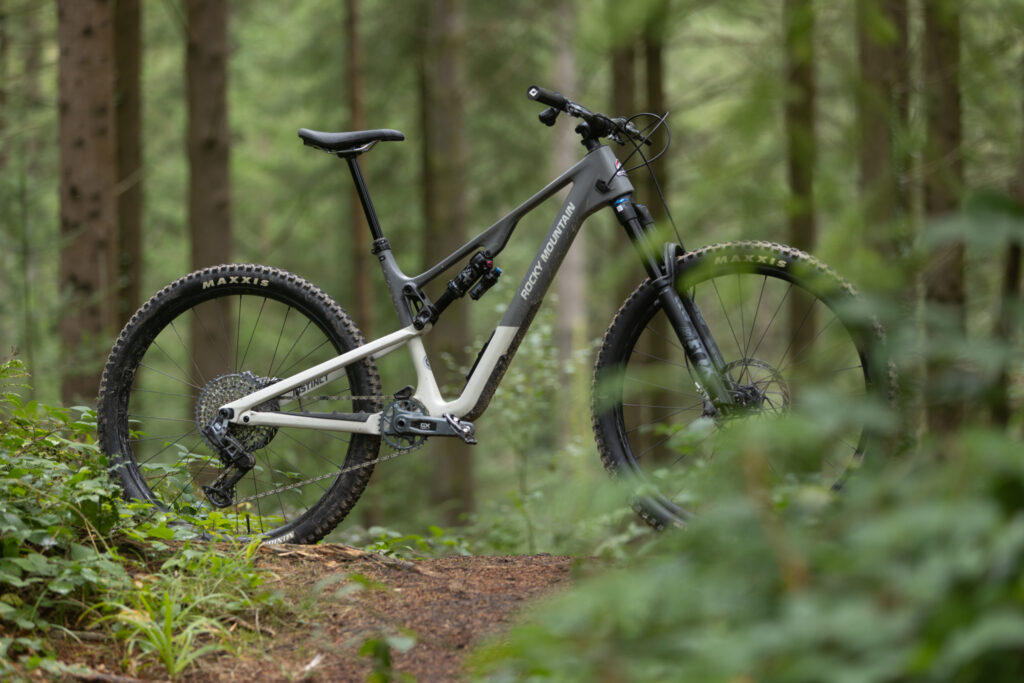
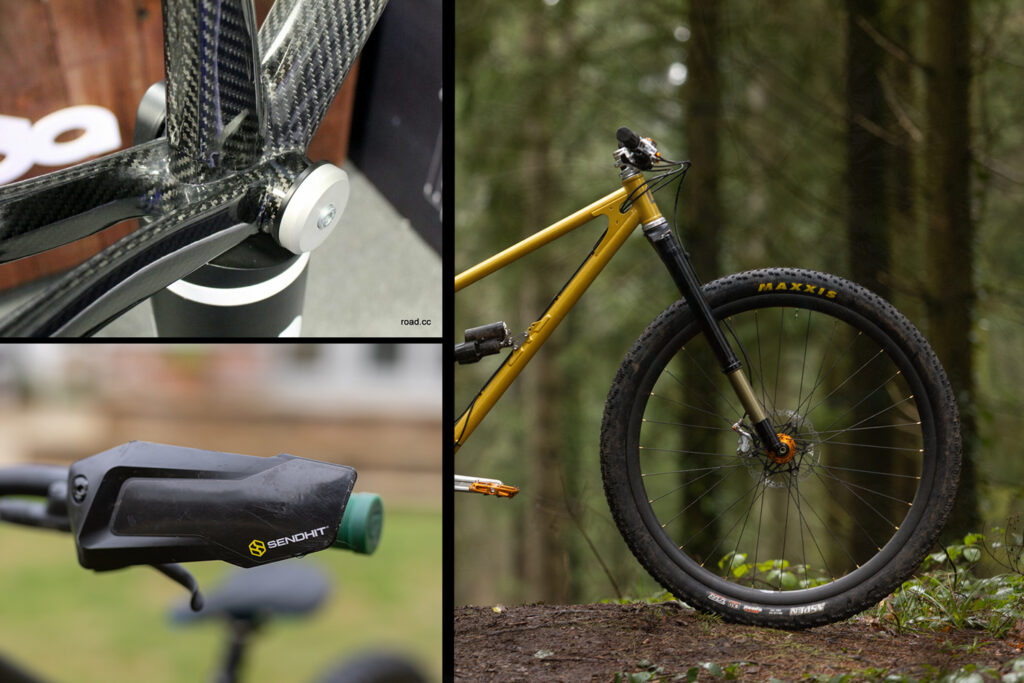
A week later, I was pedalling gently on the turbo trainer. I also took some time where I could to finish off an MTB-framed gravel bike, just in case it might be needed. Ten days after the crash, I was back riding outside, albeit with some discomfort. Perhaps it was psychological more than anything else, and I’m sure a doctor would be aghast, but wearing a strip of Tubigrip on my forearm seemed to help ease the pain.
The Gralloch had already been in my calendar through work commitments, and although I had an entry, racing it properly seemed unrealistic. With Sardinia over and whatever hope of qualifying almost certainly gone, I decided I would at least start and see how things felt. If the injuries became too painful, I would stop. Probably.
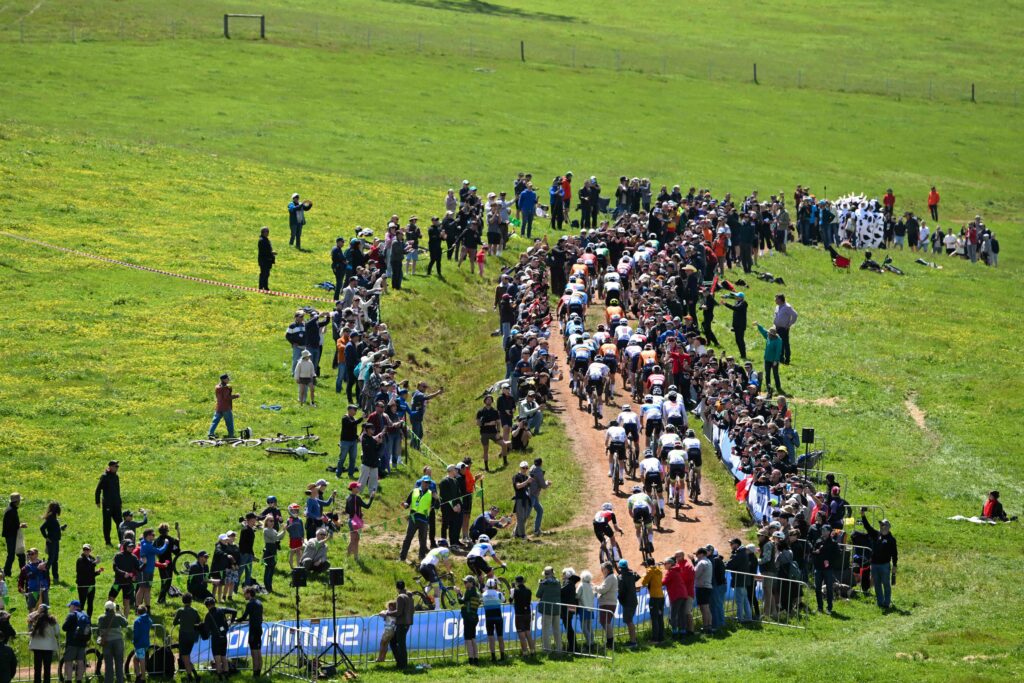
This was my first time at the Gralloch, and I had been warned about the rough terrain and also the crazy first climb. From the moment you leave the start village, the race heads uphill for more than 5km, climbing over 200 metres at full gas with hundreds of riders all jockeying to get themselves near the front.
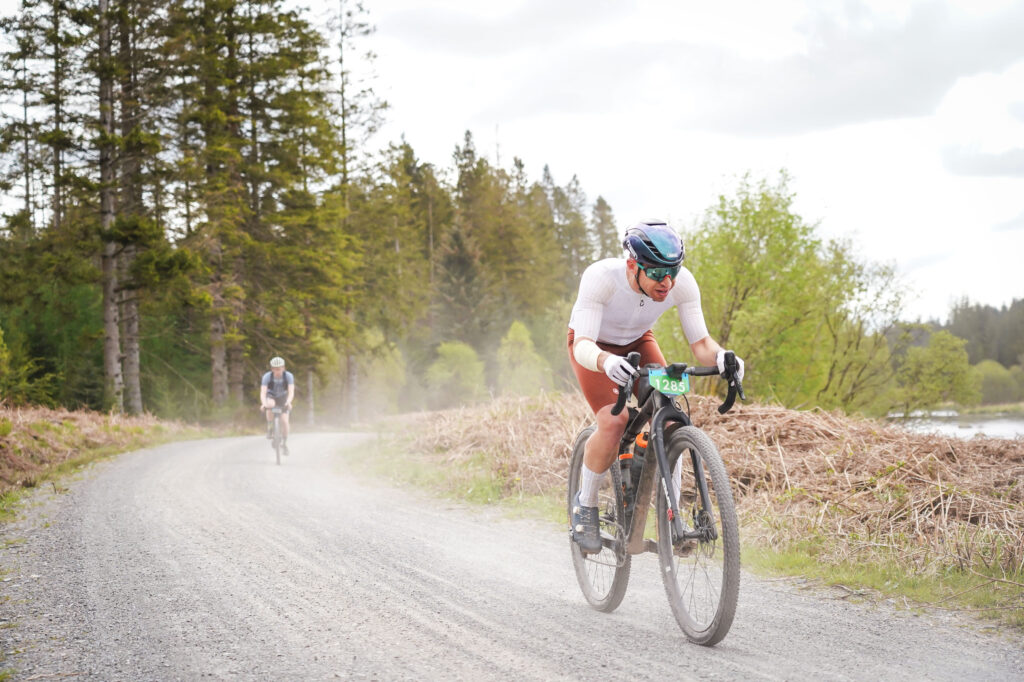
I might not have been with the elite riders, but within my age category starting group, I was right in the mix near the front. As the kilometres passed, I realised I was moving forwards (in the group) rather than backwards. I was riding alongside people who normally beat me comfortably, and that lifted my spirits. That’s the strange thing about amateur racing at events like this. Most riders are balancing training with work, family life and everyday responsibilities, yet still travelling huge distances just for the chance to test themselves. A few weeks earlier, I had been lying in an Italian hospital, wondering when I would next ride a bike, and now I was deep into a race with my heart beating at 180bpm, surrounded by riders all chasing similar goals.
Around 40km in, things began to wobble. Not because of the injuries, surprisingly, but because I started cramping badly in my right leg. Missing training after the accident, combined with a winter lacking big endurance miles, was beginning to show. Still, I kept riding within myself, stayed on top of nutrition and hydration, and tried to remain close to the riders around me.
I was climbing strongly and descending well, but struggling on the flatter terrain. Every gap I opened on the climbs disappeared once the road levelled out. A small group dangled just ahead for much of the race, always close enough to see, never quite close enough to reach.
With the final major climb ending at around 90km, I dug in, knowing the hardest part of the course was nearly done. Looking back afterwards, I had continued moving up the standings and was sitting inside the top 10 overall, and the small group dangling in front was the top five.
Then it all unravelled. Bang.
On a section that looked completely harmless, my front tyre sidewall split open. All the preparation, all the training and all the work suddenly felt meaningless.
I tried plugging the hole with a double dose of sticky worms, but it was too big. Even fitting a tube would have been risky, as the split sidewall would probably mean the tube would bulge out under pressure. Running Vittoria Air-Liner Light tyre inserts at least gave me options: stop and attempt a full repair trailside, or ride on the insert without air pressure to the finish and hope it survived.
With only a handful of off-road kilometres remaining and most of the route heading back on tarmac, I chose the latter.
Riding a flat front tyre on inserts is not especially enjoyable, but it is possible. Using an insert means the tyre usually stays on the rim, although handling becomes vague and every corner feels sketchy, and anything bumpy needs to be taken with extreme care. Riders streamed past me, and I could feel the qualification slipping away with every minute.
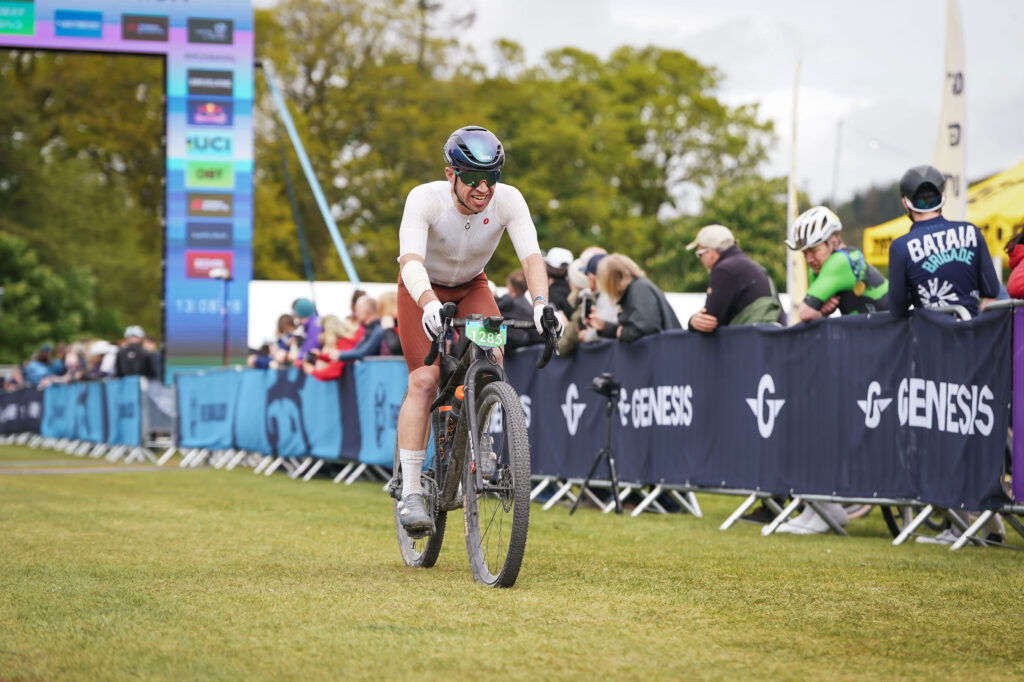
Eventually, I crossed the line after 3:57, dropping from ninth place to 39th by the finish.
Even so, I felt oddly proud. Considering the crash, the injuries and the interrupted build-up, I had still been competitive at one of the strongest UCI qualifying events on the calendar. It was a superb event, with a great atmosphere, and I still enjoyed the experience. Later that evening, while queueing for a shower, I casually checked the results again.
Next to my name was a UCI qualification symbol.
Despite losing place after place near the finish, I had somehow scraped the final qualification slot in my age category. Twenty seconds slower and I would have missed it entirely. When people talk of rollercoasters of emotions, this was just so in the most extreme case.
Over the years, I’ve experienced plenty of highs and lows through racing, but I cannot remember another occasion where things swung so dramatically from one extreme to the other. From the crash in Sardinia, to a faster-than-expected recovery, then unexpectedly finding form at The Gralloch, to watching the race fall apart through a puncture, only to qualify anyway by a seriously narrow margin.
Had I simply finished 39th without my Sardinian troubles, I probably wouldn’t even consider travelling halfway around the world to race in Australia this October. But given everything that happened beforehand, maybe it is worth taking the chance.
Sometimes the races you remember the most are not the ones where everything goes perfectly, but the ones where things go wrong, and you keep going anyway.
So the UCI Gravel World Championships is in the calendar – October 11th, 2026. Nannup, Western Australia. You only live once!