



A study has found that cycling not only improves physical fitness but also enhances mental well-being, reduces symptoms of anxiety and depression, strengthens social connections, and sharpens cognitive function.
The study, a scoping review of bicycling interventions’ impacts on psychological, social, affective, and cognitive well-being, reviewed 87 studies from 19 countries examining the effects of structured cycling programmes, known as ‘bicycling interventions’, on well-being.
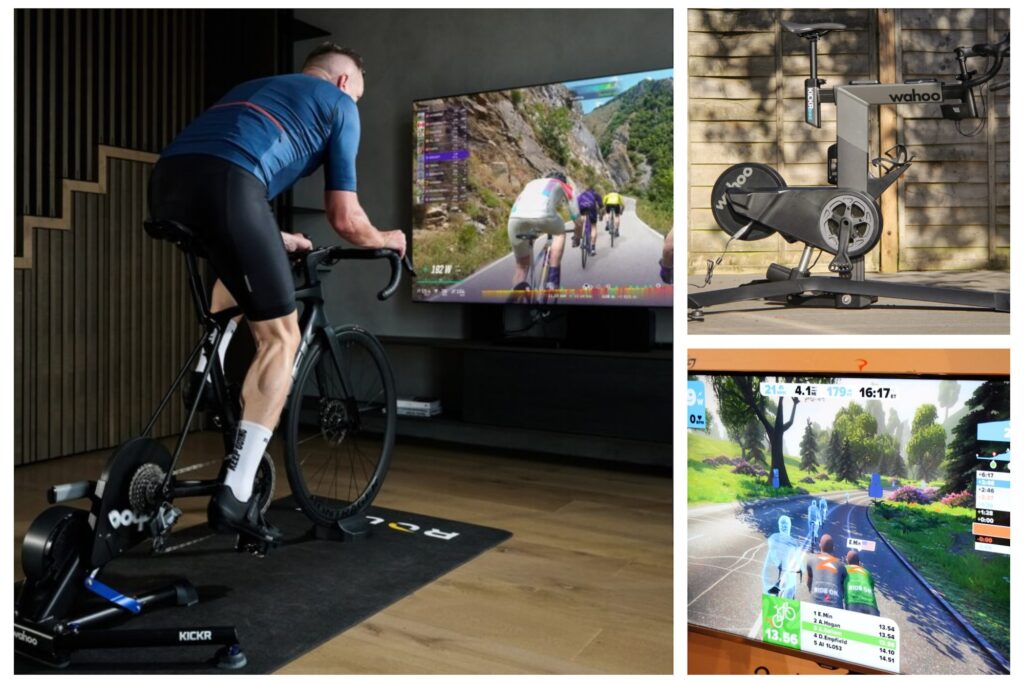
These interventions ranged from one-off sessions on indoor stationary bikes to multi-week outdoor cycling programmes, commuting schemes and mountain biking sessions, all designed to measure how cycling influences mental, emotional and cognitive health.

The researchers found that cycling consistently delivered benefits that include improved “cardiovascular fitness, body composition, and metabolic health, while serving as an effective strategy for exercise promotion and disease prevention.”
Alongside the physical benefits, the study also found substantial mental health benefits. According to the research, cycling is “associated with reduced symptoms of depression and anxiety, improved mood, and enhanced emotional regulation.”
> Cycling linked to lower dementia risk and better brain health, researchers find
The researchers also highlight how riding frequently “facilitates social interaction and community engagement.”
The paper explored several psychological theories to understand the wide-ranging effects of cycling.
One of these is self-determination theory, which suggests that physical activity improves wellbeing by satisfying core psychological needs such as autonomy, competence and relatedness.
They also explored biopsychosocial models, which propose that psychological benefits from exercise may be driven by physiological changes in the body. This includes the release of endorphins and neurotransmitters associated with improved mood and emotional regulation.
As well as a range of psychological theories, the study also looked at both indoor and outdoor cycling settings and found positive effects in each.
Despite many of the studies being based indoors on stationary bikes, outdoor interventions particularly highlighted benefits for mental well-being and social connection.
The study concluded that cycling’s “benefits extend beyond physical health to encompass emotional regulation, stress reduction, social connectedness, and cognitive enhancement.”
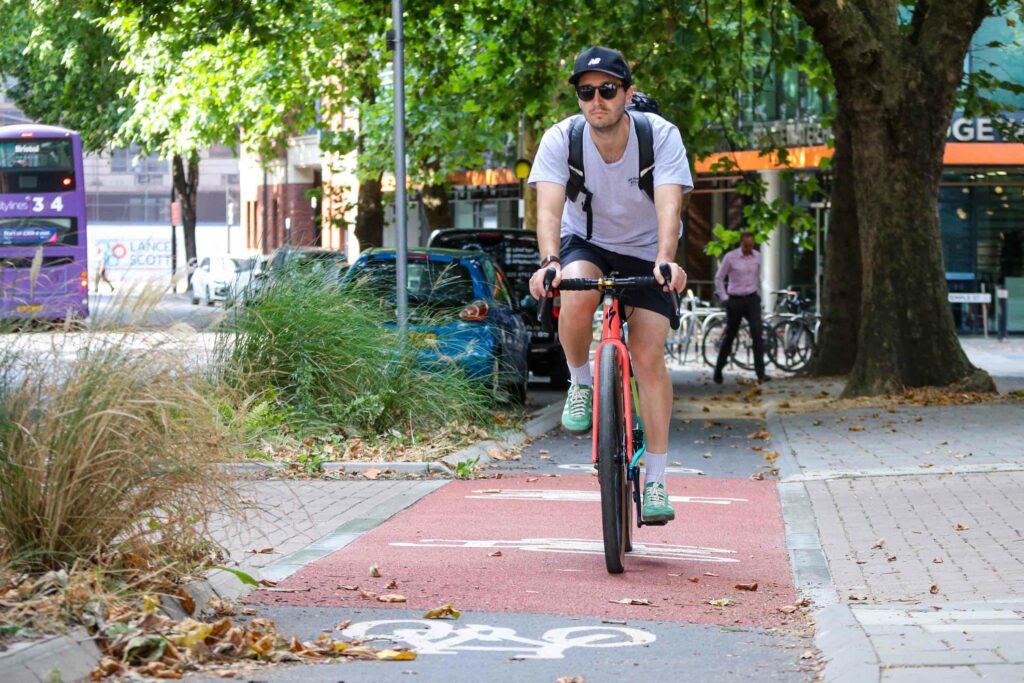
However, researchers also added that to fully benefit from this potential, there needs to be better research, programme design and infrastructure to encourage participation.
The study argues that cycling could play an increasingly important role in public health if supported properly.
The authors concluded that “by strategically implementing bicycling interventions within educational, clinical, and community contexts, we can leverage this accessible, low-cost activity to address pressing public health challenges while fostering individual and community well-being.”


















15 thoughts on “Cycling can reduce symptoms of anxiety and depression, strengthen social connections and sharpen cognitive function, study shows”
While welcome it can come as no surprise that movement is good for an organism built to move and that social interaction is beneficial to the well-being of a social animal. To cap it all like all the best research those involved in conducting this study have concluded that more research is needed. Top work!
Ig-nobel prize in the offing?
@jaymack Got to agree there, I bow to no one in my love of cycling in all its forms both as a participant and a spectator but “it’s better for you to get some exercise and have social connections with other people than not” is one for the no shit Sherlock department.
@jaymack It’s not clear to me whether cycling on public roads at rush hour was included in this study but from personal experience whenever I have to, my anxiety levels rise considerably.
When I receive the results of my numerous Op Snap reports I often get depressed.
There is also no mention of the effect that breathing in exhaust fumes has on cognitive function.
I think I would concude further that research is needed as well.
@Bungle_52
“There is also no mention of the effect that breathing in exhaust fumes has on cognitive function.”
Worth watching:
tl;dw – any harms from pollution exposure are easily outweighed by the benefits of exercise (possibly unless you’re cycling somewhere rarely polluted like Delhi). Also, if you’re making the same trip by car you’re breathing in all the same crap* anyway.
(* The video appears to suggest that, despite concentrations being higher in cars, cyclists tend to breathe in more due to heavier breathing. There doesn’t seem to be any detail quoted on that, though, and some studies appear to disagree:
https://www.sciencedirect.com/science/article/abs/pii/S0048969701007586 )
@mdavidford
“Also, if you’re making the same trip by car you’re breathing in all the same crap* anyway.”
If you choose to drive in a busy, congested traffic with the windows rolled down and the vents open. I drive pretty much always with all windows rolled up fully and the air vents closed. Most modern cars have the option of recirculation too.
Well I did say ‘if you’re making the same trip’. By the same token, if you don’t choose to cycle in busy, congested traffic you’ll reduce your exposure. And that’s often much more of an option when cycling.
Also, recirculation will reduce the amount in your car, but it won’t eliminate it.
@whosatthewheel Thank you for that. Very informative. My takeaway is that although benefits outweigh the negatives you would be better to avoid cycling at rush hour and cycle as far away from traffic as you can. As I am retired I usually have a choice over when I cycle and I have recently returned to using the racecourse to cycle into Cheltenham from Bishops Cleeve. I used the new cycle path daily when it first opened but there is a long up hill stretch which makes me breathe heavily to get up it and it is only a couple of metres away from cars doing well over the 40mph speed limit belching out fumes. The racecourse is just as steep but no traffic unless it’s a race day.
I would question the mental health benefits of cycling.
A few months ago I had some shorter 165mm cranks fitted to my TT bike and I can’t work out if they are better or worse. While my pedalling seems better, I think I have lost some power. I keep waking up in a cold sweat after dreaming about whether to fit my old cranks. I’m at the end of my tether. I have become so moody that my wife has left me.
We visited a marriage councillor but she offered no insight in the best crank length to use.
@Mr Blackbird Forget length, it’s the girth that really counts.
@Mr Blackbird You need to get some L shaped cranks, 165mm will ride like 175mm and cure all your problems as well as looking really cool 😉
It sounds as though lack of sleep has made you cranky.
Social connectedness? I get on my bike to get /away/ from people!
Has something similar to this study not been found before. I thought the Health, Wealth, Environment and Social benefits etc of cycling were well known 🤔