


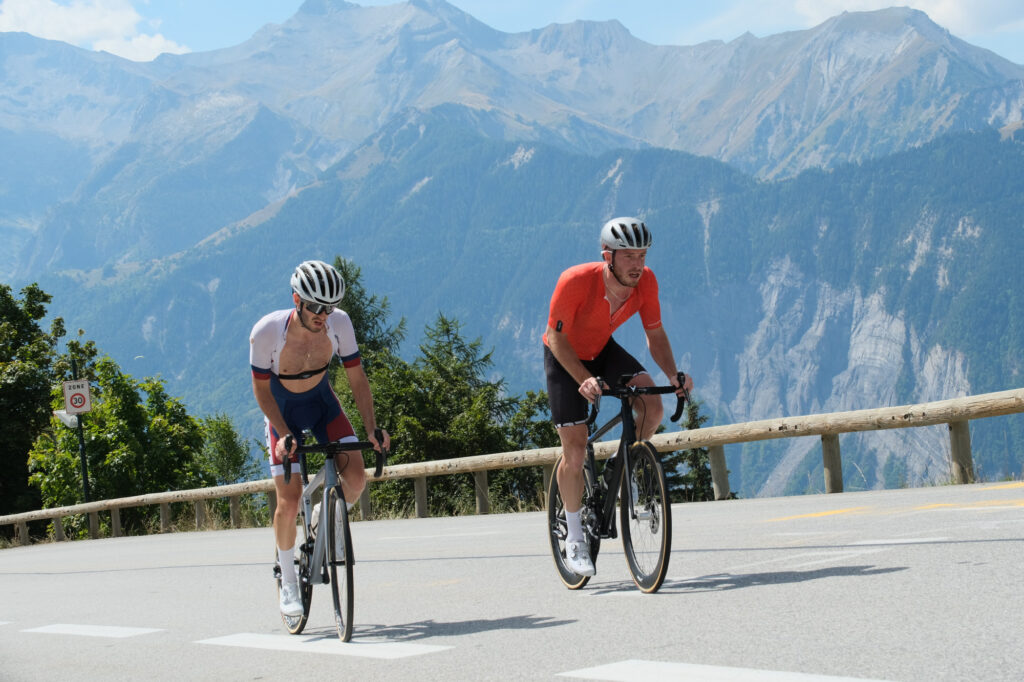

Climbing hills is hard, there’s no getting around that. But there are plenty of things you can do to make those long, painful ascents a little easier. Given I recently rode through the Alps and have spent a lot of time riding some seriously big mountains, it seemed like the perfect time to share 10 of my top tips for tackling massive climbs.
Follow these and I guarantee you’ll find hills easier. Or, at the very least, you’ll be able to go faster for the same amount of suffering…
1. Relax into the climb
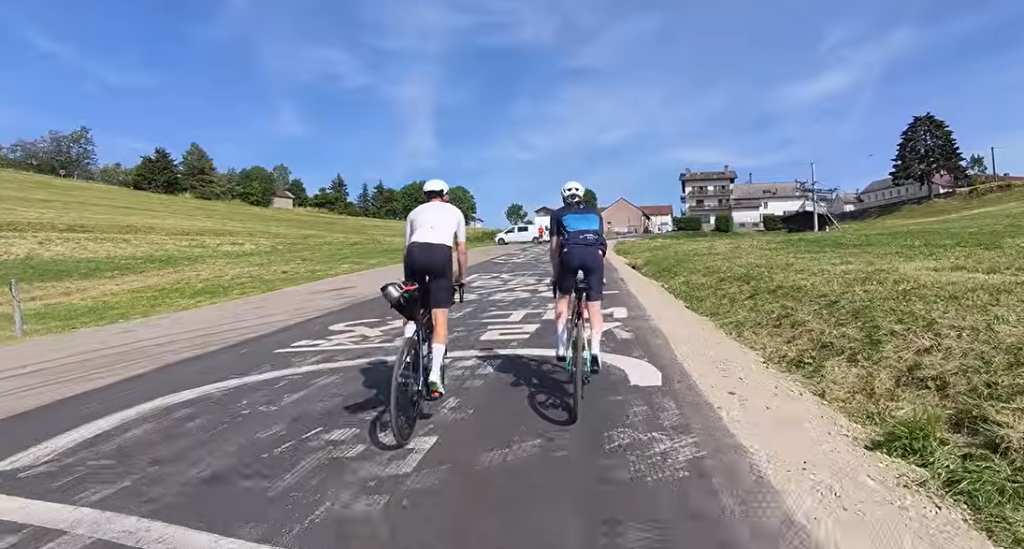
My biggest tip is to park your ego at the bottom of the climb.
It’s very easy to get carried away when the road points upwards, especially if you’re surrounded by other riders. But smashing the first few kilometres can leave you completely cooked later on.
> Want some more general climbing advice? Check out our guide to riding faster up hills
Instead, let the effort come to you. Find a sustainable pace and settle into it. Blowing up after attacking the lower slopes is often far slower than pacing yourself sensibly from the start. This is especially true if you’re riding in the mountains, where altitude comes into play.
2. Train for long, sustained efforts

If you want to get better at climbing, you need to train for the demands of climbing.
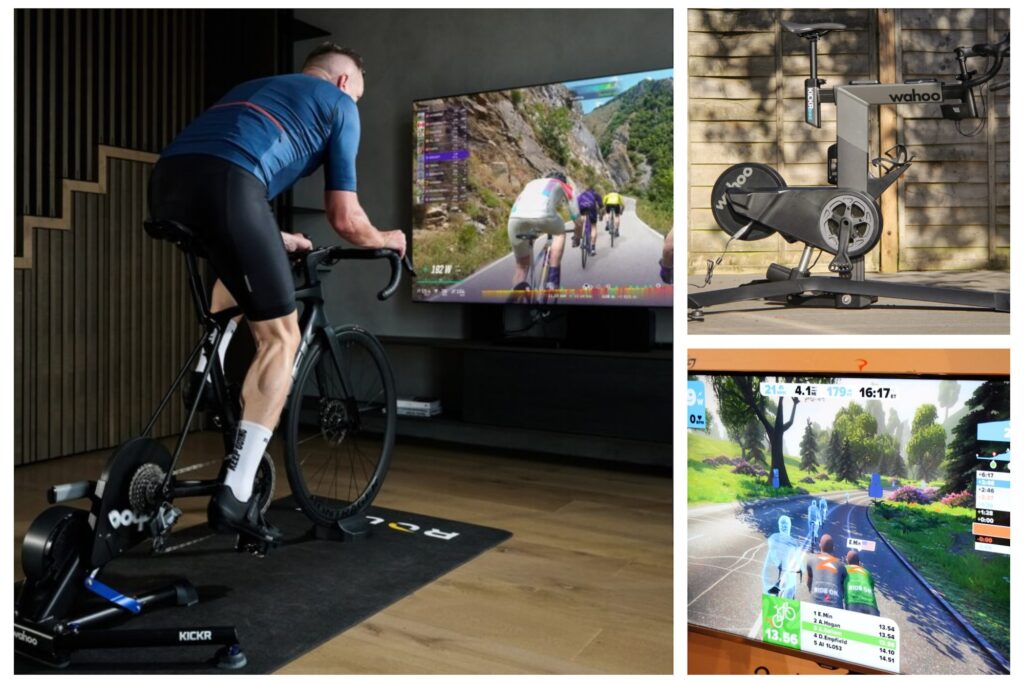
Longer Zone 3 efforts are particularly useful for developing the ability to maintain a hard effort for an extended period. Indoor training platforms such as Zwift make this relatively easy to structure, although there’s nothing particularly glamorous about sitting indoors and grinding out long intervals.
It’s simply hard work, but that work will pay off when you’re several kilometres into a mountain climb.
3. Optimise your bike
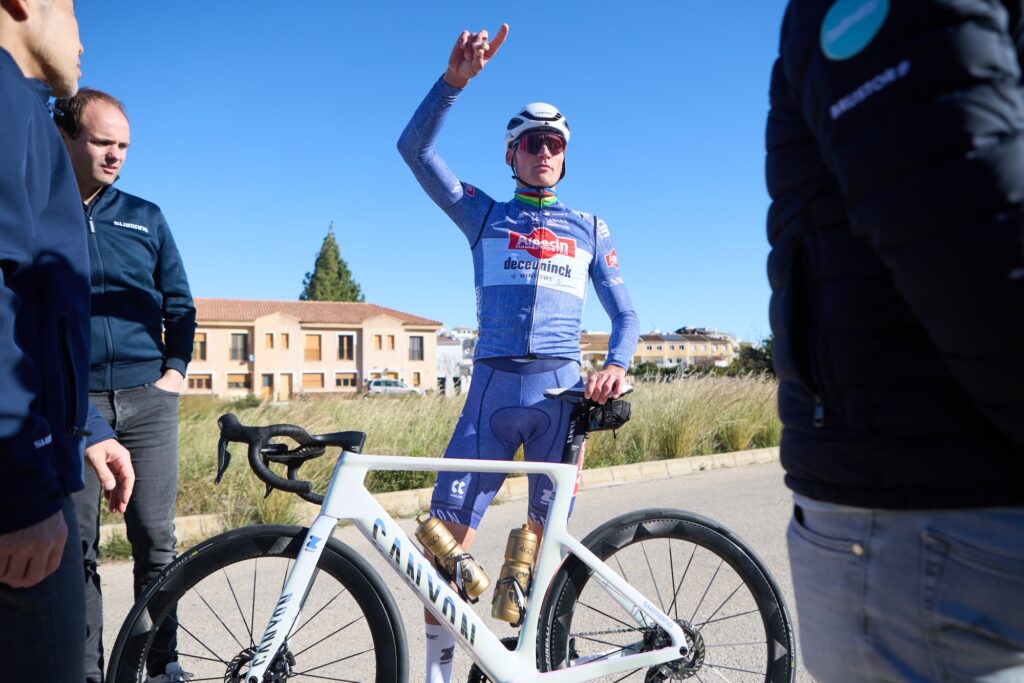
A lighter, efficient bike can make climbing more enjoyable, particularly when the road gets really steep.
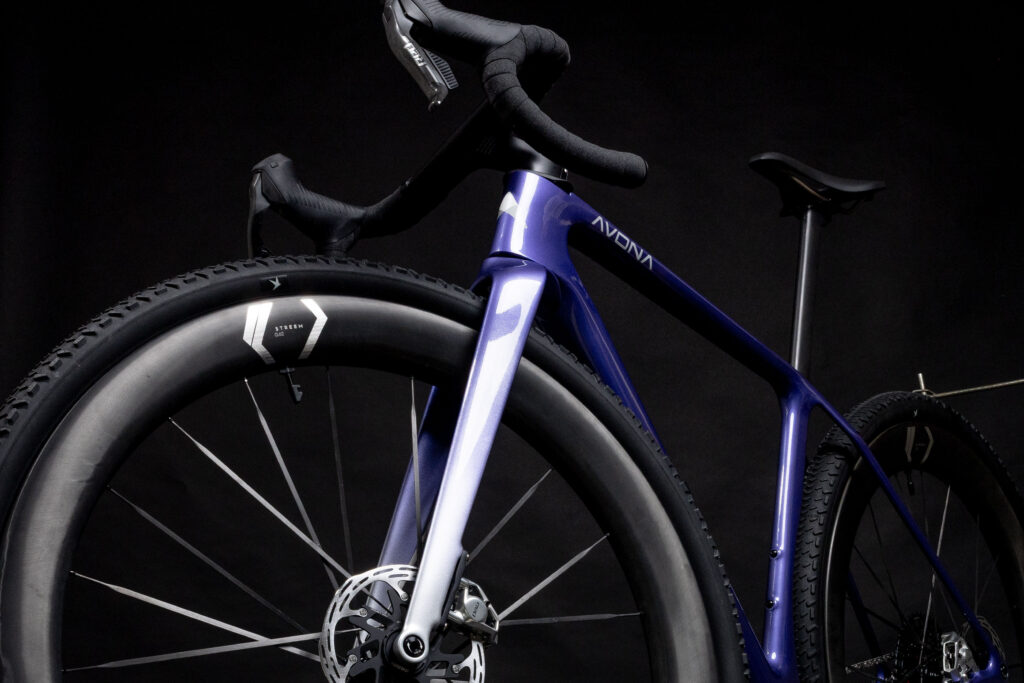
Premium wheels with carbon spokes can make a significant difference here. Fast tyres, lightweight finishing kit and sensible component choices can all help, too – but don’t overlook the basics. Keep your drivetrain clean and lubricated, make sure your brakes aren’t rubbing and check your tyre pressures. A poorly maintained bike is effectively giving you a small hill to climb before you’ve even reached the real one.
4. Think about your gearing
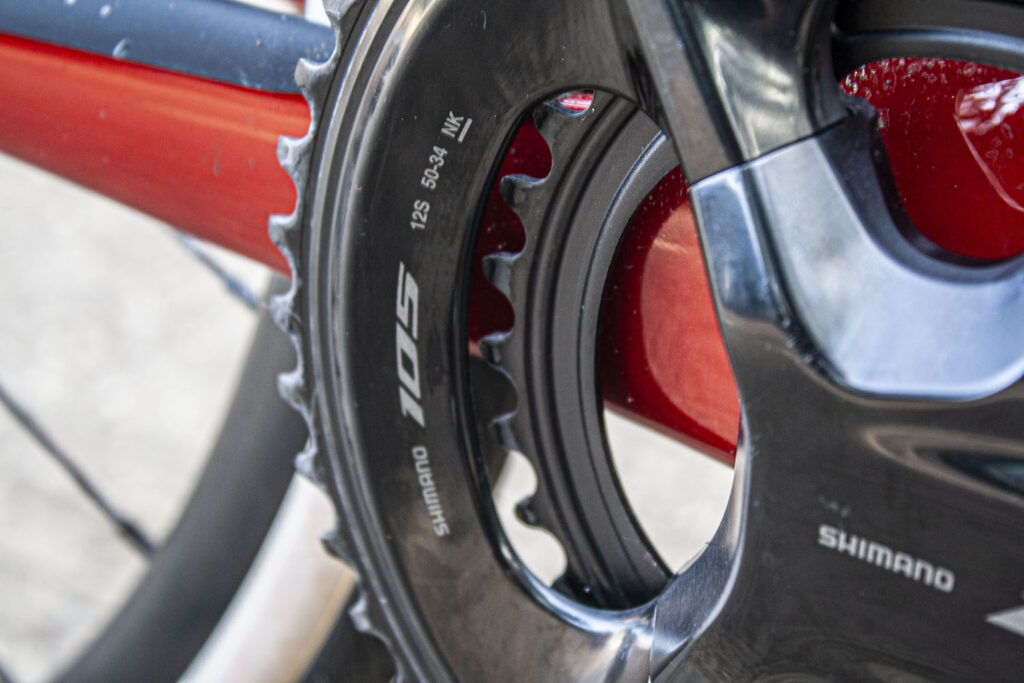
I’ve deliberately separated gearing from the rest of the bike, because I think it’s that important.
Before my Alpine trip, I fitted a much bigger 11-36T cassette to my bike, combined with a 34T inner chainring. The result is simple: I have easier gears available when I need them. Being able to spin a comfortable cadence can save your legs on a long climb. Churning away in a huge gear might feel fast initially, but it can leave your muscles screaming later in the ascent.
Changing chainrings is relatively straightforward with Shimano and Campagnolo groupsets, where you can simply change the inner ring to a smaller size. Things can be more complicated with SRAM depending on your setup.
5. Don’t ignore aerodynamics
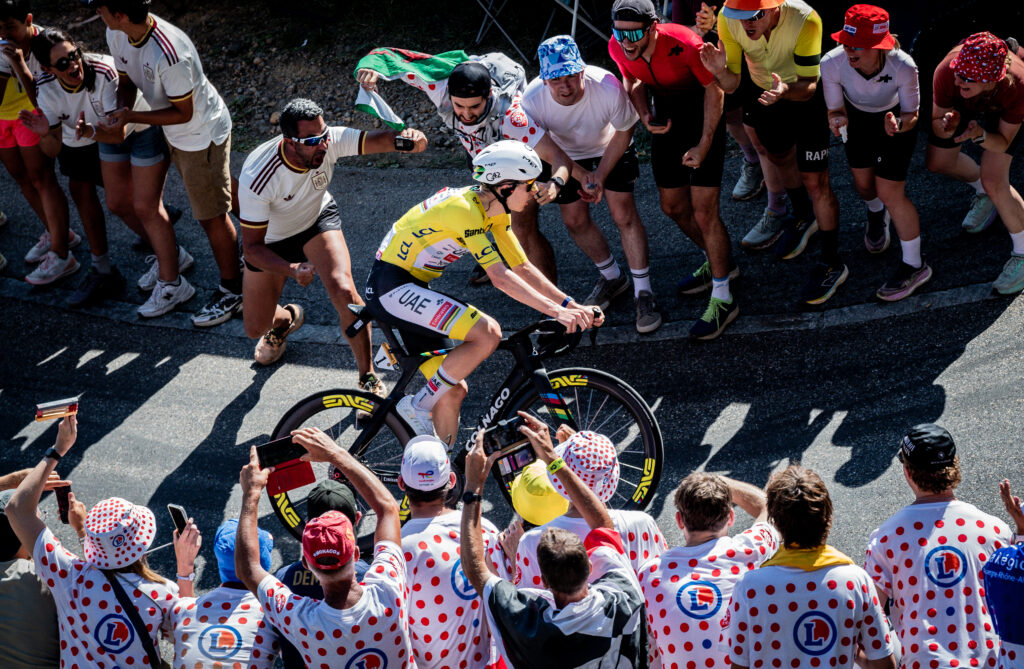
It might sound strange to talk about aerodynamics when discussing climbing, but saving energy everywhere else means you have more available for the climb itself.
The key is finding the balance between weight and aero performance. There’s little point obsessing over saving a few grams if you’re then riding around in an unnecessarily bulky kit.
A well-fitting jersey, an aero helmet and a reasonably efficient position can all help. And unlike buying an expensive lightweight component, you don’t necessarily need to spend much money to improve your aerodynamics.
6. Keep cool
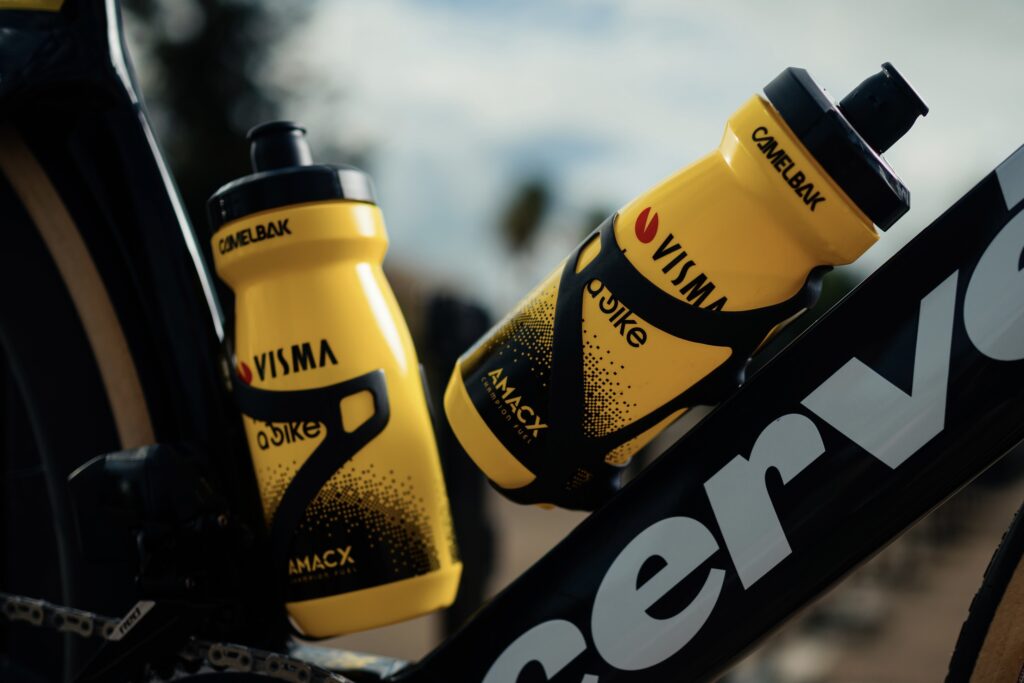
We’re experiencing a seriously hot summer, and heat can make a difficult climb considerably harder.
Do whatever you can to keep your core temperature under control. Starting your ride with an ice sock is a great option, while freezing bottles or making a DIY slushie can provide some welcome relief.
Water fountains can also be invaluable on long climbs, although make sure you’re confident the water is safe to drink before filling your bottles.
Keeping cool isn’t just about comfort. It can make a huge difference to how well you can maintain your effort.
7. Eat before you start climbing
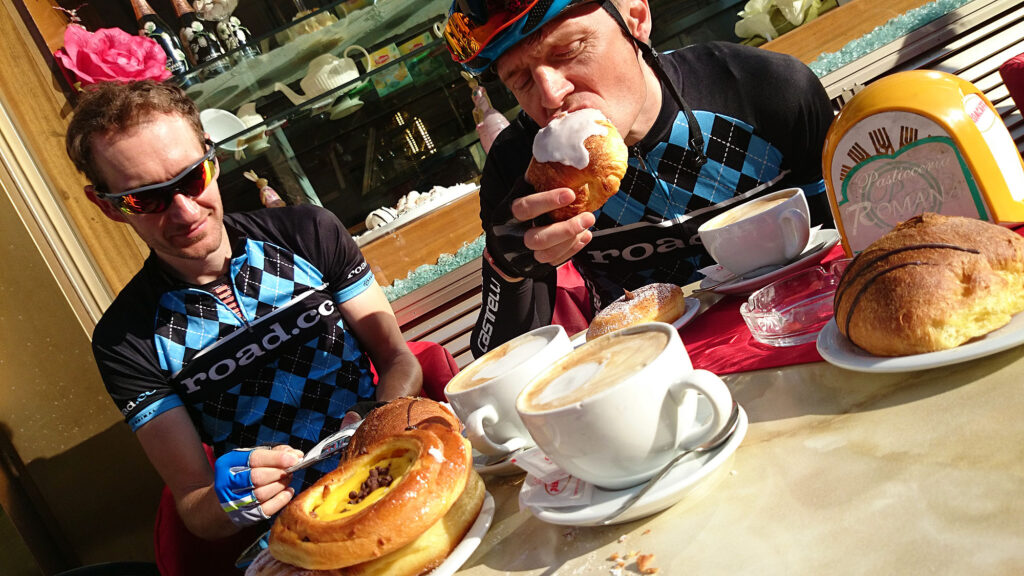
One of the problems with eating on a climb is that you might be breathing too hard to comfortably consume much food, and that’s why I like to eat before reaching the foot of a major ascent.
If you know a big climb is coming, get some carbohydrates into you beforehand rather than waiting until you’re halfway up. Then you can use gels and other easily digestible foods during the climb itself, particularly during the early stages when your breathing is still relatively controlled.
8. Use functional gym work
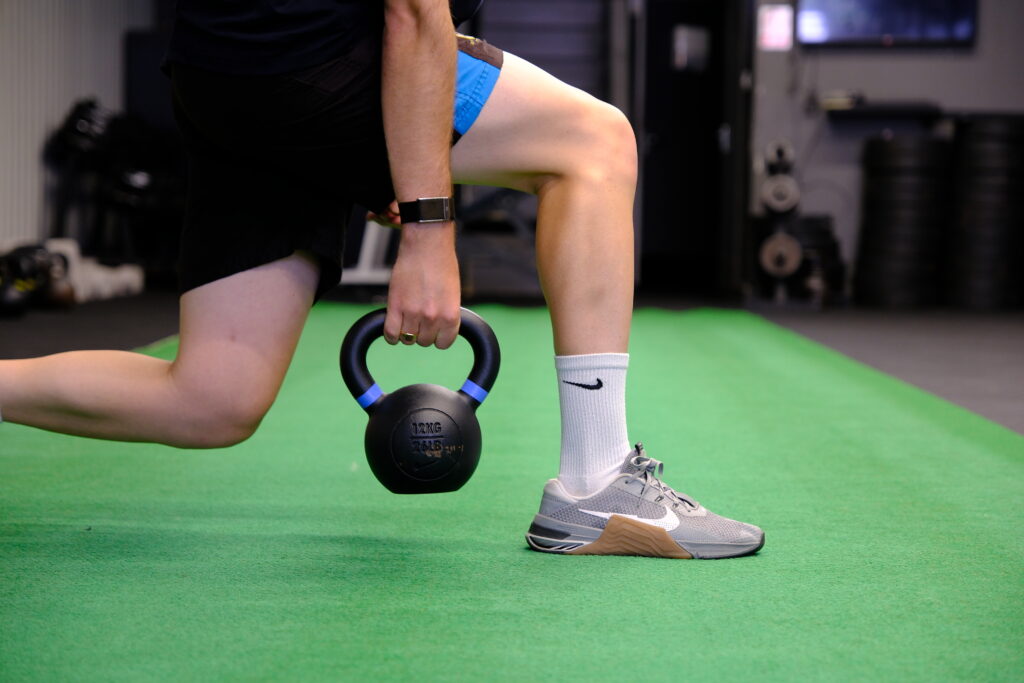
A long climb isn’t necessarily a high-cadence spin. You’ll often find yourself seated, pushing a relatively low cadence for extended periods (though if you’ve fitted the right gears, you’ll be fine).
Strength and stability work in the gym can help prepare your body for that demand. Single-leg exercises are particularly useful, while stability exercises can help you maintain a strong and controlled position on the bike. You don’t need to become a powerlifter, but some functional strength work can complement your cycling training nicely.
9. Get comfortable out of the saddle

It sounds basic, but being comfortable riding out of the saddle is a useful skill, particularly when the gradient suddenly kicks up.
Newer riders can sometimes struggle with the movement because it feels very different from riding a stationary bike. The key is to allow the bike to move naturally underneath you rather than trying to keep it completely upright.
Letting the bike rock gently from side to side can help you generate momentum and deal with short, steep sections without immediately reaching for the lowest gear.
10. Stop and enjoy the view
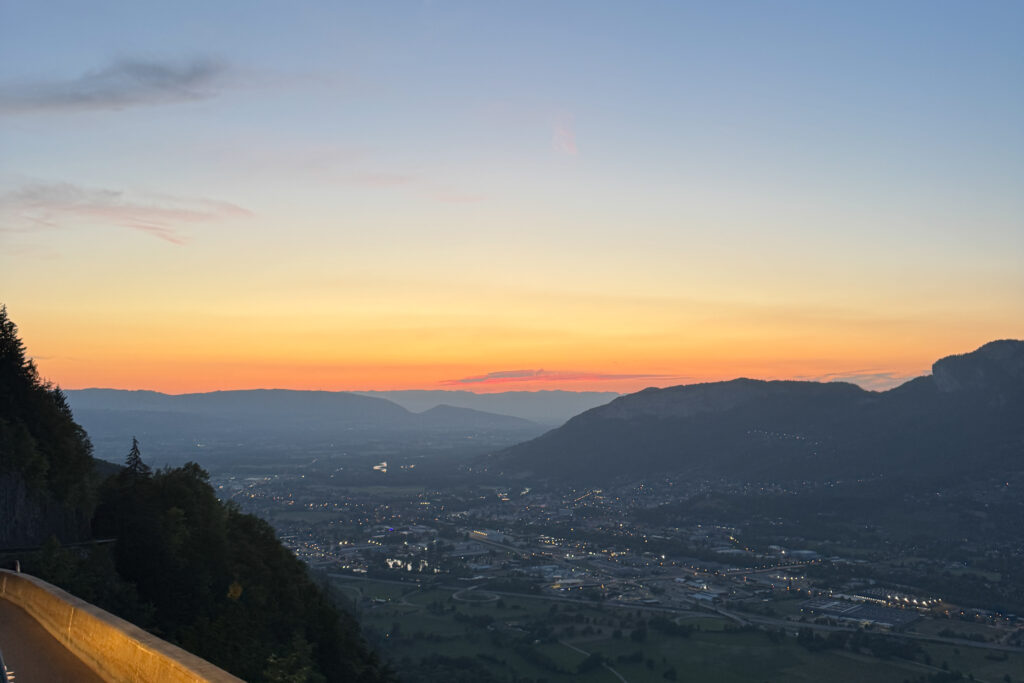
Finally, remember why you’re doing this.
If you’ve travelled somewhere specifically to ride a huge mountain, you’re probably surrounded by some incredible scenery. So take a moment to actually look at it.
There are also ways to make the road itself work in your favour. Taking hairpin corners wide gives you the shallowest possible gradient, while stopping for a photograph provides an excellent opportunity to recover.
Yes, the goal might be to reach the summit as quickly as possible – but there’s nothing wrong with taking a moment to enjoy where you are. After all, if you’re going to spend hours climbing a massive mountain, you might as well enjoy the view at the top.















2 thoughts on “How to ride massive climbs: Take your cycling up a level with these top tips for tackling mountains and huge hills”
Good stuff: most of it (except 5 and 9) is also relevant to loaded touring in the high mountains. So for no. 4 think 22T inner chainring rather than 34T.
And in a similar way to taking hairpins wide, when it gets really really steep you can zigzag across the road other traffic permitting – that said I climbed a mountain pass this year where the only other road users I saw were some lizards.
@Liam Cahill How exactly do you ride a “stationary bike” then?