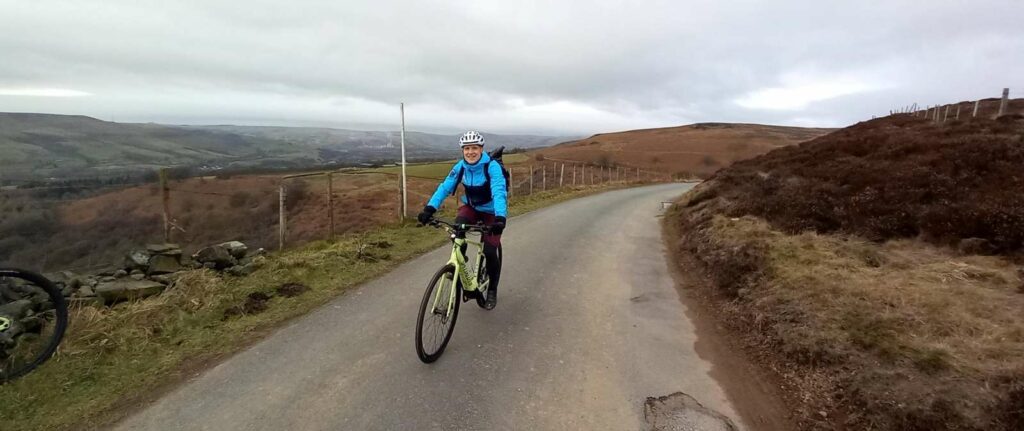

Two charity workers have cycled from South Manchester to Sheffield for a meeting to highlight the benefits of e-bikes. Ryan Smith and Simon Ward, who work on Cycling UK’s free e-bike loan scheme, Making cycling e-asier, said they never felt out of breath on a journey that even with power assistance only cost about 15p.
Smith and Ward borrowed two Specialized Turbo Vado SL 4.0 e-bikes for their 40-mile trip through the Peak District and arrived in Sheffield with charge left in the batteries.
> Review: Specialized Turbo Vado SL 4.0 EQ
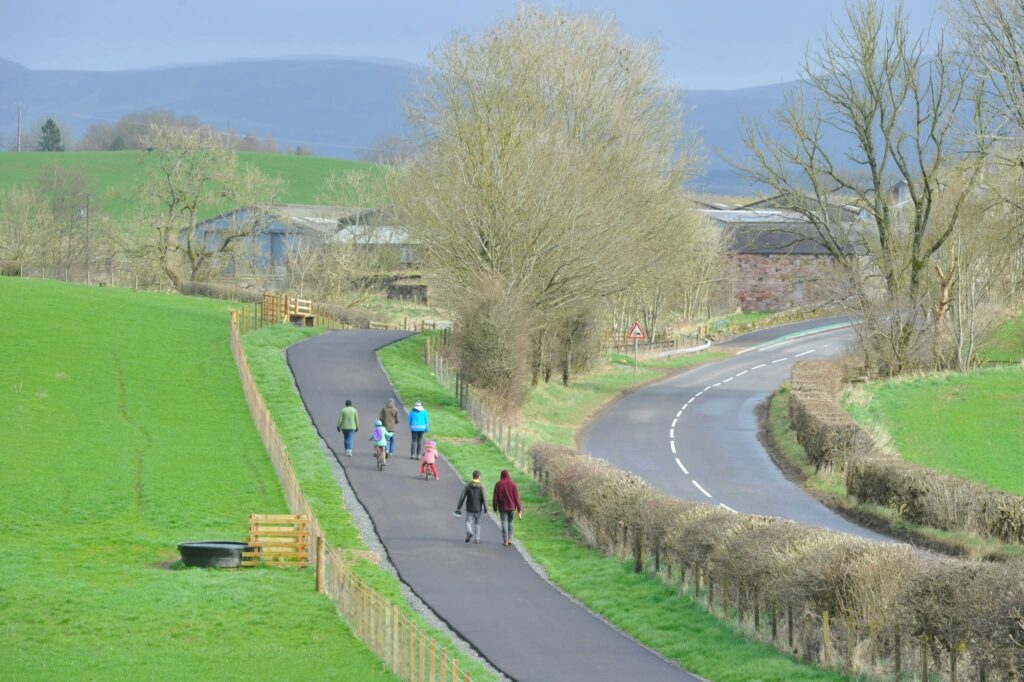
The ride took them three and a half hours, despite some steep slopes – including the mile-long Peaslows climb out of Chapel-en-le-Frith which averages 10%.
Ward said: “I’d not want to tackle such a ride every day – especially for work – but most of my journeys are short so it’s good to know an e-bike can make those journeys a breeze.”

To get home again, the two men took a train, stowing their bikes in the dedicated cycle carriage.
The journey highlighted not just how e-bikes are an easier alternative to unassisted cycling, but the tremendously low cost versus other forms of transport.
Raleigh reckon it costs between 5p and 10p to fully charge an e-bike. That article’s a bit out of date though. Soaring energy prices mean it’s probably up to, ooh, what, 15p now?
A single train ticket from Manchester to Sheffield, meanwhile, can cost anywhere from £8 to £24, while a monthly season pass costs over £320.
According to the RAC, the average cost of unleaded petrol is 148.5 pence per litre, which means driving 40 miles would cost about a tenner even before taking into account the cost of the car, insurance and maintenance.

While a 40-mile commute would obviously be a bit of a time commitment, these price comparisons also apply over shorter distances where an e-bike might even prove a quicker way to travel.
In England, 59 per cent of journeys under five miles are driven.
Ward said: “It’s amazing to think how much money you can save and how much better you can feel by driving less and cycling more often.”
Jenny Box, Deputy director of Making cycling e-asier said: “Cycling UK has already heard from Making cycling e-asier beneficiaries who have started e-cycling regularly as a result of their free one-month loan.
“Ryan and Simon’s enthusiasm and determination has proven that e-cycling can be a practical mode of transport. We understand that pedalling for a 40-mile journey isn’t realistic for many, however people can still enjoy the benefits of e-cycling through pedalling for short everyday journeys.”
Making cycling e-asier, which is funded by Department for Transport, is currently running in Manchester, Sheffield, Leicester and Luton and Dunstable.
You can find more information on the Cycling UK website.