



Trek has issued a recall of around 700 of its road and gravel e-bikes following reports of chainrings loosening during rides, the brand’s second major recall in the US in the space of a month.
On Thursday, the American company announced that it was recalling certain 2026 Domane+ ALR and Checkpoint+ SL e-bikes, after some of the models’ chainring bolts were “not tightened to specification during assembly”.
That lack of torque was allowing the chainring to loosen and separate when ridden, resulting in a potential crash risk. The models in question are the brand’s Domane+ ALR 5 and Domane+ ALR 6 AXS road bikes, and the Checkpoint+ SL 6 and Checkpoint+ SL 7 gravel bikes.
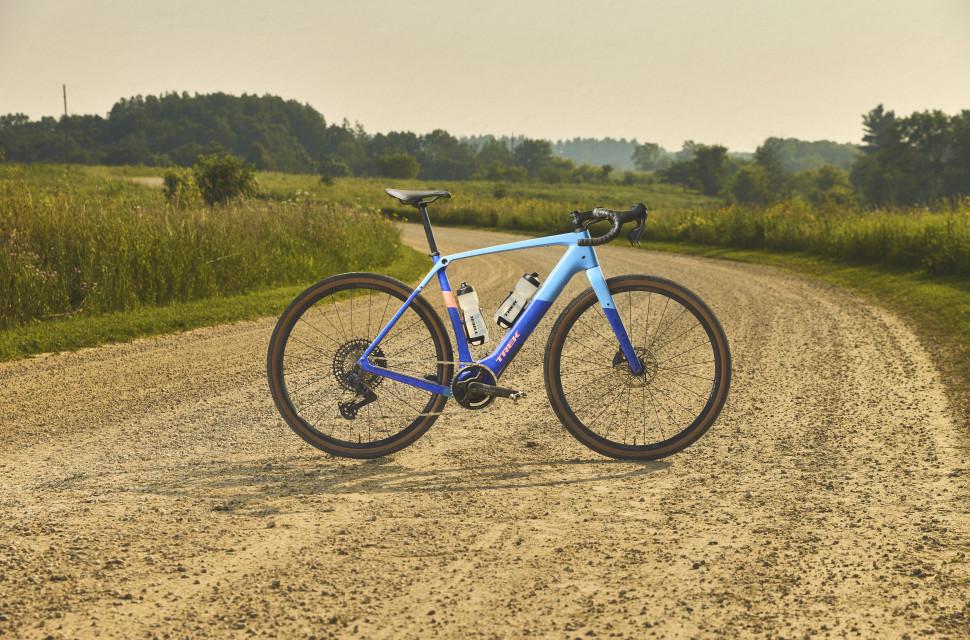
Trek has urged anyone who owns these bikes, which were sold online and in-store between July and September this year in the United States, for prices ranging from $5,000 and $8,000, to stop riding them immediately.
The US Consumer Product Safety Commission says that around 700 e-bikes are affected in the recall, revealing that there have been three known instances of chainrings coming loose. However, no injuries have been reported.
Trek added that anyone whose bike is affected can schedule a free “straightforward” repair with an authorised Trek dealer. And as a goodwill gesture, the company offering an in-store credit voucher of $20, which can be spent on Trek, Electra, or Bontrager products, valid until the end of 2025.
Not all bikes within Domane+ ALR or Checkpoint+ SL models are affected, however, with Trek encouraging riders to check if their bike is included in the recall by entering its serial number (beginning ‘WTU’) into its online recall look-up tool.
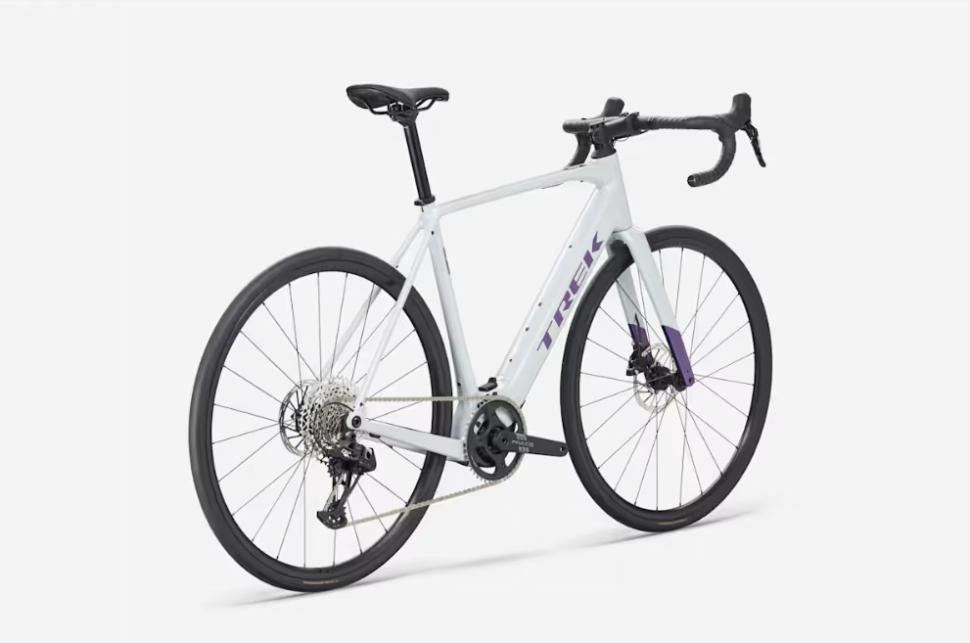
“Trek is recalling certain model year 2026 Domane+ ALR and Checkpoint+ SL e-bikes because the chainring bolts were not tightened to specification during assembly,” the brand said in a statement.
“As a result, the bolts can loosen while riding, causing the chainring to separate from the e-bike. If this occurs, the rider could lose control and fall.
“Even if your e-bike appears to function normally, you should stop riding until you’ve confirmed it is not part of the recall or have had the repair completed. Loose chainring bolts may not be visible but can cause the chainring to detach suddenly during use.”
Trek added that authorised retailers will perform the repair at no cost by tightening each chainring bolt to 10 Nm using a torque wrench and chainring nut wrench/spanner, a “straightforward” process the company says should take no more than 15 to 20 minutes.
Trek’s latest recall comes less than a month after the brand promised to pay customers and retailers millions of pounds in compensation, after issuing a ‘cease ride’ notice for almost 80,000 bikes, including children’s bikes, affected by a coaster brake defect.
The recall was issued in mid-November and involves 68,000 models sold in the United States and 6,822 sold in Canada by Trek and its subsidiary Electra, alongside select aftermarket replacement wheels. Trek also confirmed that 2,196 bikes delivered to retailers in Europe have been affected by the issue.
The recall affects five bikes with model years between 2024 and 2026, and sold between August 2023 and August 2025: Trek’s Precaliber 12, 16, and 20 children’s bikes, as well as Electra’s ‘pixie blue’ Sprocket 1 16” kid’s bike, and the Electra Townie Rental 1 Step Thru e-bike (in blue). In Europe, only the Precaliber 12 is affected.

“We do not have as many bikes affected as other markets due to model specification differences and supplier assembly changes per model,” a Trek spokesperson said.
Trek also announced that if customers had a wheel replaced on one of the aforementioned bikes, they may also be included in the recall.
According to the recall notice, the coaster brake present on the five models, a rear wheel brake engaged by pedalling backwards, does not adequately lubricate the internal surfaces with grease. This potentially accelerates wear or damage, preventing the brake from working and “causing the rider to lose control of the bicycle”.
As part of a similar “thank you” gesture to the one made following this week’s recall, and in a bid to incentivise owners to take their affected bikes to get them repaired, Trek offered any affected customers a $20 voucher to use on its products – though that one, if fully utilised, could see the company dole out a huge $1.36 million in goodwill gestures in the US alone.












2 thoughts on “Trek recalls 700 electric road and gravel bikes due to loose chainrings, as brand tells customers to stop riding immediately”
What dumbassery is this? A
What dumbassery is this? A recall for chainring bolts? They should be part of regular rider checks, and fixed in 20s. Seriously, a shop / recall for that? Have we become so dumbed down? Glad I started riding many years ago, and my dad just showed me how to do things and left me to it.
I suppose officially they
I suppose officially they have to do this but just tighten the bolts at home..