


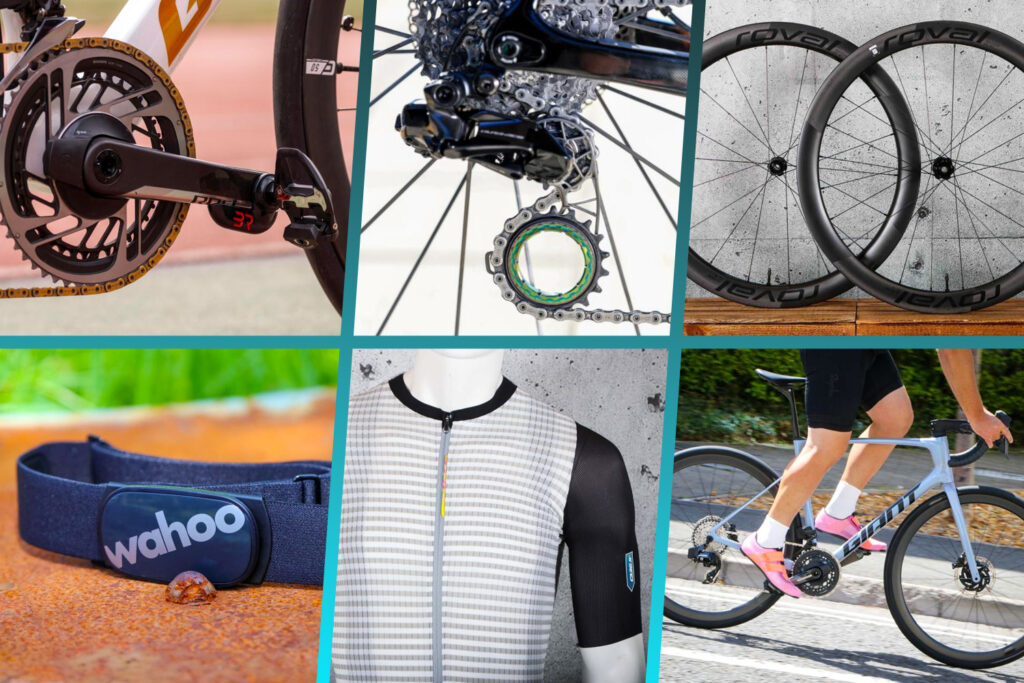

Being a ‘better cyclist’ can mean riding faster, safer, more efficiently, or simply more consistently. With cycling tech evolving rapidly, there’s now a gadget or upgrade for almost every aspect of performance and safety. In this article, we’re going through some common cycling tech gadgets and chatting to two expert coaches about the tools they think will actually help you improve on the bike.
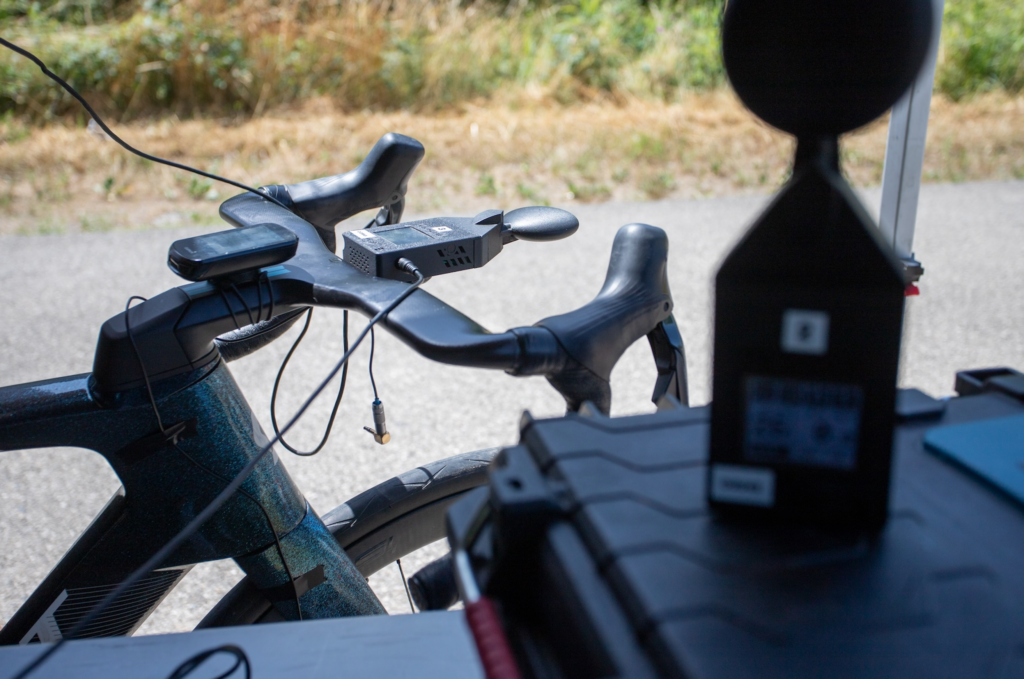
Before diving into the latest gadgets and cutting-edge cycling tech, it’s worth remembering that you don’t need to buy everything at once (and you certainly don’t need to buy everything full-stop). Many coaches and experienced riders agree: ride first, learn your body, and add suitable tech and upgrades gradually based on your goals. Data is only useful if you know what to do with it, and the most expensive gear in the world won’t help if you’re uncomfortable on the bike, or feel unsafe on the road.
So, where should you start? What tech really makes a difference? Here’s what the experts had to say…
Why comfort and fit comes first
For many riders, the biggest gains don’t come from high-tech gadgets, but from getting comfortable on the bike. If you’re not comfortable, you won’t ride as far, as often, or as consistently.
> How to make your bike more comfortable
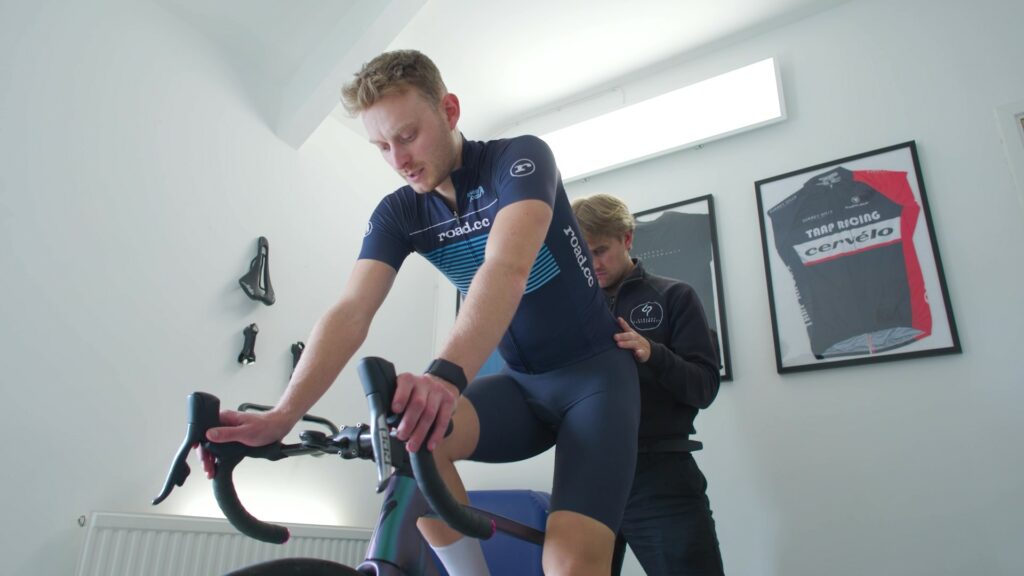
Dan Coombe of Race Line Coaching says this is something he sees all the time. “Many riders underestimate the value of a high-quality bike fit combined with accurate saddle, handlebar, and cleat adjustments. While not flashy, optimising biomechanics can significantly improve power transfer, reduce injury risk, and enhance endurance,” he explains.
Contact points are the most obvious place to start. A saddle that works for you is arguably the most important component on your bike. If it’s doing its job properly, you’ll never notice it, but if it isn’t… ouch!
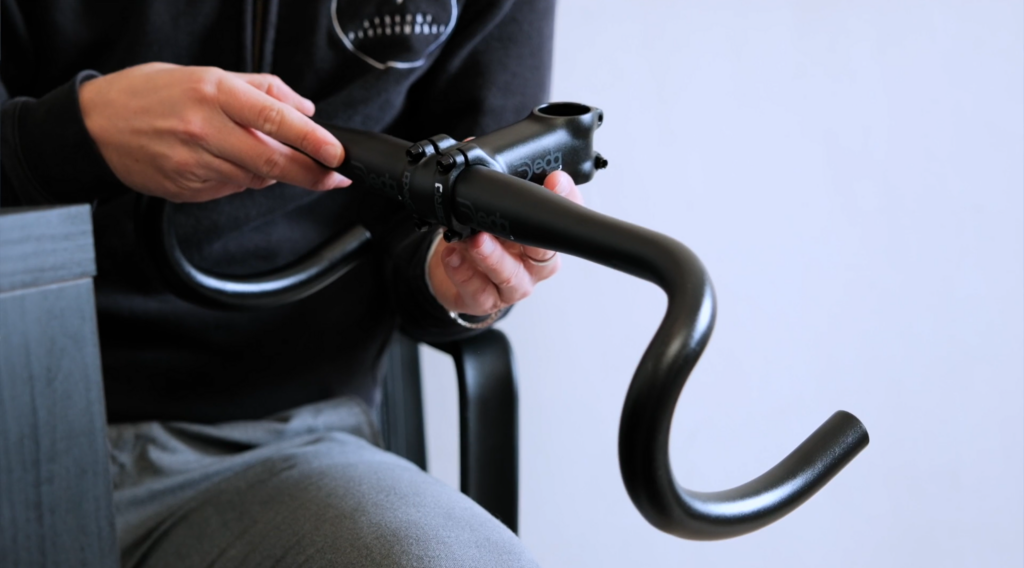
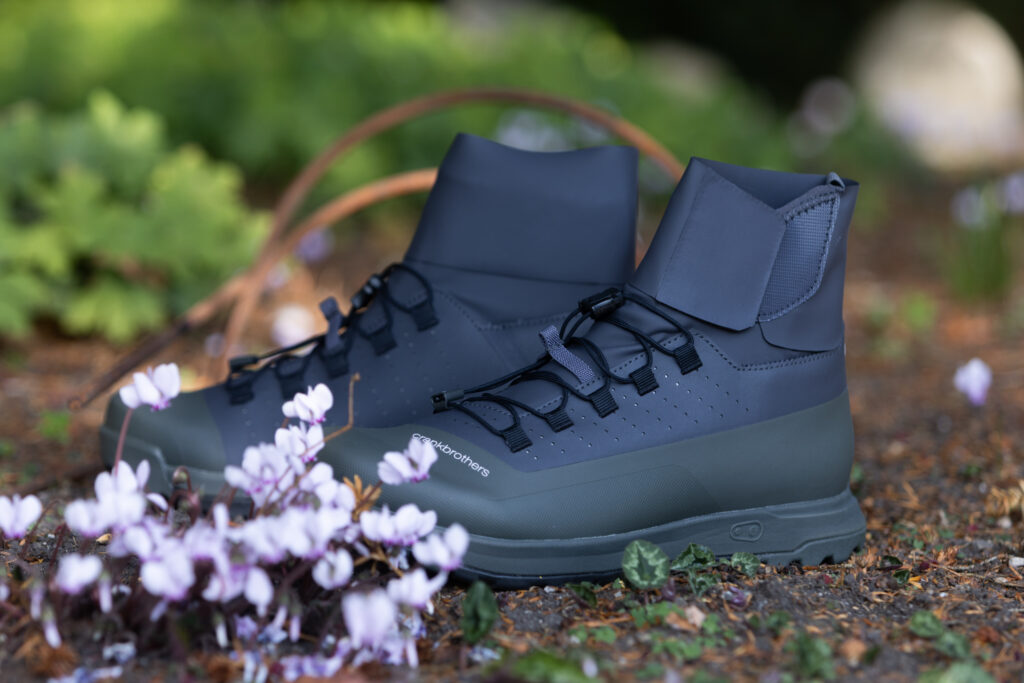
Handlebars also play a huge role: width, flare, shape, and even bar tape can all reduce fatigue and numbness over long rides. Shoes and insoles matter too, getting the fit and support right here prevents hot spots, numb toes, and knee pain. The interaction between feet and pedals is especially important, as poor alignment here often causes discomfort that travels up into the knees, hips, or even the back.
Comfort isn’t just about the bike, either. Even simple upgrades like a good pair of bib shorts, a breathable jersey, or waterproofs that are actually waterproof can transform your riding experience.
Power meters and heart rate monitors
Heart rate monitors are often a rider’s first step into structured training. Affordable, easy to use, and widely compatible with cycling computers and apps, they offer a reliable way to track effort and recovery.
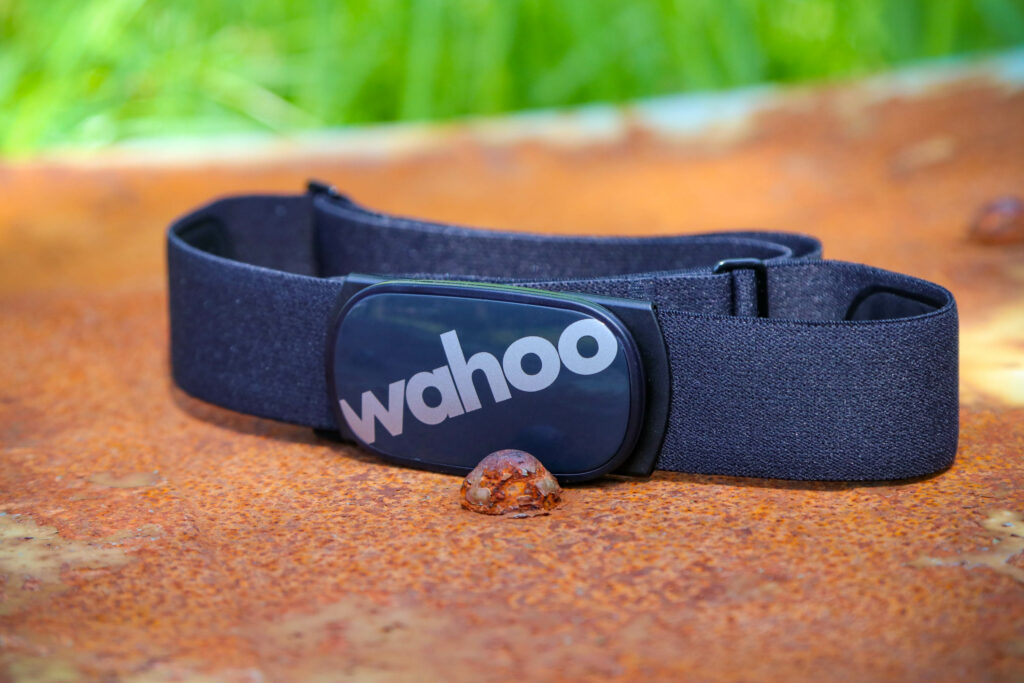
Power meters, on the other hand, measure output directly. Unlike speed (affected by terrain, wind, and drafting) or heart rate (affected by sleep, caffeine, or stress), power tells you exactly how much work you’re producing.
As Henry Latimer (also known as Cycling Coach Henry) explains, “Two riders can ride at 250 watts, but one might be at 120bpm and the other at 170bpm. They’re not doing the same thing.” Understanding heart rate trends helps riders gauge fitness progression, fatigue, and even when illness or poor recovery is affecting performance.
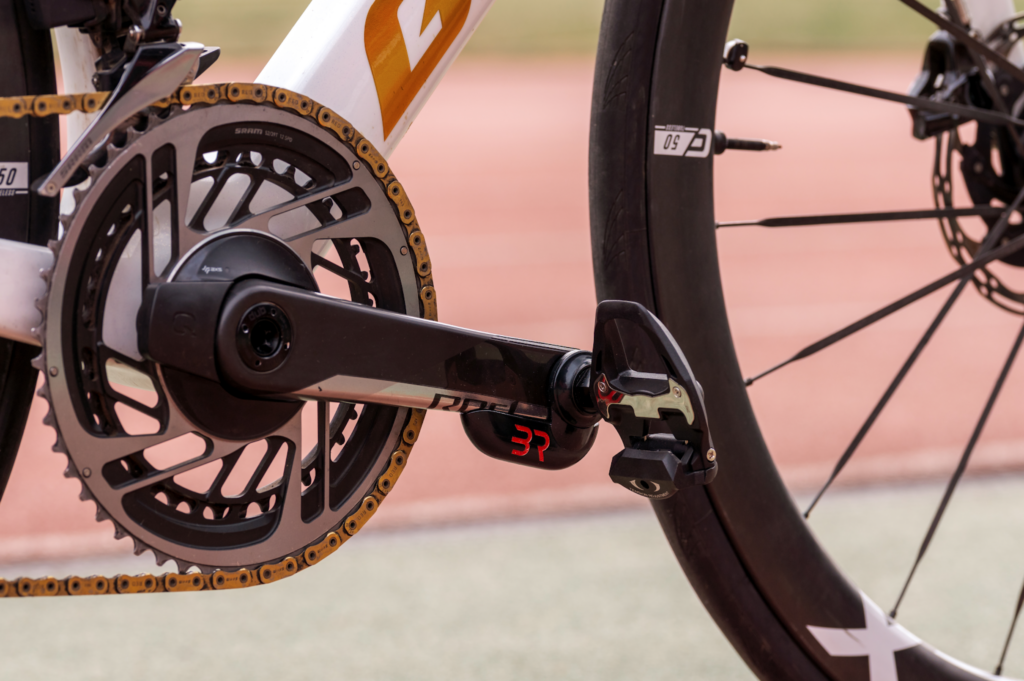
Coombe calls the power meter “the single most transformative piece of tech for most cyclists,” noting how it allows for training with precision. Structured sessions, pacing strategies, and recovery monitoring all become more accurate when you know your wattage.
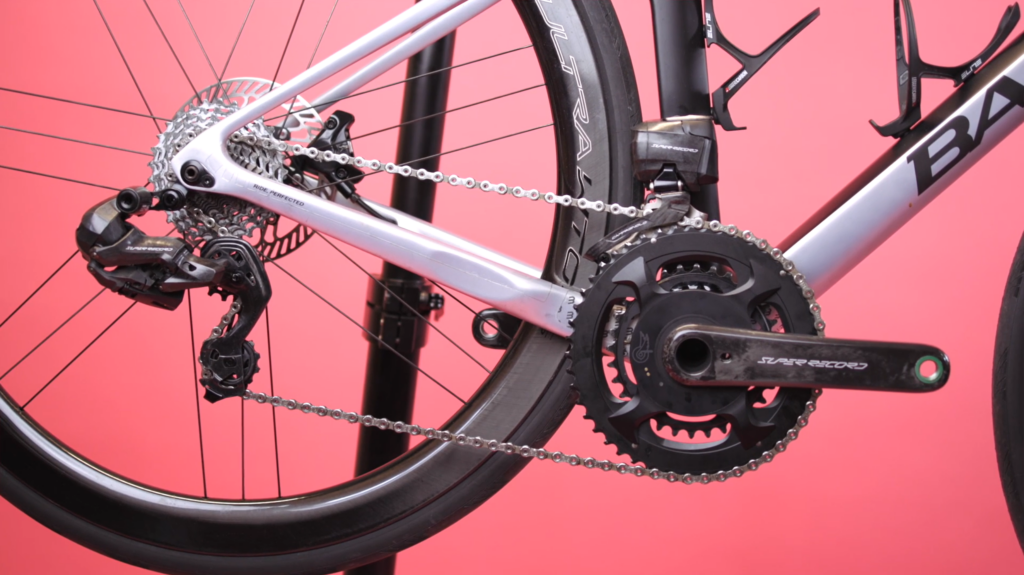
Latimer agrees: “That which is measured, improves. A power meter puts hard numbers behind every pedal stroke and gives context to your effort.”
However, he stresses that riders must learn how to interpret the numbers. Without context or structure, power data risks becoming “random numbers that are almost useless.”
Coombe and Latimer both emphasise the value of combining power and heart rate. Power tells you what you’re putting out and heart rate shows the body’s cost of delivering that power.
So, who needs which tool and are power meters essential? Coombe says yes for serious riders aiming to train with precision, while casual cyclists can still see progress with heart rate and perceived exertion.
Latimer sums it up well: “The purest form of cycling is just enjoying being on the bike. For those chasing improvement, a power meter is almost essential to get the most from your time commitment.”
Equipment upgrades
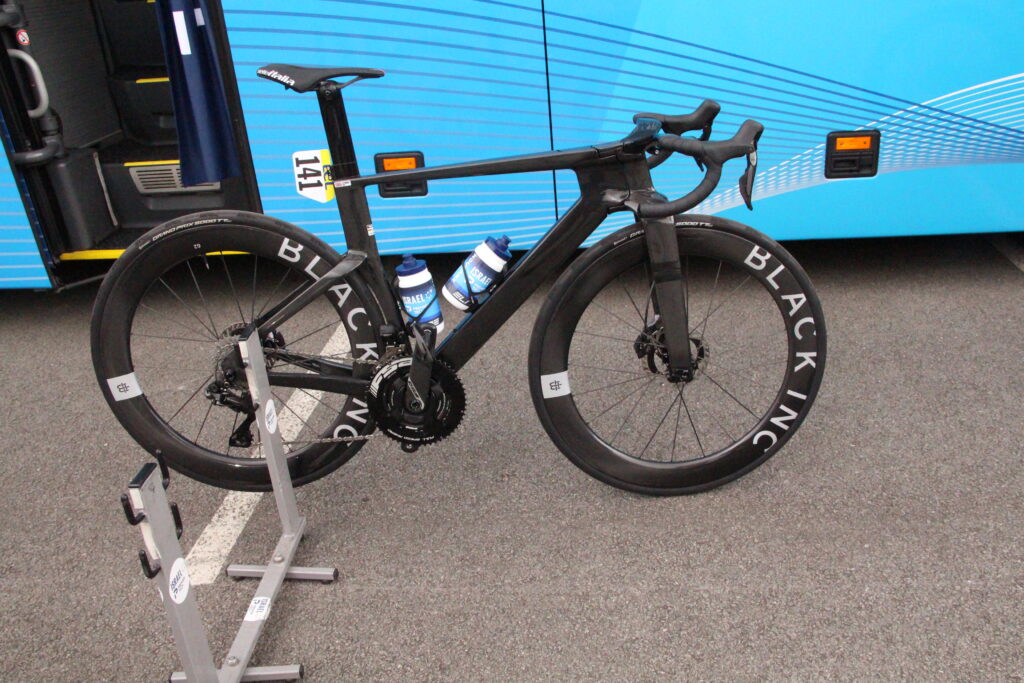
Beyond training data, what physical upgrades give the best bang for your buck? Both Coombe and Latimer agree that tyres offer the best performance return for the least investment.
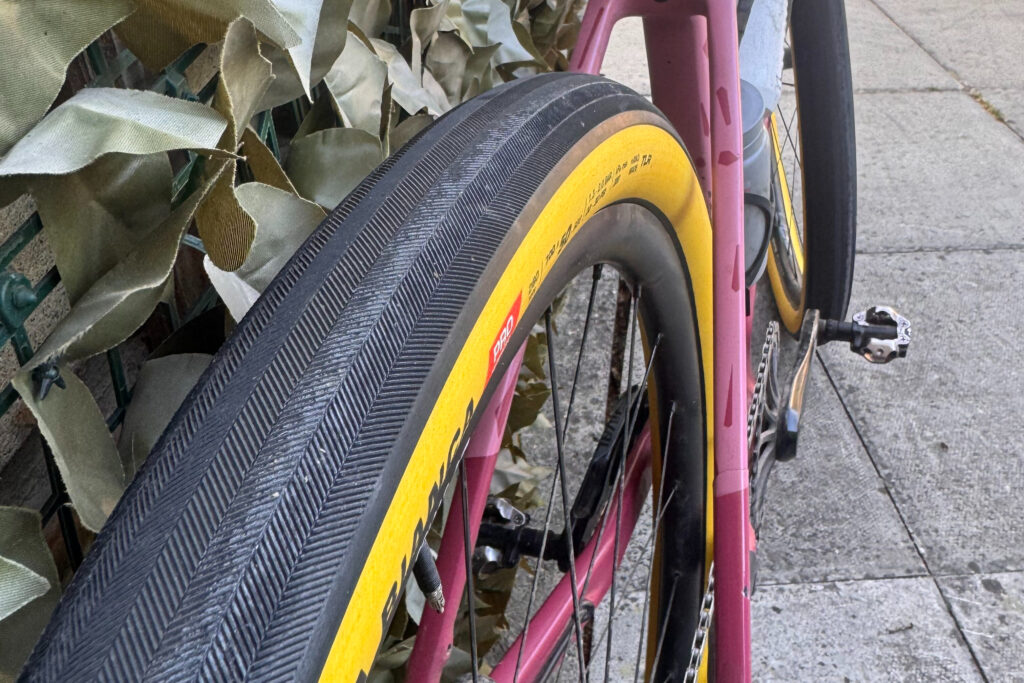
Coombe highlights 30mm tyres as the sweet spot for road riding, offering an ideal balance of grip, comfort, and rolling efficiency. Wider tyres can make you faster, but also make your riding more comfortable too. Lower tyre pressures allow for more compliance in the tyre, which in turn gives you a more comfortable riding experience. It also reduced rolling resistance on not-perfectly-smooth, real-life road surfaces.
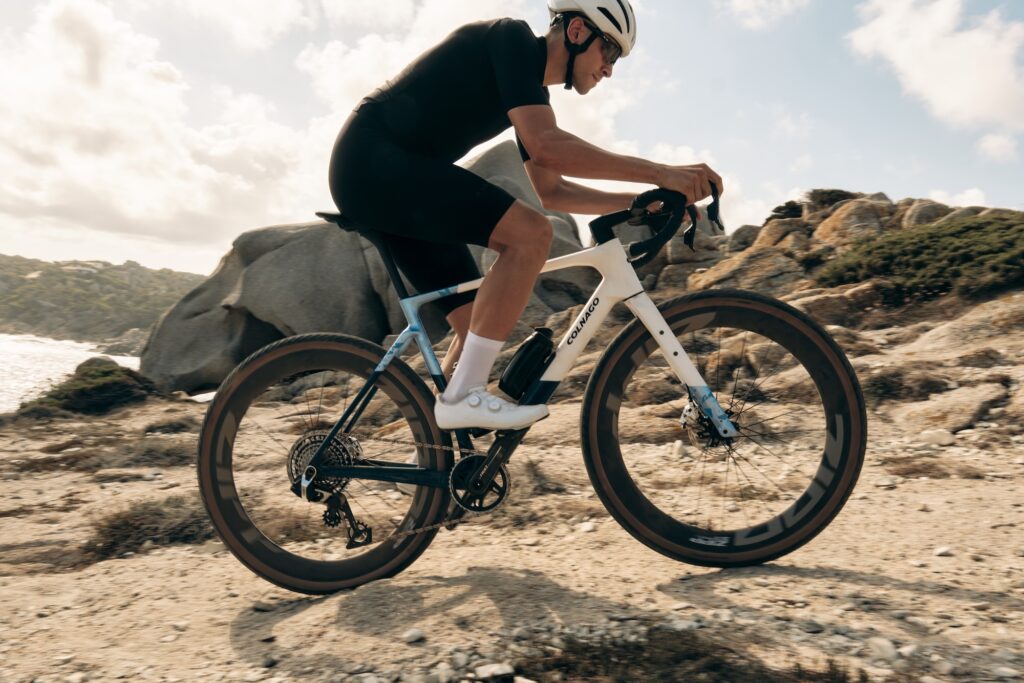
Wheels come next. Aerodynamic or lightweight designs can reduce drag and improve performance, especially on longer rides or in racing.

Next on the list are wheels. A good quality wheelset, whether lightweight for climbing or deep-section for aerodynamics, can make a big difference, particularly on long rides or in races.
But Latimer stresses that the “best” upgrade depends heavily on context.
“A time trialist or flat road racer would benefit hugely from aero upgrades such as a fast skinsuit, deep-section wheels, or aero socks,” he says. “Whereas a sportive rider doing L’Étape du Tour would benefit much more from a lightweight set of wheels and a more breathable jersey to assist cooling”.
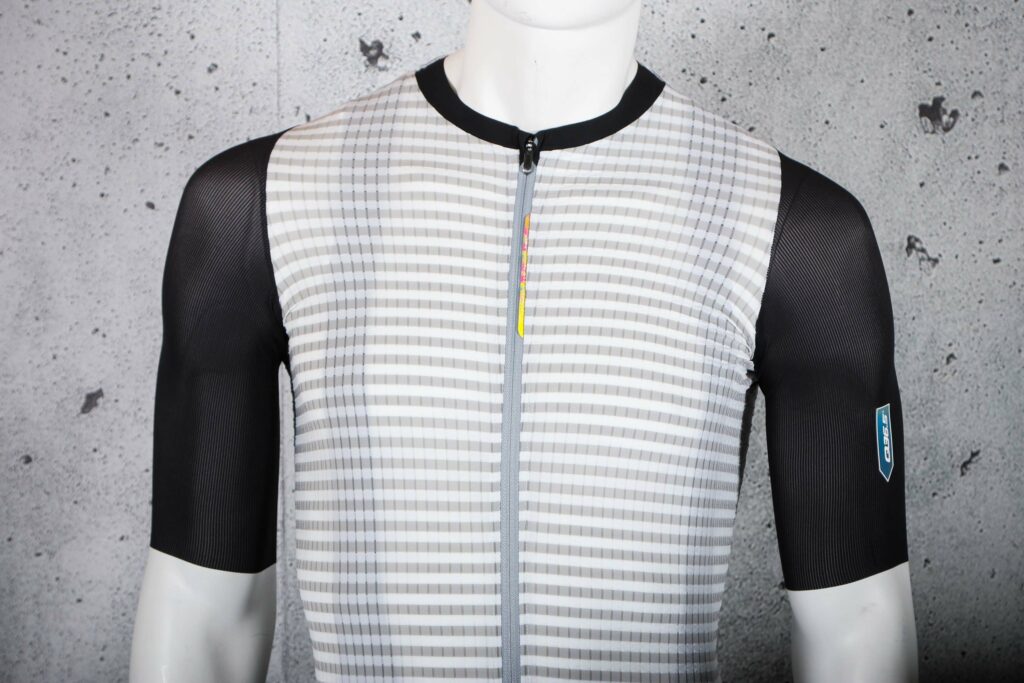
It’s not just the bike that matters, either. Clothing and accessories can deliver overlooked performance benefits. For racers, aero kit can save watts and for endurance riders, breathable jerseys and high-quality bib shorts with good chamois padding can transform comfort and help sustain power over hours in the saddle.
The key takeaway is to tailor equipment to your riding. Think about where you ride most, what events you’re targeting, and what holds you back on the bike. If comfort is the issue, start with contact points, clothing and tyres. If you’re chasing speed, look to aero wheels and kit. For climbing, prioritise light weight. The smartest upgrades are the ones that directly solve the challenges you face most often.
Overhyped tech
With so much cycling tech on the market, not every product delivers meaningful performance gains. Some gadgets promise marginal improvements that rarely translate into real-world benefits, and relying on them can distract from the fundamentals of riding and training.
Latimer is cautious about smart devices that provide “readiness scores” or algorithm-driven guidance… our own Liam Cahill had plenty to say on this subject when it comes to the accuracy (or lack of it) of Strava’s ‘Athlete Intelligence’ mode.
While AI and algorithms can be useful tools, he points out that no piece of tech can tell a rider how they feel better than the rider themselves. Devices should support training, not replace a rider’s own judgment.
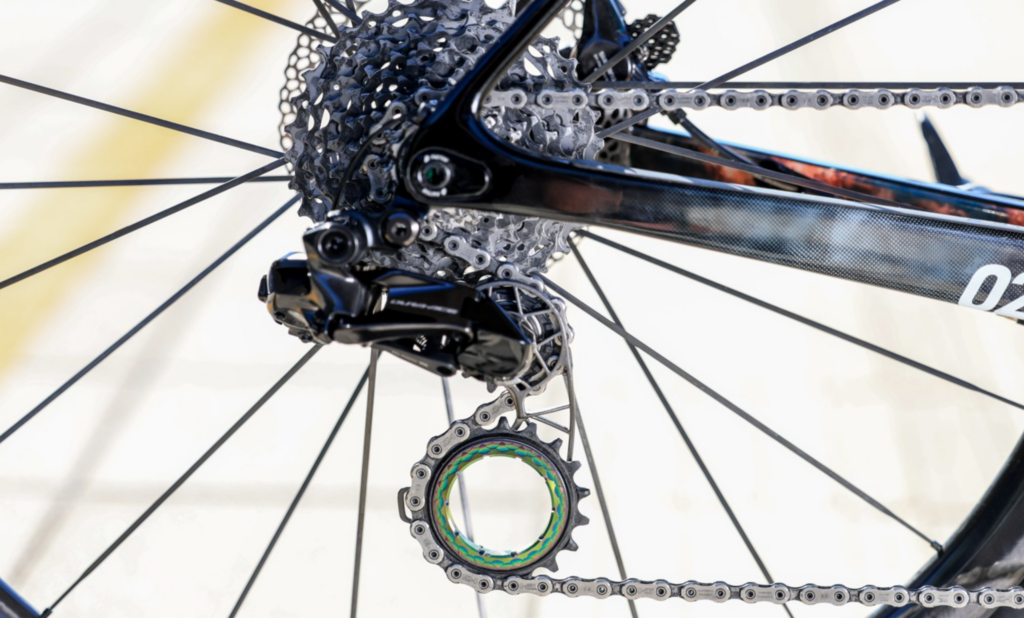
Coombe adds a practical example of ceramic bearings: “While they can offer minor benefits, if they’re not maintained properly or replaced consistently, they can actually slow the bike down.
In practice, regular maintenance, correct bike setup, and structured training deliver far more significant improvements.”
Apps and platforms
There’s a vast range of cycling information and help available through your smartphone, from navigation to planning and tracking your training. When used effectively, they can make your training more purposeful and easier to track.
Coombe recommends a few key tools: TrainingPeaks for structured training, particularly when linked with a coach, Zwift or Rouvy for indoor training, and Whoop to monitor recovery and HRV. Other apps and training programmes are available, of course, but these are the ones Coach Coombe recommends.
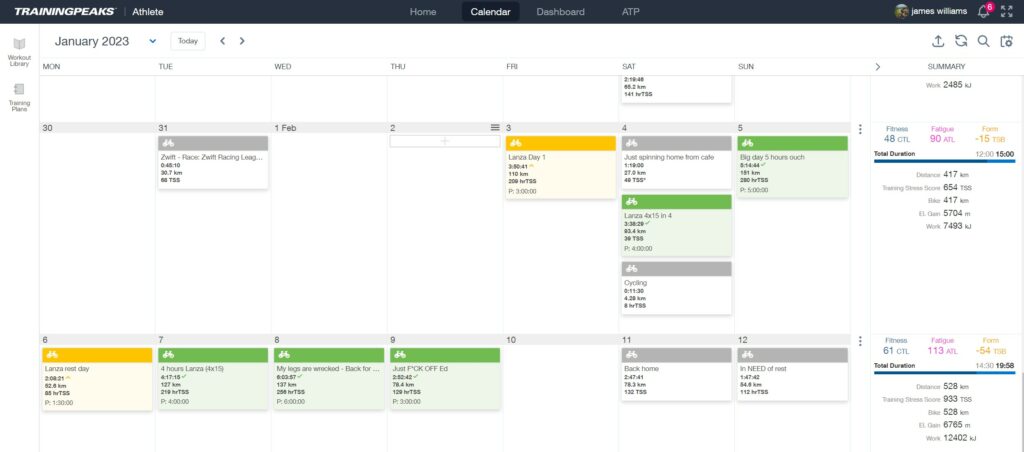
Latimer agrees that TrainingPeaks is a strong option, but he’s also keeping an eye on emerging technology: “Anyone looking to add structure to their training would benefit from a TrainingPeaks account. However, this answer may change in the future, as new platforms are emerging that could make better use of tech, such as AI-based ride analysis.
“[There are] no major players in that field just yet, but I don’t think we’ll be waiting too long!”
Our coaches’ one must-have tech recommendation
When asked to choose just one tech recommendation, both coaches circled back to the same themes: data, and understanding.
Coombe said, “Invest in a power meter and learn to train using structured zones. Mastering the ability to measure and interpret your output fundamentally changes how you train, recover, and race. It’s the tool that turns effort into intelligence”.
Latimer takes a slightly broader view, warning against chasing every new gadget for the sake of it. “Invest in the tech tools you need rather than getting every app and device available. Learn about your tech, understand it and work out how best it can assist you. No one device or app has all the answers in isolation.”
He’s quick to remind riders that even the smartest tools can’t replace the basics: “Ultimately though, you still need to get out there and turn the pedals to get quicker! No tech will ever be able to beat hard work and time on the bike.”
So, what tech can make you a better cyclist? The consensus is that the right tools, used in the right way, can make a real difference – but they have to match your goals.
For riders focusing on performance, power meters and structured training can be transformative. For those prioritising comfort and enjoyment, a professional bike fit or equipment upgrades such as the right tyres may be the biggest game-changers.
> The most common bike fit mistakes and how to avoid them

The best approach is to focus on the fundamentals first: fit, training, and regular bike care. From there, upgrades like tyres and a heart rate monitor offer excellent value. If you’re training with performance in mind, a power meter can be a logical next step, before spending on more context-specific tech such as aero kit or marginal gain accessories that may only deliver incremental improvements.
What piece of tech has made the biggest difference to your riding? Let us know in the comments section below.












9 thoughts on “What tech can actually make you a better cyclist? We asked two top coaches what really works and what you should swerve to improve your performance”
Thanks Emily, great article.
Thanks Emily, great article. Power metre has been the biggest help for me. I have atrial fibrillation so a heart strap only does so much, whereas the power metre has allowed me to train properly, measure my efforts and slowly improve. Wouldn’t ride without one these days!
Training and its associated
Training and its associated gadgets are well and good but neither are a substitute for the simple pleasure of being outside, on a bike with the wind in what’s left of one’s hair. Training is worthless if you don’t regularly sample the unadulterated joy of being in the countryside on two wheels just because it’s there.
jaymack wrote:
The essence of cycling!
An interesting piece, but if
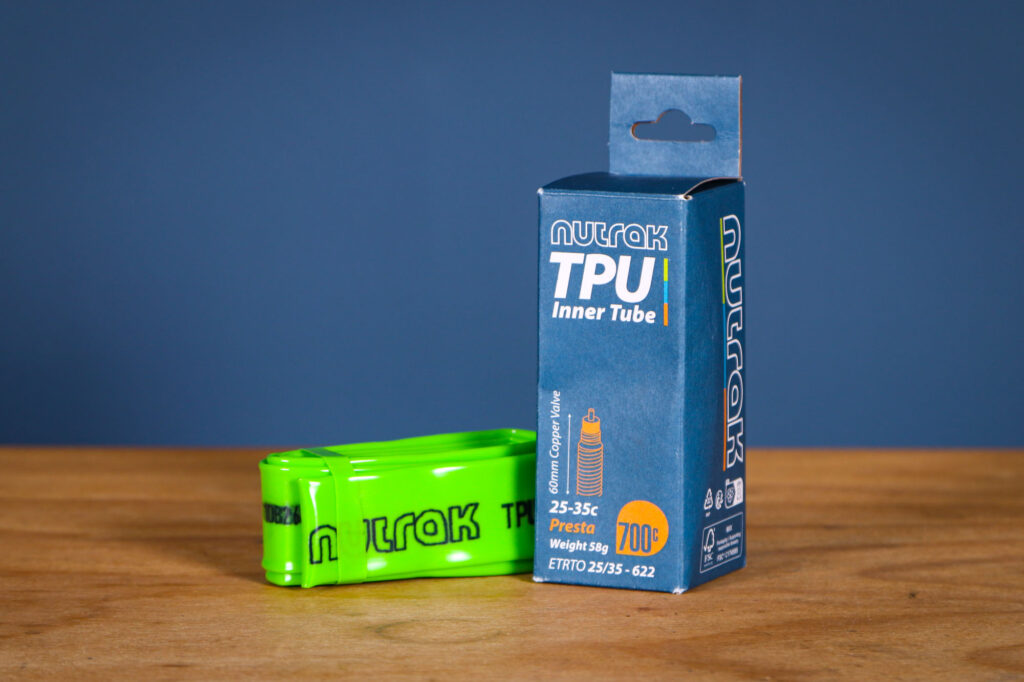
An interesting piece, but if tyres are the most important upgrade, why was there only a reference to width (it is a bugbear of mine as my 2000s Colnago can only accomodate 24mm tyres max). In my experience choice of tyre type, latex inner tubes or going tubeless have massive effects, but none of this is mentioned.
Every time I’v bought a new
Every time I’v bought a new bike, I will ride it and adjust it at home for 2 -4 weeks. THEN I will get a thorough bike fit. While the tweaks are usually small, they always have made a difference! The next is usually wheels/tires. Except for the high-end bikes, wheels/tires is where “compromises” are made. Bike fit and wheels/tires are MORE than worth the money.
Sorry, forgive the left
Sorry, forgive the left-pondian speaker here, but “what you should swerve?” Is that just “what you should avoid?” and is it colloquial British English now?
andystow wrote:
Well, it does mean, as you surmise, to avoid but in slang it’s specifically used to mean to avoid something or somebody coming towards you, a quasi obligation, e.g. “He tried to get me to go out to dinner but I gave him a swerve”, “The boss wanted me to go on the corporate weekend but it’s my tenth wedding anniversary so I managed to give it a swerve.” It’s not really used, as it is here, in the context of something inactive that you can just passively avoid by not having.
Tech to make me a better
Tech to make me a better cyclist?
A fixed wheel through the winter in North Wales. Made me strong, taught me to climb in the saddle. Still to this day find “rhythm climbing” my strongest attribute.
Nice comments and refreshing
Nice comments and refreshing to see comfort placed first among the blizzard of tech’/mariginal gains…
While appreciate the site is aimed at proper roadies (Americanism? Were Racers as a kid. Prefer the term, effectively, they’re all potentially road bikes. Road racers?).
Comfort often overlooked in pursuit of better aerodynamics for speed. in terms of encourging uptake, especailly for utilitarian cycling for transport; surely what we all want, get folk out of their motors, especially ICE?.
After safety, expect it’s a big deal for many new to, or back on, two wheels…Speed is relative, my old Granny could leave Pogacar for dead, in a trail of dust on the flat, on her restricted 30mph Moped…
As vehicles go, peddle power is never going to be that fast, so much to be said for a comfortable pootle, on a nice bike…