



Unless you’re blessed with exceptional circulation, most cyclists will feel the cold in their feet at some point. For some, it doesn’t even need to drop below freezing before toes start to feel the chill and eventually, hurt. So, here are a few top tips to help keep your toes toasty.
Your feet don’t have to work very hard when you’re cycling, and it’s the body’s natural reaction in cold conditions to focus the warmth of the body around essential organs – and unfortunately, your toes are not very high on that list.
It’s a painful truth that once your feet get so cold that it hurts, there’s no chance of them getting any better until you finish your ride and get home – or carry heat packs with you. That’s why preventing them from getting cold in the first place is the best remedy.
There are many measures you can take to delay the onset of cold toes and feet, so here are a few tips for keeping them warm. We’d like to hear your tips too, so feel free to comment at the bottom of the article.
Keep your core warm
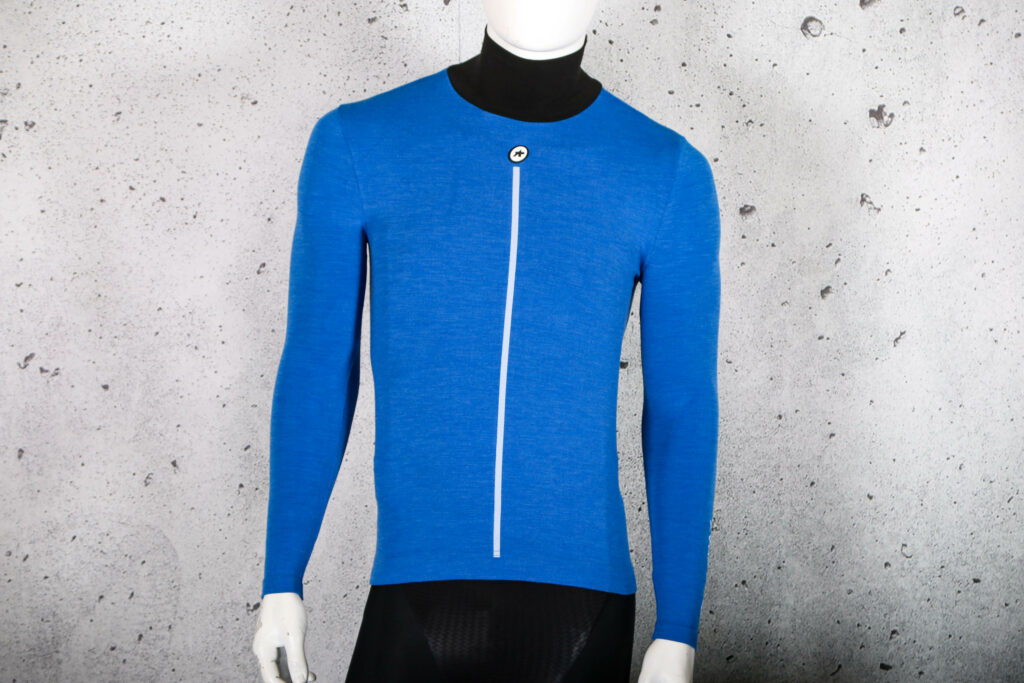
Keeping your core warm is one of the most important starting points for keeping your extremities warm. When your core temperature drops, your body diverts blood flow away from your hands and feet to protect vital organs, which can quickly lead to cold toes.
Layer up properly, starting with a good thermal base layer, then adding insulating mid-layers and a winter cycling jacket appropriate for the conditions. The Assos Ultraz Winter LS Skin Layer P1 is a good option here – it’s pricey but an excellent base layer.
Once your core is warm, your circulation improves and more blood can reach your feet, helping to keep your toes warmer for longer.
Change into warm cycling socks
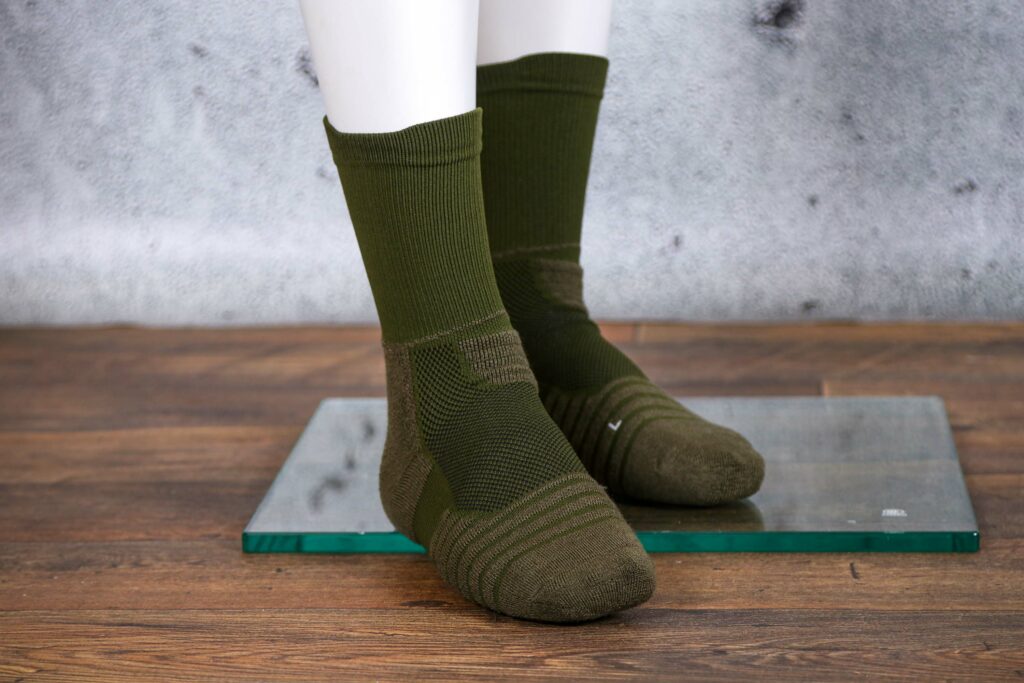
Warm winter cycling socks are a worthy investment for anyone living in the northern hemisphere, and they are not very expensive to purchase and last for years. Having warm socks is important because they work as the first level of insulation for your feet, followed by your cycling shoes and then overshoes.
Warm cycling socks come in many different styles, materials and thicknesses, and you might want to consider a little before purchasing a pair.
Thicker socks often include wool or synthetic, heat-retaining materials, and are the best option if your cycling shoes have space for them. Socks such as GripGrab Waterproof Merino Thermal Socks socks are an excellent option in this category.
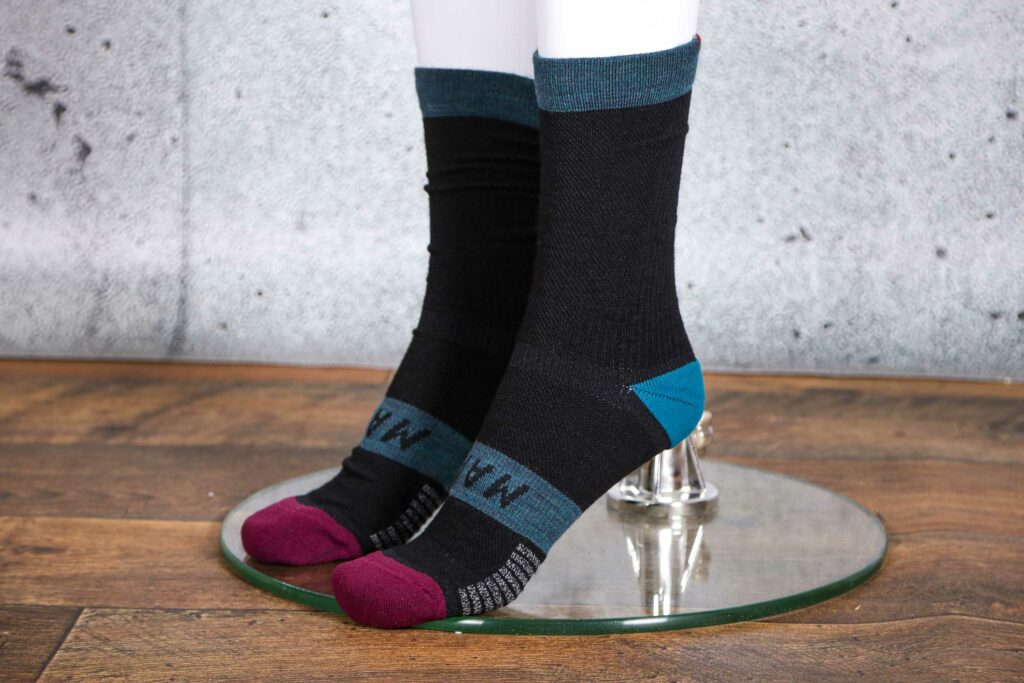
If you don’t have dedicated, roomier winter cycling shoes, you might need to resort to some thinner warm socks, such as the MAAP Alt_Road Merino socks.
Materials such as Merino wool offer very good warmth and insulation, even in thinner socks, and are very comfortable. The addition of synthetic fabrics can give socks better moisture management, keeping your feet drier for longer. Merino has the added benefit of being naturally good at keeping odours at bay and doesn’t require as frequent washes as synthetic socks.
Warm cycling socks can also be a little longer than summer ones, providing an increased overlap with tights and overshoes. You’ll likely be wearing them with tights or leg warmers anyway, so it really doesn’t matter what they look like or what colour they are – only that they are warm.
Don’t overtighten your shoes

> How to ride your bike through ice and snow — top tips for safe cycling when the mercury drops
When wearing thicker winter socks, it’s easy to make the mistake of tightening your shoes too much. Compressing your feet restricts blood flow, which in turn reduces circulation and can quickly lead to cold toes.
Your shoes should allow enough room for your feet to move slightly and for blood to circulate properly. If you regularly ride in winter conditions, it may also be worth considering winter-specific cycling shoes with more internal volume to accommodate thicker socks without compromising comfort or warmth.
Pull on overshoes – or at least toe covers
Without making a considerable investment in new cycling shoes, overshoes and toe covers are the next line of defence in combatting cold feet. As well as keeping the cold wind out, the best overshoes protect your feet from spray from your wheel (although, you really should consider winter-prepping your bike and installing mudguards) and other road muck getting into your shoes.
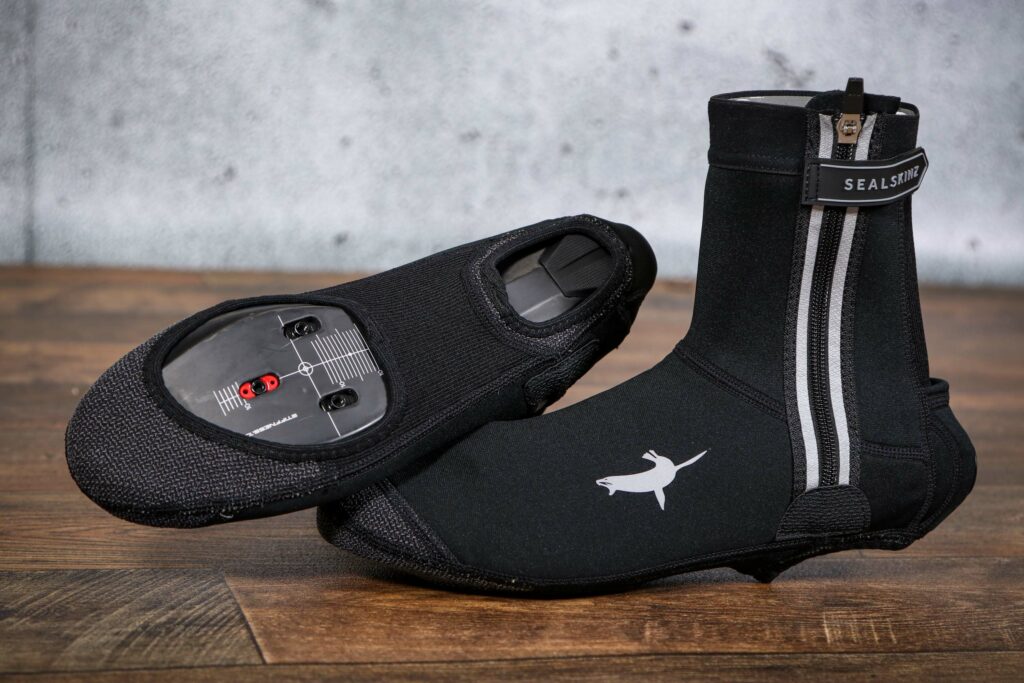
Overshoes are made from various materials including neoprene, and windproof and waterproof fabrics. They vary in purpose: some are for everyday riding, some might have aero properties and some overshoes are better for off-road riding with more robust toe and sole area.
An overshoe needs to fit well, so correct sizing is important. The fewer openings there are on the shoe and around the back, the less cold air can sneak inside.
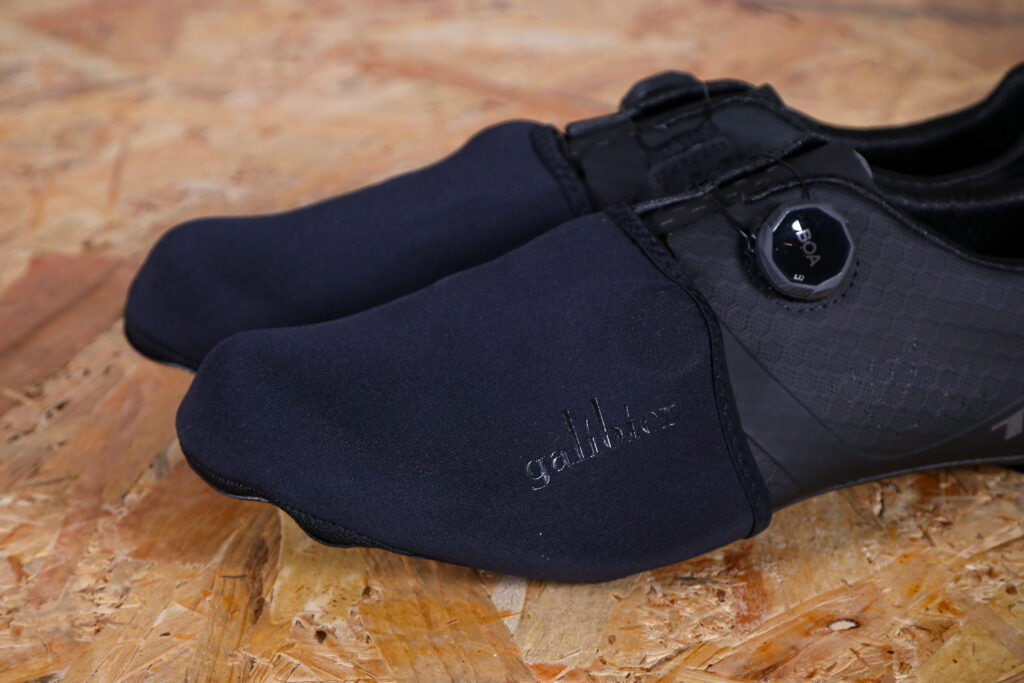
Much of the same applies to cycling toe covers, which are what it says on the tin: covers that fit over your cycling shoes and cover only the toe-box area. If you are a really cold-feet individual, it’s a good idea to pair a set of toe covers with overshoes for double warmth in the toe area, without adding bulk to your ankle that needs to keep moving.
Get a pair of winter cycling shoes
Next up we have purpose-made winter cycling shoes. These are a more considerable investment, with few cycling winter shoes selling for £150. You can, however, find them on sale for much less so worth keeping an eye out for bargains.
Winter cycling shoes essentially integrate the features of overshoes into your cycling shoes, giving them more waterproofness, a thermal, insulating membrane and often a higher boot-like ankle that keeps the water at bay.

If you determinedly cycle through the worst of the winter months, investing in a good pair of winter cycling shoes is really worth it. You save time when you don’t have to pull on the covers and overshoes, which no matter how robust, do deteriorate in frequent use in a couple of seasons. Nothing prevents you from pulling on a set of overshoes over your winter cycling boots, though, for extra warmth and protection.
Winter cycling shoes have developed a lot over the years and today’s models, such as the Fizik Tempo Artica R5, are very stylish creations, with plenty of colour options, as well. The Fiziks also feature a Gore-Tex outer membrane, which although not the most environmentally friendly material, is great at repelling water and is used also on for example, these Shimano MW7 Gore-Tex SPD Shoes.
Take advantage of things you have at home
If you really want to save your pennies, there are many home hacks that you can use to make your toes warmer when cycling.
The first is wrapping your feet in tinfoil. This is a rather self-explanatory thing to do – get some strong kitchen foil and wrap your feet with it (with your socks on) and then pop your shoes on. The foil will radiate the heat from your feet back and that way keeps them toasty. You could also double sock with this hack – having the tin foil in between two thinner socks.
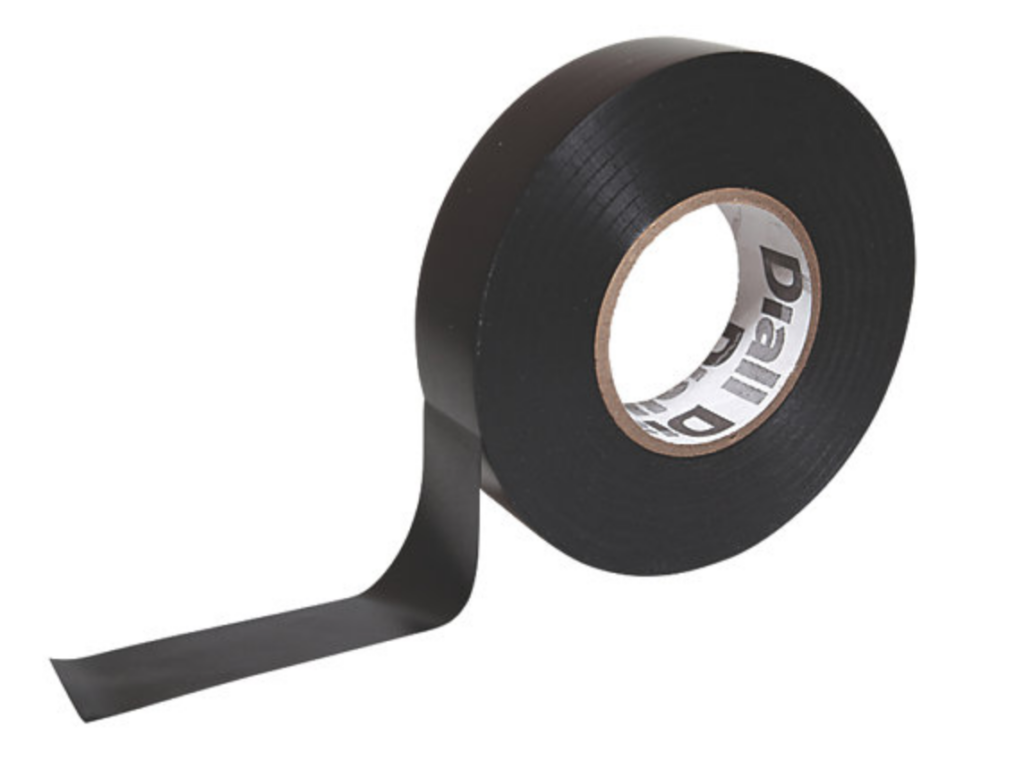
Covering all of the vents is an easy hack that will keep the chilly breeze from entering your shoes in the first place. Use tape or anything else that sticks and blocks the cleat plate holes, as well as any vents that your cycling shoes might have and you’re bound to notice the difference. Just remember to revert the changes when the summer comes…
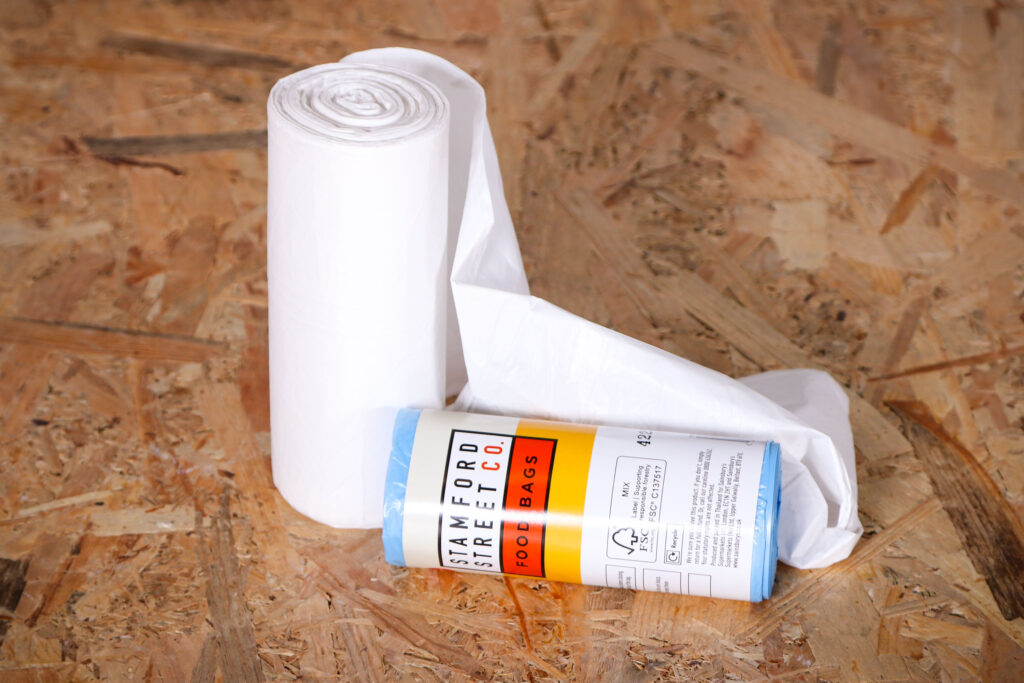
Then we have plastic bags that can be used, let’s face it, for many things. Get a set of bags and you can pull those on your feet, effectively working in the same way as waterproof socks would, and by keeping your warm sweat inside the bag, your feet should stay warmer. Whether this is a very comfortable option is up to debate, but it does work. You can also use plastic bags as overshoes – assuming you can effectively secure them over the shoes.
Get heated overshoes, insoles and inserts
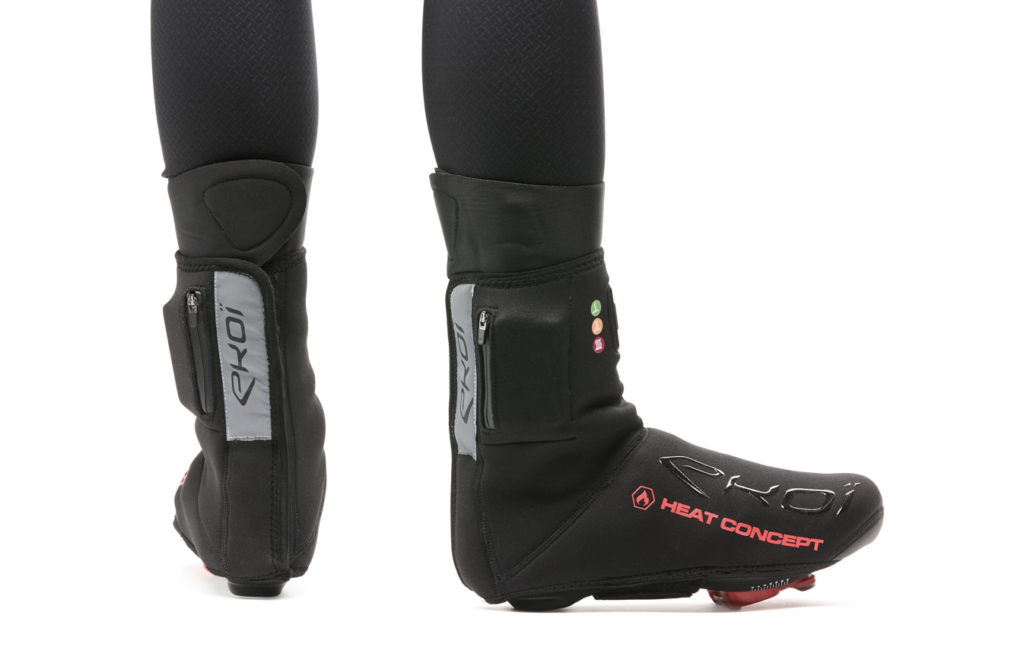
Home hacks aside, there are also some pretty good accessories that are purpose-built for keeping our cyclists’ feet warm.
Here you might be better looking at outdoor apparel shops, stocking hiking and hill-walking products, as cycling-specific products are scarce. There are a few heated overshoes, such as the Ekoi Heat Concept overshoes.
You can find heated insoles easily online, as well as heat pads (similar to those you can put inside your gloves). If you’re doing a long winter tour, having a couple of these stashed in your handlebar bag can be a life saviour if you get caught outside in very grim and cold conditions.
Let us know your top tips for keeping your feet warm when cycling in the comments section below.



















30 thoughts on “How to keep your feet warm cycling – beat cold feet on the bike with these toasty tips”
Toasty Toe Tips. Aliteration
Toasty Toe Tips. Aliteration chance somewhat missed.
Just buy Spatz. Look
Just buy Spatz. Look ridiculous but who cares when your feet are warm?!
article continues…
article continues…
Change to flat pedals and wear normal shoes
Ride in normal, not super tight shoes on flat pedals. Your warm socks can actually do their job when they’re not compressed flat. Circulation improves in your feet because they’re not being squished, and your feet actually generate some heat of their own as the small muscles in them get some work to do stabilizing them. As demonstrated in a recent GCN video, you’re not losing out on much with flat pedals unless you’re actually racing.
I have ridden at about -20 °C
I have ridden at about -20 °C (-5 °F) on flat pedals with Power Grips straps, wearing Five Ten Freerider shoes, and moderately thick wool socks. No double socks, no windproof shoe covers needed. Tight, stiff cycling shoes are why your feet get cold. On a recent group ride at above freezing one guy in cycling shoes with covers and double socks nearly bailed because his toes hurt so badly from the cold. Luckily someone else had brought some chemical warmers and he stuffed them in his shoes. I hadn’t even thought about my feet because they were perfectly comfortable.
I went for some winter 5 10
I went for some winter 5 10 freeriders, waterproof upper and thermal toe box. Went a size up.
Thermal insoles and merino rich hiking socks. Occasional stick on toe warmers for the proper negative.
Thought I had my options
Thought I had my options nailed, winter socks and boots, normally great; but at -4 yesterday proved to be inadequate.
I smother my feet in tiger
I smother my feet in tiger balm before every ride. Lasts about 6 hours
Some of us just have terrible
Some of us just have terrible circulation – I’ve tried pretty much every combination of winter boots, overshoes, toe covers, merino socks, two pairs of socks, waterproof socks, and whatever I’m wearing, if the temperature is low single digits I get cold feet. Thank heavens for Zwift – no cold feet inside!
Yep, with Raynaud’s 24 km
Yep, with Raynaud’s 24 km this morning in 0°, silverthread socks underneath thick cycling-specific winter socks inside SIDI GoreTex winter boots and neoprene overshoes over them and the pain still cuts in after 20 minutes!
Likewise – I’m envious of all
Likewise – I’m envious of all my friends going around in light single-layered gloves (or even gloveless!) in 0-3 degree weather, whereas if I do so my hands turn ghostly pale and the tingling pain is almost unbearable!
I think I must be one of the
I think I must be one of the lucky ones, never have a problem with cold feet. Wish I could say the same about my hands.
My hands are generally fine
My hands are generally fine on the bike – DHB deep winter gloves for when it’s really cold have been brilliant.
Yeah none of this really
Yeah none of this really helps with bad circulation. I get chilblains indoors ?
More base layers and another
More base layers and another jacket.
As the article says, your feet get cold because your body is keeping more important things warm. Help your body keep those important things warm, and you’ll find more blood getting to your toes.
You do sometimes have to go through a phase of your core being unpleasantly hot, and your toes too cold, but keep everything zipped up until it evens out.
Could RoadCC please review
Could RoadCC please review the Ekoi Heat Concept shoe covers?
https://road.cc/content
https://road.cc/content/review/229452-ekoi-heat-concept-overshoes
Or, alternatively, just get
Or, alternatively, just get some waterproof socks from e.g Aldi (admittedly contain a lot of cotton, but works well for cycling) and wear in any cycling shoes, not necessarly winter ones and most people will be OK for several hours at around 0C, as long as they survive without falling off on the ice
Northface merino socks and
Northface merino socks and galibier ardennes overshoes, thats it sorted. Thank you
Got a pair of Shimano MW502
Got a pair of Shimano MW502 this winter. They’re so much better than overshoes. No cold toes on long descents in sub-zero temperatures.
Winter shoes seem nearly all
Winter shoes seem nearly all to be 2-bolt soles for Shimano SPD. Few to no 3-bolt options. 🙁
E.g., Giro Blaze seem very interesting for a winter shoe, but… 2-bolt.
I will agree that 2-bolt
I will agree that 2-bolt winter boots are more common (understandably – when it is icy, going off-road can be the better option). However, I would have said there is still a decent selection of 3-bolt shoes. Northwave have several depending on how deep winter you want; Lake CX146; Fizik Artica/Tempo Artica; Sidi NIX/Nubes; DMT WKR1; etc.
I agree – options are fairly
I agree – options are fairly limited at the moment. I was looking for a replacement for my now very worn Northwave winter boots a couple of months ago & really struggled to find something. In the end I went for the Ekoi option. Pretty good so far.
My Sidis have 3 holes
My Sidis have 3 holes
Heated socks were a game
Heated socks were a game changer for me. You can get them pretty cheap on Amazon. Batteries last a long time and they keep your feet nice and toasty inside winter boots. Combine them with heated gloves and I can just about go out in any weather.
SteeveB wrote:
Haven’t tried them yet as my SIDI GoreTex boots do a pretty good job but common sense says they clearly must be a better idea than the EKOI way of trying to heat your feet through the insulation of your shoes – if you had an electrically heated waistcoat you wouldn’t put it on over the top of your normal coat, would you?
Another tip I read a few
Another tip I read a few years ago – use some of that mylar-coated bubblewrap, trim to size and stick it under your insole. Like the silver foil idea, it reflects heat back, and also adds insulation and blocks the drain holes.
Has anyone got specific brand
Has anyone got specific brand recommendations for heated socks? Most Amazon ones seem to be ‘reviews’ of free product.
(primarily for longer winter rides and skiing)
Has anyone got specific brand
Has anyone got specific brand recommendations for heated socks? Most Amazon ones seem to be ‘reviews’ of free product.
(primarily for longer winter rides and skiing)
This has been a problem for
This has been a problem for me from my childhood to now (early 50s) and so far, I have found nothing to help except for heated insoles and gloves (same problem with my hands).
I was working outside last week and it was around 0 degrees and even with decent gloves my hands and feet were numb and painful so I went to get some of those chemical hand warmers and insoles.
I think some of us are simply cursed by this problem: one of my colleagues was working without any gloves. It was snowing and we had to frequently touch metal scaffolding. He touched my face and his hands were warm!
My entire body can be warm but my extremities freeze within minutes. No wool socks, silk liners, lobster gloves, winter specific shoes with overshoes etc have helped. Heated is the only way I can even consider cycling in winter.
And I don’t need to MTFU: I’m a farmer’s son doing manual labour ?
Liberal amounts of
Liberal amounts of embrocation