



The USA’s No.22 Bicycle Company Reactor Aero will be producing what it calls “the world’s first truly aero-optimised titanium race machine” later this year with estimated frameset prices of somewhere between $10,000-$15,000 (which converts to £7,500-£11,300 at today’s exchange rate). No.22 Bicycle Company also reckons that exceptional stiffness will probably result in “the most efficient power transfers available on a Ti frame”. Big claims, then, so let’s find out what’s going on with this 3D-printed frame.
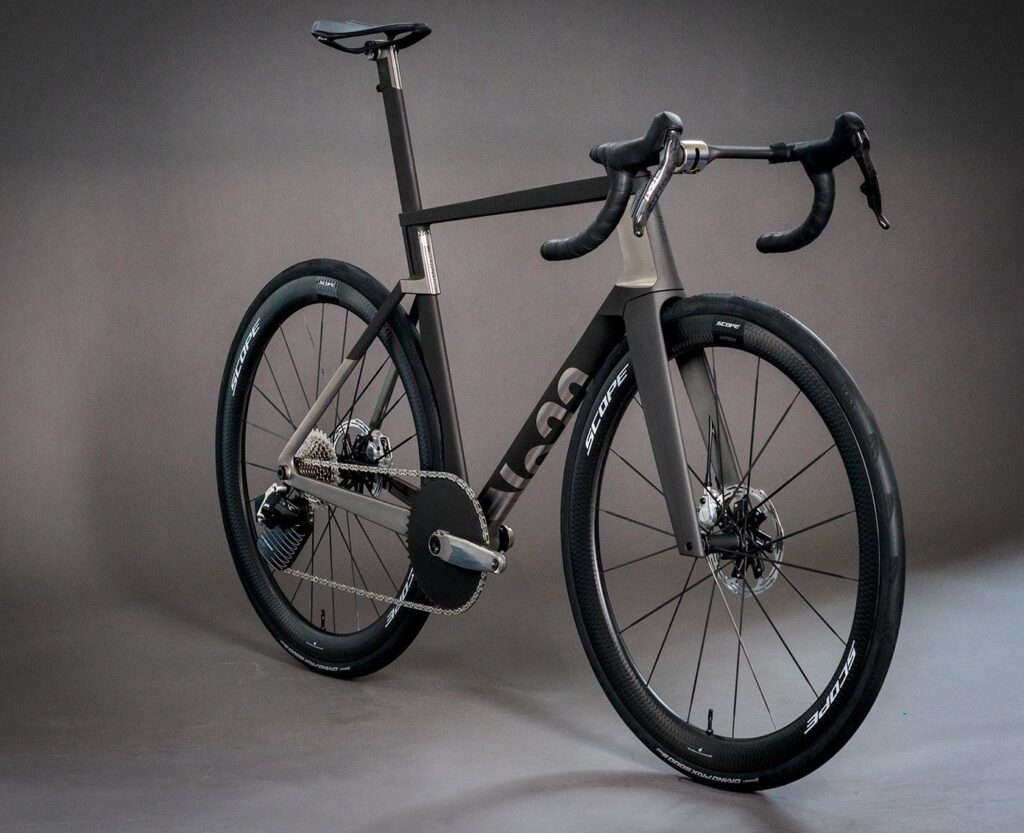
First of all, that claim that the Reactor Aero will be “the world’s first truly aero-optimised titanium race machine”. There have been plenty of titanium bikes described as “aero” over the years – the Litespeed Blade TT/triathlon going back to the 1990s, for example, and many road bikes today, such as the Reilly Fusion. What is No.22 getting at here, then?
Bryce Gracey, co-founder of No.22 Bicycle Company and designer/lead on the Reactor Aero project, says, “In short, previous attempts at making a Ti aero bike were limited in two main areas: the achievable profiles and surface areas of conventional Ti tubing, and by the means of how these tubes were joined.
“In regards to the achievable shapes of the tubes, readily available tube sizes could be formed via hydraulic presses or hydro-forming, but were greatly restricted by how much deformation the tubing would allow before failure, as well as how large a tube was commercially available. From a joinery perspective, the junctions and transitions between tubes were limited to conventional mitring and welding – these junctions can be major sources of drag. The Litespeed Blade you reference is an example of both these restrictions.
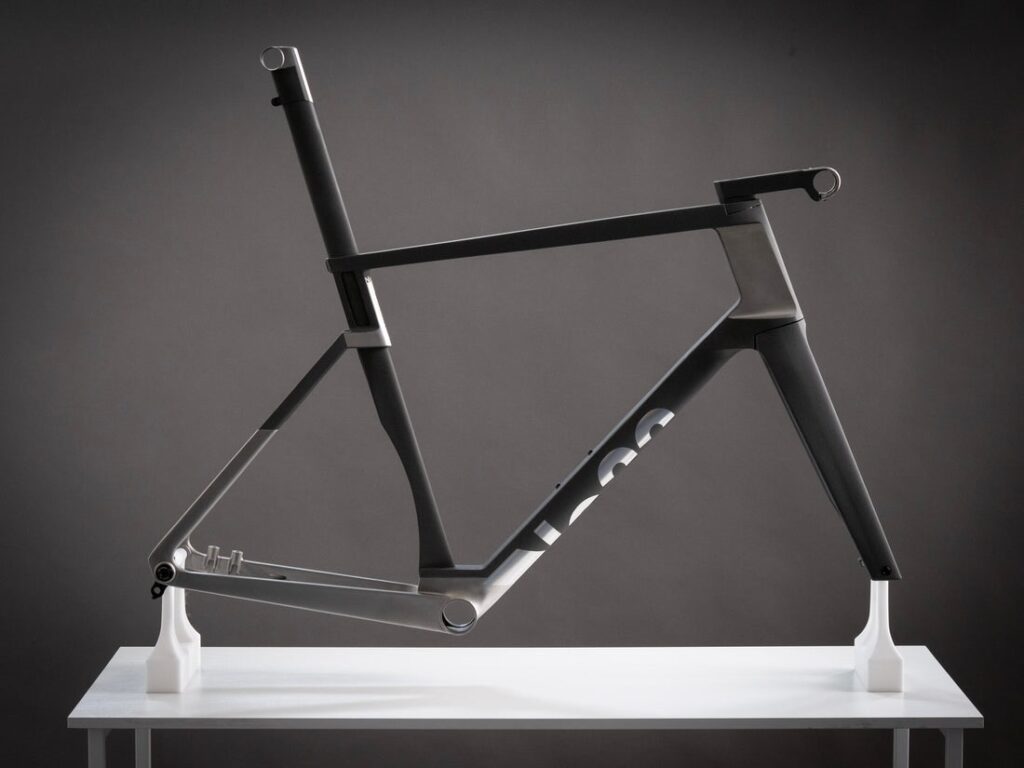
“With the advancement of Ti 3D printing, we can utilise truly aero-optimised airfoil profiles, overcoming the limitations of conventionally formed tubing. We can also seamlessly blend the transitions between tube profiles to address lack of aero efficiency in conventional joinery methods [mentioned above]. In essence, any profiles and shaping you find on current aerodynamic carbon bikes can be applied to a Ti bike through this technology. So that’s what we mean by truly aero-optimised; not just how aero a conventionally fabricated Ti bike could be, but how truly aero-optimised a bike can be regardless of its material.”
No.22 says that the Reactor Aero has been CFD (computational fluid dynamics) modelled and will be validated in the wind tunnel before launch to “refine the bike’s aerodynamic properties”. That launch is expected to be sometime towards the end of this year; the Reactor Aero exists only as a prototype at the moment. No.22 says its current testing suggests the Reactor Aero has 30-40% less drag than its existing Reactor road bike, the most race-oriented frame in the range – although that doesn’t tell you a lot if you’re not familiar with that bike. We don’t have aero claims comparing the Reactor Aero with bikes outside the No.22 lineup.
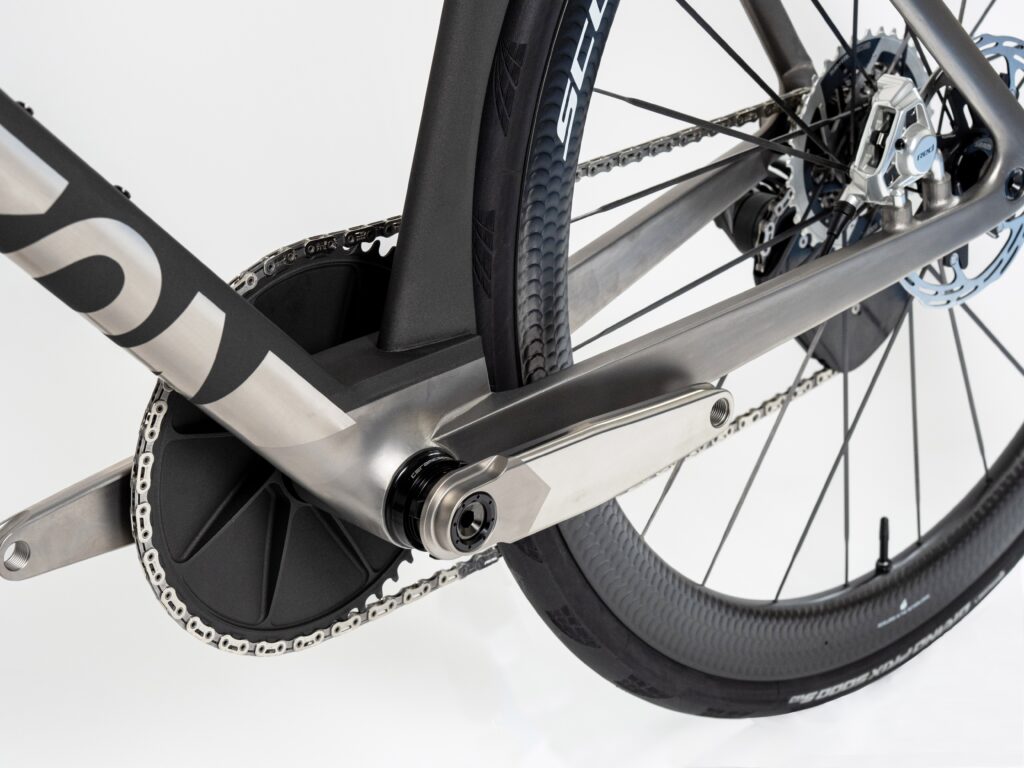
No.22 says, “In developing the Reactor Aero, we are aiming not only to set the bar for titanium frame aerodynamics but to enhance performance in all other areas as well. Drivetrain stiffness, which the Reactor is known for, has been further improved upon, resulting in likely the most efficient power transfers available on a Ti frame.
“To achieve this, the down tube, bottom bracket intersection, and chainstays were fully redesigned and optimised by utilising the formal freedoms offered by 3D printing. All other tubing profiles and intersections were also built from the ground up to help temper drivetrain stiffness with the legendary ride quality titanium is known for.”
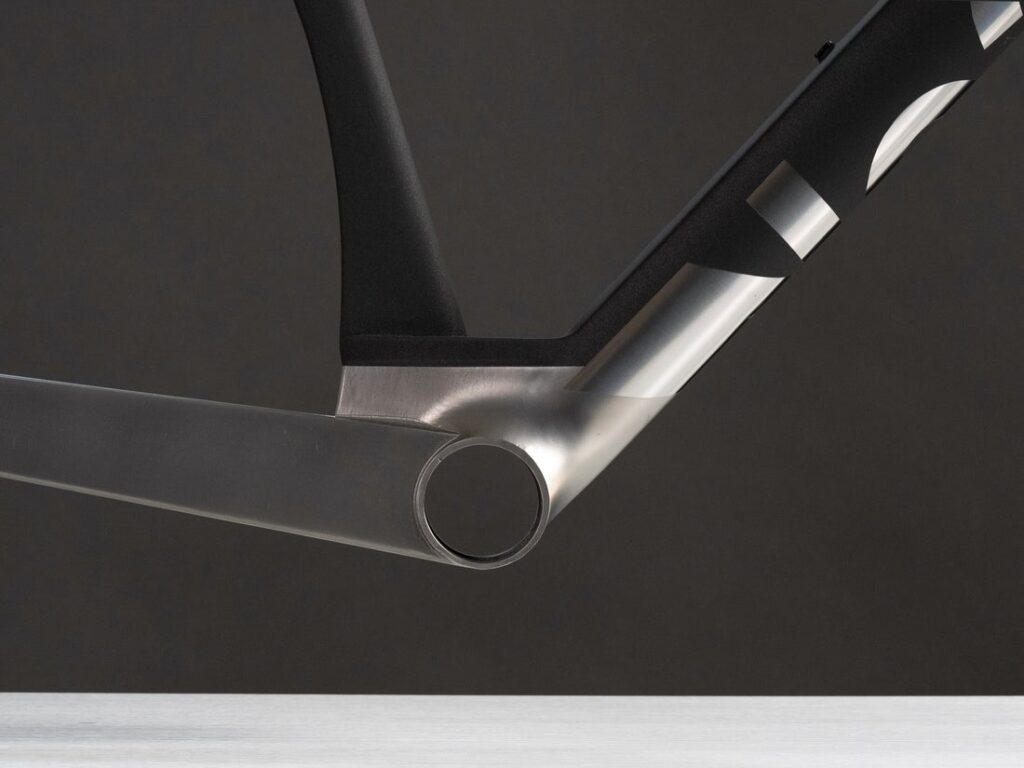
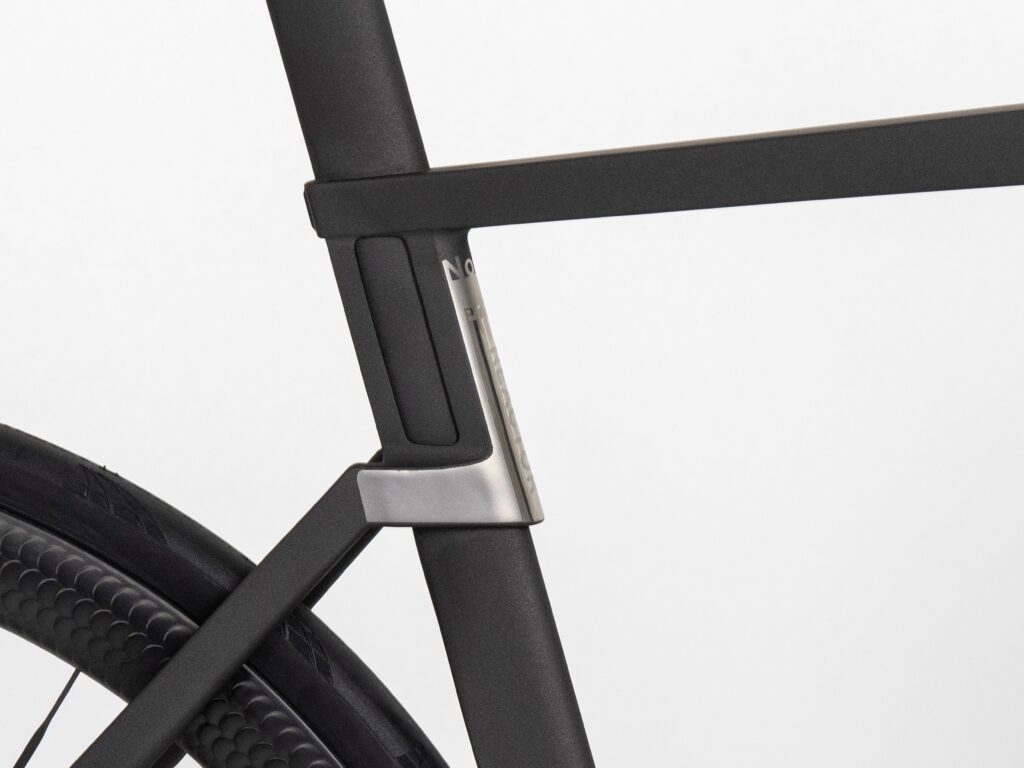
The Reactor Aero is currently a prototype that has been 3D printed from Grade 5 titanium powder – also known as 6Al-4V titanium – except for the seat tube. With its integrated seatpost, this is made from carbon and it’s aero profiled, co-developed and produced by July Bicycles. Hey, we know July Bicycles – we covered its eye-catching Galibier Tribute in this Bike at Bedtime slot last week. The saddle fixes to a 3D titanium seat mast topper.
> Carbon classic: July’s Galibier Tribute reimagines a 1947 icon
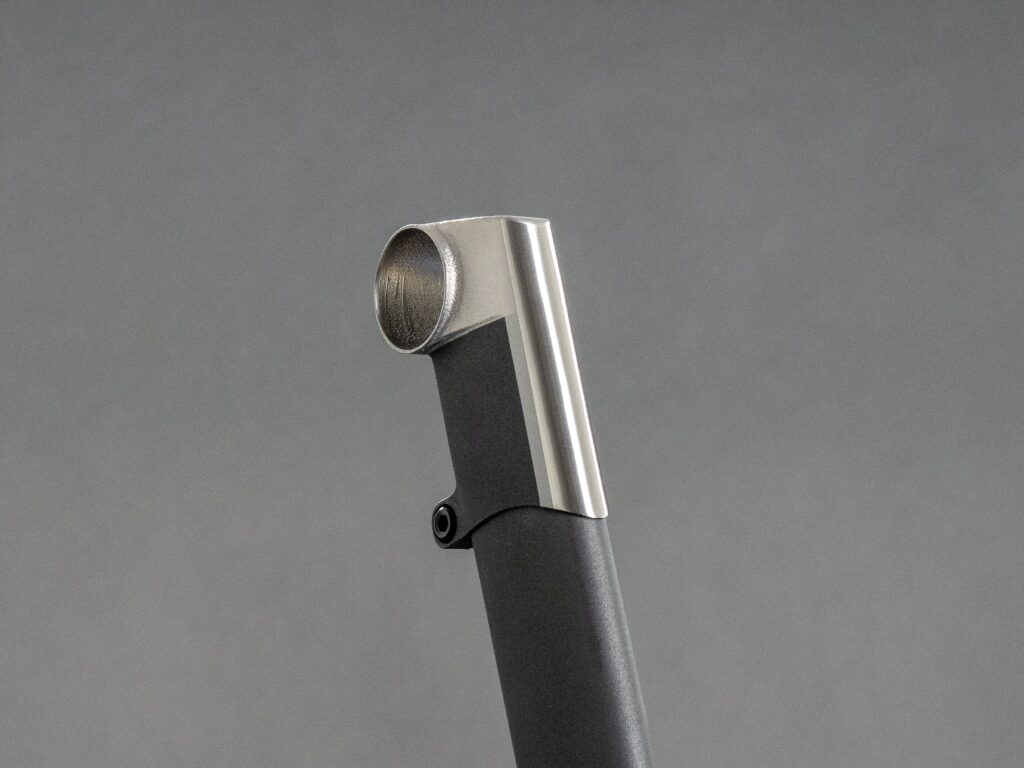
No.22 says, “For production, the bike will be assembled from a series of smaller, more accurate 3D printed sub-assemblies to give us greater control over quality and alignment.”
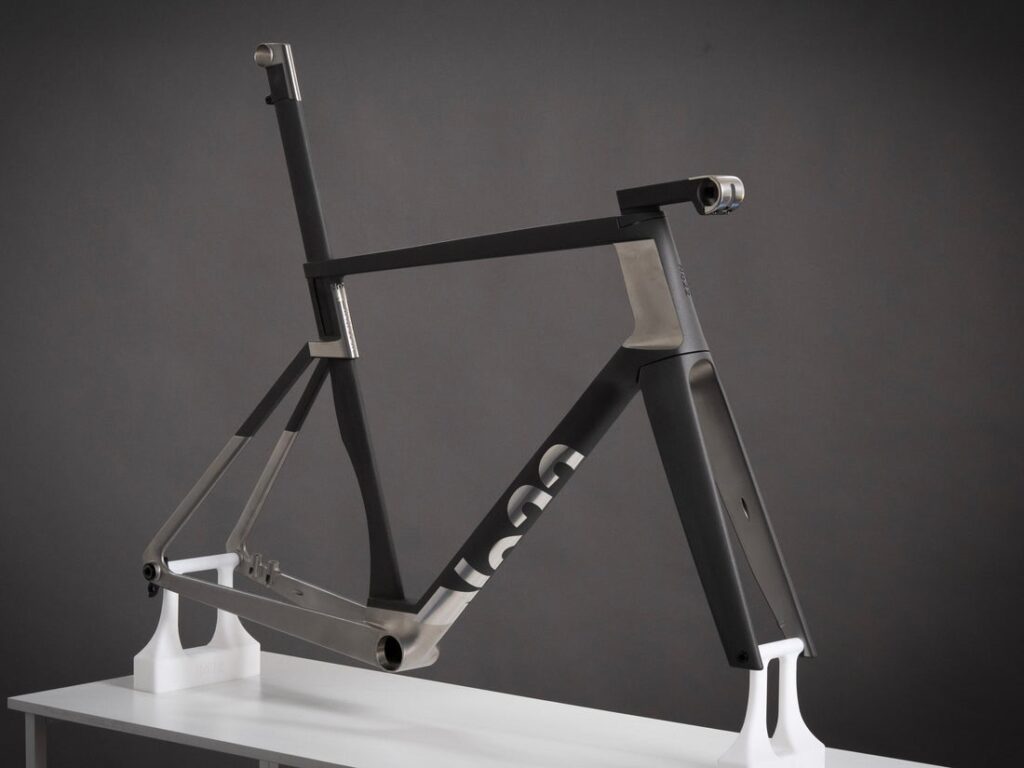
The prototype Reactor Aero was shown at the Made Bike Show in Portland last August – when we covered it in Tech of the Week – and No.22 says that the reception was overwhelmingly positive. The company is now continuing the development process and intends to work further on the aero performance, refine the manufacturing process, and undertake “structural and ride quality testing to ensure the bike delivers titanium’s hallmark feel and durability”.
> Litespeed releases “the world’s lightest titanium road bike”
The Reactor Aero is designed for flat mount disc brakes and No.22 hopes the final version will be able to take tyres up to 34mm wide (measured). The bottom bracket is T47 (threaded) and the wheels are held in place by thru axles
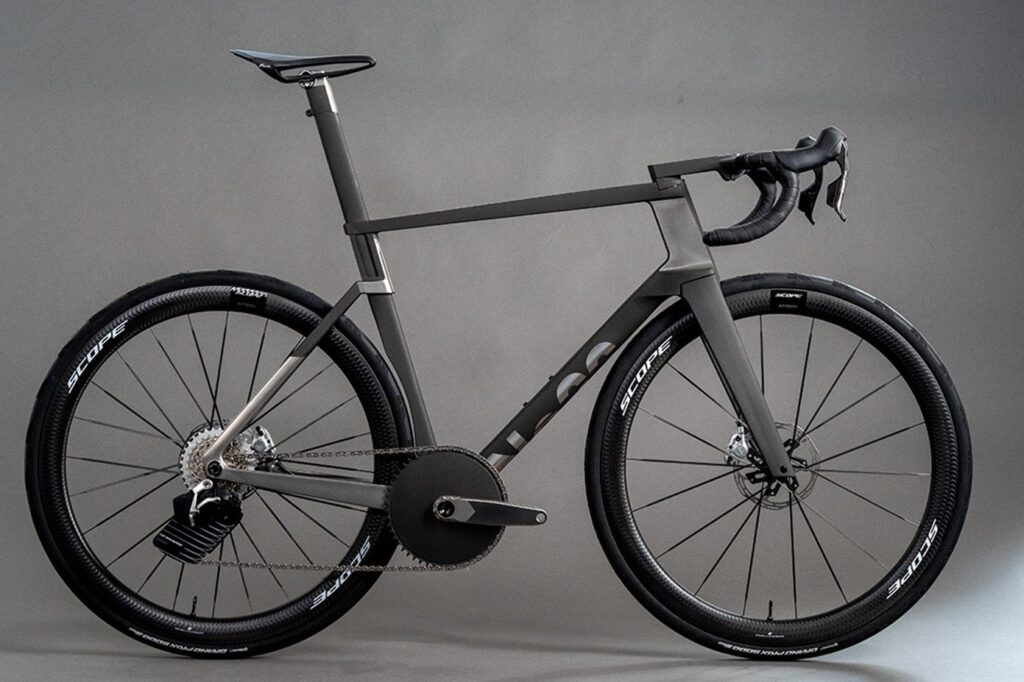
No.22 has yet to finalise the price of the production version of the Reactor Aero but, as mentioned, it’s anticipated to be somewhere between $10,000 and $15,000 for the frameset. You might think that’s a big old margin for error there, but what’s $5,000 between friends? The full launch is expected to be before the end of 2025. If you’re interested, you can put down a $1,000 deposit.
All Reactor Aeros will be built to order – stock sizes to begin with, and custom geometries available further down the line.



















2 thoughts on “Check out “the world’s first truly aero-optimised titanium race machine””
Fascinating concept and
Fascinating concept and execution. Looks sharp too.
They don’t stand a hope in
They don’t stand a hope in hell of making the bike for that amount of money. China is the world’s biggest supplier of titanium, followed by S Africa, Mozambique, Australia, Norway, and Canada. The US produces a tiny amount compared to these mega producers. The Mango Mussolini and his tariffs have screwed it for any titanium bike manufacturers in the US.