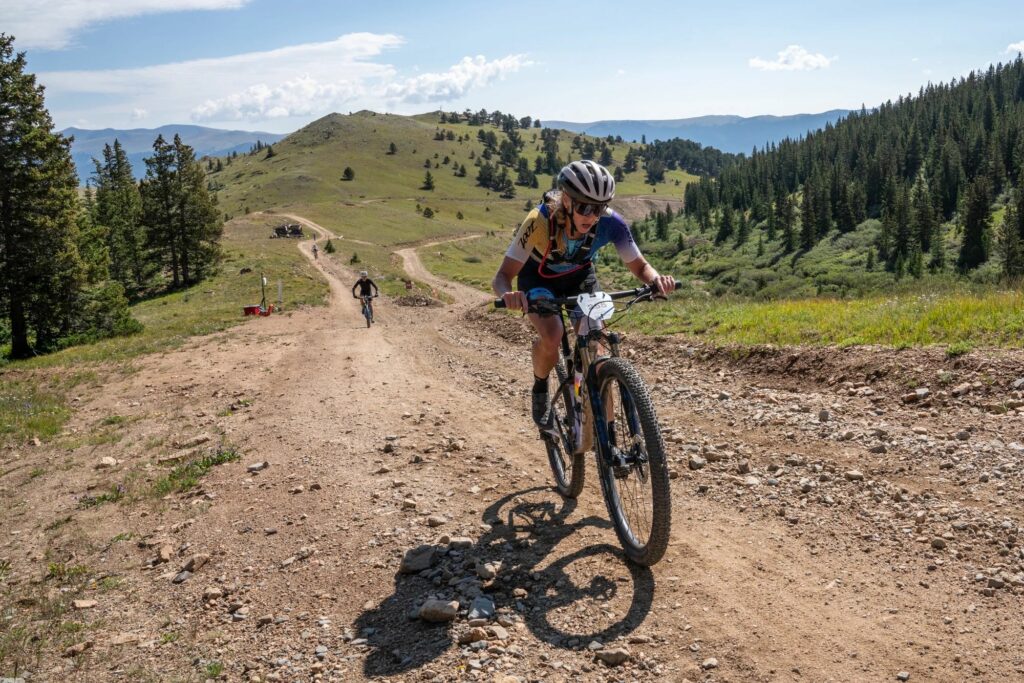

Just a couple of weeks back, our gravity-loving duo of Liam and Ty willingly hurled themselves into the deep end of cross-country racing when they took up the challenge of riding The RiftMTB Stage Race in Iceland, a place commonly known as ”The Land of Fire and Ice.” It was to prove a stunning yet brutal baptism of both fire (and ice) into the world of off-road multi-day stage racing.
- Unbound Gravel 2025: intriguing new tech, solo victories, and what’s next for the world’s biggest gravel race
- Why are people riding drop handlebars on mountain bikes?: Cory Wallace on the realities of drop bar off-road riding
- Gravel racing – what’s next for cycling’s fastest growing discipline?
Upon returning, Liam was somewhat bemused as to why graveleurs were riding so fast, faster than most mountain bikers, even though he noted some didn’t quite have the technical trail skills to match that speed. He asked me, “How and why have those of the dropped bar, long distance, and relatively tame terrain races suddenly mastered flat bars?”
In my usual blunt and rapid reaction way, I came back with something along the lines of “they have always been fast, and they have big engines and top fitness.” Needless to say, there’s a fair bit more to it, so read on to learn why – in no particular order.
The unseen reality
As one with a lifelong leaning towards the long and rough ride, and as someone who also writes about it for my supper, it always frustrates me just how little coverage marathon, ultra, and other forms of endurance bike racing get.
Showcasing these epic races and great unsung long-haul heroes of the sport is something I’ve always pushed and championed – yet it generally falls on relatively deaf ears. As for the reasoning, it doesn’t make the headlines? It’s just not mainstream enough, it’s not seen as cool, it’s not bling – and that often means that it simply doesn’t get the hits and traffic needed to make it viable to spend resources covering. Sadly, this is the case with so many things in life; mainstream and simple always sell – and they sell because more people buy them than niche products, right or wrong matters not.
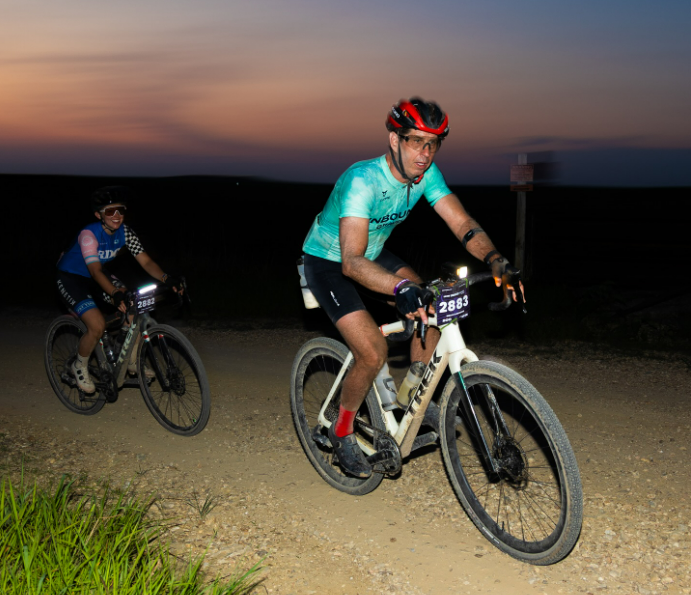
If you don’t see it or know about it, then you’re unlikely to ever realise that these riders regularly, and very competently switch between weapons of choice – flat or drops in this case; hence they just don’t get seen far beyond the niche endurance pages.
There are exceptions, such as the Cape Epic and now the Life Time GP, which, due to big budgets, great media, slick organisation, and quality fields, have drawn eyes to the less mainstream side of the sport. Plus, major bike packing races are also helping popularise and glamourise certain endurance races.
In with this is that marathon and endurance style racing simply haven’t really taken off to any great extent in the UK. Meanwhile, they are mainstream in places such as South Africa, and also to a degree in the US and several other mountainous areas of Europe, hence they do gain attention there.
Being fast, it’s in their DNA
Although it can be a bitter pill to swallow, the harsh reality is that we have what we’re born with, as in our genetics playing a leading role in determining what we’re good at, where we may excel, and what we’re not so good at.
Training, health, work ethic, and having the mindset to pull it all together do also, of course, play a huge factor in buffing up natural ability, and go a long way in helping those of us who don’t possess the rare gift that the select elite few have.
The strange thing is, the only way for most of us to find this out is to try it all, and maybe to stumble upon what we’re good at along the way – and then to actually enjoy what we’re good at too, which doesn’t always go hand in hand.
Some cyclists are blessed with genetics and mentalities that naturally lean towards endurance, others to speed and intensity – and some are more rounded, which we see in any sport.
Background checks
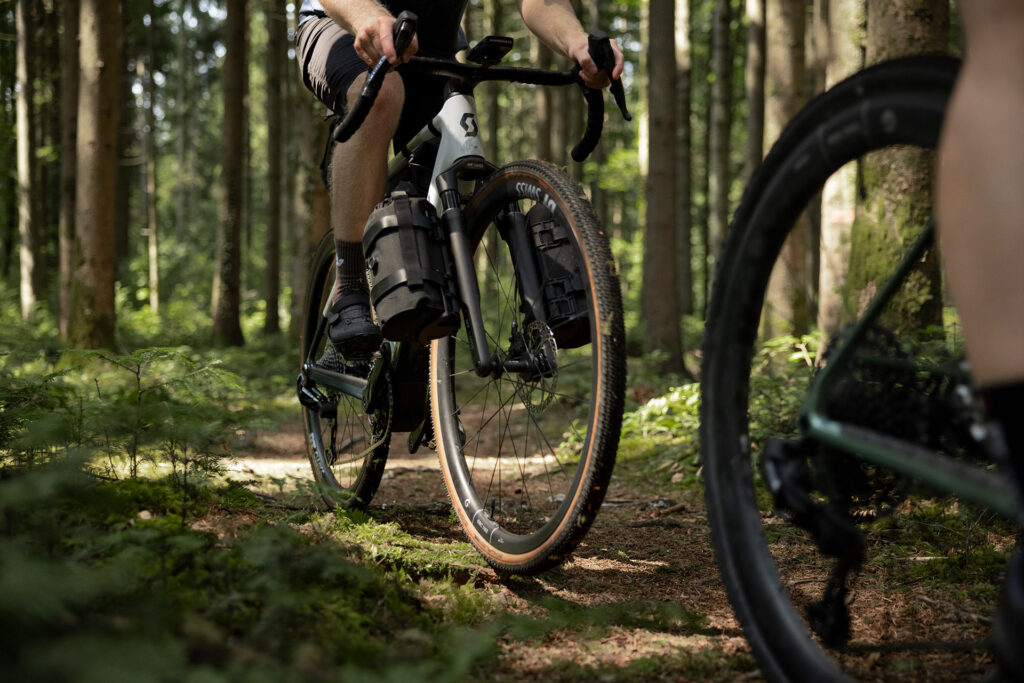
The term graveleurs is kinda cool, a nice, romanticised tag to have mulling around. However, gravel riding, gravel bikes & racing them is all very new, and although some have committed themselves to racing gravel, almost all of them have a much longer back story to their cycling.
Most of the top gravel pros out there have a long-standing road riding and racing background, with some of them having ridden for years at the top level of the sport, and they do tend to dominate the big single-day gravel races.
Riders such as Peter Stetina, Laurens Ten Dam, Lachlan Morton, Simon Pellaud, who have fully embraced all forms of off-road racing, are prime examples of top road pros turned to the dirt – and winning on flat or drop bars.
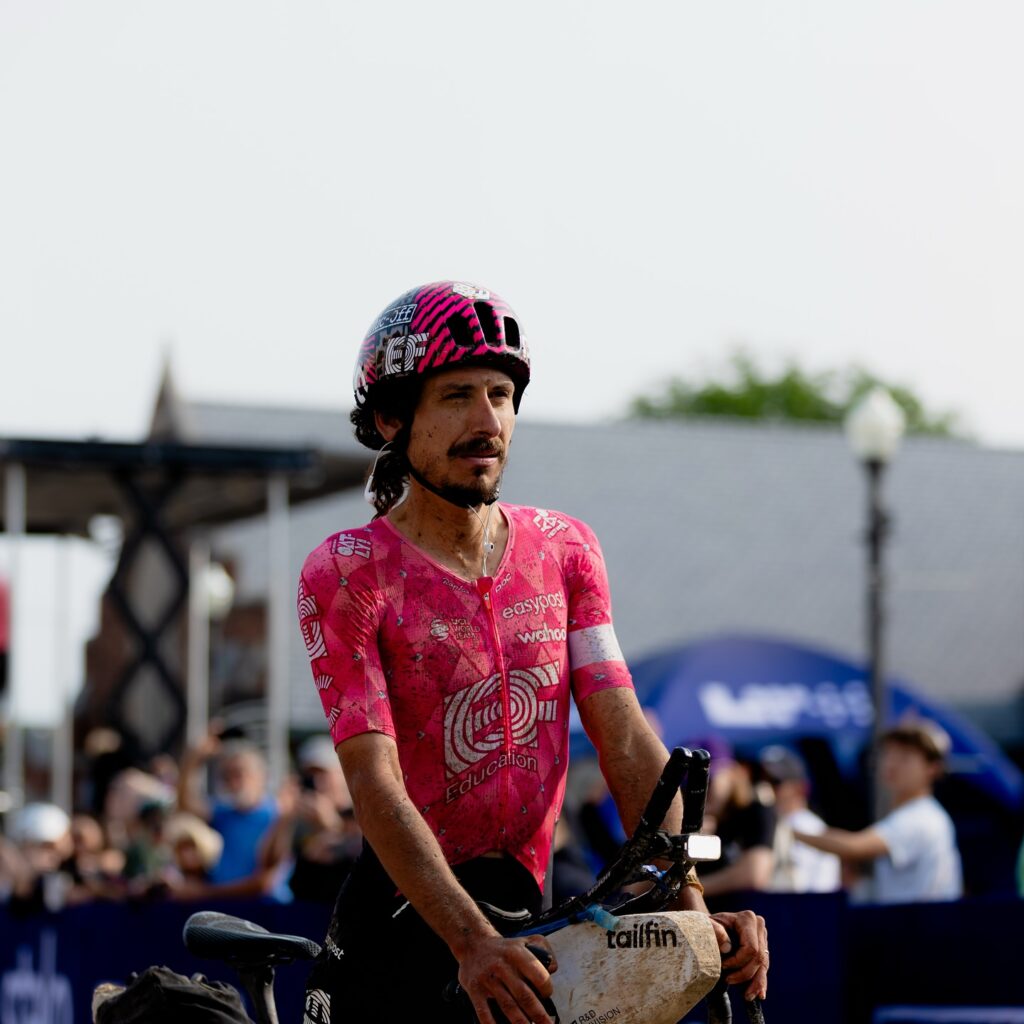
There are also a few regular XC racers out there who found their calling in the relatively new and less financially lucrative long-haul racing world, with former multiple US XCO & XCC Champ Keegan Swenson being a prime example of a rider many assume to be a graveleur due to his LTGP success, yet who has a much more varied and long MTB history.
Being as we’re focused on the endurance end of the mix, we’ll skip the multi-discipline masters such as Pauline Ferrand-Prevot, Puck Pieterse, Tom Pidcock, and Mathieu van der Poel for this story, as all can turn their hand to almost anything on a bike – given the time and incentive.
Big engines, small builds
With the exception of sprinters and flatland powerhouses, most elite-level pro road riders (turned neo-graveleurs), and other endurance athletes who face hills regularly tend to be skinny, frighteningly so in some cases.
Several brutal hours a day, for years on end, have been ground away on bikes to build their base and top-end fitness, all whilst keeping a focus on not building unnecessary bulk from muscles or gaining body fat (which in recent times means harsh diets too). Weight makes a huge difference when riding uphill, and in the power-to-weight ratio. You can buy grams in parts, you can lose pounds for free, but it’s tough to do.
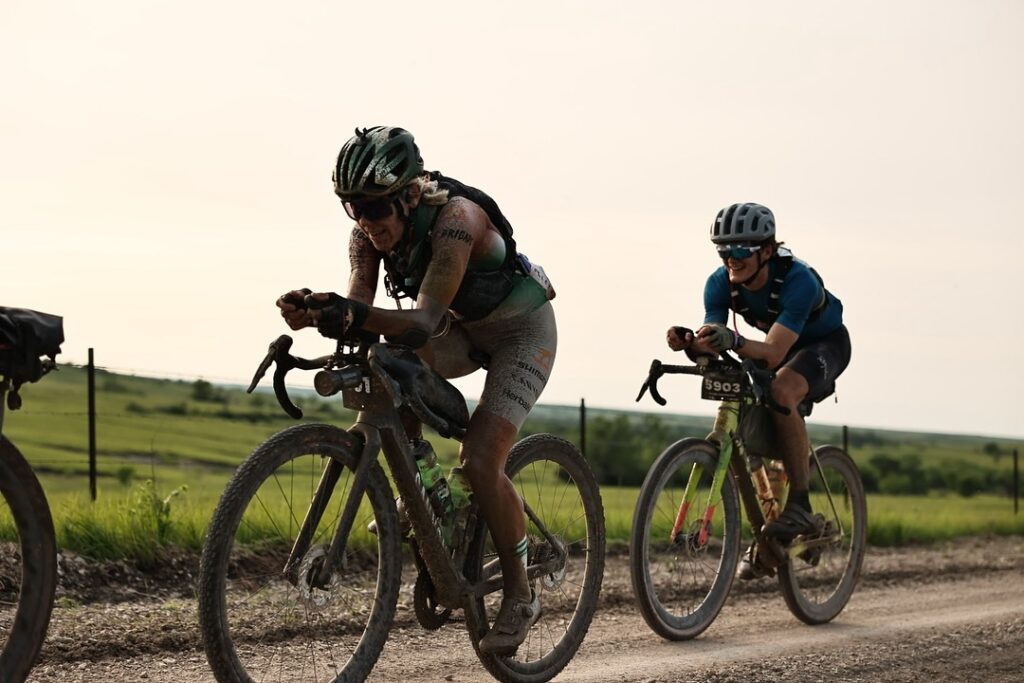
This is not to mention the intense schedules of top road pros, who evolve into supreme high-octane endurance athletes. Most riders who get near this top level to start with need what is referred to as “a big engine” – most of this is down to genetics, much like a car with a huge engine, but which still has a lot of room for tweaking and improvement.
This deep fitness level allows them to adapt to almost any endurance side of cycling; it just takes a little while to adapt to different styles of racing and riding.
Meanwhile, as opposed to being ground down for 6-hour multi-week mountain stage races or intense classic races, modern XCO riders are polished to perfection for anaerobic threshold bashings of 1.5 hours, and race on a pre-rehearsed race track. Thus, they’ve become more rounded in athletic terms, with having more upper body strength being a part of that, unlike most endurance racers.
This is why it’s often difficult for a pro road/gravel rider to adapt to the intense demands of an XCO race perfectly, although of course, the select afore-mentioned riders can do just that, though they are exceptions rather than the norm.
In the case of something like The Rift MTB, Leadville, or the Cape Epic, the endurance demands and the style of racing are far more suited to the endurance riders than XC racing is.
It’s also worth noting that many XCO stars are more than capable of shifting focus to endurance racing, though with their specific focus, it takes a while to adapt training to master it – as we’ve seen with Alan Hatherly’s winter build-up and shift to riding WorldTour road races.
Skill myths vs practical reality
Many pure mountain bikers, particularly those with a gravity passion, do hold on to the myth that roadies (and now graveleurs) can’t handle the hard stuff. Adding to this is that there were a couple of riders who did struggle with technical stuff at The Rift MTB, which is somewhat bemusing to me, and is very unusual, and is certainly not the norm if you are genuinely a top rider.
Sure enough, the whippets at the front of an endurance race ain’t gonna style it like Nino, and they’re not dropping in like Bruni either, though if you’ve ever been in a road race, hurtling down an Alpine pass at 80kph in freezing rain with riders cutting either side of you as your one-inch wide slick rubber fights to hold you in your skimpy Lycra to the ground, or smashed it at 50kph in near dusty blindness and suspension free over the polished ruts and stones of a cobbled classic, or even skimmed pedals and elbows around a greasy city centre criterium circuit in the rain, well – you could call that bike handing, or technical skill, I guess.
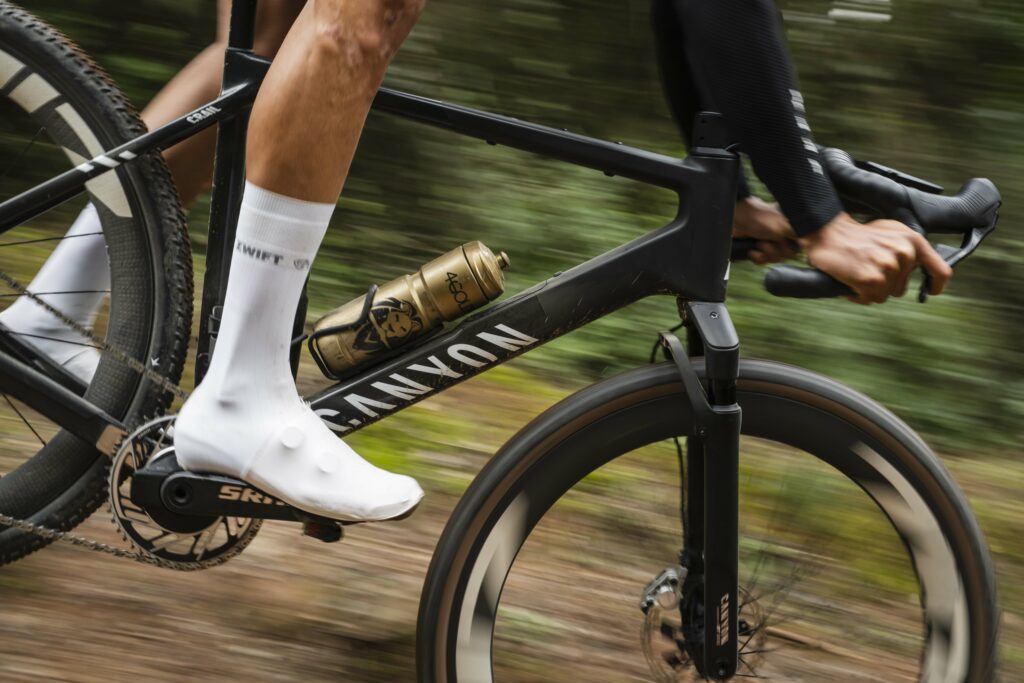
This doesn’t automatically translate to vertical or technical trail mastery, but with a little time to adapt, most road and gravel riders can handle the kind of terrain thrown at them in an endurance race without breaking much sweat, and without breaking themselves.
Safe, sure, and fast enough – that’s what wins long-haul races, not risking your whole race, the whole week and prep time, just to gain a few seconds through a natural rock garden, or risk flatting by taking air for fun.
Seconds can be gained on technical sections, and races lost in them, but it’s minutes on climbs and into long, windy flat stretches
The long and smart game
With lots of long-term endurance riding and racing behind them, many top gravel racers also gain a whole lot of experience and knowledge, which can make them better strategists and tacticians than most, especially when it comes to budgeting and saving energy for the right times and places. This all adds up over the course of a long race, and even more so over a few days.
This is the kind of stuff only learned the hard and the long way, and some use this advantage much better than others; it’s the cherry on the top of the racing cake, which happens to be a cherry bun that needs that cherry to top the sweet treat of success.
Sensible shoes, maybe – but it works.