
A bike geometry chart can uncover some mysteries behind its shape and offer an idea of how a bike rides – geometry figures are interconnected and variable. But none so much than the actual seat tube angle and its effective seat tube angle, as these two values actively affect the ride feel of a bike. So, let’s dive in.
- E-MTB geometry explained: how weight and geometry affect your ride
- Gravel bike geometry: everything you need to know
- How to tweak your mountain bike’s geometry – Cockpit
Why seat tube angle is important
The seat tube is what your seatpost slides into, and the angle of that tube is one of the biggest contributors to how weight is distributed over both axles. While there are a lot of factors that come into play – bar height and chainstay length, for example – the angle of your seat tube can affect your cockpit arrangement through to how manageable the bike is when climbing.
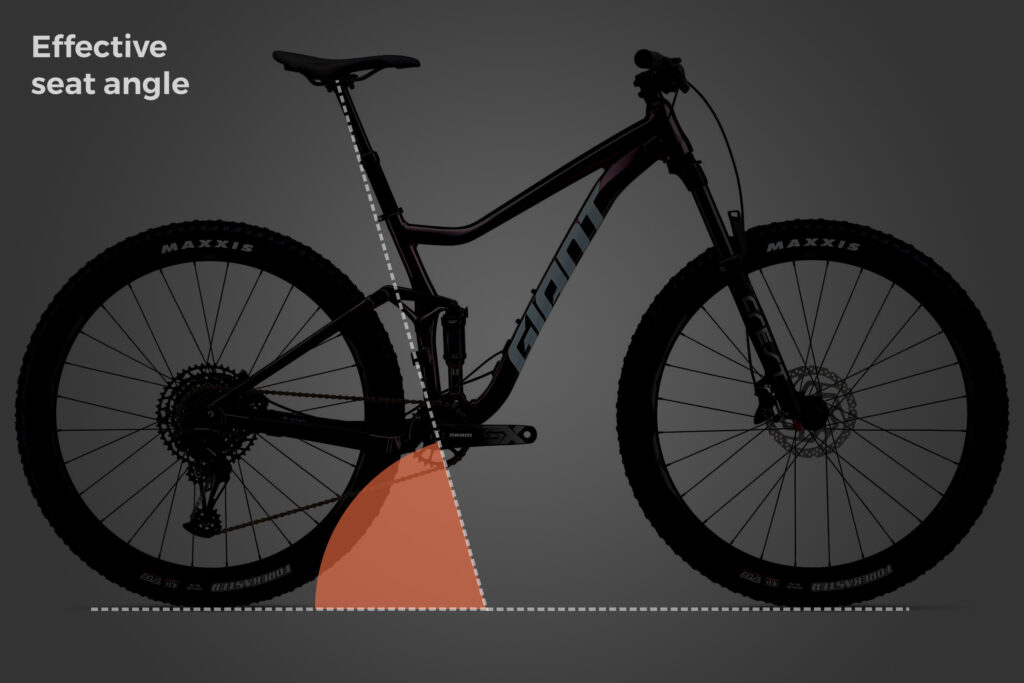
A slack seat tube puts more weight over the rear wheel, which improves grip but, when not counteracted with appropriate cockpit adjustments, such as a low bar height and longer stem, it can lead to front wheel lift when climbing. If placed too far back, a slack seat tube can mean inefficient pedalling.
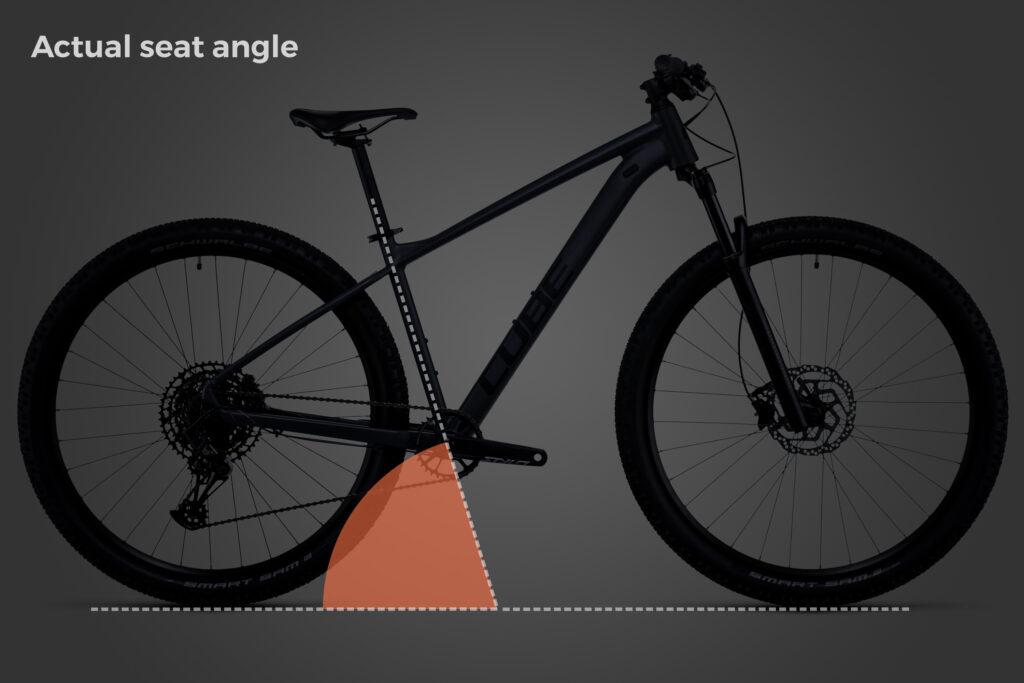
Over the past few years, seat tube angles have been getting steeper and steeper seat tubes place more weight centrally on the bike and over the bottom bracket. The result is a better-balanced and potentially more comfortable ride uphill as weight is more evenly distributed between both wheels. Of course, many other angles and measurements influence things here, which is the overarching point of this story.
What is the difference between actual and effective seat tube angle?
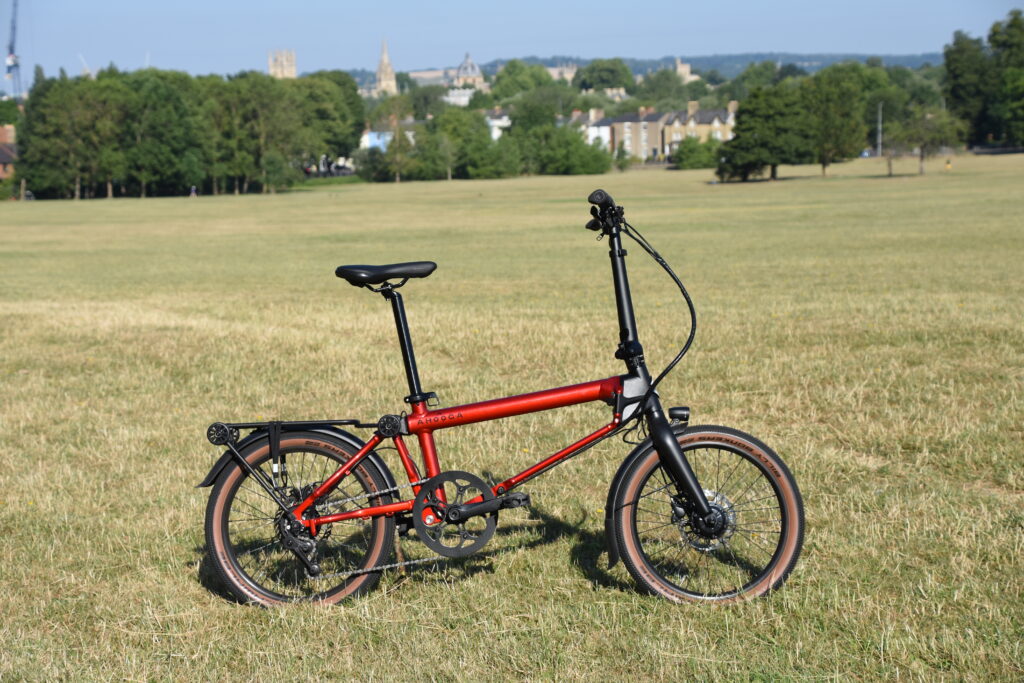
The clue is in the name here. What you see on any bike is the actual seat tube angle. On a hardtail, where the seat tube is most likely straight, you won’t see an effective seat tube angle on a geometry chart because the seat tube is straight from the bottom bracket to the saddle.
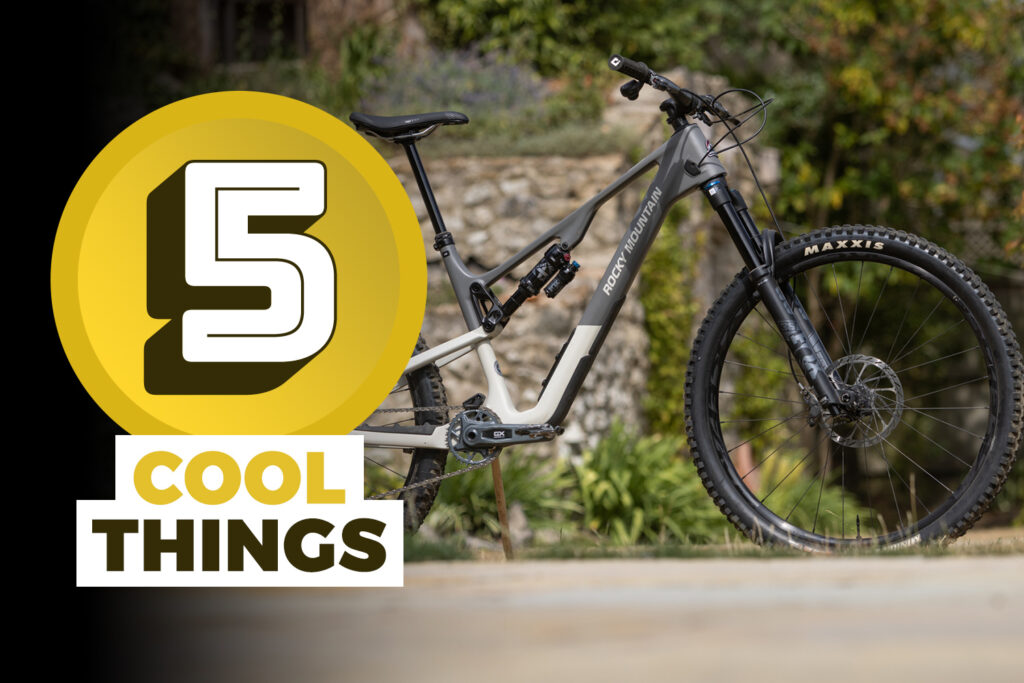
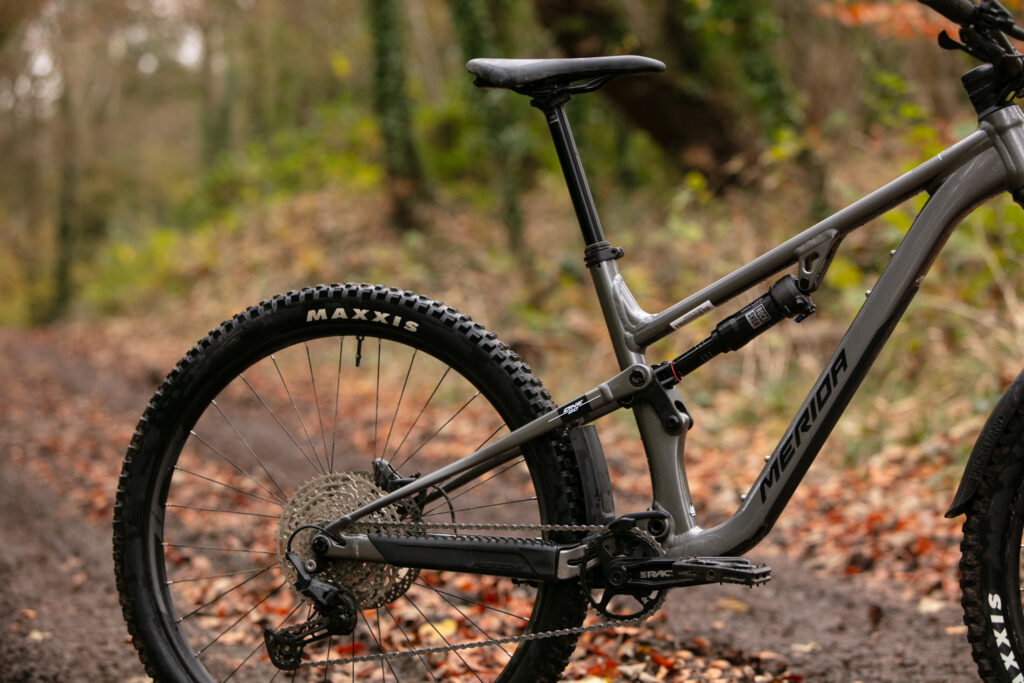
Effective seat tube angle is where it gets interesting, as it is the angle of an imaginary line that connects the bottom bracket to the saddle. You’ll see an effective seat tube angle on the geo charts of most full-suspension mountain bikes because their seat tubes are typically offset.
Many full-suspension mountain bikes rely on offset seat tubes
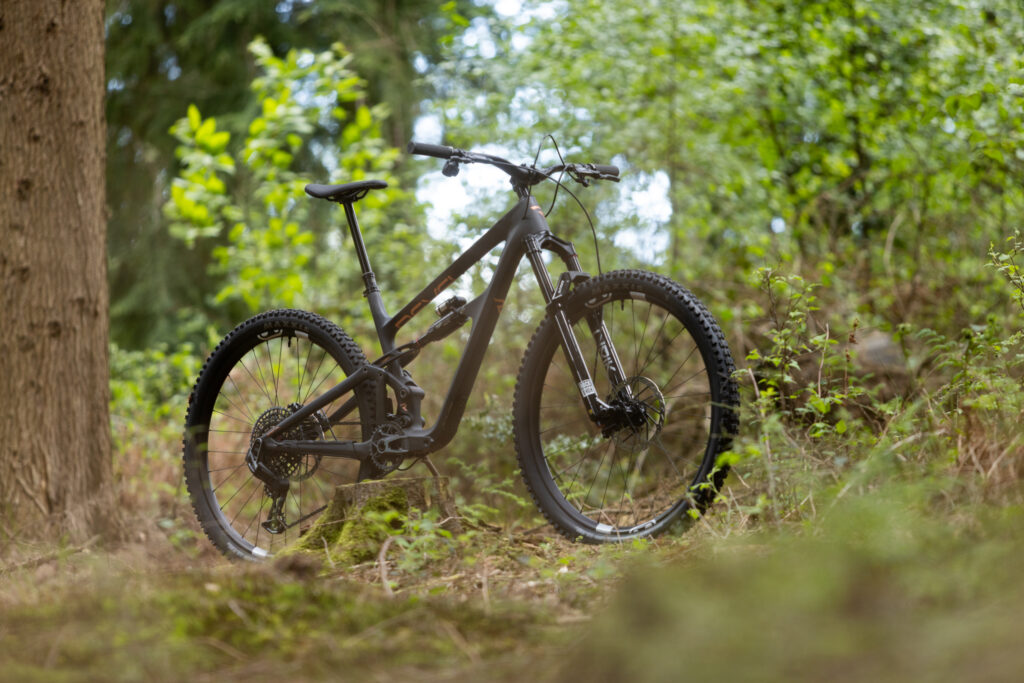
There’s one reason why kinked or offset seat tubes exist – packaging. Building a bike with rear suspension adds a whole host of complexity to bike design. First off, there needs to be space for the rear wheel to move throughout its travel without fouling the seat tube itself.
Designers then need to take into account chainstay length and suspension travel. The shorter the chainstay and the longer the travel, the more clearance the rear wheel needs, so often, the seat tube is offset from the bottom bracket with a kink. That said, hardtails with mega-short chainstays also have bends built into the seat tubes.
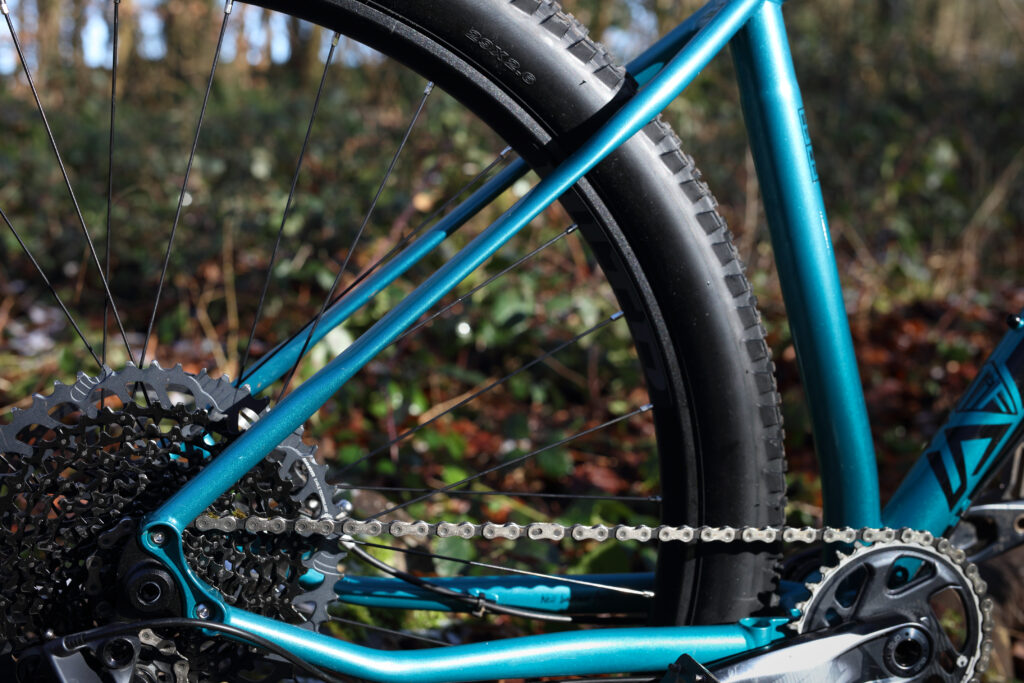
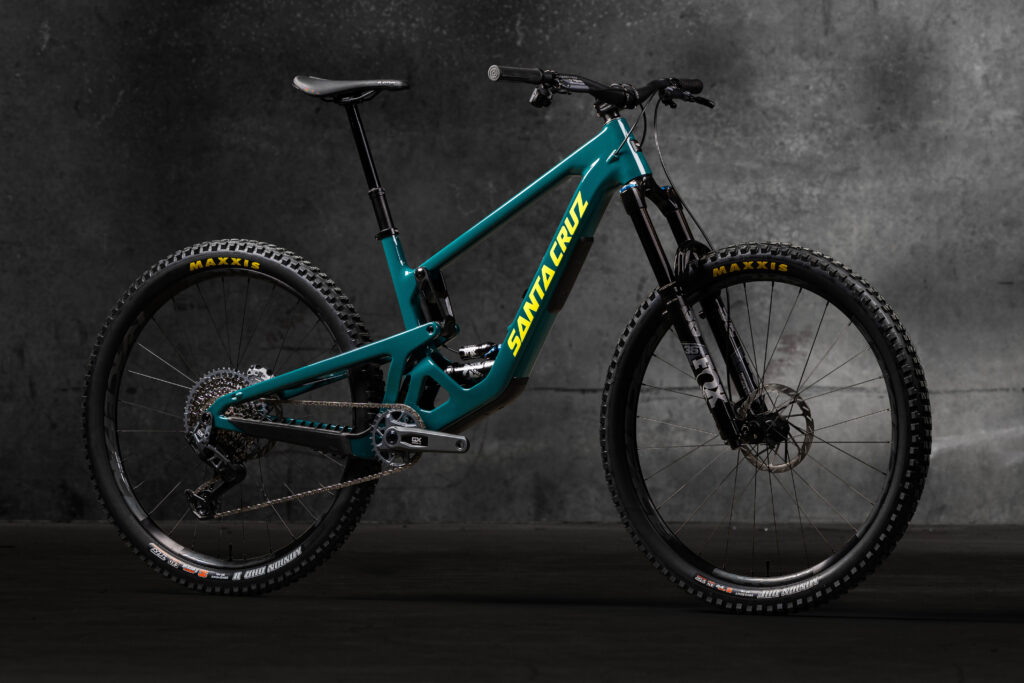
Then there are brands such as Santa Cruz that use modern versions of the VPP suspension platform where the shock technically runs through the seat tube. That’s another aspect of packaging design that brands need to consider.
However, as chainstay lengths are getting longer (according to current trends), they naturally provide more space for the rear wheel to move, allowing for straighter seat tubes in general, thus a closer relationship between actual and effective seat tube angle. Take Privateer’s bikes, for example, with a chainstay length of up to 452mm, a 76.5-degree actual measurement and a 78.5 effective value.
The problem with effective seat tube angle
While the effective seat tube angle can give us a fair idea of where it might place rider weight, in reality, it’s a variable measurement that changes depending on how the bike is set up. And that’s where the relationship between actual and effective begins.
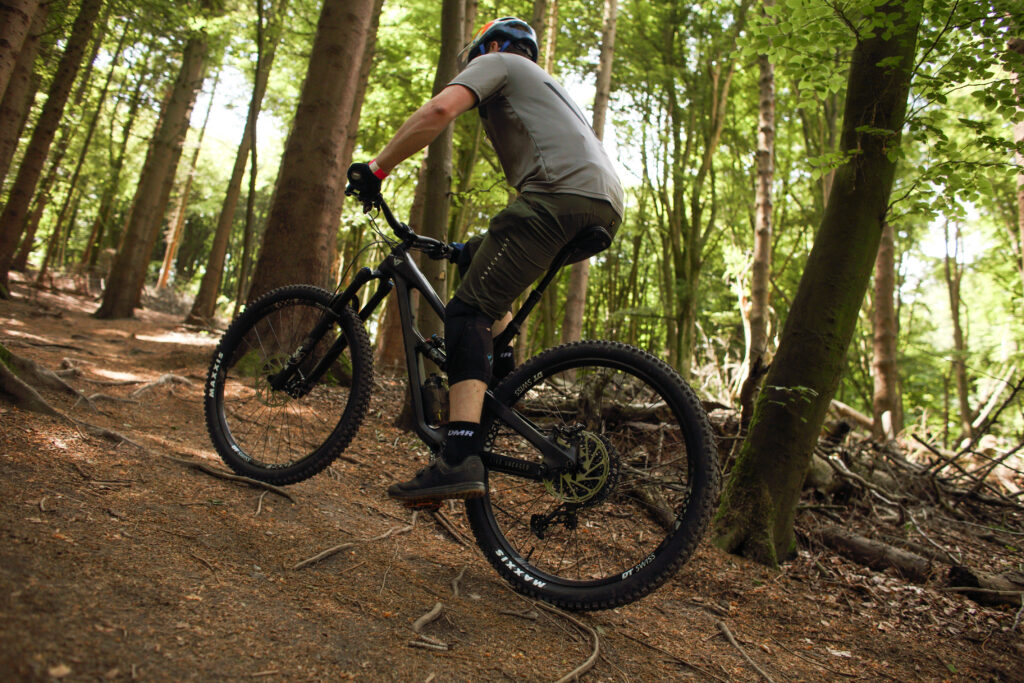
But first, the effective seat tube angle is again, the angle of the imaginary line between the bottom bracket and the saddle. Most brands take that measurement with the saddle at the same height as the head tube. That is a positive as it standardises the measurement and makes comparing bikes easier, although some brands do it differently.
However, very few people will ride their bikes with their saddle at that height, and therein lies the problem. The bike’s actual seat tube angle, on most full-suss MTBs will be slacker than the effective seat tube. The problem arises when the saddle is raised or lowered and the effective seat tube angle changes. If the saddle is raised, it gets slacker and, when lowered, it gets steeper.

On most bikes, for most riders, it’s not a game-ending scenario but, if you’re particularly tall, the stated effective seat tube angle is rendered almost meaningless as even a rather steep effective seat tube angle ends up being slack. This places weight further over the rear wheel in a way that might be unexpected if the brand has either not published the actual seat tube angle or if it’s not been taken into account before purchase.
But there are ways of negating a steep actual seat tube
Fore and aft adjustment in the saddle rails can compensate for an unexpectedly slack actual seat tube angle. If you’re a taller rider and find yourself too far over the rear, push it forward on the rails. Although a limited solution, some saddles provide more adjustment than others, so it may be a case of shopping around for the right one for you.
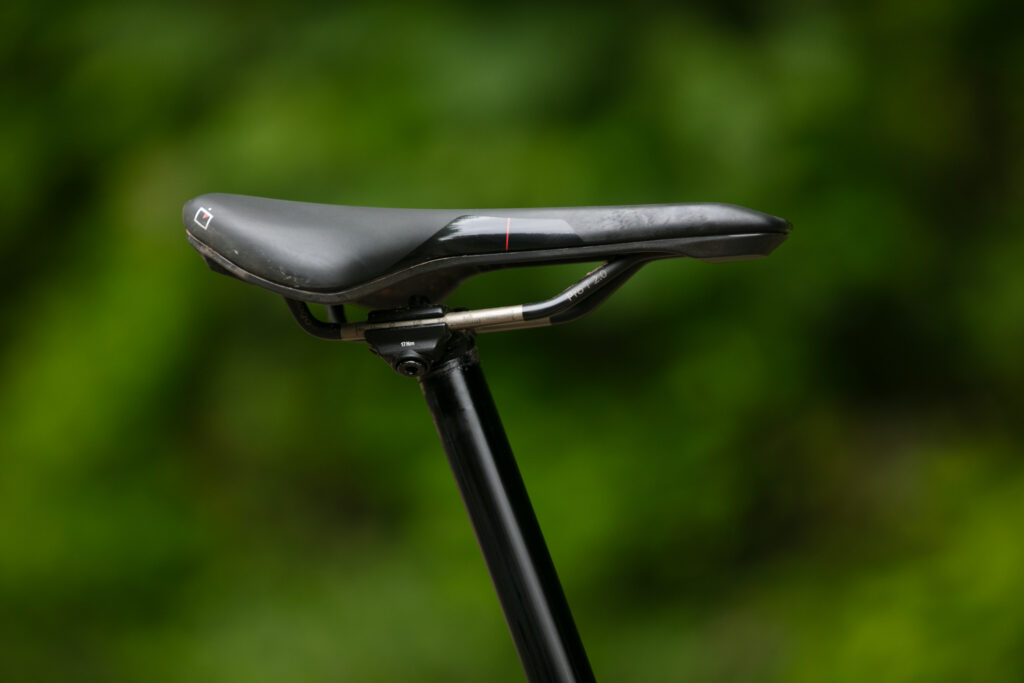
There are other products such as Fair Cycles’ Drop Best. Odd both in name and aesthetic, this little device adds a positive or negative offset to a seatpost.
How to read these measurements properly
Accounting for the actual and effective seat tube angles before buying a bike is no easy feat, but height or leg length are key considerations that’ll give you some idea of what to expect. Knowing your height and leg length will help you predict the way the bike will ride.
If you have longer legs, you’ll likely be raising the saddle well beyond the point that the seat tube angles are measured. If you’re at the taller end of a bike size scale, expect your effective seat tube angle to be either more in the middle of the actual and effective measurements or closer to the actual seat tube angle.
If you have shorter legs, the effective seat tube angle will be more accurate to your preferred saddle height.
As with all facets of mountain bike geometry, it’s a minefield as several factors contribute to how a bike might climb. So if you’re really confused, check out our bike geometry Bible or test a bunch of bikes and see which brand works best with your proportions.