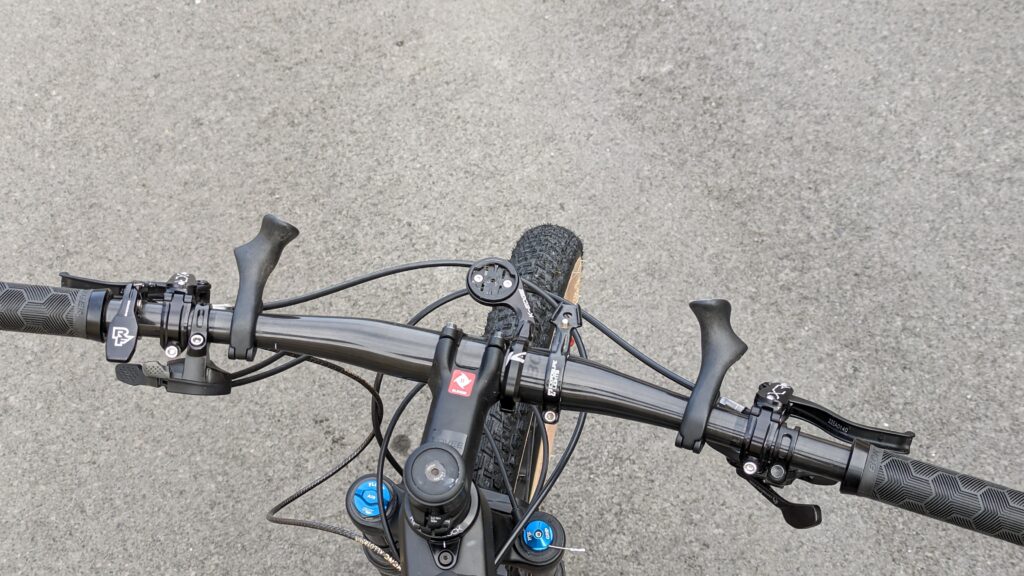

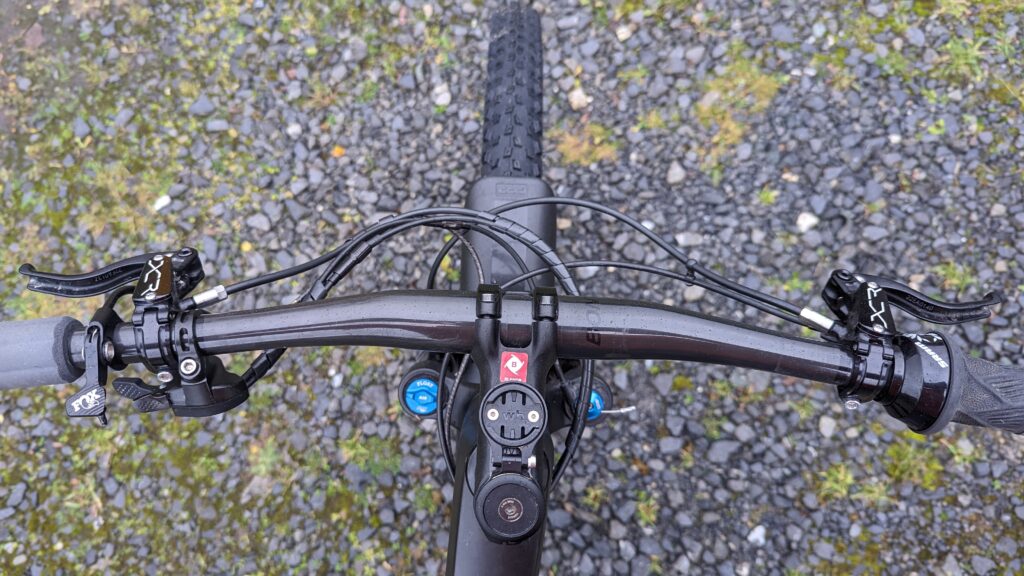
As we use more devices and technology, the space on the handlebar is becoming increasingly congested, with many devices and mounts fighting for a spot. With so many cables and mounts, the front end may become a tangled nightmare. If you want to make it a more ordered space, here are some suggestions, ranging from the free and simple to the more expensive.
- Are wider MTB handlebars better?
- 11 things to put in the ends of your handlebar
- Best MTB handlebars – tried and tested trail bars
MTB cockpit setup – remove what isn’t needed
Probably the most simple and most obvious – if you have different handlebar mounts that you don’t use very often or only seasonally, remove them when you know they won’t be needed. Light mounts might not be necessary through summer or perhaps ditch the bell if you won’t be riding somewhere it’s likely to be used. Do you need that dropper post or lockout? Removing a component with a handlebar-mounted cable is a really easy way to make things a little neater.
MTB cockpit setup – trim the cables
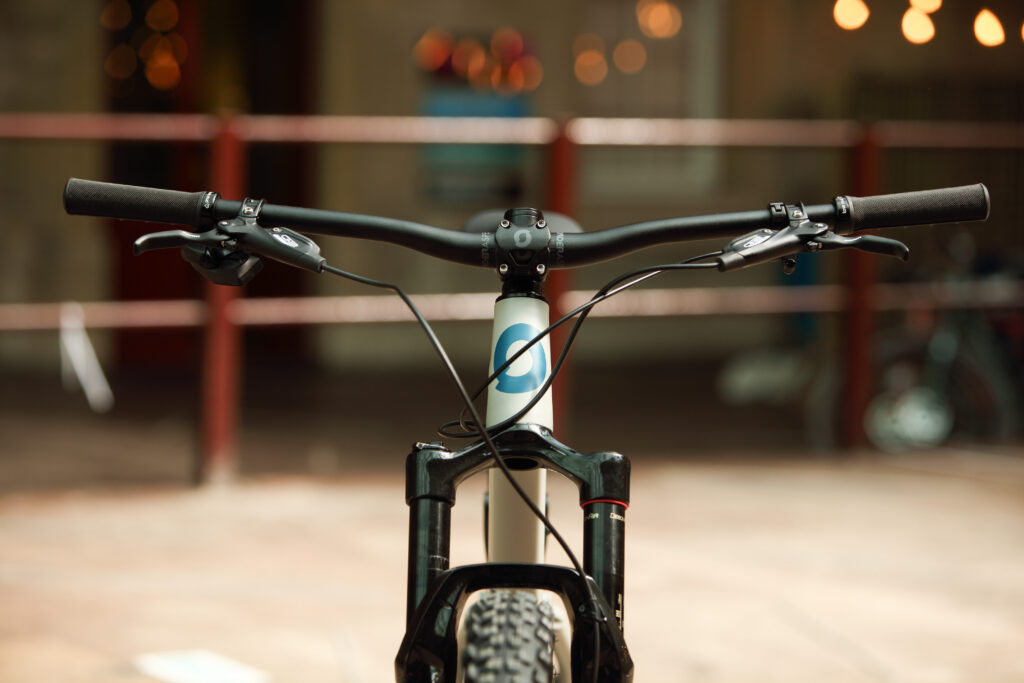
Most bikes are supplied with cables that are substantially longer than necessary to accommodate a wide range of rider sizes. If you have a lot of extra cabling, trimming these is a quick method to clean things up. If you know your way around a bike, it may be worth doing it yourself with just the expense of new hydraulic olives and barbs coming into play. Just make sure that the remaining cable allows for enough rotation of your bars.
MTB cockpit setup -tie things together
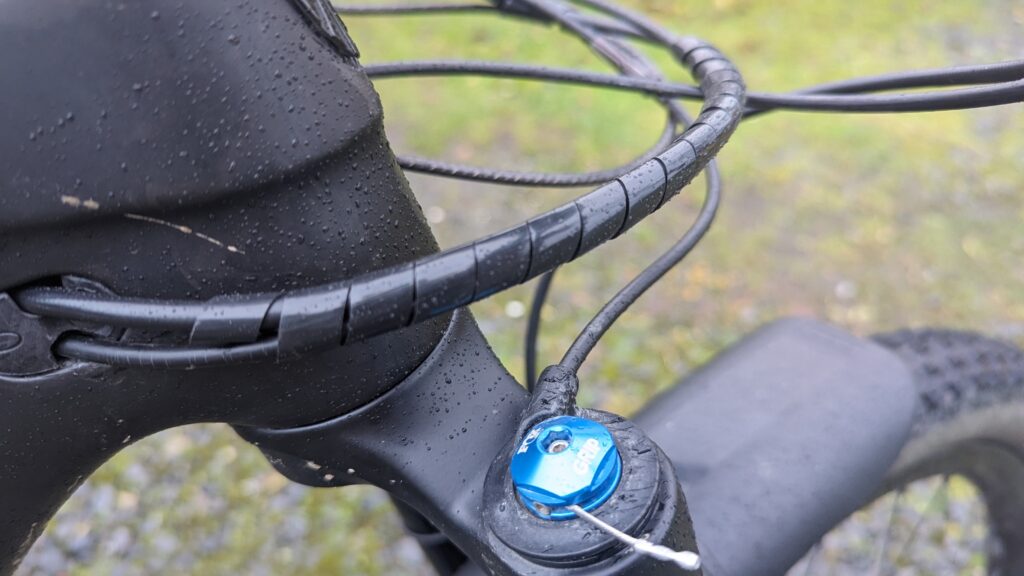
To make things look neater, multiple cables can be linked and fastened together in a variety of ways. If you’re building a bike from scratch, you could use heat shrink tubing to bind them together, which gives you the option of adding colour. Another way is cable tidy coil wrap. It’s inexpensive and simple with the flexibility to easily change how it’s set up. There are a number of methods of tying cables together with cable ties being the most obvious. Brands such as Jagwire offer rotating cable clips.
MTB cockpit setup – dual computer mounts
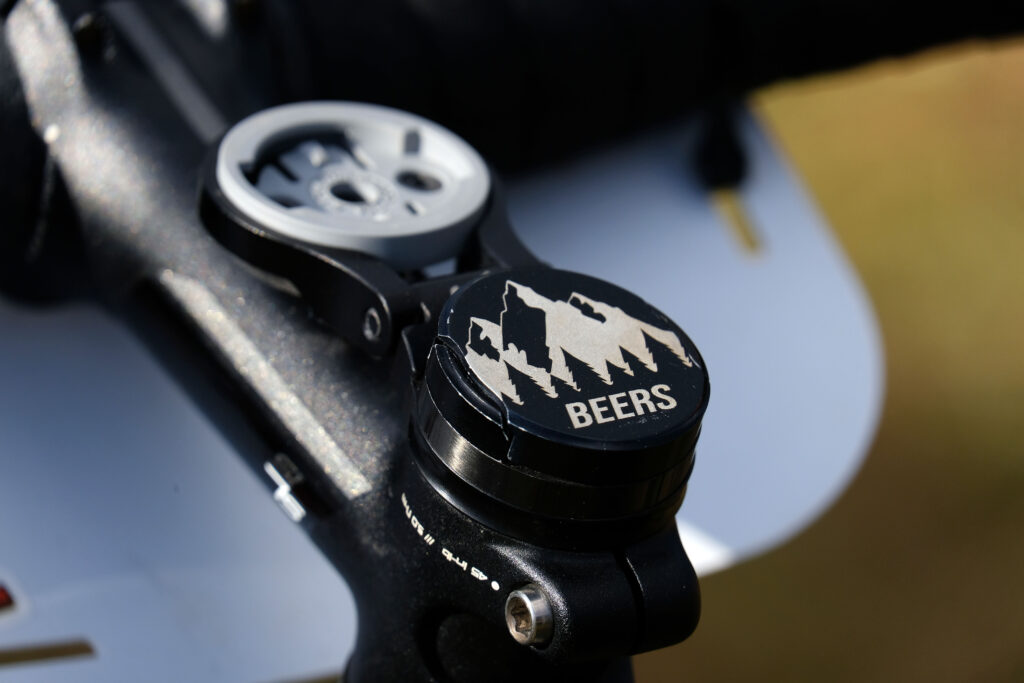
Several mounts can be combined or modified to make a sleeker front end. Headset spacers with a computer mount or out-front mounts with a GoPro-style mount underneath. Many lights and cameras use a GoPro-style mount and it could mean one bracket less on the bar.
MTB cockpit setup – multi-use mounts
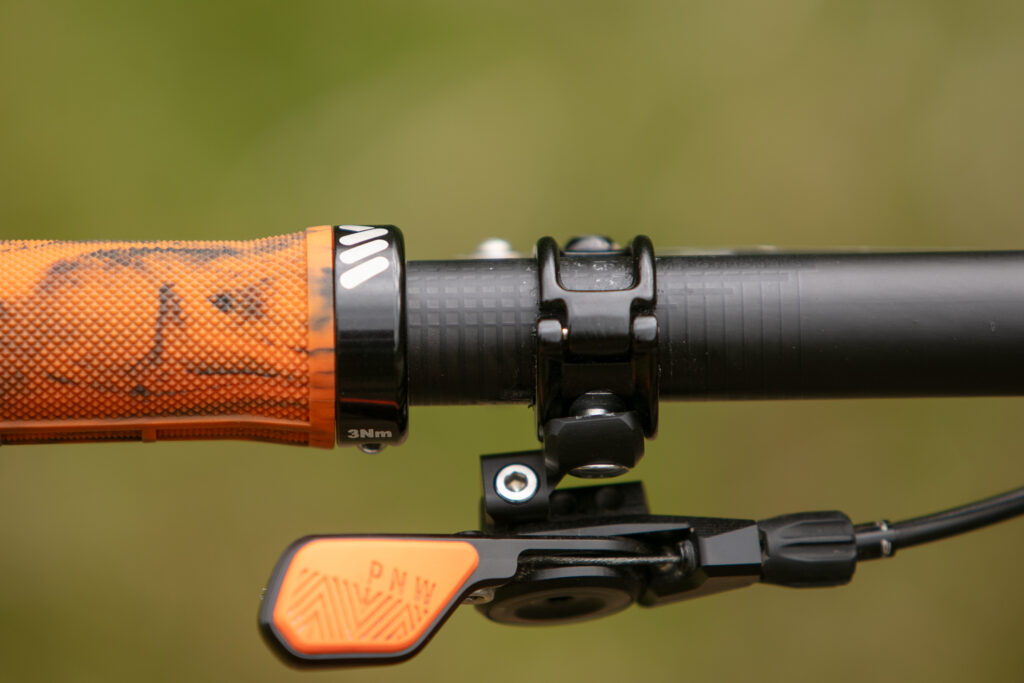
Riders can use mounts that allow them to attach a brake and a shifter to a single clamp. SRAM has the Matchmaker, while Shimano has numerous revisions of I-Spec (A, B, II, and EV) to further confuse things. If you have one brand for shifting and another for braking, there are various options such as Wolf Tooth ShiftMount that can tidy things up.
This does come at the expense of all-out adjustability but it will reduce the number of band clamps wrapping your bar and leave it looking rather tidy.
MTB cockpit setup – sleek as standard
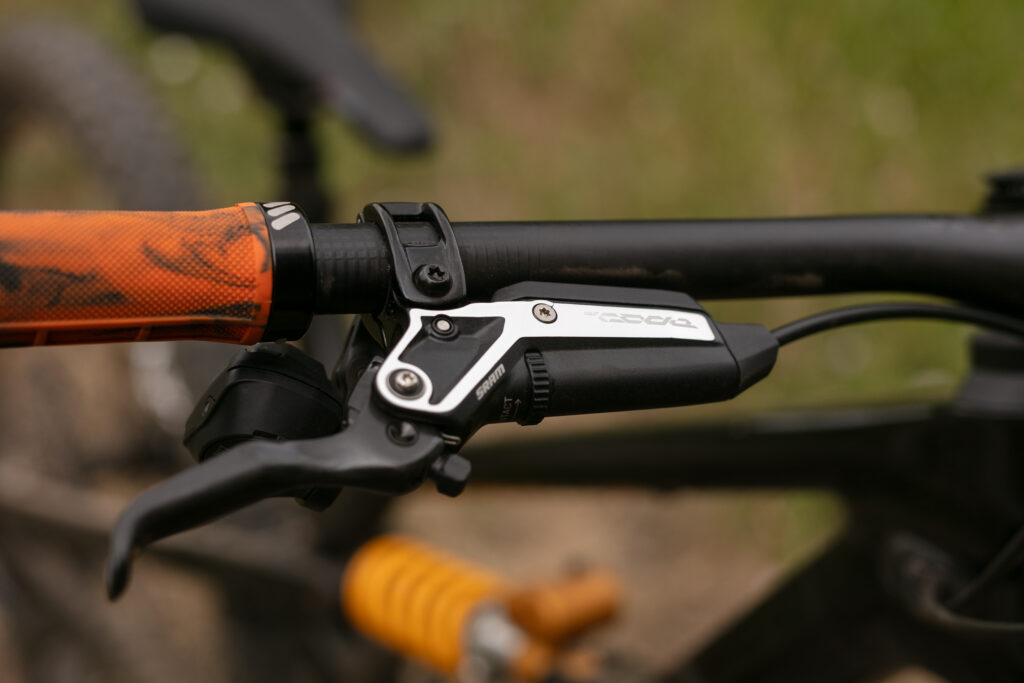
SRAM debuted the Stealth brake models including the Code Ultimate, which we recently tested. The hoses on the Stealth versions have a modified routing setup that keeps them closer to the handlebar. This looks great as standard but these are designed to work even better with headset-integrated internal cable routing, which leaves your cockpit and bike as a whole much neater, and they’re also primed for when handlebar routing becomes more popular.
While they have no impact on performance, the routing can help with aesthetics, especially when combined with some of the other points listed.
MTB cockpit setup – go automatic
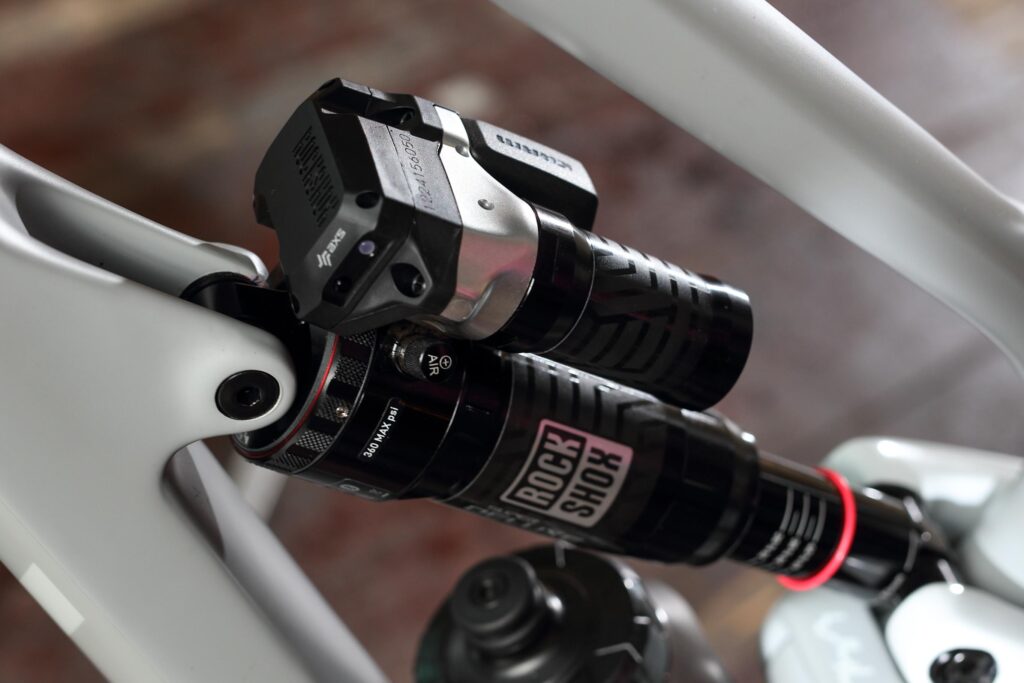
The Brain automatic lockout from Specialised, the Flight Attendant from SRAM and the somewhat older, and no-longer-used Terralogic fork lockout from Fox were all designed to automate the lockout process. It could remove the need for a bar-mounted lockout by simply removing one or two cords.
Not only does choosing tech like this make for a tidier cockpit but it also frees your mind of suspension lockout concerns, as it simply does the job for you as and when it feels the need. It’s clever stuff.
MTB cockpit setup -switch to wireless
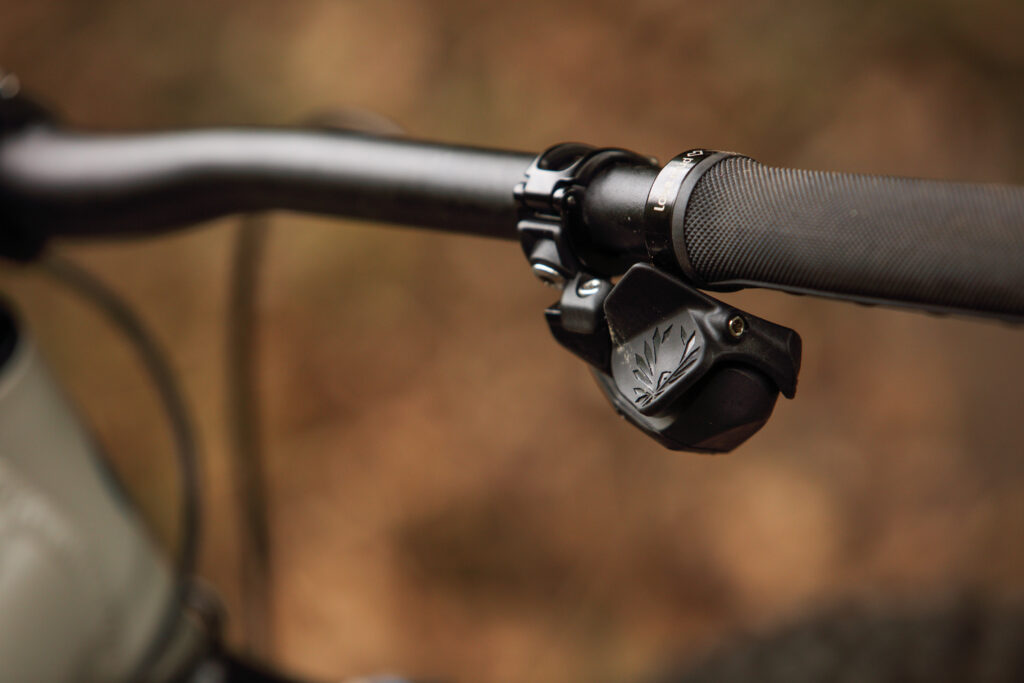
Going wireless with SRAM AXS is an effective way to make the front look cleaner simply because there are no cables. With Shimano recently transitioning to a semi-wireless Di2 configuration on the road, would we see something similar on a future Shimano mountain bike groupset?
Wireless shifting and dropper posts come with more benefits than just a tidy cockpit. Because there are no cables, they reduce the maintenance requirement that all cables come with. No longer will you be changing cables when they wear out, nor will you be tweaking barrel adjusters to get your shifting working as slick as possible? You will have to charge batteries, however.
MTB cockpit setup – internal cable routing
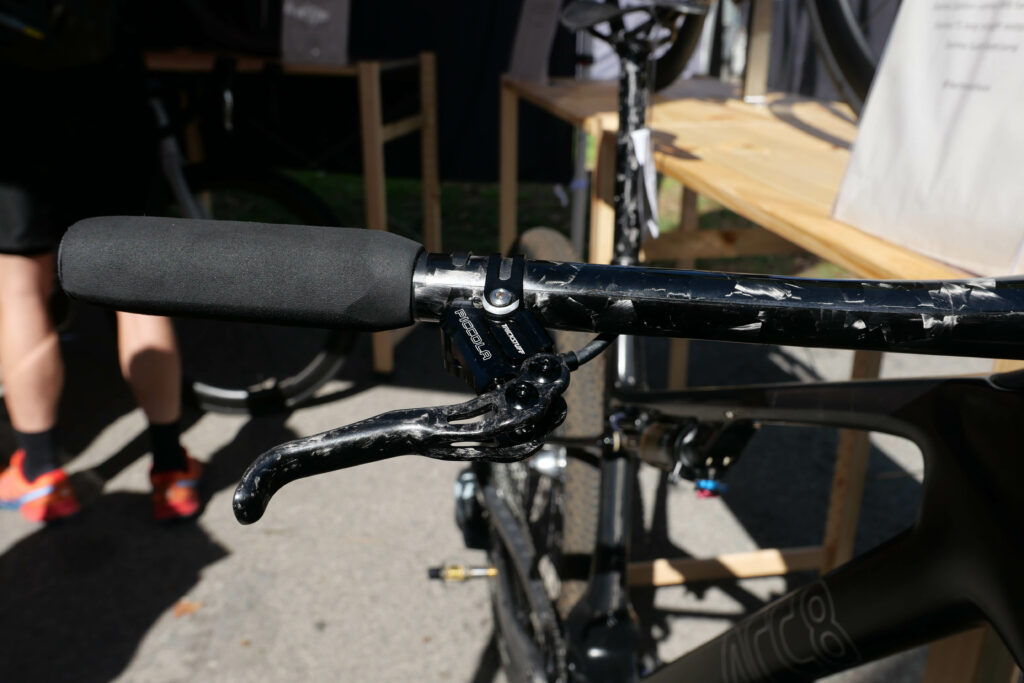
Internally routed cabling is widespread on the road and drop-bar bikes but it is only now becoming accepted on flat-bar bikes. Magura has developed the MCi (Magura Cockpit Integration) concept, which houses the master cylinder within the handlebar. We saw a Darimo/Trickstuff combo with internal routing at Sea Otter and Ursus makes the HX.01 handlebar with internal routing.
Will any of the major brands follow suit? SRAM has a patent pending that appears to suggest a possible shift in this direction. We are not sure how it will solve the key problem of cable junction entry as this will be dependent on personal setup preferences.
But the real question is, is so much internal cable routing a good thing? Let us know in the comments below.