If you’ve enjoyed this article, then please consider subscribing to road.cc from as little as £2.49. Our mission is to bring you all the news that’s relevant to you as a cyclist, independent reviews, impartial buying advice and more. Your subscription will help us to do more.
Dave is a founding father of road.cc, having previously worked on Cycling Plus and What Mountain Bike magazines back in the day. He also writes about e-bikes for our sister publication ebiketips. He’s won three mountain bike bog snorkelling World Championships, and likes to ride increasingly long audaxes decreasingly fast as time goes by.
@RayG What a peculiar worldview you have where nothing can be exploitative unless it involves an essential of life. Exploitative means unfairly or cynically to extort excessive profit from others by charging more than a product or service is worth, nothing in the definition mandates that it can only apply to certain types of product or services. Example: if I go to a concert and find that a glass of wine at the interval costs four times what it costs in the pub next door, then the concert hall is exploiting the fact that it has a captive audience and therefore being exploitative; the fact that I could, if I wished, go without doesn't make it any less so.
Unfortunately Society is not going to be able to change anything, these idiots that are amongst us are too numerous. Stupidity will win no matter what, in all aspects of Society. These idiots park where they like, chuck their rubbish out of the car, go on package holidays then complain about the accommodation and food, gamble the family money, vote for Brexit, then, when they realise their Stupidity they go down the pub, get drunk and then maim or kill someone and leave them on the side of the road and go home without a care in the world.
Seems to me to have been pretty conspicuous, what with it being all over the local news and everything. Was someone making a rather fat-fingered attempt at 'inauspicious'?
I just despair. This sort of article makes you think that cycling on the roads, is a bit like cycling in snipers' alley.
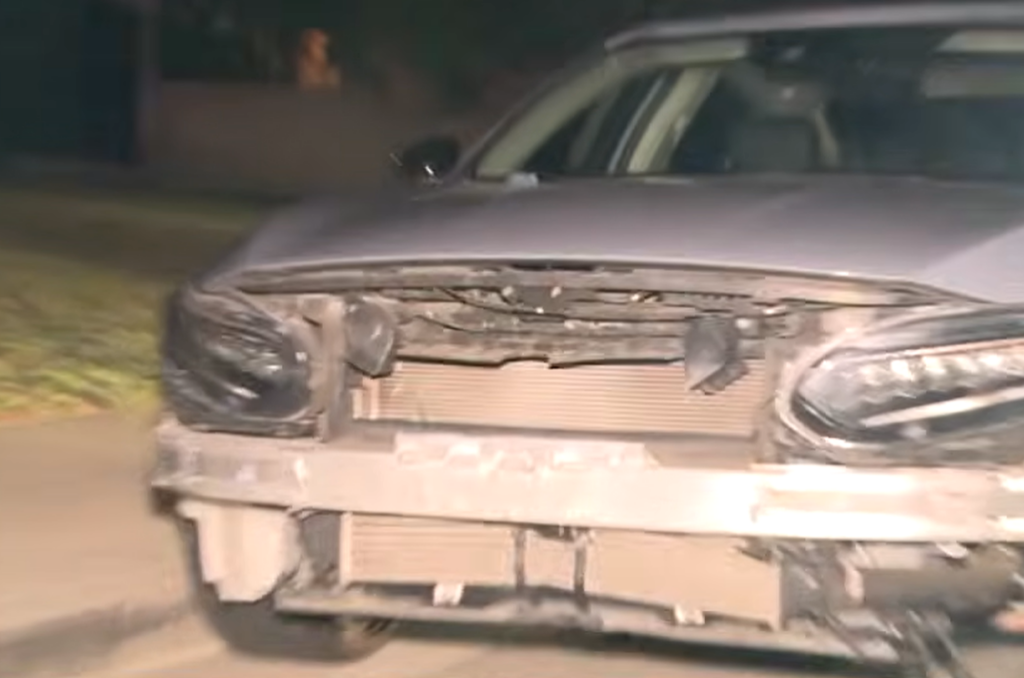
From the state of the car, it must have been quite an impact. Maybe the arsehole driver had just been marking the run up to Halloween by watching the 1983 movie Christine, while necking a large bottle of Bourbon, before going for a drive.
Bloody cyclists.
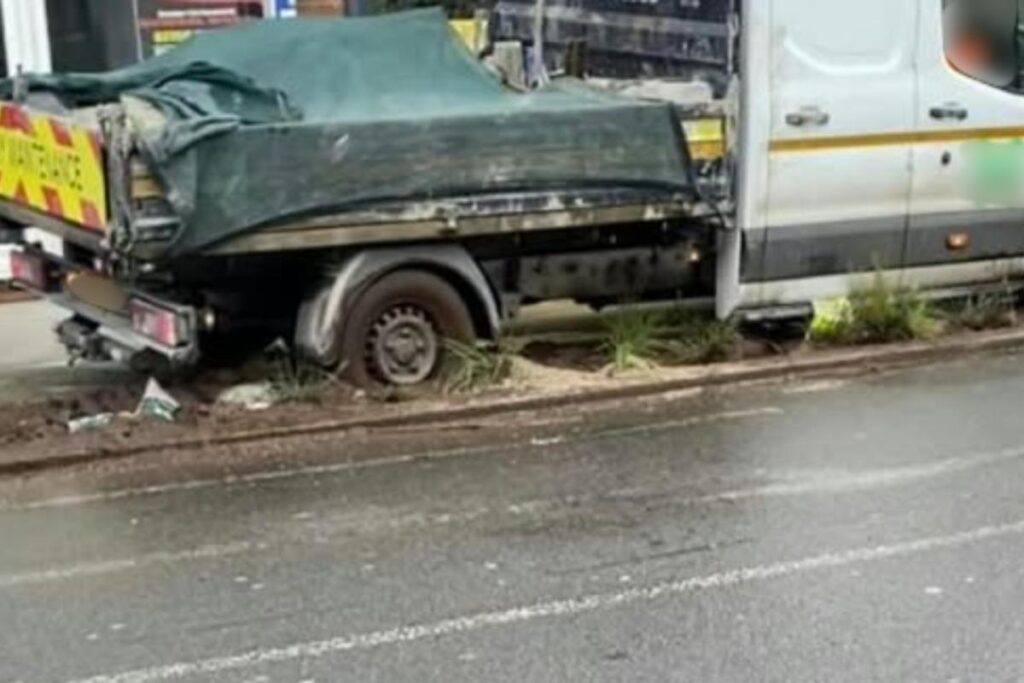
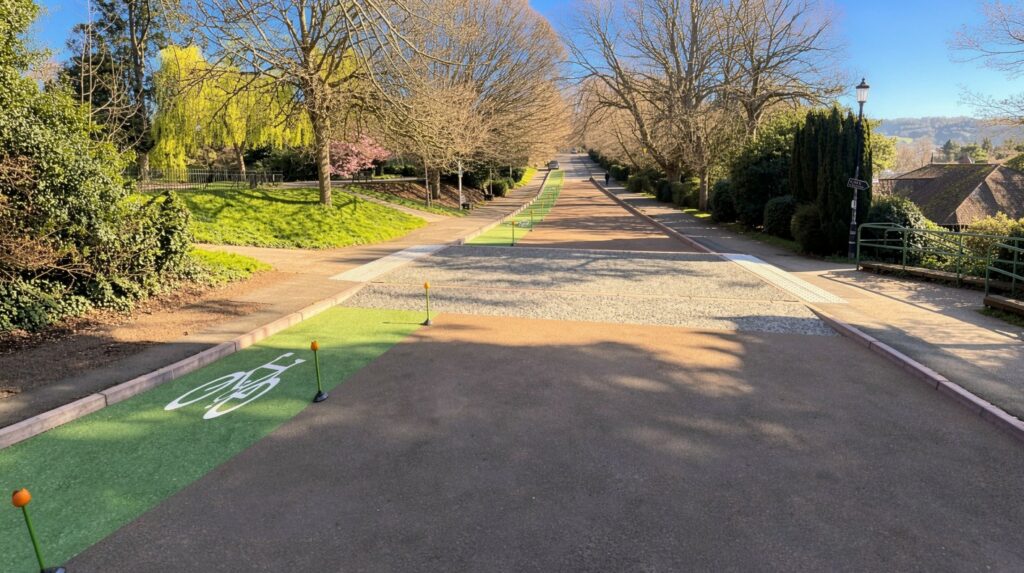
The council pander to the lycra clad louts, giving them top class facilities and it all ends by hindering some poor lorry driver and prevents him from contributing to the economy.
That'll be totally funded from the public purse (who else do you think is paying?) and including a probable £10M+ fee to ASO (unconfirmed but in line with what they have charged other host cities in recent years). But hey, why not let them make another half a million or whatever at fans' (who have already paid into the event through their taxes) expense when they're already pocketing an enormous profit?