
Wet, cold, and filthy rides in the winter aren’t everyone’s idea of a great time, but such rides can be more tolerable with the right kit. However, kit costs money, and often a lot of it. But here are some cheap winter hacks that’ll keep you comfortable and your bike in good shape, some of which are even free.
Keep your bike clean
Alright, so keeping your bike clean isn’t exactly a hack, but the benefits of a clean bike are increased when it does nothing but attract more filth. Cleaning your bike doesn’t just leave you with a sparkly frame, but it makes for an excellent time to check everything over.
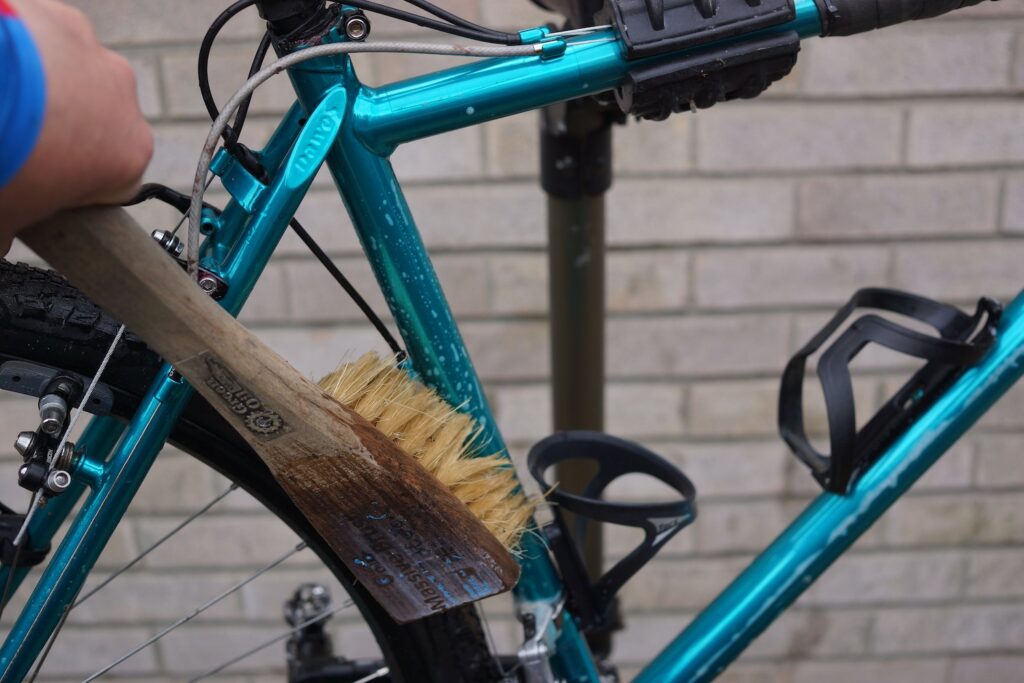
More importantly, dried-on mud can lead to nasty things like rusty chains, excess corrosion, and more wear. Plus, cleaning crusty mud is even more difficult and can lead to scratches as you clear it away.
Cleaning your bike should also mean cleaning your drivetrain. Of course, this keeps said rust from forming, but it’ll improve your time on the bike by boosting efficiency, making those slow, claggy climbs a bit easier.
Silicone spray helps keep mud off your bike
Although there are fancy ceramic coatings that use proper science to keep mud from clinging onto your bike, silicone spray is the next best thing. Cans of this stuff can be picked up for less than a tenner, and if you hate cleaning your bike, or want to keep the weight of excess mud down, it’s a very solid way to go.
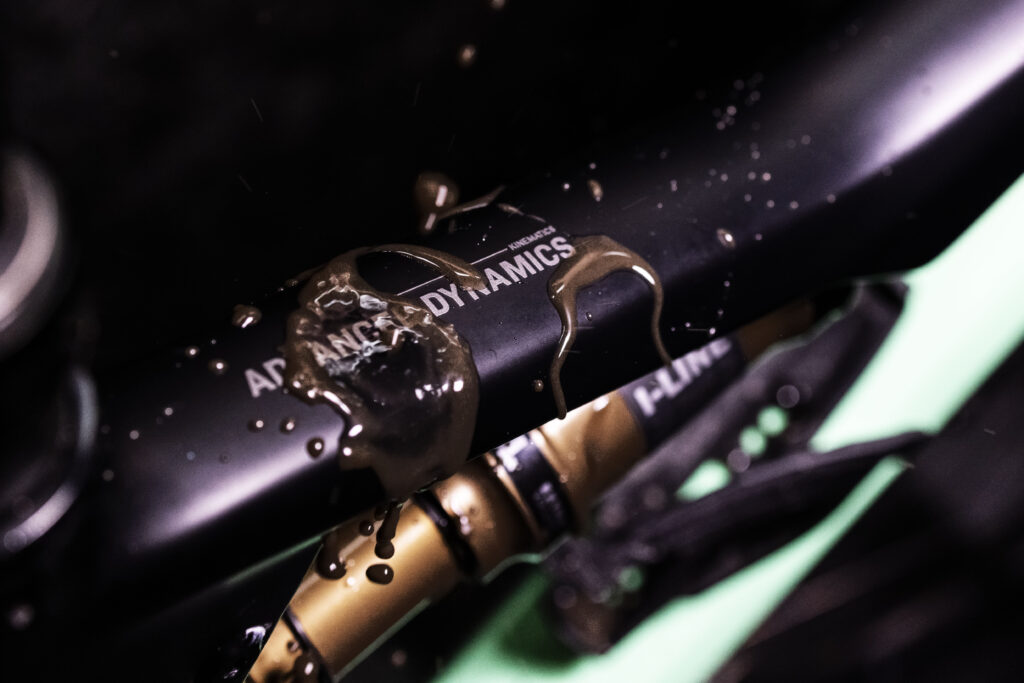
Just spray it onto a rag and give your clean bike a quick wipe down. Just don’t spray it directly onto your bike because it can ruin your brakes.
Although it won’t last as long as ceramic coatings and will need more regular applications, silicone spray is far cheaper.
Gaffer tape your clipless shoes
Clipless pedals and shoes are great if you like the extra touch of security and control they provide. They’re not without a few downsides when it comes to riding in the winter, and the one I’m going to talk about here is water resistance. Yes, you can pick up waterproof clipless shoes, but in order for a cleat to be bolted to the bottom, they need to have holes for the bolts to go through to thread into the mounting plate.
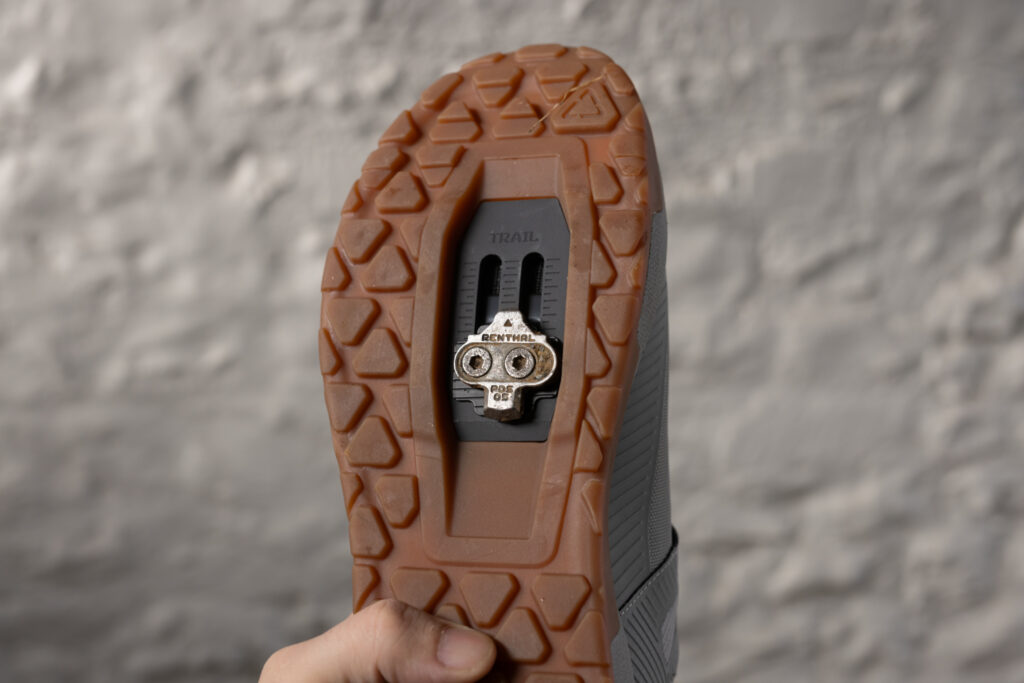
Now, a lot of clipless shoes have liners inside that cover the mounting plate, but they’re not always waterproof. That’s where a good ol’ strip of gaffer tape comes in handy. Simply remove your insole, find your mounting plate, and slap a sliver of tape over the top.
It’s not a perfect solution, but it will stop water and mud ingress in your cleat tracks, keeping your feet drier and warmer for longer.
Moto foam keeps crud from areas you don’t want it
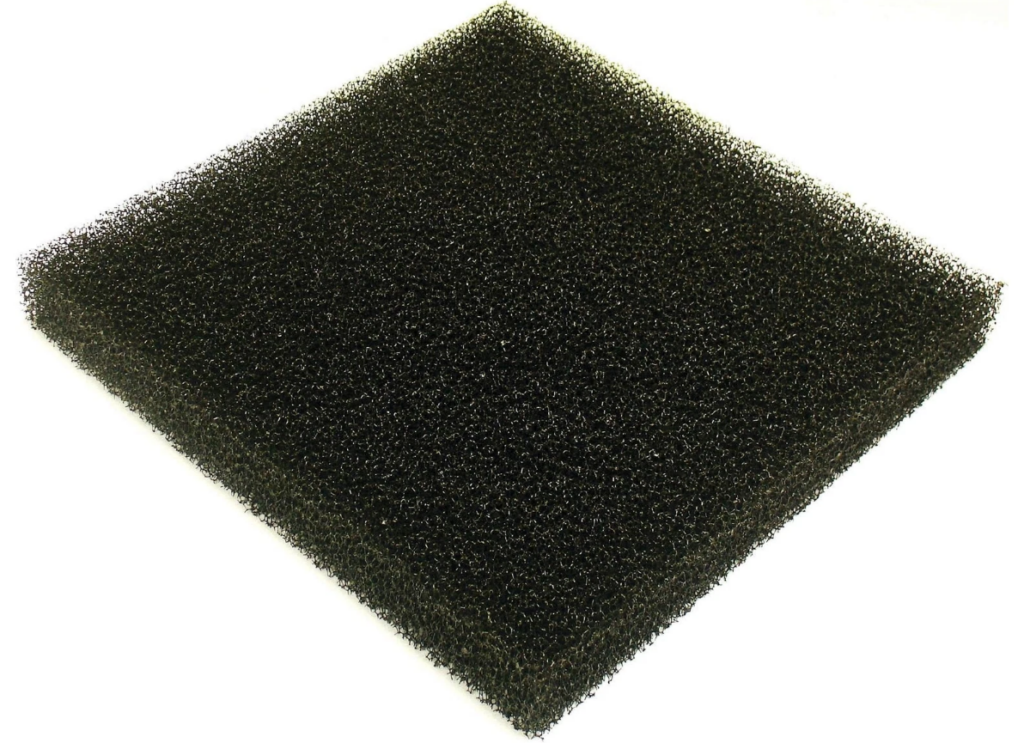
Moto foam is a lightweight open-cell foam that’s used to fill holes in motocross bikes to stop mud from gathering in areas moto riders don’t want it. That, of course, can be translated pretty well on mountain bikes.
With linkages creating holes and places for mud to sit, they can become pretty tough to clean. Those areas will then hold mud, and because it’s not easy to remove, it can dry and rub against your frame. If you fill these places with moto foam, your bike will be easier to clean, and it won’t gather mud as easily. Better still, a slab of moto foam can be picked up for less than £15.
Plastic bags and nitrile gloves can keep you warm (but not necessarily dry)
Although nothing brings winter comfort quite like a good set of waterproof shoes and some warm gloves, they can become a rather pricey investment.
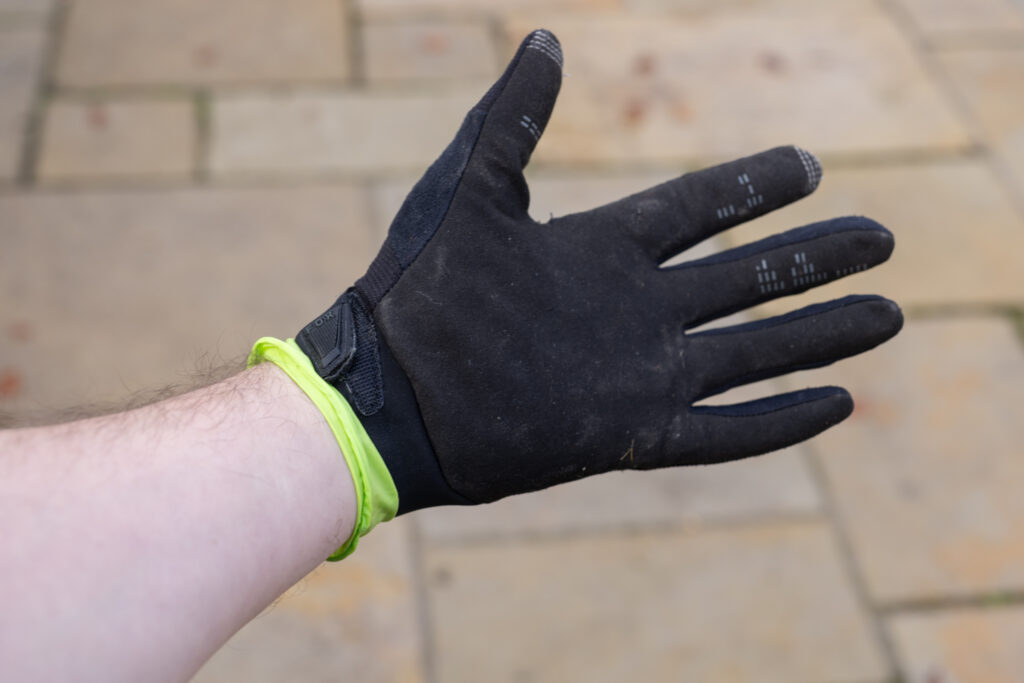
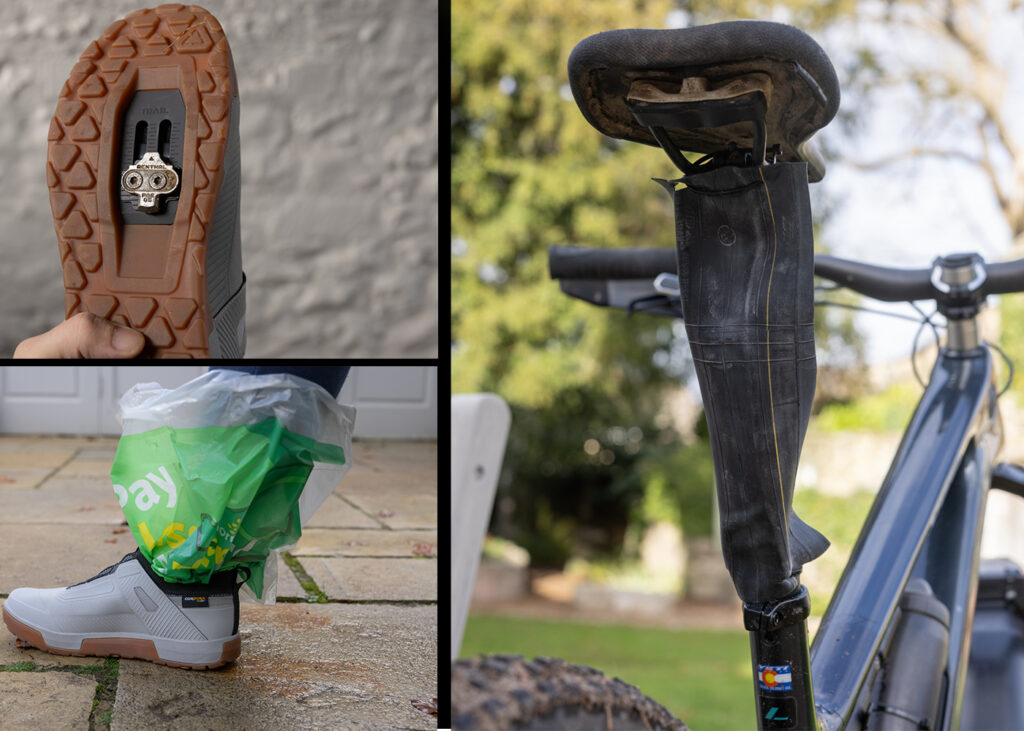
But if you’ve got a few plastic bags around, and nitrile or rubber gloves, they can bring warmth and waterproofing at a fraction of the cost. Simply slip on a couple of plastic bags before sliding on your shoes, and wear nitrile gloves under your usual riding gloves, and you’ll have a cost-effective way of keeping the water out while benefiting from some extra warmth.
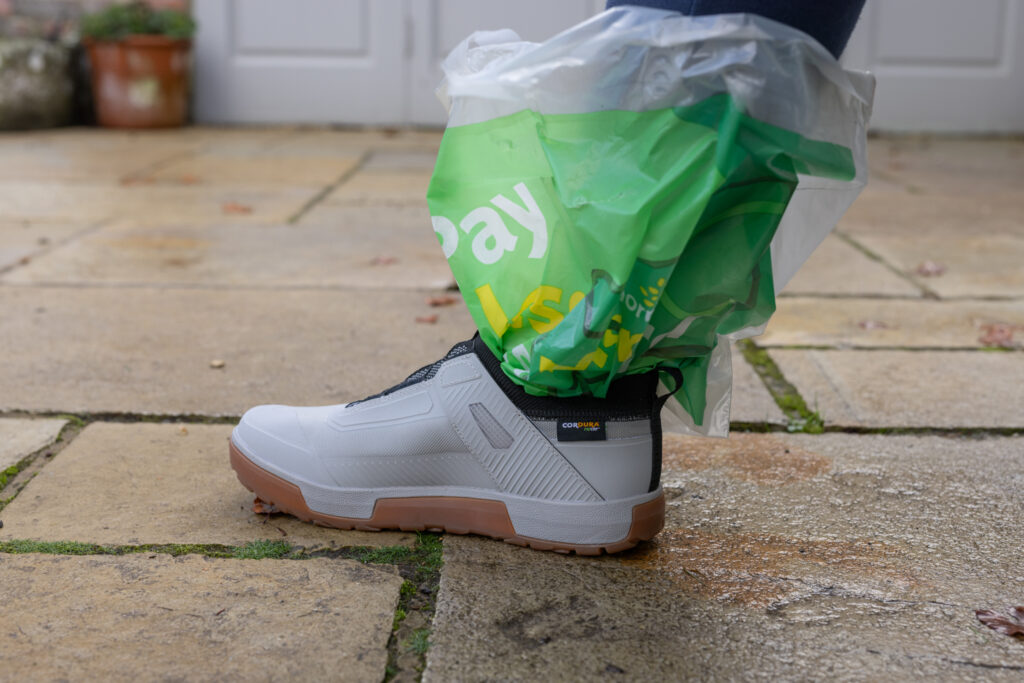
However, they’re far from perfect. Neither plastic bags nor nitrile gloves wick moisture. So while they’ll keep water from getting in, they’ll get sweaty pretty quickly… so they won’t keep you properly dry… just make sure to trim the bags down.
Short mudguards protect bearings
If you’re riding a full-suspension mountain bike, its rear suspension will rely on a bunch of bearings to work smoothly. However, water and muck can ingress, causing them to wear prematurely, and with both of those being prominent throughout the winter, it’s wise to keep them away, as a linkage bearing swap isn’t particularly cheap.
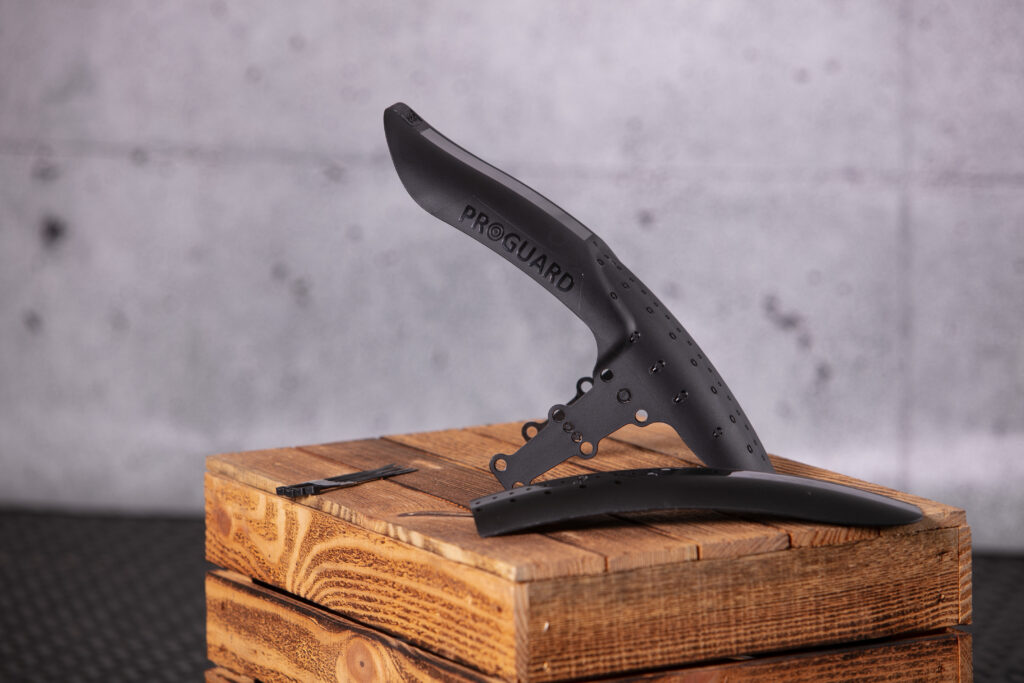
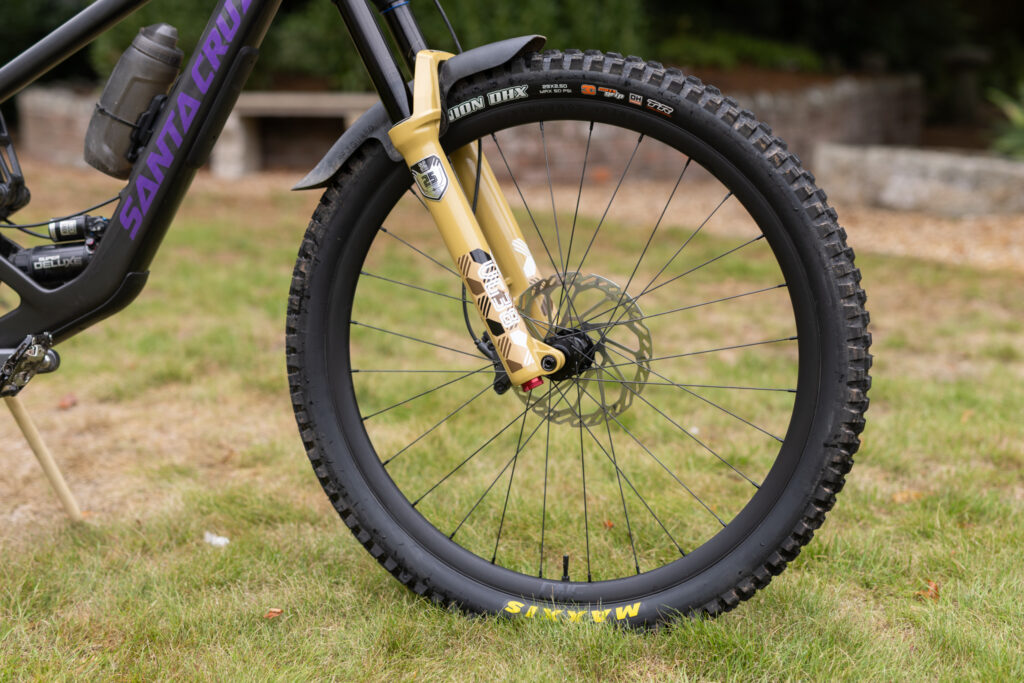
A few brands offer very short mudguards that are designed to block mud from being flung onto your linkage bearings and shock, and given the price of a bearing overhaul, it’s well worth considering. But if you don’t want to plum the cash for a purpose-built mudguard, you could always get handy with some scissors, an old milk bottle, or even repurpose those short mudguards that often come free with other bike components.
An old inner tube can keep mud away from your dropper post
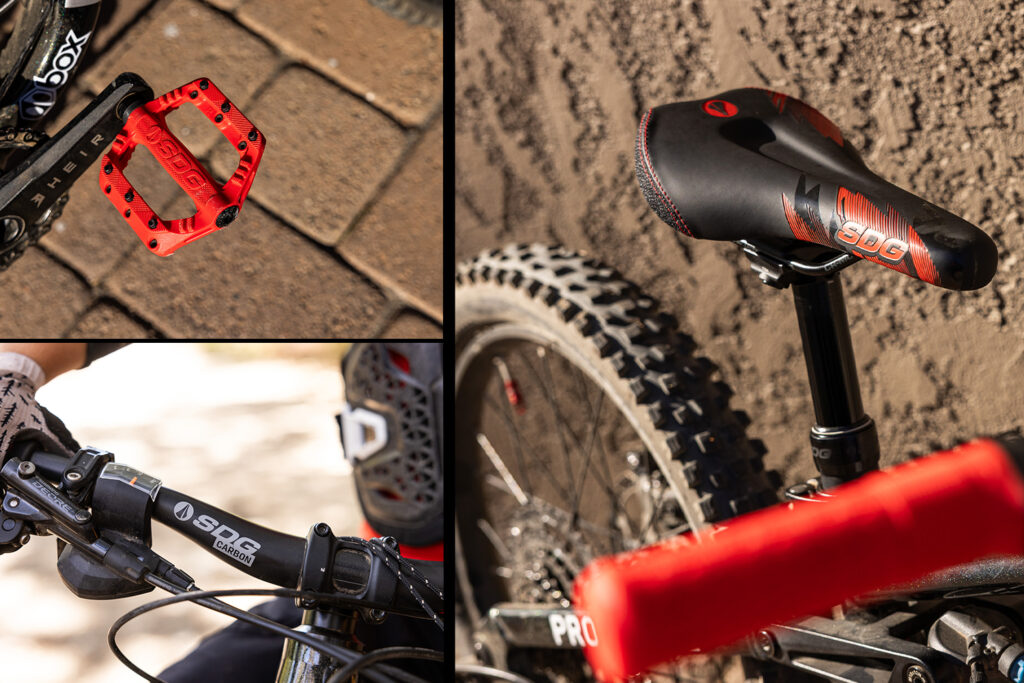
In the age of modern mountain biking, dropper posts have become an invaluable tool for heightening the whole mountain bike experience. Being able to slam your saddle out of the way for technical descents does loads of good for manoeuvrability over the bike, and being able to raise it to its proper position at the flick of a switch brings excellent pedalling efficiency.
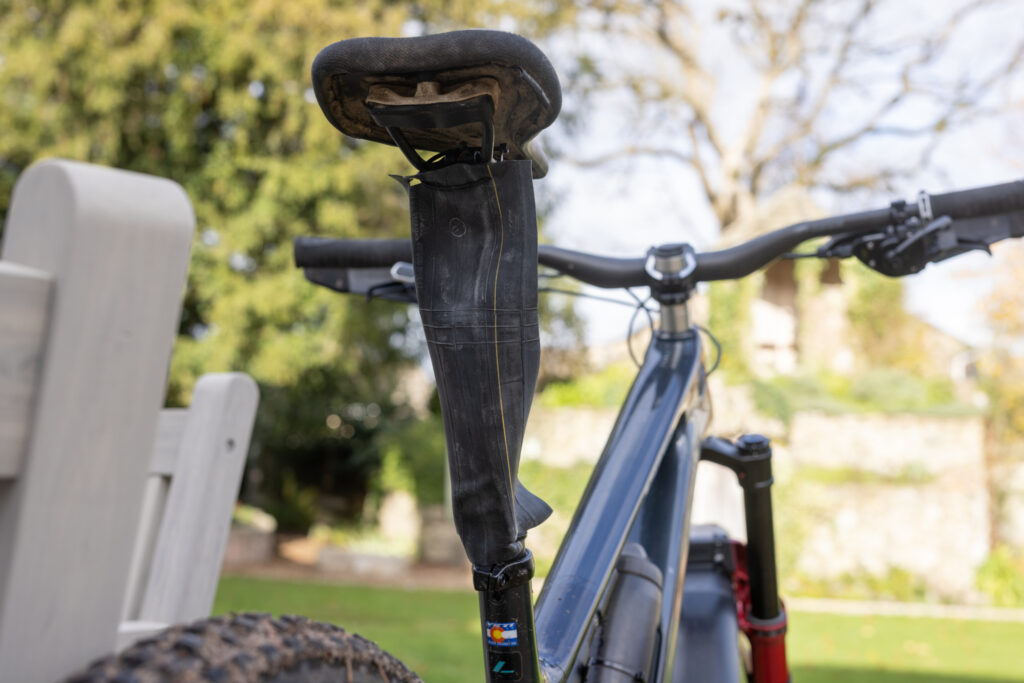
But they’re right in the firing line of mud that’s flung from your rear wheel. And although the wiper seals are used on dropper posts to keep mud out of their internals, it’s only a matter of time before it finds its way in.
There are two ways of avoiding this and extending the life of your dropper. You could pick a full-length rear mudguard, but it can limit space over the rear of the bike. Or, you could cut a bit of inner tube, thread your dropper post through the tube and cable-tie the tube to the saddle rails, and there you have it: a makeshift dropper post boot.
Just be careful, because mud may work its way into the tube and scratch your dropper post’s stanchion. It’s not a perfect solution, but one that’s worth exploring if you’re precious about your dropper.
Cheap impact-resistant glasses go a long way
The worst thing about riding in the wet is that somehow, a bit of mud or water always gets stuck in your eye, even when riding with the best mudguards in the world. Not only is it seriously uncomfortable, but it could be dangerous mid-descent.
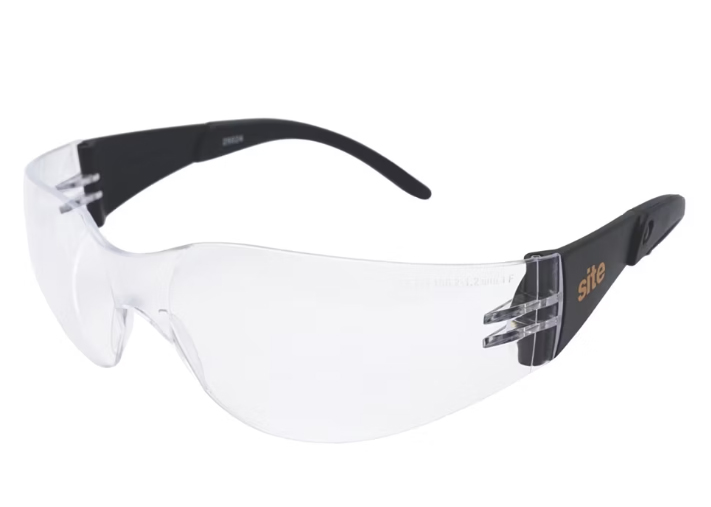
Thankfully, a huge range of riding glasses are available to fix this, but even the most affordable are rather expensive, especially when compared to the impact-resistant specs you can buy at Screwfix or B&Q for just a few quid.
They might not look as cool as proper riding shades, nor will they provide the coverage, fog or moisture resistance, but if you’re in a pinch, or just want something to provide a bit of extra protection through the winter months, bang for buck rarely gets better than this.
What are your top tips for winter riding on the cheap? Let us know in the comments!