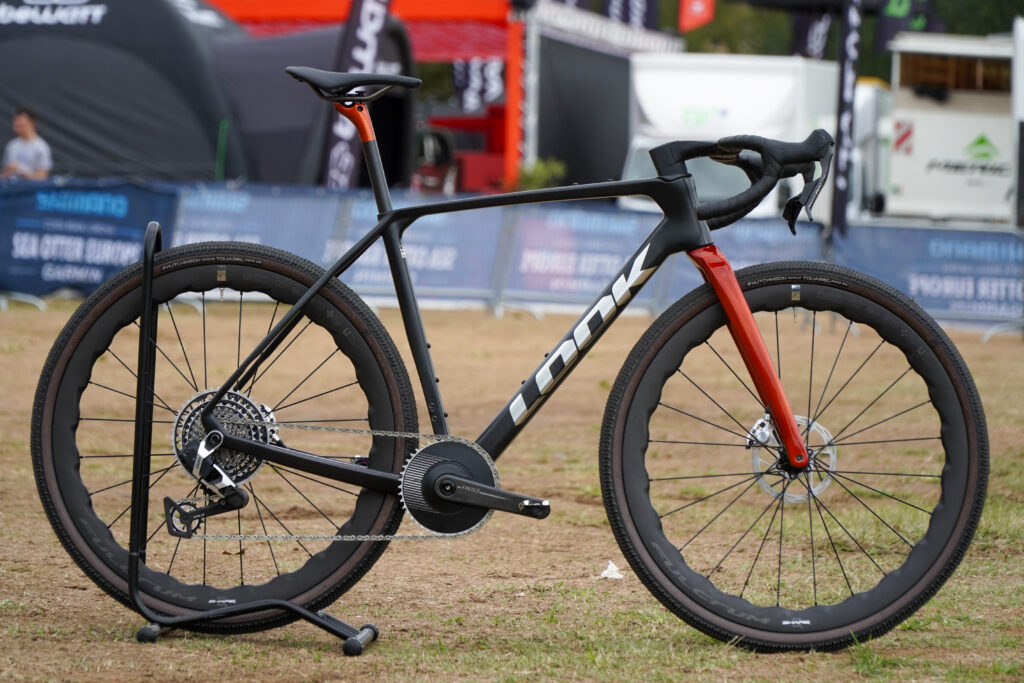
For this edition, the Week In E-bikes’ battery has been trickle charged with stories about Deliveroo’s sudden urge to clamp down on illegal e-bikes, Tenways’ launch of digital battery passports for its e-bikes, an AI-powered micromobility safety system, plus a crazy-looking seven-seater e-rickshaw/locomotive…
Deliveroo to ban illegal e-bike riders
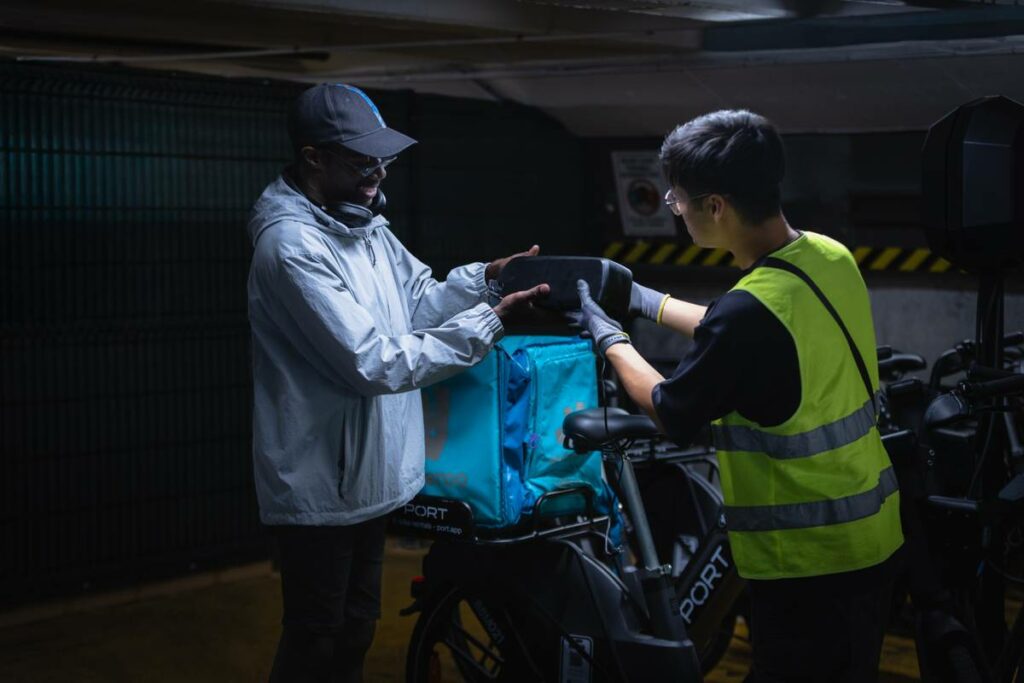
Deliveroo has announced a crackdown on modified and ‘dangerous’ e-bikes as part of its new Ride Safe campaign. The curry-carrying company is calling on the Government to prohibit the sale of unsafe e-bike conversion kits, while tracking its riders and banning them from the platform if they consistently register high speeds on e-bikes.
Dame Siobhan McDonagh, MP for Mitcham and Morden, has joined Deliveroo in its call for safer e-bikes. She said: “I have seen the devastating consequences of unsafe e-bike batteries and equipment firsthand in my own constituency, and it is not something I want any other family to go through. I am pleased to support the call for a ban on dangerous conversion kits, and I look forward to working with the Government, delivery companies and others across the sector to improve e-bike safety and protect riders and the public”.
In addition to campaigning against non-compliant e-bike conversion kits, Deliveroo will partner with e-bike companies including Port, Zoomo, Otto Scooters, and Eskuta to provide riders with a legal alternative. Riders will receive onboarding guidance, and the company will run rider engagement events with councils, police and fire services to highlight concerns from both sides.
“The safety of our riders and the public on the roads is a priority for us, and we take that responsibility incredibly seriously”, said Paul Bedford, Policy & Sustainability Director at Deliveroo. “That’s why we’re launching the Ride Safe campaign, in an effort to make our roads safer for everyone… We think our industry has a responsibility to lead on e-bike safety, and we want the law to catch up”.
It’s a sign that the illegal e-bike needle is moving. Deliveroo was founded in 2013 and has consistently made more than £2 billion in annual revenue over the past few years — but both the riders’ and the company’s profits are tied to being able to make deliveries as quickly as possible. While clampdown is likely to be appreciated by police and the public (but maybe not Pete with his slightly colder pizza), there’s no indication that Deliveroo’s competitors Just Eat and Uber Eats will follow suit.
QR code, please: Tenways launches e-bike digital battery passports
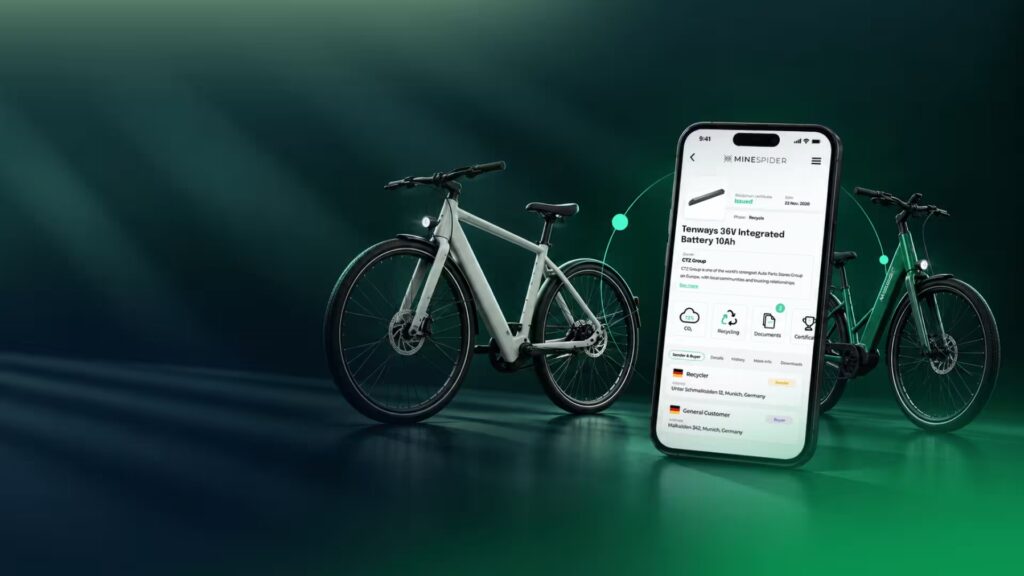
E-bike company Tenways has announced that it’s one of the first adopters of digital battery passports. The Dutch firm, which is behind some of our favourite e-bikes, has partnered with battery passport specialist Minespider to equip its batteries with a QR code that links to data on the power pack’s capacity, weight, category, chemistry, and date of manufacture.
“As e-bike adoption continues to grow, we believe the industry also needs to become more transparent about the products and batteries behind that mobility”, said Amir Fazeli, General Manager, Tenways Europe. “Preparing for the Digital Battery Passport now allows us to approach the new requirements proactively and build the right processes into our operations rather than treating them as a last-minute compliance exercise”.
The move comes ahead of new EU regulations that will come into effect on 18 February 2027, requiring e-bike, electric vehicle, and 2 Kwh+ industrial batteries to be tagged on the database. Under the new scheme, batteries must include sourcing transparency and total lifecycle carbon emissions calculations, as well as EU declarations of conformity.
AI-powered micromobility startup raises £350,000 in funding

Nearhuman, a tech startup based at Bristol Robotics Laboratory, has raised £350,000 in pre-seed funding. The company has created an AI-equipped camera module that will attach to hire e-bikes and e-scooters and give operators and councils safety insights so they can prevent accidents.
“AI running on the vehicle is designed to detect pavement riding, close calls with pedestrians and road hazards as they happen,” says Nearhuman in a press release. “Footage is processed and redacted on board, so sensitive video does not need to leave the vehicle.”
The company was founded by Faizan Mir, who grew up in Kashmir. By the age of 14, Mir had built a drone and flamethrower, but his father asked him, “How does a flamethrower help people? Build something that makes the world a better place”. This pertinent question inspired Mir to study robotics in the UK and found Nearhuman — but part of us wonders if a flamethrower on an e-bike could actually be a really good thing.
Seven-seater e-bike unveiled
The road.cc team is always looking for new ways to get to events and the pub by bike — and we may have just found our ideal vehicle. The $7,495 SixThreeZero e-rickshaw packs three wheels, two motors, and one mega 7,300Wh battery to carry three weary journalists in its standard form.
However, a pair of rear sub-frames ($999 each) can be attached to the main rig to increase capacity to seven, with each trailer featuring their own linked battery packs to ensure they don’t drag down the captain’s seat. A top speed of 20 mph, a combined 1,500W of power, and throttle controls make it unlikely that this behemoth will ever see the light of day in the UK. We’ll have to stick with the seven-seater road.cc tandem (septdem?) for now, but we can dream…