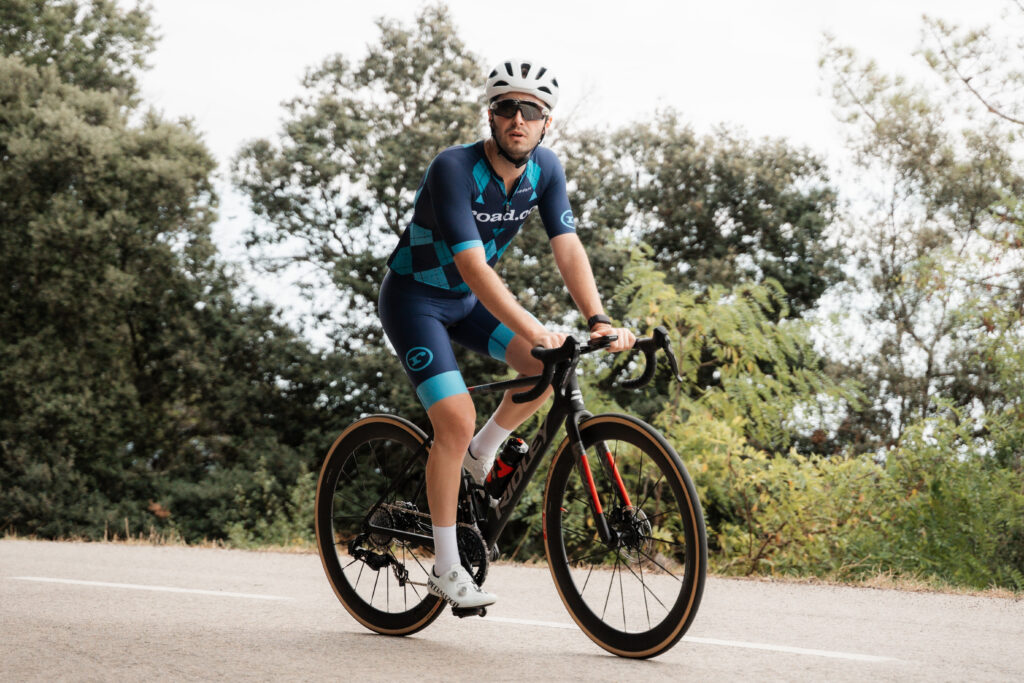

Ridley surprised everyone at the 2026 Criterium du Dauphine with a 2.0 version of its climbing-focused Falcn RS road bike, and instead of the expected Tour de France launch, it’s arrived now instead as an autumnal treat. Because I was in Girona anyway for Sea Otter Europe, where Ridley had brought the new bike along, I thought I’d take it for a secret spin.
When I first saw a prototype version of the bike at the Dauphine, I thought it was interesting that in a world where Trek and Specialized opt for a single road racing option, Ridley offers riders full-fat aero alongside the semi-skimmed Falcn.
Ridley told me still firmly believes in a two-pronged approach to its bike offerings. On gravel, it has the Kanzo Fast and the Astr RS, while here on the smooth Girona roads, it has the Noah Fast and the new Falcn RS.
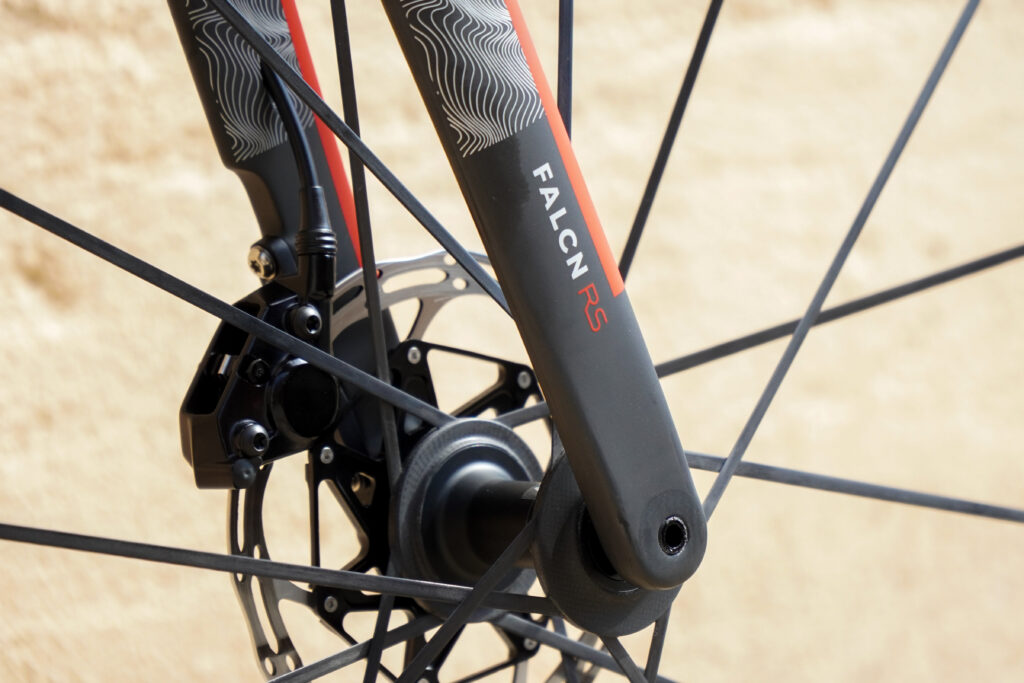
The reason is compromise, or Ridley’s unwillingness to do so. Ridley’s designers told me that they wanted the Noah Fast to be a proper, full-on aero machine with little concession given to chasing the UCI’s 6.8kg minimum weight limit. Ridley’s World Tour team, UNO-X, has good deal of rouleurs in the men’s team, and they simply care more about aero than weight.
The flip side of this is that the Noah Fast is a bit on the heavy side for the UNO-X climbers, and it was telling that Torstein Træen chose the Falcn RS for his day in the Tour de France’s yellow jersey, shunning the special yellow Noah Fast that his mechanics had hurriedly built for him the night before. These 186km slogs with 4,149m elevation are the sort of days that Ridley designed the Falcn RS for.
Climbing
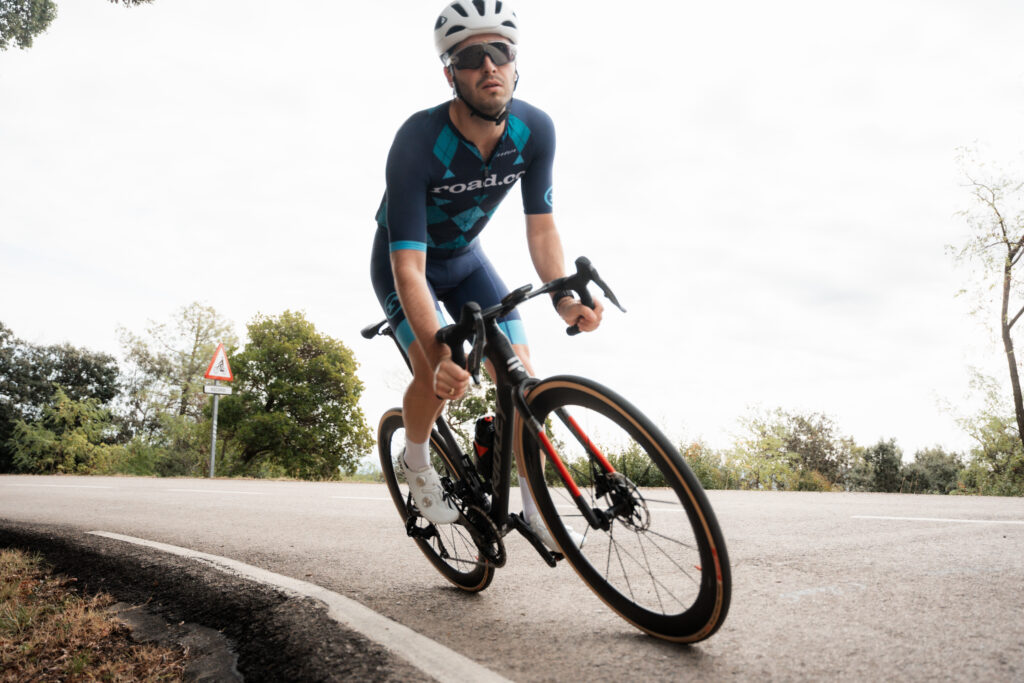
I wasn’t about to recreate a Tour de France mountain stage, but two decent climbs were the main features of the day’s route, which felt appropriate given the bike’s intended audience. The first of these climbs, Els Angels, steps up, down, left and right in a manner determined to break any rhythm you settle into.
It’s the sort of interesting climb that I love, and while I was never in danger of setting a good time, I did have fun pushing the bike through the steeper ramps and riding tempo on the easier sections.
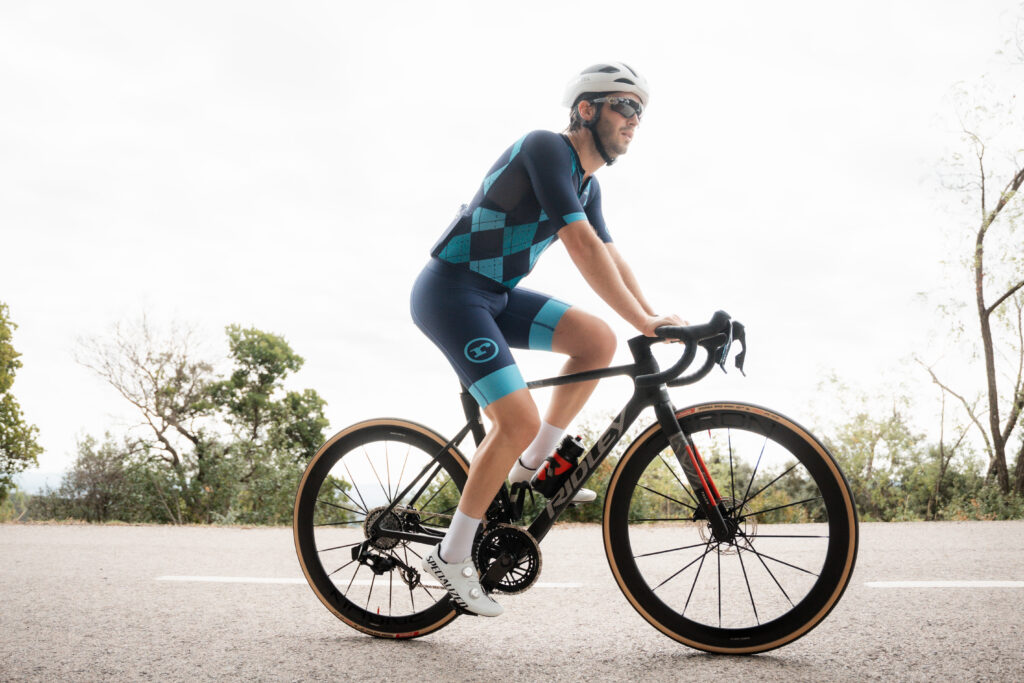
Ridley has made an excellent bike for climbers, and key to this for me is the seated climbing position. With the notably upright 76º seat tube angle, I felt as though I was sitting well over the bottom bracket, and the result is that I needed to stand less. Add this to relatively sensible pacing, and I felt able to climb fully in control.
At the top of the first climb we had the usual press trip stop for photos and punctures. Whether it was down to the post-storm roads or the choice of the rather delicate Vittoria Corsa Pro Speed tyres, we had plenty of the latter.
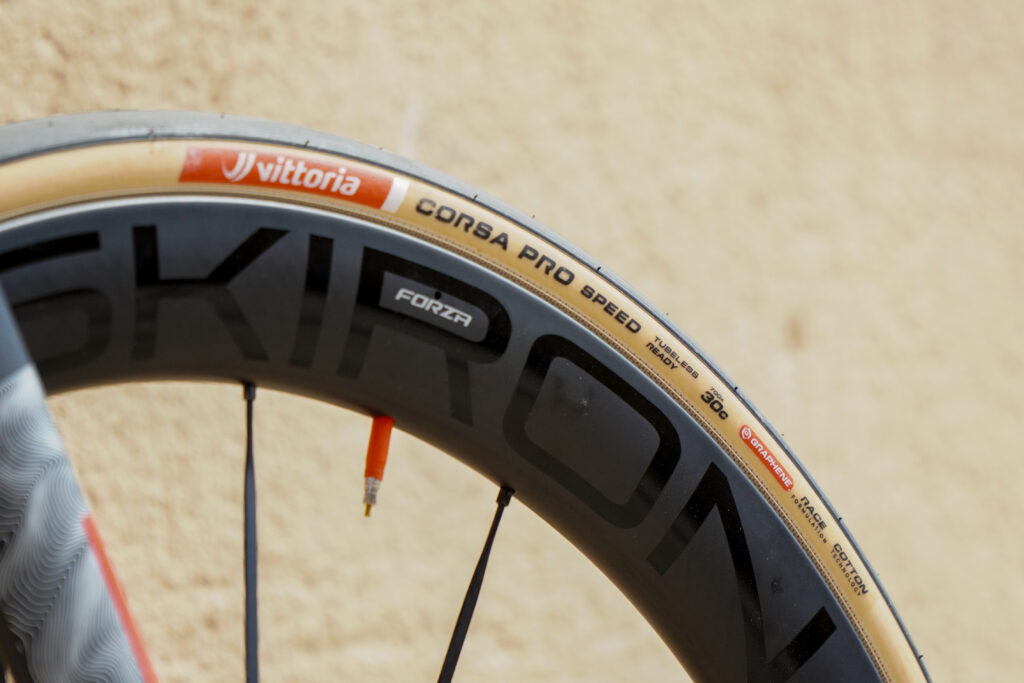
Thankfully, my 28mm tyres remained fully inflated on the carbon-spoked Forza Skiron RSR rims, though I did chat to some other journalists about the sense of using a time trial tyre on a road bike. None of us are pros in a race, after all.
I was also left wondering why Ridley didn’t fill more of the 35mm tyre clearance. One look at the TPU tubes suggests they were chasing the weight figures.
Comfort
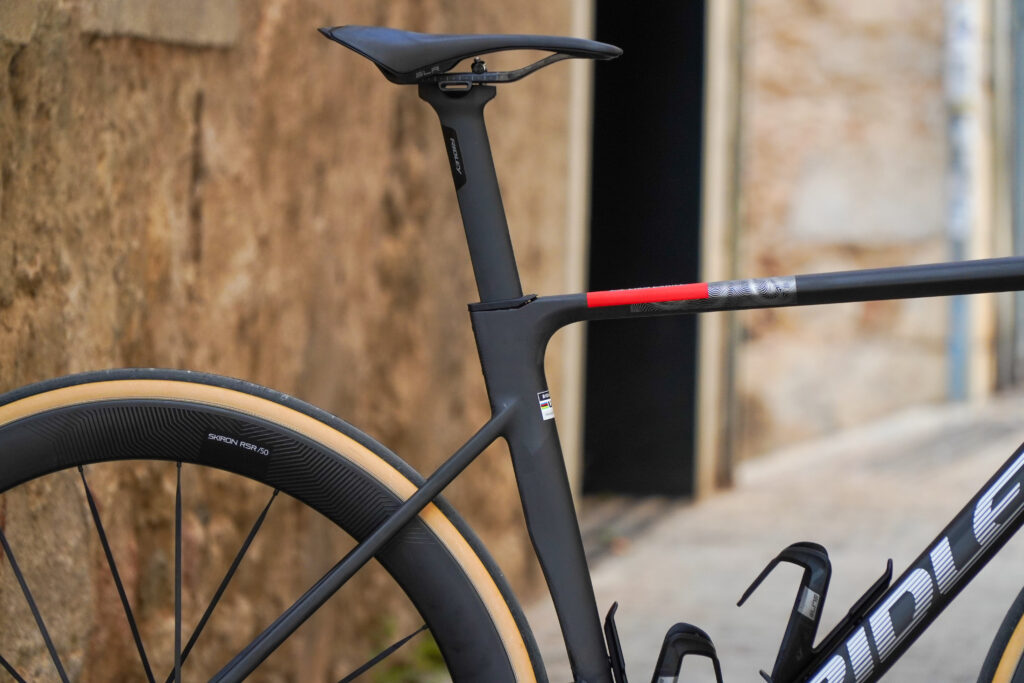
When brands chase a low frameset weight, I do begin to worry. Comfort is sometimes quietly forgotten, with the weight claim dangled in front of us as a distraction. Specialized’s Aethos is an excellent example of this. The Gen 1 S-Works frameset was outstandingly light, but came with a harshness that was always annoying.
Ridley says that “the carbon lay-up on the inside of the frame was completely reassessed and optimised,” adding that “where multiple carbon layers previously overlapped across a larger surface area, these overlapping zones were redesigned.”
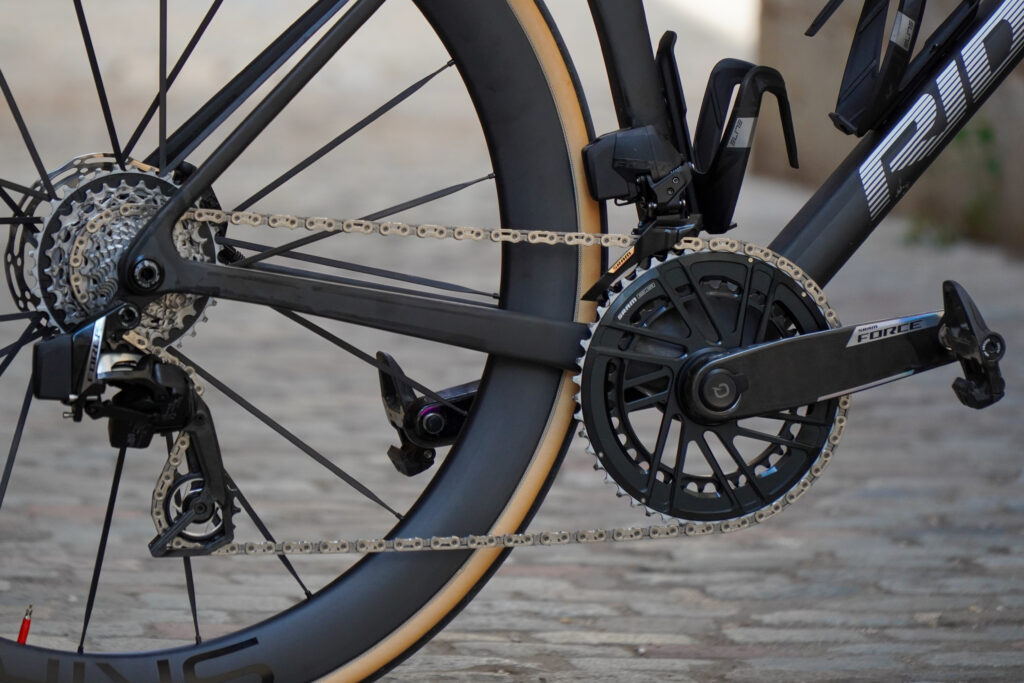
Despite a weight of just 6.65kg for this Force AXS build, Ridley hasn’t fallen into the same trap. The Falcn RS 2.0 felt like a perfectly comfortable bike for longer road rides, with the bike coping well over Girona’s less well-surfaced roads. A handful of hours on nice Spanish roads isn’t the best test for long-term comfort, however, so this will be an aspect I’ll be keen to properly test on roads I know.
Descending
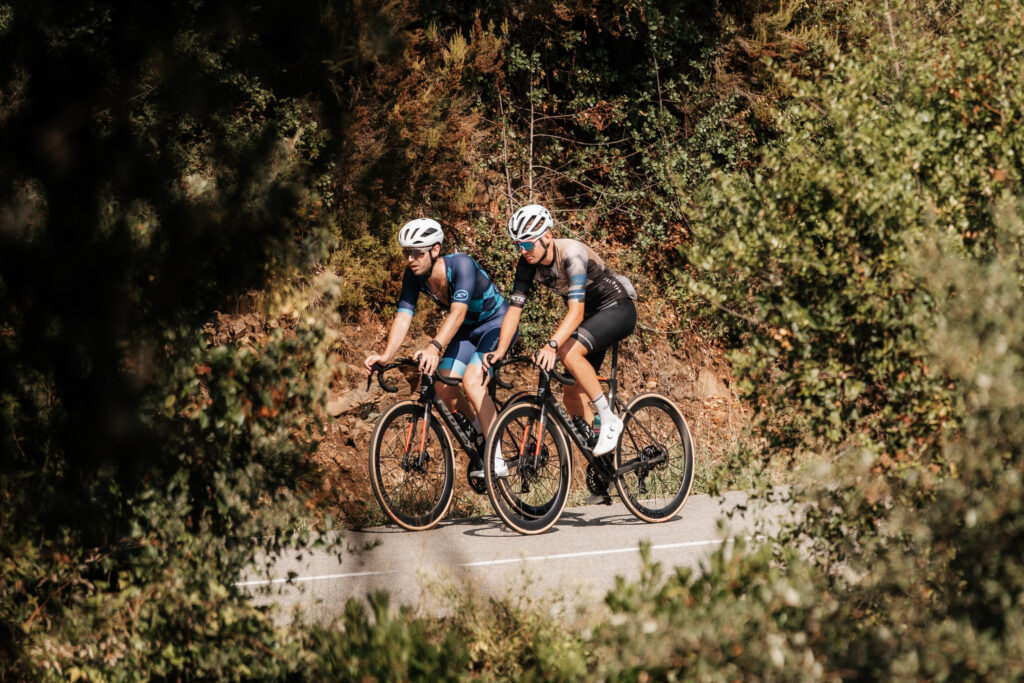
The afternoon before my ride on the Falcn RS saw Girona battered by heavy rain and lightning. The roads, therefore, were dicey to say the least, with damp patches in corners and plenty of gravel washed across the road. Add in my lack of familiarity with the local roads, and the odd choice of time trial tyres, and I wasn’t about to throw the bike into any blind corners. My judgement on the bike’s cornering abilities, therefore, will need to wait for another day.
However, one thing I can say is that the forward riding position which made the in-saddle climbing experience so good, does shift your weight well towards the front wheel. This delivered a very immediate feeling to the steering which, given time to get used to it, would likely be sensational for racing and confident bike handlers.
I can also say that the bike felt stable at speed. The descent off the day’s final climb featured a long, straight and steep section which I was glad to be going down, rather than up. Here, I tucked down in the drops and watched as my speed climbed to 75km/h. Ridley says that the bottom bracket has been lowered from the previous model, and the result is a bike that sailed smoothly downhill.
Speed
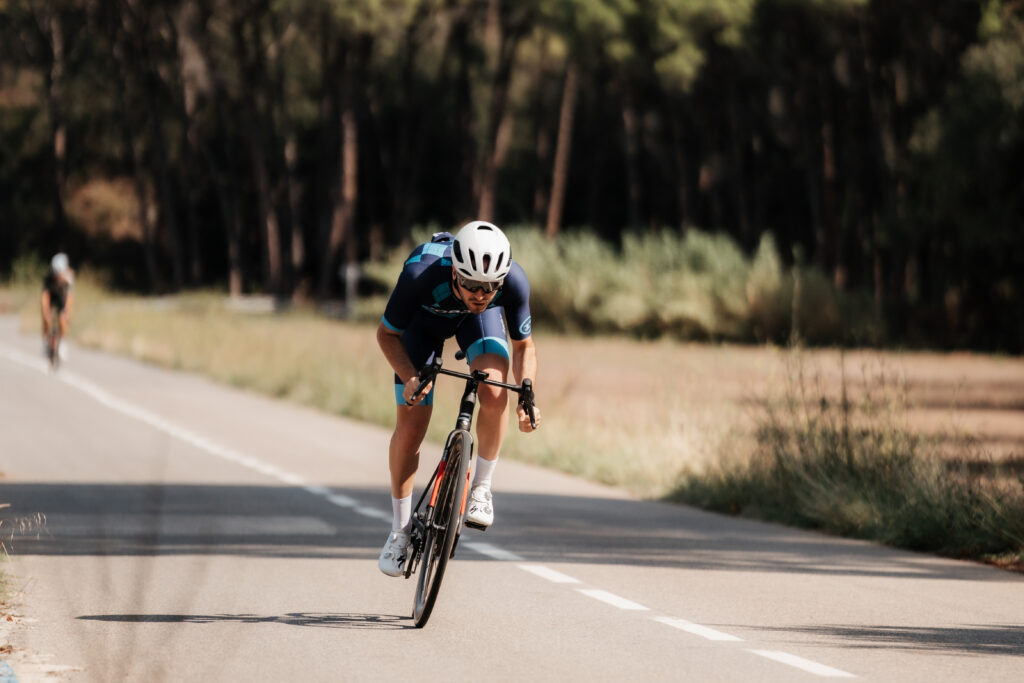
While I spent most of my ride focusing on the bike (while chatting at the back of the group), I couldn’t help but test the Falcn’s speed as a split formed on the flat run back into Girona. At 50km/h and above, the Falcn RS 2.0 does lose a little compared to a proper aero bike, but it didn’t do badly at all, and I was able to jump across the gap. I was also impressed by how the bike handled in a sprint, accelerating well thanks to seemingly ample frame stiffness and overall low weight.
While the press release didn’t come with any aero comparisons between the Falcn RS 2.0 and the Noah Fast 2.0, Ridley’s designers told me that at 50km/h, the lightweight bike is losing around 10 watts to the aero machine.
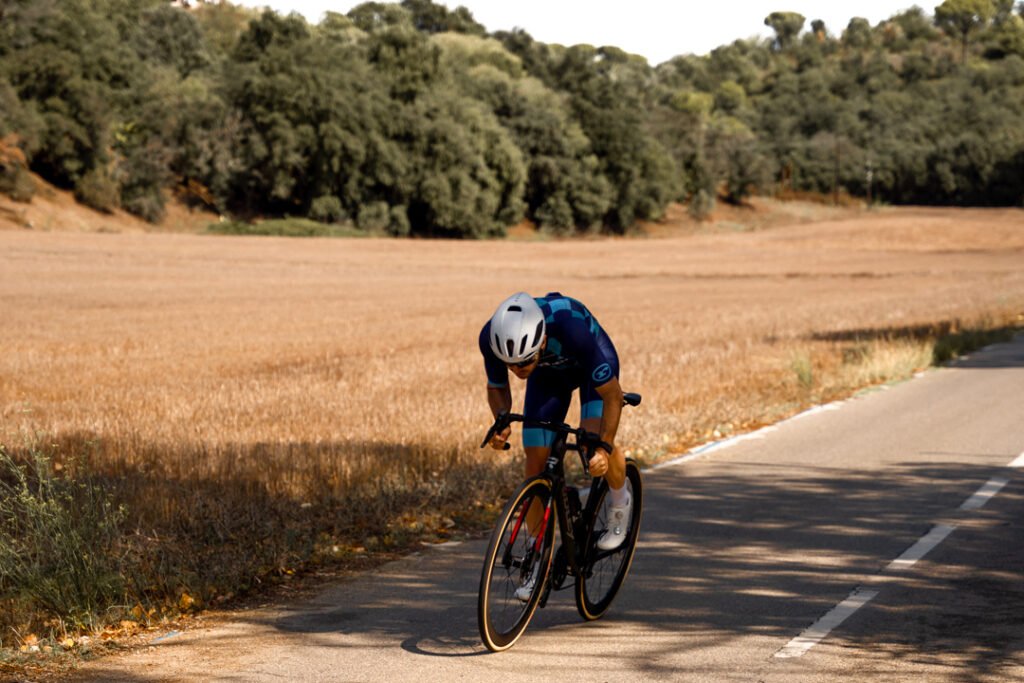
All in, my first ride on the Ridley Falcn RS 2.0 left me very impressed. I love the way this thing climbs, and despite the 28mm time trial tyres, I was happy with the ride quality and flatland speed. I’m looking forward to riding this bike a lot more later in the year.