
I took my gravel bike to the Alps for a week-long road cycling trip, and it got me thinking: why do I even bother having a road bike at all?
You might think the three reasons against and six reasons for in the title will give you a good idea of where I stand and what my conclusion will be, but it’s not the whole story. Let me explain, with all the pros and cons of using a gravel bike for road broken down…
Why choose a gravel bike for road riding?

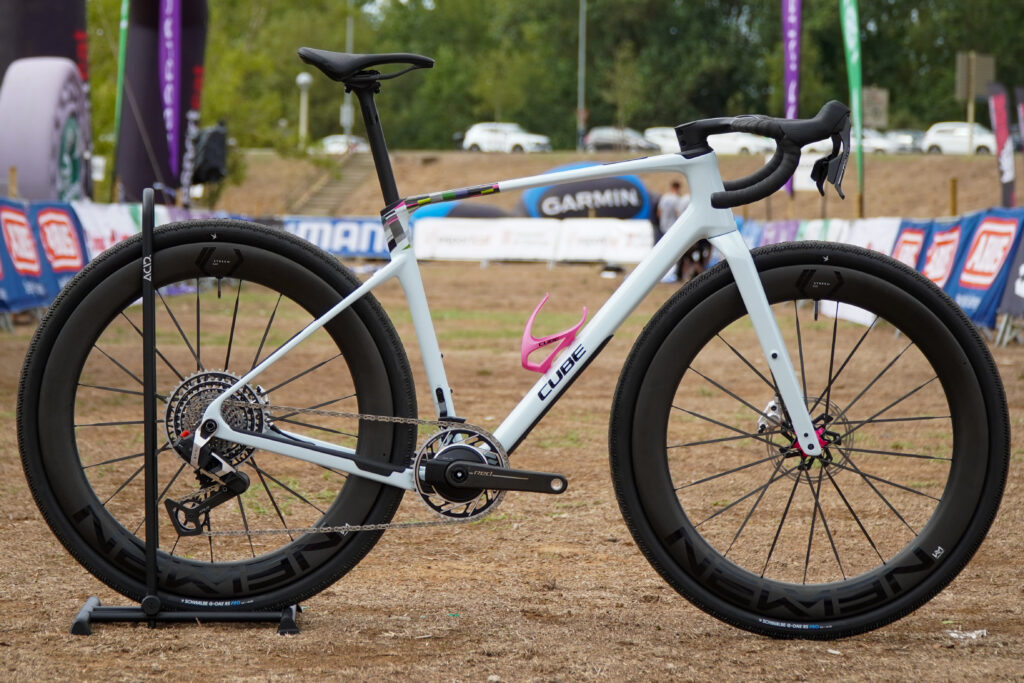
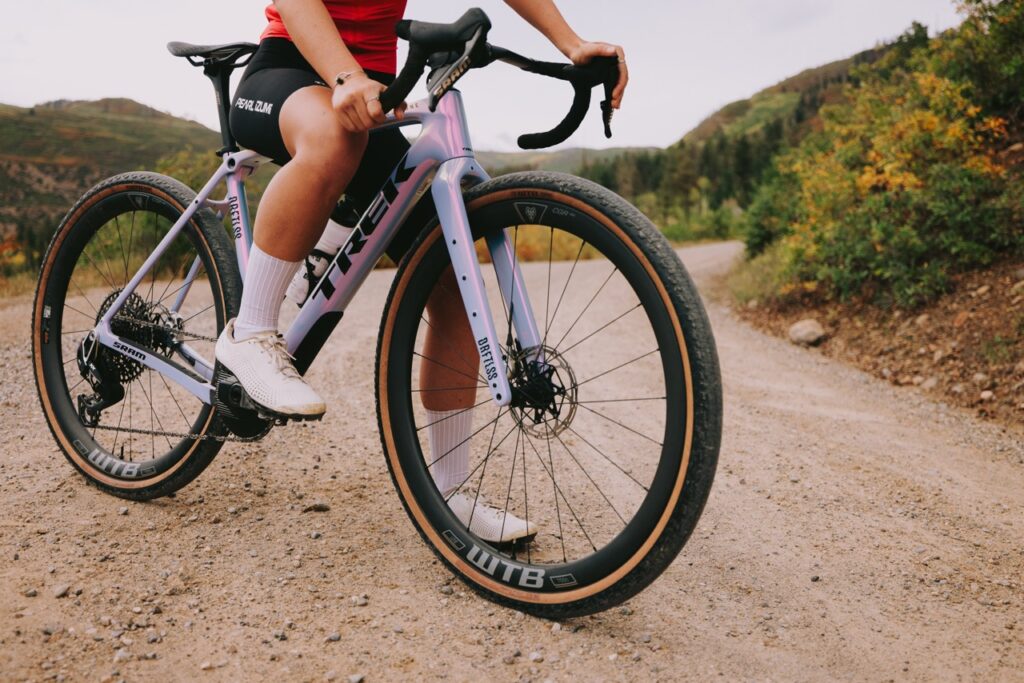
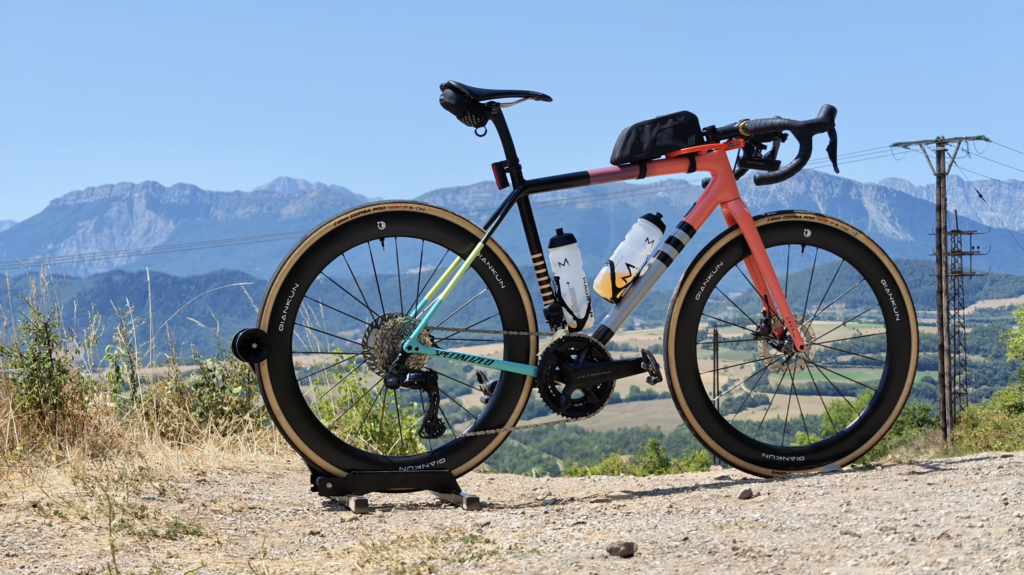
Regular readers might know that I have a Specialized Aethos and a Crux – or, more accurately, I had an Aethos. The two bikes were just too similar, so until I get another road bike, the Crux is doing my road duties too.
I made a few small changes to make it more suitable. I swapped the original 36/46T chainrings for a 34/50T setup, fitted Yoeleo’s C50 wheels with carbon spokes and Corsa Pro tyres, and added some fresh Selle Italia SG bar tape.
Because I was riding in the Alps, I’ve also fitted an 11-36T cassette to make it more climb-friendly. So, while this is technically a gravel bike, it’s pretty close to being a road bike.
What’s wrong with gravel bikes on the road?
The geometry
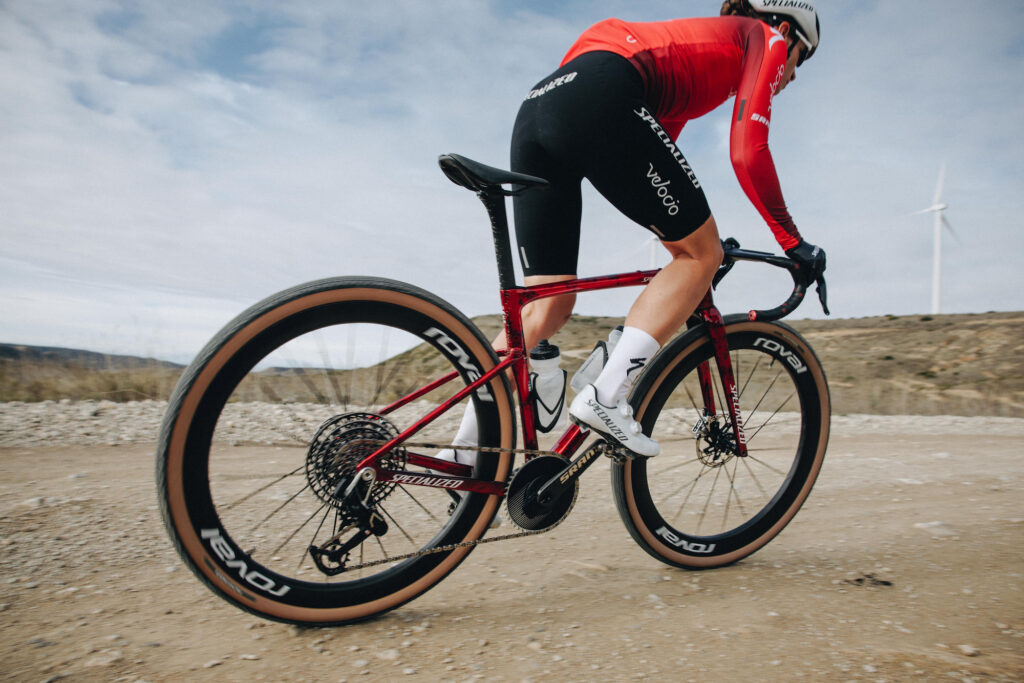
If you’re coming from a speedy aero road bike, a gravel bike can feel sluggish on the road.
The Crux has a wheelbase around 45mm longer than the Aethos, a stack height that’s 16mm taller, a head angle that’s 1.5 degrees slacker and 6mm more fork rake. Basically, everything is longer and more relaxed.
That’s brilliant when you’re riding rough tracks or descending loose gravel, but on smooth tarmac it can make the bike feel less lively.
Changing tyres is annoying
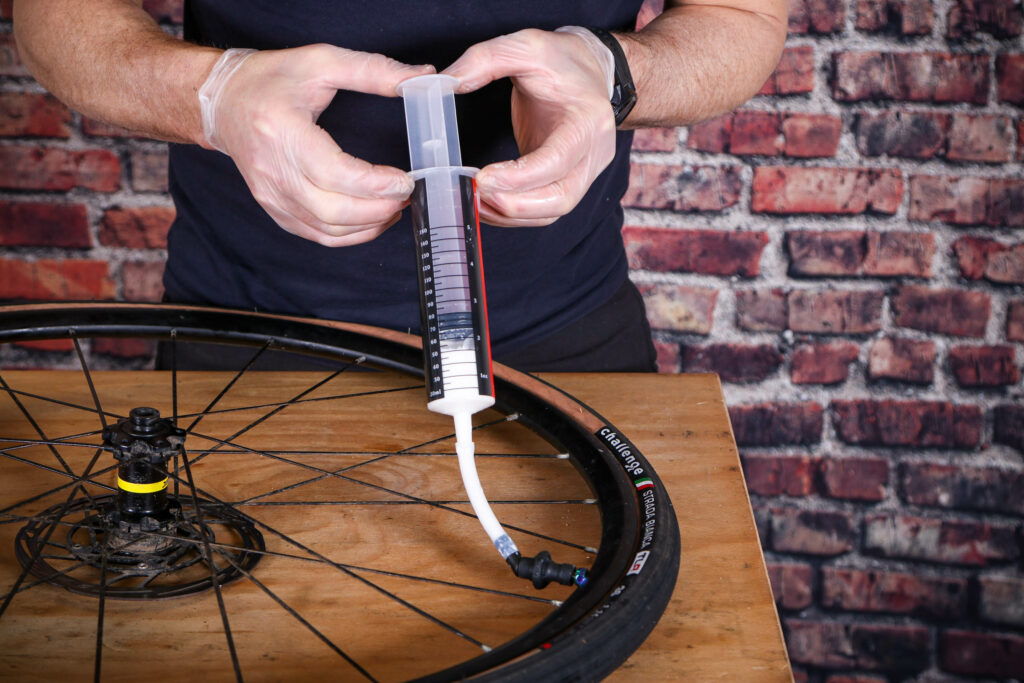
If you want to use one bike for road and gravel, you’ll eventually get fed up with changing tyres.
No matter how good you get at it, sealant is messy. Realistically, if you want to switch regularly, you’ll probably end up with dedicated road and gravel wheelsets anyway. But having two wheelsets is a considerable investment, particularly once you add another cassette and set of disc rotors.
The gearing
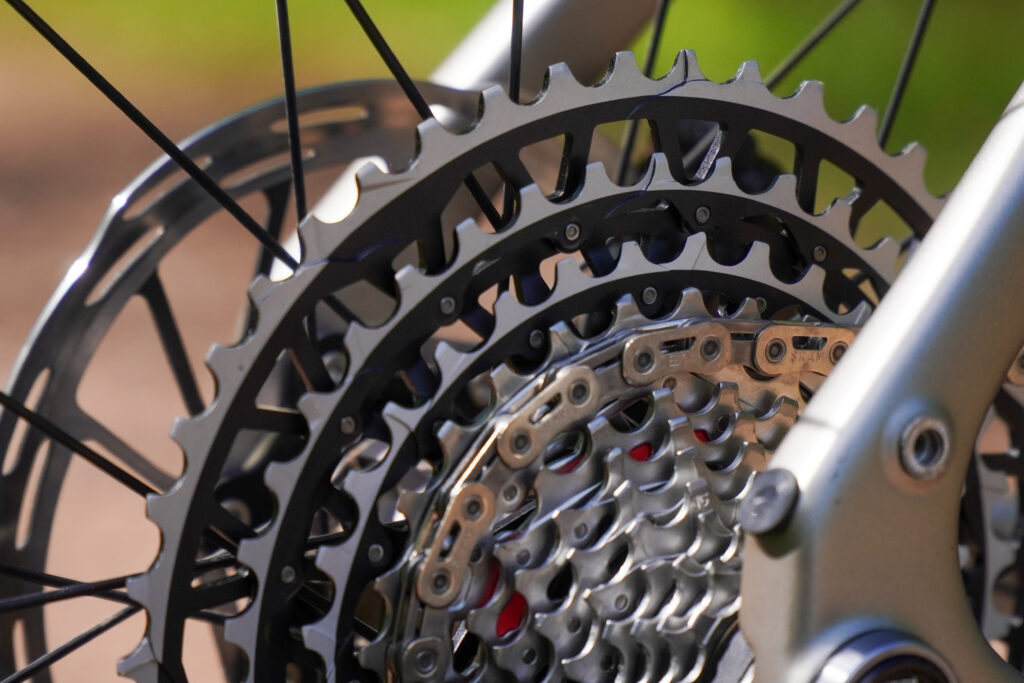
I’m ready to be told off in the comments, but I really don’t like 1x gravel gearing on the road.
The jumps between gears can be too large, making it difficult to find exactly the right cadence. I’ve tried to get around this by running 2x, using a GRX rear derailleur with a clutch and relatively close-spaced chainrings. It works well, but it’s always going to be a compromise compared with a dedicated road setup.
What’s good about gravel bikes on the road?
The geometry

A gravel bike’s geometry can actually be brilliant on the road. The taller front end, slacker angles, lower bottom bracket and longer wheelbase make the bike incredibly stable. It might not feel as lively as a race bike, but when you’re descending an Alpine mountain at speed, that extra stability is very confidence inspiring.
If you’re not racing or looking for a super reactive bike, this could work very well for you.
Internal storage is more common
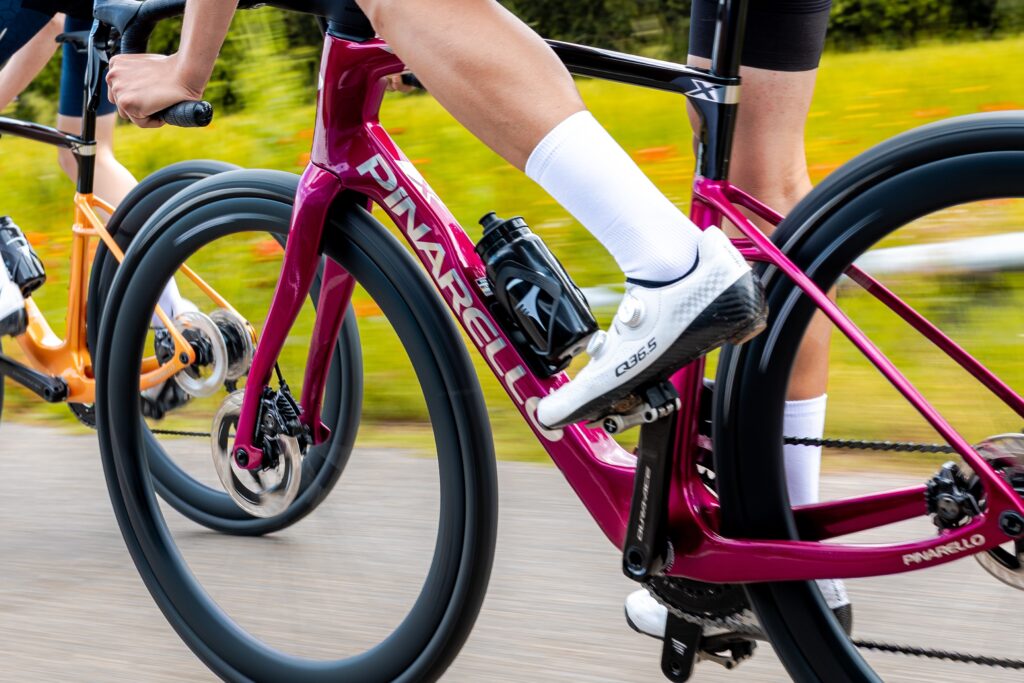
You’re also more likely to find useful internal storage on a gravel bike, giving you somewhere to carry tools, a pump and other essentials. That said, my Crux features no internal storage and is a feature I wish they’d added to the latest model.
Internal storage means no saddle bag ruining the clean lines of your bike, and you’re less likely to forget something because everything can live inside the frame.
Of course, it’s only useful if it’s well designed, and it adds some weight. Some road bikes, such as the Canyon Endurace, now have very good internal storage too.
Versatility
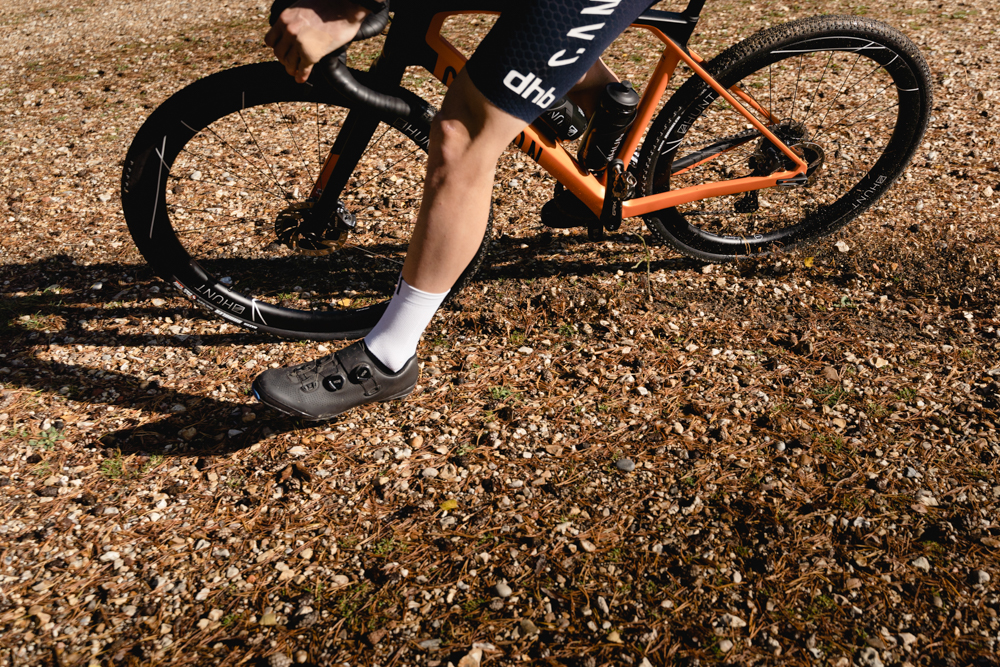
This is probably the biggest advantage: fit the right tyres and a gravel bike can genuinely do almost everything.
That versatility is useful because it means you can spend less money on multiple bikes while still having something capable of road rides, gravel adventures and everything in between. You just need to ensure that you have the wheels and tyres you need for the riding you’re going to be doing.
Two-piece bars and stems

Lots of gravel bikes still come with two-piece front ends rather than integrated handlebars and stems. That can be much better for bike fitting, gives you more space to mount accessories and makes future upgrades considerably easier.
Suspension
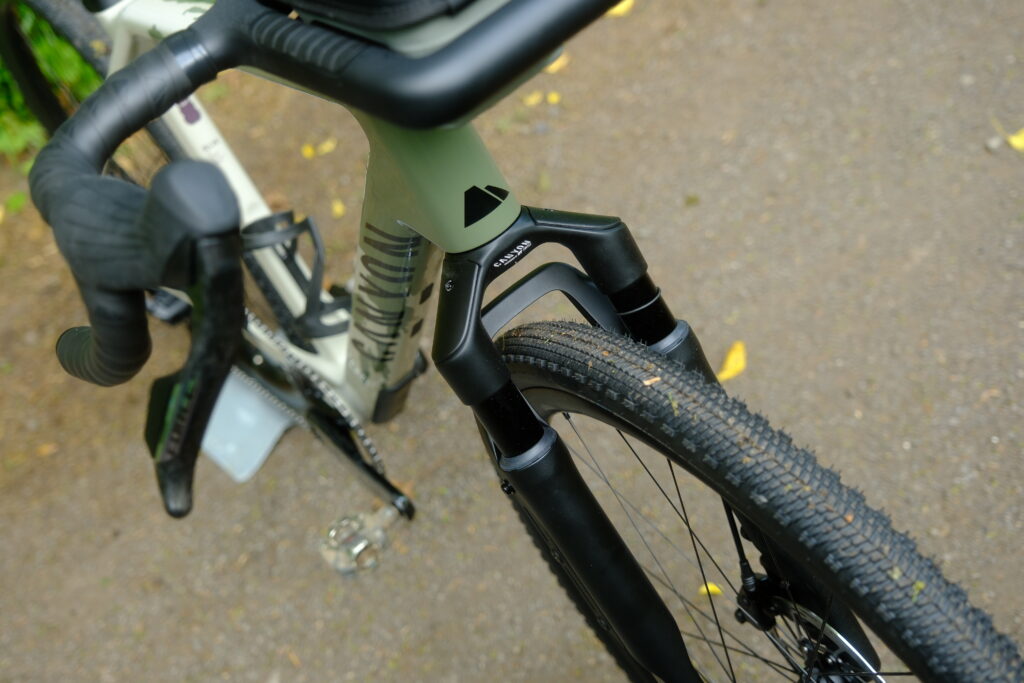
This one is going to be contentious, but suspension is actually quite nice on the road.
I’m not suggesting it makes sense for road racing or super-fast group rides, but with the state of some roads, why wouldn’t you want a little extra comfort? The Canyon and DT Swiss fork system, for example, is remarkably slick. I wouldn’t be surprised if we see more road bikes adopting some form of suspension in the future.
Tyre technology has improved
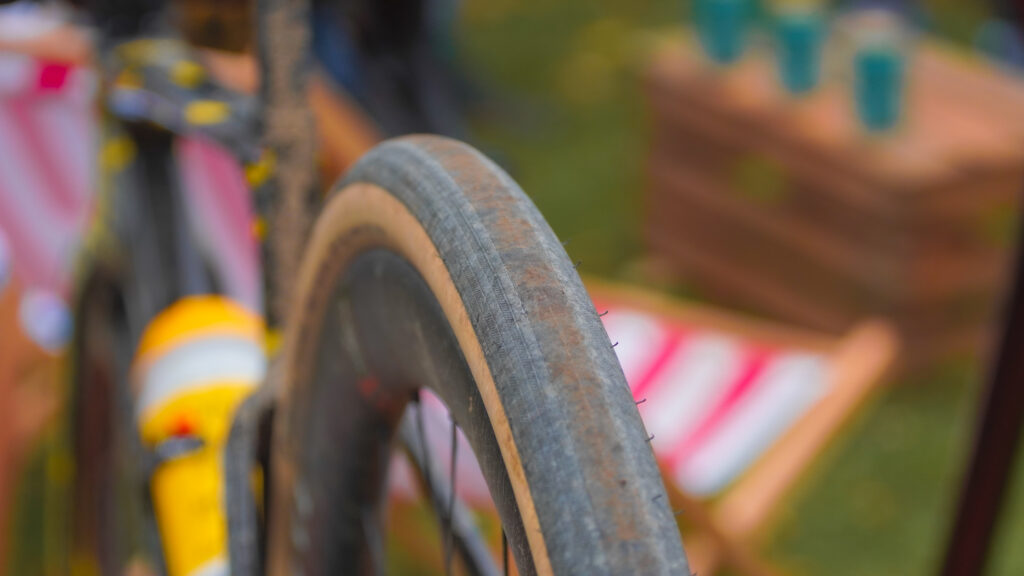
Gravel tyres used to be bulky, heavy and relatively slow. But as gravel racing has become more serious, tyre technology has improved dramatically. Modern gravel tyres can be surprisingly thin, supple and fast, meaning those big tyres no longer feel like such a handicap on tarmac.
So, would I choose a gravel bike over a road bike for a week in the Alps? Probably not again. But having spent a week riding one on the road, I can definitely see why you might.