


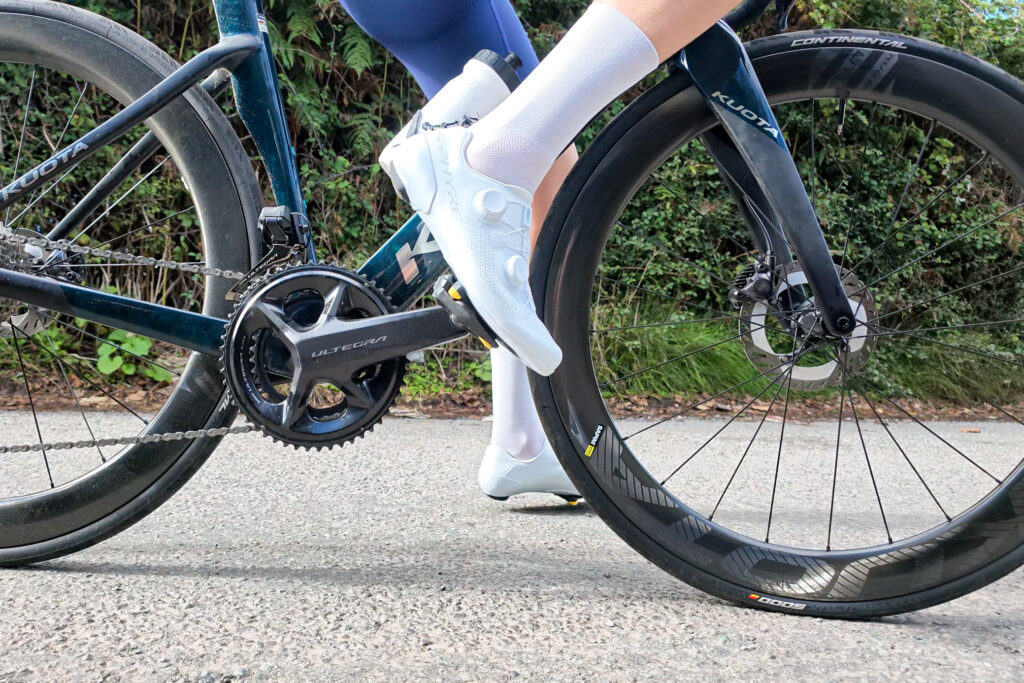

Shimano’s SPD-SL road pedal design has been a constant in the cycling world since 2003. But as autumn’s approach brings cooler winds, the lack of backwards compatibility on the all new SPD-SLR might earn Shimano the cold shoulder from customers.
As expected following a mysterious cleat catastrophe at Paris-Roubaix and a leak reported on this very website just earlier this week, Shimano has gone ahead and unveiled a new pedal and cleat system that is not compatible with the existing SPD-SL system – you can get all the detailed info including full tech specs and pricing in Mat’s article here.
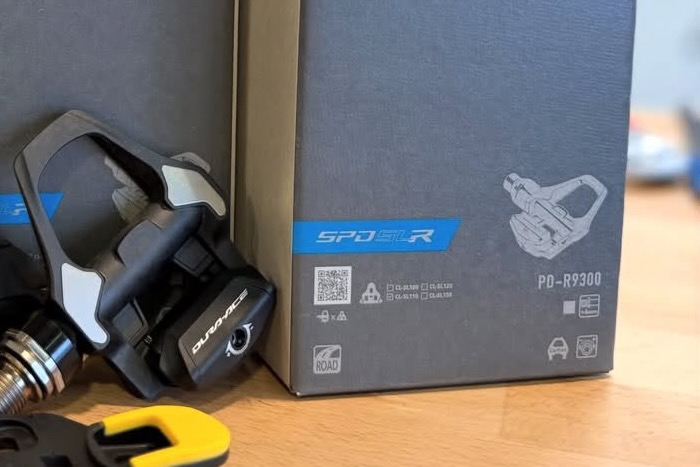
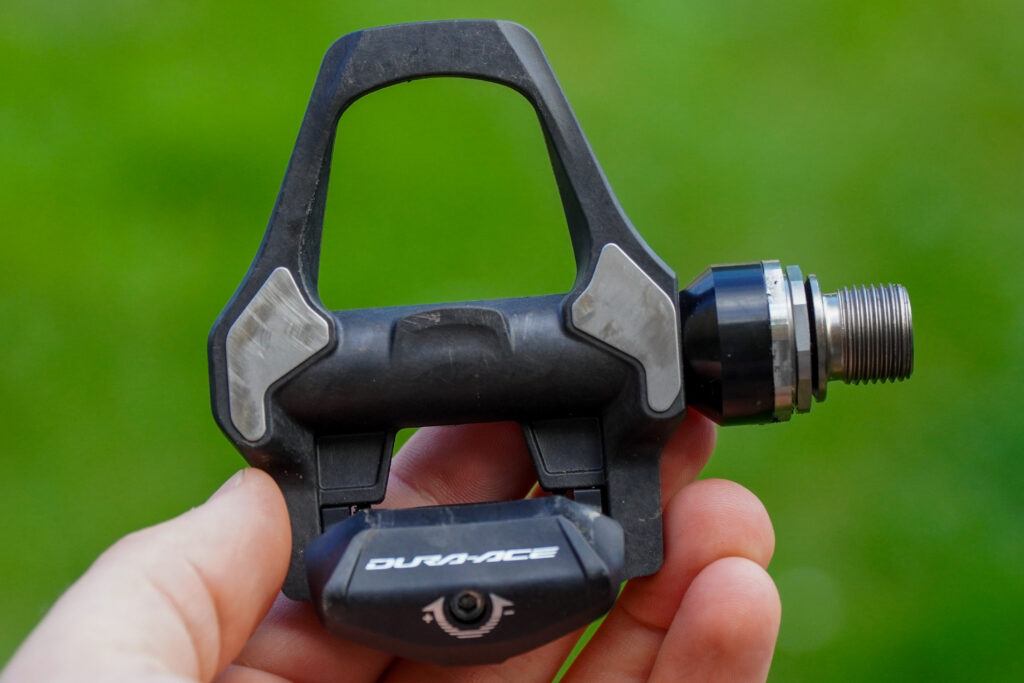
Ahead of the pedals officially launching, I went to a (mostly) sunny Bristol to test the Dura-Ace SPD-SLR pedals along with Shimano’s latest RC910 shoes. Both, on initial impressions, have good and bad points – but I think it’s important to kick things off by stating that the ride experience with the SPD-SLR system – that is the pedals and shoes in combination – is lovely.
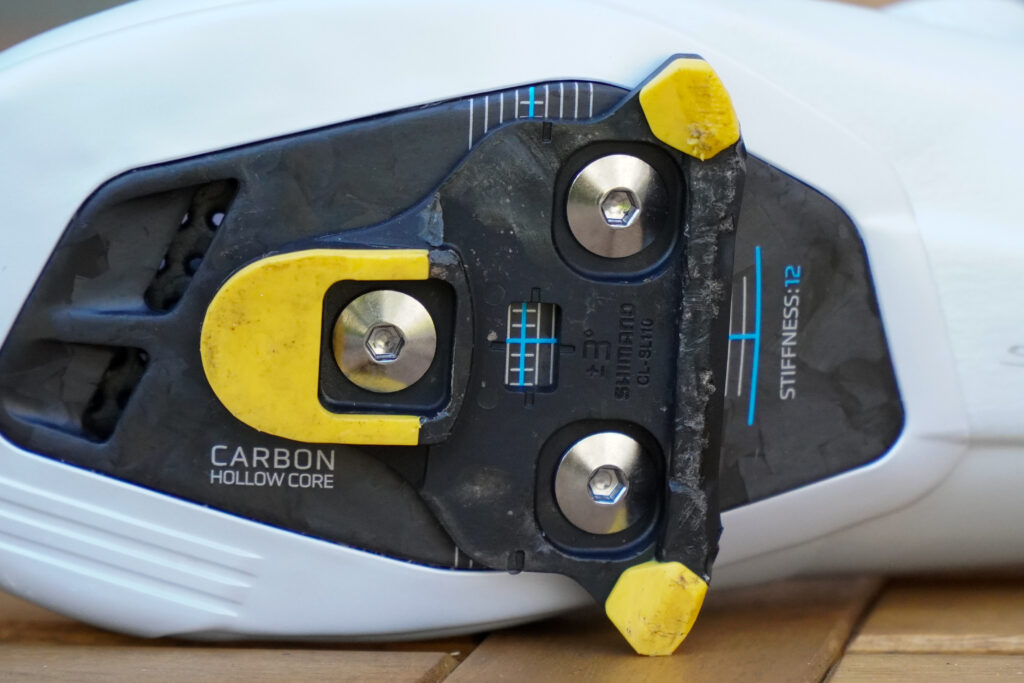
You’ll start by fitting your cleats to some box-fresh, pearlescent RC910 shoes, and doing so is easy. I lined the new cleats up against the battered set on my S-Works Torch shoes, though the process is an eyeball exercise and will likely take a little fettling before I draw around the cleats with a highly scientific Sharpie.
That said, the central rectangular cutout in the cleat is crying out for a reminder tab like you’ll find with Look’s Keo design. This screws into a compatible shoe and stays in place when you change your cleats, ensuring correct alignment.
With the cleats fitted, it was time to start riding, but not before Shimano spent a lot of time telling me that the new 10.5º engagement angle would be much better. It is indeed a good experience, with the pedal hanging at a nice angle for your foot to find the pedal.
I have to admit that clipping into my pedals isn’t something I am conscious of on the average ride. Certainly, I notice the ease of a dual-sided system when I’m using my Look X-Track MTB pedals, or Speedplay’s design. I’ve also noticed bad experiences, like Look’s Keo Carbon Blade with their incredibly spinny ceramic bearings.
I can’t really say that the new system is a clip-in revolution. It works well, but the old SPD-SL pedals weren’t difficult to get into, even in pressure situations like at the start of a crit.
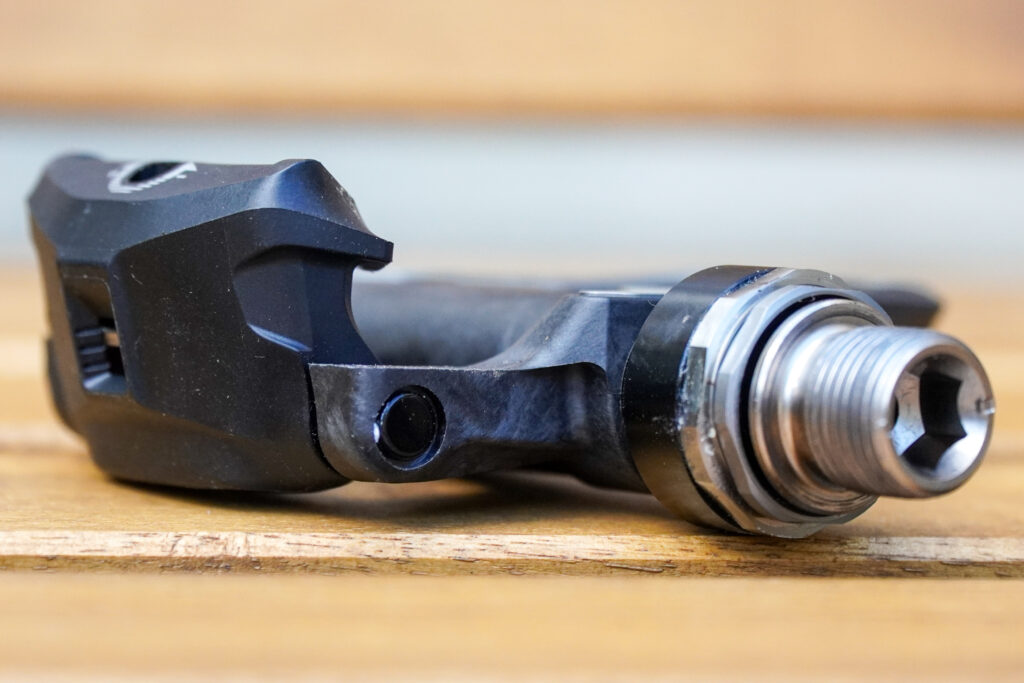
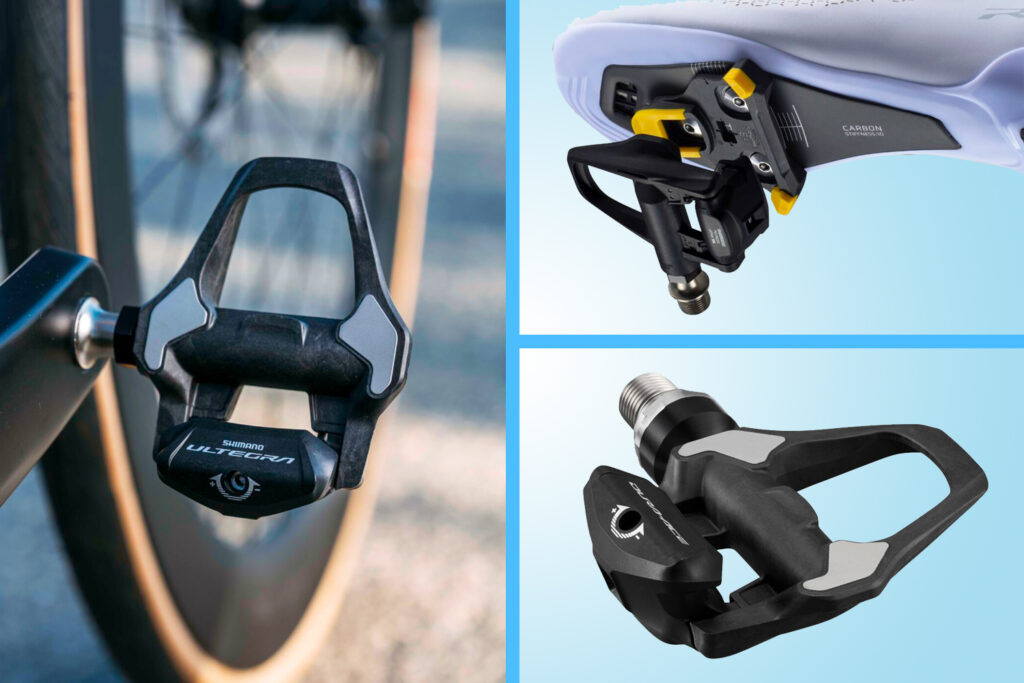
Ok, so now that you’re clipped in with me on this journey that is life, let’s talk about the change that could really annoy you: Shimano fully redesigned the shape of both the pedal body and the cleat for SPD-SLR. That means you can’t mix and match them with any pedals or cleats that use the SPD-SL standard.
Doing so allowed them to remove the cleat washers and reduce stack height by 2.5mm. Along with this, the RC910 shoes have been lowered, resulting in a system stack height of 17.7mm.
This, Shimano claims, results in a more connected feel with the bike, but it does put the onus of fore/aft cleat adjustments on the shoe.
We’ll get to that, but what of the vibey-sounding “connected feeling”? I certainly felt very comfortable on the pedals, and there is a total absence of any unwanted movement. The pedals feel very stable under your feet, and I would agree with Shimano’s marking here. I did feel nicely connected to the Kuota K-A1 bike that I’ve been busy reviewing over the past month or so, there’s no doubt about that.
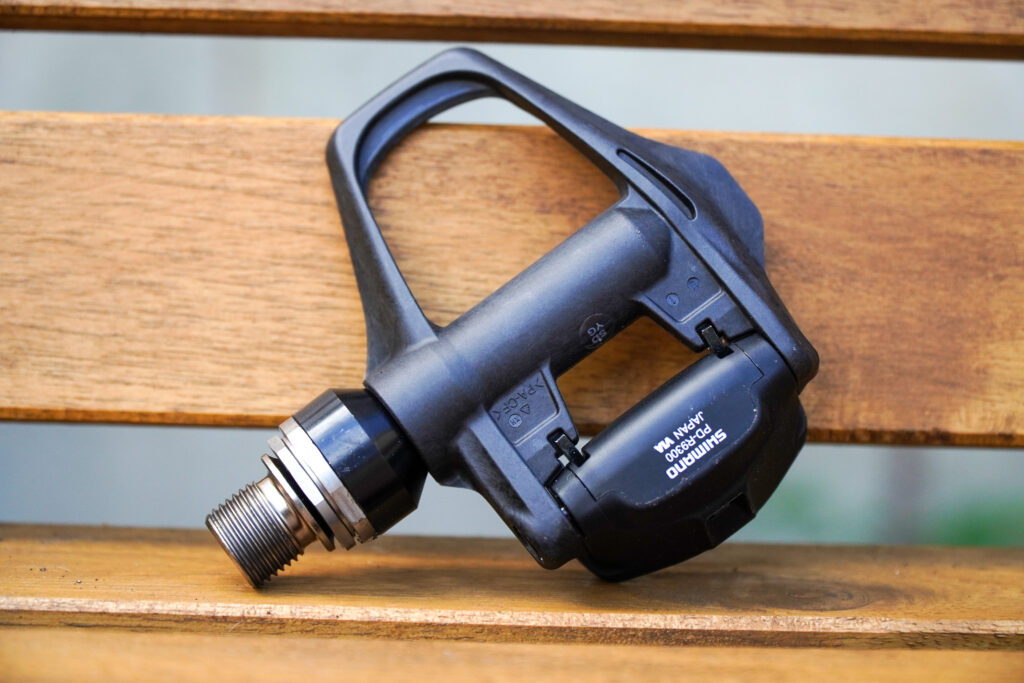
For me, however, Shimano already had this box nicely ticked with SPD-SL. There wasn’t a hugely noticeable difference in the ride experience using the SPL-SLR system. In fact, there wasn’t much difference between these or the Favero Assioma Pro RS pedals I’ve been using for power meter duties on the Kuota either.
I was more aware of the fact I was now using Shimano’s yellow cleats with 3º of float each way compared with my preferred blue cleats which have 1º each way. This is the fine margin of change that we’re dealing with, and I’d suspect that only the most fastidious geometry nerds will notice the change.
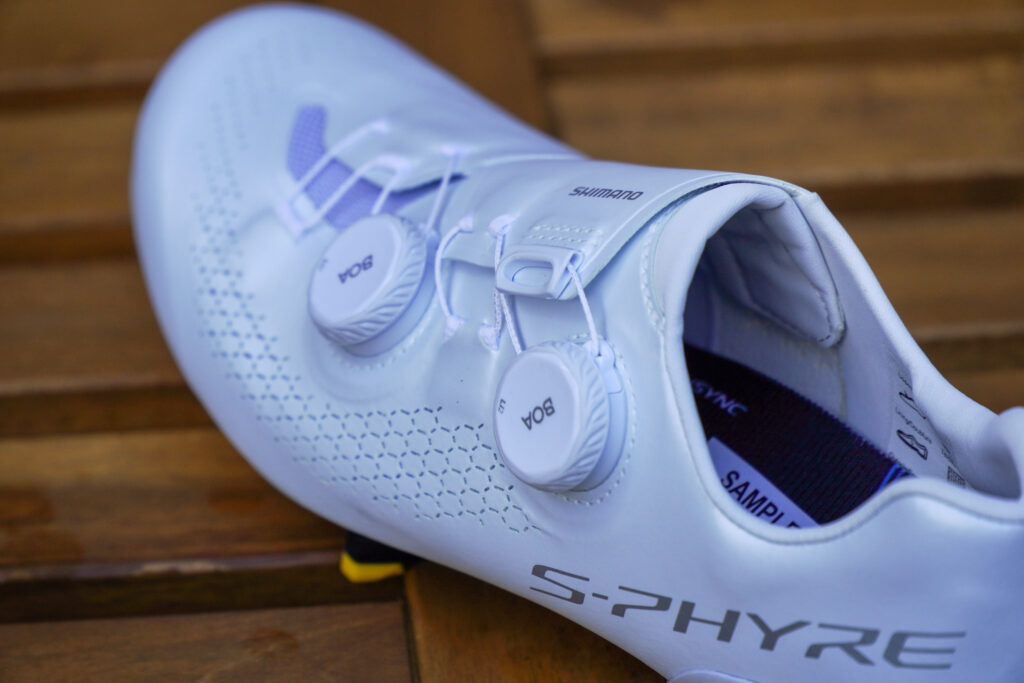
I am very happy to see Shimano simplifying its shoe sizing range, while also offering much wider options. According to Madison, Shimano’s UK distributor, wider is the most requested fit option among dealers.
For specific details on the new last design, head over to Mat’s tech news piece. Here, I was in the revised ‘standard’ fit of the S-Phyre RC910, the top-end road model. These are 3mm wider at the toes and 2mm wider through the ball of the foot.
That is exactly the width increase I needed and the RC910 shoes felt excellent here. However, the new width seems to be accompanied by a general increase in forefoot volume, which was less welcome.
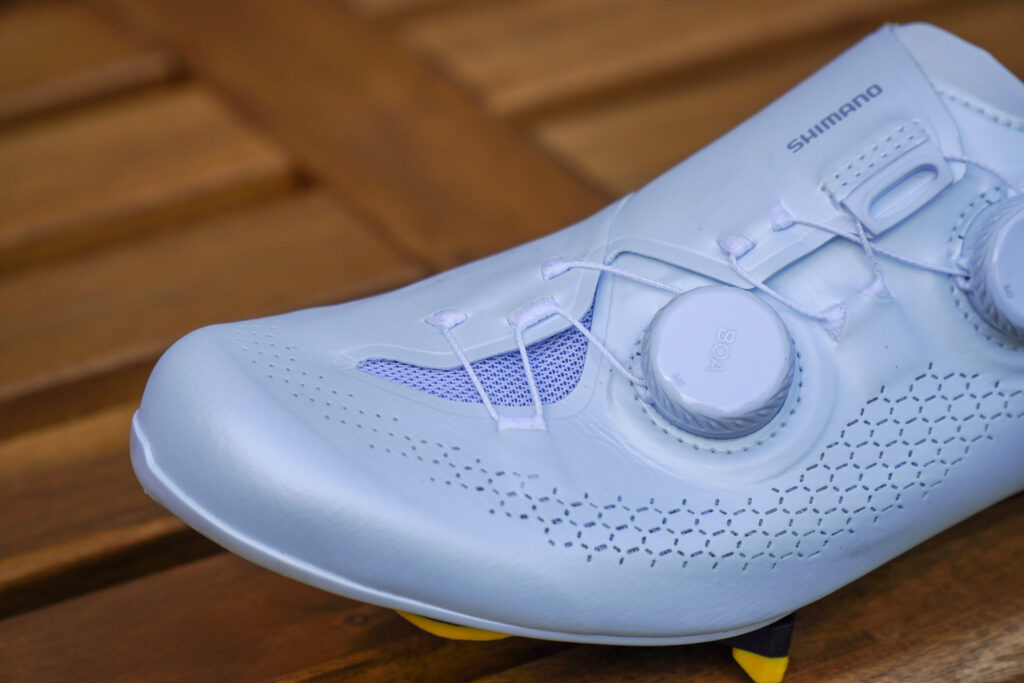
The additional space left me needing to crank the lower Boa Li2 dials down for any harder efforts. Time will tell how this impacts long ride comfort and performance during more intense riding, but foot shape is different for everyone, so this additional volume may well work well for you.
I was also conscious of the RC910’s heel cup, specifically the fit of the shoe around the achilles. This feels very pronounced and marks another attempt by Shimano to keep your foot locked in place. The brand’s S-Phyre line has tried a ‘cat’s tongue’ fabric lining, rubber heel grippers and other designs to aid retention. I’ll need more miles to see how the new simplified, yet aggressive design performs on longer rides.
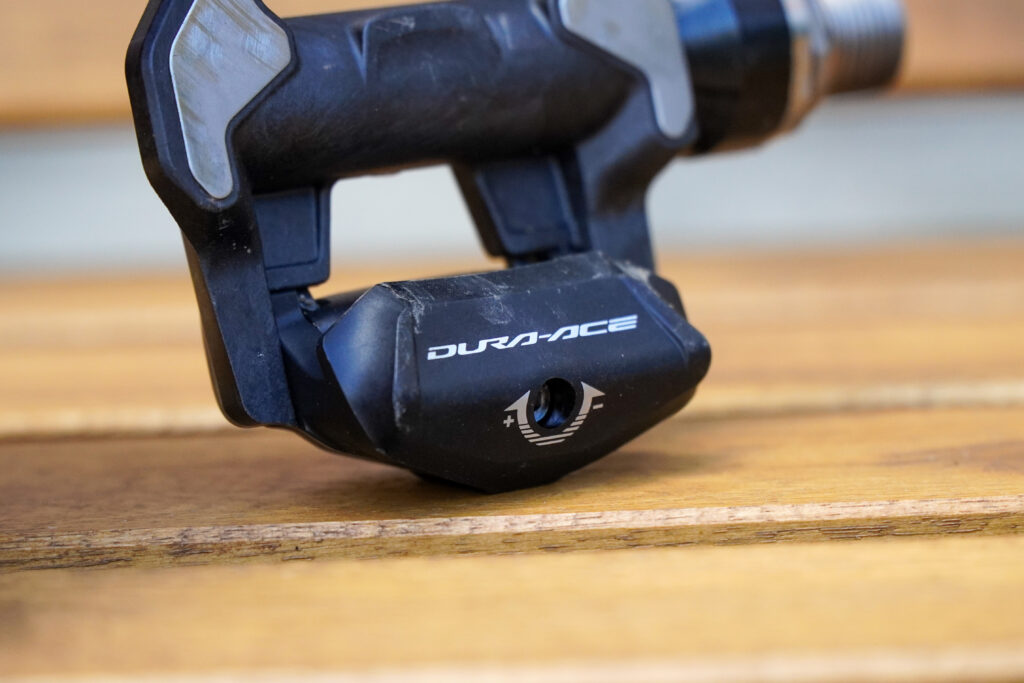
My final takeaway from my first ride is that the SPD-SLR design is a tad annoying, for a number of reasons. To adopt the new pedals and cleats, riders will have to ensure that their current shoes have enough fore/aft adjustment to get their cleats in the right place.
Some brands do this well. I, however, spent a good bit of time spinning the cleat bolt holes in my Specialized S-Works Torch shoes to get the rearmost position. This is mostly just a design issue on the part of Specialized, but you might also be stuck with limited adjustability in your shoes.
Should you end up needing new shoes just to use the new pedals, Shimano’s design choice could present serious financial barriers to riders adopting it. When this is all in aid of a small reduction in stack height, I find the SPD-SLR design a bit difficult to justify.
I suspect there could also be some financial motivation behind the lack of backwards compatibility. Shimano openly admitted that the SPD-SLR design has a fresh new patent, whereas SPD-SL, launched in 2003, has been free to use for a few years. This new patent means that power meter pedal brands such as Garmin, Favero and Magene would need to purchase a licence to produce SPD-SLR compatible products.
Interestingly, Shimano says talks over licensing already taking place, though it didn’t divulge with which brands.
More standards in cycling are generally, in my opinion, also very annoying. It means more tech for casual riders to learn, more stock for bike shops to carry, and possibly a fit issue waiting to happen with your current shoes.
I enjoyed my first ride on Shimano’s Dura-Ace R9300 SPD-SLR pedals, and the extra width in the S-Phyre RC910 shoes is an incredibly welcome addition. Further testing will be needed around the pedals’ compatibility with existing shoes, and I’ll want to properly assess the long ride comfort of the shoes themselves.





1 thought on “I tried Shimano’s new Dura-Ace SPD-SLR pedals and cleats, and they’re mostly great… yet also a bit annoying”
Appreciate this is a first look review, but the one thing I really would like to know is have Shimano improved the cleat wear?
Its something that has always infuriated me about SPD-SL is they fall apart far to quickly. The coloured bits split away from the base and make clipping in difficult. Not a problem if you’re a pro but us every day riders who have to put a foot down to stop at junctions, lights, coffee shops etc the wear is far to fast. The same cannot be said of Look Keo, they stay strong for a far longer period. Though they can squeak cos of the stupid rubber pad in them (something I solved by using Van Rysel cleats from Decathlon)
Back to Shimano, please do something about the robustness of the cleats and you might be onto a winner.