



A spending cap on purchases made as part of the Cycle to Work scheme could be reintroduced in the Labour government’s upcoming Autumn Budget, according to reports – just months after the Telegraph claimed the tax-friendly initiative was being “shamelessly” exploited by “middle-aged men in Lycra earning six figures” to buy “fancy new toys”.
The Financial Times reported on Thursday that Chancellor of the Exchequer Rachel Reeves is expected to limit how much users of the Cycle to Work scheme can spend on bikes and other cycling equipment when she unveils her Budget at the end of the month.
Sources familiar with the government’s Budget preparations told the Financial Times that ministers believe that the Conservative decision to lift the scheme’s previous £1,000 cap in 2019 was not the best use of public funds, with one source concluding that “taxpayers shouldn’t be footing the bill for luxury leisure”.

Introduced in 1999 by Tony Blair’s Labour administration, the UK government’s Cycle to Work employee benefit scheme offers a tax-friendly initiative which enables people to buy a bike and cycling accessories through salary sacrifice, offering savings of up to 42 per cent on a full price bike for higher rate taxpayers and 30 per cent for lower earners.
Effectively, the initiative sees employees ‘loan’ a bike from their employer tax-free, initially for a year. That loan can then be extended, with employees able to eventually buy the bike at a nominal price, calculated factoring in the bike’s depreciated value over time.
During its first 20 years, tax-free purchases using Cycle to Work were nominally capped at £1,000 (though some providers did not impose this limit and former cycling minister Michael Ellis pointed out that the £1,000 ceiling never officially existed for larger employers registered with the Financial Conduct Authority).
Nevertheless, in 2019, the Conservative government announced a revamp of the Cycle to Work scheme, making it easier for bikes worth over £1,000 to be purchased using the initiative.
This formed part of a drive to increase the use of e-bikes and cargo bikes, typically more expensive than their standard counterparts, to “help tackle congestion, speed up commutes, and cut travel costs”, and to encourage families to commute by bike.
That decision, however, came under somewhat belated scrutiny earlier this year, when the Telegraph published a story claiming that “middle-aged men in Lycra earning six figures” were exploiting this tax perk to buy expensive bikes.
In the article, titled ‘Rich cyclists are getting brand new bikes – courtesy of you, the taxpayer’, Ben Wilkinson argued that since the Cycle to Work scheme was revamped six years ago, it is now being “routinely abused by wealthy cyclists who have no intention of using their expensive gift from the taxpayer on their commute”.
The Telegraph’s money editor called for another rethink of the scheme, arguing that “commuters simply do not need a bike worth more than £1,000”.
“The next time you see a Lycra-clad cyclist tearing through a red light, consider this: their hugely expensive bicycle was likely paid for by you, the taxpayer,” Wilkinson wrote.

And now, that viewpoint appears to have infiltrated the Labour government, where ministers have voiced their concerns about the scheme being used to subsidise the purchase of expensive bikes predominantly used for leisure.
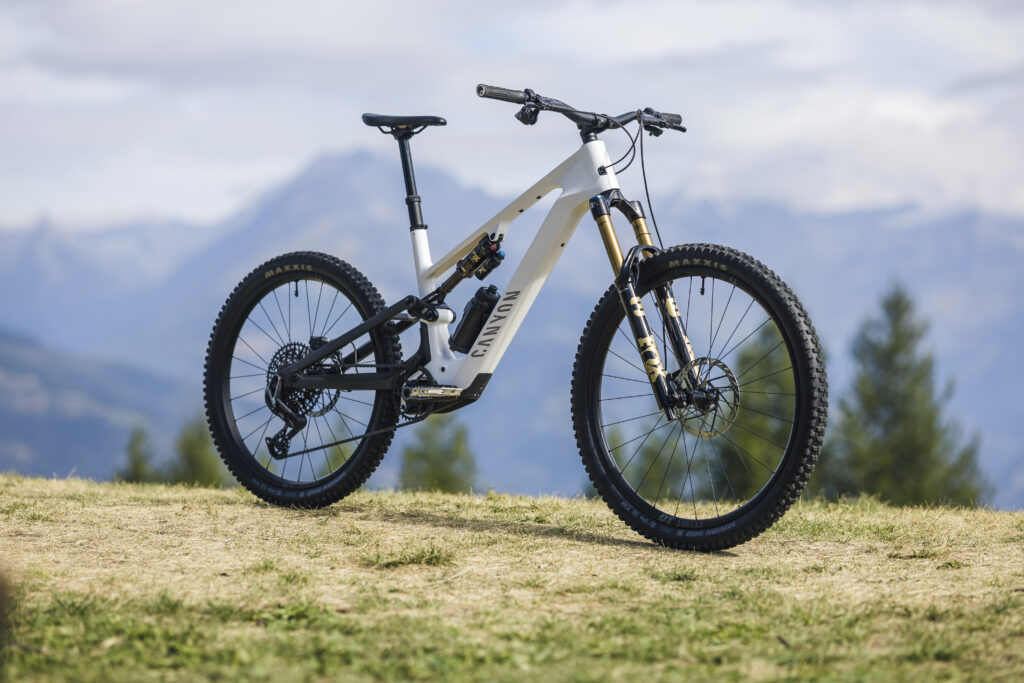
“Cycle to Work should be about helping ordinary commuters switch to greener travel, not giving tax breaks to high earners buying £4,000 e-bikes for weekend rides in the Surrey Hills,” one government figure told the Financial Times. “Taxpayers shouldn’t be footing the bill for luxury leisure.”
It is not currently clear, however, whether the spending cap will return to the pre-2019 limit of £1,000 or whether it will be set at a higher rate to reflect the rising costs of bikes in recent years.
According to HM Revenue & Customs’ most recent data, there were around 209,000 claimants under the scheme in 2023-24, up from 167,000 in 2019-20, when the £1,000 cap was removed. The cost of the scheme also rose from £55 million in 2019-20 to £130 million in 2024-25.
“The government should leave the scheme alone or, ideally, improve the incentives rather than restrict them”
Last month, a new report commissioned by the Cycle to Work Alliance claimed that the scheme generates £573 million a year to the UK economy across retail, productivity, health, and household savings, while saving commuters over £1,200.
The report, conducted by Ortus, found that £219 million worth of bikes and accessories were purchased in 2023/24 by 199,000 employees, a figure that rose to 209,000 the following year.
Of those employees, 38 per cent were new to commuting to work by bike, demonstrating, the Cycle to Work Alliance says, the scheme’s ability to influence behavioural change.
Local transport minister Lilian Greenwood also praised the scheme, describing it as a “real success story, helping millions of people choose a healthier, greener way to travel while boosting local economies and supporting jobs”.

Meanwhile, another report published today by the Cycle to Work Alliance found that the scheme is worth £37 million a year to the UK economy due to reduced sickness absence and higher productivity rates, while cutting participants’ risk of heart disease by 24 per cent and cancer by 16 per cent, compared to those who commute by car.
“The Cycle to Work Scheme shows how small changes in daily life can have big impacts,” the Alliance’s chair, Steve Edgell, said in a statement today.
“Thousands of people who had never cycled before are now building activity into their routine, improving their health and wellbeing, and contributing to a stronger, more productive economy. It’s a powerful example of prevention through participation.”
The prospect of a new Cycle to Work cap also comes at a time when cycling retailers, and the industry in general, continue to struggle in the turbulent aftermath of the Covid-19 era bike boom.
Will Pearson, the co-owner of London-based Pearson Cycles, told the FT that any proposed limit on the scheme would need to be set at a “sensible level”, warning that it could harm progress towards encouraging more environmentally friendly travel.
“The government should leave the scheme alone or, ideally, improve the incentives rather than restrict them,” Pearson said.
“Customers are far more likely to consistently use their bikes if they are of a certain quality, reliable and efficient. This often comes at a higher price tag.”
> Does Cycle to Work still… work?
However, despite these concerns, the Cycle to Work scheme has come in for some strong criticism, both from MPs and within the cycling industry, in recent years.
In 2024, the Association of Cycle Traders (ACT) and senior representatives from the retail industry met with MPs to call for “urgent systematic change” to the scheme, arguing that it is no longer fit for its original purpose of encouraging people to commute by bike, and that cycle retailers are “currently bearing all of the cost of funding the scheme”.
And in March, the All-Party Parliamentary Group for Cycling and Walking (APPGCW) published a report calling for Cycle to Work to be rebranded “Cycle for Health” and opened up to low-income employees, freelance workers, and pensioners, as part of a wider series of reforms urgently required to tackle inequality and lack of access to active travel.
The year before, the Walk Wheel Cycle Trust (formerly known as Sustrans) and MPs united to point out flaws in the scheme, which excludes anyone who would earn less than the minimum wage of £17,000 a year once the salary deductions are taken into account, as well as those who are not in work, self-employed, or work for a non-participating employer.
The consequence of the scheme’s minimum entry point, the charity pointed out, is that just 30 per cent of people on a low income or not in employment have access to a cycle. On the other hand, data from Sustrans’ Walking and Cycling Index found that 59 per cent of people in professional occupations have access to a bike.
In response to these concerns that the initiative is “unfair”, Simon Lightwood, the Parliamentary Under-Secretary of State for Local Transport, admitted that the Labour government “absolutely recognises” there are “problems” with the current Cycle to Work scheme.




















57 thoughts on “Labour clamps down on “tax breaks for high earners riding £4,000 e-bikes in the Surrey Hills”, as Rachel Reeves to reintroduce Cycle to Work spending cap in Autumn Budget”
That’s a lot of words to
That’s a lot of words to write about a single sourced claim that this “could” happen, attributed to an unnamed government source.
It’s been mentioned on Radio
It’s been mentioned on Radio 4 Today, someone is briefing it
Its from the FT, they dont
Its from the FT, they dont publish pure speculation about what might be in the budget with only a week to go.
Its clearly a government source from the Treasury briefing them on the actual details in the budget, maybe hoping to distract everyone with squirrels
Really?! Have you looked at
Really?! Have you looked at ihttps://www.ft.com/uk-autumn-budget-2025
Endless stories about how dividend tax will be up and down or salary sacrifice schemes under attack or that she is considering a less drastic cut to ISAs than the one which hasn’t been announced.
There is just speculation and here’s a chance for a budget story that gets everybody interested as its about how much we hate people using bikes for transport.
That may as much be due to
That may as much be due to the muddled headness of the Treasury putting this budget together in that they keep changing their minds based on whatever crisis the government keeps finding itself in.
The FTs reputation in the city and the financial institutions who trust them is built on them not gaslighting or wildly speculating about the budget. If they’ve got a source giving them this kind of info they’re quoting, be assured its top level government leaks of facts.
Hit the nail on the head.
Hit the nail on the head. This isn’t about salary sacrifice tax savings, it’s about pandering to the cyclist-hating groups by dealing with the lycra louts on super-expensive carbon bikes funded by the taxpayer.
Of course, the health benefits of a lot of people getting exercise aren’t considered in this reactive kind of financial planning. How much does a triple-heart bypass and a month on an ICU unit cost?
I don’t even think it’s
I don’t even think it’s “pandering to the cyclist hating groups” – it’s just the latest line in Labour’s pathetic class war agenda.
If it was about saving money they would go after cars – of which there are many luxury ones driven on salary sacrifice driven around the north east and north west.
But the quote was about successful people in the South East – because the policy and the rhetoric is designed to shore up the Labour vote and play on the prejudice of Labour’s diminishing voter base.
“Sources familiar with” is
“Sources familiar with” is accepted journalistese for “a PR acting for the minister concerned, who asked for it to be quoted anonymously”.
The briefing about the budget
The briefing about the budget has been ridiculous this year. The number of speculative announcements leaked by the Treasury to test how unpalatable their ideas are is not just highly unprofessional, it disrupts peoples lives. By way of example many people withdrew their tax free lump sums from their pensions because there was a briefing about the allowance being withdrawn, only to be told 2 days ago that it wouldn’t happen. If the government wants stability and growth it needs to keep the whole budget under wraps until budget day, cycle-to-work scheme included.
Yep, the potential for
Yep, the potential for retrospective taxes on pensions and property is deeply unsettling for many people who have planned and saved all through their lives.
How it all works certainly
How it all works certainly needs to be addressed:
1. Low earners not able to access the scheme as it takes them below Min wage is definetly wrong.
2. High earners getting much better deals as the tax savings are all from your highest tax rate
3. Employees of uninterested employers don’t have access because they won’t sign up to a scheme.
Perhaps they would be better to do something like removing VAT from bikes but this probably wouldn’t make much difference to the end user as the retailers would simply scoop it up
1. That’s an employee
1. That’s an employee/employer problem, not an “everybody else” problem.
2. Why aren’t ISAs considered for scrapping? They’re a perk used by the rich to avoid income and capital gains tax. Same with pension contributions and salary sacrifice cars.
3. There are knock-on effects from stuff like this that aren’t necessarily considered. Get rid of sal-sac car and bike schemes at your leisure, and cap pension contributions, but the people who are (quite rightly) paying the bulk of tax income in the UK will simply work less thanks to right-to-request part time. Productivity and tax revenue both fall.
Honestly, the simplest and most effective way to deal with this is just to increase income tax for everyone and scrap the pension triple-lock. And at the end of the day the main cause is Brexit, so dig out the results from the referendum and target the people who voted leave with an extra 4% tax rise – or if they don’t pay tax – a 4% cut to benefits.
Fursty Ferret wrote:
This has been the argument for ages but the idea that the greedy people who hate paying their fair share of tax would actually work less and earn less to avoid paying it makes no sense to me. I accept they may leave the country but that just leaves another job for someone else to do and reduces unemployment by 1
Depends. Someone earning £125
Depends. Someone earning £125,000 (consultants etc) will pay 13x as much tax as someone earning £25,000. So arguably they’re already paying their fair share. You could, of course, tax your consultants to the point where they only take home the same as someone on £25k in the interest of fairness, but you won’t have consultants any more.
There’s an issue between CEO / footballer / celebrity salaries and the average person, but in general someone earning more than you has a job with greater responsibility, training, stress, and risk.
Fursty Ferret wrote:
Yes but someone earning £125,000 will have well over 13x as much “disposable income” after tax than someone earning £25,000 because almost all the remaining income of the lower paid person will be going on the cost of living and I’m not sure that I rate most consultants as being even twice as valuable to society as a cleaner, retail assistant or receptionist for example.
I’m sure most people on this forum can think of people who are paid more than others but who don’t have greater responsibility, training, stress, and risk because business values “management skills” higher than “technical skills” even in industries that are totally dependent on those technical skills.
Somebody earning £25000 can
Somebody earning £25000 can barely exist in our society and likely lives a life of considerable stress which is reflected in the life expectancy statistics of the lower paid vs those with much larger incomes.
Fursty Ferret wrote:
2. Why aren’t ISAs considered for scrapping? They’re a perk used by the rich to avoid income and capital gains tax. Same with pension contributions and salary sacrifice cars.— Fursty Ferret
With you on the ISAs (although providing an incentive for everyone to save money is no bad thing). The real issue with them though is that the annual limit is way higher than it needs to be. Does anyone with the funds to save £20,000 in a single year, really need the tax relief incentive?
Salary Sacrifice cars I have never understood. If you need a car to perform your job, your employer should provide one (with appropriate BiK taxes applied if it is also available for personal use) so the argument for them seems flawed to me.
Pensions though, are different in two ways.
First … we should (as a society) be encouraging people to save for their retirement and relieve pressure on the state pension system and providing tax relief is a good way to do that as it instantly increases the value of your savings.
Second, they are for the most part tax neutral. You get tax relief on the contributions by getting back tax you have already paid. And when you take the benefits in retirement, yes there is a tax free lump sum element but beyond that you pay normal income tax on the pension you receive. If your investments do well you could end up paying back more tax than the relief you received when the money went in.
Used properly, tax reliefs are a valuable way for governments to encourage specific behaviours that benefit the system as a whole and it is short-sighted to stop them … even if they inevitably provide greater benefit to those with more money.
Hard to disagree with this to
Hard to disagree with this to be honest. Set it to a sensible level of lets say £4000 and allow people to top up anything above that. That covers a very nice bike/cargo bike.
The biggest issue with it is that it disproportionately benefits the wealthier vs the rest. How to solve that? I don’t know.
The “benefit” is the offset
The “benefit” is the offset against tax, which they disproportionately more,
I think a sensible debate
I think a sensible debate about the thresholds on tax deductable benefits and so on is one thing.
However, the absolutely lunatic hyperbolic language from The Daily “52mph cyclists” Telegraph is quite another thing!
The cost should be pinned to the cost of a reasonable e-bike – if I recall, the introduction of e-bikes was a key justification for the increase in the threshold. Or maybe two thresholds – one for electric and one for normal bikes.
Meanwhile, £650M is available
Meanwhile, £650M is available to subsidise EVs and there is £350 towards a charging point.
Thereby giving equivalent tax breaks to high earners.
Can’t they just limit tax relief to basic rate, as it would be silly to exclude people buying a cargo bike.
Don’t forget the fuel duty
Don’t forget the fuel duty escalator which somehow is failing to escalate…
Petrol and diesel are both
Petrol and diesel are both now cheaper in pound terms than 12 years ago – or about 60p cheaper if the price had kept up with inflation.
A significant hike in fuel duty and a floating tax (which falls when the crude price rises and increases when crude price falls) pegged around the £1.75 mark (so another 40p a litre tax on current retail prices) would raise £18B additional tax next year and wipe out most of the newly created “black hole”.
open_roads wrote:
Exactly this.
My daughter did an 18 week course in York in 2018 (we live in Hull) and for the first two weeks we drove her in every day because it was so much cheaper to do that than take the train, and my wife and I love York and were more than happy to spend a few days there.
I remember making sure during that two weeks to fill up the petrol tank at Morrisons in York because it only cost around £1.40 per litre compared to over £1.50 at home (40 miles away).
As of right now, 7 years later, I can fill up on diesel (which is more expensive than petrol) for less than the £1.40 per litre it cost me then.
If we want to encourage active travel the cost of driving needs to at the very least keep pace with inflation … and at a time when we are talking about taxes having to go up, it seems ludicrous to not do this.
Otherwise the government needs to come clean and admit that it is more important to keep the cost down than encourage people out of their cars.
But creates a two tier tax
But creates a two tier tax rule system for salary sacrifice schemes, which adds more complexity & more red tape, which costs more to implement
What happens if you’re on the threshold of basic rate to higher rate crossover, and a promotion, payrise, government fiddling with tax rates again pushes you over during the initial 12month period, or later during the tax liable qualifying period ?
The person’s tax code would
The person’s tax code would be adjusted.
Despite claims that the
Despite claims that the retailers would just raise prices, I think zero VAT rating on bikes, parts and accessories would fix the unfair tax benefit skew towards the wealthy and also fix the various issues about who is eligible. The other benefit is that it would be far cheaper to implement and it sends the right message about health and activity.
Has always seemed the fairest
Has always seemed the fairest way financially, but it does little to promote cycling to work as a specific outcome.
For sure you can argue the existing scheme doesn’t much either, but that was its intent at least.
Plus I think reinforces a false barrier that its purely cost that prevents people from taking up cycling.
If going after luxury travel
If going after luxury travel the lack of duty on aircraft fuel should be the top priority. I understand fancy yaghts also get tax free fuel. One rule for the rich…
Lets face it, the super
Lets face it, the super wealthy should have to wear metered helmets, every breath charged.
The tax breaks on super
The tax breaks on super yachts that are “commercially chartered” are hugely abused. A certain Roman used to charter yachts from himself so that it could be claimed to be operated commercially.
anotherflat wrote:
Devius Circuitus Avaricius?
Taxius Minimus
Taxius Minimus
anotherflat wrote:
Economicus Naufragius?
chrisonabike wrote:
The tax breaks on super yachts that are “commercially chartered” are hugely abused. A certain Roman used to charter yachts from himself so that it could be claimed to be operated commercially.
— chrisonabike Economicus Naufragius?— anotherflat
Persons who feel the need to flaunt their extreme wealth by buying enormous yachts are generally known as Smallus Dickus, I believe.
There’s cetainly an argument
There’s cetainly an argument for sorting out the scheme, and excluding Peloton Pete’s penis extension, whilst making cycles more easily available for poorer people, and disabled who are far more likely to be poorer.
We also need e-mobility aids eg clip on wheelchairs in Motability, alongside mobility scooters.
The main thing the poor need
The main thing the poor need is somewhere safe to store their bikes given many dont have the indoor space for it and anything left outside gets nicked.
Agree on the e-mobility aids – they should’ve VAT free on private sales / when not provided by the state – because all the research shows that enabling people to live indecently where possible reduces the risk of depression and in turn the associated cost to the NHS.
Hear hear. And we could do
Hear hear. And we could do with cycles being able to be categorised as mobility aids (fat chance at the moment if the narrative is “dangerous MAMILs and dodgy delivery riders”…).
Here’s what we could be doing (especially if we “have to build” more accommodation…)
But it’s still absolutely
But it’s still absolutely fine for NHS workers to get a £50k car on the salary sacrifice scheme – which means they pay out of gross salary and save many thousands of pounds **every year**.
Because we’re all in the tax doom loop together. Aren’t we Rachel?
Or is the inconsistency because we have an obesity epidemic and need to get more people off bikes and into cars? Rachel?
Clearly that is also an
Clearly that is also an excessive perk that should be reduced. I believe a new 4wd Dacia Duster can be had for at most £28,000, perfectly suitable for those who have to work in more remote locations.
Undoubtedly, this change is
This change is another nail in the UK’s economic growth coffin. Britain’s cycling industry is already on the brink; reducing the sales of more expensive bikes reduces the industry’s viability.
Another_MAMIL wrote:
Very true, and reducing tax income to the exchequer with salary sacrifice is not as much of a reduction for the government as it appears at face value – on this notional £4K bike given as an example, £667 is VAT. So for every £4K bike that the government subsidise by between ~£900-1700 (depending on tax band), nearly £700 comes straight back for a bike sale that might not have taken place unless the scheme was available. I don’t think tweaking this long established scheme will save as much money as the treasury thinks.
Compare these two sentences:
Compare these two sentences:
“Tax breaks for high earners riding £4000 ebikes in the Surrey Hills”
and
“Asylum seekers living in four-star hotels with everything paid for by the taxpayer”
Superficially, they don’t have anything to do with each other, but in fact they are quite similar: they both are completely unreflective of the reality for 99.9% of the people in the situations referenced, they both attempt to set up a bogeyman whom everyone can hate and blame for their own dissatisfaction, and if a magic wand removed both types of people from the face of the planet tomorrow it would make little or no substantive difference to the state of the public finances.
Other than there is more
Other than there is more truth in one than the other and would save considerably more in billions than £130 million.
lycralout wrote:
Do you know what an asylum seeker in an hotel (virtually never four star, often atrocious flea pits) is given a week if meals are provided to cover everything else – transport, clothes, toiletries, any snacks and drinks outside meal times etc? £9.95. If their meals aren’t provided they have to source them for themselves (bearing in mind that they usually have no access to food preparation or cooking facilities, so generally have to buy readymade or takeaway foods), along with all the aforementioned sundries, for the princely sum of £49.18. Seven quid a day for everything except your bed. So perhaps think what the “truth” in “everything paid for by the taxpayer” represents?
Yes, the truth is about the
Yes, the truth is about the cycle to work scheme. The other one is a complete lie.
Rome73 wrote:
A sweeping generailsation perhaps but hardly a complete lie. The bulk of the asylum system cost is in accomodation and obviously they don’t get eveything paid for, why should they? What is not a lie is the current cost of what is being provided and the future welfare costs are not an insignificant footnote to the public finances.
lycralout wrote:
Truth-lite persuasive story-telling. “Four-star hotels” is either false or utterly misleading (“it *was* a four-star hotel – before we squeezed hundreds in, and changed services to fit in with a prison budget – plus our profit margins of course”)
But yes – costs a lot of money, and highly inefficiently so, plus it’s not great for the people housed. The locals aren’t happy either – but I believe what works best for the wellbeing of the migrants AND may be better for locals is … exactly what they *don’t* want – a more dispersed model.
Most migrants are leaving pretty awful places and many may be doing so under threats to their life … but quite understandably after “survival” has been achieved people obviously hope for a better life and not simply not to die.
It’s not an easy topic. Keeping people out – even for an island nation – is costly. And of course migrants normally go where they have some kind of connections so there will be tugs of love.
As can be seen from eg. Japan during their period of isolation slamming the door shut may have cultural consequences, just as large- scale migration would (and the UK is far from at the top of the rankings for migration anyway).
As for costs – it’s also complicated. Large-scale immigrant labour can reduce wages for some, but of course many businesses would be happy and we struggle to fill some jobs as is. Getting locals to pick up the slack could take years… Avoiding competition for local jobs by forbidding people from working means we have to pay their maintenance. Plus the more enterprising will find a way (often in shady work which we don’t want the criminal managers profiting from and which may leave the migrant workers needing further costly services eg. criminal justice system, health care…)
Migration generally *benefits* both migrants AND the host country and politicians know it…
Finally there’s the fact that it’s hard to square the circle of “*we* want to do better over here” (and not infrequently yesterday’s immigrants are leading the chant…) with keeping everyone else from wanting a slice of the pie. Especially where the goods we accumulate / our security may be related to the problems elsewhere that people are trying to escape (see eg. climate change, or shift towards locally cleaner technologies etc).
chrisonabike wrote:
Exactly. What makes a four star hotel? The bar, the meals, the service, the amenities like swimming pools and gyms, the luxuries in the rooms, et cetera et cetera. None of that remains for asylum seekers, it’s just another room, often shared with more people than was intended, and the food provided is often of the basic type and not much of it.
lycralout wrote:
Despite what you read in the press and hear from right-wing politicians, the vast majority of asylum seekers have come here because they are genuinely fleeing war, starvation, rape, murder and oppression on a scale that we can’t possibly imagine in their homelands. So one answer to the question as to why they should get things paid for whilst their claim is sorted out is simply that it’s common decency to help your fellow humans when they are in need. However, there is a more pragmatic reason as to why they should get things paid for which is that they are not allowed to work in this country until they have been here for at least a year, and even then they have to prove that any delay in processing their claim was not their fault and there is a very limited range of occupations they are allowed to join, most of which are highly specialised and require substantial qualifications and experience. I volunteer with an organisation that, amongst other things, works closely with organisations helping asylum seekers; trust me, the vast majority of them are begging to work and are quite happy to clean lavatories or pick crops or whatever is available. Wouldn’t you be, if the alternative was to continue staying in a crappy hostel or barracks being fed inadequate food and being given £9.95 a week for all your other needs? But they are not permitted to work. By all means say “why should they get everything paid for” if you offer them the chance to work so they can pay their own way, otherwise you just have to accept that it’s not their fault that the system won’t let them do so.
Rendel Harris wrote:
This is the nub of the world we so visibly live in today. Its why nearly every decision made feels like a short sighted knee jerk attempt by inept people to be popular. Divide and conquer by those who rule our lives.
This wouldn’t bother me so
This wouldn’t bother me so much if they replaced C2W with a tax incentive that helped everyone regardless of income, and also encouraged cargo bike ownership.
Plenty of money around for
Plenty of money around for the digital ID sceme and subsidising electric cars though.
Wow read what that dickhead
Wow read what that dickhead Ben Wilkinson wrote in the Telegraph.This bit especially “The next time you see a Lycra-clad cyclist tearing through a red light, consider this: their hugely expensive bicycle was likely paid for by you, the taxpayer,” Wilkinson wrote. Talk about adding fuel to the fire of the hatred towards Us.?
And in the same “newspaper”
And in the same “newspaper” yesterday, advice on how to get your hands on the tax break before it’s taken away. Tories being hypocritical, colour me shocked…
Not sure “like” is quite the
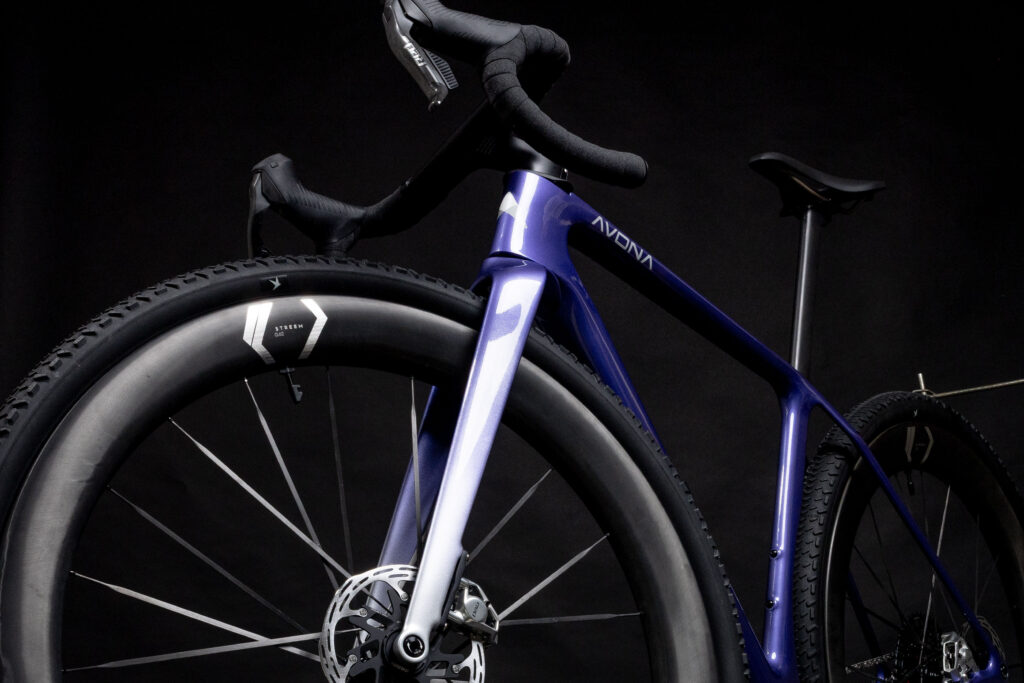
Not sure “like” is quite the appropriate response, but have one anyway. And just to emphasise that both an electric brompton and the bike pictured (not qute sure what it is, but looks like a nice e-bike) are perfect examples of bikes being used for commuting and active travel, and how even “sensible” bikes can be expensive.
Ben Wilkinson seems a bit
Ben Wilkinson seems a bit confused, “lycra clad cyclists tearing through red lights” will be on their commute not pootling round the Surrey hills.
Though occasionally I have been lucky enough to work places where my commute did enable country and off-road routes.
The one criticism that I do agree with is that it doesn’t help low-paid workers, changing it so that it’s less tax relief for high earners and a reasonable relief for the low paid would be more effective at getting more people cycling.