Reserve’s Fillmore Valve was amongst the first to help deliver greater airflow into a tubeless setup, while allowing for the clog-free injection of sealant. While it does those two things perfectly, other neat features that aren’t found on any other valve, as well as the price for a pair, make it well worth the investment for anyone riding on tubeless tyres.
- The pros and cons of tubeless tyres
- How to set up tubeless tyres
- The best tubeless sealant 2026 – tyre sealant for MTB gravel and road
Reserve Fillmore Valves – Technical details
Protected by a patent, the Fillmore valve works takes the Presta design, but tweaks it beyond recognition, marking a monumental step forward in tubeless tyre valve design. Essentially, it’s a 7000 series aluminium hollow tube with a single stainless steel internal rod running through its entirety that can move up and down. An o-ring-equipped cap, on the end of that piece, opens and closes the valve. This little cap relies on the air pressure inside the tyre to keep it closed, but it can be opened up by pressing on the top of the valve.
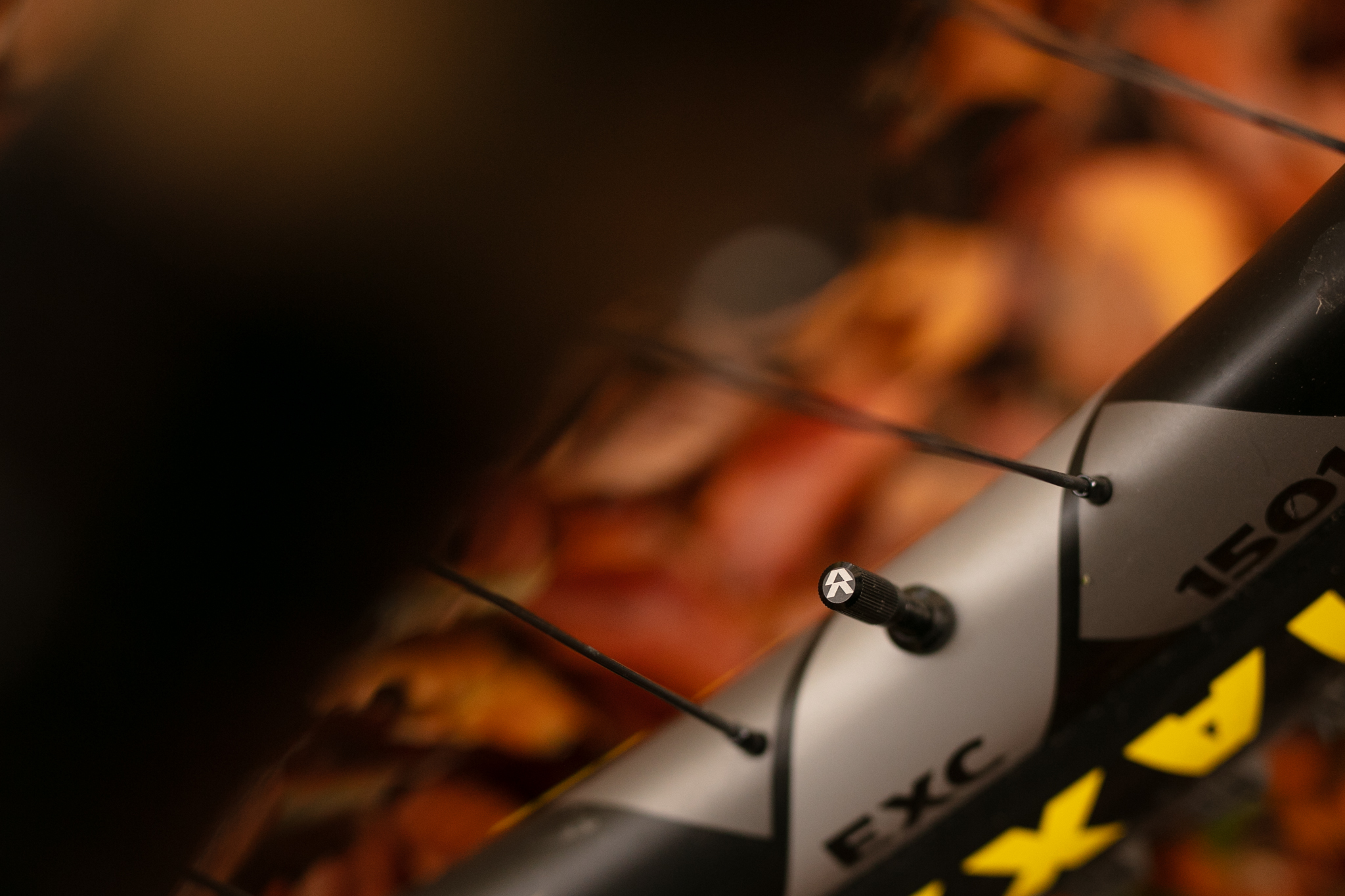
This opens up some opportunities, but really, it’s a remarkably simple design with very few moving parts. In fact, there are very few components to the valve altogether.
While this design means that the valve can allow a lot more air through (three times as much, says Reserve), and sealant, it means that with the valve cap still on (but wound off a bit), a quick tap of the cap will release pressure, for easy tuning of your tyre pressures. It doesn’t need to unthread all that much, either, meaning that it’s much harder to lose any parts of the valve.
A pair of Fillmore Valves is available in 50, 70 and 90mm lengths to fit rim depths of 18mm up to 68mm. They’re also covered by Reserve’s Lifetime Warranty for the original owner, and at Reserve’s sole direction, the brand will replace them free of charge if damaged under normal riding conditions.
I’ve weighed the 50mm length on test to be 5.6g per valve.
Reserve Fillmore Valves – Performance
The Fillmore has been on the market for years now, and as a fan of anything that makes life with bikes that much easier, and one who’s firmly been on the new wave valve hypetrain since its release, it’s embarrassing how long it’s taken for me to get a pair to test. But after a few months of riding with them, I reckon that they’re the holy grail of tubeless valves… if there was one.
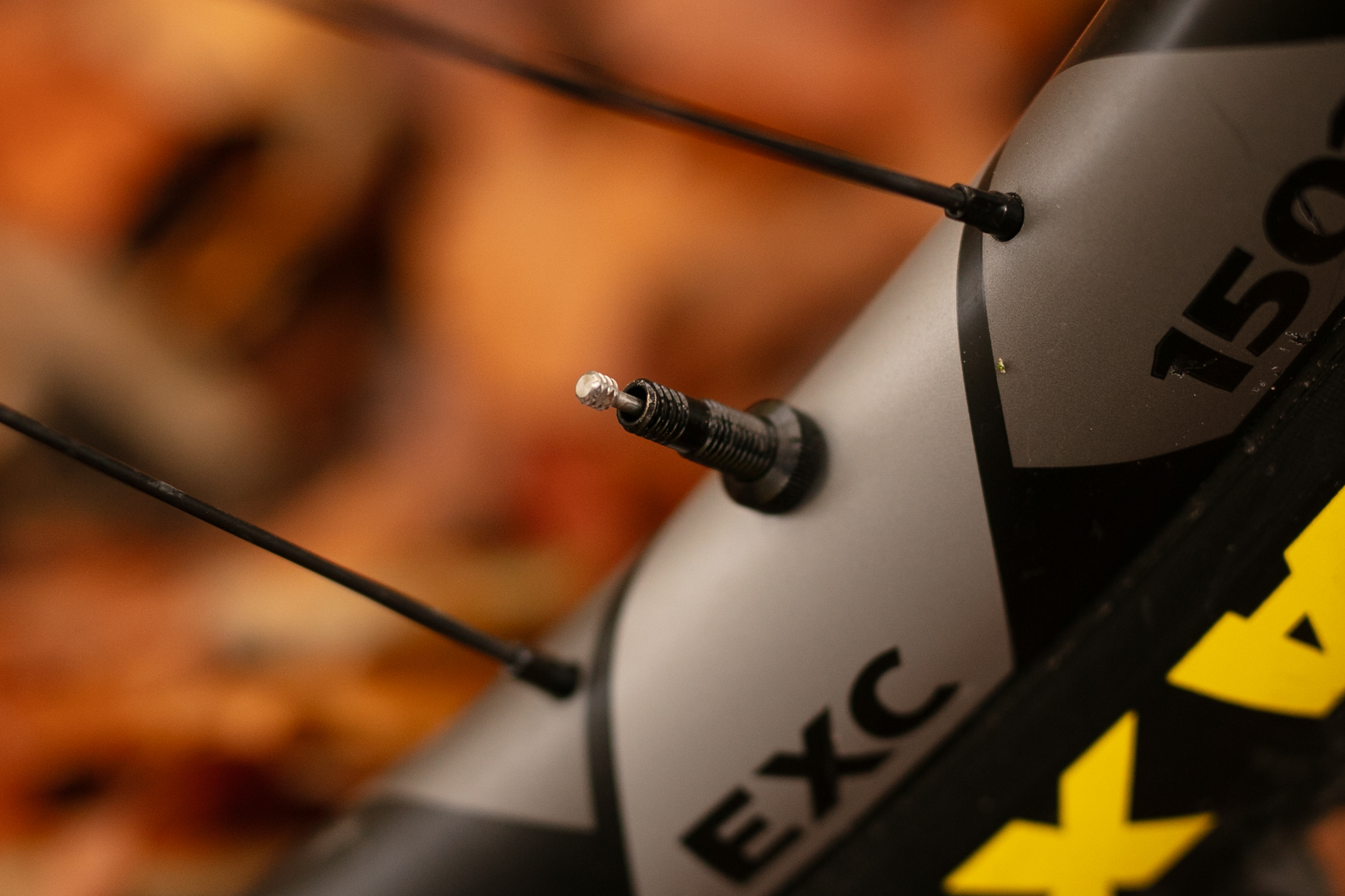
It’s just delightfully simple, and they make life with tubeless tyres that bit easier. But in its simplicity, it brings more functionality, which is impressive in its own right. As mentioned before, you can unwind the cap a quarter turn and tap on it to release pressure. Now, that’s not all that different to regular Presta valves, especially if you don’t bother riding with caps, but the Fillmore’s cap makes for a nicer experience. Plus, as you’re never winding the cap all the way off (unless you’re inflating a tyre), you’re very unlikely to lose it trailside.
The biggest benefit for me is the increased airflow they help to deliver. It makes setting up tubeless tyres much easier as they allow more air into the tyre per pump stroke. For me, the valve negates any need to reach for a charger pump or CO2 canister to get a tyre’s beads to seat, and it takes noticeably less sweat and effort to get a tubeless setup rolling with a Fillmore in place. The better air delivery also makes inflating tyres with a mini pump much more tolerable, too.
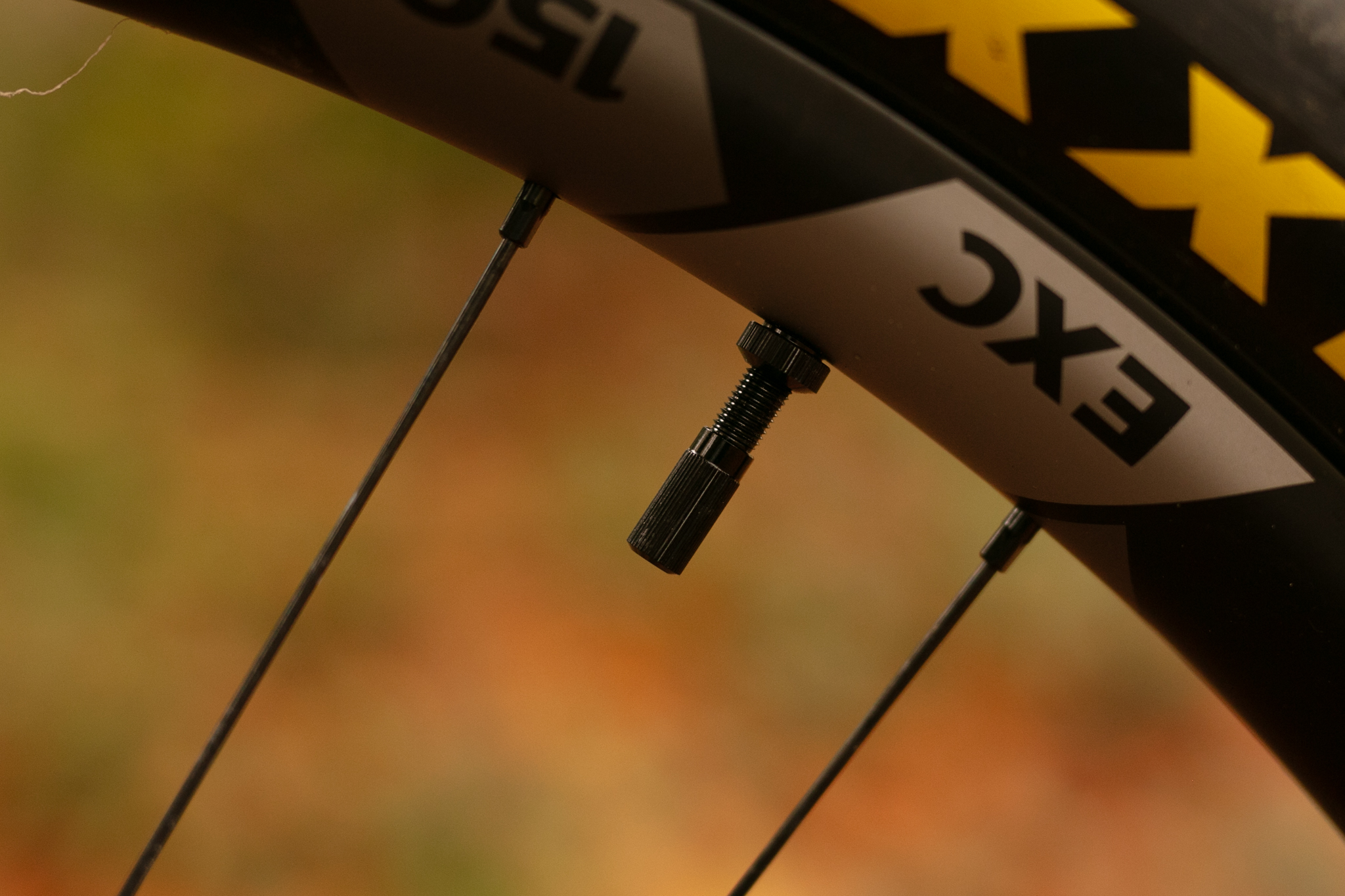
If you’re one to push sealant through the valve, the Fillmore simply doesn’t clog. There are no small gaps between surfaces in or around the valve, leaving no crevices for sealant to unnecessarily fill and solidify.
I’ve found the valve to work will all pumps I’ve used, too. Whether it’s a push-and-lock type, the newer Topeak Rapid head or screw-on pumps.
Downsides of the Fillmore are incredibly few. If you’re that fussed about colours, the Fillmore only comes in black, so there’s that. Otherwise, Reserve seems to have hit tubeless valve perfection.
Fillmore Valves – Verdict
If, like me, you’re not fussed about colour matching your valves, the kicker is that the Fillmore valves RRP at £50 a pair. With Topeak’s Turboflow valves being £35 and Muc Off’s Big Bore Lite valves at £40, Reserve’s, albeit excellent valves, are comparatively pricy.
However, they’re as fuss-free as it gets. The Turboflow adaptors, while cheaper, require a little more unscrewing of things, and I found that the Big Bore Lite valves didn’t work with my pressure gauge.
If you’re happy to spend a little more, the Fillmore Valves are as spot-on as a pair of valves they get. They only provide benefits, making for easier tubeless setup, easier inflation and just a simpler experience in general. Better still, thanks to their solid build backed by a lifetime warranty, they’ll last forever.
You might also like:
- Tubeless tyres vs TPU inner tubes – which is best for you?
- Tubeless mountain bike tyres – everything you need to know
- Peaty’s Holeshot Tubeless Puncture Plugger Kit review
road.cc test report
What does the manufacturer say about this product?:
Reserve says, “the Reserve Fillmore Valve is a patented leap forward in tubeless tech. Its high-flow, coreless design triples air flow, making tubeless setup fast and effortless” This is all true
Tell us some more about the technical aspects of this product:
Available in 50, 60 and 90mm lengths, offers 3x the airflow with a no clog design, 7000 series aluminium outer and stainless steel core.
How does the price compare to that of similar products in the market, including ones recently tested?:
Around £15 more expensive than competing products
Did you enjoy using the product? Yes
Would you consider buying the product? If on sale
Would you recommend the product to a friend? Yes
Use this box to explain your overall score
The Fillmore valves are perhaps the best tubeless valves out there for their simplicity, ease of use and the benefits to air and sealant flow they offer. But they’re pricy compared to other offerings that work similarly, but without the refinement.