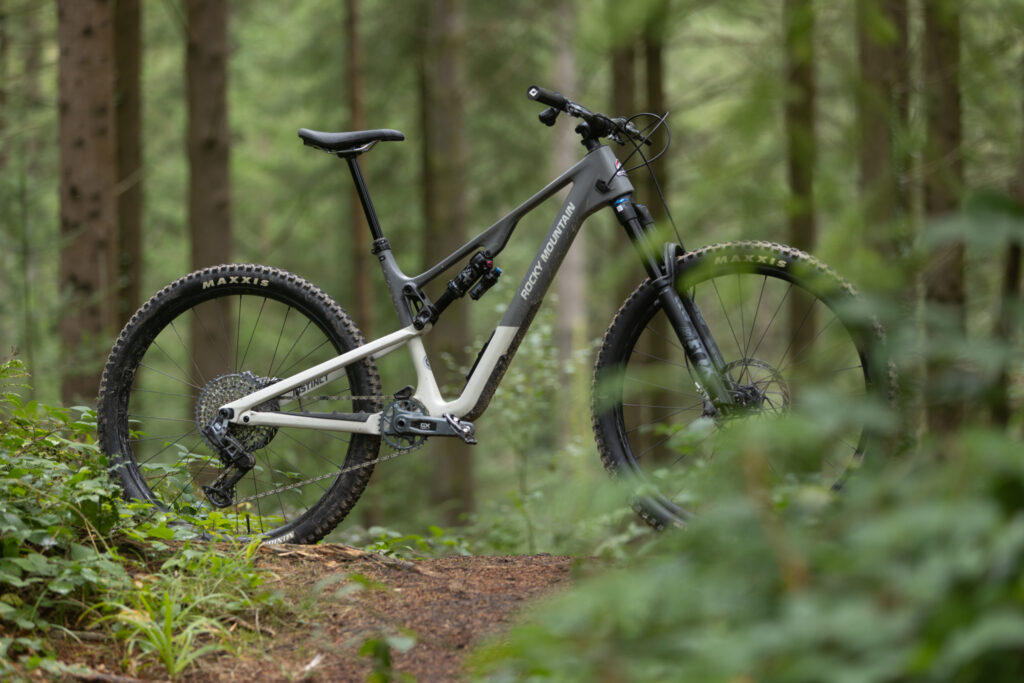
As Nukeproof makes a grand return to mountain biking, it does so under new ownership, one which is also leading in new and different directions. Now under the same roof as Ridley – that being the Belgian Cycling Factory – the brand is making a bold entry into the world of cross-country racing.
- “I want to make sure I retire knowing that I gave it absolutely everything I had”: Joe Breeden on building the Nukeproof Axess Racing team
- Juggling elite gravel racing, managing a women’s team, business and family life, Laurens ten Dam is the grand master of true cycling grit
- I’ve ridden a 32-inch wheel, and now, I think we’re overlooking its gravelly potential
From now until after the 2028 Olympics, Nukeproof will be fully on board not only the gravity scene, but also as sponsors of Bart Brentjen’s World Series KMC Nukeproof MTB Racing Team, a pure cross-country squad led by the former Olympic Champ.
We spoke to Bart about the bike switch, how a top-tier team prepares for the season, how things have evolved, and about the impact of the WBD running of the Whoop UCI MTB World Series.
off.road.cc: You’re mid first team camp of the year – what happens there?
Bart Brentjens: The camp is based in a village near Denia, in Southern Spain. The team all get together, and it’s the first time we all meet. It’s important that there’s a good team spirit so that they can work well together. Though there is only one new rider this year.

We do three races during this time too, and have two mechanics along to do some suspension testing, which takes one day for each rider. Vittoria comes over for tyre testing; that’s one day for the whole team, and we have a photo shoot for two days. We have a new doctor on the team this year, and she comes over for baseline and health tests on the riders. Also, there’s training, which is, maybe, the most important thing.
orcc: What are the biggest changes to this compared to your own heyday in the 90s?
BB: In general, there are no differences; it’s just more professional now. There’s more staff around these days; the mechanics spend more time on the bikes, there are manual and physio therapists around, a chef to take care of nutrition, and so all the tasks are spread around different people. This makes for a higher quality all-round.
For example, suspension testing, back in the day, we never did that. Tyre testing, I don’t remember ever doing that. Of course, riding on the courses, doing your training is also a kind of testing, making sure your bike is set up the right way.
These days, it’s more analytic; there’s more data, and they train more specifically. Even at a team camp, you will see almost all riders training individually, not in base training, but in their specific training – the intervals and efforts, that’s mostly done alone.
Getting Nukeproofed
orcc: Switching from Ridley to Nukeproof this year, given they’re both now owned by Belgian Cycling Factory, is it pretty much the same arrangement as before, and is going the Nukeproof way a logical move for all parties going ahead?

BB: For us, I think it’s a good move; I like it and am very happy with it. It’s the same people we’re dealing with, though there are a couple more people from the UK involved in product development and branding. The financials are still the same. I’m sure we’re going to see them at World Cups this year, which is good, as they can see close up what we’re doing.
Also, having the downhill team, I like that too. We have another product with downhill, and maybe we can help each other out and make something nice together. We’ll have to find out how that works.
orcc: Ridely is well known for its dropped bar bikes, but its MTBs have never taken off in a mainstream way in comparison. Did you and the team have input and influence on their bikes during the time you rode them?
BB: We did a lot of things together, and they listened really well to the things we told them on improvements, and they immediately did it; we definitely went in the right direction. Ridley is really well known in road, cyclocross, and now they’re really strong in gravel. At the recent World Cyclo Cross Championships, I think Ridley was only second to Canyon in bike numbers, though I think cyclo cross bike sales are not that big.
The mountain bikes never really sold that well, but it wasn’t the focus. They tried, and then found that maybe with a more common/bigger brand like Nukeproof, especially in downhill and enduro, it would be much better (going ahead). It’s the start of a new project, and let’s hope it’s successful. We’ll do everything we can to make it a success.
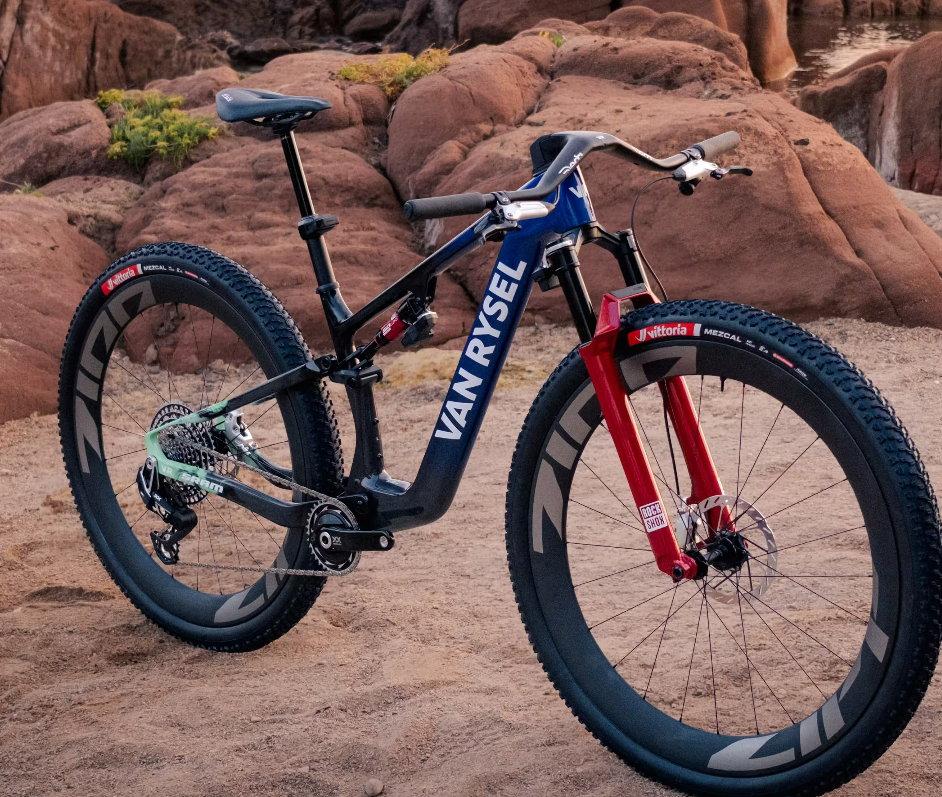
orcc: Is the bike the team will race on this year pretty much the same as the Ridley Raft from last year, only now a Nukeproof Hyperfly?
BB: There are some small improvements; the rear end is a little bit different, and we weighed the frame at about 200 grams lighter. The kinematics are also a bit different, but in general the bikes are hard to compare to the Ridleys we started on three years ago, and it was already a lot better last year.

The exact model we had last was never sold to consumers; it was a project that would become Nukeproof.
orcc: We hear they’re working on an all-new Nukeproof bike that you’ll be riding later this year; have you had any input or testing there?
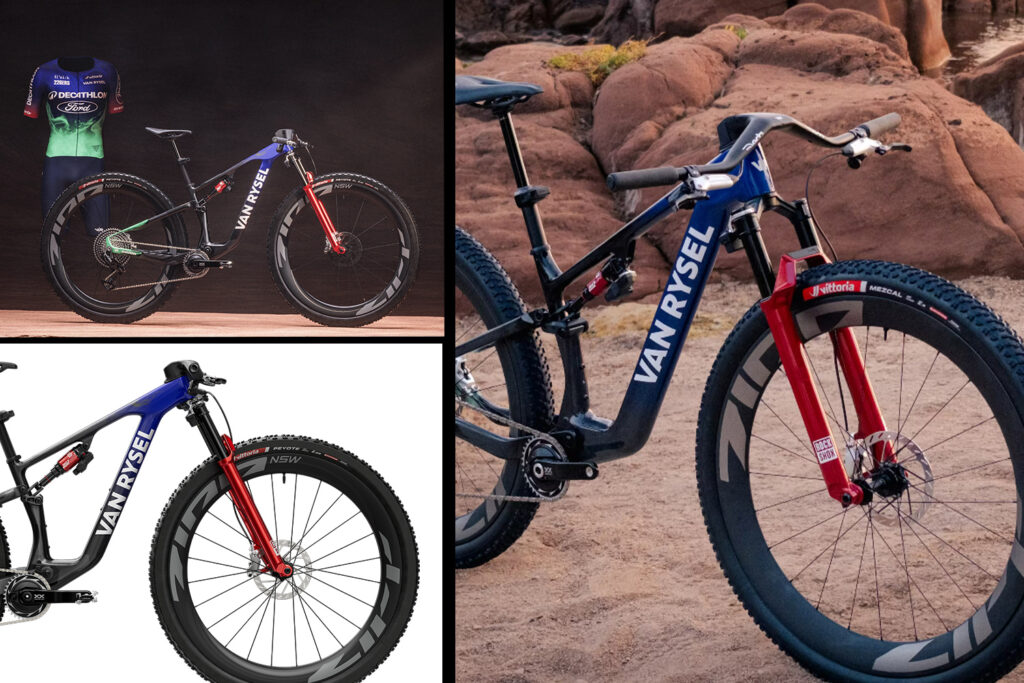
BB: Yes, there is. We haven’t had any testing on this yet, but we tested 32-inch wheels last year as part of the project. The first samples should be around in August, and I can’t wait, because the 32-inch bike I rode was really nice.
One bike suits all?
orcc: Do all team riders ride exactly the same bikes? Do they have a choice in model, and are there still hardtail options?
BB: There are different sizes, from small to XL, with different suspensions, though most are on 120s (mm) now. We don’t have any hardtail options for this year; we spoke about it with the riders, and none of them are asking for it. I think that you should do something special for the world champs, where you don’t have to ride the same bike for XCC and XCO.
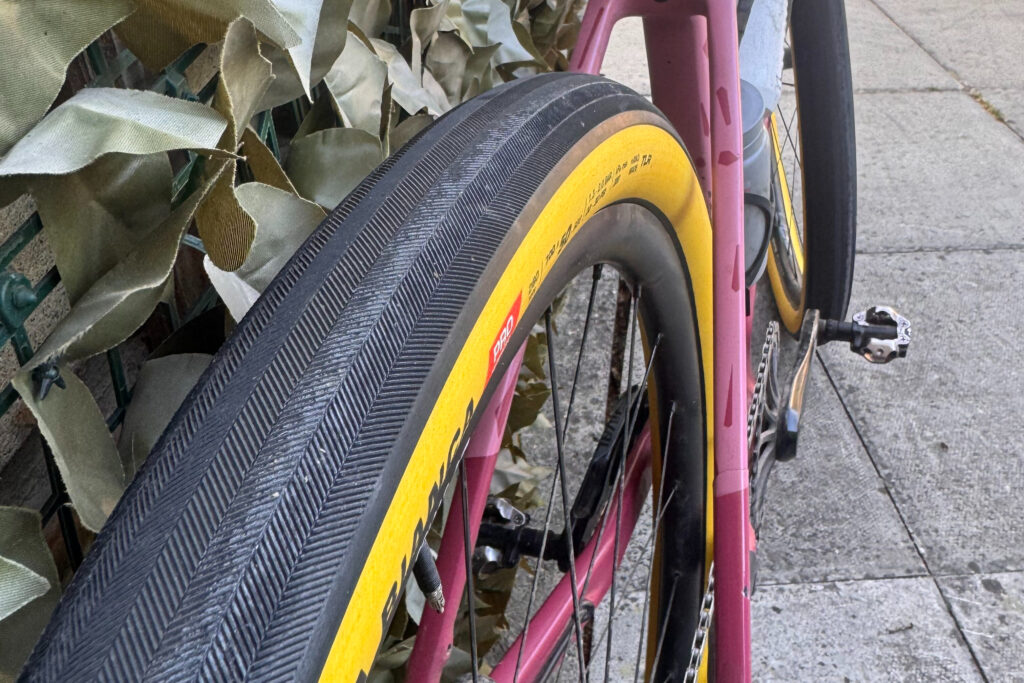
If you’re not used to a hardtail, it’s hard to ride one from zero; you have to work on it and your position. If you don’t know the course, like at last year’s worlds, there was a kind of a rock garden, and yet you still see all riders on full suspension. It’s hard to believe, as if you look at it, and a cyclocross course, they can look similar from a distance, but they’re riding quite aggressively on an MTB course. Even I’m always in doubt over the tyres they use; they need to have the grip and volume, I think you can ride much faster tyres if you like, but it seems to be more difficult.
Big wheels keep on rolling
orcc: Can you tell us about the 32-inch wheel experiment last year?
BB: We did the test in Canada (late-season World Cup). It rolls much better on rocky and rooted sections. It feels faster, there’s good grip in the corners too, and no problems with switchbacks or sharp climbs. Almost from the first moment, it felt good, a bit like going from a 26-inch bike to a 29er.

orcc: Do you expect to see all teams on 32-inch this year?
BB: I’m wondering who’s going to be riding them, and how far the brands are along with them. I think from the moment riders win World Cups on them, everybody will be on them.
orcc: For smaller riders, will 32-inch wheels likely upset the balance?
BB: Yeah, possibly, especially for those under 170cm tall. It could be difficult for these, and I don’t know yet if the manufacturers can make the right geometry.
Big screen partners
orcc: Since WBD took over the World Series, things have changed a lot. Has the profile and atmosphere changed much?
BB: Yes, there are definitely some changes. It’s more regulated, and the rules are stricter. But, on the other hand, it looks good on TV. How they produce the races and the TV show, and the branding on the course, looks really nice and detailed. It’s also good racing these days, and riders stay together longer, and short track is also part of that.
I really like what they’ve done for the sport, and how they’re doing it; it’s just that my worries are a bit about the growth of young and talented riders. It’s a bit like Formula 1 now in MTB with what they’re showing on TV, but you need to have a bigger base of talented riders doing the sport. It’s getting a little bit too exclusive.
Now, with the national federation qualifications (for World Cups) that might make it a bit bigger and more interesting.
You might also like:
- From doing the shopping to super tough races, the best cross-countrymountain bikers ride e-bikes too: Alan Hatherly and Nino Schurter on XC e-MTB racing and riding
- Forget gravel bikes, cross-country bikes are better, and nearly as fast
- What is cross-country short track? Everything you need to know about XCC