

Although carbon fibre is championed as superior to aluminium or steel mountain and gravel bikes, creating frames of lower weight and superior strength, there is a metal that ranks above carbon in the desirability hierarchy: titanium. Notoriously challenging to weld and fabricate, titanium is the most desirable frame material for off-road bikes. It offers superior strength-to-weight properties to aluminium or steel and is notably resistant to corrosion. But is it better than carbon fibre and worth the premium pricing?
- Types of mountain bikes: every MTB category explained
- Best gravel bikes under £1,500 in 2023 – drop-bar machines that won’t break the bank
- Gravel bike vs mountain bike: what are the differences?
A truer aviation metal
Mountain and gravel biking marketers love referencing aviation grades and certifications when shaping the narrative around new frames.
Several types of aluminium are used in mountain biking, and many are referred to as ‘aviation sourced’. It’s often the same appeal to authority with carbon-fibre brands claiming their composite material comes from an aviation product pipeline.
But there’s a broad fallacy regarding aviation metals and carbon materials in mountain biking. The production hygiene, certification and non-destructive testing involved with aviation components are many times more rigorous and advanced than mountain bike frames.
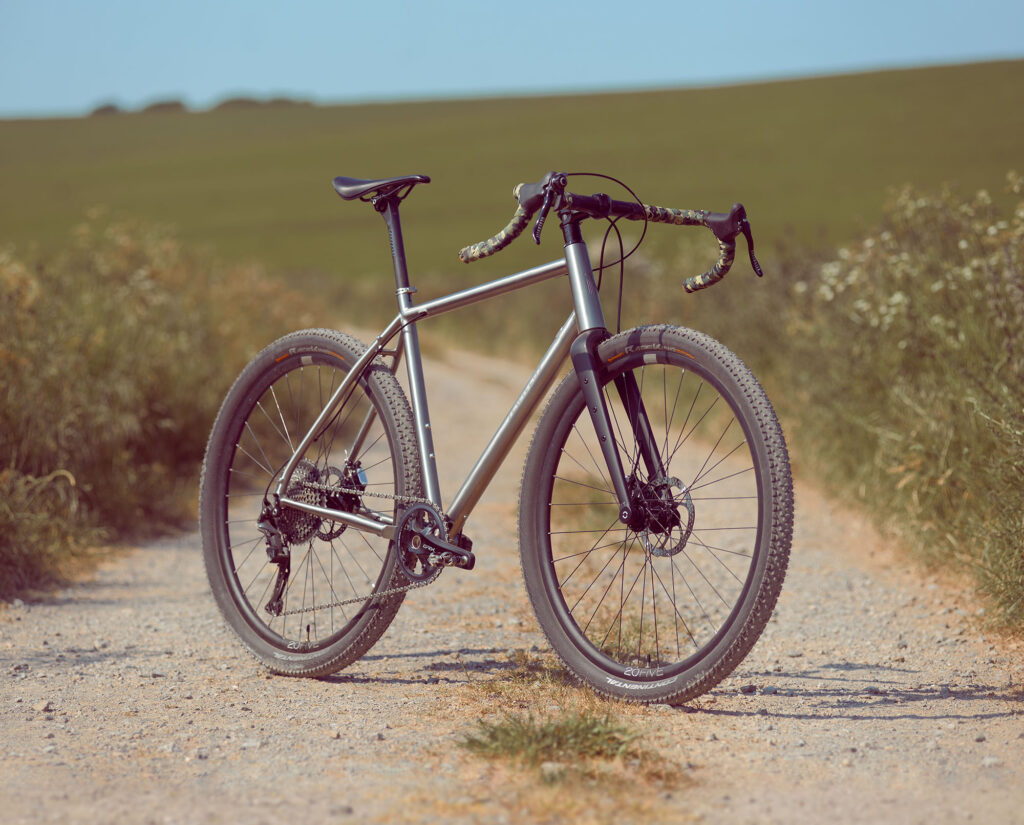
With titanium bikes, the aviation lineage is more authentic. The bikes might look traditional, without swoopy tube shapes like an aluminium or carbon frame, but the material quality is always advanced. Titanium is rare, and its material properties are much more advanced than aluminium. Titanium is the most authentic in the catalogue of aviation metals related to cycling.
Titanium is strong enough to be light
Titanium has the highest strength-to-density ratio of any metallic element, making it ideal for mountain bike frames, where engineers’ design priorities are high-strength and low weight.
Its strength-to-density has made titanium the choice material for high-performance aircraft. As such, the supply chain and fabrication skills within the titanium metalworking industry are more precious and rarer than with aluminium and steel. That’s also a contributing reason for the cost of titanium frames; often two or three times that of an equivalent aluminium or steel frame.
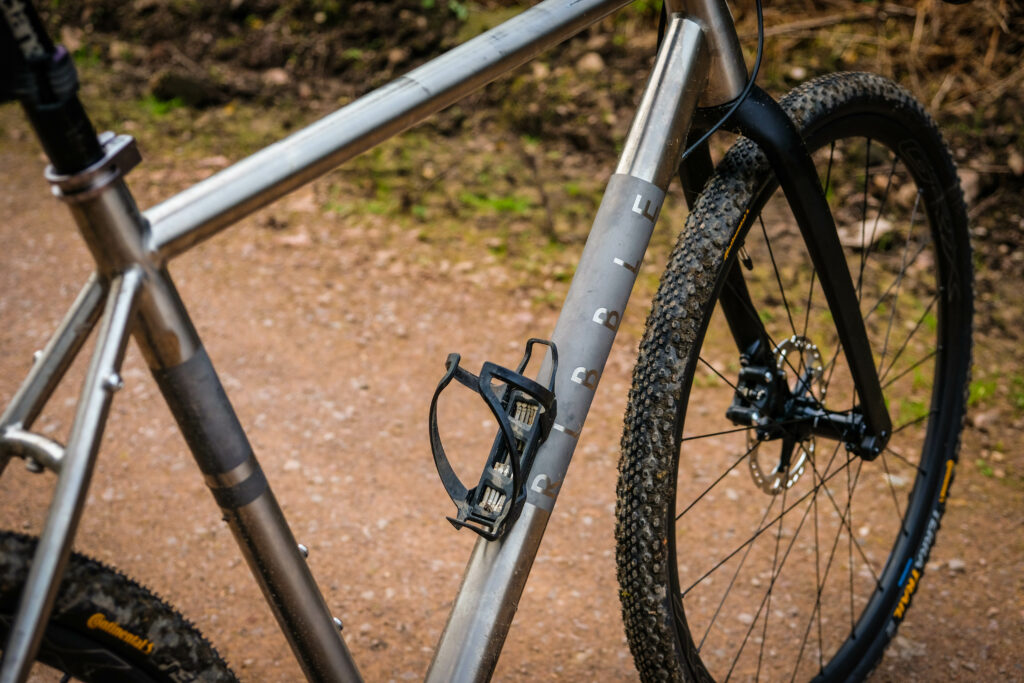
Designers can use less titanium material when engineering a frame to achieve a specific yield strength. That means lightweight tubes, which remain terrifically strong, with thin material walls to reduce vibration harshness.
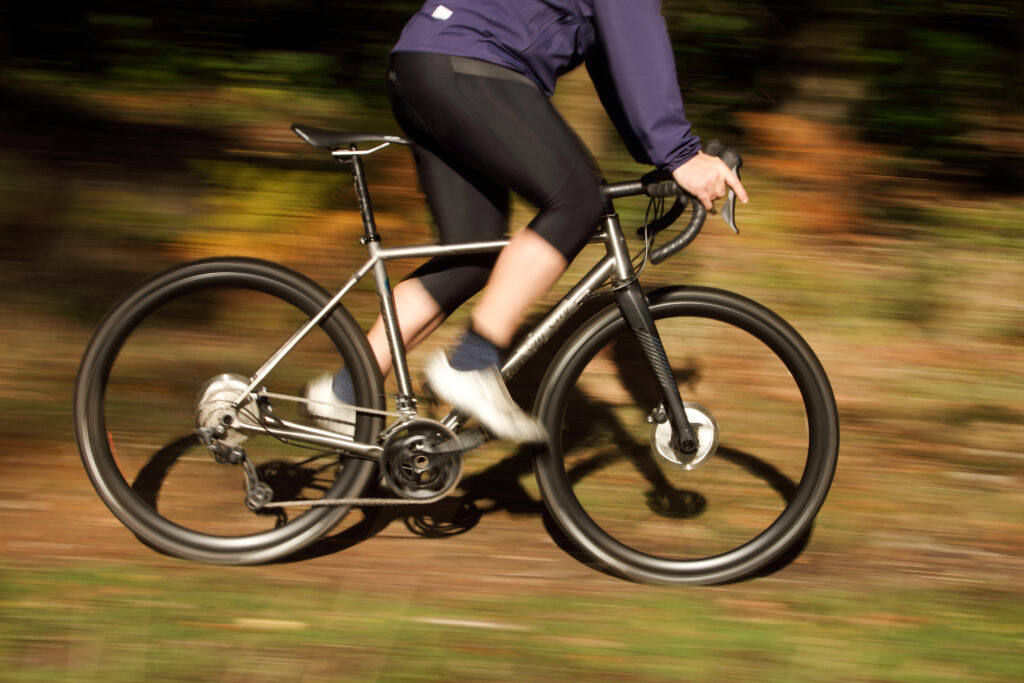
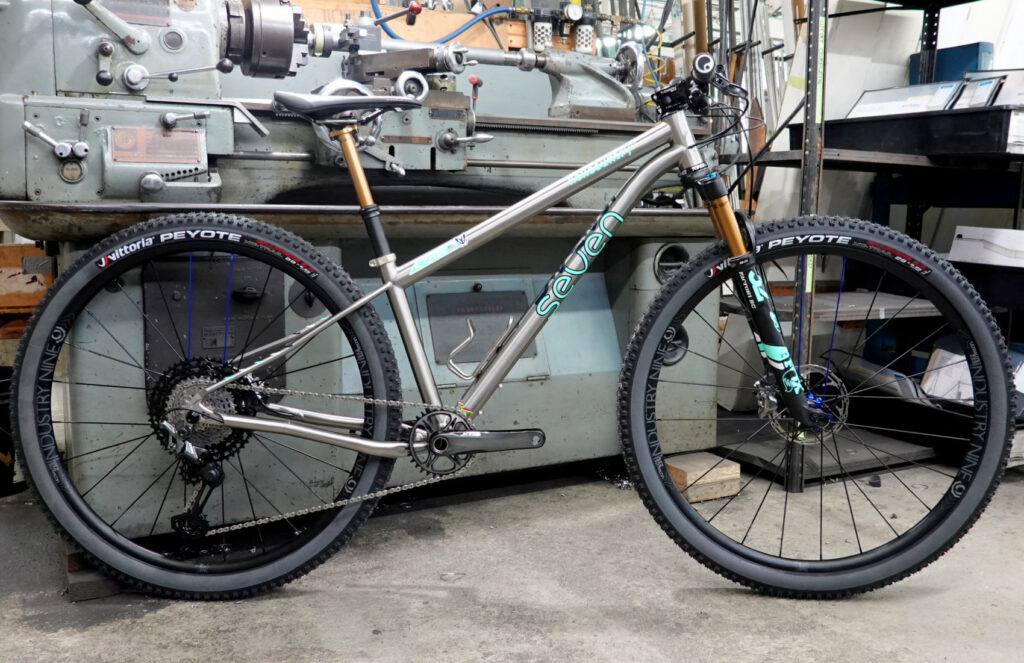
There is a reason why titanium has become the frame material of choice for boutique hardtail mountain bikes and gravel bikes. Titanium’s inherent material strength allows custom builders and skilled fabricators to work with ultra-thin wall tubing, which has terrific vibration absorption properties to reduce rider fatigue on those 100-mile dirt road rides.
Fatigue reduction also applies to titanium handlebars, which are priced at a premium over equivalently sized carbon components. The renowned cockpit and seatpost brand, Thompson, produces a range of titanium handlebars that offer similar vibration fatigue to advanced carbon fibre components.
There’s a reason titanium is so expensive
As a frame or component material, titanium is challenging. Aluminium tubes can easily be hydroformed and shaped into curves before being welded to become a frame. Titanium tubes are shaped like steel, in straight sections, and joining them requires skilled welders.
The paradox of titanium is its high tensile strength and thermal resistance, but low ductility and elasticity. What does that mean for frame building? It’s enormously strong but resists being shaped, and the same heat resistance which has made titanium so valuable for aviation components makes it very difficult to weld into a bicycle frame.
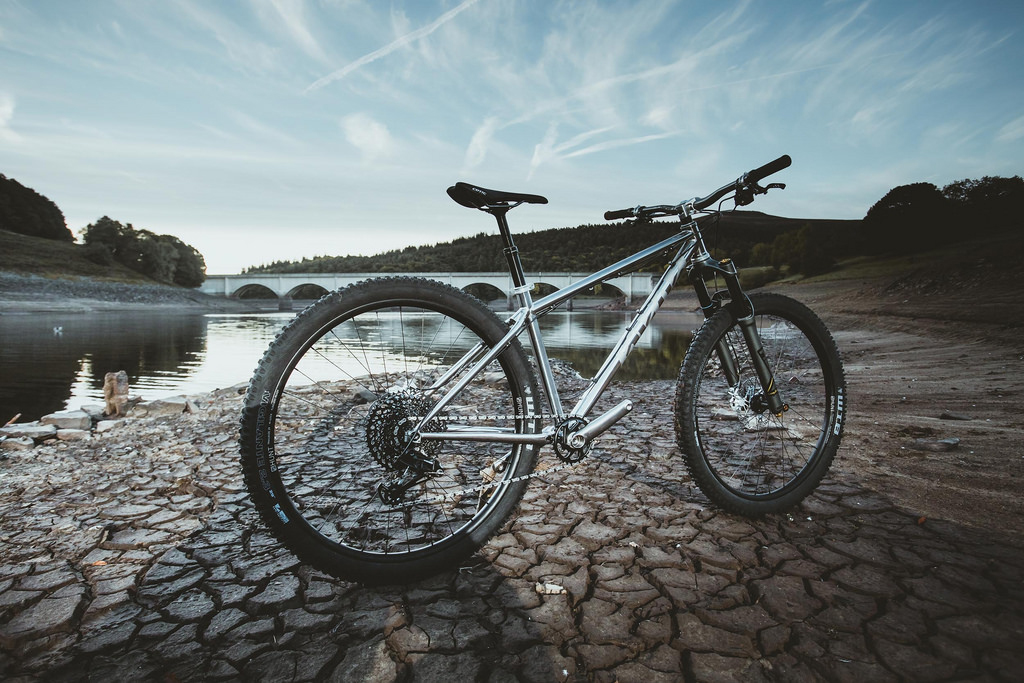
Affordability has never been associated with titanium bikes or components, and the purchasing commitment with a titanium mountain or gravel bike frame is significant. Aluminium dual-suspension trail bike frames can be had for £1,200, with boutique steel frames pricing at £2,000 and titanium options around £3,000.
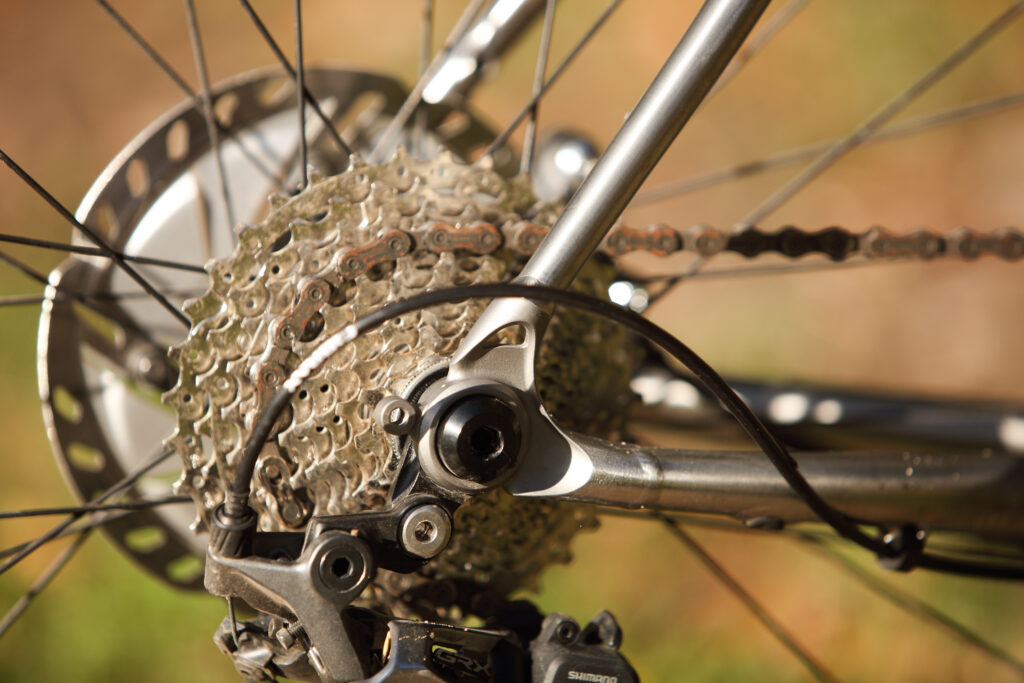
Supporters of off-road cycling’s most boutique metal will caveat any titanium frame or component purchase with the idea of value. Titanium bikes and bits are for life, and because of their exceptional corrosion resistance, they look new after decades of use. Riders are often surprised to learn that a Lightspeed or Moots hardtail on their local trails is from the late 1990s or early 2000s, despite looking new.
Titanium is robust and repairable
Considering its performance claims and pricing, titanium competes with carbon fibre more than other metal frame materials. With comparable cost, weight and ride comfort, are there benefits of choosing a titanium frame or handlebar over carbon fibre?
Galvanic corrosion is a real risk for carbon fibre frames. It’s a misunderstood concept, but steel bolts react to perspiration that drips and streams down your frame during a ride. And when those perspiration drops interact with steel bolts threaded into a carbon frame, the corrosion risk is high.
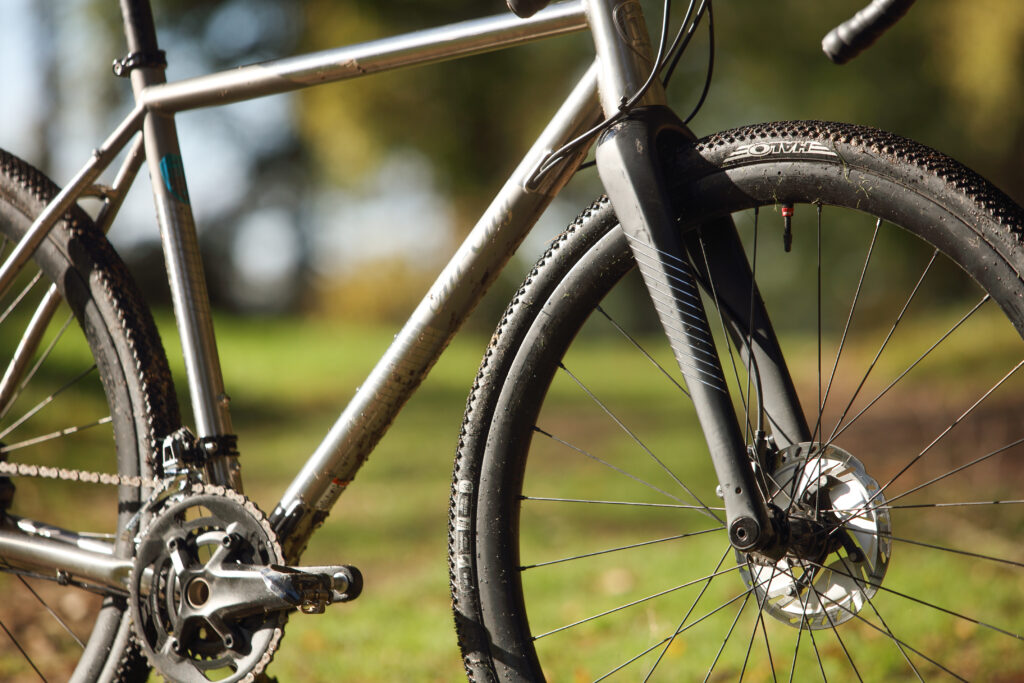
Drilling corroded bolts out of frame mounting points is expensive, laborious and risky. Titanium’s inherent corrosion resistance makes it the ideal bolt material for carbon mountain and gravel bike frames. Better yet, combine a titanium frame with titanium bolts for ultimate corrosion resistance.
Repairability is part of the value equation when you pay an absolute premium for your mountain or gravel bike frame and its components. Carbon fibre can be curiously fragile when exposed to direct point load impact strikes, like a sharp rock, shattering the structure instead of denting it. Despite being more challenging to work with than aluminium or steel, skilled fabricators can repair titanium, whereas carbon fibre repair is often deeply complicated and compromised.
When comparing carbon-fibre and titanium handlebars, there’s less risk of accidental adjustment damage with the latter. Experienced riders will know the sickening sound of carbon-fibre handlebars cracking due to bolts being over-torqued during adjustment. With titanium handlebars, there is a lot less risk of structural damage if you change stems or adjust bar roll without using a torque wrench.
Bikes and handlebars for life
Mountain and gravel bikers have an implied affinity for the outdoors. However, it’s challenging to justify the cost and disposal of carbon fibre frames and components, especially in a world where sourcing and sustainability issues have become very topical.
Titanium offers all the benefits of carbon fibre, regarding lightness, strength and ride quality, without the issues around recyclability or disposal due to crash damage. For those riders who seek the ownership appeal of an authentically boutique mountain or gravel bike frame, titanium is the more exclusive, sustainable and discerning choice.
Unlike carbon fibre, titanium frames are both timeless in appearance and advanced in their riding performance. The supply of titanium bikes and components will always be limited, which enhances their value over time, safeguarding your initial investment – unlike carbon-fibre bikes, which adhere to the conventional cycling industry product cycle and suffer conventional replenishment cycle depreciation.