In 2024, I had the smallest of spills that left me with a dislocated shoulder. After that, I knew I had a bit of recovery to get through, but I never expected the psychological impact to be the hardest part to get over.
I guess recovery is the biggest theme of this little blog. After my second bout of Covid, I headed to my favourite trails, still battling a bit of brain fog. I was just determined to get out on the bike and meet some deadlines. I tipped into the first trail, the first trail I ride most times I head to that location, so I know it incredibly well. And things were going very fine. The conditions were great, confidence was at an all-time high… but halfway down the track my front wheel washed out due to awful technique, and I hit the ground at some speed, my shoulder feeling very not right. Then it clicked, literally and figuratively. In hindsight, riding so soon after being ill was the real mistake.
View this post on Instagram
At the trail head (stupidly) intending to drop in for a post-dislocation run, I took my top off to have a look at what was going on, only to find my once-dislocated shoulder dislocate a second time, and lock my arm over my head. After five minutes of mild panic, a fly landed on me, made me jump, and my shoulder was semi-normal again. A quick trip to the hospital for an X-ray showed everything to be fine, but the doctor confirmed that my symptoms showed that my shoulder bones weren’t right at some point during the whole debacle.
Well aware that riding bikes was a big part of my job and that I had a Southern Enduro race the following weekend, I was left in the lurch about my recovery, other than being told to sit about with my arm in a sling, and pick an entree of ibuprofen for dinner. My partner then suggested I see a sports therapist, and after a very well-lubricated massage, the therapist recommended I didn’t race or ride for a couple of weeks. I tentatively rode my very mild local tracks to see what strength I had a couple of days after, but that was it. Sports therapists are excellent. If you ever feel weird after a crash, just pay the money to see one and follow their recovery plan!
At that point, it didn’t take long for me to get riding again at full confidence. Enough confidence to try a new jump, and I had been eyeing it up for a while… only for it to go incredibly wrong by flinging myself 15 feet away from my bike, and landing on that very same shoulder. So it’s safe to say that this little journey hasn’t been much good for my on-bike confidence.

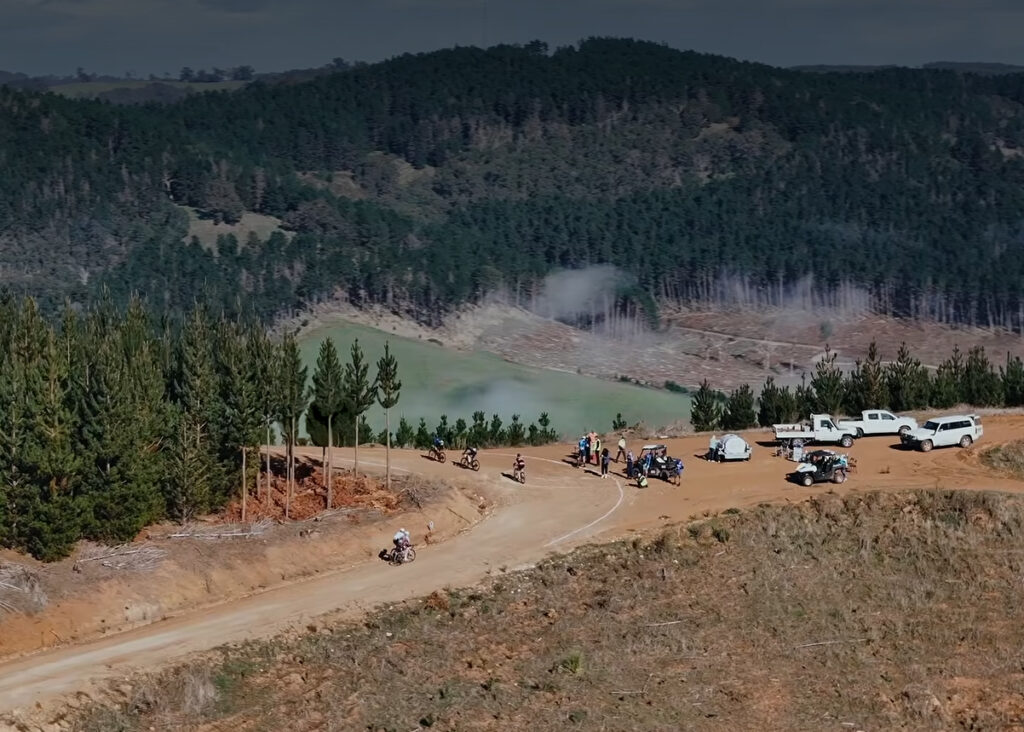
Now, it’s been a couple of years since those crashes and even now, I’m finding myself incredibly nervous when tackling terrain that I’d have happily ridden before that fateful day. I’m physically fit, I finished the 300-odd kilometres of the RiftMTB, but there’s something in my brain that’s more about self-preservation, rather than progression, and just enjoying my time on the bike. To a point, this hint of fear has led me to forget what I’m actually capable of. I’ll admit, there’s something of an ego thing going on here, too, but the frustration of chickening out of a bit of trail that I know full well I can manage is the real kicker, and a feeling, along with plenty of questions, that I would take home with me, still to this day.
Of course, riding bikes isn’t just about progression and being good at it. But I lost something I once had, and all I wanted was to get back to a place where I was happy with my riding. Choosing not to attempt a track came as quite a knock to my self-confidence and left me doubting myself in many, many ways.
But after 10-12 years of riding bikes, this was my first real injury caused by riding, or my inability to do so properly, which is a positive, all things considered. And it’s been an incredible but long and drawn-out learning process that I’m only just about getting my head around, hence me typing a bunch of words about the whole thing.
In fact, it wasn’t until a March press trip, where I found myself riding embarrassingly fearfully, that I realised I needed to do something about this, for nothing but myself. Then, riding just last Sunday with a few good and understanding industry mates, riding terrain that had me quaking at points, I figured out what was going on in my mind and how to fix it.
Where I’ve really been punishing myself for not doing the things I know I can, it’s very much been a mix of baby steps and pushing myself out of that temporarily shrunk comfort zone. First, I made myself comfortable with riding the trails I know well, and perhaps trying some new things on those trails. But I knew that riding the same tracks, weekend in, weekend out, isn’t the way to fix myself properly.
While I’m still not at 100% mentally, the future for me now is to recognise the kind of riding I know I can do, and just do it while constantly reminding myself to look up, modulate my brakes and lean the bike correctly. Where I have lost confidence, finding new bits of track that scare me, but recognising that they are well within my skillset and just having a go, is the key to getting comfortable on the bike again, while my brain just says, “no”. And that’s what last weekend’s ride was for me. My mind often told me that dropping into that steep section was a bad idea, but flicking that over-anxious devil away from my shoulder is the only way forward. Plus, it’s generally easier to ride a tricky track than it is to butt-shuffle down it, bike in tow and perhaps, getting so deep into my head about riding will make me better for it, in the very, very long run.
Riding bikes, as with much of life, is scary. We’re told all of the time that shying away from new things and sticking well within comfort zones perhaps isn’t the best way to grow, progress and make the most of things. And while being comfortable feels really nice, conquering new things is incredibly self-validating.
But it’s also recognising when to stop. We all know that mistakes happen when you’re tired or totally overwhelmed. During this time, I’ve come to figure out when that happens, and if I’m riding terrain I’m not 100% comfortable with at that point, that’s when I can be happy chickening out a bit, knowing that I don’t need to beat myself up over it. Quitting while I’m ahead has become a new mantra. After all, those trails will still be there another day.