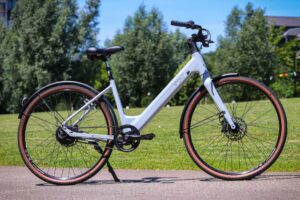
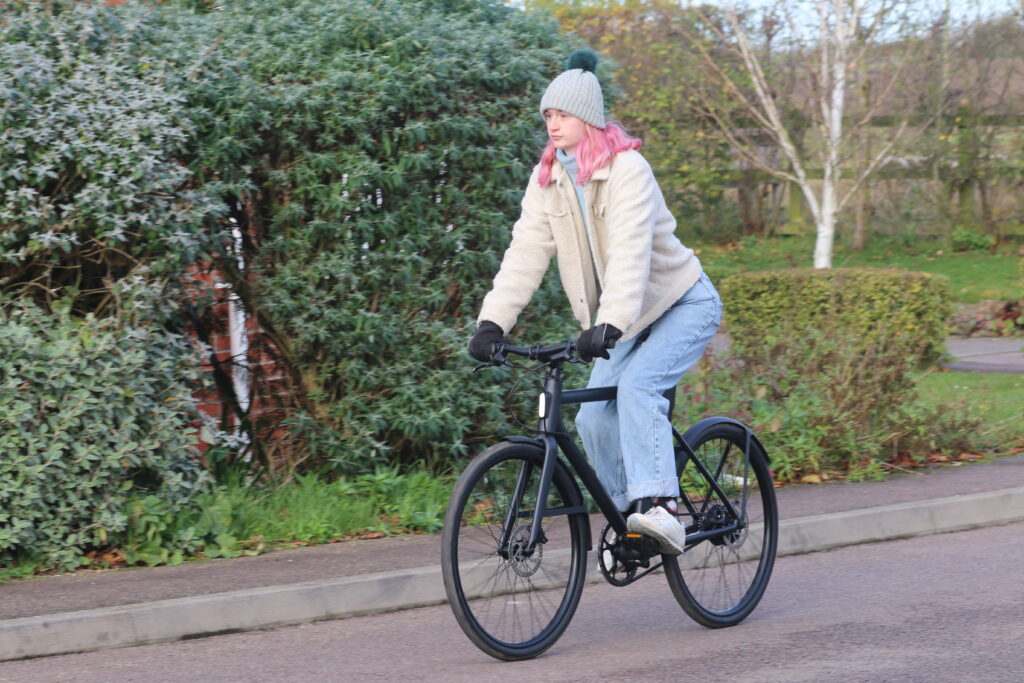
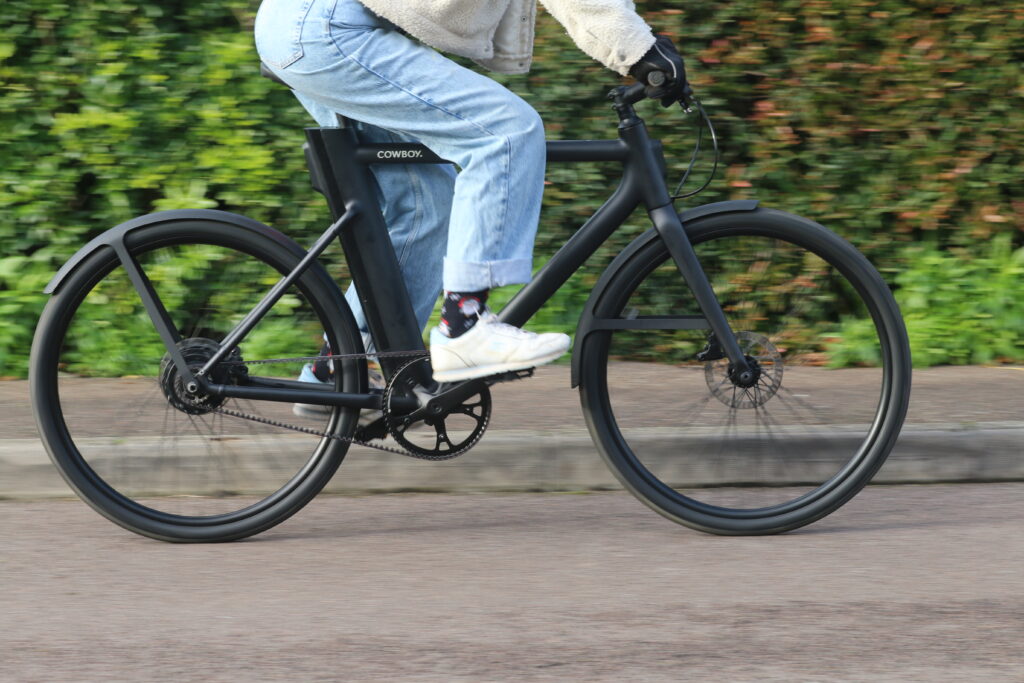
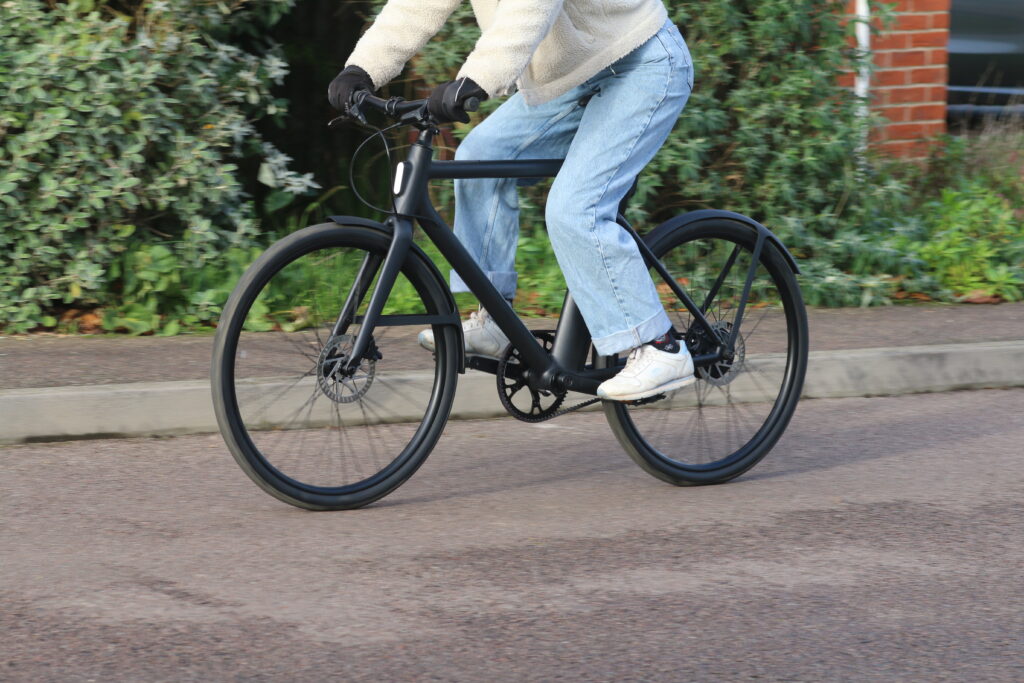

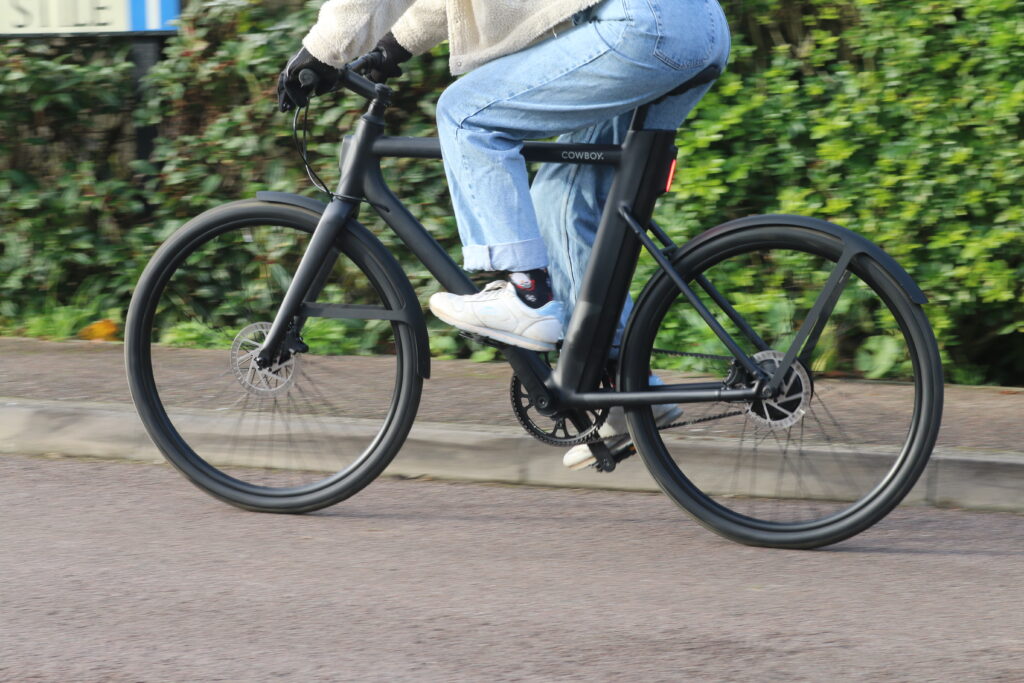
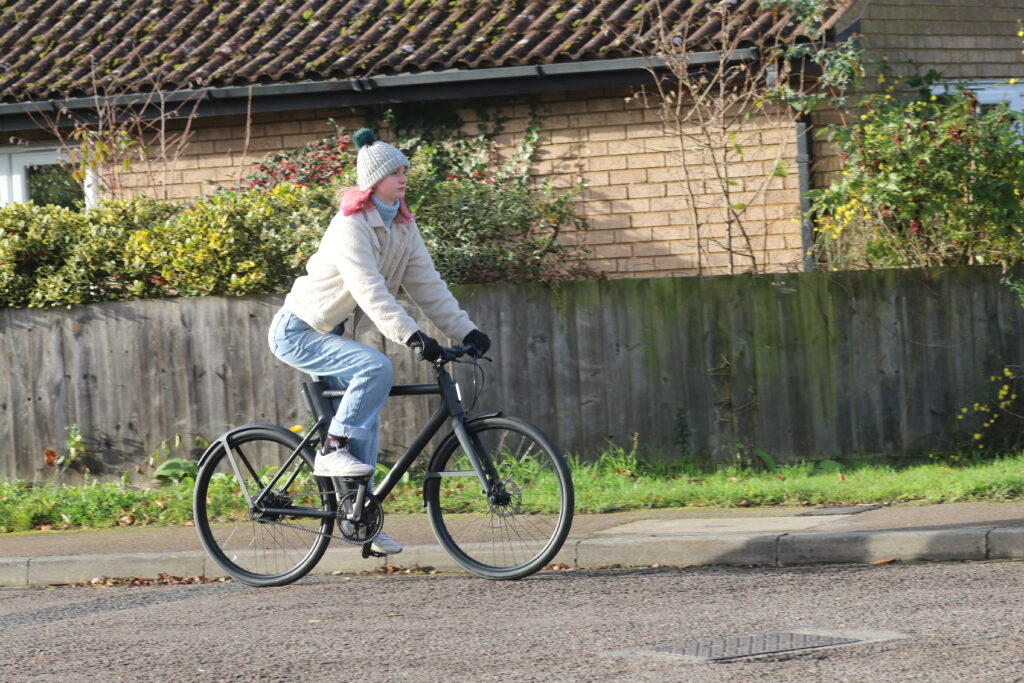
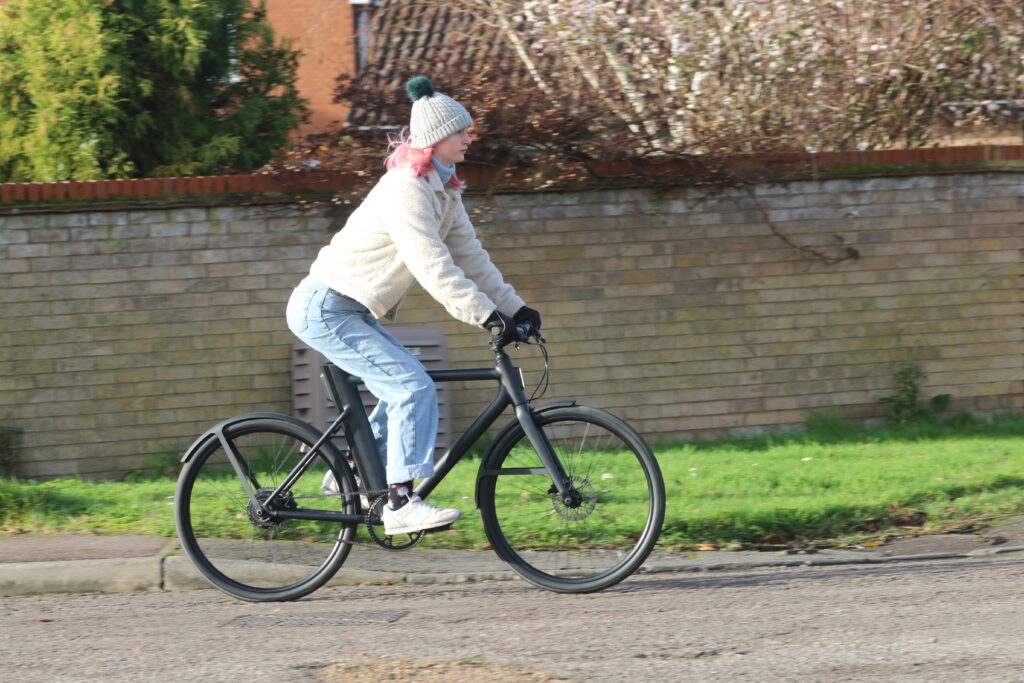
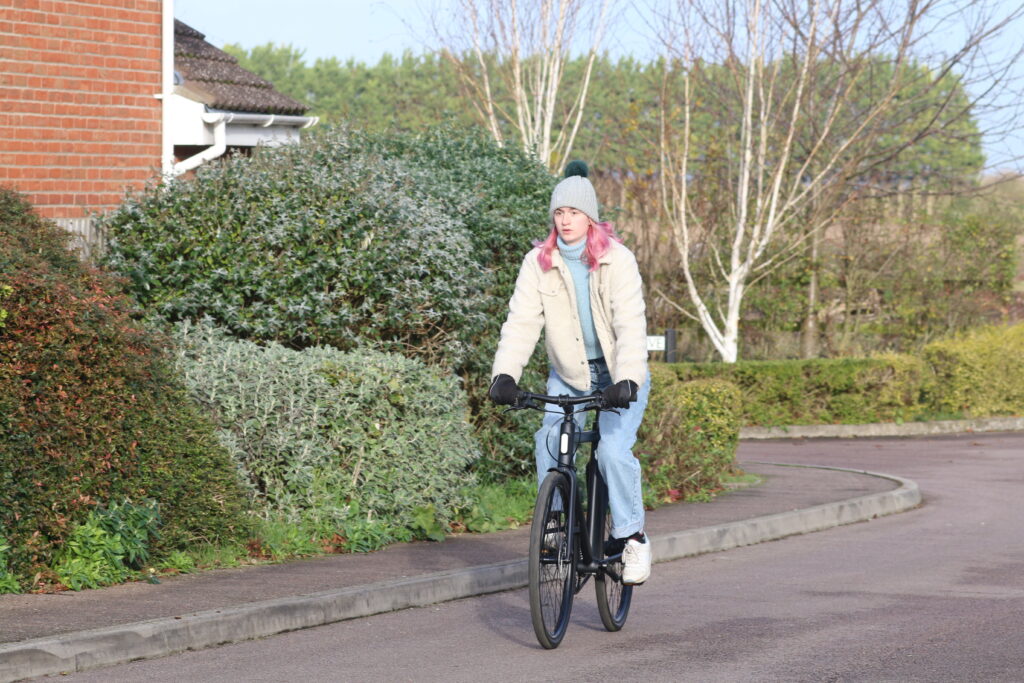
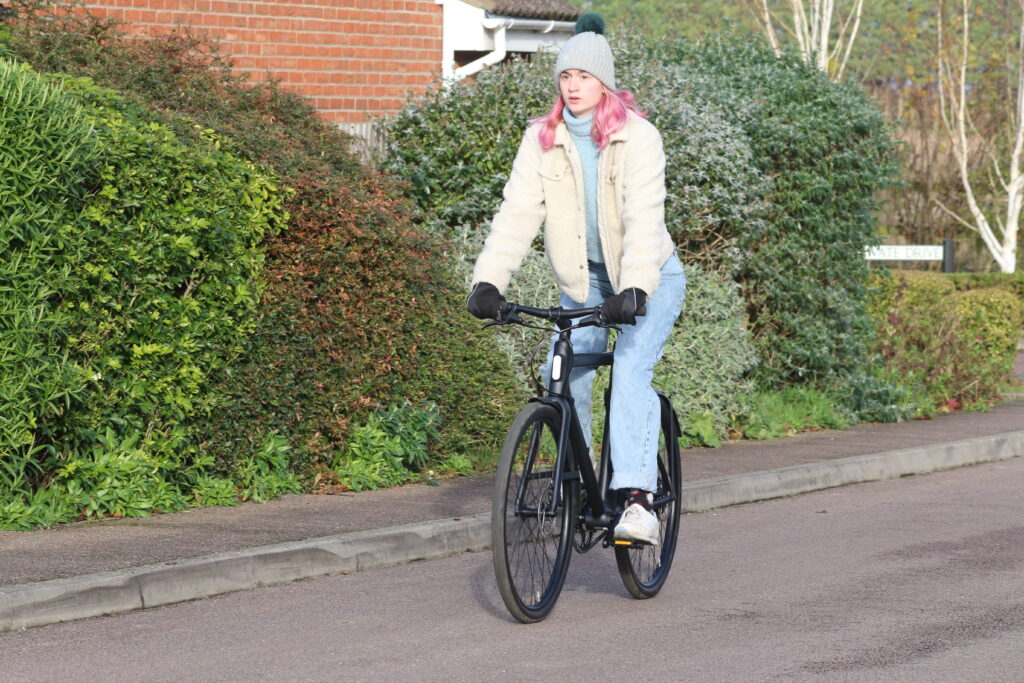

The Cowboy 3 is an extremely tidy e-bike that does a very good job of hiding the electrical bits, and comes with a nice smartphone app that makes it very easy to live with. However, a number of snags make it hard to recommend in its current state of design.
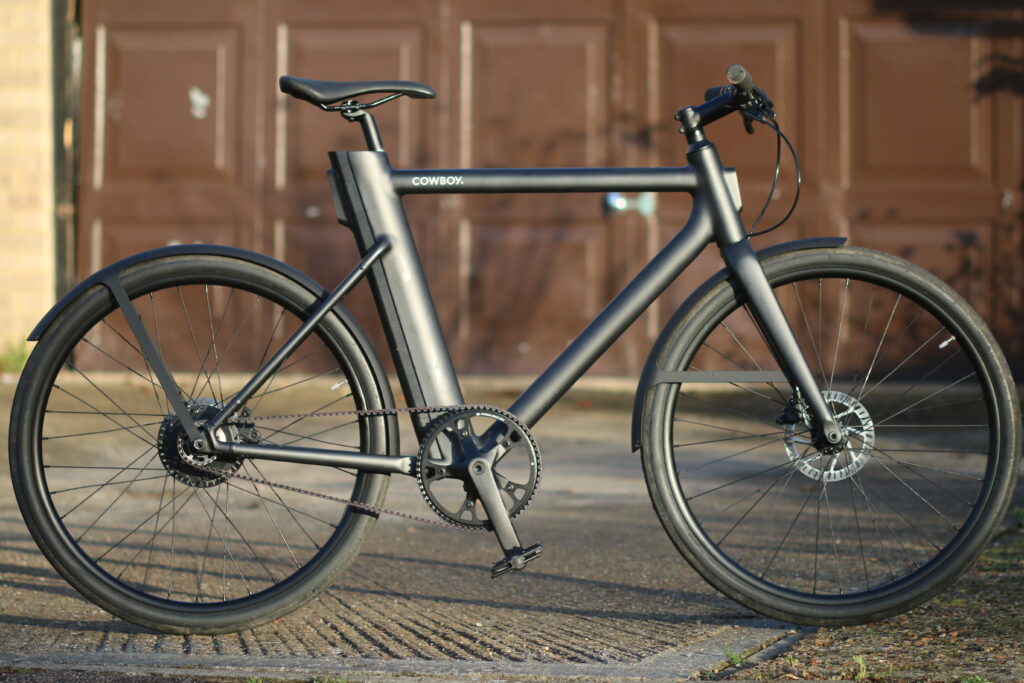
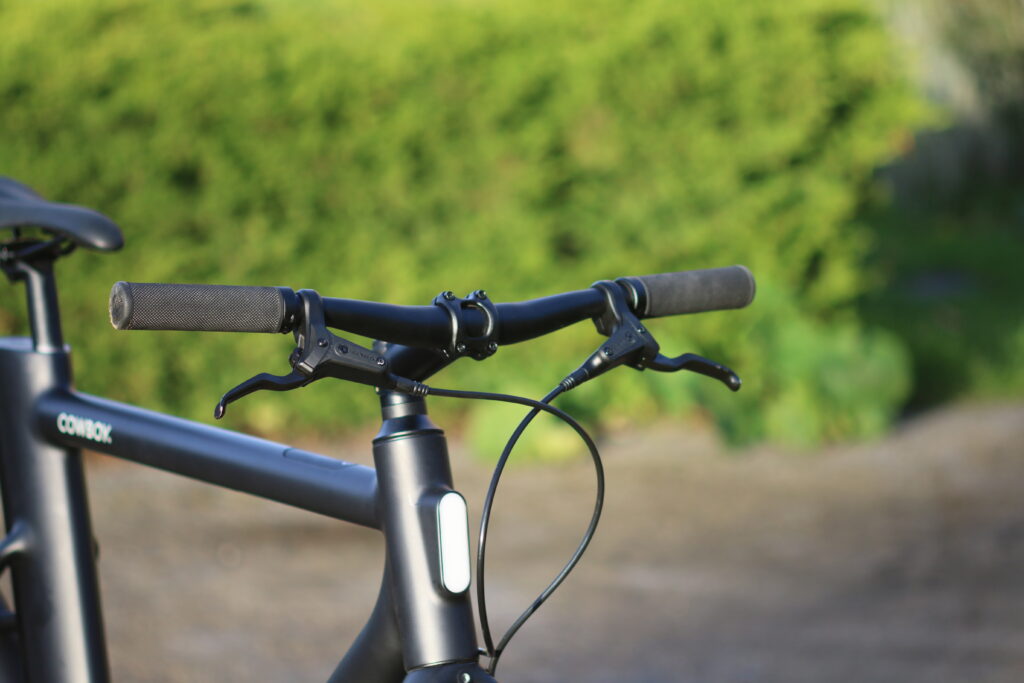
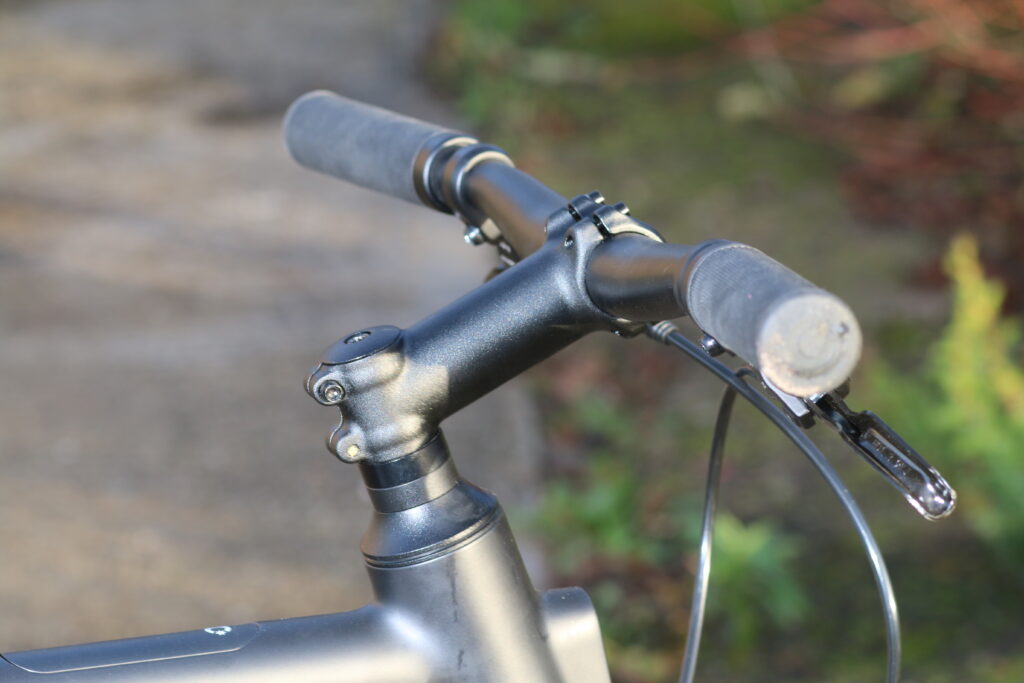
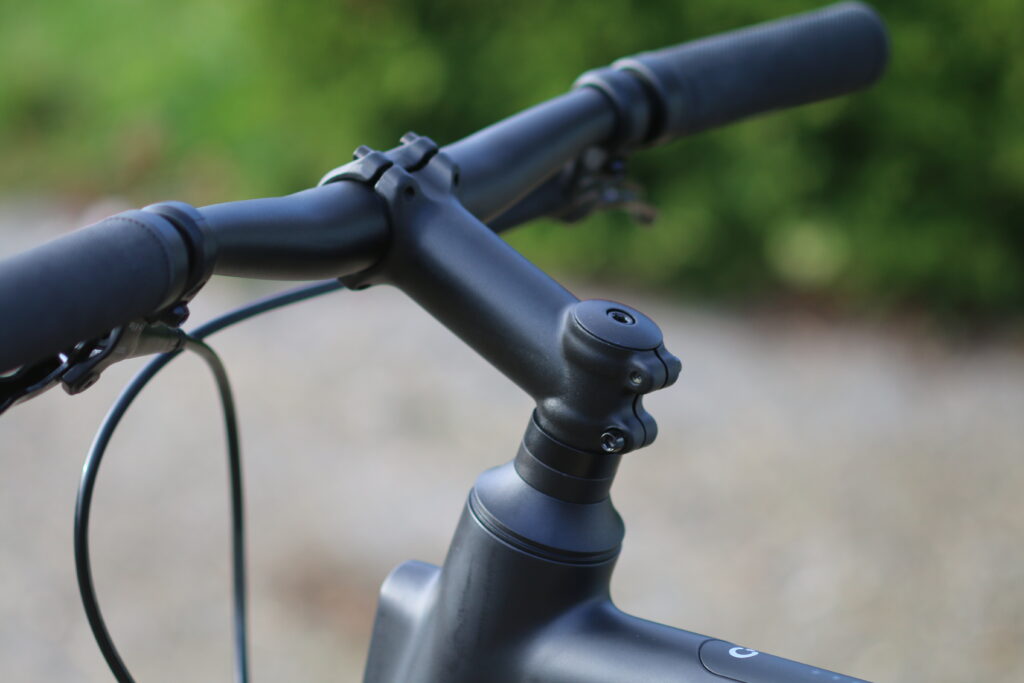
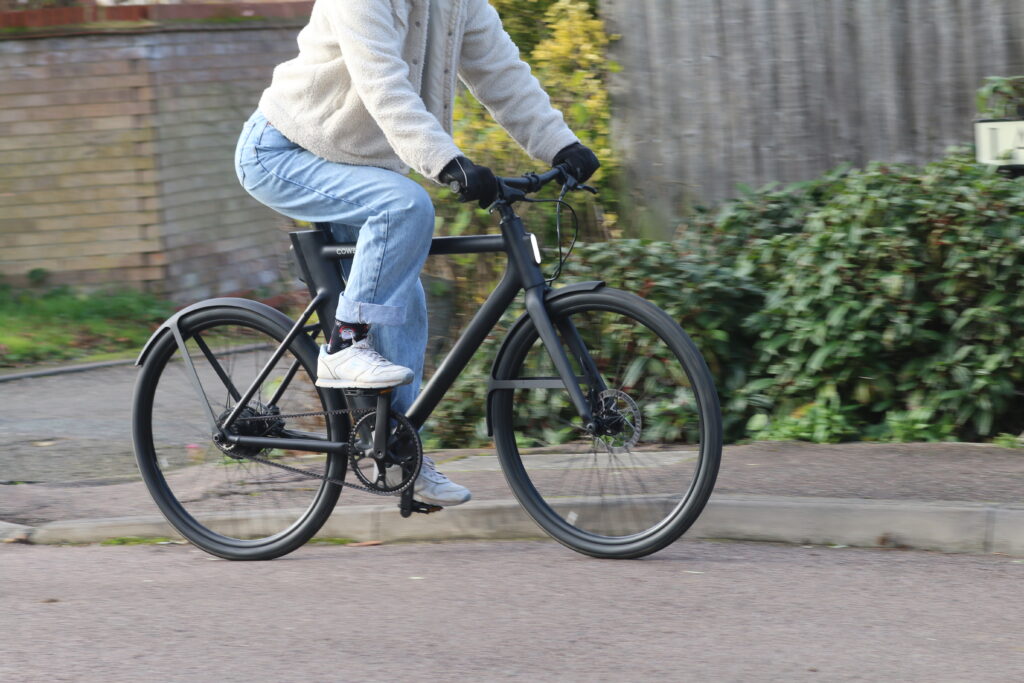
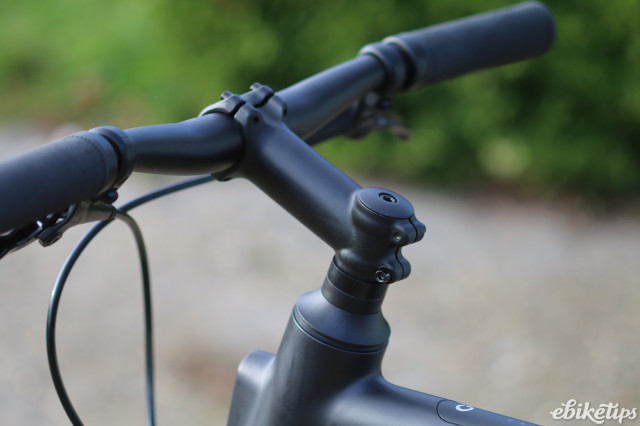
The first thing that strikes you about the Cowboy 3 is what’s missing compared to most e-bikes. There are no drive controls: no assist level settings, no on/off button, no walk-assist switch, no gear lever. There’s also no honking great battery attached to a rack or the down tube and there aren’t wires everywhere carrying power to the motor, lights and so on.
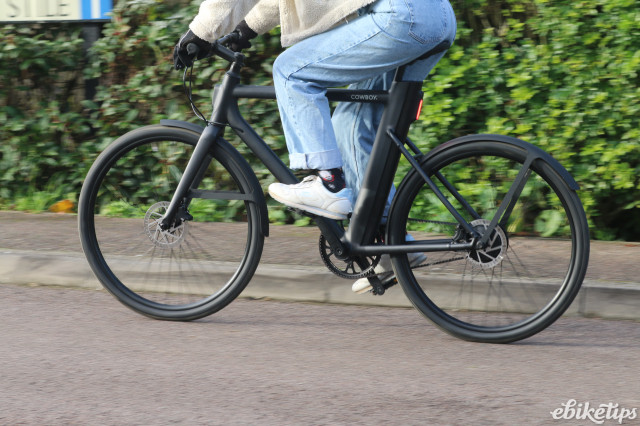
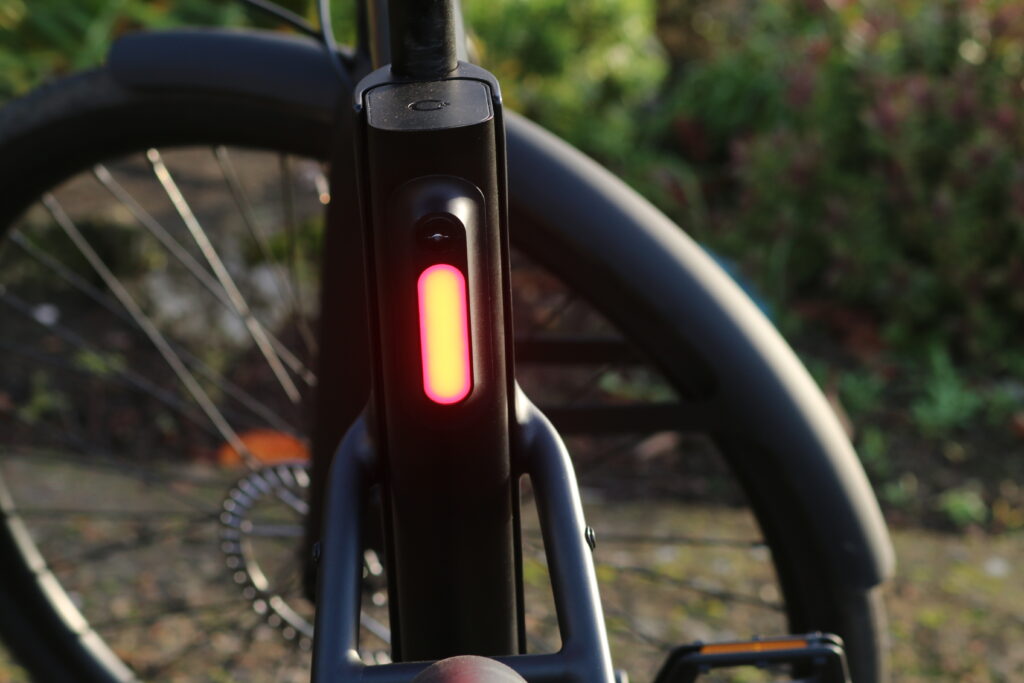
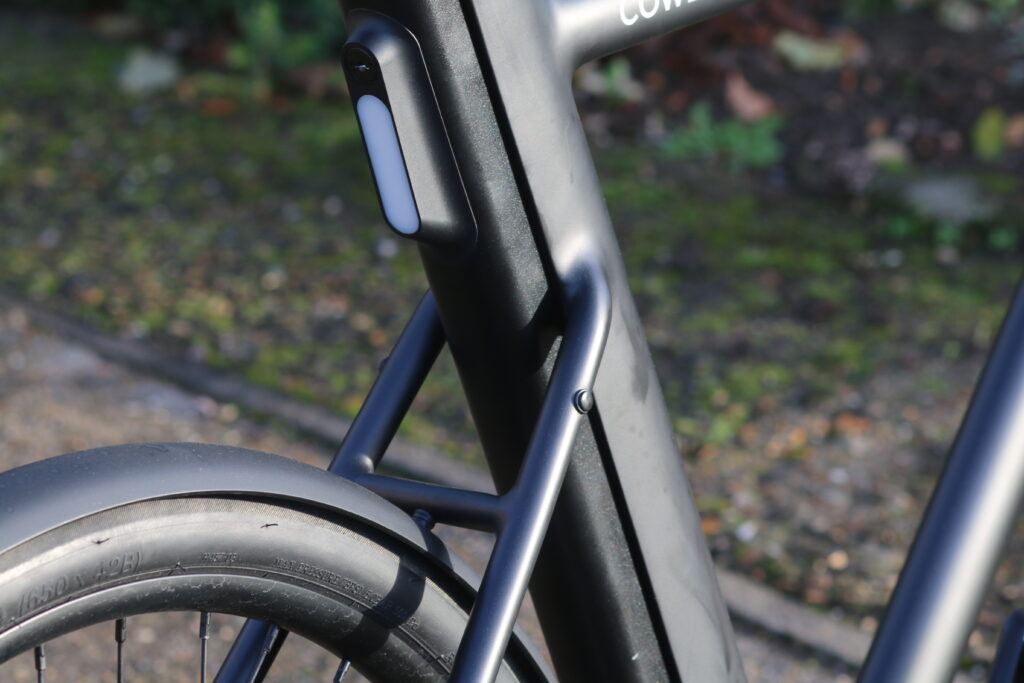
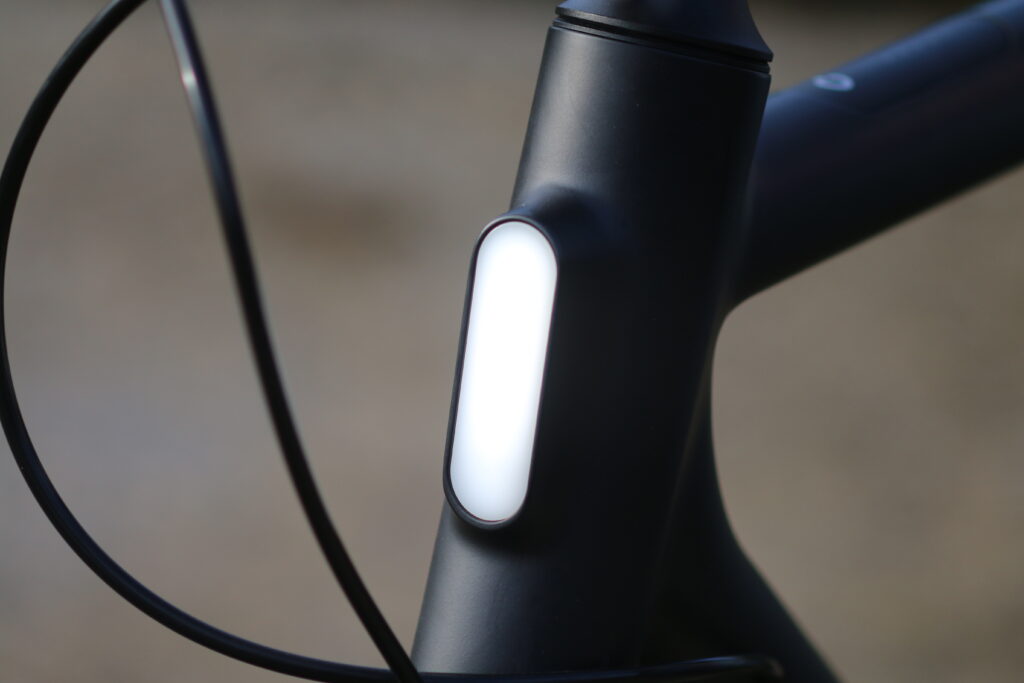
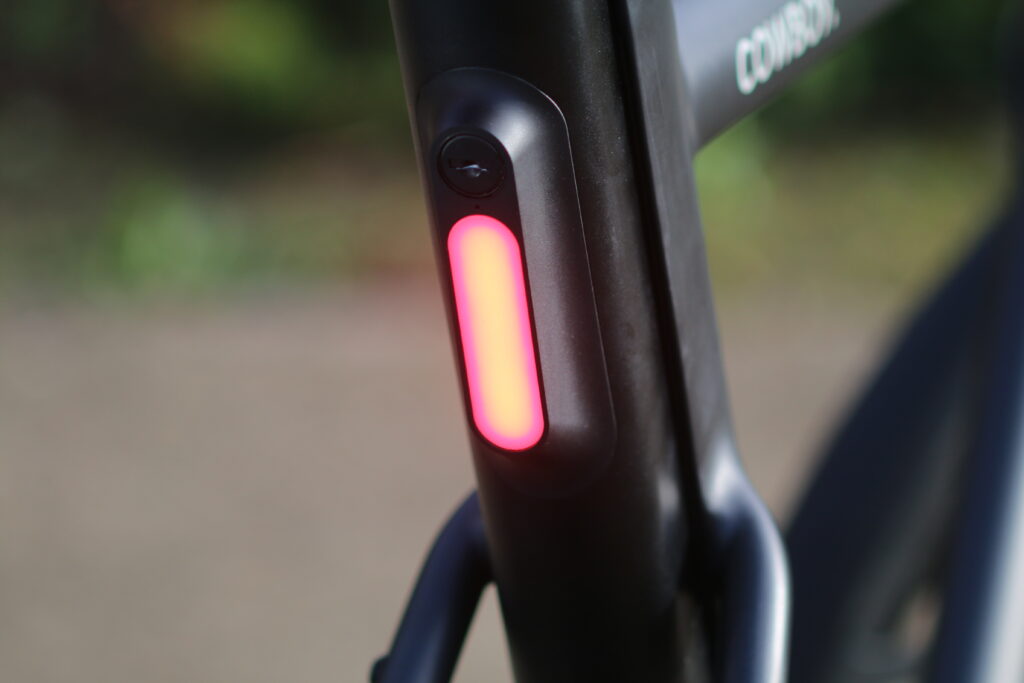
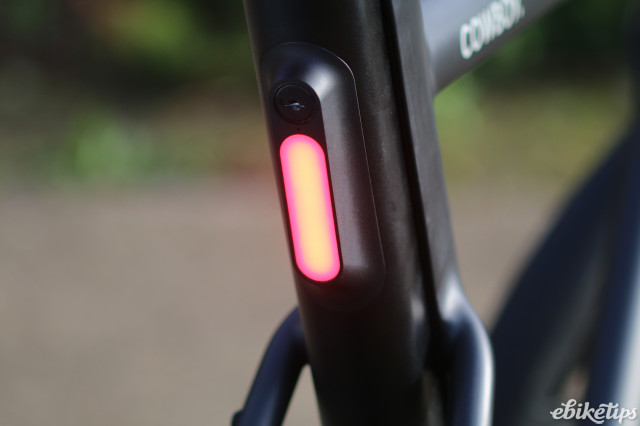
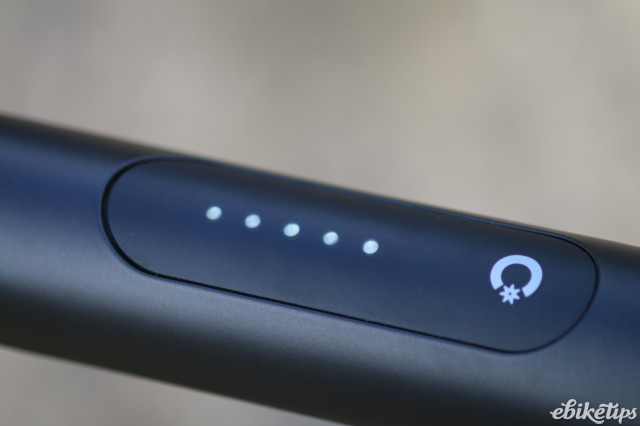
The lights are tidily incorporated into the frame. The front light’s in the head tube and the rear light is built into the battery unit, which sits behind the seat tube. As an exercise in making an e-bike whose e is as unobtrusive as possible, it’s an absolute tour de force.
However, the clean design sacrifices a number of features I think are essential on a practical bike.
By the way, the firm punctuates ‘Cowboy.’ with a full stop, a convention I’m not going to follow because it’ll look like I’m ending sentences in random places, and if that doesn’t confuse you it’ll certainly confuse me.
The ride
The Cowboy 3’s power assist kicks in quickly when you start pedalling and soon whizzes you up to 25km/h. It’s not the high-torque kick-in-the-bum of some, but it’s responsive enough that you don’t feel concerned coming out of junctions and getting away from lights.
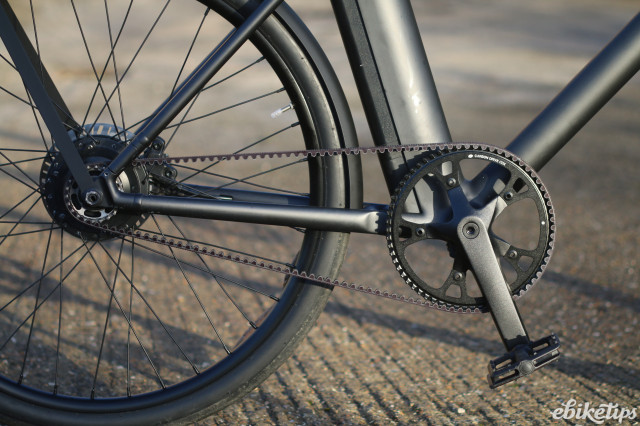
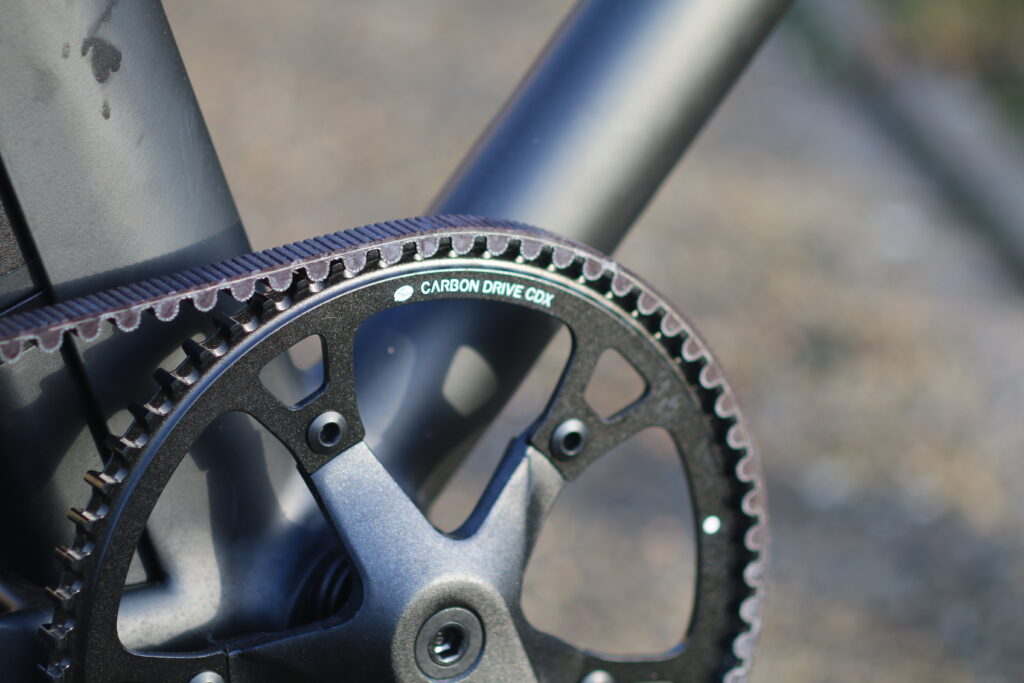
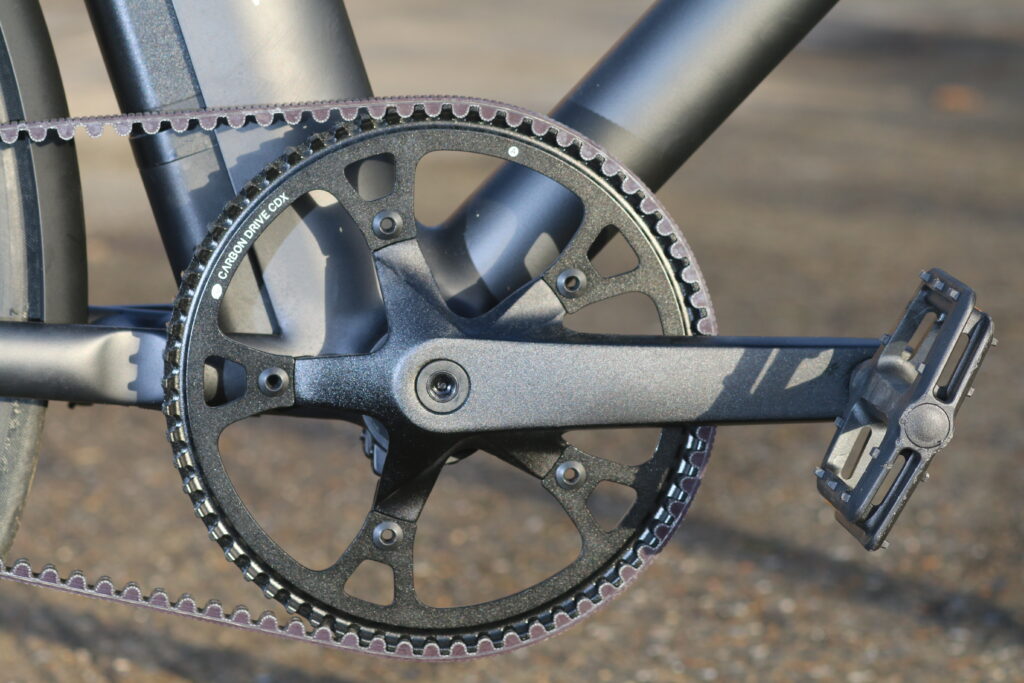
There’s only one gear, but it’s a bit on the high side. A typical round-town singlespeed will have a 42-tooth chainring and an 18-tooth sprocket for a 2.33 gear ratio, or 63 gear inches. The Cowboy 3 has 63 teeth up front & 22 on the wheel for a 2.86 ratio, 77 gear inches. Should you find yourself riding without assist for some reason, that’s a tough gear on anything but flat ground.
The power assist scales with your own level of effort, since there are no controls. I’m ambivalent about this. On the one hand, it’s fun to feel that the effort you put in is rewarded with extra oomph. Dig in to the pedals and you feel like Superman. On the other hand, there are times when the whole point of an e-bike is to make it easy to get up hills and conquer headwinds by just sticking it in maximum assist and whizzing away. It’d be nice to have some control over this.
When I asked, Cowboy made it clear that they were aiming for a seamless feel to the ride. “The intention is to be able to offer the smoothest ride experience, optimised for the city,” they told me. “This is why we aim for simplicity. But also to provide the most enjoyable ride, thanks to the sensations that the intuitive assistance provides.”
The app
Perhaps the niftiest feature of the Cowboy 3 is the accompanying app which you use to switch the bike’s electronics on and off via the magic of Bluetooth. Without the app nobody can use your Cowboy 3, at least not as an e-bike – they could still pedal it without power assist.
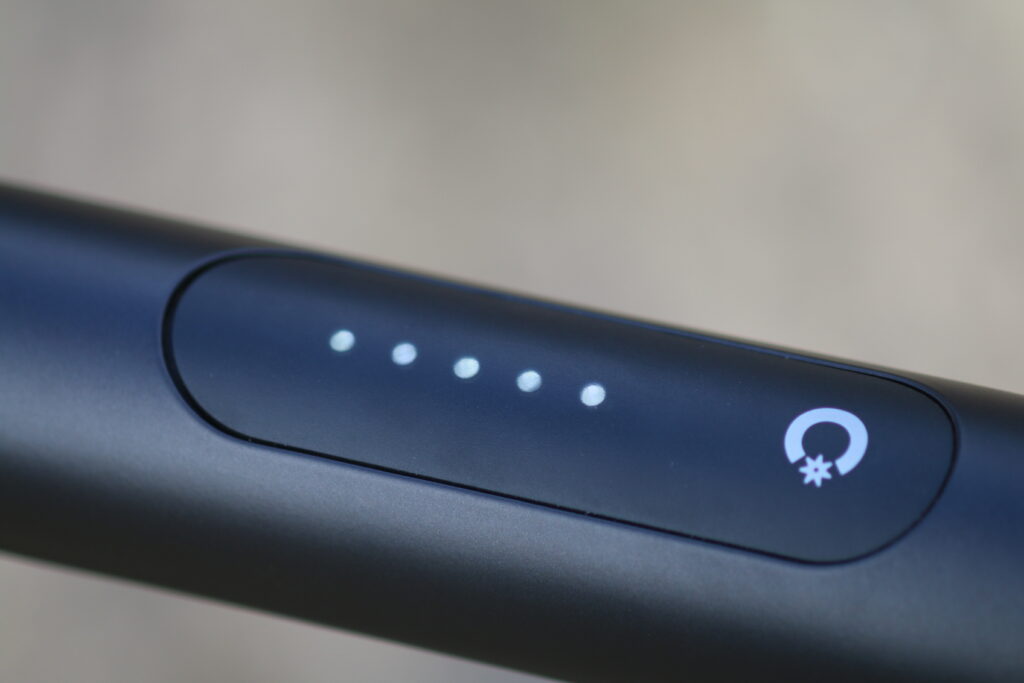
The app also tells you the battery level, remembers where you’ve parked your bike, suggests routes to your destination and estimates your remaining range with power assist. It’s also how you update the bike’s firmware, a pleasantly straightforward process: connect to the bike, choose ‘update’ and leave it to it for a few minutes and bosh. Done.
However, the app uses location services, which chomps through your phone battery if you let it. Don’t forget to only give it permission to use location when you’re actually using the app, and to background the app when you’re not using it.
The details
I want to make ‘none more black’ gags about the Cowboy 3, but cycling journalism’s entire allocation of Spinal Tap references was used up when component manufacturers released 11-speed groupsets, and anyway the name on the top tube is white. In this colour scheme it’ll definitely appeal to any cycling goths out there though; you can also get it in Anthracite (dark) Grey and Mineral (light-ish) Grey.
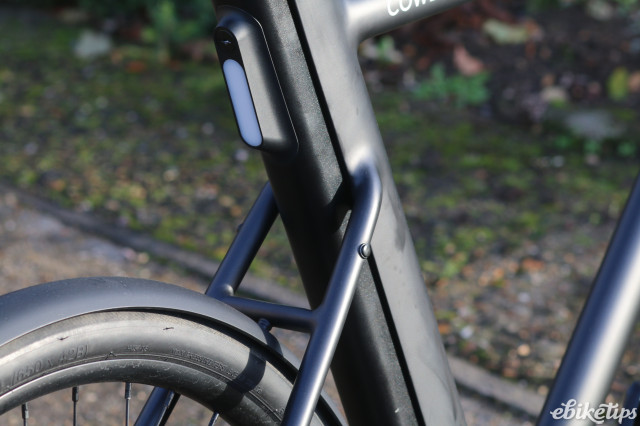
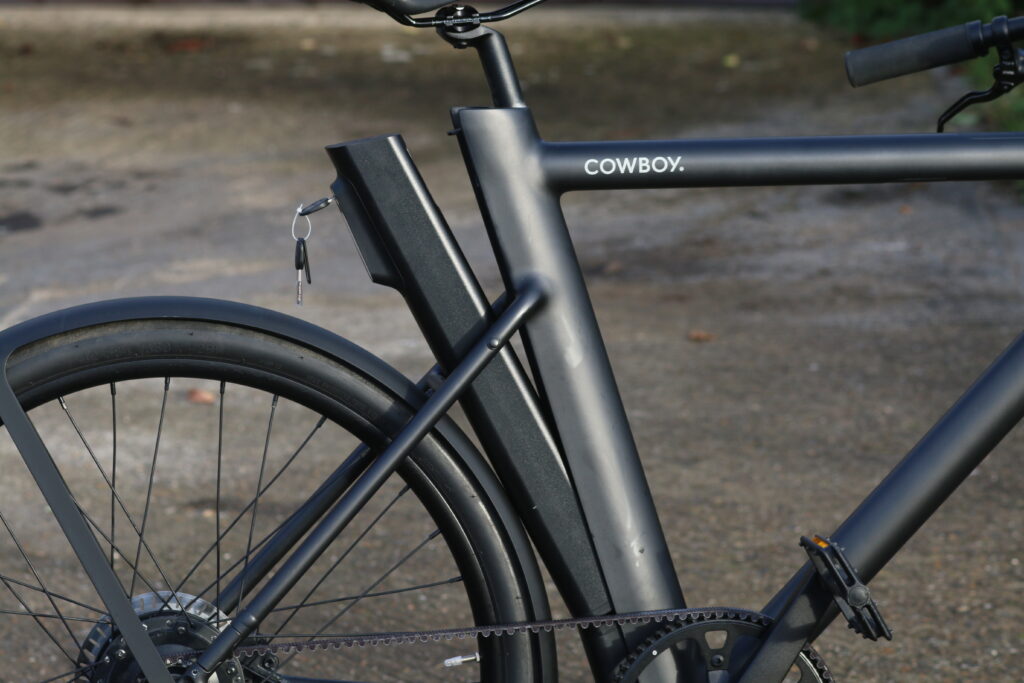
There was a time when one of the design features that made a lot of e-bikes butt ugly was shoving the battery between the seat tube and the rear wheel. Cowboy demonstrates that this can actually be done very tidily with a custom seat tube and battery enclosure that fit unobtrusively together. It’s not quite the stealth of a Fazua or Ebikemotion system, but it’s not far off.
To charge the Cowboy 3 you take the battery off the bike; the charge socket is on the opposite side of the battery from the rear light. I found this quite annoying; I’d far rather be able to just park the bike near a power source and plug it in.
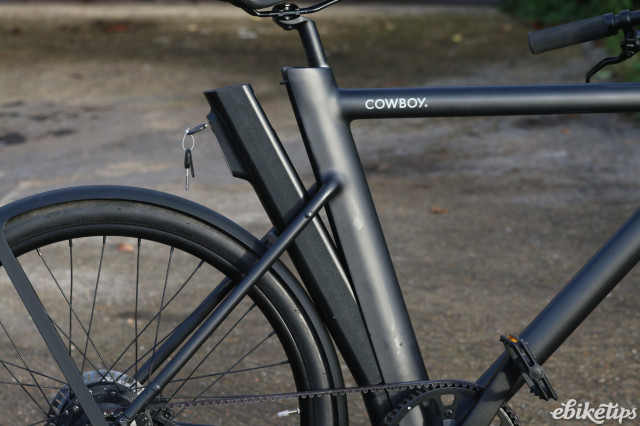
Cowboy says the idea is to accommodate apartment living. They told us: “In modern cities where people often live in apartments, the typical use case is that they don’t have room to store their bike. By offering a removable battery — that is seamlessly integrated into the design of the bike — we enable them to lock their bike downstairs, while they can recharge their battery at home, just like they would do with their smartphone.”
Thing is, you can do that with almost all e-bikes that also allow you to charge the battery in situ. You’re not forced to remove it if you don’t want to.
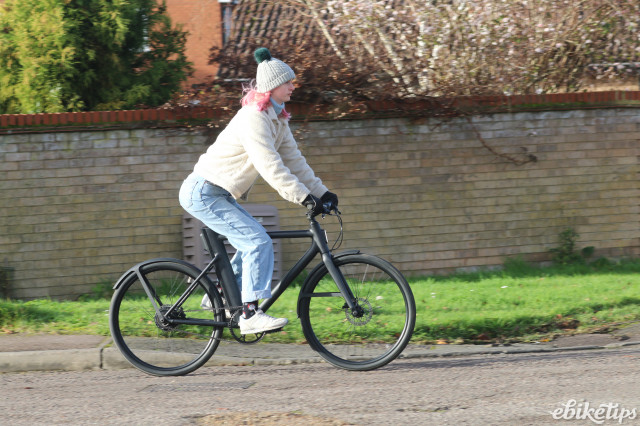
There’s only one size and it’s, well, quite big. It’s 59cm from the centre of the bottom bracket to the top of the seat tube which Cowboy claims is “optimized for riders between 5.5 – 6.4 ft tall”. I’m 5ft 10in, pretty much smack in the middle of that range, and it felt big to me; I usually ride a 56cm bike. I have a 31in inside leg and end up resting quite firmly on the top tube when I straddle the bike. My 5ft 7in partner couldn’t get comfortable on it at all.
I asked Cowboy what the rationale was for the sizing, and why they didn’t make the bike smaller to accommodate more riders, and use a long seat post to fit taller riders. They told me: “Doing so will change the overall geometry and aesthetics of the bike. We have also constraints driven by the battery length.”
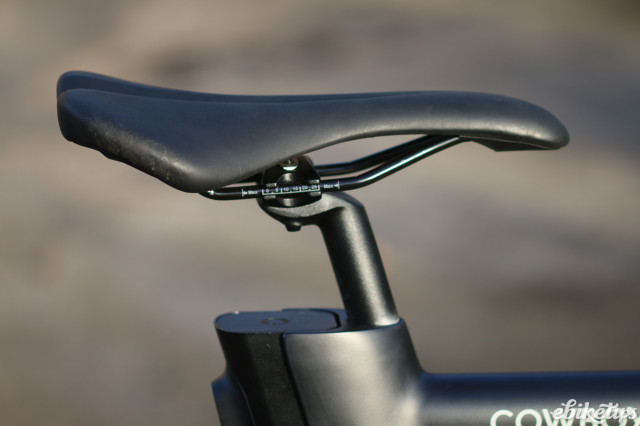
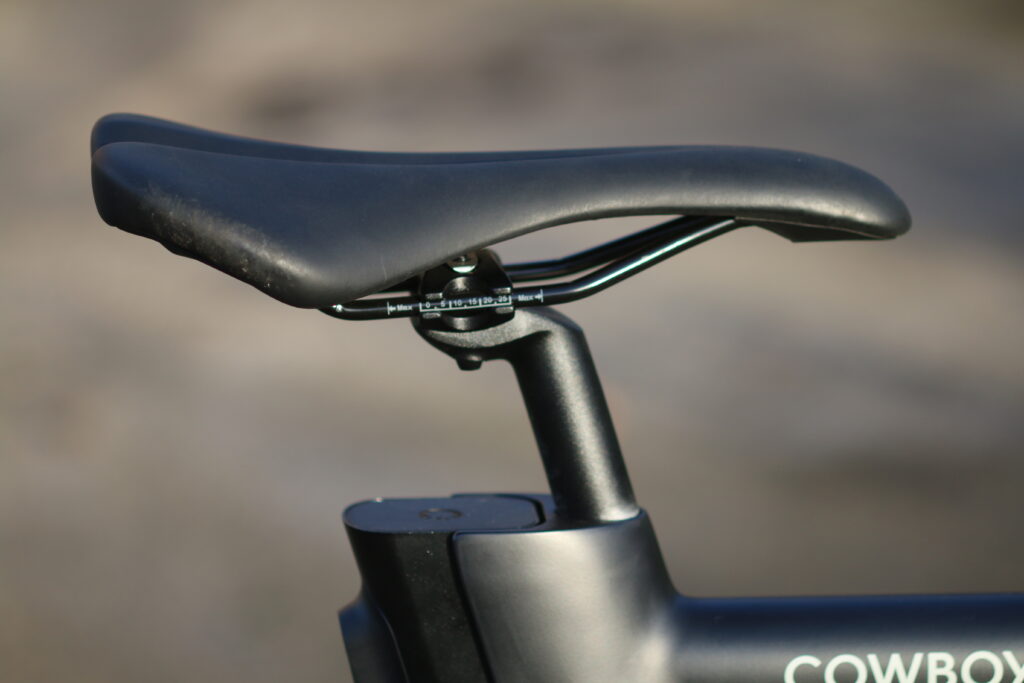
As well as the tall standover, the design hides the bolts to adjust the saddle height under the battery, which means this isn’t a bike you’ll be casually loaning to other members of your household.
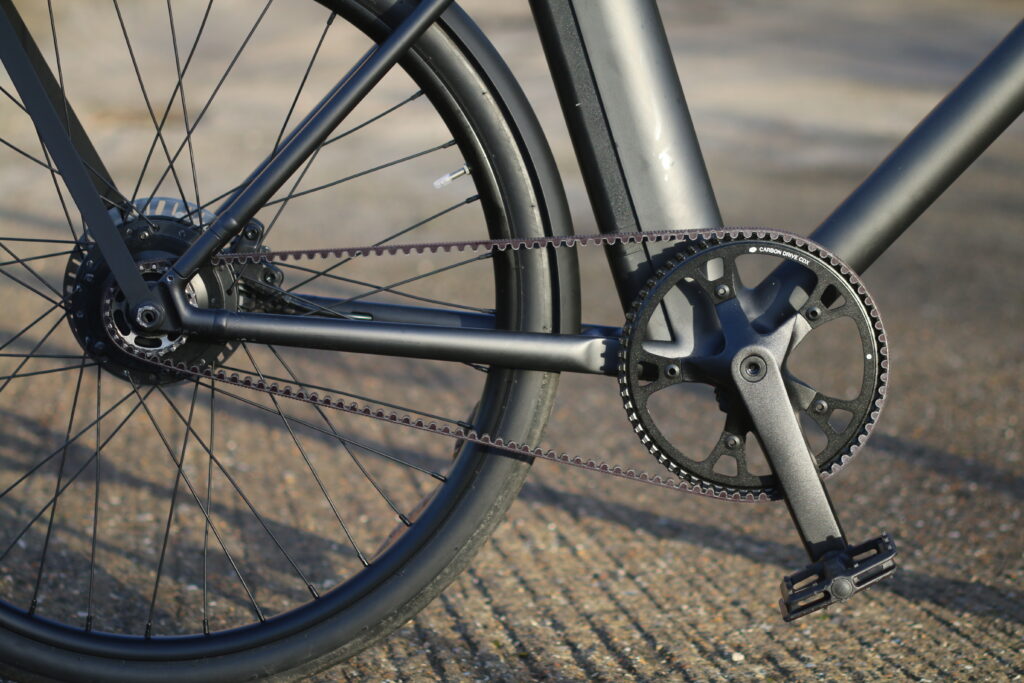
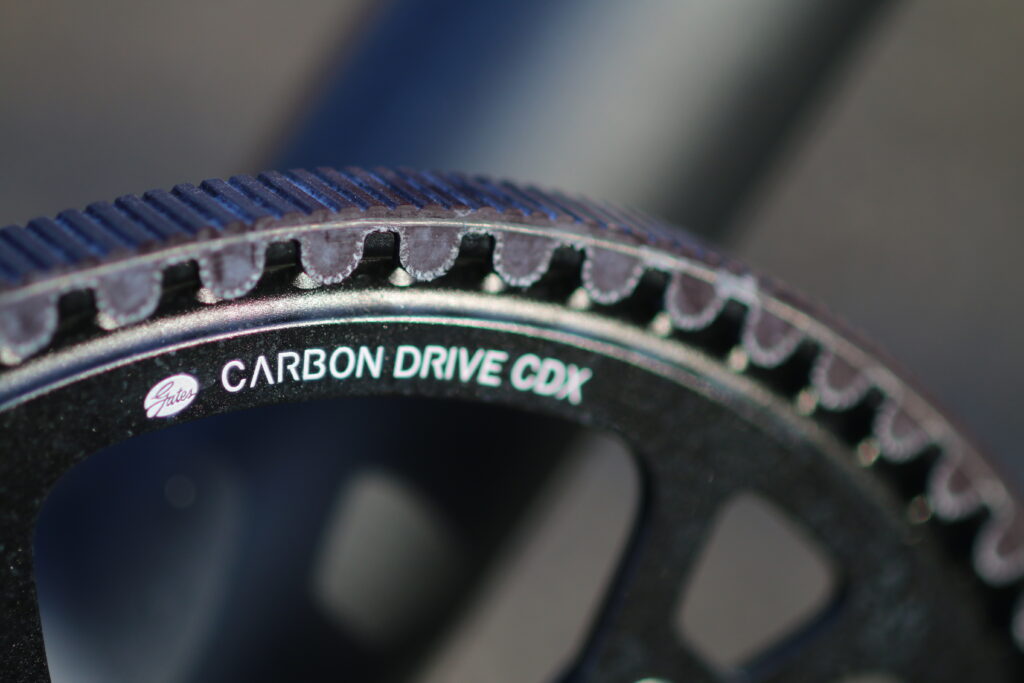
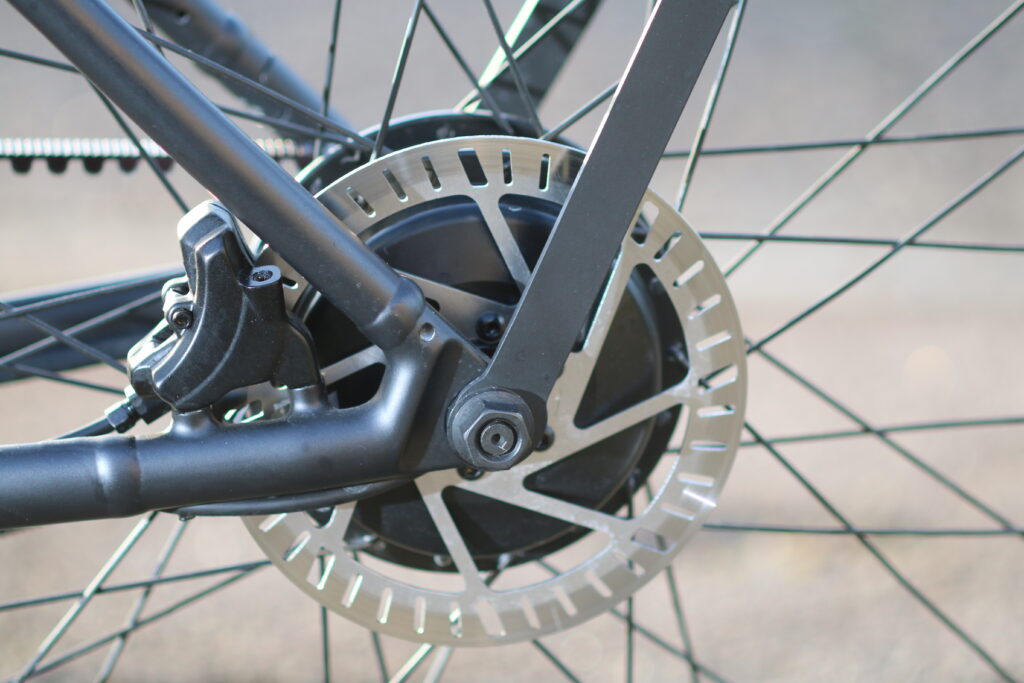
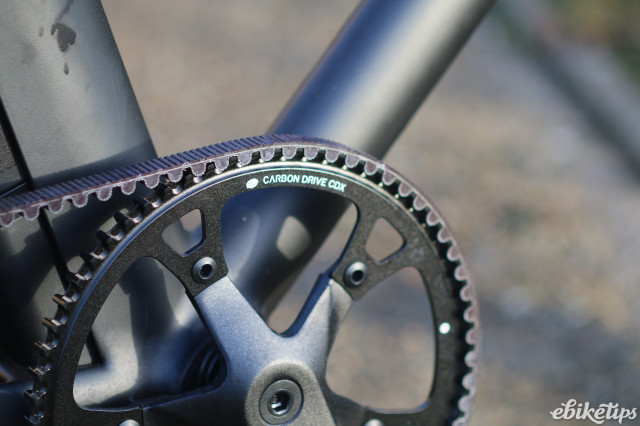
Your own power gets from the pedals to the rear hub via a Gates Carbon Belt Drive, which is one of my favourite bits of kit for practical bikes. It’s completely clean, and with no spiky chainring teeth to eat your trouser cuffs you can ride the Cowboy in pretty much any legwear.
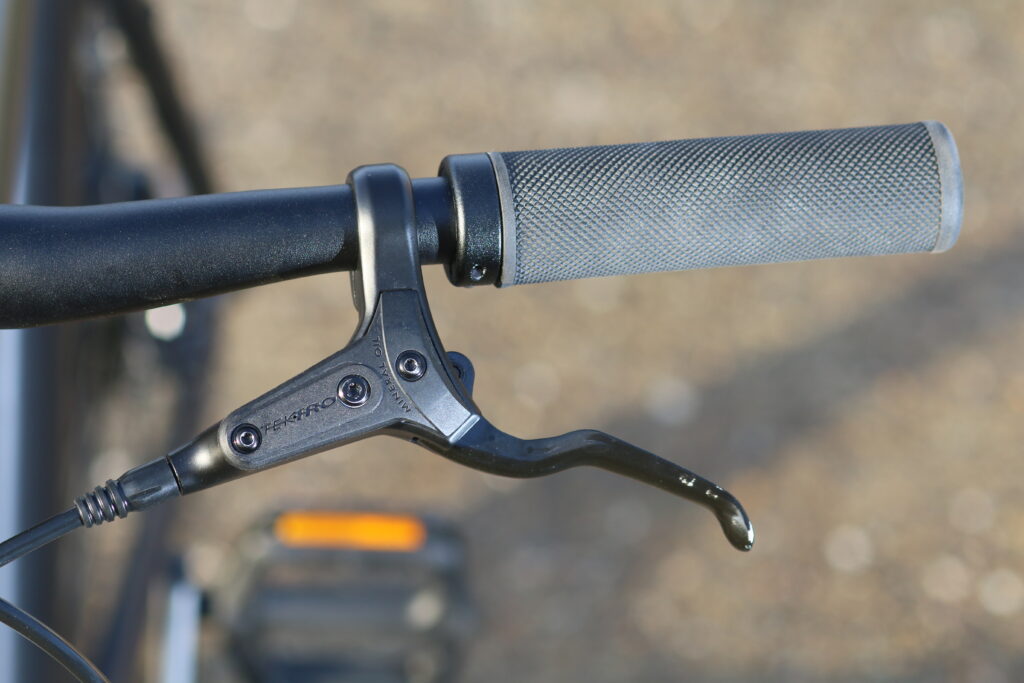
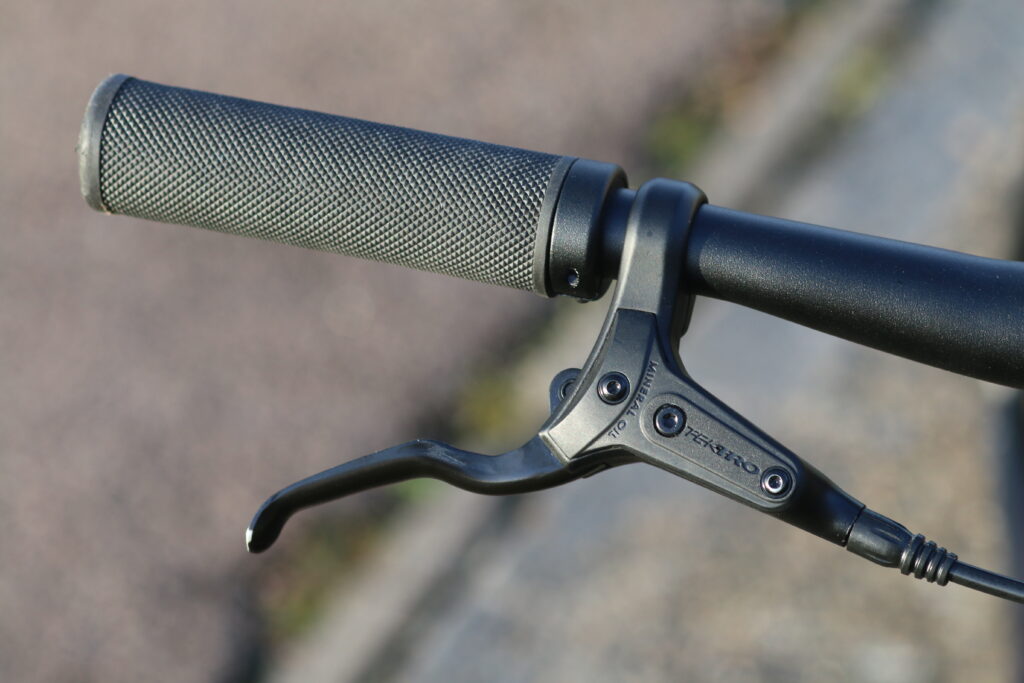
The Cowboy comes fully-assembled with the handlebar turned sideways. A bag hung from the bike contains all the other stuff you need: pedals, charger and the necessary tools to finish assembly and make the necessary adjustments. There’s even a nice-looking manual to help, though its instructions for tightening things up are a bit lacking. It suggests you use “reasonable force” to tighten the headset top cap, which is alarmingly vague given the top cap only needs to be tight enough to take up play in the bearing. It uses the same term for tightening the brake lever clamps (which manufacturers usually recommend be tightened to between 4 and 8 Nm), and installing the pedals (29-40 Nm). You don’t want to reef down on a headset like that.
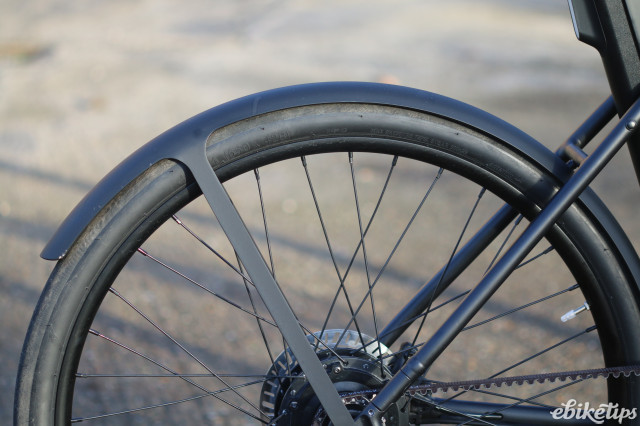
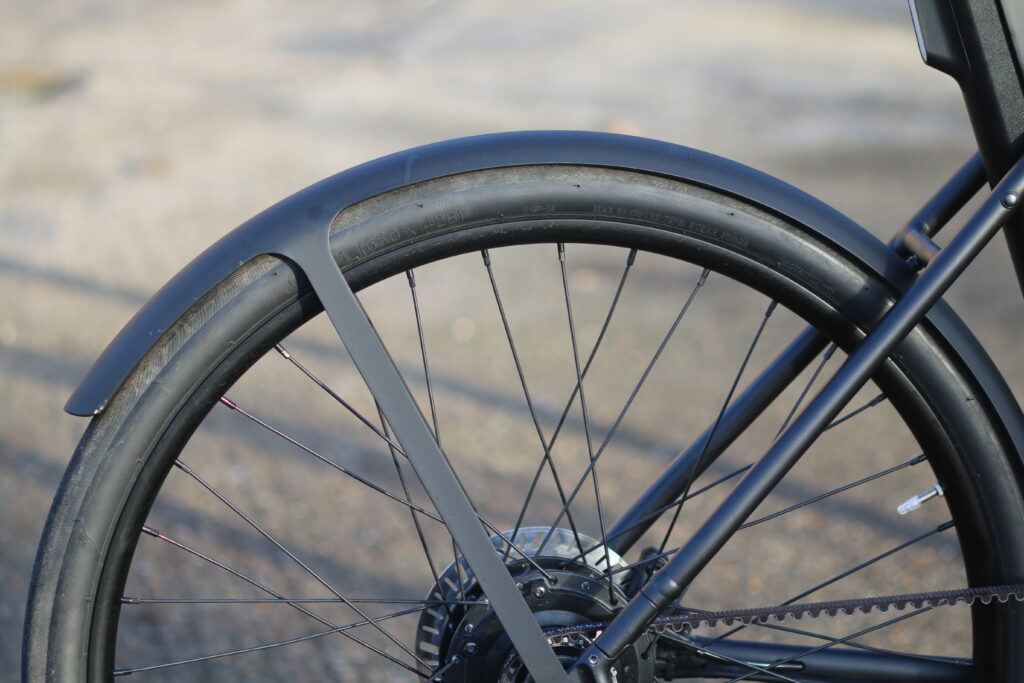
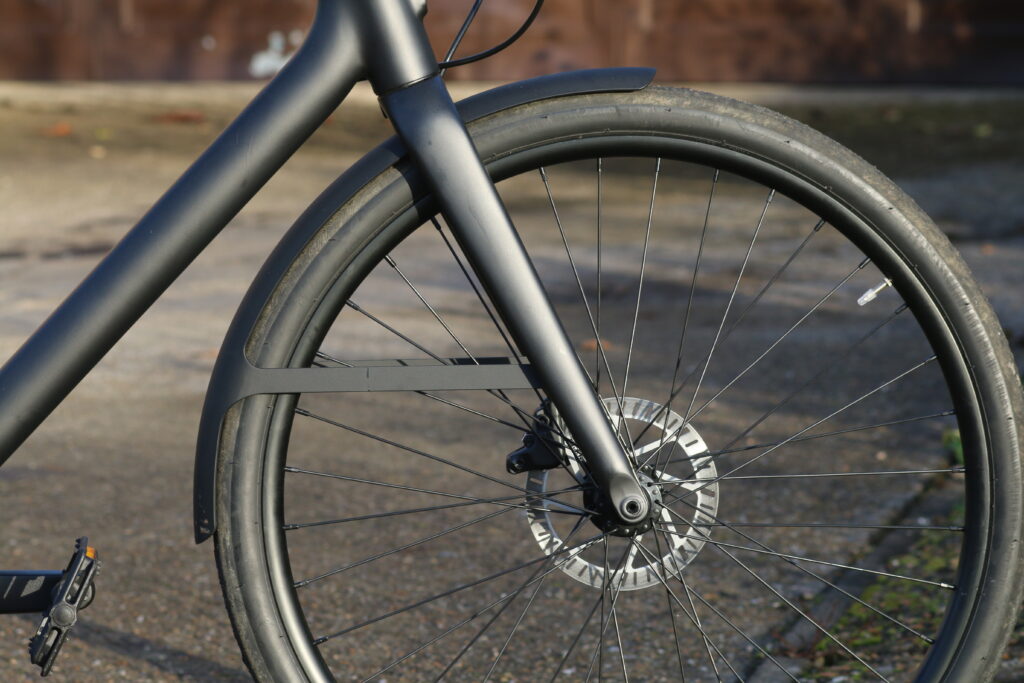
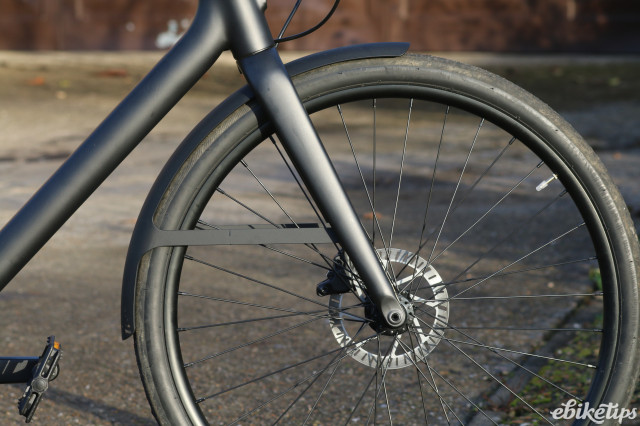
The mudguards are an optional extra. On an urban bike it’s daft that they’re not standard equipment, but fortunately they’re very nicely done. Order them with the bike; you can’t get them separately and third-party guards just aren’t going to look as good. The rear is a bit short, though it’s not like you’re often going to be riding this bike in a group, and a short guard makes it easier to pop the bike up on its rear wheel to manoeuvre it through tight spaces.
There are mounts for a rack, but you have to be careful that it’s not too close to the seat tube, or it’ll stop the battery from being removed. The rack I fitted — a Bontrager number fairly unexceptional but for built-in fittings for Bontrager’s MIK clip-on bags — partly blocked the rear light too, and blocked it completely when a trunk bag was added. Lights built into the frame are all very nice, but a practical bike needs its rear light mounting as far back as possible. If the mudguards were standard equipment, they’d be the perfect place for a light too.
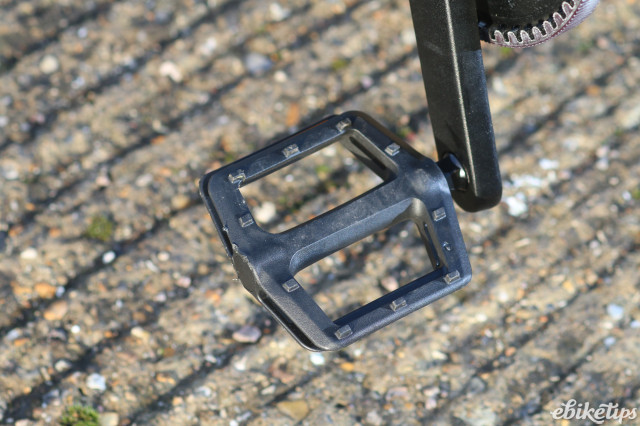
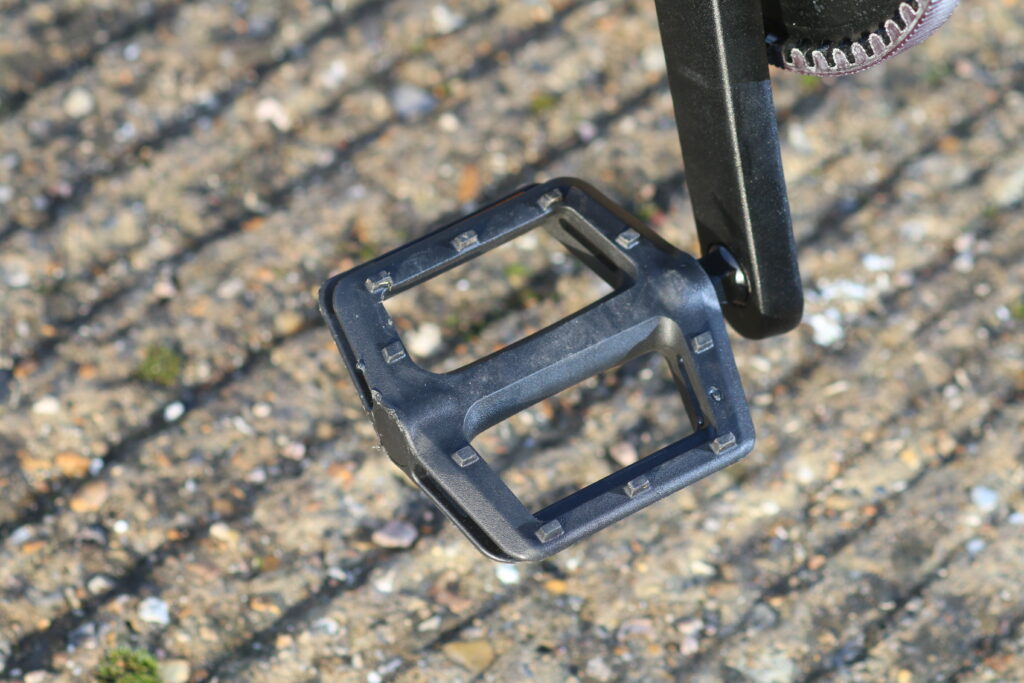
The most disappointing part of the Cowboy 3 is the cheap, plastic pedals, which don’t provide much grip when damp, even with Vibram-soled walking boots. There’s little excuse for this on a budget bike, none at all on one that costs two grand. Metal-bodied pedals with steel studs for grip aren’t much more expensive when you’re buying by the hundred, but work much better.
A fundamental problem?
After 100km or so of riding I ran into a snag. The power simply cut out after a few kilometres and didn’t come back, despite the battery being fully charged. I completed my ride, which meant a significant workout pushing 20kg of bike, rack and luggage in that high gear, got home and had a good head-scratch. One obvious possible problem was the battery position. The weight of the battery pulls it away from the contacts, which are behind the top of the seat tube and it rattles as you go over bumps because the latch doesn’t pull it in very hard. I suspected this was enough to corrode the contacts so I gave them a thorough dousing in contact cleaner and replaced the battery. It worked fine on the next ride, but cut out again on the one after that.
Since the problem was clearly the battery connection, I solved the problem with a Velcro strap to pull the battery hard into the latch. Fortunately this is facilitated by the position of the rear light on the battery, which gives you something to wrap a strap round.
I reported the problem to Cowboy, they sent me a new battery and the problem didn’t recur through the rest of the test period.
Range
Since I work from home I had to invent a commute ride for the Cowboy 3: from my home in the hinterlands of Cambridge to Magog Down, a popular local dog-walking spot, where I’d meet up with my partner and our dogs for our morning walk. It’s a shade over 7km, and three round trips — 42.5km — had the battery down to 3% charge.
Cambridgeshire’s not what you’d call hilly, but my route did take in a couple of climbs for a total of about 150m of climbing per round trip. (One ‘hill’ is in fact the venue for Cambridge Cycle Club’s annual hill climb contest, and it’s probably the only hill climb in the UK where competitors routinely use aero time trial bikes because at an average of just 4.2% it’s shallow enough that aerodynamics really matter; the fastest unassisted average speed up it is a staggering 40 km/h.)
On a less hilly route you might get a bit more distance out of the Cowboy 3, but it seems unlikely you’d get the claimed range of “up to 70km” unless you’re a certified waif riding very gently somewhere billiard-table flat.
Overall
The Cowboy 3 is great-looking bike with clever integration of battery and electronics that produces a pleasantly seamless ride feel, and that scores points with me for its street-clothes-friendly Gates Carbon Drive.
However, there are too many downsides accompanying its styling for me to feel comfortable recommending it unless it perfectly suits the way you ride, and are tall enough to be properly comfortable on it. That means you’ll have to not mind removing the battery every time you want to charge it; not plan to fit a rack; and be prepared to put up with the over-tall gearing among other things. For me, those are deal-breakers.
All the deals displayed on our review pages are pulled from a constantly updating database feed of the best affiliate deals available. The criteria for deciding on what are the best deals is who is offering the lowest, delivered price. In most cases we will be showing the very best deal available online, but sometimes you may be able to find an item cheaper. If you can please feel free to post a link in the comments box below. To find out more about affiliate links on road.cc click here.