



We may earn affiliate commission from some of the links on this page
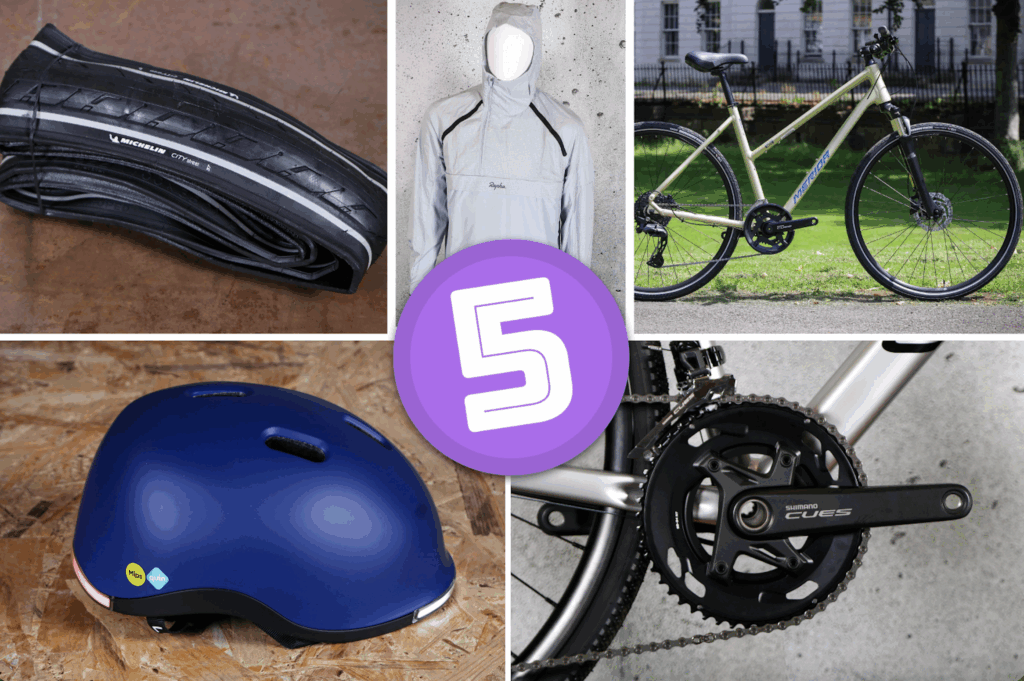
This week, Five Cool Things is going urban. We’ve (finally) got our hands on a full Shimano CUES groupset, a Lumos helmet with built-in lights, some reflective Rapha kit, Michelin tyres, and a Merida commuter bike. Here are the previews, with full reviews coming soon…
Shimano CUES U6000 (£721.90)

It’s been a long time coming, but we have our hands on the Shimano CUES U6000 groupset which is the 10- or 11-speed option with hydraulic disc brakes, designed to deliver “smooth shifting with superior chain retention”.
Shimano says CUES is suitable for everything from entry-level trail bikes to larger, more demanding e-bike platforms. Components are cross-compatible, allowing you to mix and match parts as needed.
Our U6000 groupset weighs 3,427g and is priced at £721.90. Stu Kerton is testing it, and we’ll report back with a full verdict soon.
Click here for more information
Lumos Nyxel helmet (£189.95)
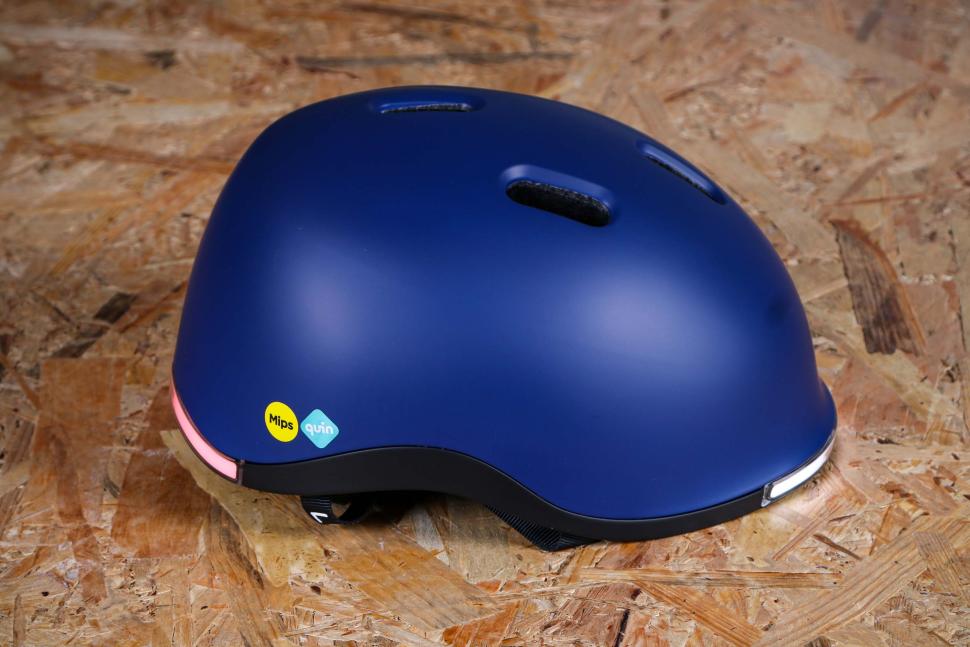
The Lumos Nyxel helmet has a front and rear light, with automatic brake lights and turn signals controlled via a remote. It also features MIPS for rotational impact protection and Quin technology, which uses sensors and real-world data to detect crashes. The lights claim to be visible from 1,475 ft and the battery is rechargeable.
The weight comes in at 438g, and the helmet is available in nine colours. Pricing starts at £109.95 for the standard non-MIPS version, £139.95 for the MIPS-equipped model, and £189.95 for the version we have on test, which includes both MIPS and Quin.
Rapha Mens Reflective Anorak (£300)
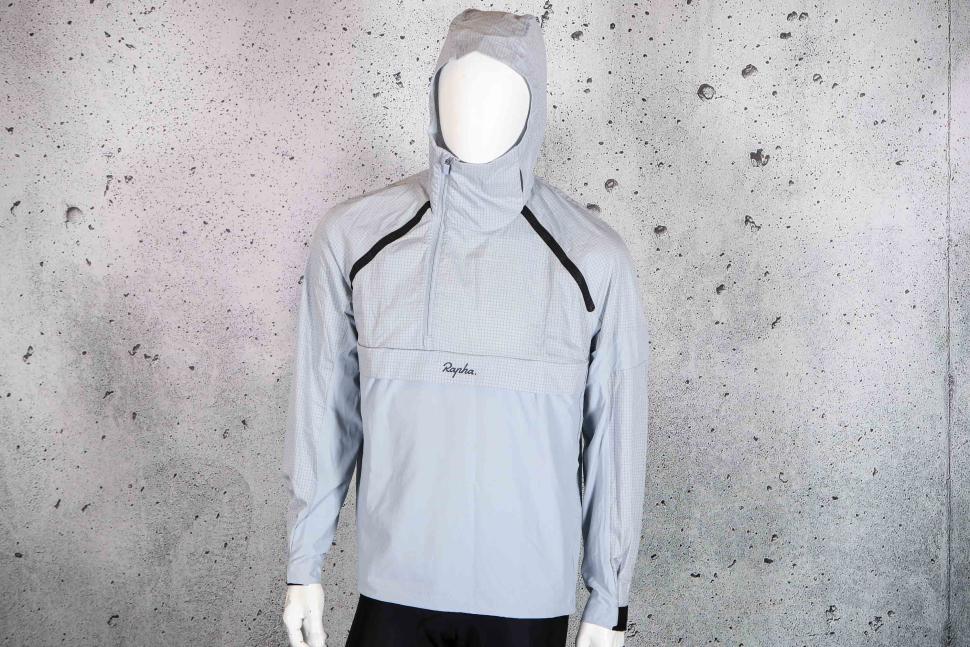
Rapha’s Reflective Anorak is designed to work both on and off the bike, offering what the brand calls “360° visibility” for added safety. Key features include a fully reflective fabric, windproof protection, a helmet-compatible hood, reinforced shoulder panels to resist wear from a backpack, and four pockets.
It’s available in six sizes (XS–XXL) and two colours – Black or Zen Blue. Simon is testing the latter, with his full review coming soon. The good news? It’s currently half price at £150.
Michelin City Street tyre (£49.99)
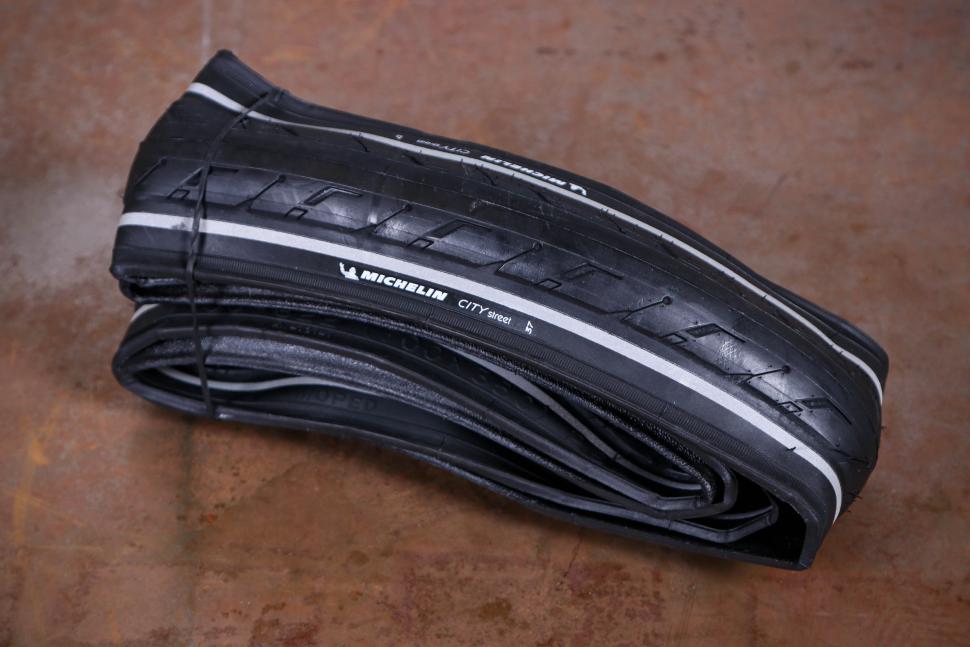
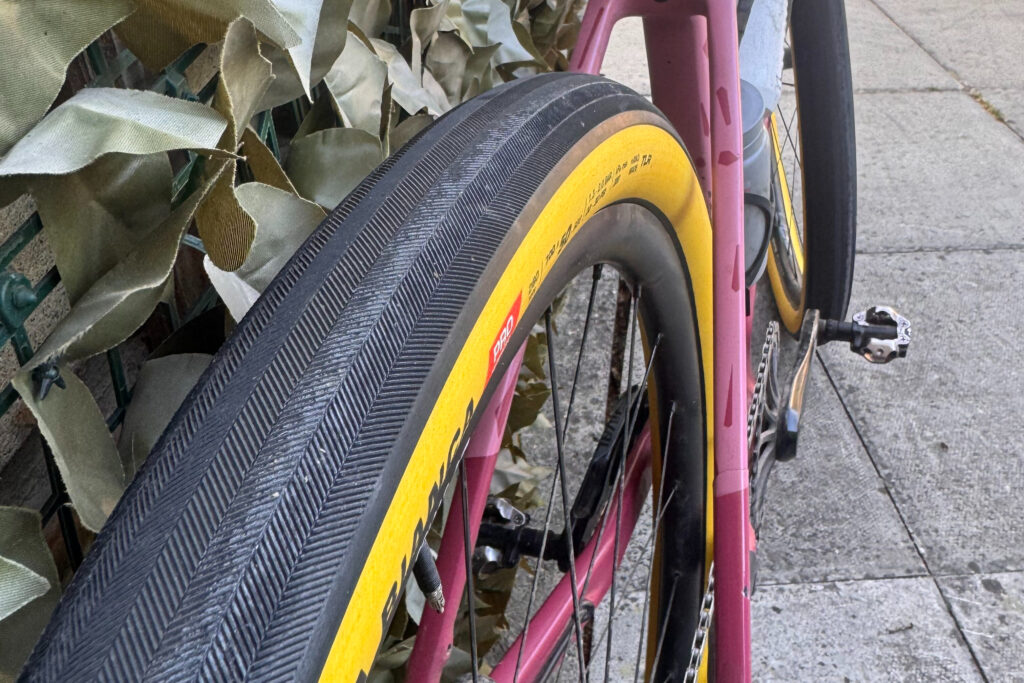
Promising puncture protection, grip and durability, the Michelin City Street tyre is now “more resilient yet lighter, thanks to City Shield technology”. It’s designed to deliver reliable performance for everyday riding in urban conditions.
Simon Withers is currently testing the 35mm version, which weighs 568g on the road.cc Scales of Truth. Check back soon for his full verdict.
Merida Crossway L 300 (£875)

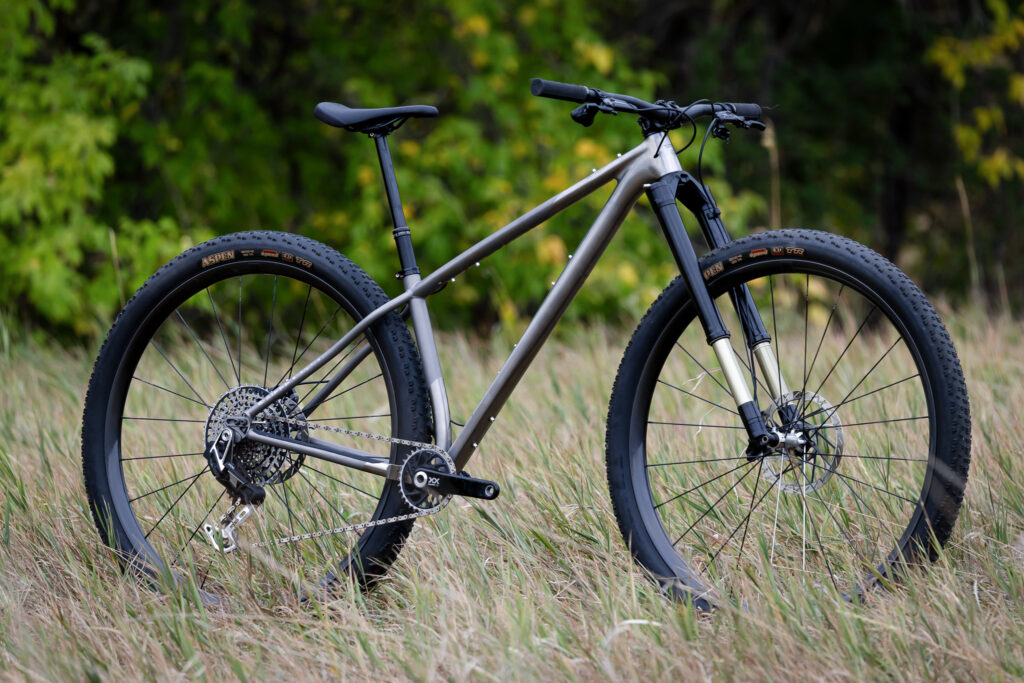
The Merida Crossway L 300 is a simple, no-frills hybrid with an aluminium frame, Shimano CUES components, and hydraulic disc brakes. It also includes comfort-oriented features such as a suspension fork and adjustable stem.
The Crossway L 300 also has the ability to mount mudguards, racks and kickstands and comes with 700c wheels and 40mm tyres. At 13,550g it’s not the lightest, but stay tuned for a full verdict.
For all the latest full test reports on oad.cc, head over to our reviews section. For more advice before splashing the cash you can check out our buyer’s guides, and head over to road.cc Recommends to find all our top-rated products in one place.











8 thoughts on “A helmet with a crash detection system from Lumos, plus more cool things for urban riding from Shimano, Rapha, Merida + Michelin”
Tell us more about the Lumos
Tell us more about the Lumos Nyxel. How do the brake lights work automatically? When decelerating above a certain rate? What does the crash detection system do? Is it to tell others we’ve crashed?
lesterama wrote:
It’s there to sell you an internet connected helmet which you have to recharge.
Presumably with a non-replaceable battery.
And even that is more desirable than the turn signals.
momove wrote:
Apparently not – although the replacements don’t appear to be currently available:
https://uk.ridelumos.com/products/nyxel-replaceable-battery-quin
Ah, well fair play to them
Ah, well fair play to them then on that. I still don’t want a helmet with a battery but for those that do I’m glad they can be maintained.
I have to say it doesn’t
I have to say it doesn’t instil much confidence that they seem to be confused about what part of the body a helmet is supposed to protect:
?
To answer the question, though – yes:
but also:
Quin detects crashes and provides detailed impact data, showing where, how hard, and for how long your helmet was hit, equipping you with powerful and insightful data.— Lumos
Quite how that data is actually supposed to be actionable, though, remains unclear. Maybe there will be a forthcoming integration with Strava so you can earn sympathy kudos from your followers?
The article above misses out a much more important detail, though – it comes in floral!
In a crash, your emergency
In a crash, your emergency contacts are automatically alerted with your location via your phone
Great! All they need now is a helmet which automatically sends out the ‘Thoughts and Prayers’ and the police won’t need to turn up to cyclist KSI’s at all!
This is, of course, nothing
This is, of course, nothing new – Garmin, Apple, etc. already do this. Although so far my Garmin watch has ‘detected’ three false alerts when nothing had actually happened, and then failed to do anything when I actually did have a fall, so…
mdavidford wrote:
That could actually be quite useful for a medical provider, a bit like the gumshields professional rugby players now use that see the player pulled off the pitch for an automatic HIA (head injury assessment) if a certain level of force is exceeded. If you end up in A&E after a crash, the force of any impact that your head has received could be a very useful indicator as to whether investigations for potential brain trauma should be carried out, even if outwardly you don’t appear to have suffered any brain injury.