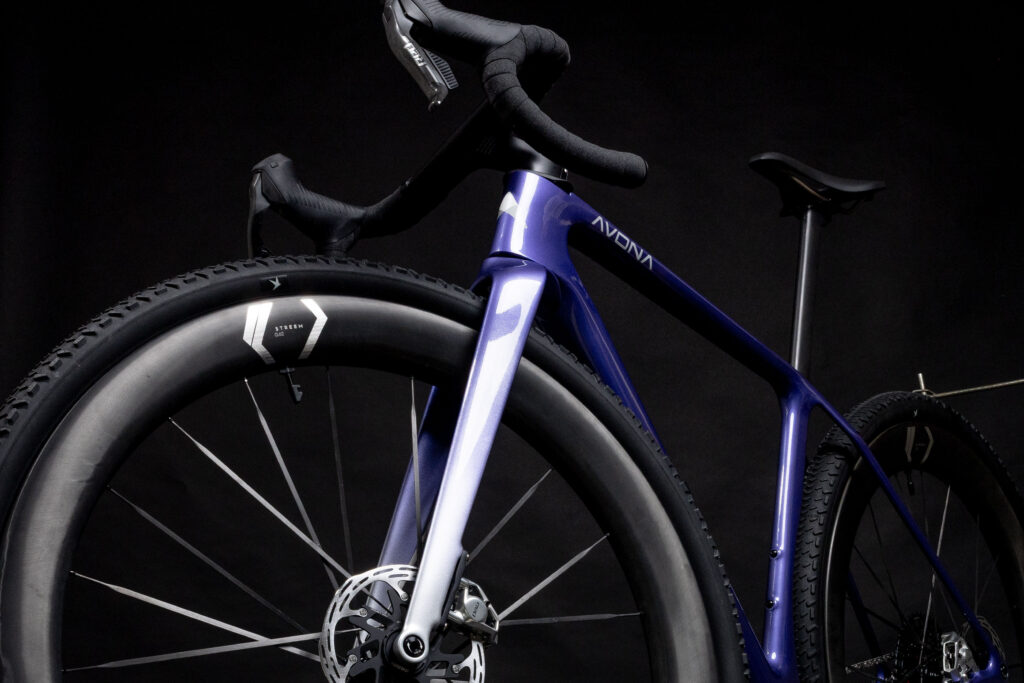
The body that investigates trade remedy measures in the UK has proposed keeping the current anti-dumping measures on bicycles and certain bike components imported from China, inherited from the European Union, arguing that extending the policy will prevent further “injury” to the UK’s struggling cycling industry.
According to the Trade Remedies Authority (TRA), maintaining the current measures will help to “protect” the British bike industry, encompassing several small and medium sized businesses and thousands of employees, from “unfair” international trade practices.
Currently, anti-dumping duties range between 19.2 per cent and 48.5 per cent, depending on the exporter, the measure allowing the UK to apply the tariff on ‘dumping’ goods – namely, those being exported and sold at a price lower than what is normally charged in its home market, impacting the relevant industry in the importing country.
The UK’s current anti-dumping measures were inherited from the EU, the Department for International Trade having confirmed in the aftermath of Brexit that EU anti-dumping rules on cheap bikes from China and several other countries would be maintained at the end of the Brexit transition period.
At the time, a review was promised if it was not felt that the measures remained “appropriate to the UK”, with the TRA announcing last August that such a review would finally take place, before the existing measures expired at the end of that month.
In 2021, the Bicycle Association (BA) welcomed what it described as the “certainty” afforded by the continuation of the EU measures following Brexit, which are aimed at preventing Chinese manufacturers from flooding the market with cheap bikes, to the detriment of local manufacturers and jobs, as well as bringing concerns over safety standards.
The announcement of this latest review followed a similar process that looked into e-bikes imported from China, the TRA concluding last May that the current measures should be revoked, and that maintaining the status quo would “not be in the economic interest of the UK” and would “harm to rest of economy”.
On Thursday, the TRA – an “arm’s length” independent body under the Department for Business and Trade, which investigates whether new trade remedy measures are needed to counter unfair import practices and unforeseen surges of imports – published the initial findings from its transition review.
The report assessed the anti-dumping measures on bikes and certain “essential” components, such as frames, wheels, handlebars, and brakes important from China, including bicycles consigned from Cambodia, Indonesia, Malaysia, Pakistan, the Philippines, Sri Lanka, and Tunisia.
The report also assessed the current state of the UK cycling industry, featuring data provided by British manufacturers Ribble, Brompton, and Frog Bikes, finding that domestic sales had dropped by over half in the period under review, between July 2020 and June 2024.
In its investigation, the TRA found that China accounted for 24 per cent of all bicycle imports to the UK between July 2023 and June 2024, while noting that the nation’s production capacity continues to grow.
In its statement of essential facts, the TRA concluded that the dumping initially identified at the time the measures were first established would – as a result of China’s increased production capacity – likely resume if the current measure was removed.
Noting that “injury” to the UK’s cycling industry would likely be a result of any move to revoke the policy, the TRA has instead proposed that the measures should be maintained until 30 August 2029.
This extension, the body said, could help prevent the dumping of low-priced bicycles and benefit UK manufacturers by £1-£9 million every year.
During the investigation, the TRA considered whether the anti-dumping measure should be maintained only on bicycles, but removed on parts and components. However, the TRA did not present this as an option to the government due to what it says is the “lack of clear evidence from industry participants” and the continued risk of circumvention if the duties on parts were removed.

A period of consultation is now open, during which interested parties can comment on the findings and provide any additional evidence, before a final recommendation is made to the Secretary of State.
Businesses and brands that may be affected by these findings have been asked to submit comments to the TRA by 25 August.
Last year, the Bicycle Association, the national trade association for the UK cycling industry, confirmed that it was maintaining a “neutral” stance on the review, citing the differing interests of its member companies.