



Cycling is a hugely popular and enjoyable activity (we would say that) and for those new to it – whether riding recreationally, commuting, or aiming to compete, it can be quite confusing at times. Here are ten things I wish I’d known when I first started cycling…
1. Fuelling your ride
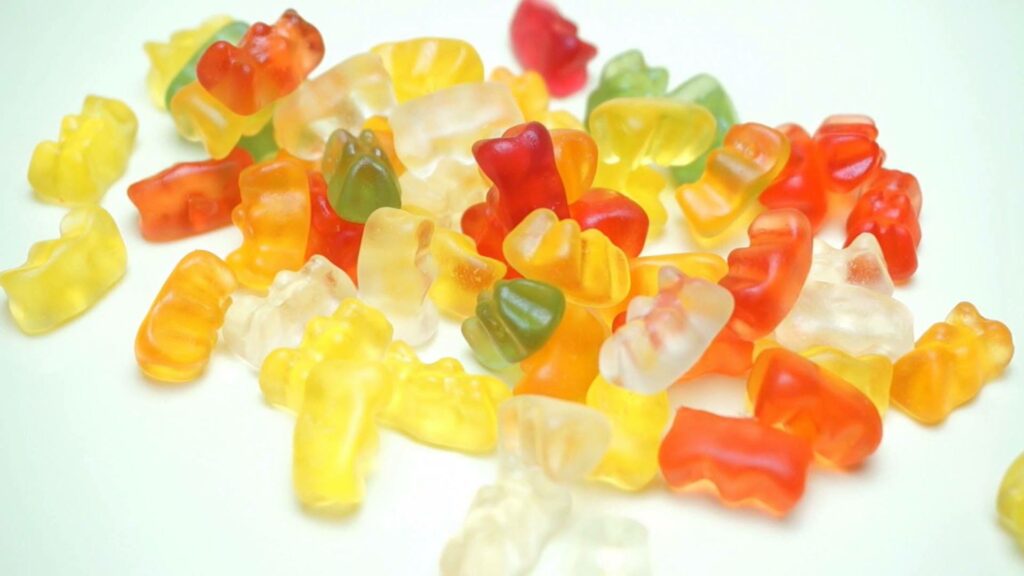
When I started out, I really underestimated the importance of nutrition. I’d get home from a ride absolutely ravenous and would just eat everything in sight. I’ve since learned that more food equals more power.
Now I eat loads on the bike, continuously fuelling before and during the ride, as well as for recovery afterwards. I’ve never been more powerful on a bike. It’s a skill you have to learn, and you even need to train your gut to handle carbohydrates on the bike without it getting too upset.
My go-to is simple: MyProtein’s maltodextrin in a bottle with a bit of salt. A general rule of thumb is to start fuelling before you feel hungry, and to eat little and often. You also don’t need fancy cycling nutrition; a lot of normal food like bananas, sweets, and flapjacks work perfectly well.
I honestly can’t believe I used to go on rides for hours with just water. Don’t be like me – try eating.
2. Don’t copy the pros
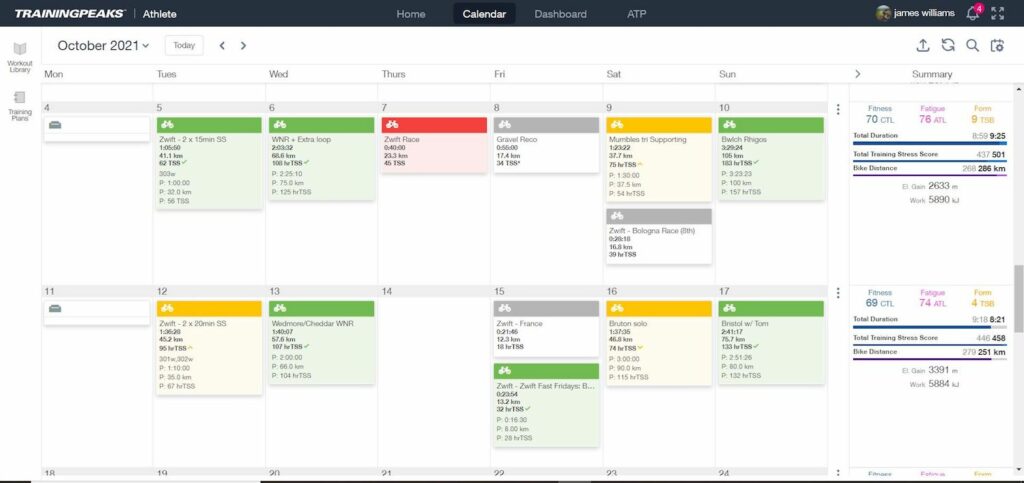
I feel a bit stupid for doing 20-hour training weeks and thinking it would help me in my one-hour criterium races. The pros can manage 20, 25, or even 30-hour weeks, but that’s not manageable for me, especially with a nine-to-five job.
If you’re training for an event, then considered, manageable and consistent training is going to be your best friend. Getting a coach to tailor a training plan to my available time would have been a much smarter thing for me to do.
I’ve also found that what makes you fast on a bike might not be riding a bike at all. For ages, I only rode bikes. But since I stopped racing, I’ve become much faster on the bike because I’ve also been running and weightlifting. I’ve learned it’s better to be well-rounded.
3. Don’t get obsessed with gear
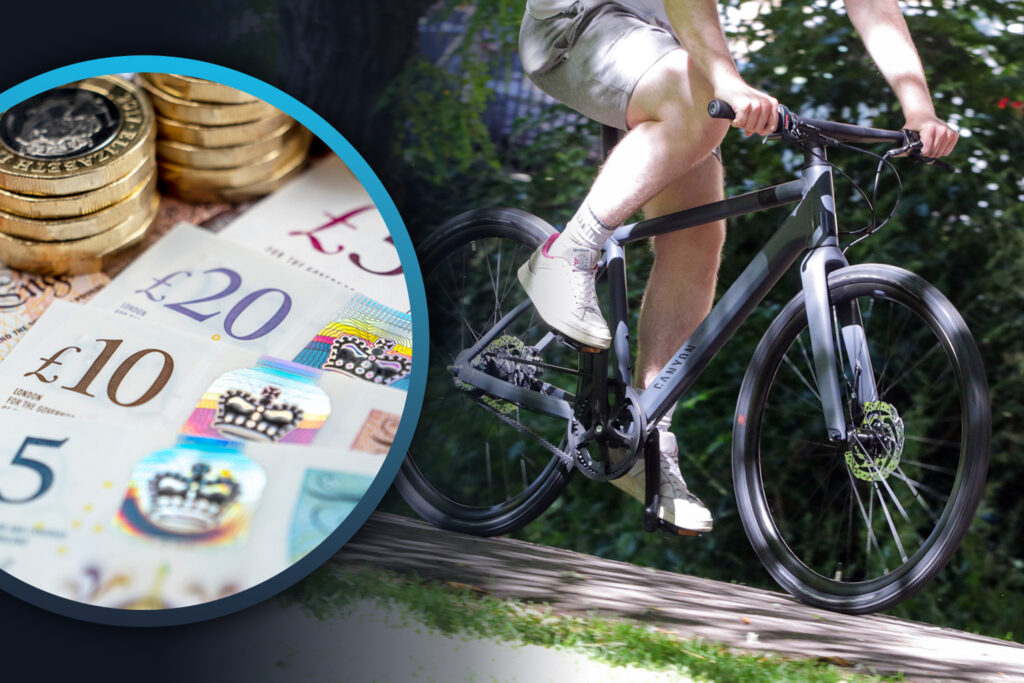
I’m not sure if I would’ve continued with cycling if I knew how much money I’d spend on a bike. My main message is to not focus too much on the bike you’re riding or the kit you have. It doesn’t really matter.
The main point is to get out and ride, maybe focusing on the social element instead of how good your bike is.
> What tech can actually make you a better cyclist?
That said, the one component I will spend money on is tyres, because they make a massive difference to how a bike rides. If I put a set of tough city tyres on my Aethos, it would ruin the bike.
My lovely supple tyres feel fantastic, and it’s worth it for me even though they’re a disposable product.
4. Being super skinny made me slower
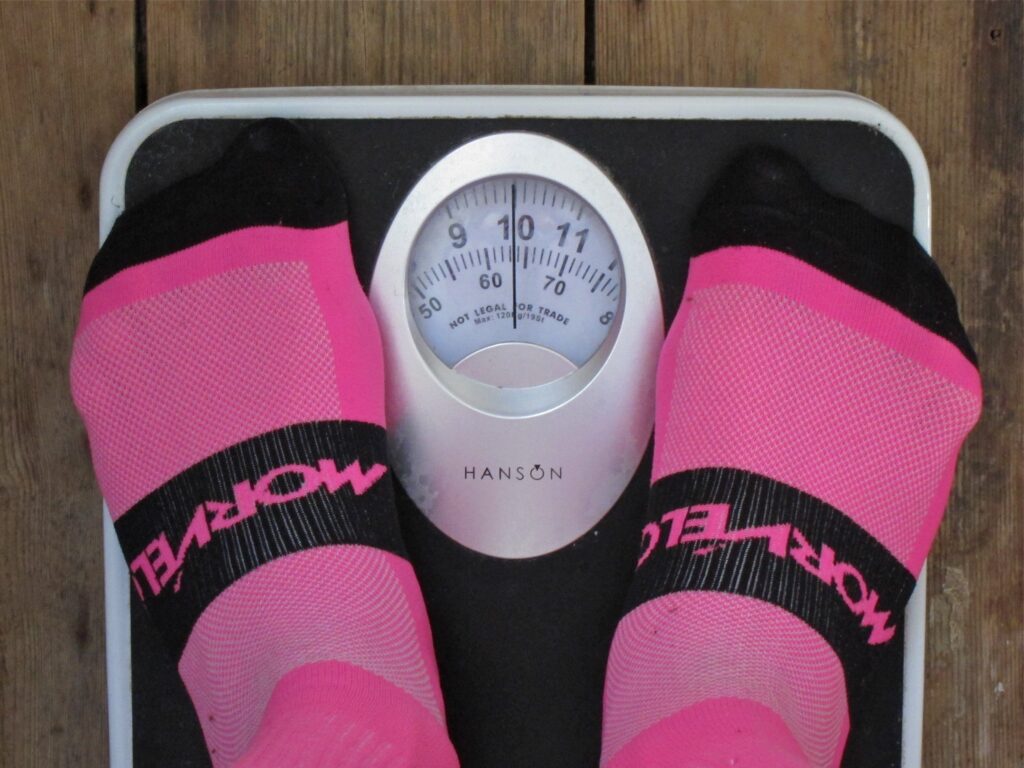
See also ‘don’t copy the pros’, who have a team of professionals on hand to manage their weight and diet 24/7…
Cycling has had a very toxic relationship with weight over the years, and I still think we’re coming through it. For most of my twenties, I was underweight, and it didn’t do anything for my cycling, let alone my life in general.
While cycling is great for burning calories, I would caution you not to take it too far. Focus on power and aerodynamics, and you’ll likely be a lot faster.
I wish I hadn’t bought into the toxic ‘lighter is faster’ nonsense back when I started, but it was a prevalent notion in pro cycling at the time, and I fell for it.
5. Saddles shouldn’t hurt
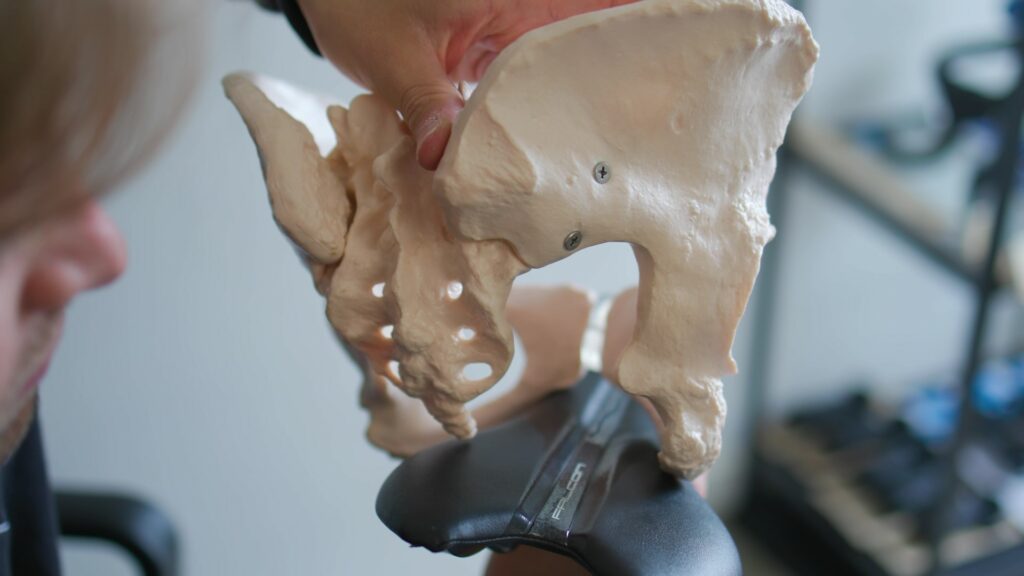
A lesson which would have saved me quite a bit of pain is this – while chamois cream is great on some longer rides, it can also mask issues if you have a persistent problem.
If you have saddle pain over the course of multiple rides, it’s likely a sign of a bike fit issue or something more serious. If you’re having persistent problems, dig into it a little, get yourself a bike fit, and get checked out.
6. Chains need cleaning
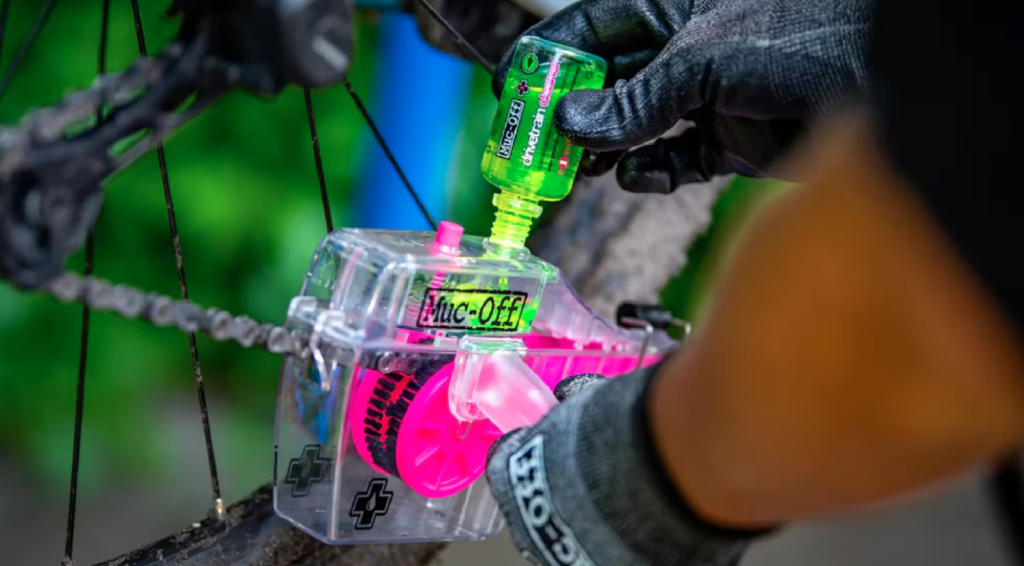
I can’t believe I’m going to admit this, but when I first started cycling, I thought bike chains were just supposed to be black and oily. I went to a ‘how to wash your bike’ clinic at my local bike shop, and it was fantastic.
Cleaning your drivetrain with degreaser will save you a lot of money because you won’t wear out your chain, cassette, or chainrings so quickly. A generic degreaser from a hardware store works fine. You’ll also want a long-bristled plastic brush to work the degreaser in.
> How to clean your chain easily
The lesson is, a little cleaning will save you money in the long run and keep your gears working well.
7. Post-work rides are bliss
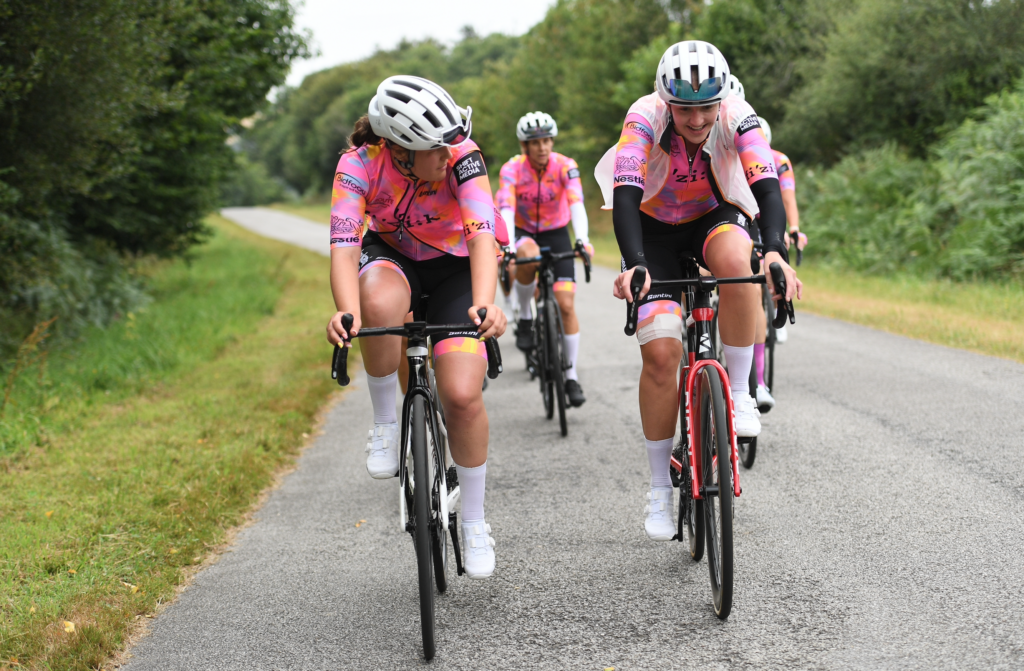
When I started cycling, cycling was all about riding bikes with my mates at the weekend. Little did I know that short post-work spins would become my favourite part of the day.
This may sound dangerously close to life coach motivational speaker nonsense, but if you just get out there, even for a short ride, it feels fantastic.
I sometimes struggle to motivate myself after a long day of work. But within 15 to 20 minutes I’ll be so glad I got out.
8. Waving isn’t weird

When I first started cycling, it seemed a little weird that other cyclists waved to me as we passed. But this small gesture sets cyclists apart from sports like running where I rarely get a wave back.
> Not everyone waves back, however…
So if you see me coming the other way and I give you a wave or a nod, give a wave or a nod back – it fills my soul.
9. Master layering for winter
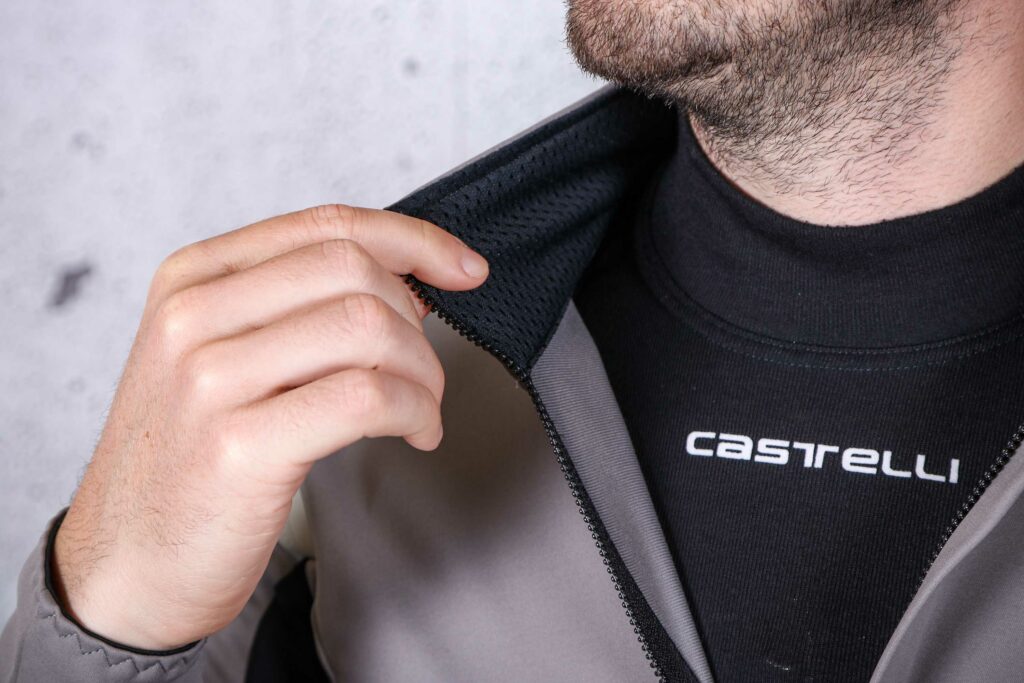
When my first winter of cycling rolled around, I had a steep learning curve. Dressing for a ride easy in the summer, but winter gets tricky.
I made the mistake of buying a big, thick winter jacket. But this only made me sweaty when going uphill and then frozen as I went back down.
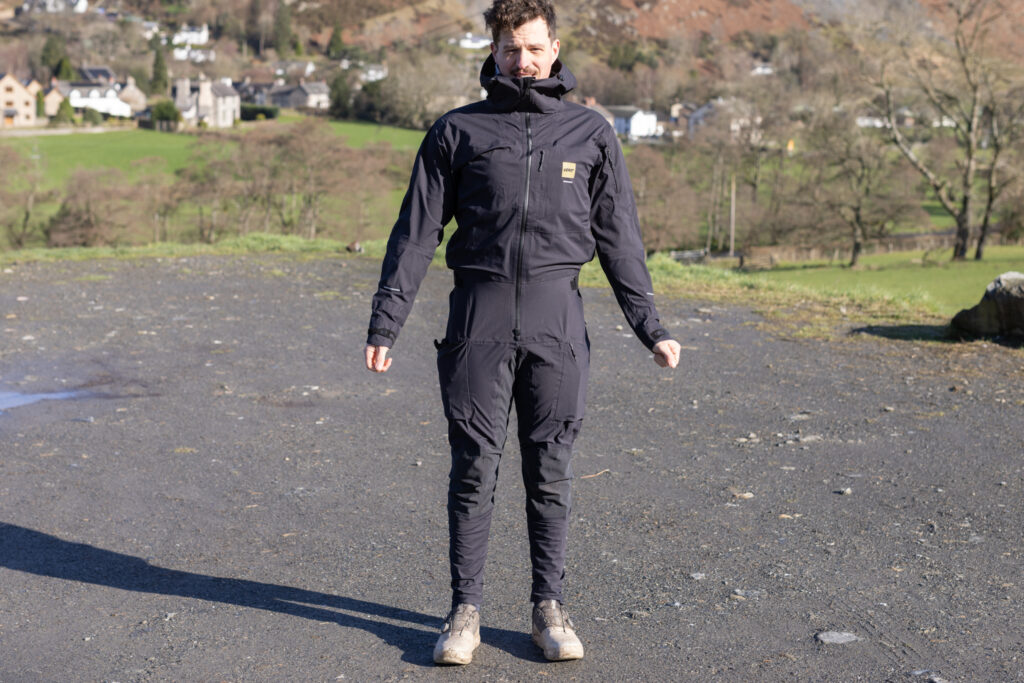
Instead, I would now suggest a short sleeve thermal base layer, windproof Gabba-style jacket and a waterproof shell as a good combination to see you through the majority of winter weather.
Keeping my core warm seems to do most to keep my hands and feet warm, but there comes a point when gloves and overshoes are needed.
> How to layer for winter riding
It’s hard to recommend specific products because everyone’s hands and feet get cold at different rates. So I suggest investing in good quality mid-weight overshoes and gloves because cold hands and feet just aren’t the one.
A top tip for winter rides with a café stop is to take a spare base layer and a head covering to change into, as there’s nothing worse than getting back on the bike when your base layer is damp.
10. Plan your routes
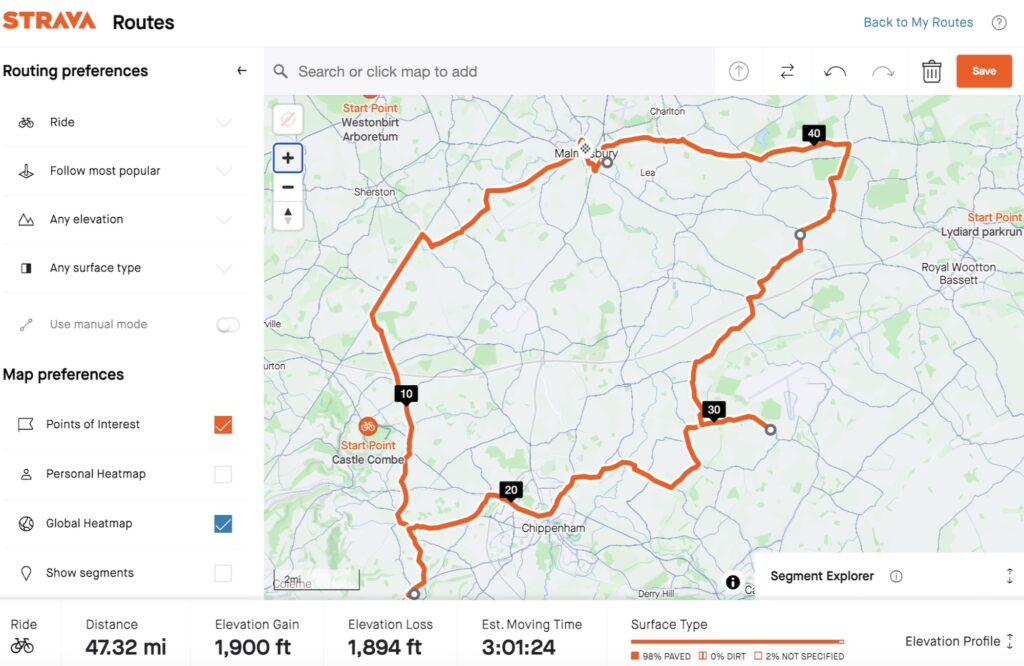
The final thing I learned the hard way is to plan your ride to the conditions. In windy conditions, there is nothing worse than riding the whole way home into a strong headwind.
I’ve also learned that a steady 4-hour ride in cold and rainy conditions just makes me miserable. Instead, I’ll now get out for a more intense ride, or simply do something else like go running.
Cycling, after all, is about fun.
Any top tips of your own that we’ve missed? As always, let us know in the comments. They might even appear in the next version of this article…







8 thoughts on “10 things I wish I’d known when I started cycling — from fuelling properly to brushing up on bike maintenance skills, get these things right to make your riding more enjoyable”
As well as food, drinking is
As well as food, drinking is vital. But yes, it’s astonishing how much you can eat on a bike. Mind you, it’s astonishing how much I can eat, full stop…
Two important things I’ve
Three important things I’ve learned :
A three hour steady ride doesn’t burn off as many calories as you imagine (especially if it has included a coffee and cake stop).
Wider tyres at lower pressure are better on rural roads surfaced with chippings, so make sure any bike you buy has a large enough clearance for 25mm, 28mm tyres or possibly larger – take particular note of this if buying a TT bike.
Zwift is a brilliant alternative to training alone on the road in the dark after work.
I’m currently evaluating shorter (165mm) pedal cranks on my TT bike. Not raced with them yet, but early training sessions were promising.
Top Tip: If you’re riding on
Top Tip: If you’re riding on the road wear bright colours. It doesn’t matter how much training you do if you’re knocked off your bike by someone who “didn’t see you”. That won’t guarantee your safety, but it will help.
Top tip: Change your chain regularly… buy a chain stretch tool and change your chain before it reaches the limits. This will save you a fortune in cassettes and chain rings. Cassettes and chain rings only really wear when the chain stretches. Better to buy a cheaper chain and change it more regularly than to buy an expensive chain and change it when it’s too late.
Wearing bright colours doesn
Wearing bright colours doesn’t help people notice you, ive been nearly knocked off twice now, wearing a luminous yellow top, and nearly got squished today in bright orange. Unless people look, you’re always vulnerable to a smidsy and clearly most of them don’t look.
I agree. It hardly makes any
I agree. It hardly makes any difference. The one key factor in being seen is that somebody is looking.
I keep expecting “I didn’t
I keep expecting “I didn’t see the cyclist. I was dazzled by his hi viz top”, to crop up as an excuse in some court case.
I couldn’t see them as their
I couldn’t see them as their hi Viz blended with the vegetation was an excuse in a case in Wales.
https://road.cc/content/news/hi-vis-jacket-blended-trees-277019
As posted in drivers and
As posted in drivers and their problems.
This tractor should have been wearing hiviz. No good being green against a green background.