


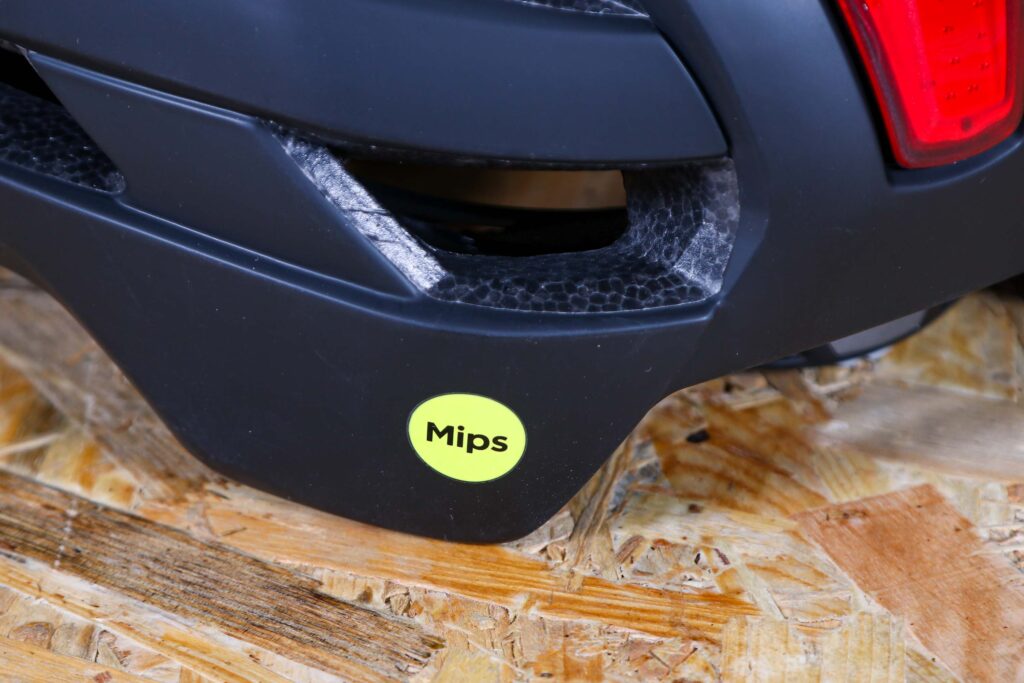

Helmet technology company Mips, the Swedish brand behind the helmet safety system seen in many big-name brands’ lids, recorded a slump in the third quarter, blaming weak demand in cycling for a 32 per cent fall in sales compared with the same period last year.
Net sales for the three-month period totalled SEK 77 million (£5.68 million) compared with SEK 113 (£8.34 million) last year, the ‘Sport’ category of the business which includes cycling sales declining by 29 per cent year-over-year, Bicycle Retailer and Industry News reports.
The figures come just eight months after a “drastic slowdown” in demand was cited as sales slumped by 46 per cent in the final quarter of 2022, signalling the end of a “challenging” year that has continued in 2023 for the bike industry.
> All you need to know about Mips
CEO Max Strandwitz says the company can “remain confident” despite the bruising figures and that other metrics suggest progress.
“When we analyse data from our major bike channels, we see that despite the impact of inventory corrections, we successfully continued to take market share and increase market penetration of helmet models with Mips’ safety system,” he said.
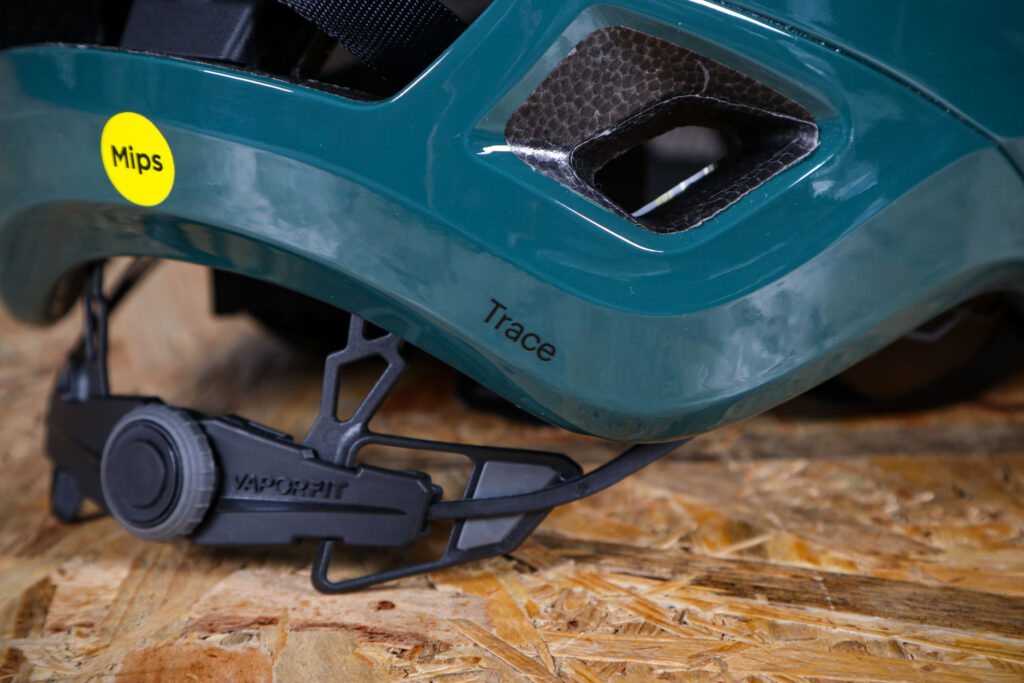
“We therefore remain confident about our long-term growth opportunities in the bike sub-category once the market starts to normalise.”
Elsewhere, the company also suffered a 68 per cent drop in net sales in the motorcycle category, but said it expects a successful winter ski helmet season in North America signalled by a rise in pre-season orders compared with last year.
In February, the Stockholm-based company said it had seen a “substantial negative impact on sales” from the “drastic slowdown in the bike sector” in the second half of last year, with net sales down 46 per cent in Q4.
> Kask WG11 vs Mips: which cycling helmet technology is best?
At the time Strandwitz, who is also Mips’ president, predicted that the bike industry will “start to recover” this year.
“We stand by our earlier assessment that the bike market will start to recover during spring 2023,” he predicted.
“Our assessment is still that over time there will be excellent opportunities for growth and solid consumer demand in the bike category, mainly driven by our increased market penetration and the strong underlying trends regarding these types of helmets.”
The latest comments about the weak demand in the cycling market mirrors much of what Shimano, the Japan-based components giant, said last week as it revealed that sales of its bicycle components had fallen by a quarter during the opening nine months of the year, with the European market hardest hit and forecast to drop by half in the second half of 2023.
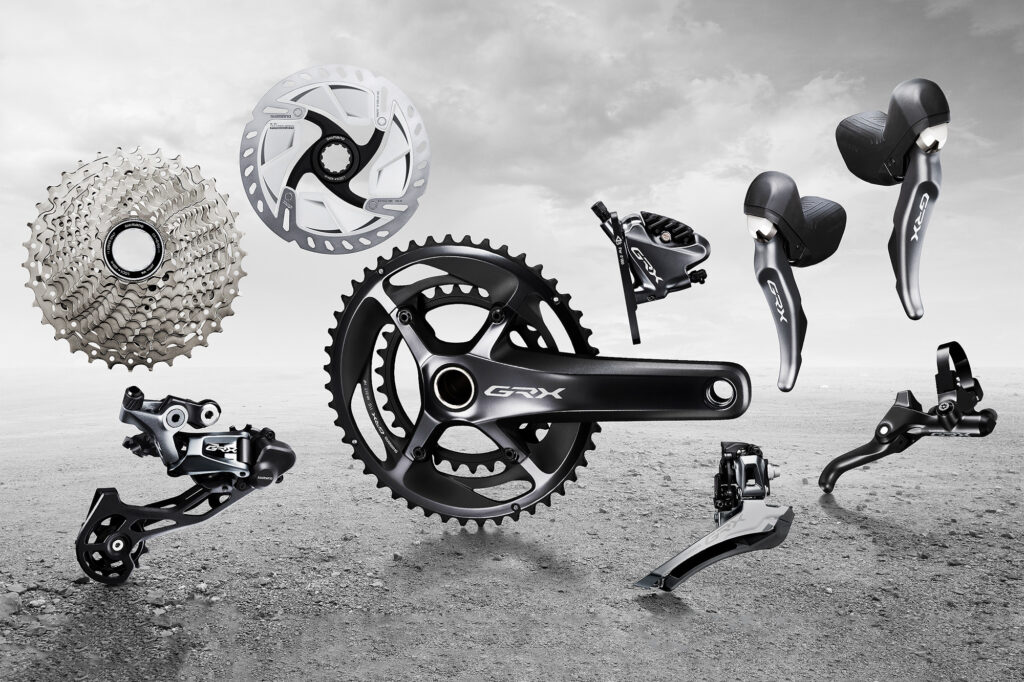
Due to its strength in componentry, Shimano is seen as something of a bellwether for the cycling industry as a whole, overall bicycle component sales falling by 24.8 per cent compared to the first nine months of 2022.
Shimano said that the global economy remains “lacklustre” due to factors including the ongoing conflict in Ukraine, as well as rises in interest rates imposed by central banks to try and curb inflation.
Commenting specifically on the cycling segment which accounts for a little over three quarters of its total revenue, the business said: “Although the strong interest in bicycles [during the pandemic] cooled down, interest in bicycles continued to be high as a long-term trend. On the other hand, market inventories generally remained high, despite ongoing supply and demand adjustments.”




4 thoughts on “Continued weak cycling demand blamed as Mips sales fall by a third”
From personal experience, I
From personal experience, I feel like MIPS may have over-estimated how much customers are willing to pay for a (potentially) safer helmet, and correspondingly are charging too much in license fees for manufacturers to include MIPS. The cheapest MIPS helmets seem to be about double the price of a ‘standard’ helmet, and for the vast majority of people, even quite keen cyclists, a helmet will most probably get junked by you dropping it/slamming a car boot on it/age, not actually being crashed. There are only so many people who are willing to shell out £60+ for what is still, fundamentally, a big polystyrene cup.
I don’t think that ‘fall in
I don’t think that ‘fall in sales of MIPS helmets’ necessarily correlates to ‘fall in numbers of people cycling’…
I think it’s another symptom
I think it’s another symptom of the unrealistic price of cycling related kit (What I call “golf syndrome”). You can get a perfectly good helmet that conforms to all relevant safety standards for under £20, so how do you justify £200+? Bikes and kit are now unaffordably expensive for most “ordinary” people. I look around at TTs and see £10k bikes in abundance, with £2k spare wheels and £400 skin suits. I recently retired from a very well paid job, and at no point could I ever have afforded that kind of kit without digging deep into credit, which is just daft.
I wonder how the bikes sales on eBay etc are holding up – be interesting to see if that avenue to more affordable kit is outperforming new sales…
Bigfoz wrote:
You’ve just rather undermined your own argument by pointing out that you can get a perfectly good helmet for under £20, so bikes and kit are not now unaffordably expensive for most ordinary people, very expensive bikes and kit are unaffordably expensive for them, as they always have been. Having been cycling seriously since the mid-1980s I would actually say that there are more good budget options out there now for road riders than there used to be; the sort of high quality budget bikes now offered by the likes of Decathlon simply weren’t available.
In terms of helmets, I have a £160 Scott (which I got on sale for £85) because I find it offers me a better and more customisable fit, the ventilation is better, and I prefer the styling to a cheap helmet. As it’s something I use probably an average of two or three hours a day at least 300 days a year, and it’ll last me three or four years, barring accidents, I don’t find that a ridiculous price.
I’m not a Pollyanna about this, there are absolutely stupidly priced items out there, many of them featured on road.cc, but everyone is a liberty to laugh at them and/or the people who buy them, as long as they don’t stop the budget offerings still being available (which they don’t) I don’t really see the problem.