


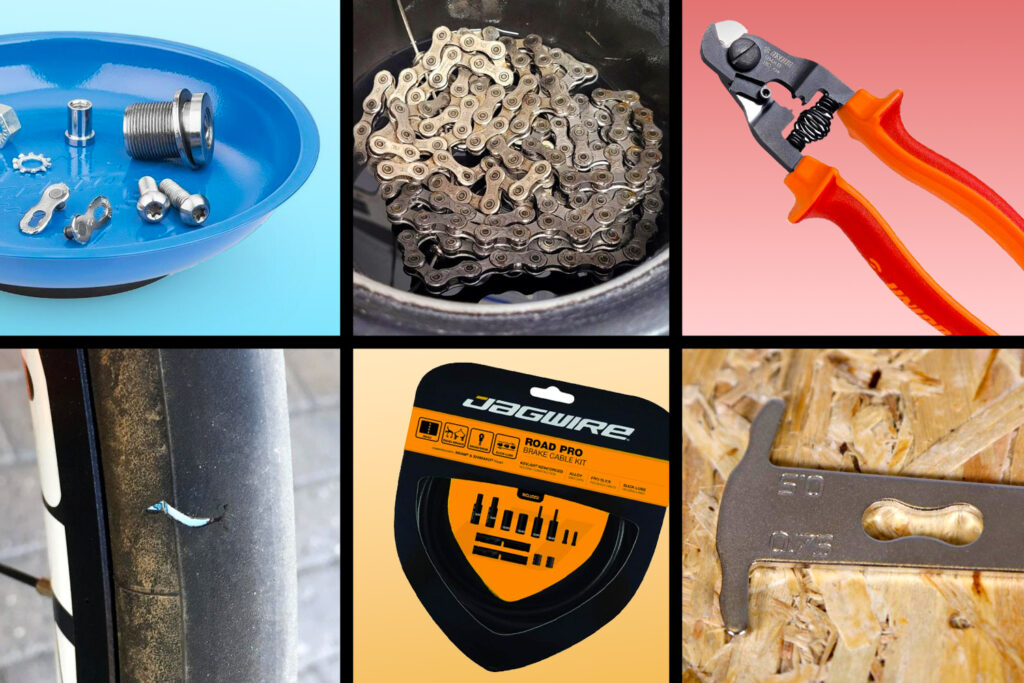

We all like a bargain, don’t we? Save some money? Yes please! Most of us care about the environment and sustainability too… so, is there a way to mix these two ideas by giving a second life to everyday household objects that would otherwise be off to landfill? Are there cheap items that could be repurposed to aid bike maintenance, and when is it sensible to spend some of that saved money to get a top result?
Here are a few ideas that I use regularly and work well for me in my little workspace. Some have cost nothing, or very little, and others, although costing more initially, work out cheaper long term.
Cleaning
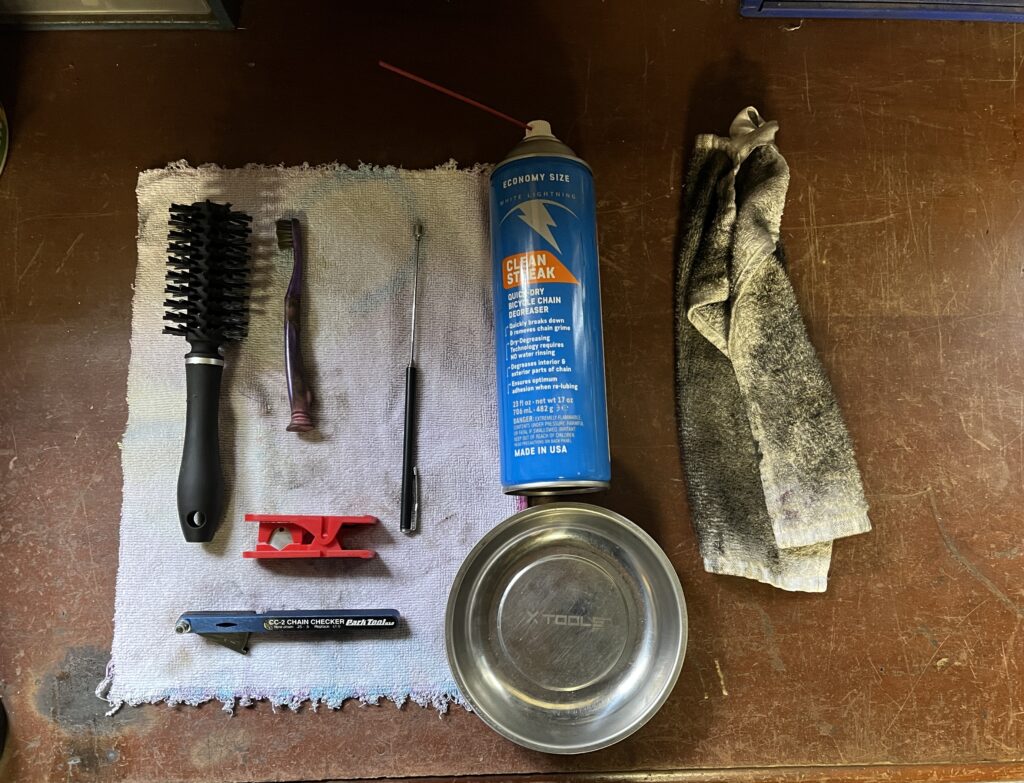
I keep our old toothbrushes once they’ve finished with their teeth-cleaning duties. I find that they are incredibly useful for cleaning up gunky derailleurs and around the bottom bracket area. Anywhere that is awkward to get to easily really. The small soft heads from children’s toothbrushes work especially well. Spray some degreaser on, and getting cleaning! The soft heads don’t scratch metal or spoil paintwork.
> Essential money-saving tips for cyclists
Another freebie is if you have an old and worn out towel then cut it up into 20-30cm squares or strips. These workshop rags are a great size to get in and around a bike when cleaning it. The strips can clean wheels and spokes up really well.
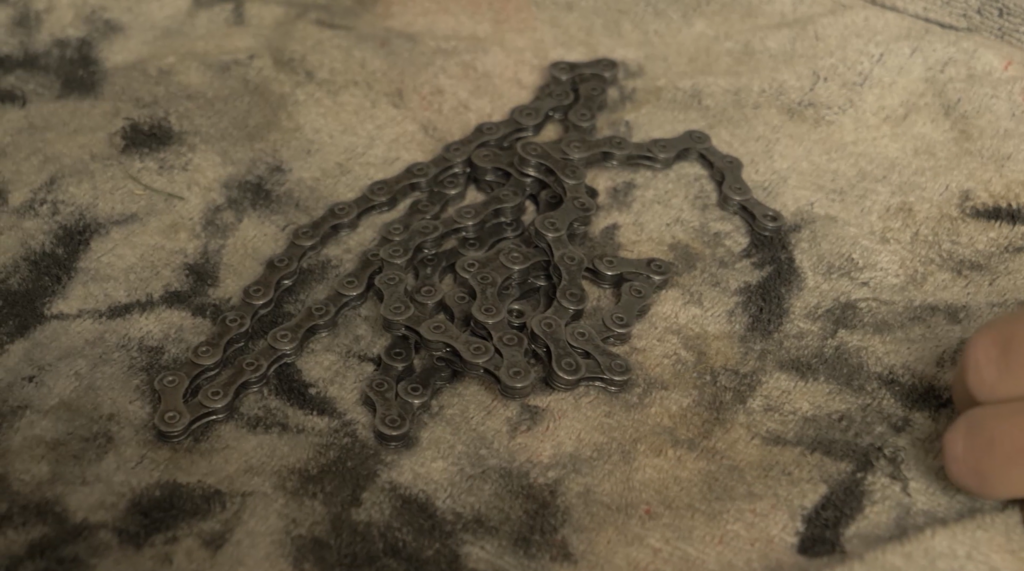
A couple more freebies that I use regularly are old margarine tubs and jam jars. The tubs are 15cm in diameter and will hold a 34t cassette easily for cleaning. But anything similar will work. A jam jar with lid is great for soaking and cleaning a chain or ball bearings. The jar can be agitated to get the dirt to drop off. Sometimes a second jar with fresh cleaner in is needed if it’s a particularly dirty chain. A chain cleaning machine also does this job well, but costs money, right! If you’re cleaning ball bearings or steel parts in a jam jar of degreaser then a magnet to draw the items out of the jar means that the liquid can be reused, if it’s still clean enough of course.
A £1 round hairbrush from Poundland is brilliant for cleaning out bottom bracket threads. Rotate it into the shell, turn a few times and then remove the brush. Most bits of swarf or debris will come out this way. Then a more thorough clean can be done with a toothbrush or rag.
A good quality degreaser will be needed, and I’ve found that the Clean Streak aerosol (only) works very well, smells good and will clean up old sticker residue into the bargain. But there are many other good ones available.
Maintenance
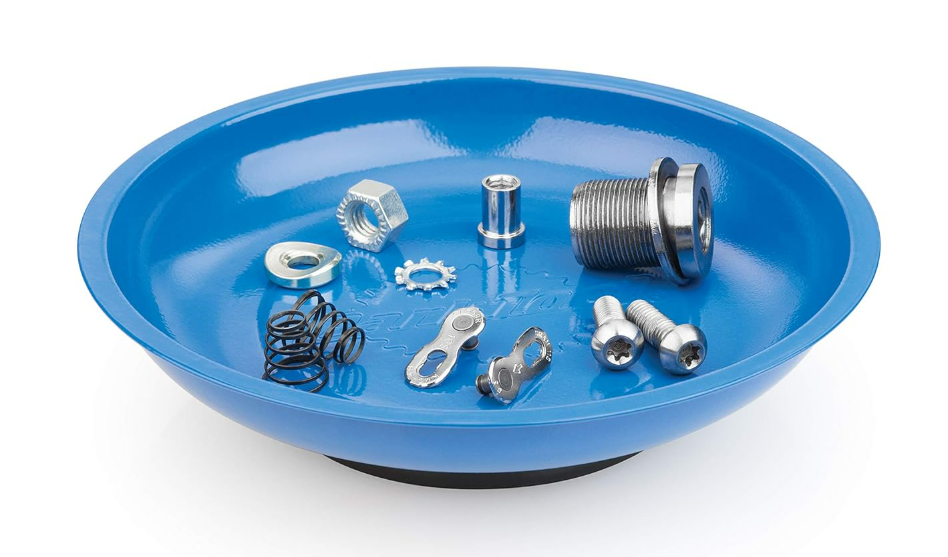
If you’re going a step further than simple cleaning and are working an older bike, then you’ll almost certainly come across loose ball bearings. Two cheap hacks here are to use a telescopic magnetic pickup tool and a magnetic bowl. They can be bought from around £2 and £5 respectively.
By using the pickup tool you can avoid the bearings falling out when a wheel axle is removed. By holding it in the space where the axle was, the bearings will click onto the magnet. The bowl can then be used to clean and inspect the bearings securely. The telescopic pick up tool is great when you inevitably drop a bearing and it rolls somewhere awkward!
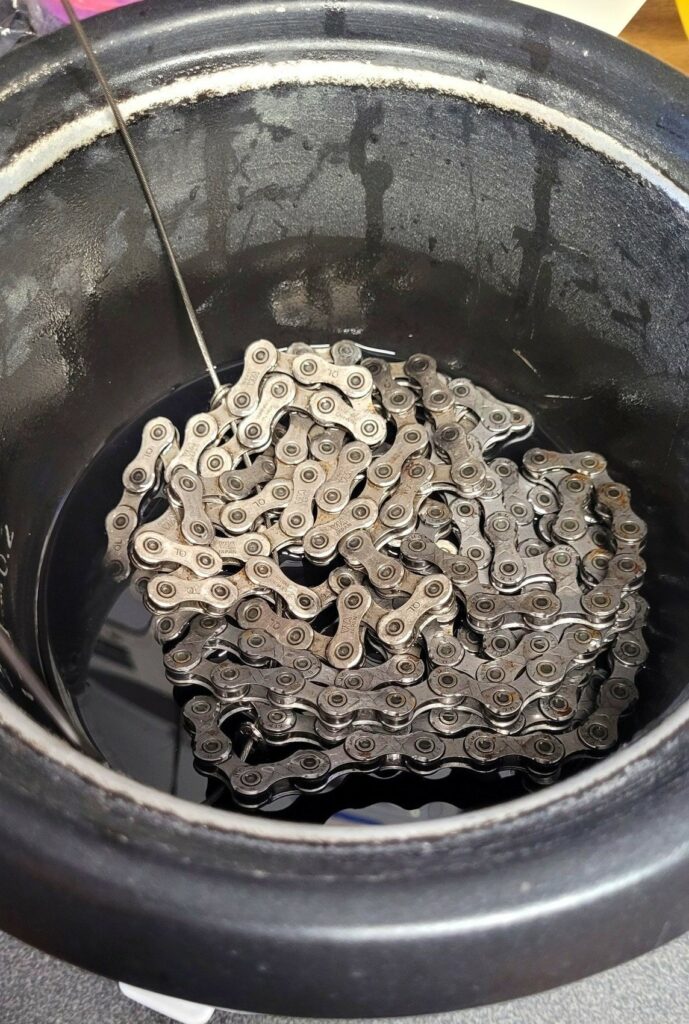
Another tip from Matt Page – our in-house ultra cycling specialist and long-time reviewer on road.cc and off.road.cc – is to use a slow cooker (or similarly large cooking device, like the rice cooker in the picture above) as a vessel to wax your chain, if you prefer wax to oil.
Storage
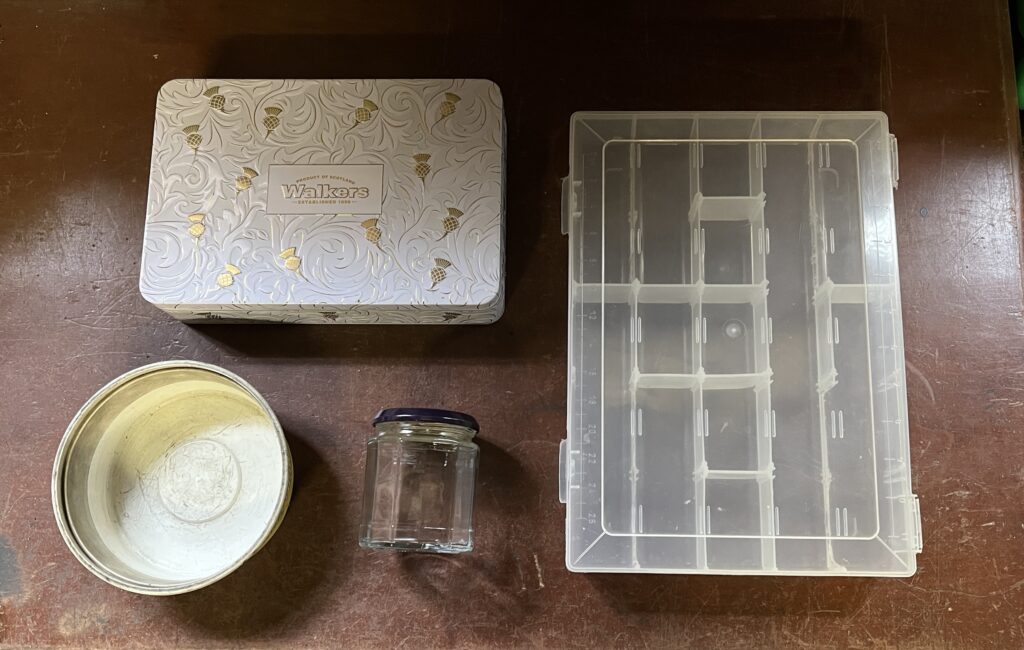
A couple of free or cheap storage ideas are biscuit tins, Christmas selection tins/plastic boxes, and tackle boxes. Every Christmas there are loads of these plastic boxes and tins that are thrown away once the sweet treats inside have been eaten up.
Save them from landfill and use them to store smaller bike bits or use them as a cleaning bowl. The advantage is that they are usually stackable which can be really helpful.
Tackle boxes are available from £5-10. They are a great way to keep tiny bike parts in one location as well as saving you money. How? Well, if you don’t have a cable crimp or that M5 bolt that you need, and it’s not in the tackle box, then you go and buy one! It saves buying something that you know you have and can’t find! We’ve all done it!
Looking ahead…

The next couple of ideas will save you money in the long run, even if you spend a little more upfront. My first item is a chain checker. A simple one like Birzman’s is £7, and a fancier one like the Park Tool CC-2 will set you back around £24.
There are many options out there, but check first that the one you want to buy is accurate enough. Once a chain has worn or ‘stretched’ beyond a certain point, you will need to replace the chain, cassette and one or more chainrings at the same time to keep the system working properly.
If you change the chain earlier than this point, you can expect to get two or three chain lives from one cassette and chainring(s). I normally change a chain around the 0.75 wear point, and often get three chains from a single cassette.
Also, don’t overoil your chain. Not only does it make a filthy mess, but it can also attract dirt, and then you have a perfect grinding paste to wear away your expensive components. Use a rag (made earlier!) to wipe off excess oil.
If you are happy with your bike and intend to keep it for a long time, then it could be worth stocking up on some parts, ready for the next service. I tend to keep an eye out for cassettes and chains.
Say a chain costs £25 normally and I see it for £20 somewhere. I’ll often get it so I’m ready for the next changeover, even if I don’t need it yet. £5 saved! This only works if you like the system you’re using and intend to stick with it, though.
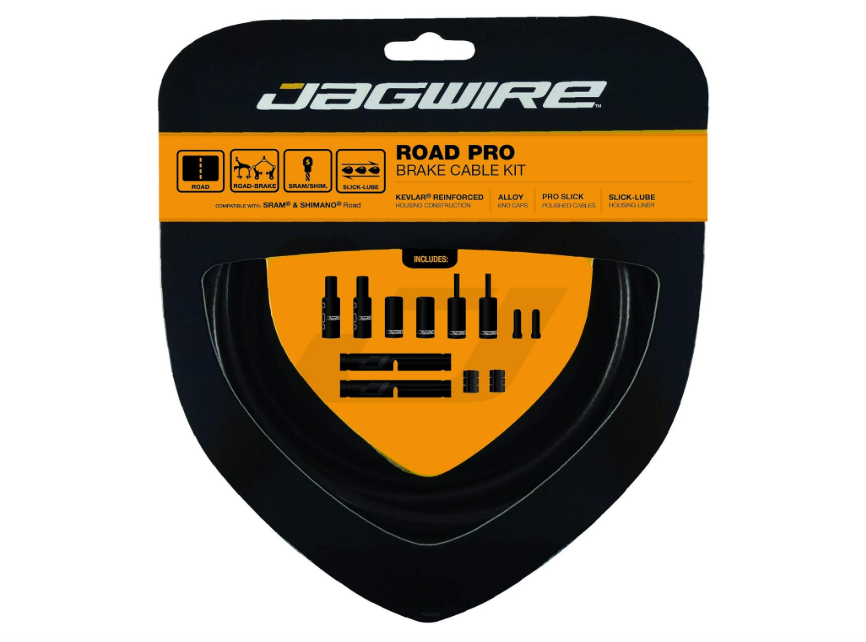
Talking of stocking up, I saw a great offer for some good quality road brake cable inners in a workshop box. Now I didn’t need that many, but I asked around and three friends went in together and we split the box three ways. Result was a couple of years’ supply each, for 30p a cable.
Maybe there is something that you can bulk buy and split between friends?
Quality can save you in the long term
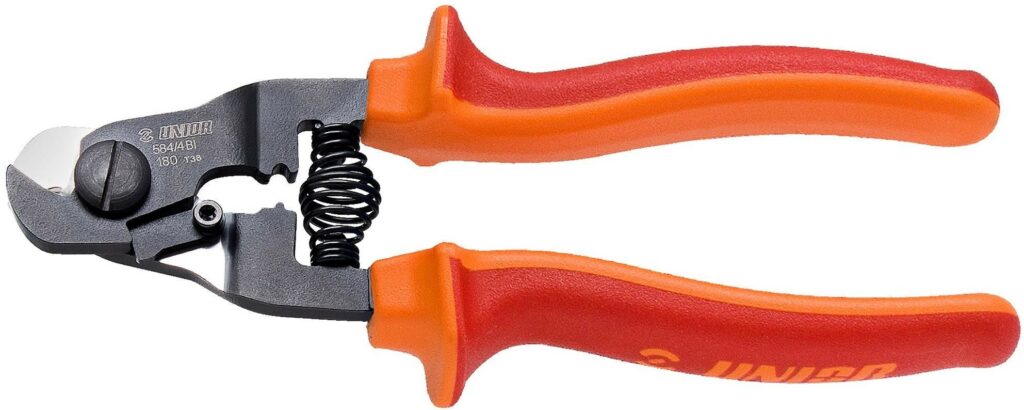
This leads me to my last thought. If you have cable brakes and/or gears, then it’s worth buying some good quality cable cutters. Cheap ones often mangle the end of the cable and you can’t rethread it through the cable outer. A good quality tool will snip the cable accurately.
> Has the move to full internal cable routing on road bikes been worth it?
Once cutters stop cutting the inner well (they do wear out), then I only use them to cut the outer cable. So I have two sets on the go. This prolongs the life of the best set as well as still being able to get more use from the part-worn set of cutters.
If you’re dealing with hydraulic hoses, then a simple hose cutter, from £5, will ensure a clean cut that is square to the hose. Accuracy is your friend here too!
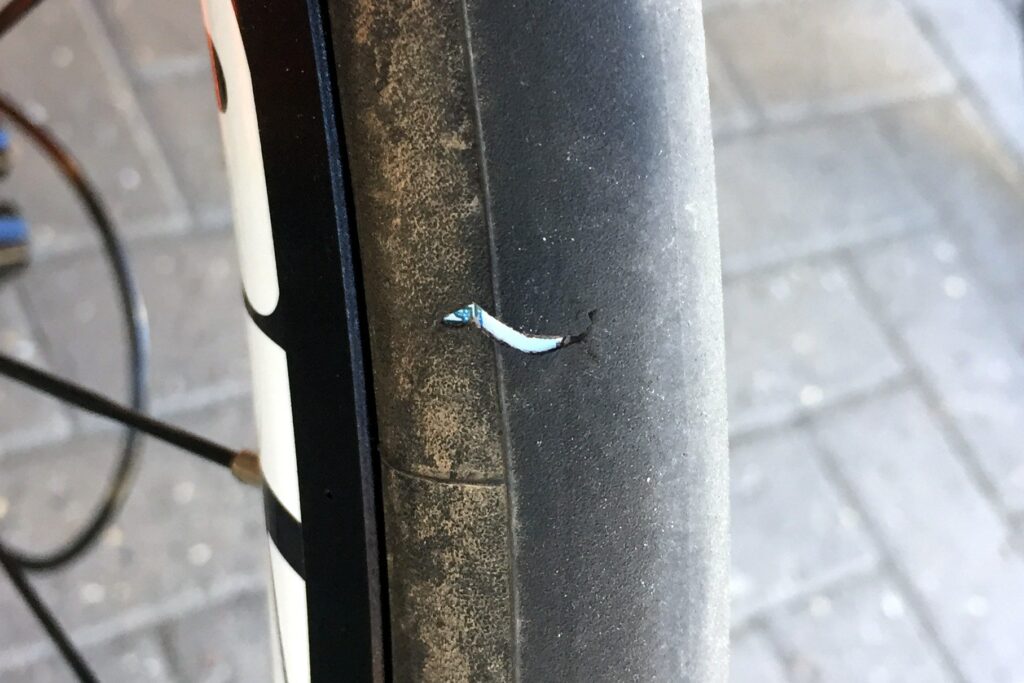
Hopefully this has given you some fresh ideas with ways to save some cash, and we’ll even finish on a bonus one… using a £5 note as an emergency tyre boot! What has worked well for you? Why not leave some of your best hacks and cheap tricks in the comments below.





















4 thoughts on “Cycling workshop hacks on a budget: from pound shop hairbrushes to turning old towels into cleaning rags, here are our top cheapskate bike maintenance tips”
How About a decent pump for
How About a decent pump for starters? Topeak, Park or there was one at Halfords that got a very good review. A basic lube?
EBay for cables and ferrules. Can be good for inner tubes too, but also check Planet X. Hopkinson Cycles is a favourite vendor of mine for unfussy stuff.
Don’t go too cheap on chains as there have been fakes out there.
Don’t forget standard mechanical items like spanner sets, pliers and degreasers are sold by a much wider range of sellers and local trade counters than the cycle-specific items.
+1 on not scrimping on cable cutters.
How About a decent pump for
.
Use a magnet on the OUTSIDE
Use a magnet on the OUTSIDE of your solvent bowl/disk/whatever. It will separate any (magnetic) junk. Use a coffe filter or even a paper towel to filter used (but still useable) solvent. And, as stated, buy/use quality tools —- they more than pay for themselves in the long run.
How about filing those old
How about filing those old cable cutters so they’re sharp again?