



You’re more likely to find me racing a bike for around an hour in the chaos of a criterium rather than loading up for an adventure, but over the last few weeks I’ve upped the distance and completed some of my longest ever bike rides. There are a few things that I wish I’d thought about before setting off, though…
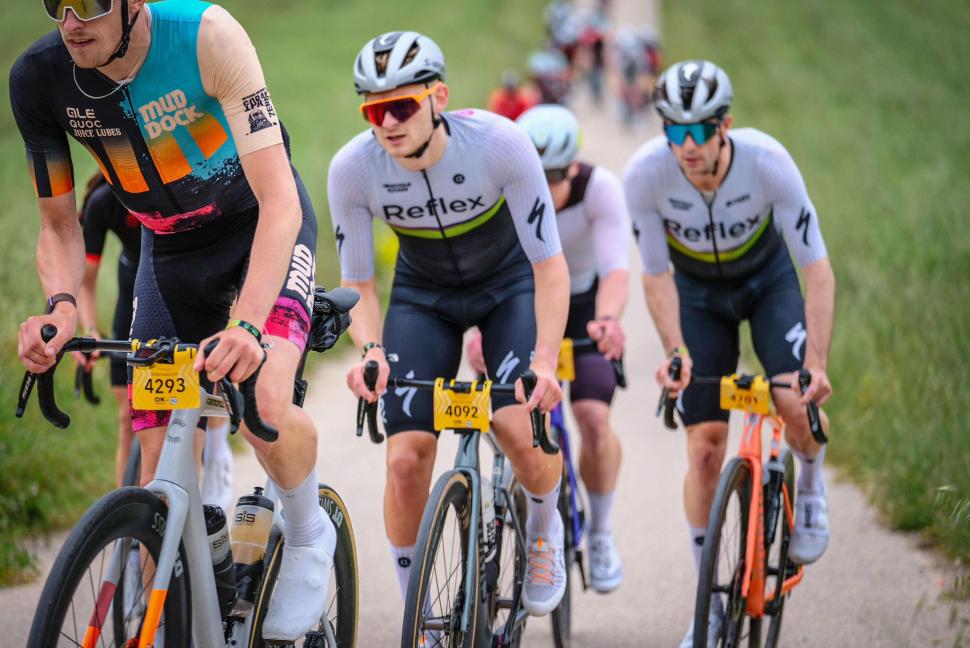
Last summer I was convinced to enter the Mallorca 312 without taking too much time to actually consider that 312km is far further than I’ve ever ridden before. Then I embarked on my first ever bikepacking adventure across France, a trip that went surprisingly smoothly considering the lack of preparation.
Whether you’re looking to complete your first multi-day bike ride, have a big distance event planned or just want to make an endurance ride a little bit easier, here are 10 things that I wish I’d thought about before tackling mine.
1. Don’t try and put everything in your back pockets
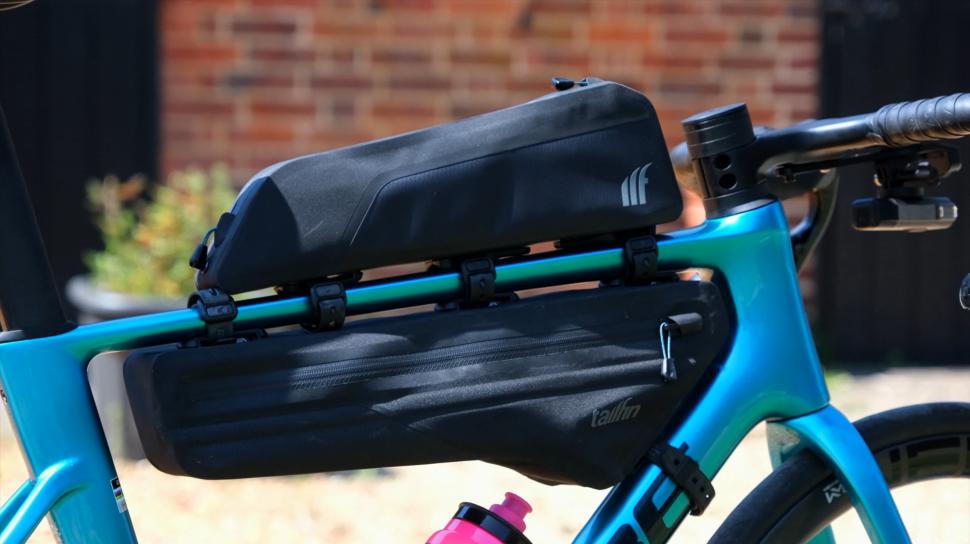
At Mallorca 312 I knew I’d need to take a lot of stuff with me. After all, I was going to be on the bike for at least 10 hours. I also have a slight vendetta against saddle bags, I can’t explain why but I just don’t love them. Safe to say that everything didn’t fit in my pockets, and I was left scrabbling for storage solutions at the last hour.
Don’t get me wrong, jersey pockets are wonderful inventions, but they do have their limits. As the distances go up I’ve found that it’s a big benefit to get some of that stuff out of your pockets and onto your bike.
> How to conquer long bike rides without getting too tired
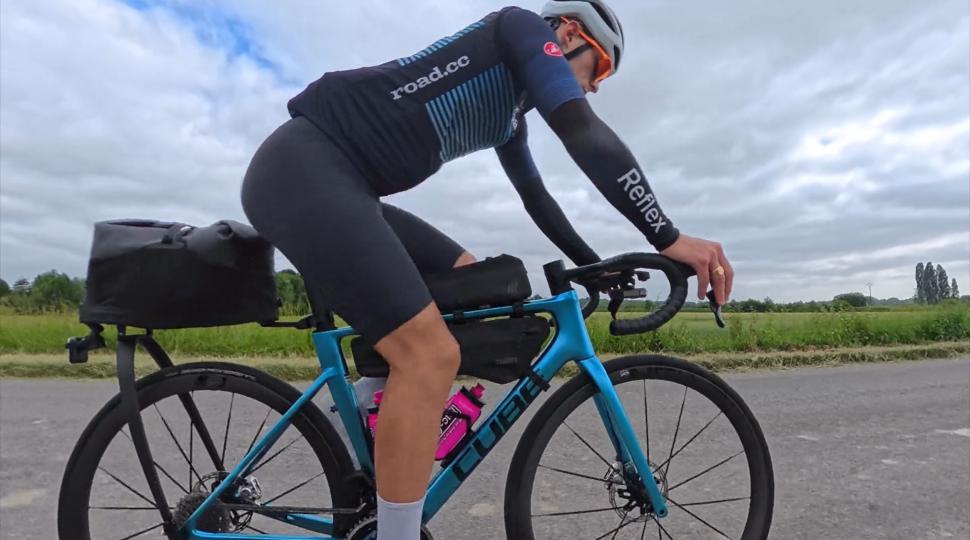
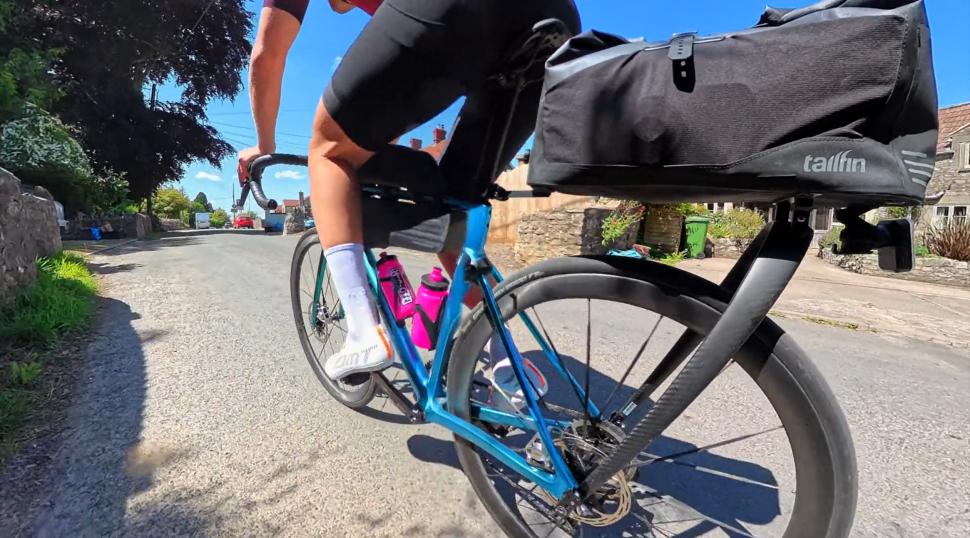
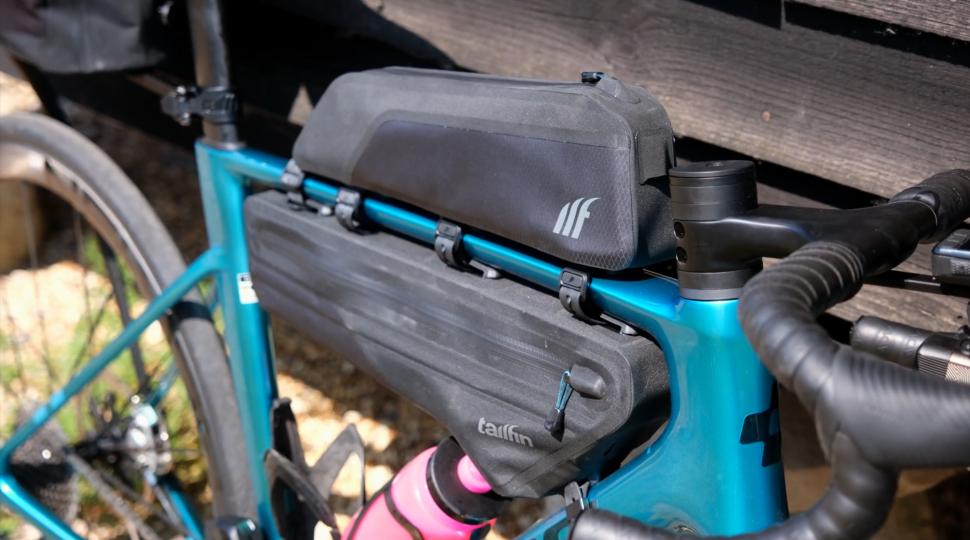
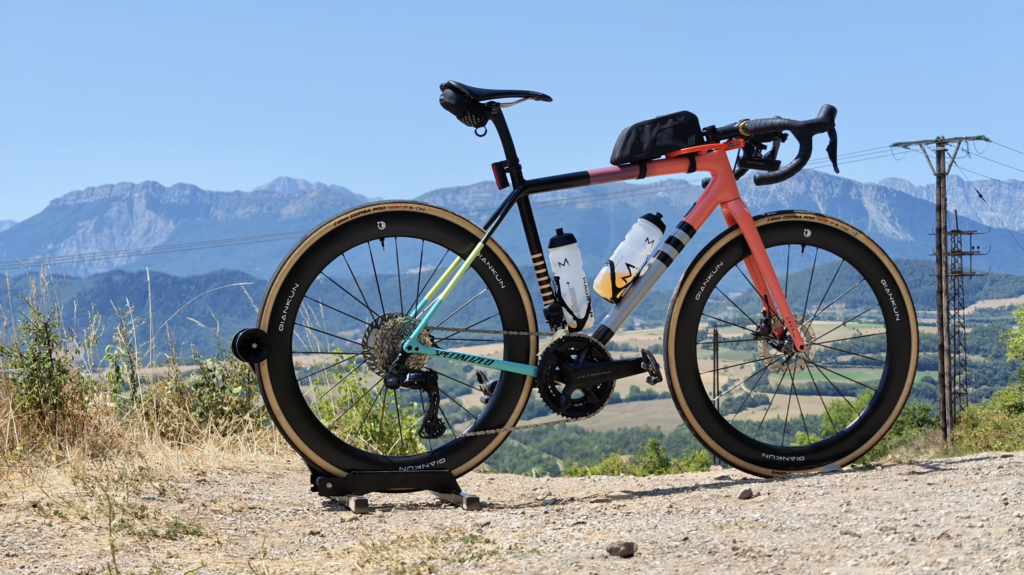
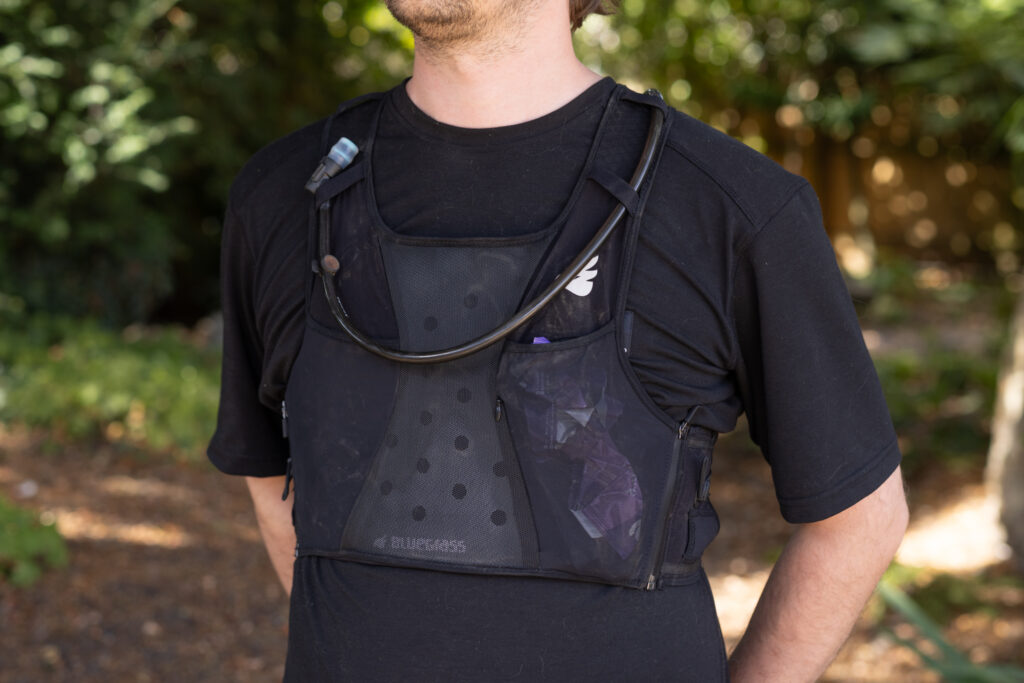
Before setting off across France I made sure I was better prepared, and kitted out the bike with some rather excellent Tailfin bags. Now, unless you’re riding for multiple days, you might not need to go to quite the same lengths – but as a general rule, I’d recommend putting your phone and food in your pockets, and then try to get everything else such as tools, spares and luggage onto the bike.
Even if you hate saddle bags then you can still tape some tubes under your saddle. Make full use of any integrated storage, and then add additional storage solutions as necessary.
2. “The night is darkest before the dawn”
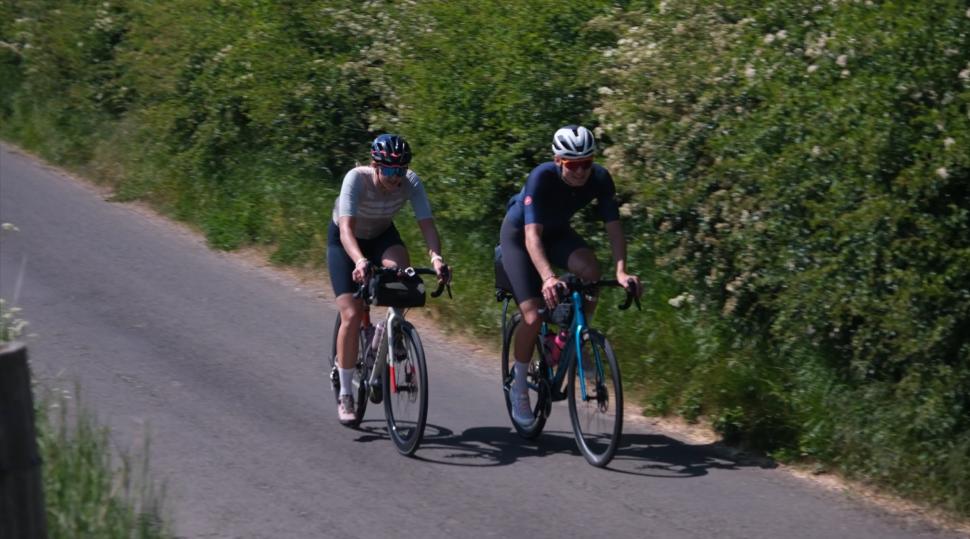
It sounds a bit lame, but at some point on a long bike ride your head is probably going to be in the gutter, and you’re going to feel like you can’t carry on. Midway through the Mallorca 312 I seriously didn’t think I was going to finish when both my stomach and my legs deserted me.
I think my best advice here is to go into a long ride accepting that there will be some lows. An ultra-endurance cyclist once told me that the night is always darkest before the dawn, and I think what he meant was that there will be low points, but they’re often followed by some really good bits. It’s served me well over the years, just keep turning the pedals and things most likely will perk up (they did for me, eventually!)
3. Sometimes you just need to eat whatever you damn please!
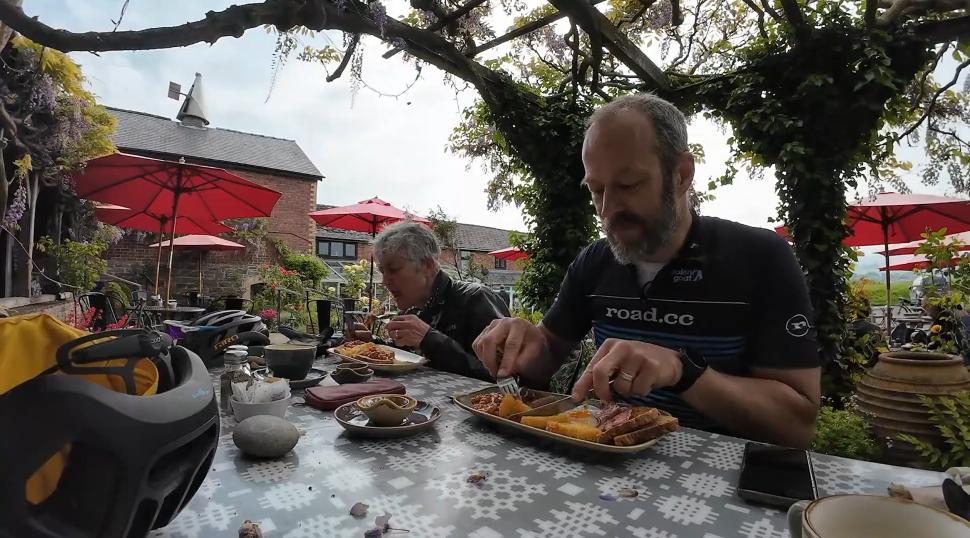
This one might be controversial, and I’m sure plenty of nutrition brands will have something to say about it…
We all know that on long rides you need eat before you need to, eat when you’re hungry, eat when you’re not hungry and eat the right things – but my counter-argument would be that we’re only human.
Before a race I’ll have spent plenty of time devising a fuelling strategy and selecting the high carb gels that I know work well (or less bad) with my gut. This is all well and good, but after four or five hours you sometimes just want something that isn’t high carb drink mix or artificial.
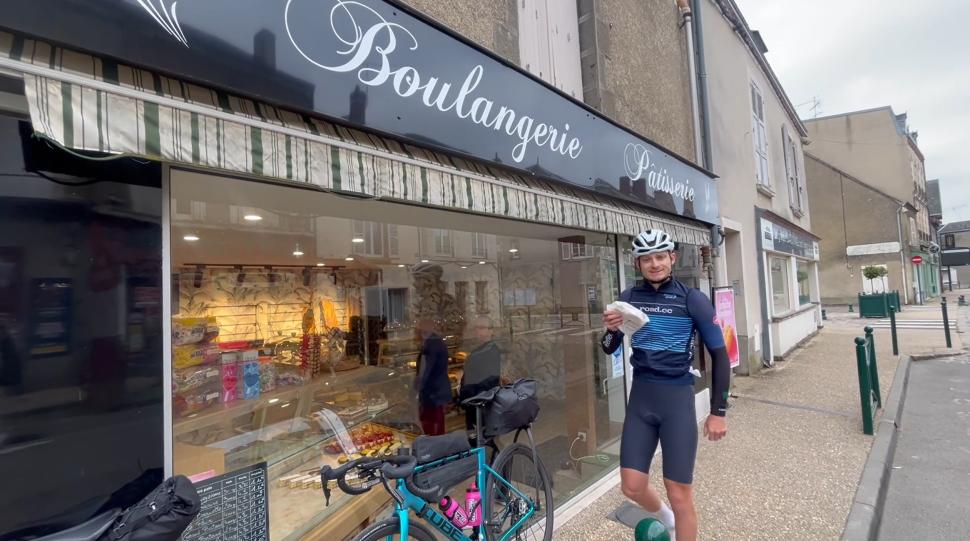
My recent long rides have made me consider that eating anything (even if nutrition brands tell us it’s less good than their uber fancy stuff) is better than eating nothing. Take some stuff that you crave with you, ignore the carb content. Just take it, because it’s what you want to eat.
4. You might as well use chamois cream
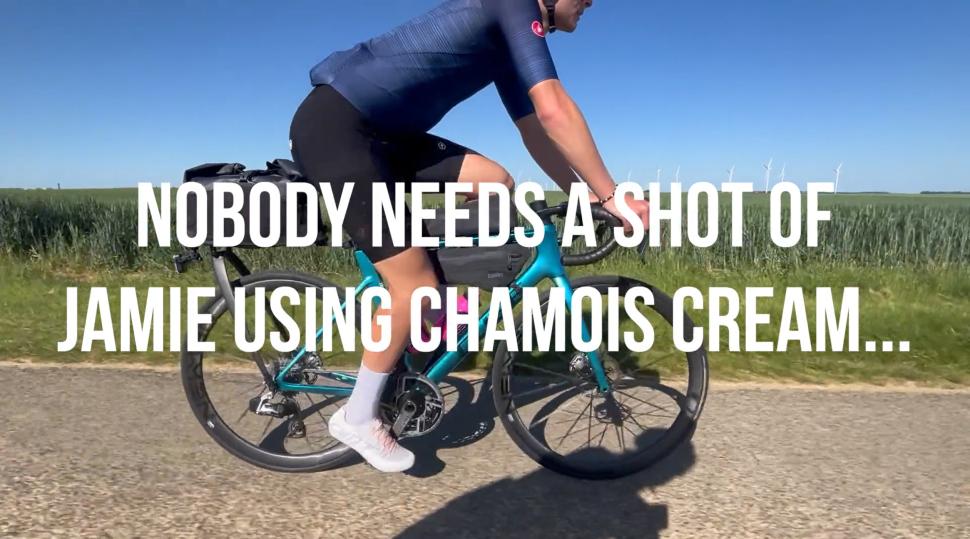
Some riders are massive fans of chamois cream and absolutely swear by it, while others claim they’ve never touched the stuff. I don’t often use it for most of my rides, but before a long ride my mentality is: why not?

While some people don’t overly like the feel or the cooling effect that some chamois creams can give, I think that if you’re pushing the limits of what you’ve previously ridden then it’s well worth lathering up. Let me know whether you agree or disagree in the comments below.
5. Multiple bib shorts for multiple days
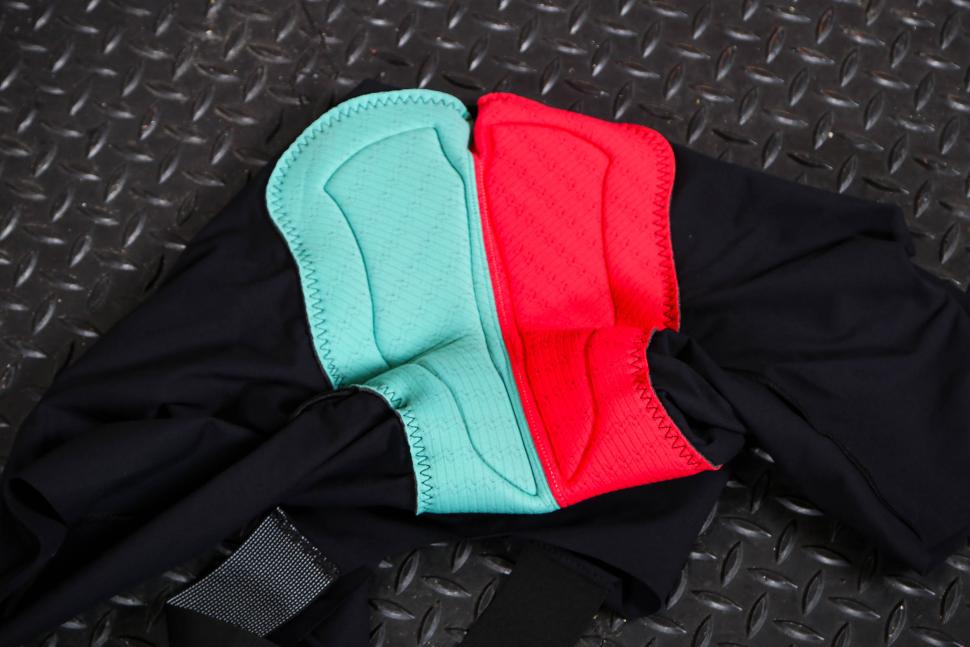
If like on my French trip you’ll be riding for a few days back-to-back, for example on a bikepacking trip or training camp, then my one piece of advice would be to take a few different brands or models of bib shorts with you.
However comfy you find your favourite bib shorts, I reckon after a few days you’ll be quite glad of a different shaped chamois, or just having the stitching in a slightly different place. It’s these little things that after hours on the saddle can make quite a big difference to your riding enjoyment.
6. Don’t go into the red early doors, however tempting!
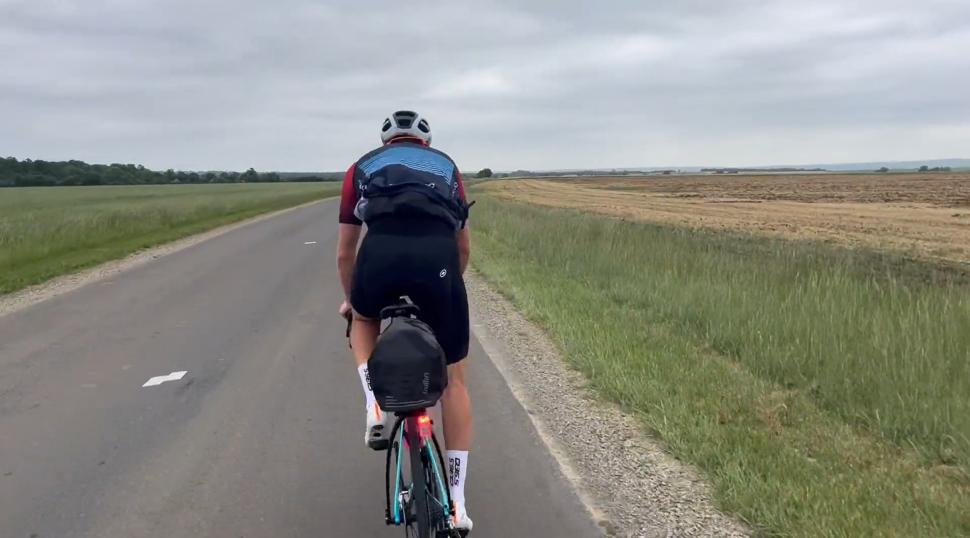
Nothing new here, but however much goading from your mates you get or however superhuman your legs feel, just don’t be tempted to go into the ‘red’. You’ve probably heard it before about pacing your effort and not going off too hard, but seriously, know your limits.
There’s plenty of science behind this too. In Zone 2, i.e a chatty pace that most of your endurance ride will be at, you’re mainly burning fats, which is really efficient. As you push the pace though, you burn more and more carbs. That’s fine up to a point, but as you near your threshold you start to burn them less efficiently and start producing lactate and lactic acid.
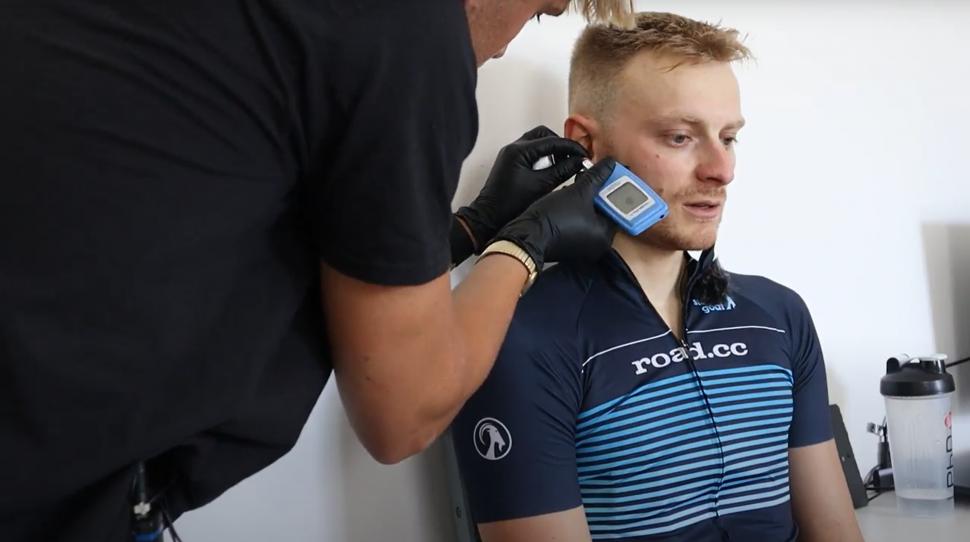
> Is your FTP lying to you? Why lactate profiling could be the future
Not only will this deplete your energy far quicker, but it will also likely make the whole experience a lot more painful. Save it for later, because the good thing about endurance rides is that there’s a lot of distance to make up time later!
7. Make sure you’ve got enough charge
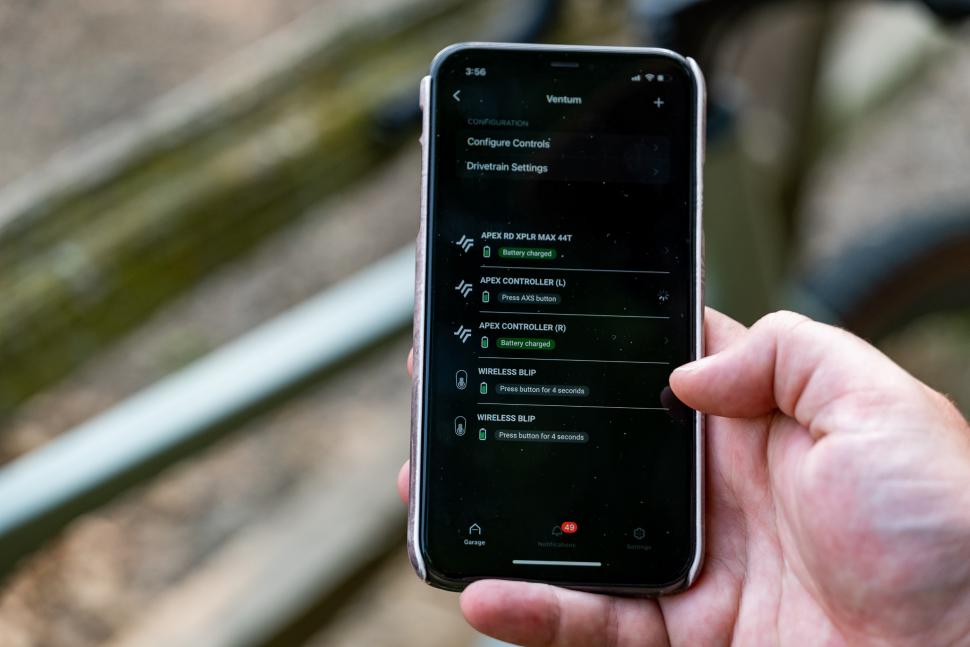
I wasn’t going to include this, but it’s one of the things that annoyed me most about my last long ride: my cycle computer ran out of battery. I know that sounds shallow of me that I’m not going to be able to show off on Strava, but it’s not just that. I was then left routeless and unable to see how far was left.

A lot of the latest cycling computers have got a lot better when it comes to battery life, and even more of them can now be charged while you’re using them. If you are worried about your phone or computer going flat, take a little battery pack with you. If you’ve got electronic shifting then always make sure that it’s fully charged, including the shifter batteries before setting off!
8. The route makes more of a difference than just about everything else
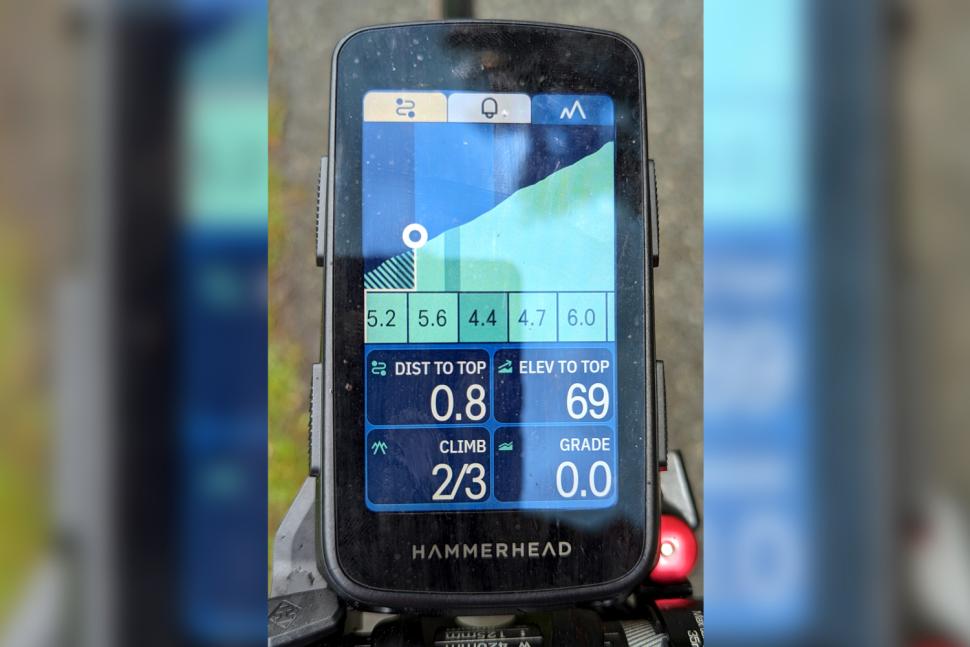
Do your research, and maybe even look at the street view of a few bits on your phone or computer, because the route can make a huge difference to both your speed and enjoyment. It’s almost always better to know what is coming so that you can plan accordingly, and as we all know every mile of road can be very different to the next.
As Dave – who is riding a 200km ride every month this year – will tell you, the road surface and elevation can quite drastically change how quickly you make progress. Look it up, maybe even print it out and put it on your stem, that way you minimise your chance of any nasty surprises.
9. Take spare chain lube

One thing that I wish I’d thought about sooner is how long chain lube lasts. It’s not always as long as the ride you’re setting out on, especially not in crappy conditions.
On the French trip I took a tiny little bottle with me, because not only is a squeaky chain really annoying, but it’s also quite literally the sound of you burning money away.
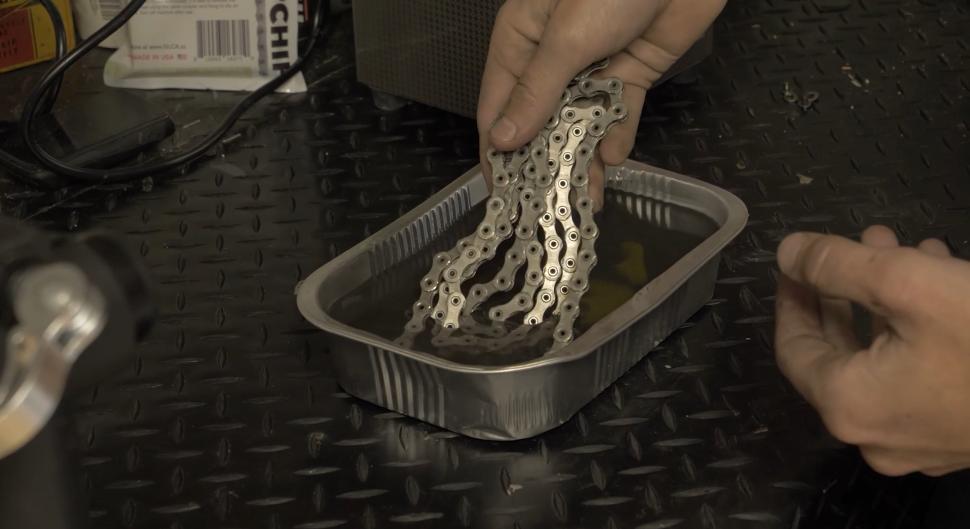
For Mallorca 312 I decided to wax my chain. In my experience a waxed chain will typically last about 500km in dry conditions, more than enough for most endurance rides.
10. A lot can happen!
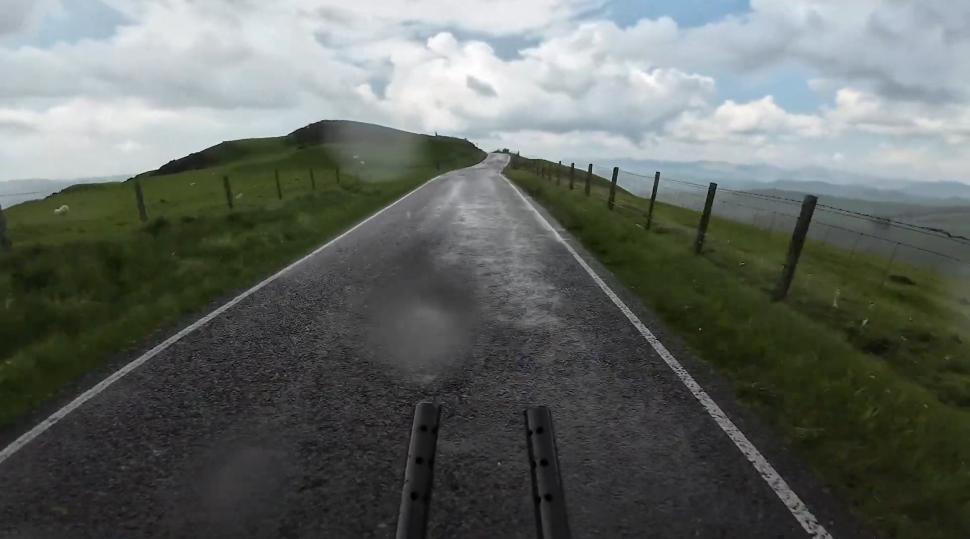
If you go on 10 30km rides, then just think about all the things that might happen: the weather you might face, the bits of your bike that might break, the punctures that you might get. Do a 300km ride, and your bike, body and equipment are all travelling the same distance, so it’s only right to prepare for a few things happening.
I’m not saying this to scare you, but the longer the ride, the more eventualities you should probably be prepared for.
Maybe take a few spare tubes instead of the normal one. Take a rain cape and a buff for if something happens, and if you’re out longer than expected, take some tools. Even if you don’t know how to use them, someone else might.
A quick link and chain tool are also well up my list, plus a tyre boot, more food than you think, and of course some cash or your card for if all else fails.
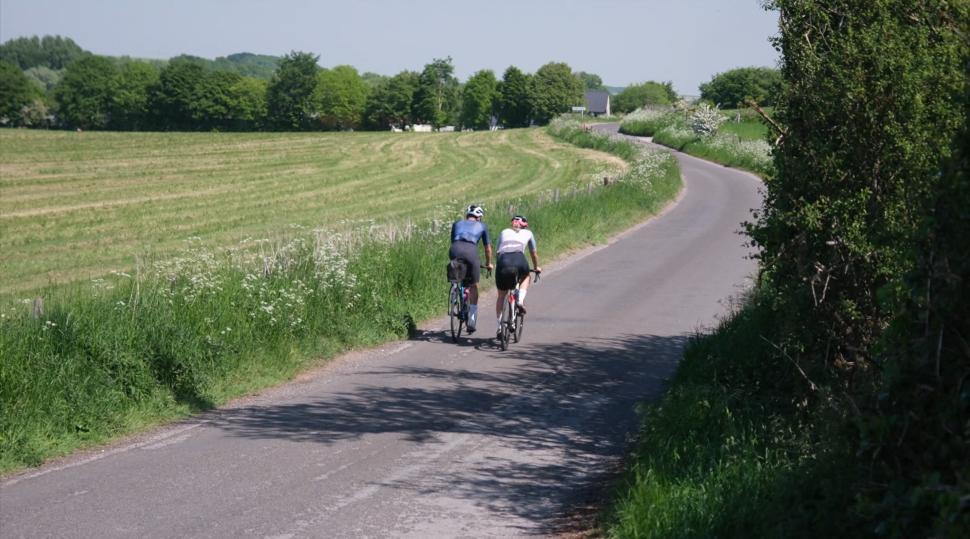
Let me know any of your tips and tricks for riding your bike long distances in the comments below as well as what your longest ride is!








14 thoughts on “I’ve just completed my longest bike rides ever — here are 10 things I wish I knew before starting them”
The advice to just eat the
The advice to just eat the food you want is some of the best. I remember doing a 3*200 and reaching a point where I just wanted cheese and salty food. So I had a cheese and onion pasty and it was the best tasting thing I ate all ride.
Audax Cafe – basically any
Audax Cafe – basically any petrol station selling crap to fuel your ride.
As someone who has their first and 2nd 300’s upcoming this was timely.
A lot of people make out like
A lot of people make out like petrol station crap is a necessary evil of audax rides.
Me? I like audax because it’s a way of using the crap food calories I already can’t resist.
It doesn’t always have to be
It doesn’t always have to be filling stations either; for me, a highlight of the Dorset Coast 200 is the control stop at Axminster railway station cafe, there’s time to sit down and have a rather agreeable plate of beans on toast.
I’m hoping to do a long ride
I’m hoping to do a long ride this year, and get a few people to join me. Peoria, IL to Chicago in one day, should be about 185 miles / 298 km, but I’ll probably try to make it a round 200 miles, or maybe 300 km.
I’ve done a 177 mile / 285 km day before, but it wasn’t planned, and I was mostly hanging on the back of four younger and stronger riders.
Adding to the list: if you’re riding with a group, choose your companions well. My goal is to not be the fastest or the slowest. If I’m the fastest, the whole ride takes an hour or more longer than it could have. If I’m the slowest, I’m suffering at the back and feeling like I’m holding back the group. Optimum is to be the second or third slowest. “Hey guys, we need to slow down a little, Dave and Kim are falling behind” is so much more pleasant to say than “* pant * huff * wheeze* guys, please slow down or you’ll *cough* drop me again.”
andystow wrote:
But will you ever tell Dave and Kim that you only invited them along because you know that they’re slow?
Plus in the event of a bear
Plus in the event of a bear/wolf/lion (delete according to terrain and/or continent) attack, they’ll eat Dave and Kim first whilst you get away.
This might sound daft, but
This might sound daft, but the best thing I took on a 260k ride was a pair of running shorts and t-shirt to change into on stops. Not wearing lycra for 15 minutes or so on a hot, sweaty day was delightful.
Equally, on a cold day make sure you have something warm to put over your kit for stops.
Massively agree about
Massively agree about carrying a powerbank – off on a century (miles) ride this weekend with lots of hills (so thinking nine hours plus when stops are thrown in) and will have a powerbank with cables for both phone and head unit. I know from bitter experience how badly the last thirty of a century can drag if both phone and computer have no charge and you don’t know how much is left. Plus of course you really want to make sure your phone lasts the course in case of any need to call for emergency assistance.
Quote:
All good advice. To add to the list I would only suggest taking a spare rear mech hanger if yours is the replaceable type, a rear brake and rear derailleur cable, a spare tyre – and maybe a cafe lock. I also use a rack bag as I hate having stuff in my jersey pockets. On long rides I used to have a bar bag for storing snacks, but now I use a top tube bag.
My longest ride is around 300km. I’ve had enough at half that distance these days. Start early and don’t go barmy would be my advice.
All good things to take. I’d
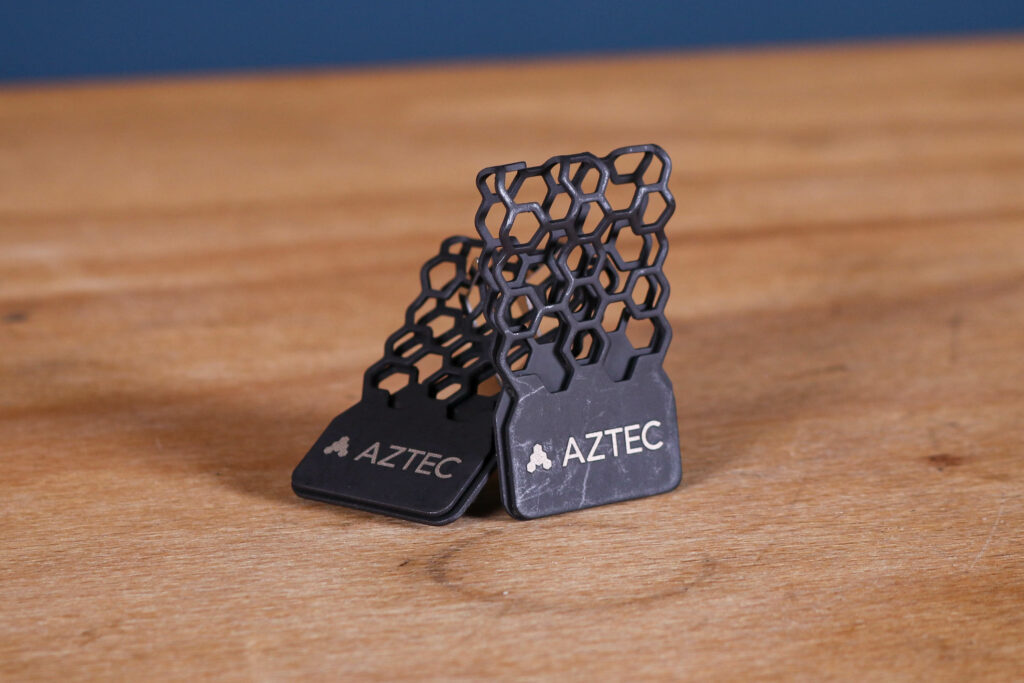
All good things to take. I’d add a set of spare brake pads, and one of those little adjustment thingies you plop on the rotor to get the caliper centred just right and run quiet. They weigh very little and don’t take up much room.
One other suggestion would be spare cleat bolts. I’ve heard quite a few gravel racers say cleats are notorious for throwing a bolt, which can end your ride if you dont have a spare.
BrianP wrote:
And they don’t take up too much room, do they? I helped out at a stop on the last LEL and the local bike shop had a mechanic there with a stash of yellow Shimano road cleats. He had to go back to the shop for more. The route is a bit lumpy and a fair few riders had to walk on long stretches of the Moors, apparently.
The other common need was to charge up dead shifter batteries. I’m a bit old school and haven’t gone over to electronic shifting. (Besides, I doubt I’d have room for a portable generator now that I’ll be towing that spare bike.)
That all sounds extreme and
That all sounds extreme and OTT.
Hanger – agreed for the longest of adventures.
The rest is just not needed. A tyre boot, needle and thread will fix a slashed tyre, a single short section of cable can be used to singlespeed a rear mech, and a bike shop won’t ever be that far away if something really bad were to happen. If you want to guard against every possibility, you may as well tow another bike.
Matt Page wrote:
I keep a spare tyre or two in stock so it makes sense to me to stash one in my rack bag in case it’s needed. In the olden days some of us would lash a spare under the saddle, fixed there with a couple of toe clips, so it’s a habit I’ve got in to. In all my years of cycling I’ve only needed to use a spare tyre once, mind. However, on my last Way of the Roses trip I was chatting to a guy of a “rugby build” when his rear tyre exploded. I offered my commiserations and left (with my spare tyre – sorry, big guy).
I’ve never had to replace a cable whilst out and about. I did, however, give one to a ride buddy whose brake cable had failed early on a ride. It wouldn’t have been the end of the world if he had just turned round and gone home, but a wound cable of the proper sort doesn’t take up much room really. (And I tend to do my longer rides in the Yorkshire Dales, Moors and Wolds where my little legs need the full range of gears.)
These, and the rear mech hanger, are things I would have at hand in the garage anyway. To me it makes sense to have them at hand when their use is most urgent.