
[Photography provided by Steve Thomas and Cory Wallace]
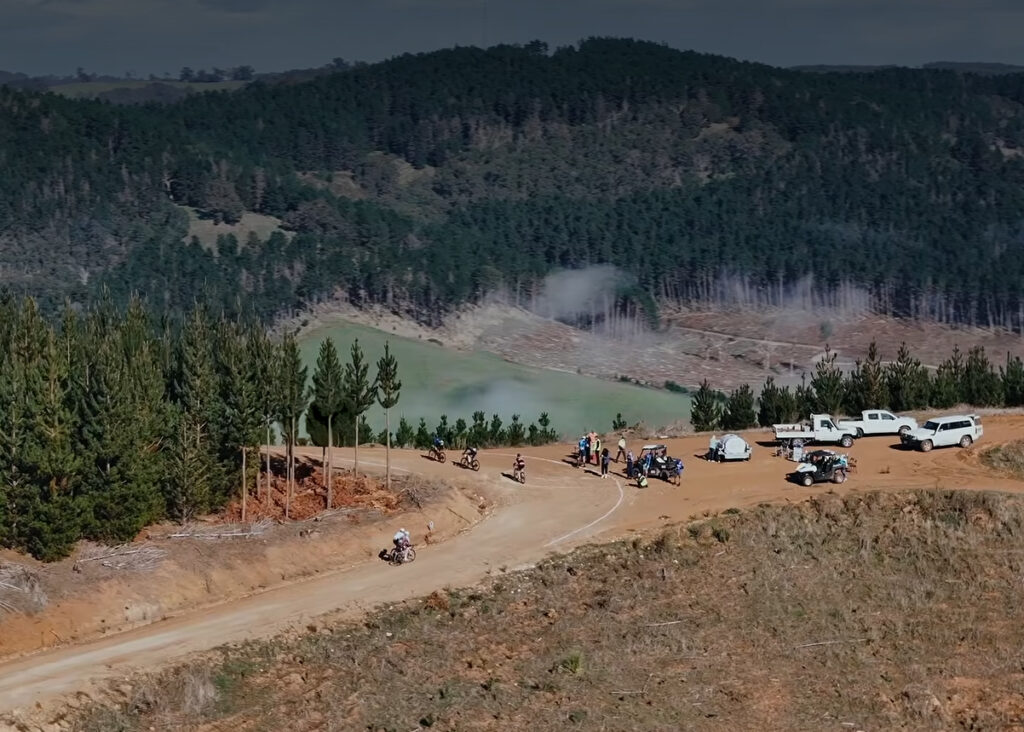
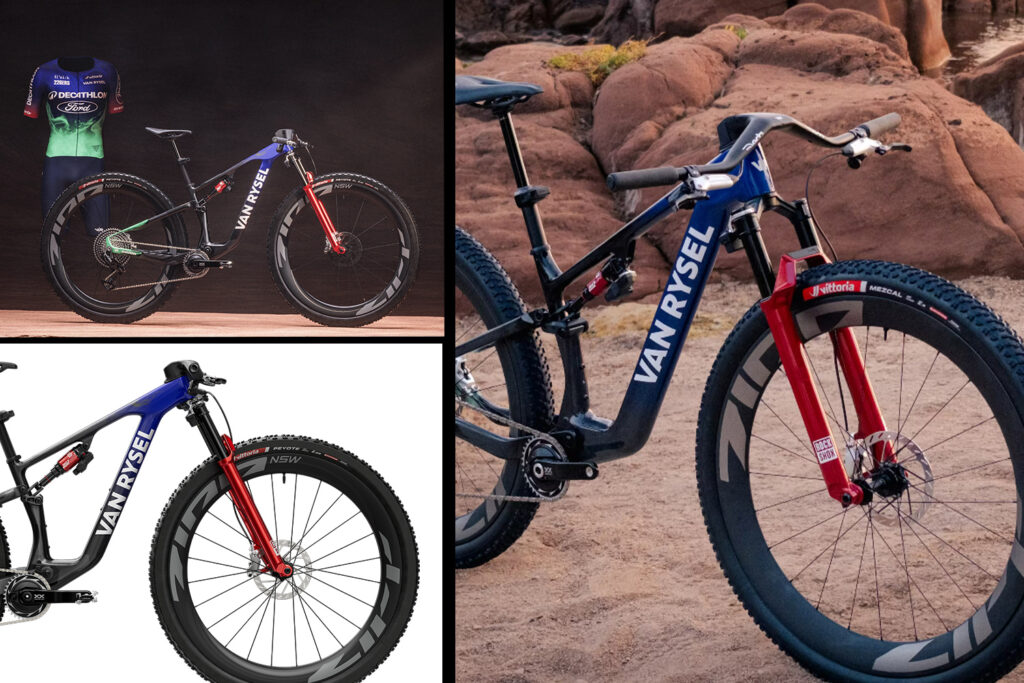
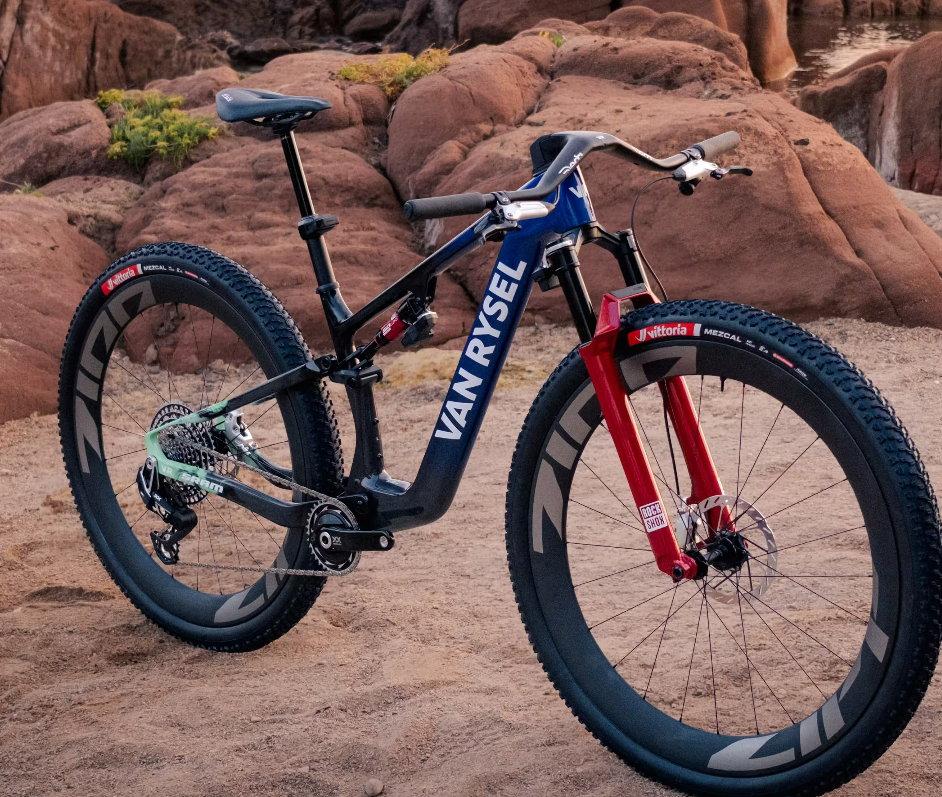
There’s been a whole lot of rumbles about drop bar mountain bikes since Kegan Swenson won the Leadville 100 MTB on one in 2024, and this year saw many more converts to the low and curly approach at the race.
- Gravel bike suspension and dropper posts – do you need them?
- Drop bar vs flat bar gravel bike – which is best?
- Unbound Gravel 2025: intriguing new tech, solo victories, and what’s next for the world’s biggest gravel race
We caught up with Kona’s drop and flat bar Leadville veteran, and multiple 24-Hour World Champion, Cory Wallace, to hear about his experiences and learnings from many years of mixing his bars & bikes in endurance off-road races around the world.
ORCC: You’ve ridden Leadville a few times, and on different bikes – can you tell us about them and your findings on the differences?
Cory Wallace: I’ve ridden it on a dual suspension twice, hardtail once, and twice on a gravel bike. Every part of the course suits a different kind of bike, I guess. I found that most of the time I had the right bike with a gravel bike, but a few times, you’re on the rough stuff, and you then have the wrong bike, and it costs you a lot of time.
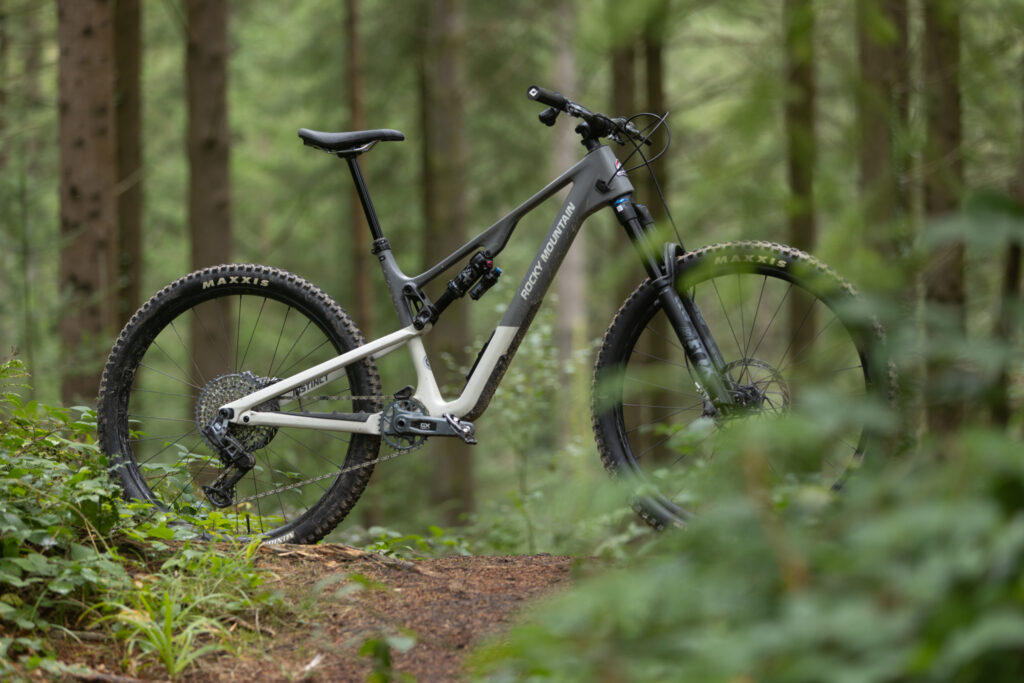
With a mountain bike, you’re always okay, but never really flying. As a time trial (on that course), a gravel bike would probably be fastest, but with the race format, a mountain bike is probably best, as you have to stay with the groups.
ORCC: Having seen Leadville this year, with the different approaches and conditions, and those times don’t seem to have fallen with drops, what is your takeaway?
CW: I think dropped bars are a big advantage in that race, although what Kate Courtney did in putting her aero tuck on top of the suspension forks was a good substitute, and she rolled so fast.
Some guys and girls can get pretty aero on flat bars anyway, I think it just depends on the rider and how aero they are and what helps them. I know that for myself, my Kona MTB is definitely more of a trail bike, and switching to drops would be a lot more aerodynamic – but it depends on what bikes they are riding.
ORCC: With the numerous endurance and stage races you ride, how often is it viable to go for a drop bar bike over a flat bar MTB?
CW: It’s easy (with the organisers) to pick whatever bike we want, it’s just the planning of which bike to take. For example, I just drove from Canada to Colorado and raced the Breck Epic, and I was able to bring a gravel bike and mountain bike because I drove.
I missed Leadville this year, as I’d taken a break and wasn’t sure what shape I’m in, and it’s so competitive now that you need to get acclimatisation and pre-rides in now (that includes bike testing now – at the top).
ORCC: What have you found to be the key differences when riding an MTB over a gravel bike with suspension?
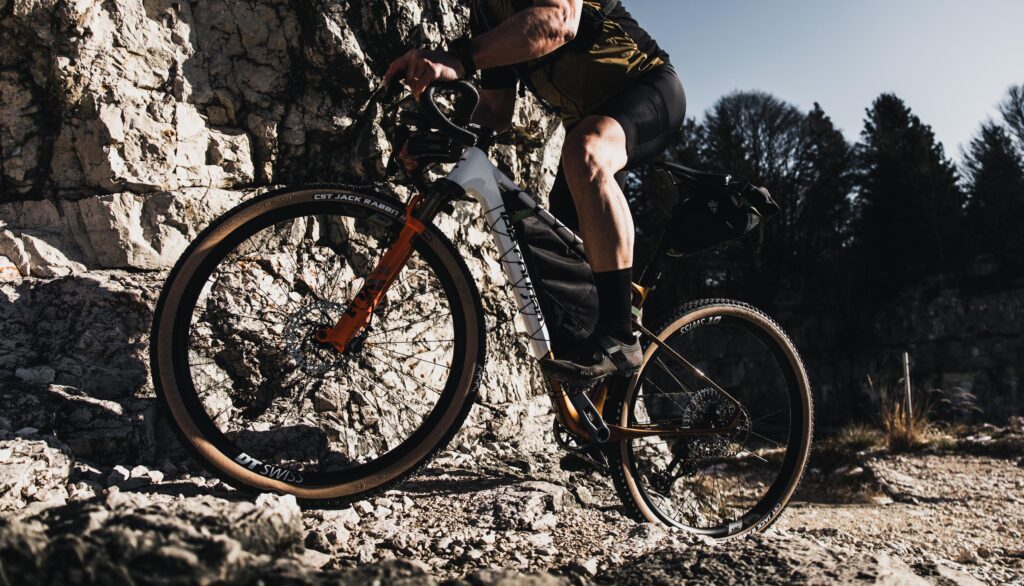
CW: The bikes that Keegan (Swenson) and others rode at Leadville make sense – because you get the aerodynamic benefit with drops, and yet you also get the full and longer suspension you need for the descents, and the tyre clearance. For what those guys are doing, that makes perfect sense.
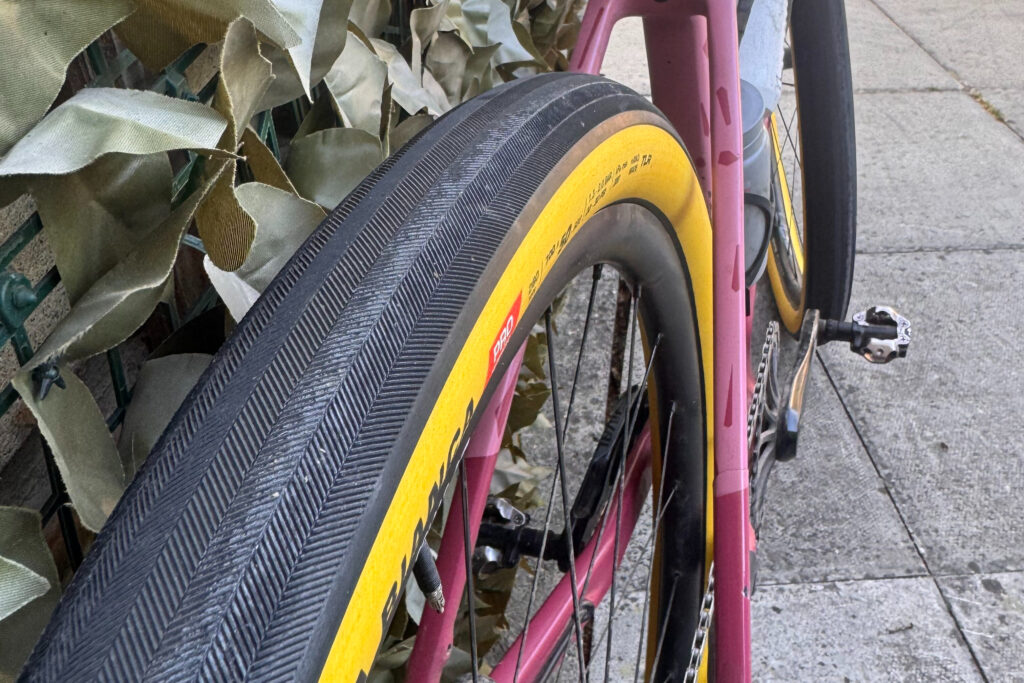
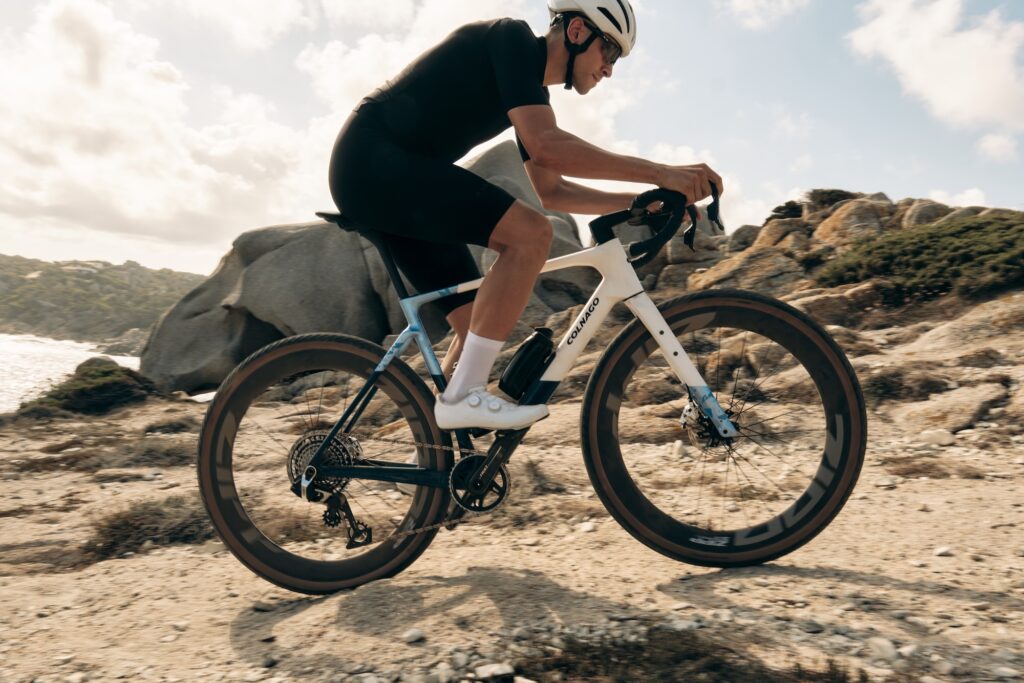
If running a gravel bike, you’ve got limited tyre width, maybe 2-2.5 inches if you’re lucky, this is enough, but the (gravel) suspension is like 50mm as opposed to 120mm on an MTB. I’ve found that with suspension and 2.25 tyres, you’re on the absolute limit with a gravel bike.
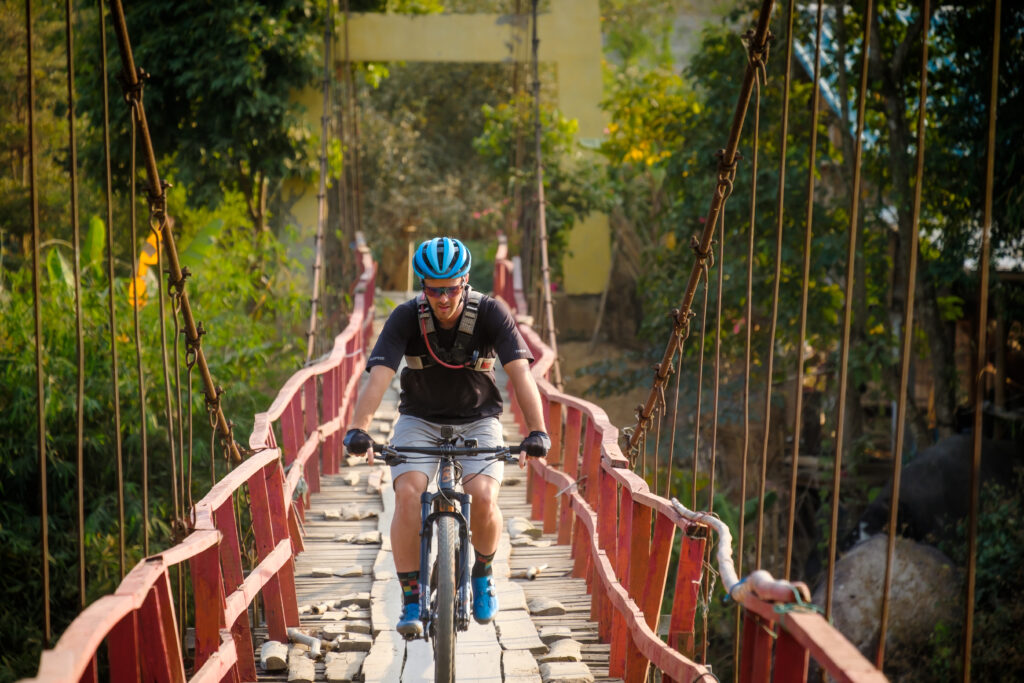
Gravel bikes are also more aggressive, so on the Columbine and Pipeline descents, you’re over the wheel a bit. I can still rip down them, but you’re losing time. That said, if I do it next year, I think I’ll take a gravel bike, just to show how fast it is, because I think I can set a personal record on a gravel bike. I’d really want to ride the Pipeline and Columbine sections in advance and then limit the damage there (time loss on a gravel bike), then you’re all set.
ORCC: Of the endurance races you’ve done over the years on MTB, now, given the gravel bike options, which would that suit better?
CW: The Mongolia Bike Challenge, that would have been great on a gravel bike, but otherwise, I don’t think there are too many races where you’d benefit from a gravel bike. There aren’t many as wide open and fiery as Leadville.
ORCC: You’ve spent a lot of time over the years riding in the Himalayas and other extreme regions, including setting numerous FKTs on trails such as to Everest Base Camp. With gravel bikes evolving and tech blurring between them and MTBs, you’ve ridden both in these scenarios, where do you draw the lines of choice?
CW: If I’m going to the Himalayas, I’ll take the mountain bike – just so I can go deeper, a lot more terrain opens up then. If I take the gravel bike, I’m kind of limited to the front ranges.
As soon as you hit the Himalayas, you’re on the big trails again, and the steep descents, which are more MTB suited.
When I go back to Nepal later this year, I’ll take both bikes. I may use the gravel bike more, as there’s a lot of road to get to the trails, so I’ll have better access with that. I’ll pay for it a bit in the mountains, but I just have to weigh up the compromises.

The Annapurna Circuit is a good example (where he holds the FKT); if I ride from Kathmandu, I’ll take the gravel bike on that one, as you’re set for all but the Thorong La Pass, and there are enough other trail options with that to keep you happy. A mountain bike opens up more, but with a gravel bike, you’re more than set, and you’ll move a lot faster on the roads.
If I’m going to Solo Khumbu and the Everest region, then I’ll take the mountain bike. There are so many more trails up there, and it’s a lot rougher. Ideally, I’d like to have both bikes with me.
ORCC: Is drop bar MTB something you’ve personally played around with or considered?
CW: No, because it’s just a hassle with swapping all of the stuff over. If you have a team mechanic, sure – but I rely on bike shops, so I’ve never wanted to do that. But now, with the Shimano wireless setup, it would be pretty easy to swap over, and XTR is interchangeable with the road stuff.
ORCC: For most people racing, swapping, and owning the kit to do it is a huge expense and hassle – would you say it’s worth it to them?
CW: I don’t think so. You gain in some parts and lose in others. I think you have to look at yourself and see where you can make the most improvements; a guy like Keegan (Swenson) and those guys are at their limit already, but can gain five to six minutes by doing it, so it makes sense. They’ve already turned over every rock.
For the average rider, I think there are a lot of things to do before that, and you probably want to focus on those first. Once you’ve run out of ideas to get faster, then maybe, but dropping 5lbs or whatever, there are a lot of other things you can do first.
ORCC: Gravel bikes have evolved fast, and with slacker geometry and suspension, the lines between mountain bikes are blurring somewhat. At this stage, would you say people should just consider an MTB over suspension gravel bikes?
CW: No, I think suspension is good on a gravel bike; on the Kona Ouroboros, I love it, because I can take that bike on a trip. In the spring, I took it to the 24 Hours of Old Pueblo and set it up as a mountain bike, then went on to Trans Cordilleras in Colombia, where I set it up more as a gravel bike, and when I went to South Africa, I set it up as a road bike.
I loved it because that one bike could do everything. You can put a suspension fork on in 15 minutes, and it totally changes the bike. I do travel with a rigid and a suspension fork, and I love that idea. Adding suspension does raise the front end a bit, so you might need to tilt the saddle down a bit, but otherwise, I don’t change anything.