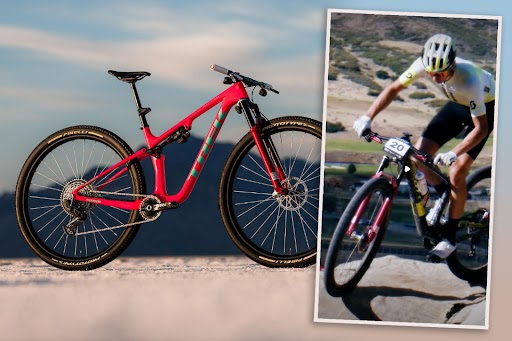
With Canyon’s suspension-equipped gravel bike being spotted at the Traka, suspension forks on gravel bikes have once again been a big talking point. As a mountain biker who dabbles in gravel, I reckon it’s not a matter of ‘if but when’ with the widespread adoption of suspension components on gravel bikes, and that’s only going to make gravel faster.
- Gravel bike suspension and dropper posts – do you need them?
- Gravel racing is starting to split in different directions — is that for better or worse?
- Are gravel bikes old-school mountain bikes?
It’s not just Canyon kicking off the suspension debate once again, as big distance gravel and record chasing supremo Lachlan Morton also weighed in, claiming that big tyres are “trying to mimic what suspension does”, as our friends at BikeRadar have reported recently. To a point, he’s not wrong.
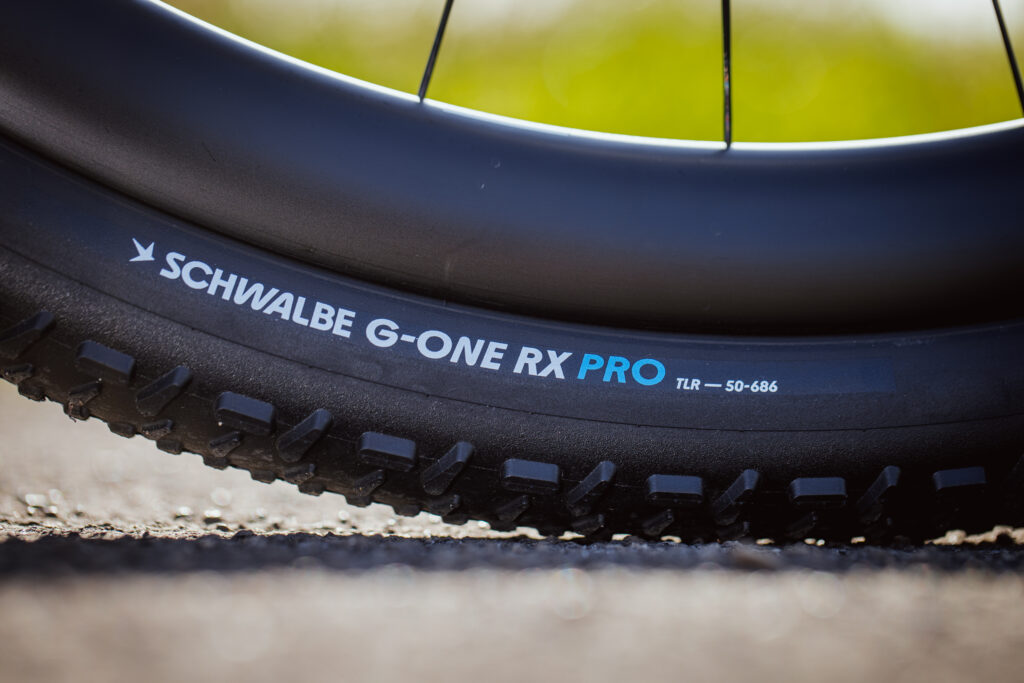
Large volume tyres bring more grip and compliance to the party, which both branch off into a whole bunch of other benefits. Those include increased braking power, less rolling resistance, and more comfort via better vibration reduction. However, a tyre’s ability to deform and absorb vibration is in no way controlled. Typically, a tyre will rebound quickly after it absorbs a bump, and while that will lessen vibration transmitted to the handlebar, or bike in general, it can only do that so much before suffering the downsides of tyre pressures that are too low.
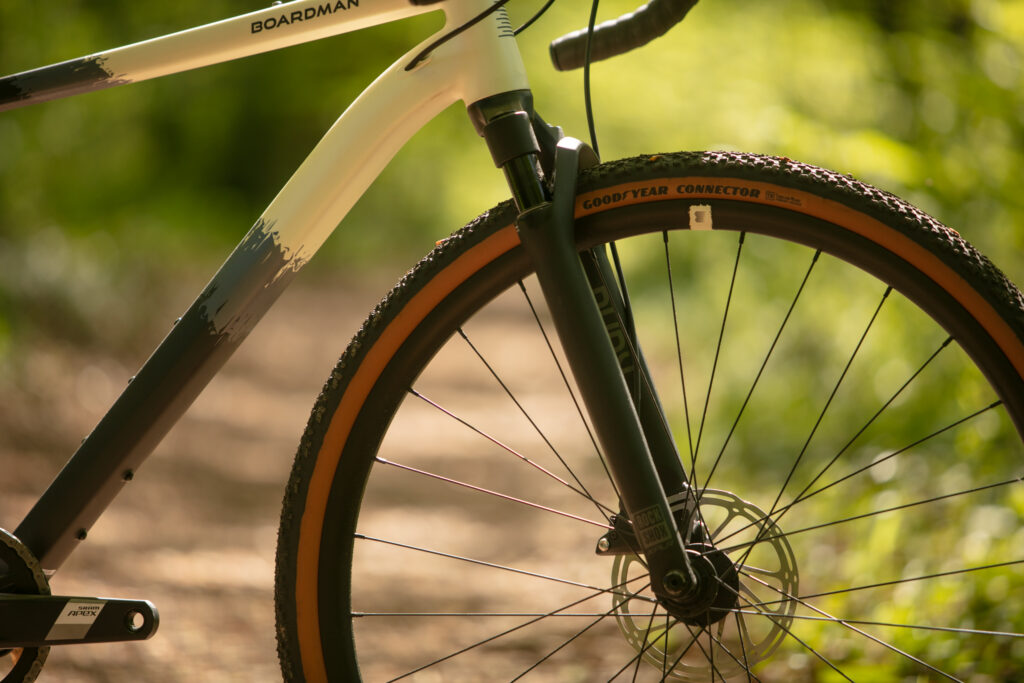
That’s where suspension comes in. I’ll admit, I’m a little biased here because I love a suspended gravel bike and because of my mountain bike background. But suspension of any type isolates whichever wheel from the frame. Throw adjustable damping into the mix, and I believe that even for the increased weight, gravel-specific suspension will make any kind of rider faster.
Of course, suspension forks bring better comfort to a gravel bike’s front end, so riders will no longer be white knuckling it down loose descents, but a gravel fork does so much to boost rider confidence in all scenarios. Even with the fattest tyres, compared to a bike equipped with a gravel fork, a lot of vibration is still transferred to the hands. So when cranking over potholed and lumpy fireroads, the rider can focus more on laying down the watts, rather than fending off arm pump.

As suspension moves independently of the frame, riders can load the bike and trust it better in corners, simply because there’s more than just the tyre working to achieve good traction. Both the tyre’s carcass is working to absorb bumps and the suspension itself. That effect then boosts braking traction, owing to, again, lesser vibrations at the bar. With a suspension fork, gravel riders can lean on the brakes with much more confidence, too, while reaping increasing braking power thanks, again, to more traction.
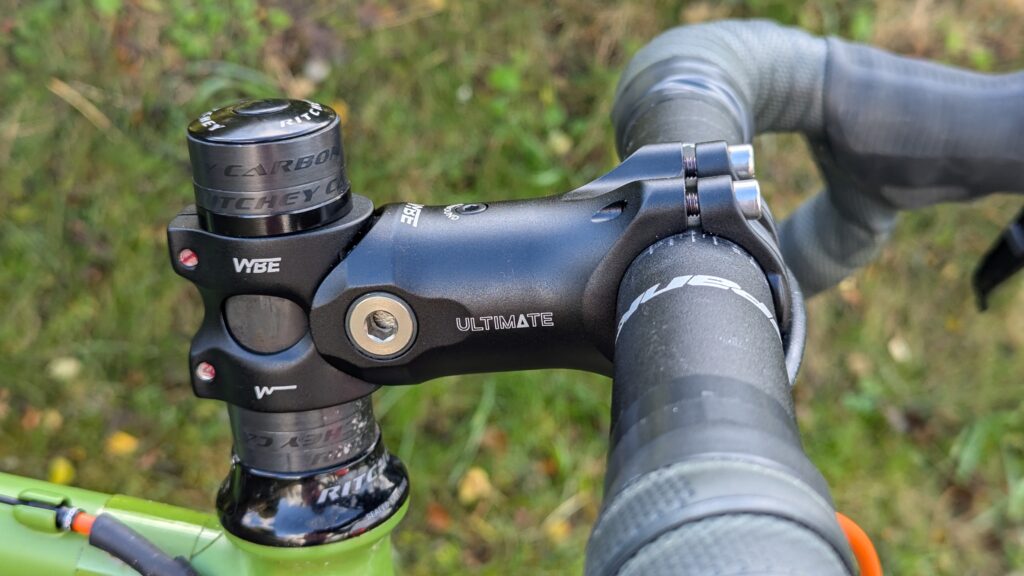
I can feel the question coming, “What about suspension stems?”. They’re a different ball game altogether. They do a great job of damping vibrations, which is their main intention, but in my opinion they do little to retain the geometry of a handlebar as they make it more dynamic – the handlebar’s rise and angle move during impact, owing to the fact that it’s isolated from the movement of the whole bike. That’s not the best feeling, having a handlebar dive under heavy braking when tackling steeper terrain reduces confidence. Although it does boost grip a little, a suspension stem doesn’t offer the increase in traction that a fork can.
A suspension fork does dive under braking load, but it can be tuned to do so minimally, and one that’s set up properly will still reward with better traction. Additionally, the handlebar and the bike’s dynamic geometry will feel more natural as the fork uses its travel.
Aero is, of course, a big talking point too, and it’s very unlikely that a suspension fork will be as aerodynamic as a standard carbon fork. That said (I’m not being scientific here), I believe that all of the benefits will outweigh the extra weight and drag over your average gravel course. Plus, let’s keep hoping that RockShox unveils its rumoured linkage fork, which is certainly more aero than telescopic options.
I can bang on about frame compliance, too. Yes, it’s a lighter-weight method of bringing comfort to the game, but like tyres, it’s not damped or particularly controlled. It does make things more comfortable, but why not make a stiff frame for power transfer and add a suspension component? Yes, pedal bob is something to combat, but what if that suspension comes with RockShox’s auto-adjusting Flight Attendant tech? Alright, I might be getting ahead of myself there.
Gravel bikes are compared to 90s mountain bikes all the time, and throwing suspension onto them doesn’t help, but there’s a reason why suspension has become part and parcel of mountain biking – it’s more comfortable, grippier, it’s faster and just better. Suspension is going to become a much bigger aspect of gravel, and it’s time to embrace it. It’ll make you faster.
Do you agree? Let us know your thoughts in the comments