When is gravel not gravel? Pretty much all the time, according to writer (and organiser of races such as Gritfest) Matt Page, who reckons that, much like the many subgenres of mountain biking, we need to start being more specific about what sort of gravel riding – or bike – you mean. Let him explain:
- The best gravel bikes we’ve tested that you can buy and get shipped to your door
- The 11 gravel-specific products you never knew you needed
- The best titanium gravel and adventure bikes you can buy
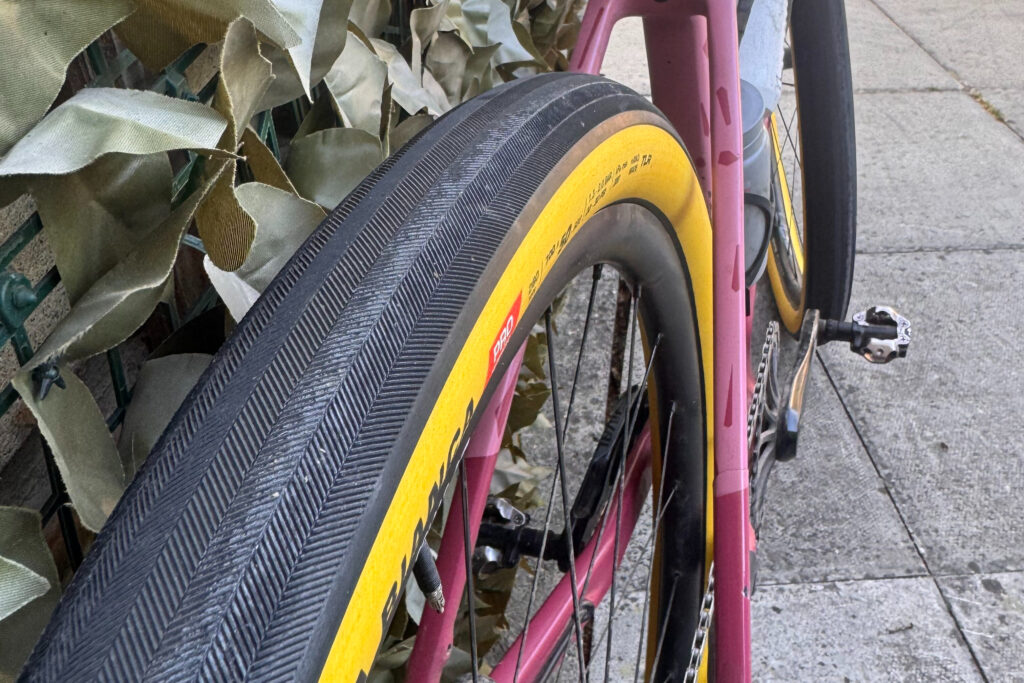
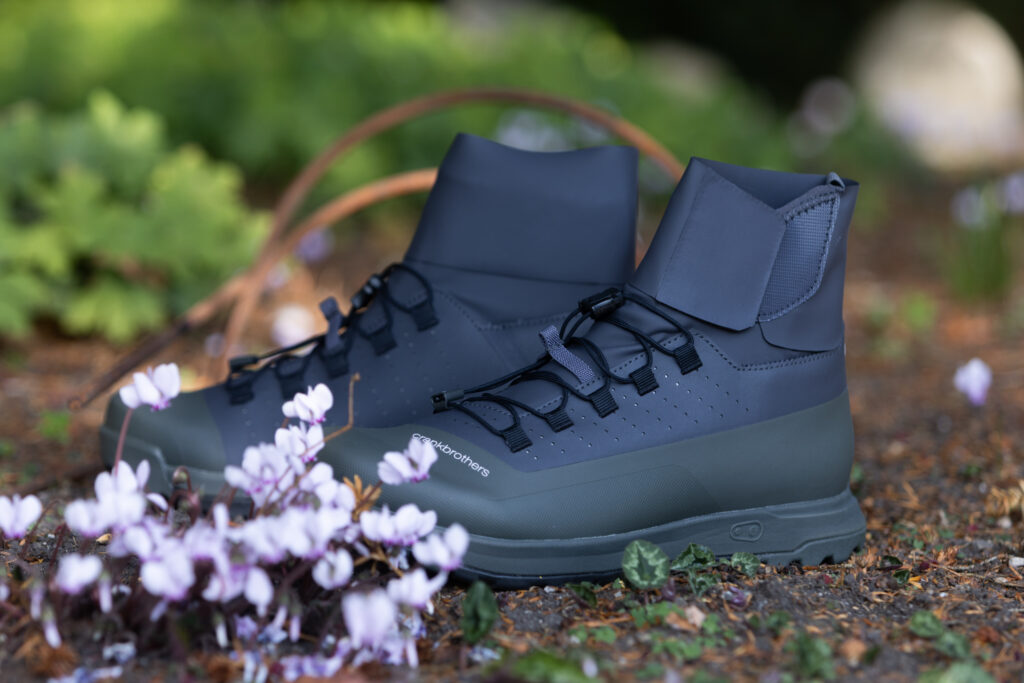
Whether you think gravel is just a fad, the best thing since sliced bread or you have been riding it for longer than its had a name, this area of cycling has become the main talking point recently, with almost every brand now producing a bike or kit –we even have gravel-specific bar tape (such as from fizik) or shoes (from many people).
It is certainly the case that some riders have been taking drop-barred bikes off-road for decades with the Roughstuff Fellowship and of course cyclocross racing which has been around almost as long as bikes themselves, but certainly, since disc brakes have become widespread this area of off-road, drop-barred riding has started to boom. Now almost every major cycle manufacturer making some form of gravel bike with its own interpretation of what riders want, is it now time to sub-divide the category?
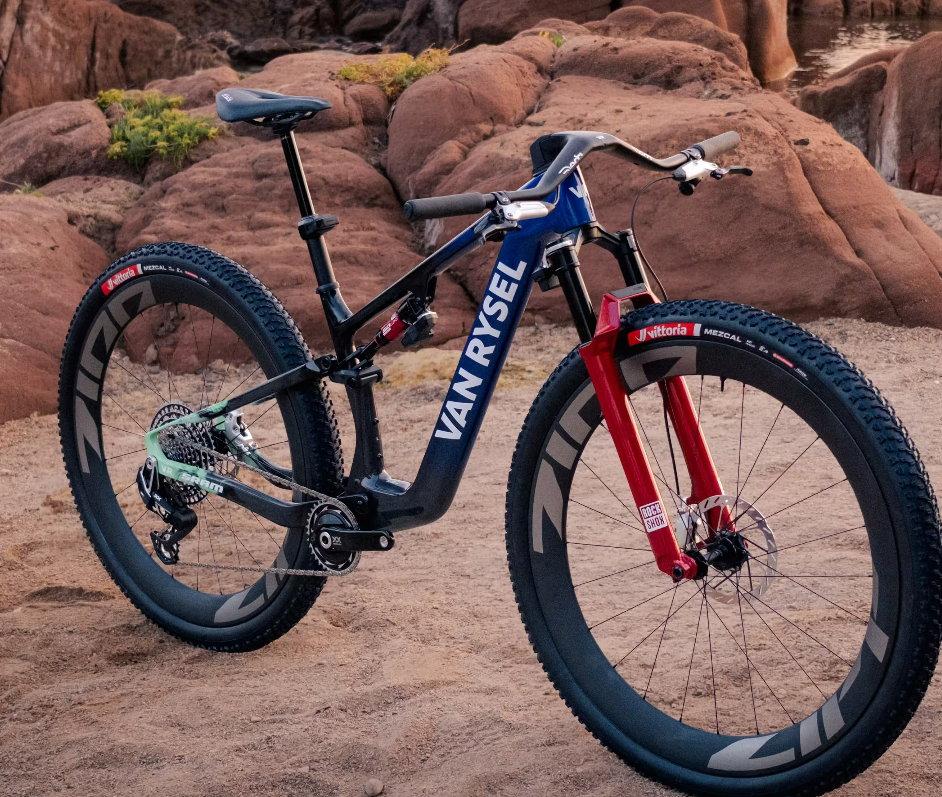
Mountain biking, for example, can be split into several generally accepted categories. From cross-country race through trail, all-mountain, enduro and downhill there are defined categories for different styles.
If someone were to ask “what mountain bike should I buy?” you can be certain one of the first comments will be “what type of riding do you do?”. It’s for good reason too, as one rider might be happy to pedal a longer travel bike uphill to make more of the downhill, for another rider the opposite might be true. Road riding also has separate categories with race, endurance, urban and touring just a few.
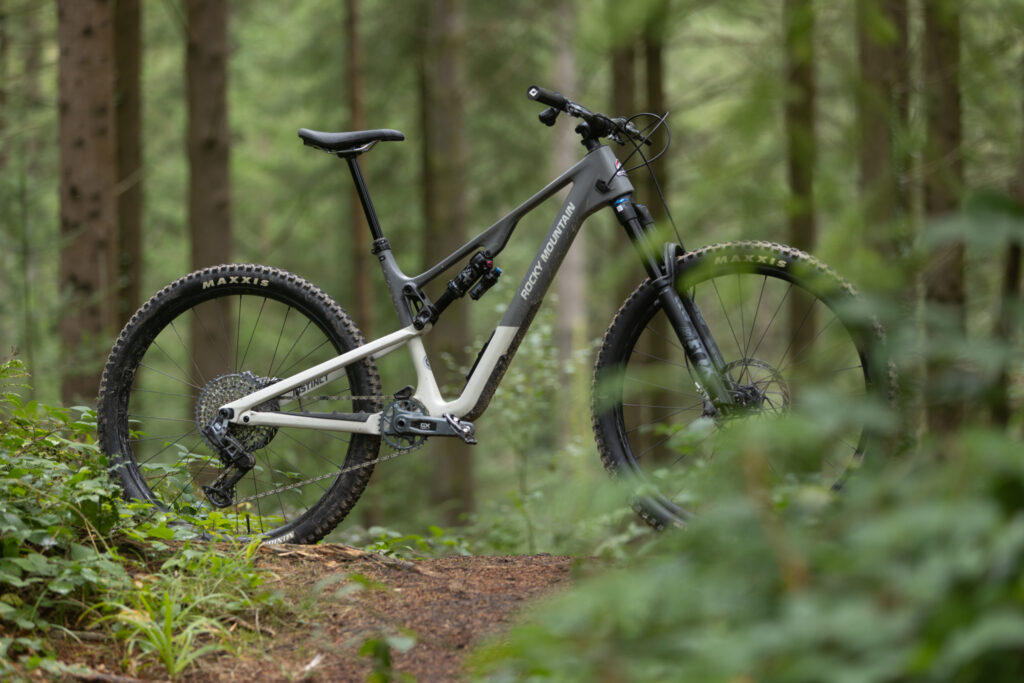
The same is true of gravel bikes as the extremes are moving further away rapidly. Take the Evil Chamois Hagar. When compared to a Scott Addict Gravel, both are categorised as ‘gravel bikes’ and neither incorrectly but they are designed for vastly different riding styles.
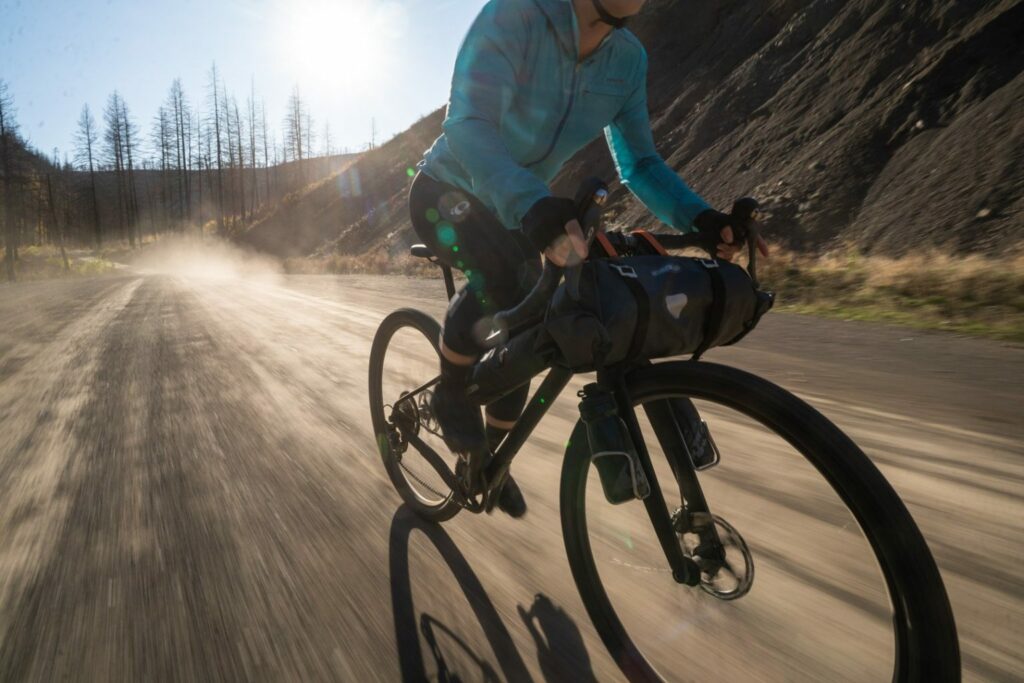
Recommend a Specialized Sequoia to someone who wants to be competitive in some gravel races and they probably won’t be too happy and vice versa is true as well. I don’t think a rider looking to do some serious bikepacking would be happy with a lightweight carbon bike with fast, potentially fragile tyres.

What does ‘gravel’ mean to you? Is it simply the ability to get off a surfaced road, fit a wider more comfortable tyre or are you looking to take on rougher byways and bridleways but make the riding between or from home a little easier than on a mountain bike. Perhaps the modern mountain Bike has sanitised riding too much as you want something to remember that feeling when you first started?
So can we now start to sub-divide the category? Not as some kind of industry-led money-making venture, but to genuinely help riders identify the right type of bike for the riding and places they want to go. The category names are not that important, although there are already some ideas out there – Groad, Gnarvel and just about any play on the G letter in front. Your suggestions and ideas are welcome, but here are mine.
- All-road – Essentially those road bikes that can fit a larger tyre, around 35-38mm and handle a bit of rougher riding, but generally bikes designed more for surfaced roads.
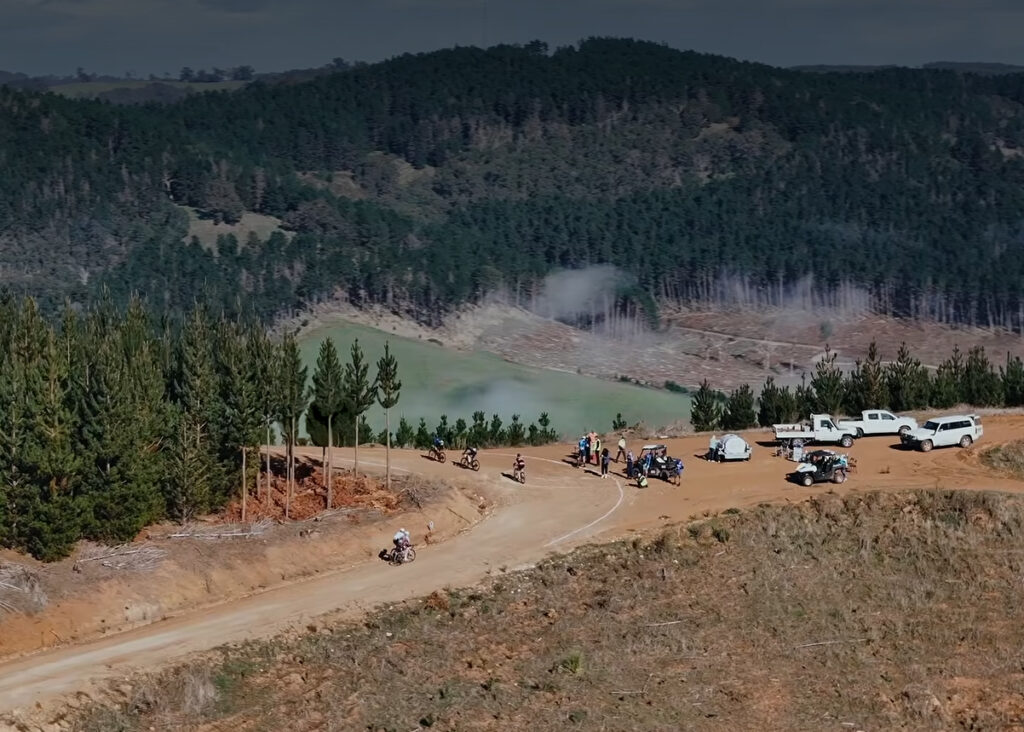
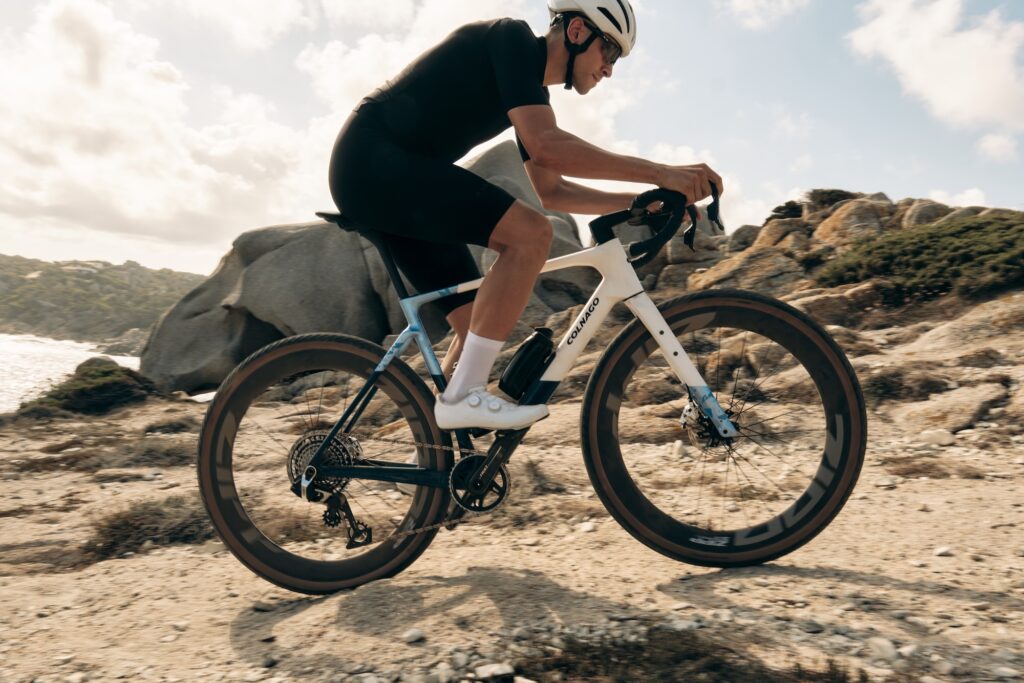
- Race – Gravel events and races are growing in popularity and while all bikes and styles can enter, those who are looking to be competitive will be after something light and stiff. They will be capable of more than just racing of course, but this is where speed is a priority.
- Gravel – Try as I might, I can’t think of a better name, but for all those in the wider central category that suits the majority of frames and bikes out there. While some will lean into other categories and some capable of crossing more than one, these are bikes that haven’t been designed to be too specific, in keeping with the general idea of gravel when it started to become so popular a few years ago.
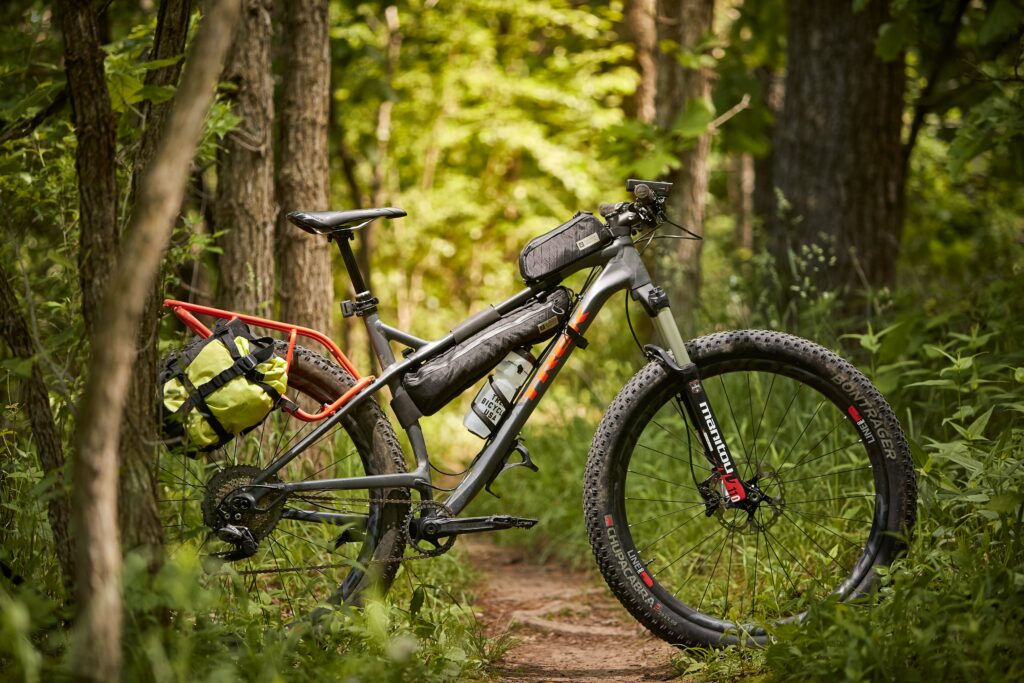
- Adventure – Bikepacking, longer rides, touring. The ability to carry lots and stand up to some punishment. A wider gear range or at least the ability to run a smaller lowest gear could be an important consideration.
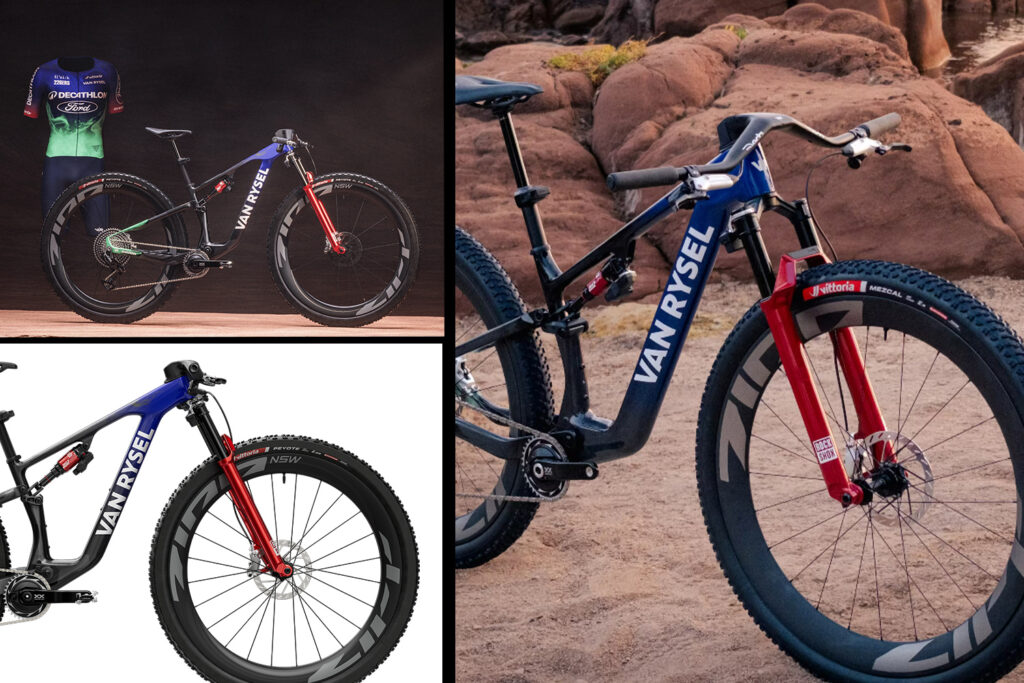
- Hardcore – The name is taken from the world of aggregates where hardcore is generally larger chunks and that is exactly what these bikes are designed for. There are a smaller but growing number of bikes that prioritise downhill fun. Dropper posts, wider 45mm+ tyres and a slacker riding position that has more in common with mountain bikes than anything else.
Is this a pointless exercise or do you also think we need to start thinking a little more to help categorise all the new bikes and kit coming out? Let us know.