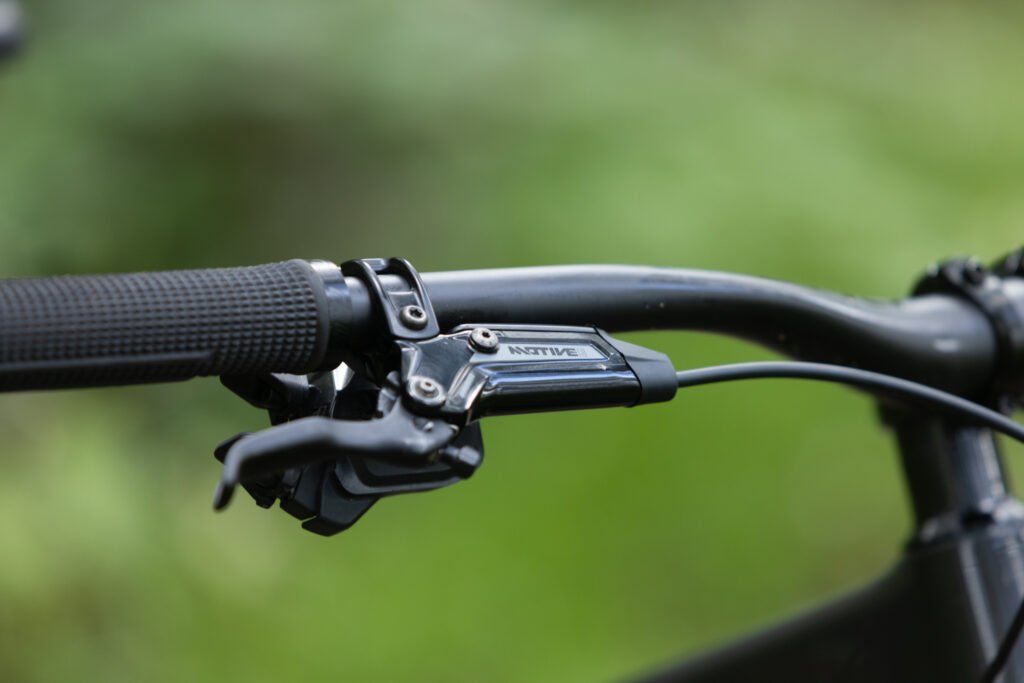

Filled with fluid, pistons, and seals, your bike’s brakes are pretty complicated things, and like everything, they’ll need servicing every once in a while, especially as they’re vital safety components. Your brake servicing routine should require more than your usual brake bleed, so here are some things you can do to freshen up your brakes’ performance.
Rethink your brake pads
More often than not, brand new brakes will come with organic, or resin, pads as standard, although some deviate from that and use sintered. However, every kind of pad compound performs differently in overall braking power, heat management, and wear. Some might offer up all of the power, but they could overheat, fade (reduce power), and wear quickly. Others won’t perform as well in the wet, for example.
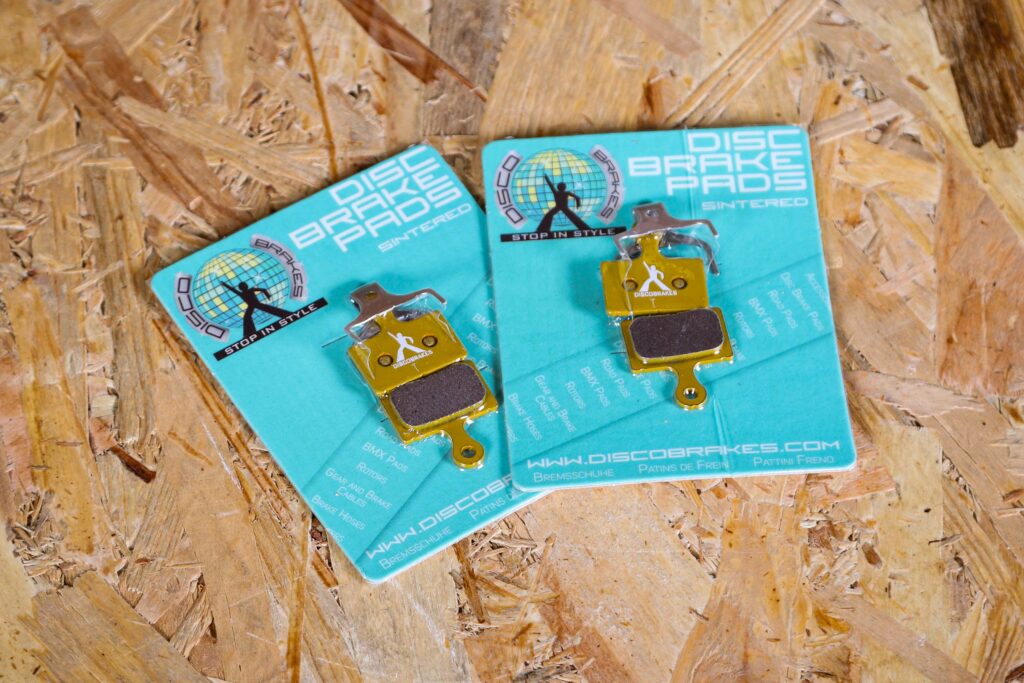
So it’s important to do a bit of research and experimentation to learn what works best for you and the style of riding you prefer. If it’s dry and you’re looking for braking power, organic or resin pads might be the way to go. But if you’re riding long, brake-intensive tracks, or an e-MTB, sintered could be a better shout.
You can also mix brake pads, either using different compounds front or rear, or in the same caliper, all to tune your braking performance to what you want out of your brakes.
Clean and relube pistons
Mounted low on the bike, your brake calipers are right in the firing line of mud and dirt, and they’ll gather up a bunch of brake dust. All of these could leave the pistons inside rather sticky and resist movement. For the best braking performance, they should be as slippery and friction-free as possible.
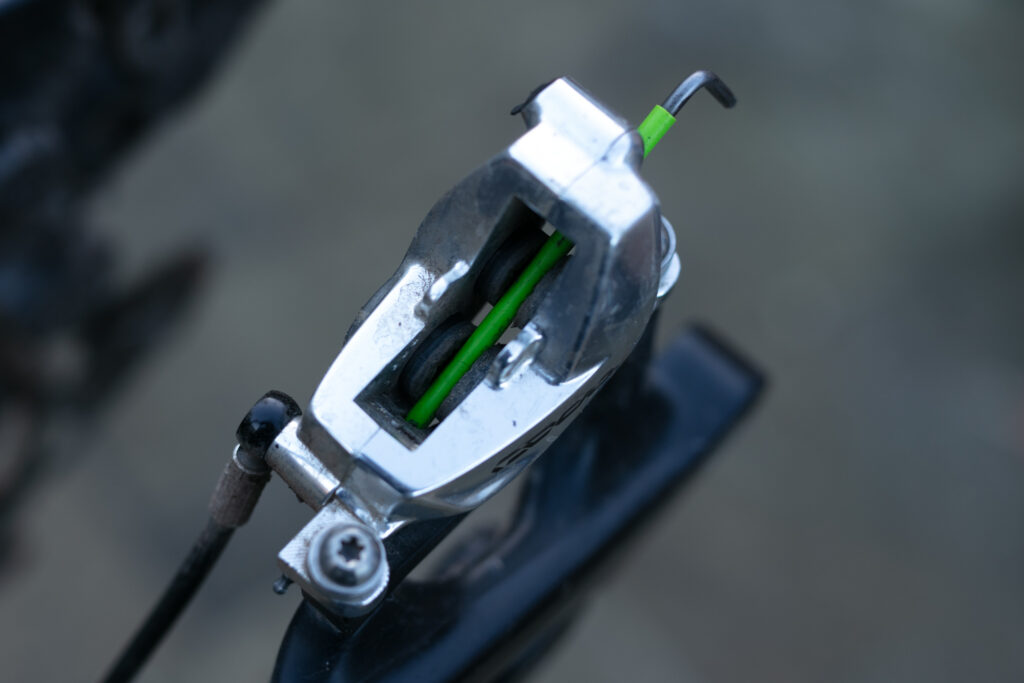
Luckily, cleaning your pistons is super easy. Simply remove your wheel and the brake pads, shove a small Allen key or pad spacer into the caliper, and advance the pistons – the Allen key or block will stop your pistons from falling out.
With a cotton bud, give them a rub with some brake cleaner or isopropyl alcohol, then with a fresh cotton bud, rub a little brake fluid or mineral oil onto the pistons (whichever fluid your brakes use). Push the pistons back in and feed a rag or tissue through the caliper to mop up any excess.
You may want to do this more than once, but once you’re happy, pop the pads back in, and the wheel. This will clear those pistons of any gunk, leaving your pistons freer to move and able to provide as much power as possible.
Balance your pistons
Regardless of whether your caliper uses two, four, or six pistons, they work best when they’re pushing the pad into the rotor at the same time and rate. Only then are they applying force evenly. While brakes will work with pistons that aren’t balanced, or pressing the rotor at the same time, they won’t be offering as much power as they can, and it’ll cause the brake pads to wear unevenly.
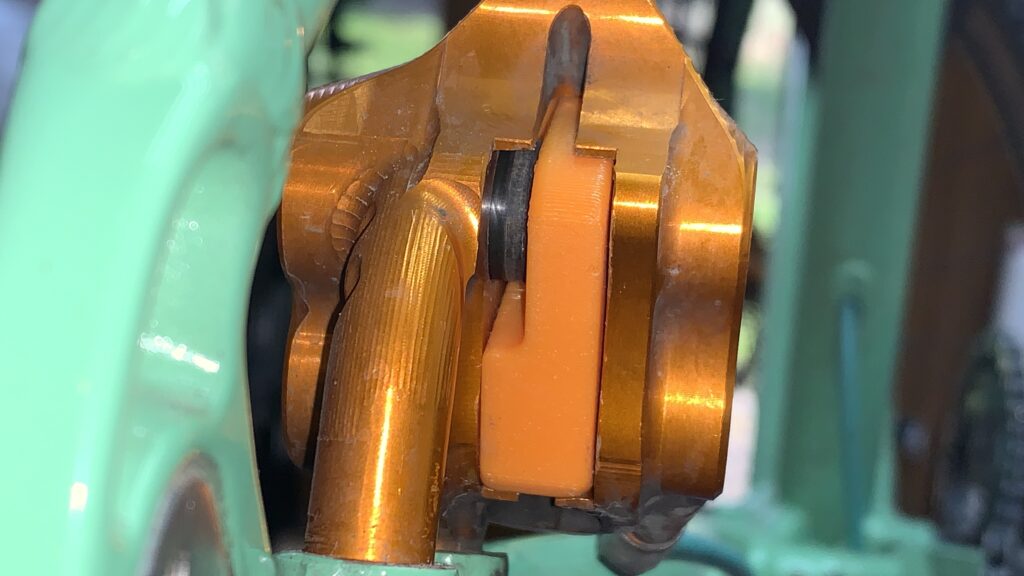
To get your pistons balanced, with the wheel and pads removed, push the pistons back into the caliper and carefully pump the brake to drive them out a little. If one or two aren’t moving out as much as the others, assuming they’re clean (if not, see point above), hold the pistons that are moving out more still, using a tyre lever or a cleverly cut bleed block, and advance the slower-moving piston out a touch.
Do this to address each piston, push them all back into the caliper and reassemble.
Advance your pistons
As you use your brakes, your brake pads will wear, meaning that the caliper’s pistons will move out of their bores more to make braking happen. This can affect lever feel and move the brake’s bite point closer to the handlebar.
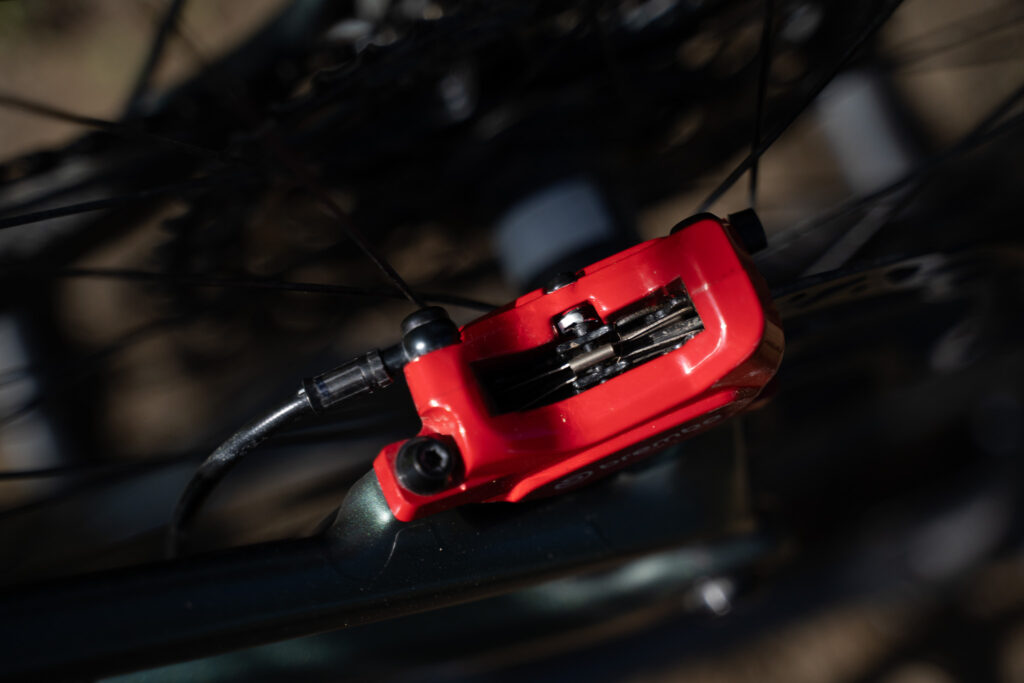
This one’s a really simple fix, but it should be done with an air of caution. Remove the wheels from the bike and pull the brake lever once or twice. Replace the wheel, and you should have regained the bite point you started with.
Don’t pull the lever too much, though, because doing so will cause the brake pads to contact each other, and then you’ve got the task of resetting those pads on your hands.
Check your rotors
Just like brake pads, brake rotors are a consumable component. As they work to provide friction, their faces will wear down, and every rotor has a minimum wear rating. Once that’s reached, you’ll find that the rotor won’t disperse heat as effectively, and it’ll be more likely to warp. Even worse, the rotor can fail.
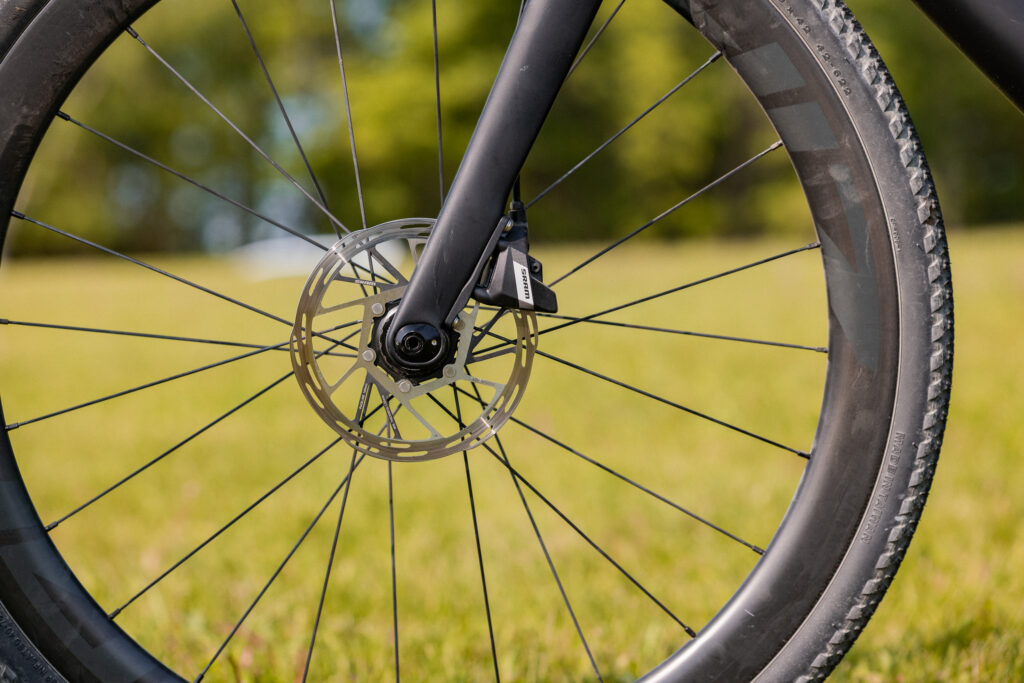
Using a vernier caliper or similar, keep tabs on your rotor wear and replace them if they’re too thin.
But experimenting with different brake rotors is a great way of tuning how your brakes perform. Larger rotors will provide more power and better heat resistance, while smaller rotors will offer more modulation at the expense of power and resistance to heat.
Additionally, rotors come in multiple thicknesses. A thicker rotor will give you a more positive bite point that’s further away from the handlebar, as the pistons don’t have to travel as far before the pads hit the rotor. Because they’re thicker, they also handle heat better. On the other hand, they’re heavier, and they may not be compatible with your brake caliper.
Consider a full rebuild, if possible
All brakes have something of a service life. They’re constantly undergoing several heat cycles during a ride, and that alone is going to take its toll. However, some brakes, like those from Hope, can be fully serviced with fresh seals, new pistons, the lot. Many higher-end brakes also use bearings as the lever’s pivot point; of course, these can degrade over time.
If your brakes just aren’t performing, no matter what you do, a full service is the only way to go, if that’s possible on the brakes you’re running.
Give ‘em a bleed
Much like a lot of bike things, brake fluid also has a service life. Over time, it can pick up contaminants and air, which will negatively affect both the way your lever feels and the brake’s overall performance. Sometimes, there’s nothing that can be done other than a brake bleed.
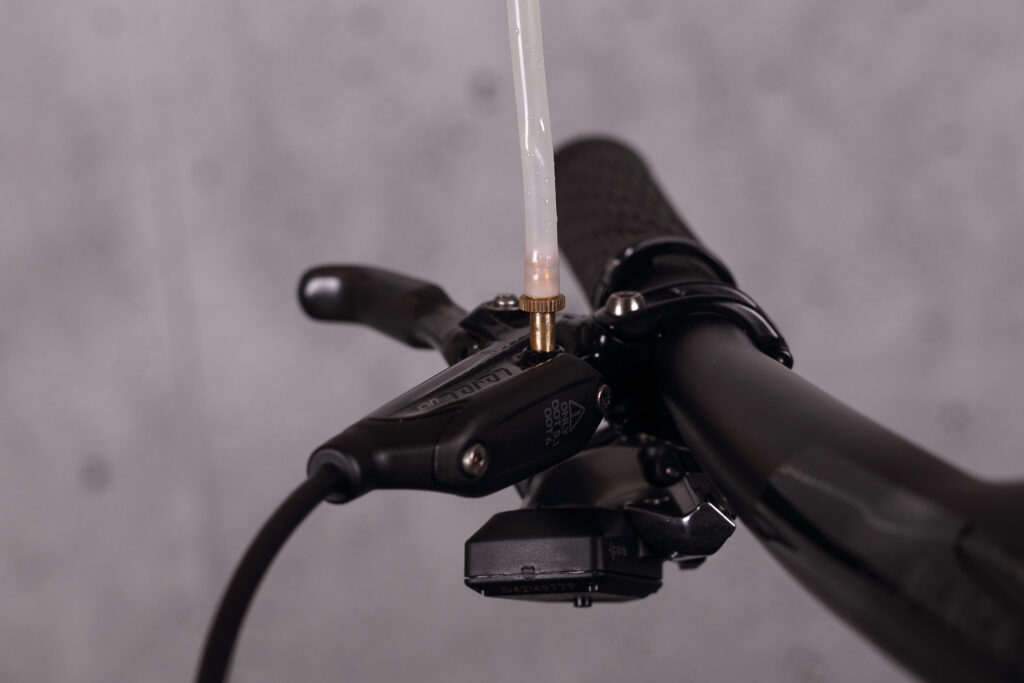
Usually, this should be an annual box to tick from your yearly maintenance list, and it’s a useful thing to know how to do. It also makes for a great opportunity to perform some of the other tasks listed above. Generally, it’s pretty easy, so it’s worth swotting up on if you’re looking to save some cash.
But replacing old oil and fluid with new stuff is a sure-fire way of getting your brakes performing back to their former glory.