


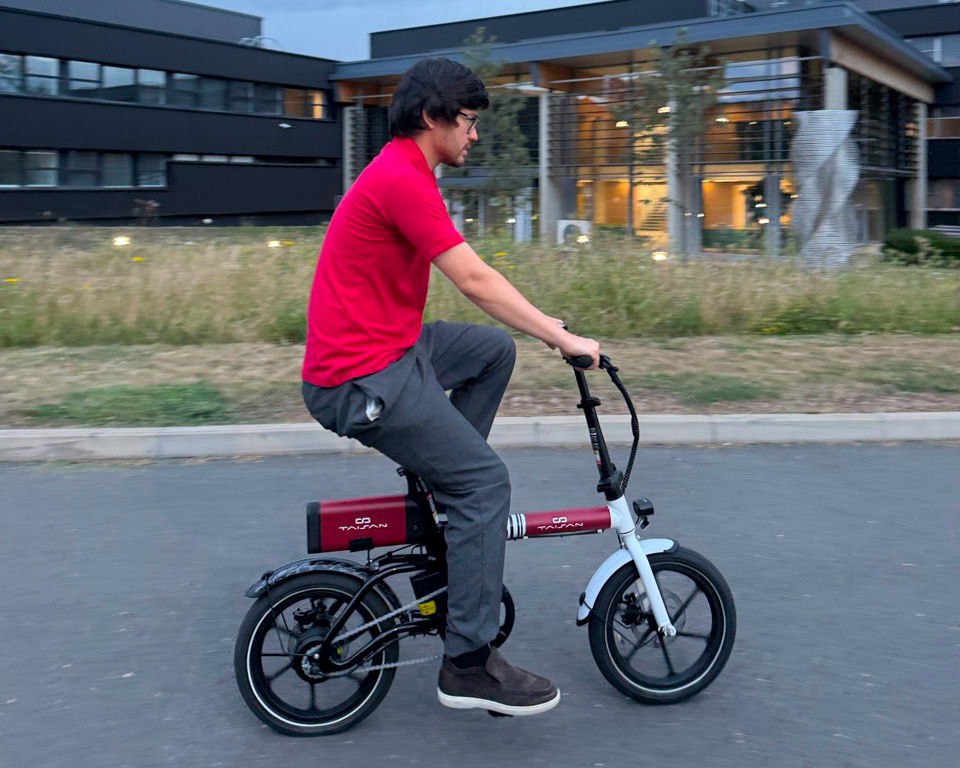

Electric bikes could soon become a lot more salty thanks to a £4.65 million funding injection for TaiSan, a Cambridge-based company using sodium-ion technology to create what it claims are safer, more sustainable, and cheaper batteries.
As concerns about e-bike fires caused by lithium-ion batteries continue to ramp up across the UK, Taisan’s proprietary formula removes volatile liquid electrolytes, making the batteries inherently safer, and resistant to thermal runaway.
“At TaiSan, we’re working with forward-thinking bike and scooter manufacturers and operators to bring next-generation sodium batteries into the streets,” founder and chief executive Sanzhar Taizhan told ebiketips.
“Our vision is to make electric mobility efficient, safer, and more sustainable.”

While many solid-state battery startups have tried to break into the slow-moving and expensive automotive industry, TaiSan is deliberately prioritising micromobility as a faster route to deployment.
“This segment has clear needs for safer, lighter, and more sustainable batteries, with shorter development cycles compared to cars or consumer electronics,” said Taizhan. “It’s an ideal market to demonstrate real-world benefits and scale quickly.”
Historically, sodium-ion batteries have been a tough sell for bicycles. While sodium is cheap, abundant, and more environmentally friendly than lithium, the batteries have traditionally been heavy and bulky, limiting their use to stationary home energy storage.
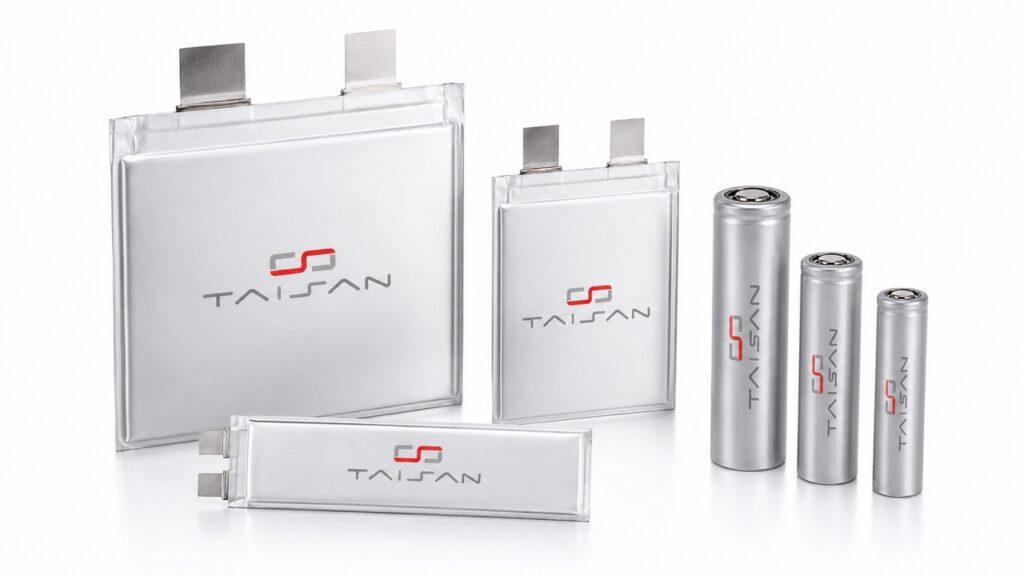
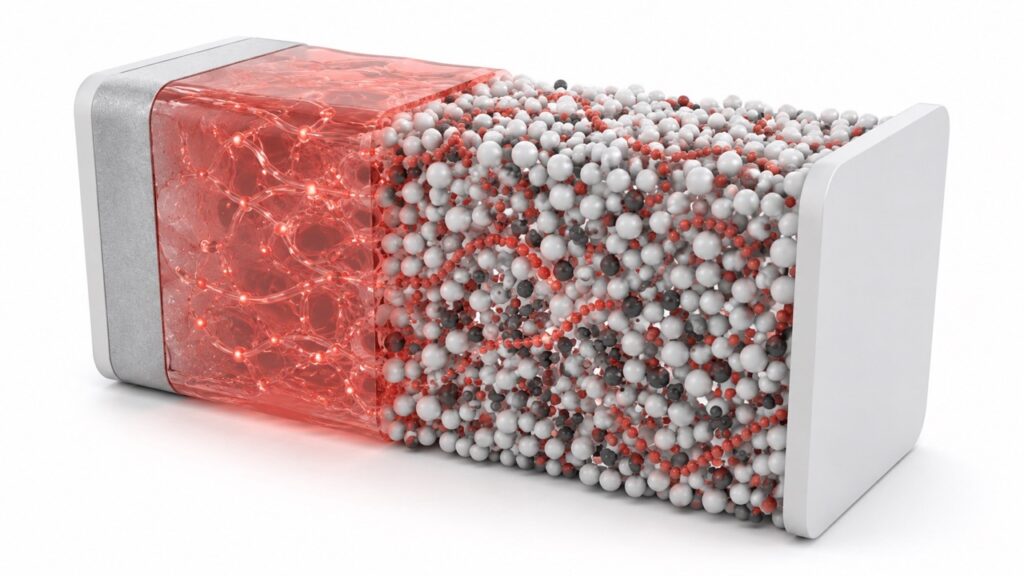
TaiSan claims to have solved this weight penalty by using a “quasi-solid-state” polymer electrolyte, while providing an energy density similar to existing lithium-ion packs.
“Our current cells achieve over 180 Wh/kg and further improvements are underway,” Taizhan told us. “We expect to increase it by two times within the next few years.”
While the chemistry might be all-new, TaiSan is working to make it compatible with current e-bike designs.
“Our batteries are designed to be compatible with existing bikes and scooters, making integration straightforward for manufacturers and operators,” he said. “We integrate our cells into existing packs by increasing their capacity and energy. Bike owners don’t need to change anything within their bikes.”
The £4.65 million funding round, which includes a £700,000 grant from Innovate UK, will be used to expand TaiSan’s laboratory in Cambridge and establish a brand-new manufacturing plant in Coventry.
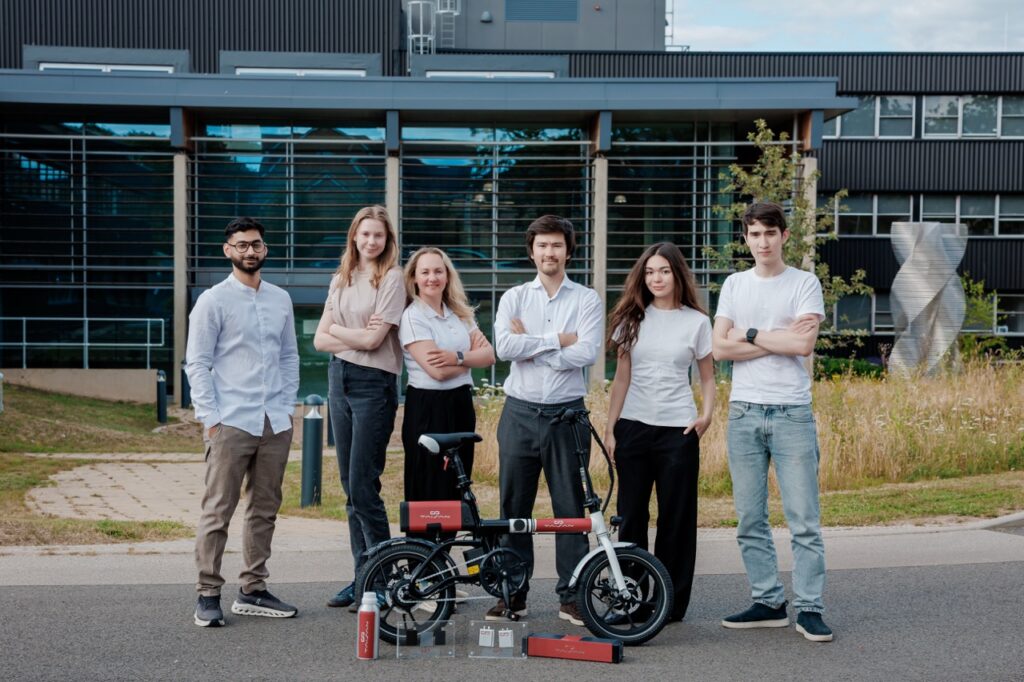
The company has already signed several letters of intent with prospective manufacturing partners and plans to begin pilot trials on the streets in the near future.
“With a growing battery market, manufacturers are seeking alternative technologies with a more reliable supply chain,” added Shubham Jaipuria of Mercia Ventures, which co-led the funding round. “We believe TaiSan’s innovations will enable widespread take-up of sodium-ion batteries and make them a genuine alternative to standard batteries for many day-to-day applications.”









2 thoughts on “Are e-bikes about to get safer and cheaper thanks to sodium-ion batteries? A Cambridge-based startup has come up with a salty new solution”
Really hope these guys or a company like them can come up with an environmentally friendly and non-combustable solution for ebike batteries. I don’t have an ebike at the moment because I don’t need one, but I did have one to get me through serious illness and I might well want one in future if the illness comes back or I generally just get more infirm; one of the reasons I sold it was for peace of mind as I didn’t have to worry any more about remembering whether I had unplugged the charger before leaving home. A battery with zero fire risk would be a major selling point for me.
Sodium =/= salt. Lithium batteries are already salty – just with lithium salts. A polymer electrolyte might even make it less salty.
[Salt batteries (including sodium- and lithium-based varieties) are a whole other thing again.]