


In 2015 (or was it 2014?) I sold my beloved motorbike and immediately headed to the nearest Halfords to pick up my first actual mountain bike, a Voodoo Hoodoo. Little did I know that very day would be the head-first tipping point into an incredibly committed ‘hobby’ that I’d still be doing 11 or 12 years later. It wasn’t an easy journey, and it still isn’t, so here are some things I wish I knew before taking the plunge.
Mountain biking is hard
Months before selling my Suzuki Bandit, I was already glued to YouTube, watching Andreu Lacondeguy’s winning Red Bull Rampage run, and many others throwing themselves over 30-foot jumps thinking, “yeah, I can do that.”
Nope. No, I can’t. Leaps of over two metres still have me nervous, even after 10 years on knobbly tyres. Yep, I should just get better, and yes, I’m trying.
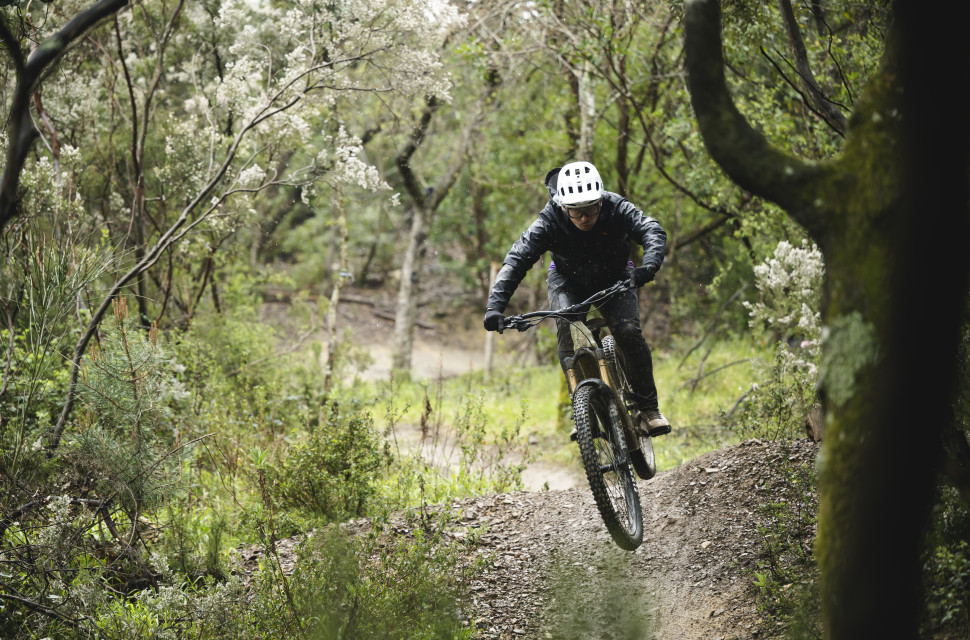
What YouTube doesn’t tell you is that confidence gathered when sitting on the sofa, in front of a screen, doesn’t translate into natural talent on the bike. I went into mountain biking with the most ambitious of goals, only to be humbled very, very quickly. In fact, only a metre or two after putting my tyres on dirt for the first proper time, I attempted a jump only to go over the bar and pick up my first minor injury.
The learning curve is steep in mountain biking. But either way, it’s taken a lot of learning, technique, and coaching to get to a point where I can ride a bunch of stuff with at least some kind of confidence. Even then, I’m not quite where I’d like to be, given my tenure on dirt and two wheels.
If you’re looking to start mountain biking, prepare to be humbled. Take it easy, settle into it, and work on nailing the basics before pushing yourself towards your no doubt, lofty aspirations.
A small dose of technical knowledge goes a long way
As with making good espresso, learning an instrument or trying to speedrun your favourite video game, there’s a lot of theory behind mountain biking, and how deep you want to plunge your fist into that can of worms is up to you. But at least have a little feel around.

I’m pretty technically minded anyway, so learning how to bleed brakes and install a tubeless tyre helped me save cash while learning about how my bike works. Fettling with suspension is confusing, but figuring out what rebound and compression damping do has helped me tune my bike’s ride to my ever-changing preferences.
It can all be quite intense, and one hell of a rabbit hole to dive into, but even a little bit of knowledge goes a very, very long way. Swat up, persevere and learn how to repair and adjust your bike. It’ll help save you cash and time off the bike by making you somewhat self-sustainable. But if things go beyond your technical remit, you’ll actually save more money taking your bike to someone who knows what they’re doing, rather than ham-fisting your way through something you’re not sure of. That’s the best way of breaking something expensive.
I did that once… by taking a blow torch to a headset I wanted to remove. Not wise!
Mountain bikes break a lot. That’s just how they are
Given the thrills and spills of mountain biking, the durability and longevity that modern mountain bikes offer are pretty darned impressive, especially compared to bikes of old. But no mountain bike is impervious to damage or failure.
Even the latest and greatest mountain bike will break in some way, shape or form. Sometimes, it might just be the inconvenience of an overstretched cable, or something more sinister. But be prepared for the worst, both technically and financially.
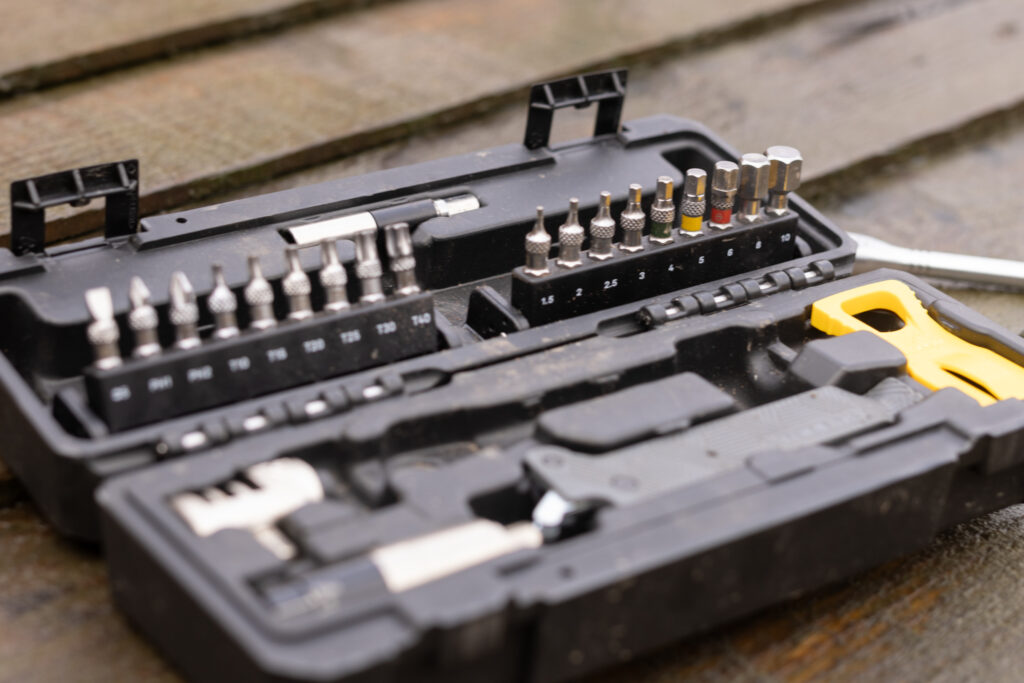
Carry a comprehensive multi-tool with you on every ride, and equip yourself with the basic know-how in order to get yourself rolling again. Better still, keep a decent tool kit and some spares in your car. Doing so will save you from completely cutting your ride short and resorting to the drive of shame.
Committing a bit of monthly money towards a bike repair fund will then help absorb any expense that you’ll need to shell out should something irreparably break. And as bike components can be extremely expensive, having that cash buffer is a very useful tool to fall back on. Plus, it never hurts to save some money.
You’re going to become a closet hoarder
Cycling of any kind requires quite a bit of kit. Helmets, pedals, tyres, you name it. Unfortunately, a lot of stuff is consumable and destined for the bin once it’s used, but there’s always that ‘what if’ that’ll sit at the back of your mind. What if you tear a tyre and need a spare at a moment’s notice? That wrecked, old and now hard Maxxis DHF will do the trick. That one caliper bolt that has somehow appeared even after everything’s securely been nipped up? Straight to the parts bin.
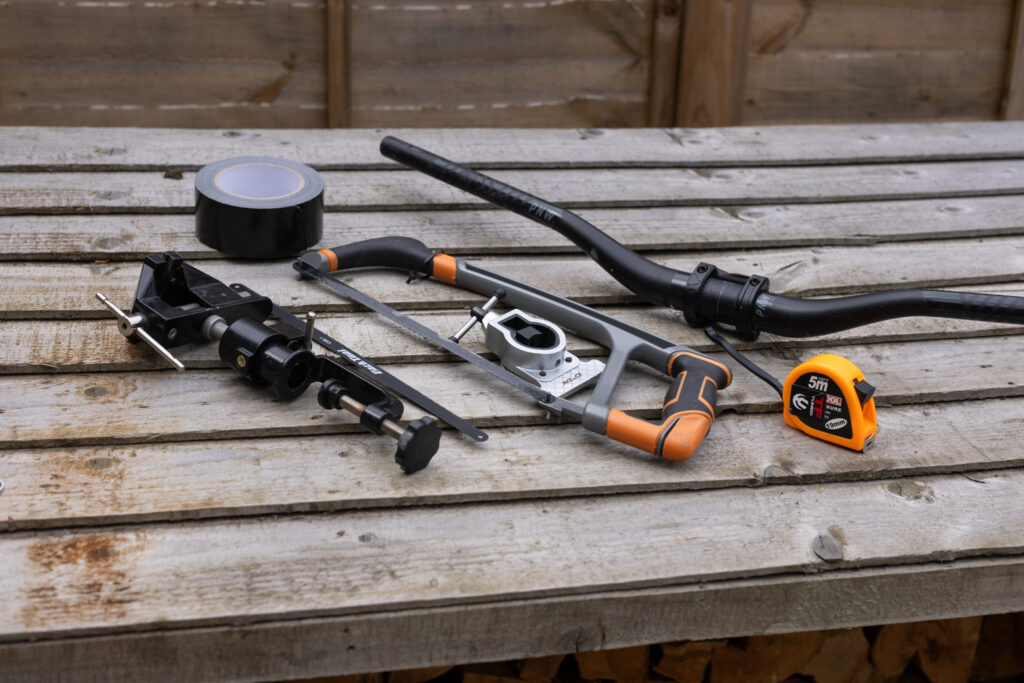
That little inkling never leaves, and before you’ll know it, you’ll have a garage full of crap that you’ll likely never use, but it’s there, just in case.
You’ll need space to store all of this, of course, and you’ll need firm internal chats with yourself when that space becomes overloaded. But it’s a bittersweet deal. Sometimes, just sometimes, that stuff really does come in handy. Others, you can either sell or you can donate the kit you’re not using, and never will, to a local trail organisation. If you’re that type of hoarder, who knows? You might be able to build up a cheap gravel bike.
You don’t stop crashing as you get better
The worst bit about mountain biking, or riding bikes in general, is crashing. Most often, they’re small tumbles due to silly mistakes. You pick yourself up and keep on rolling. Others can still be small, or even larger mishaps that end up feeling like a failure of skill, or lead you to a stint off the bike.
I always thought that as I got better, I would crash less, and that’s true, to a point. But crashes still happen. It’s a natural part of mountain biking, and the inevitability of a crash is something that should be expected and accepted.
No matter how severe, crashes can be an excellent opportunity to learn by figuring out what you did wrong to cause the spill. Of course, not every crash is caused by the rider, but a bit of self-reflection and identifying what went wrong will make you a better rider in the long run.
Fitness fades quickly
It goes without saying, but riding bikes requires a certain level of fitness. Throughout my first months, climbing stairs felt like climbing Mount Doom to bin off a fancy ring after a 20km spin the morning before. But after those few months, I had conditioned myself, with post-ride soreness not nearly being as severe as those early rides… perhaps I’m not pushing myself hard enough anymore.
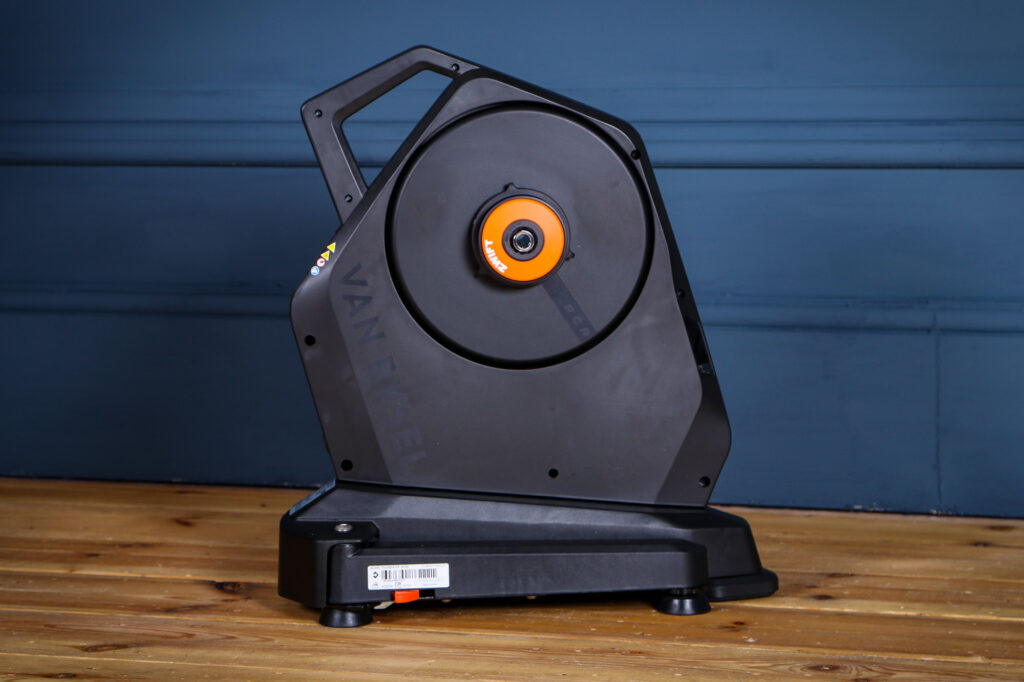
If you up your training for an event or similar, you’ll unlock a new level of fitness that’ll have you riding faster and further than before. But when you’ve ticked off that event and have taken a much-needed break from riding, your fitness is going to drop. Hard.
It really is amazing how quickly and how severely general fitness can fade, especially if you’ve spent months training. If you want to keep that fitness, you’ll have to keep up some level of training, but we all need a well-deserved break at some point. So don’t expect the same level of fitness afterwards. Just take it easy and enjoy what you can. This leads me very nicely onto the next point…
You don’t have to try that hard to have fun
People take mountain biking incredibly seriously. I reckon that it’s a product of watching very skilled people on social media pushing the sports’ boundaries. That can very easily leave folk feeling rather inadequate about their own riding.

But therein lies the point. Focus on your own riding. You do you. Do what you enjoy within your skill level if that’s what makes you happy.
With social media being such a strong outlet for equally strong talents… and some incredibly harsh comments, nobody is actually watching you or judging you. Most people are just happy that people are out there enjoying the sport we all love.
It’s a fact that everyone rides at their own levels, and mountain biking means many things to many people. For those at the sharp end, yes, that might mean Red Bull Rampage, but for others, a good mountain bike ride might be a longer distance jaunt over terrain that’s not incredibly technical. At the end of the day, an off-road ride on a bike can be considered mountain biking (let’s ignore gravel for now), and I’ve had a lot of fun riding all kinds of routes. Some might have been steep and spicy, others more casual cross-country trips. It’s all good stuff and certainly doesn’t have to be proper gnar for it to be a good time.
Mountain biking is expensive, but it doesn’t have to be
Much like everything in the world, there’s a lot of expensive mountain bike kit that you can invest in if you want to and have the means. But does it really mean better performance? Not always.
After years of riding hundreds of bikes at all price points, I’ve found that often, there’s not all that much that sets proper spendy bikes apart from cheaper alternatives. The same goes for helmets, brakes, gears, the lot.
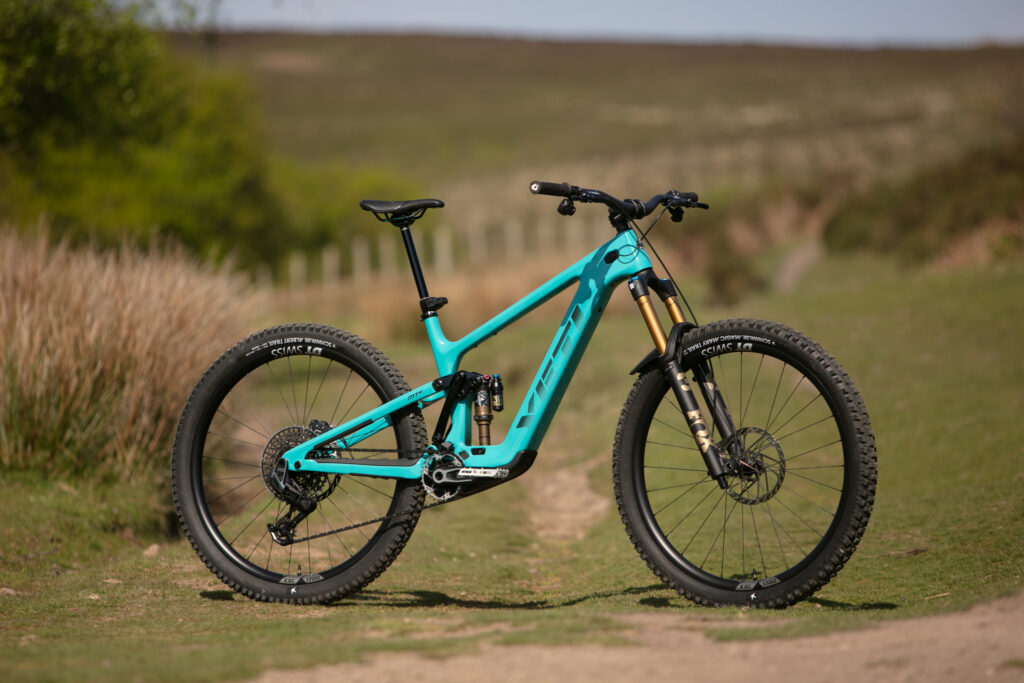
Sometimes, more affordable things are just easier to live with. Take suspension, for example. Spend more than £1k on a shiny new fork, and you’ll be unlocking more adjustments. However, those adjustments throw a new level of confusion into the mix that requires new knowledge in order to wring the best out of them. More affordable forks come with fewer adjustments, but then there’s a lower risk of getting lost in all of the adjustments those dials offer.
On top of that, modern mountain bike standards are levelling out a little bit now. Now, you can buy an affordable bike to get started on, and upgrade it as and when you see fit.
A lot of mountain biking is mind over matter
I’ll admit, after my fair share of poorly-timed crashes, I’ve become a fairly timid rider, and the kinds of terrain that I’ve ridden before have begun to play horrible mind games against me. And generally, there’s a lot of terrain out there on trails throughout the world that can look intimidating to riders of all skill levels.
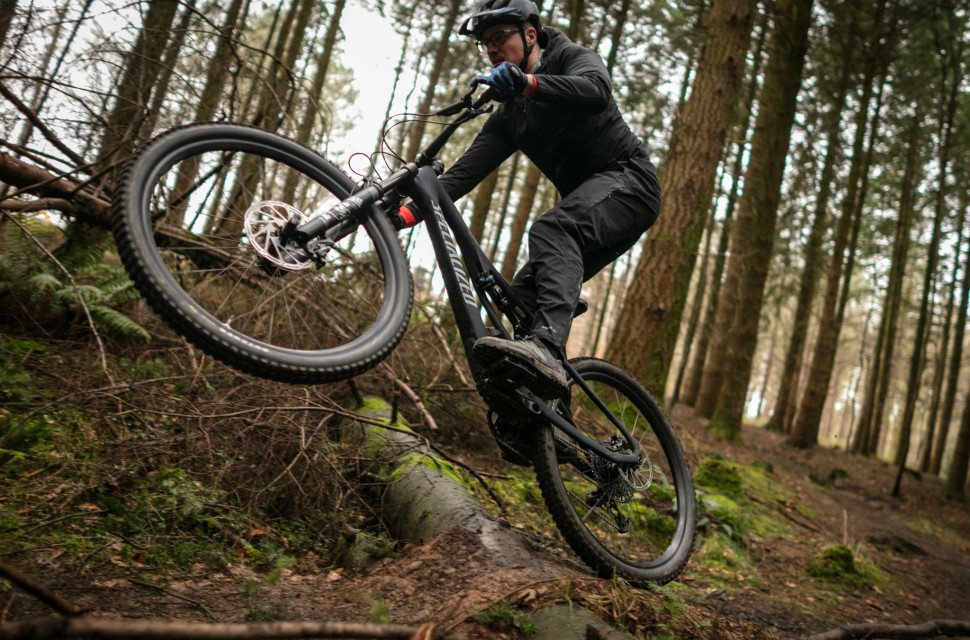
But, there have been loads of times when I’ve rolled up to something I don’t like the look of, and chickened out. Instead, I’ve scooted myself down the hill arse-first in an attempt at self-preservation. It happens to the best of us, especially early in our riding careers.
Although there have been a handful of times (with that handful constantly growing) where I’ve forced myself to flip that switch in my brain that’s screaming ‘no’ only to find that the thing that has scared me is, in reality, as good as harmless. Or at least as harmless as can be on a mountain bike. Ticking off that scary feature will often result in a serious boost in pride and, at the very least, confidence. But the number of times where I’ve rolled over a frightening drop only to think, “Oh, that was incredibly easy”, has been surprisingly frequent.
The truth is, it’s very easy to get locked into a comfort zone without realising how far it can spread, with false limits holding you back from riding terrain that’s well within your skillset. And it’s tough to overcome that mental battle of rolling up to a feature that you know full well you can complete, but combat that niggle in the back of your mind that’s telling you that attempting it is a bad idea. So much of mountain biking is a mental game, and that’s come as a real surprise.








1 thought on “Nine things I wish I knew before I started mountain biking”
Thank you!
Told it (exactly) like it is …