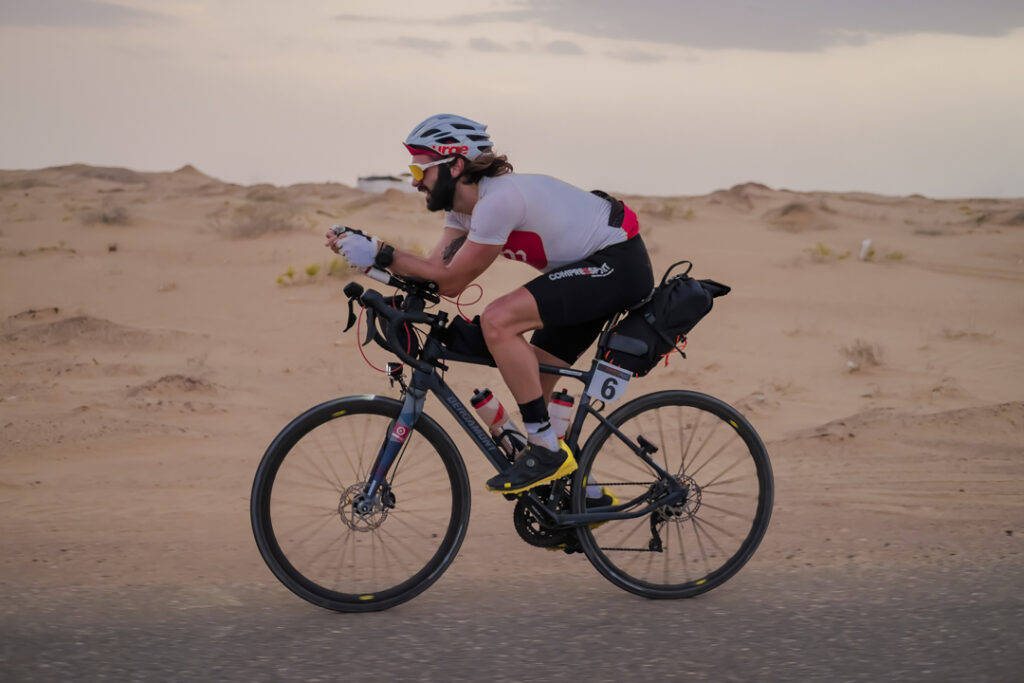

Races like the Tour Divide and the Silk Road Mountain Race have become legendary in the past few years. Their epic and wild tales of super-human endurance sagas, iced with exhausting elation and self-exploration, are the stuff many of us aspire to – at least once in our cycling lifetimes.
However, the mere thought of riding for days on end through rough cut and harsh landscapes of far-away lands, while enduring endless, sleepless nights shivering in a soggy hedgerow and nursing saddle sores, being entertained by dancing fairy hallucinations… yep. That’s the harsh mental reality many of us will face when considering signing on the dotted line and committing to an ultra event.
Then again, on the sunny side of the trail is the romance and fireside tales. The sheer raw unbounded adventure, the camaraderie, the crushing of untold limits you never knew were there, and learning the limits of your own inner beast. The adventure and the achievements, these are the rewards that await in ultra cycling and racing, if you dare chase them and jump that initial hurdle of deterrent.
What are ultras all about?
Although ultra cycling and bikepacking events have really taken off in recent times, in one form or another ultra races have been around for decades, though there just weren’t as many of them. There literally is now something out there for all of us who have the willpower and basic fitness to tackle them.
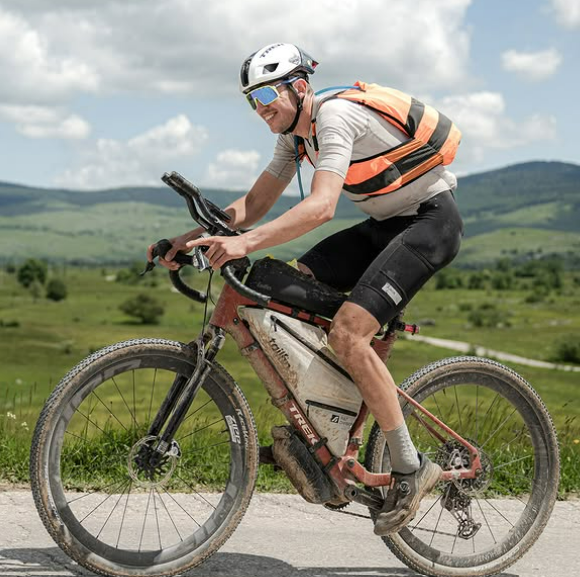
As ultra races are run outside of the main cycling federations and organisations, they come in numerous flavours, styles, distances and terrains. At the extreme end are races such as the Tour Divide, the Silk Road Mountain Race and the Atlas Mountain Race. These are the races we hear most about due to their toughness and stature, and are probably not the kind of thing an ultra-novice should consider as a starter.
There are also a growing number of (relatively) shorter ultras emerging, such as the Dales Divide, the Highland Trail 550, and the Further races. These are much shorter, but nonetheless very tough, and they could prove one night in the hills too many for a first timer, too, but that depends on your overall levels and outdoor experience.
Where to start?
Luckily, there are several more novice-friendly and shorter events out there too, one being the new Aethelred Ultra, a 600k gravel event around Salisbury Plain and into Dorset, the New Forest, and along The Ridgeway. This takes place in late May and is organised by ultra racing legend Angus Young.
As he explains, “I’m pitching it as an intro type of event. I think a lot of these events pitch themselves as the hardest or the longest. I’m trying to pitch it as a test event, and introduction before you go off abroad for a big event, for people who might be a little bit daunted by the thought of an ultra.
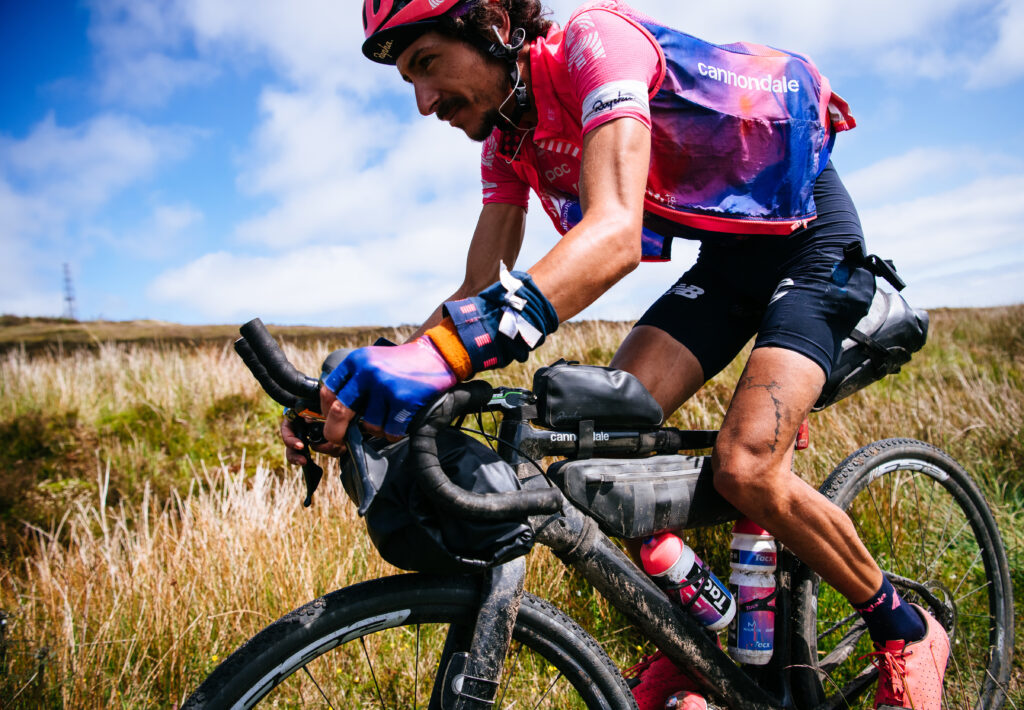
“The route is a figure of infinite; you do a 300km loop and return, where you can have a shower, change into new shorts, have a kip or whatever, and then do the other loop. I’m also providing a neutral service mechanic. If you can remove that burden for people, it eases things, so all you have to think about is the cycling. There will also be a few aid stations.”
If you fancy something with a little classic Italian flair to it that is less focused on racing, then the Tuscany Trail could be just your tiramisu. Although the fastest riders treat it as a race, this is more of a bikepacking adventure run over 450km across Tuscany. Sadly, the 2026 event is already sold out, such is its popularity.
Ultra formats
There are various formats for ultra races. Some are run on fixed routes, while others have set checkpoints to be reached on self-plotted routes, which means you have to plan in advance and self-navigate on the go. Needless to say, for a novice, a set route is perhaps a better starting point.
Rules and regulations also vary greatly, with some being run more on an ‘honour’ basis, in that there are rules and riders self-regulate. Others have quite strict rules on what you can and cannot do, where you can and cannot sleep, what is permitted in terms of any outside assistance/intervention etc – so as a novice, be sure to check the rules and regulations before signing up, including the obligatory kit and gear lists.
How to prepare for your first ultra race
Although some do it and get away with it, turning up for your first ultra with little directed training or preparation isn’t a wise move, and could well put you off the long ride game for life.
First up is to self-assess; this includes your bike and all-around fitness, your mental resilience, your experience, and also your aims and goals. To get through any ultra, you need good all-around physical conditioning. Although this is not a coaching story, the basic foundations of a good level of base training and around physical conditioning are the foundation to any cycling preparation, ultra or not.

It’s highly unlikely that any first-timer will turn up and compete for the top spots in an ultra, though it’s wise to have the specific event in mind several months in advance, and to prepare accordingly. Try to keep your training varied, and don’t simply ride huge mileage all the time. That will just deplete your reserves and could lead to injury.
Do build up to some regular longer rides as time goes on, and try a two to three-day long bikepacking trip with your gear on similar terrain. Also, try riding through a night, and perhaps a night or two of bivvying to learn about how you handle riding in similar conditions and without sleep.
With this long lead-in, be sure to also get to know your gear inside out, which means using the exact same setup bike and gear as much as you can, which will probably be quite different to your regular gravel or MTB position and configuration.
Mind over matter
Riding an ultra is as much about mental strength as it is physical prowess, as ultra racing star Justinas Leveika explains: “Everybody has to remember that in ultras, the legs and physical strength are just a minor part of things. You have to have the head for it. You can have the FTP of Tadej Pogacar, but if you are not able to handle the rain, the fatigue, the discomfort – then that doesn’t matter how many watts you have.”
Naturally, the mental aspect falls stronger with some more than others. It’s something that you have to learn, manage, and find your own way through. This means going in and retaining a positive mental attitude, and somewhat turning off to the evil demons of the mind when they come a calling (and they will). They will dance away at times, as will the aches and pains of the ride.
Food for thought
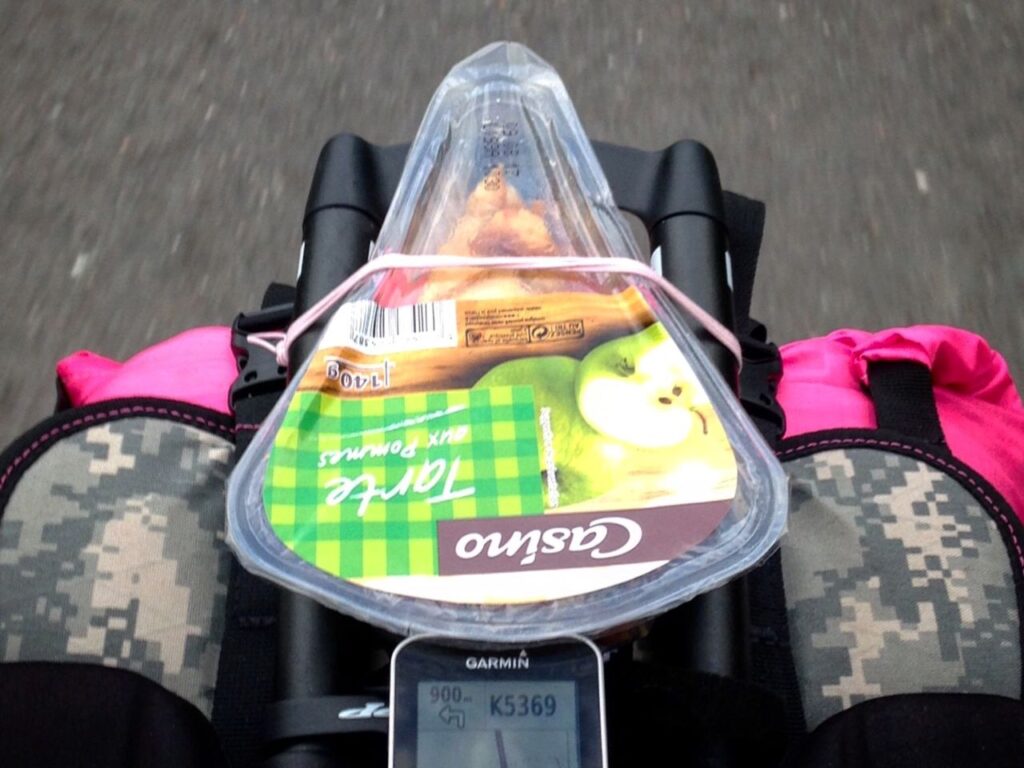
In such long and demanding events, nutrition and volume of food are vital to keep on top of.
“People chronically under-fuel in these events; it’s hard to get enough fuel onboard”, says Young.
“During a race, I must average just over 200 watts right through. There’s a lot of energy there, and a lot of carbs you’re supposed to be fuelling up on. But you’re just not getting it in because you can’t carry enough, or you just don’t want to.
There have been numerous times when I’ve had loads of stuff in my bags, but I just don’t really fancy it. But you bury yourself in a hole if you don’t eat, and it takes willpower to mindlessly keep eating and eating, which is ok.”
Have you got an ultra event booked in? Let us know all about it in the comments!