



“What’s your mindset? What are your values? What are your morals? What kind of sport do you want to be? What kind of team do you want to be? What kind of rider do you want to be?”
Emily Brammeier, the recently installed president of the Movement for Credible Cycling (MPCC), has a clear vision for the future of her sport. And it’s one based on ethics, unity, cultural shifts, and an awful lot of soul searching.
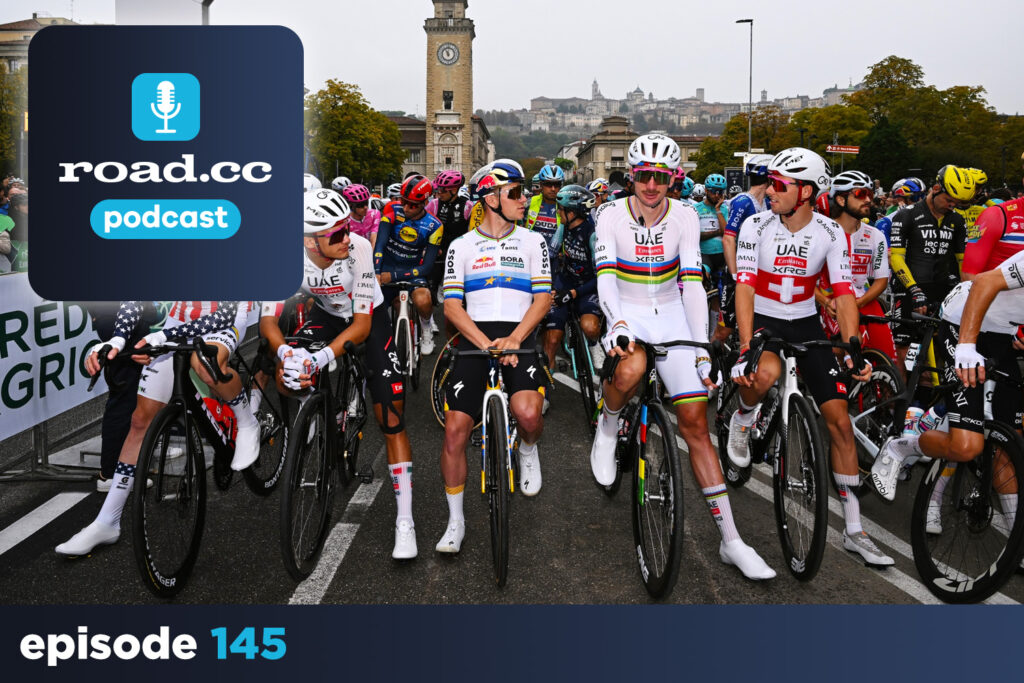
Listen to the road.cc Podcast on Apple Podcasts
Listen to the road.cc Podcast on Spotify
Listen to the road.cc Podcast on Amazon Music
It’s fair to say that professional cycling has changed, quite dramatically, in the almost 19 years since Brammeier’s group was established, forged in the fire that was the 2007 Tour de France and its litany of doping scandals.
Spearheaded by Crédit Agricole boss Roger Legeay and containing an original line-up of top-tier French squads (plus the incongruous inclusion of Gerolsteiner, of all teams), the MPCC – a voluntary organisation tying its members to tougher, more stringent anti-doping measures than the ones imposed by the sport’s governing body – was formed on 24 July 2007.
On the same day, Astana pulled out of the Tour following Alexander Vinokourov’s positive test for an illegal blood transfusion. A few hours later, Iban Mayo also returned a positive test for EPO. Cofidis withdrew en masse a day later after Christian Moreni was busted for testosterone. A week earlier, T-Mobile’s Patrik Sinkewitz had been pulled from the race after news of an earlier positive broke.

And on 25 July, a day after the MPCC’s founding, the yellow jersey Michael Rasmussen was unceremoniously booted off the Tour by his Rabobank team, four stages from certain glory in Paris, after lying about his whereabouts in the lead-up to the race.
A year on from Puerto and Landis, and nine years after Festina, pro cycling, it seemed, had hit rock bottom. More was to come, of course, but it all felt very bleak at the time.
Fast forward to early 2026 and a lot has changed, on the surface at least.
For younger fans, drug-related scandals at the Tour de France have become relics from a by-gone era, such is their rarity. The sport’s anti-doping landscape has also been transformed, the UCI handing over the reins for testing and investigations to the independent International Testing Agency.
And the focus of efforts to clean up cycling has moved from EPO and heavy-duty blood manipulation to ‘grey area’ marginal gains and the sport’s reliance on medical aids.
“Fighting the good fight”
The MPCC’s standing within the sport has also shifted during those 19 years. The group, established with the aim of setting higher ethical standards among its membership, has been instrumental in ushering in tougher anti-doping measures, including surrounding the use of corticosteroids, the painkiller tramadol, and the recent carbon monoxide rebreathing craze.
However, the sport’s shifting cultural sands, and the MPCC’s voluntary ethos, have seen a drop in membership numbers in recent years. Alpecin’s departure in 2024, followed by Red Bull-Bora-Hansgrohe last year, means only sevens men’s and five women’s WorldTour teams remain.
Nevertheless, the group still boasts over 600 individual riders among its membership and earlier this month admitted, provisionally, Modern Adventure Pro Cycling, the team led by former Armstrong acolyte George Hincapie, a key member of the Discovery Channel team at that 2007 Tour de France.
There’s also been a changing of the guard at the MPCC itself. Last October, at the age of 76, Legeay stepped down as president after 18 years in the role. He was replaced by Brammeier, the head of communications at Picnic-PostNL and four-and-a-half decades the former Peugeot boss’s junior.
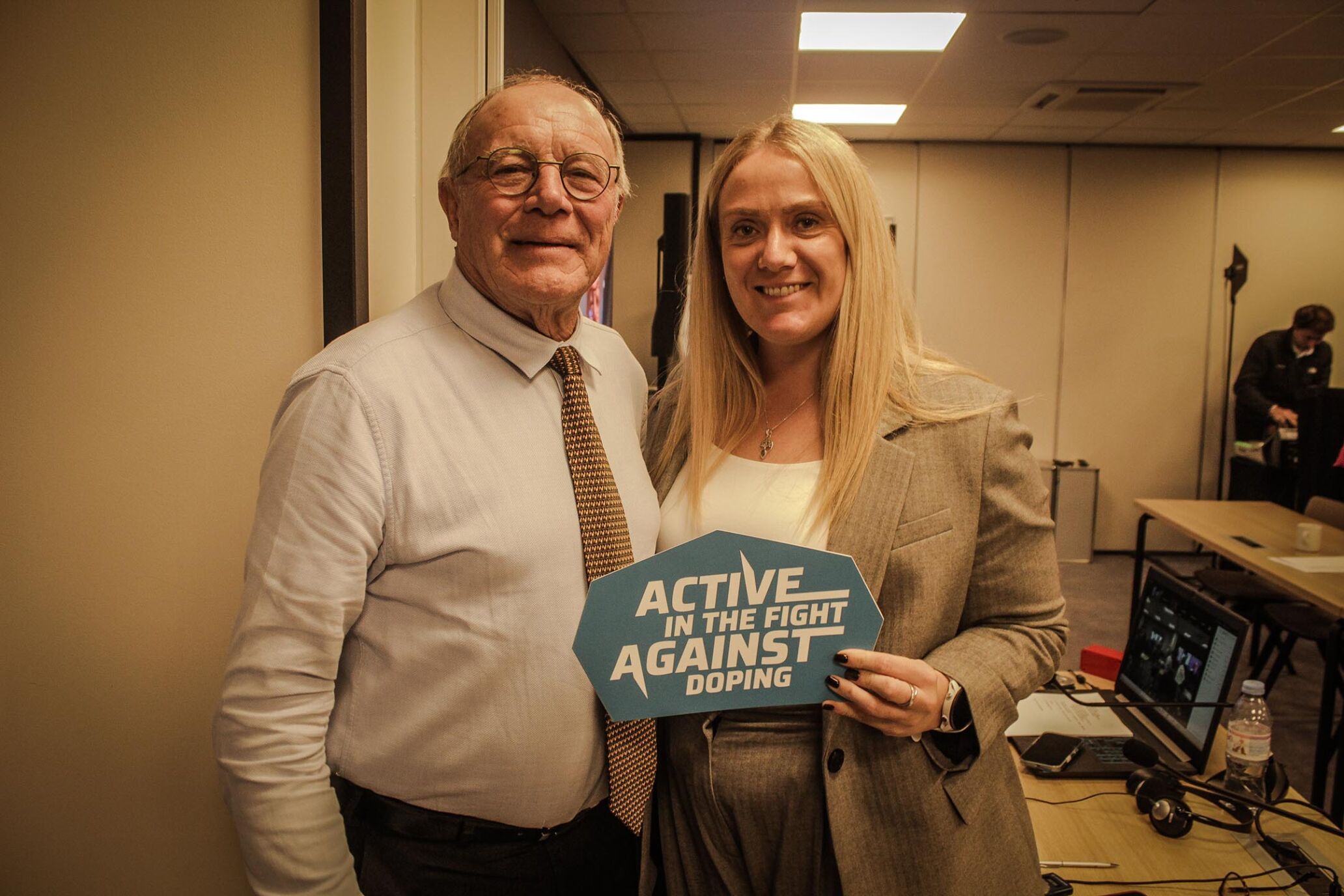
While she may not have been around during the EPO era, Brammeier certainly has cycling in her veins (excuse the pun).
First off, the name sounds familiar for a reason. She’s the sister of former HTC, Quick-Step, and MTN-Qhubeka pro – and five-time Irish champion and current GB senior coach – Matt Brammeier, and the sister-in-law of four-time British cyclocross champion Nikki Brammeier, both MPCC members.
And along with working in comms for a decade at Picnic, Brammeier has served as the vice-president of the team’s union, the AIGCP, sat on the International Testing Agency’s Funding Commission, and played a role in those on-again, off-again One Cycling discussions.
Still, Legeay’s shoes take a lot of filling. And, speaking to the road.cc Podcast, Brammeier is aware of her responsibilities as the MPCC’s second president – and the first female to lead any of cycling’s leading organisations.
“It’s a big honour,” she says. “When I think of the MPCC, I think of Roger Leagay. He is the MPCC. So to take over is a big honour, but it’s also a big responsibility.
“Roger’s done fantastic work over the nearly 20 years of his presidency. He was there fighting the good fight in some of cycling’s darkest times. And what he’s managed to achieve over that period of time is really phenomenal.
“Of course, we’re two completely different profiles. Roger was around in the darkest era, I was just a kid then. But I’m very much aware of the history of the sport and you still feel the backlash of it today.”
What is the MPCC?
Now four months into her new role, Brammeier is keen for the MPCC to adapt to the cycling landscape of the 2020s, while also retaining the group’s founding ethos.
“The MPCC is an independent, we can call it ethical movement. Members can sign up voluntarily to abide by stricter standards than the official anti-doping rules,” she says.
“There are two key pillars that run through the organisation – there’s obviously the fight against doping. And then there’s also the focus, more so these days, on the reduction of the grey zone.
“The underlying principles are actually just to protect riders’ health, the fairness of the sport, and its credibility.
“Wanting to make clean sport the norm and not a minimum requirement is probably the key driving factor of the MPCC over the years.”

From an anti-doping perspective, how has the sport changed the dark says of 2007? Doping may no longer dominate the agenda like it once did, and positive tests are few and far between (at least when it comes to the big names). But should we – as some key figures in cycling may wish – be resting on our laurels?
“Obviously a lot has changed,” she says. “We’re talking about it a lot more, which I think is actually the most important thing. Doping used to be the norm and now it’s totally different. We have much stricter rules. And the mentality for the most part is also quite different. But we’ve still got a way to go there.
“We are one of the most tested sports in the world, which is obviously a good step and I think a really important one. But I do believe that we can still take some steps forward with that. We need a more robust anti-doping system. The grey area is a big challenge these days.
“We are in a different place, but there’s still work to be done. And I think that’s what’s important with the MPCC, we really need to keep shining that light on the areas of weakness, areas of opportunity, and pushing forward change – because it’s human nature to cheat.
“There will always be cheaters, that’s normal and we’ll never be able to avoid that. But what matters is how as a sport do you deal with it? What measures do you take to step forward? And who do we want to be?
“I think it’s important that as a sport, all the stakeholders come together and foster a culture and create an environment where doping is not the norm.”
And it’s that word, culture, that Brammeier keeps emphasising. More so than the outcome of doping tests, which she acknowledges may only serve to lull the sport into a false sense of security.
“20 years ago, the sport was in a different place. The anti-doping authorities were also operating in a completely different way, if at all,” she points out.
“The ITA, they do a fantastic job now, much smarter, intelligence-led testing. So, for sure we’ve made steps forward in that respect. But just because there aren’t positive tests, is that a good thing? I don’t have the answer to that, but it’s a question we have to consider as a sport.
“We need to come together to foster a culture, and that’s really how you make a change in the sport. The MPCC’s dream is that we’re all signing from the same hymn sheet, that we have an ethical code of conduct across the entire sport, governed by the right people – not having all these various different bodies with these various different rules and different sides of the fight.
“And the MPCC aren’t necessarily the right people to govern that. But it’s our job to push the relevant authorities to create that environment, so we’re all following the same rules.”
The grey area
One of Brammeier’s key ambitions during her first few months as president has centred around what she calls cycling’s ethical ‘grey area’: the use of products, like ketones or painkillers, though not technically banned by WADA, which may have performance-enhancing effects, while also putting the health and safety of the riders using them – and those around them in the peloton – in danger.
That in-built sporting tendency to stretch the rules to the limit, to hunt for gains, marginal or maximal, everywhere, has contributed to what Brammeier describes as cycling’s embrace of “excessive medicalisation”.
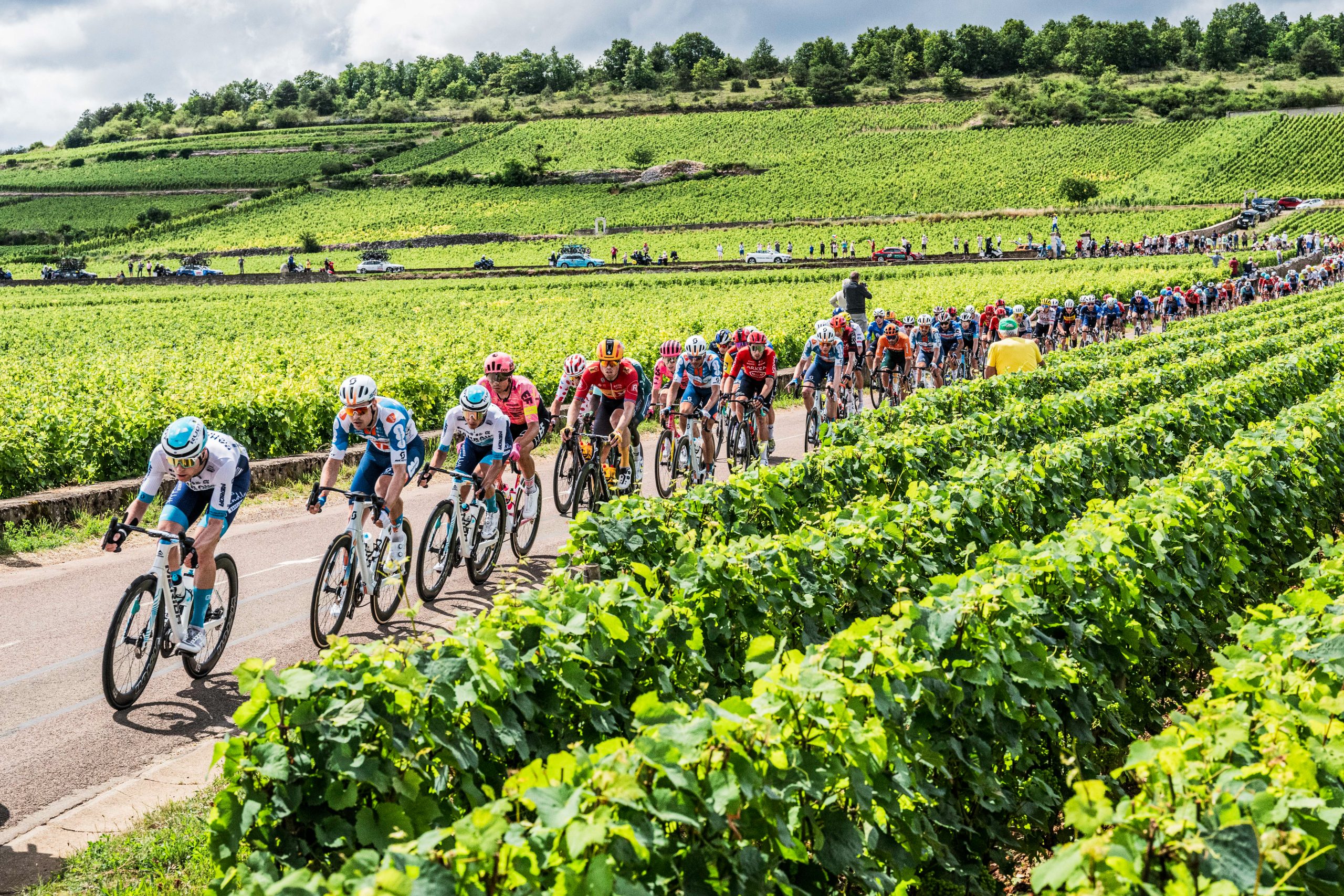
“The grey area and the excessive medicalisation of the sport is one of our biggest modern challenges,” Brammeier tells the road.cc podcast.
“The MPCC said that tramadol was a concern years ago. And it was 10 years before something happened. Unfortunately, we’re governed by process, and we really need to change the way we approach the sport.
“Now we have tapentadol, which is 10 times stronger than tramadol. And it’s been placed on a monitoring list and the likelihood is we’ll have to wait, whether it’s 10 years or whatever, to have a conclusion on whether it’s safe to take.
“The MPCC standpoint is: Why wait? This could be a problem, let’s ban it. And if it’s found to be safe to use, then use it. This feels like a healthier approach to medicine in the sport.
“In the real world you’re not taking tapentadol and driving a car. So why do we allow that in a bike race where we’re so focused on safety, on crashes in the finals? These key moments when riders are taking the maximum risk, they’re the periods they want these medicines for – so why are we putting them in danger? It protects riders to have a preventative approach.
“These are medicines to treat sick people. If you’re really sick, of course, you need it. But then the question is, should you be going and racing your bike if you’re really that sick?
“It’s really about ethics. It’s about who do you want to be? Who do we want to be as a sport? And if it’s not something that’s for health, then we should really question: Why are we taking it? Why is it in our sport?”
“It’s not realistic to say we’ll ever have a clean sport”
More than almost every other sport, cycling, thanks to its scandal-laden history, will never fully escape the whispers, the raised eyebrows, the innuendo, the accusations. But it’s fair to say an air of suspicion has hung over this winter in particular, several riders relaying in interviews their unsubstantiated belief that something, somewhere, may still be going on.
How confident can we really be that cycling has cleaned itself up?
“I don’t want to point fingers,” Brammeier says. “It’s not realistic to say we’ll ever have a clean sport, and that’s because of human nature. Human nature is that we will cheat, there will be cheaters, there will always be somebody who is looking for an unfair advantage.
“We can minimise it, but it will always be there. Methods evolve and we have to keep advocating for a more robust anti-doping system. I’ll still be advocating for that in 10, 20 years because we need to keep taking steps forward.
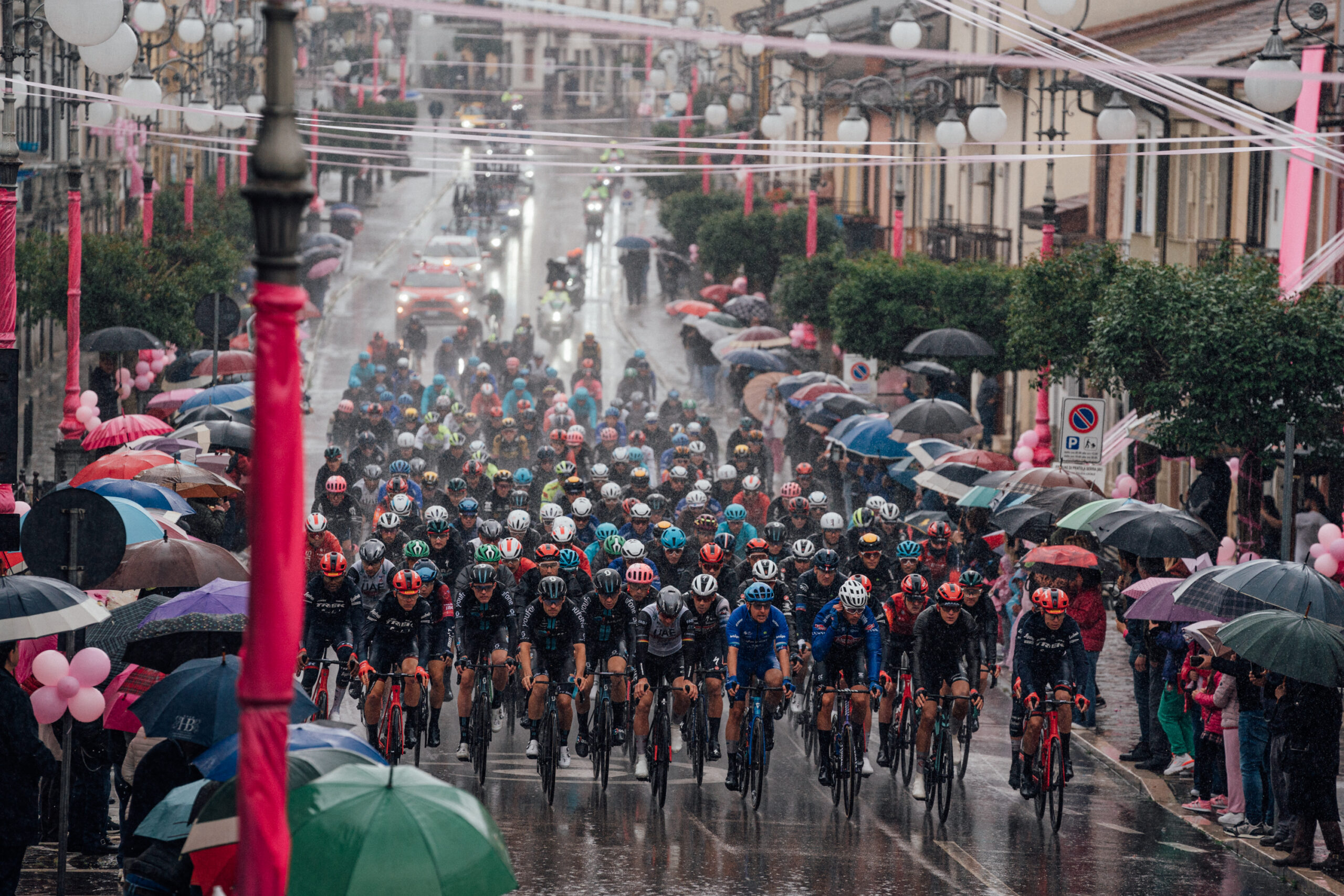
“I do think it will always be a problem in our sport, in every sport. It’s life, it’s part of life. We just have to be smarter, be more intelligent, stay close together, keep talking about it, and foster that kind of environment where it’s not considered normal.
“The MPCC’s job is not to dismiss the doubts that are there in the sport. We need to answer them by advocating for stronger, more robust systems.
“What’s the next thing? Cheating will be a part of the sport forever, but how are we going to manage that and how are we going to stay ahead of that of that trend?
“I think we need to we need to keep talking about it. And we need to keep the light on. That’s the most important thing.”
For Brammeier and the MPCC, along with fostering that clean culture, there is a necessity for anti-doping efforts to be proactive, to always be on the front foot. Which is why the group is so keen to target the sport’s medical grey area, why it’s supporting the ITA’s controversial assessment of power data to build a bigger, more accurate picture of riders’ physiological profiles, to help join those dots.
“We need to be proactive, rather than reactive,” she says. “Tramadol was a problem, now tapentadol is a problem. How do we be proactive and identify it before it becomes a problem?
“I think steps like this will also really shift that culture and that mindset and allow for less questions from people about what is and isn’t okay to take within that area where there aren’t really clear defined rules just yet.
“The cycling fan in me, the little girl in me, wants to say we will have a clean sport one day, but you have to be realistic, it’s human nature. We just have to keep adapting and stay one step ahead.”
The road.cc Podcast is available on Apple Podcasts, Spotify, and Amazon Music, and if you have an Alexa you can just tell it to play the road.cc Podcast. It’s also embedded above, so you can just press play.









1 thought on ““Cheating will be part of cycling forever”: MPCC president Emily Brammeier on anti-doping, tackling the ‘grey area’, and making clean sport the norm”
Cheating will always be part of every human endeavor. It’s not the cheating that makes an institution look bad, it’s how the institution handles it.