This Cinelli Supercorsa is for those of us who look back to an earlier era, and associate its style and aesthetic with beautiful and classic looking bikes. Maybe you give a little sigh of appreciation on seeing the horizontal top tube, or a joyful ‘oooh’ at seeing the chromed details on the lugs? Maybe you look into the distance and dream of epic battles being fought in the Tour de France when men were men, and bikes were made of steel. If so, then the reimagined Cinelli Supercorsa 2026 should tick all of your boxes. Each frameset is handmade in Italy using double-butted Columbus Super Leggera (SL) steel tubing with original lugs. Be still, my beating heart!
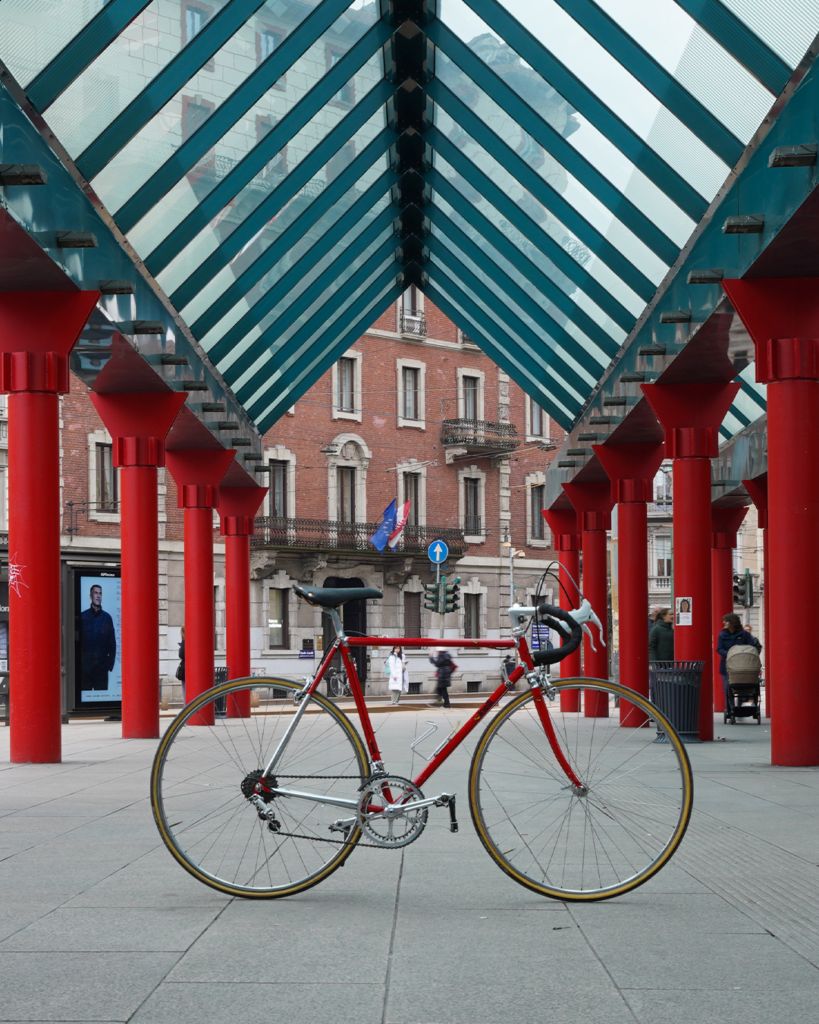
First introduced in 1951, by founder Cino Cinelli and framebuilder Luigi Valsassina, the first Supercorsa was destined for racing legend, Fausto Coppi. Il Campionissimo, as he was nicknamed, won five editions of the Giro D’Italia and two Tour de France’s, as well as many other titles during the 1940s and ’50s. Over time, the frame design has become an iconic example of an Italian racing bike from the era.
> Classic Italian bike brands of the ’70s and ’80s
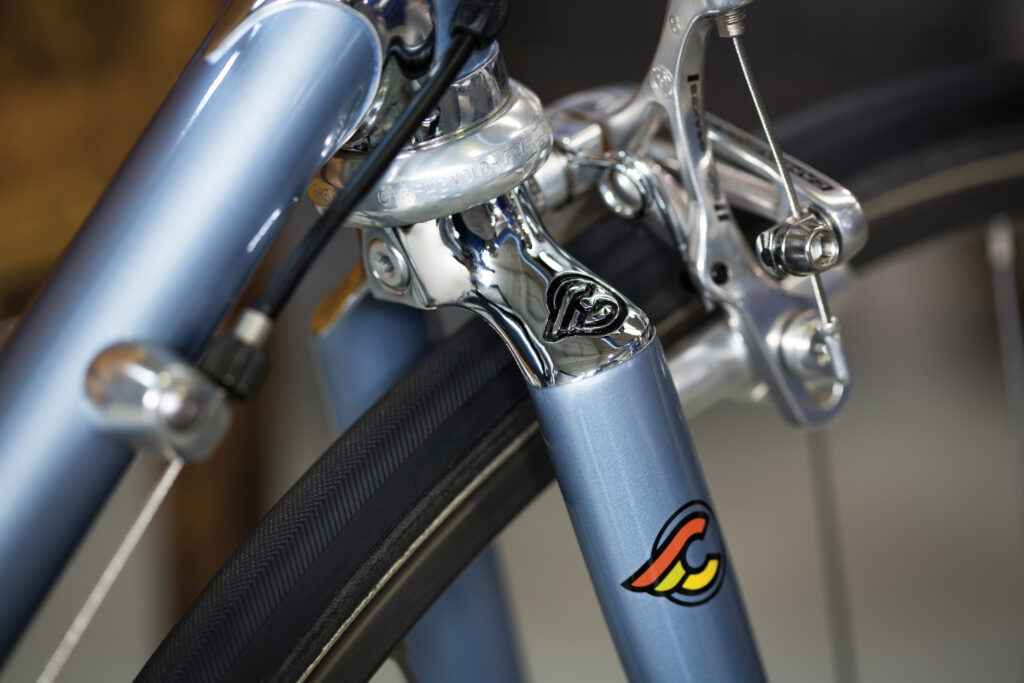
This 2026 iteration uses a mix of modern and classic standards, such as a 27.2mm round seatpost, 130mm rear dropout spacing, 1″ threaded headset and a 70mm Italian style bottom bracket.
Downtube shifters can be used, or add cable stop adjusters to fit a more modern brake lever/shifters. You can choose whether to be fully retro or partially retro! The Columbus sloping shoulder fork design remains in place too. The upper section is chromed with the Cinelli ‘C’ logo in black.
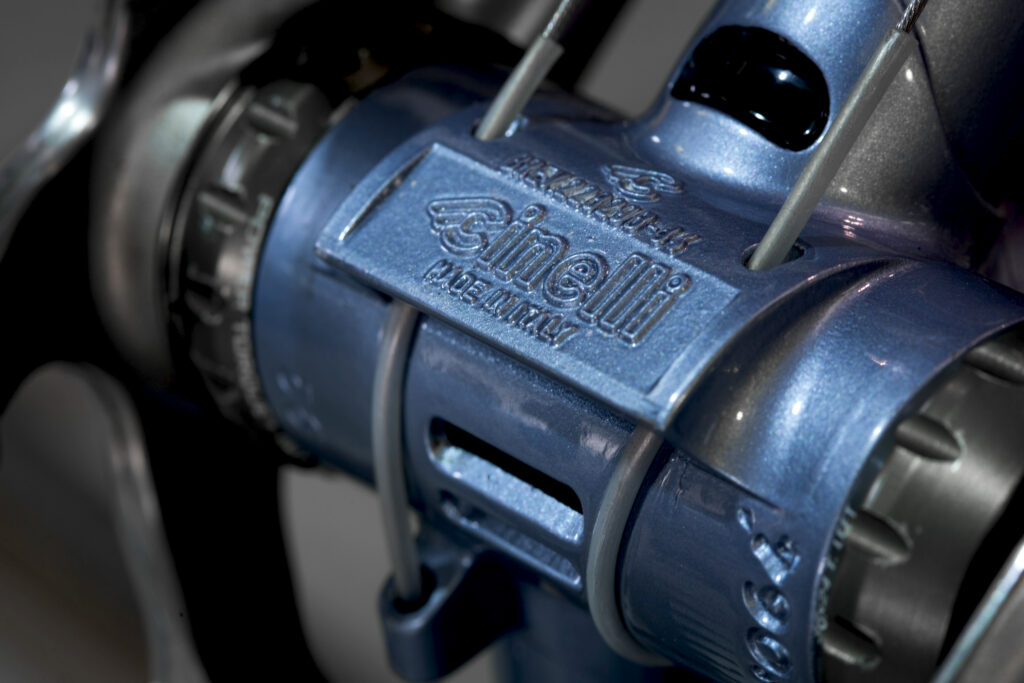
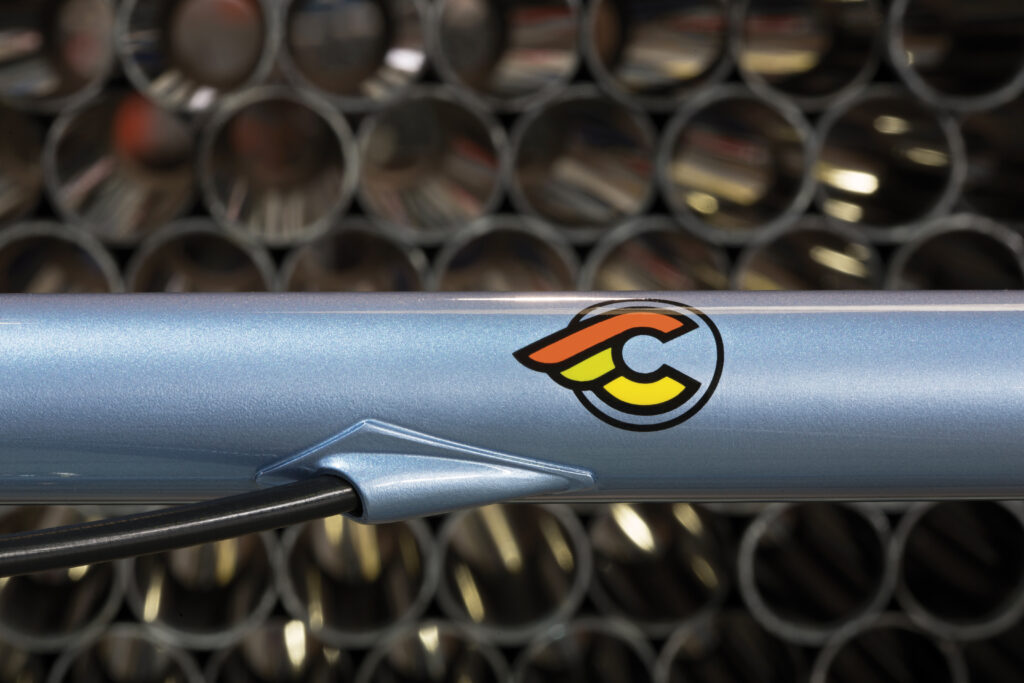
Earlier innovations such as the 1984 patented ‘spoiler’ bottom bracket lug (shown above), and the internal cable routing for the rear brake remain, as does the Winged-C logo. This iconic logo was introduced in 1979, designed by graphic designer Italo Lupi. The bottom bracket shell resolved the problem of accumulated condensation in traditional bottom brackets, and although it is known as a ‘spoiler’, it would be rather far-fetched to call it an aerodynamic innovation!
There are 17 frame sizes available, from 48cm to 64cm, with each size increasing in 1cm increments, so you should be able to get the perfect size. As is traditional, a ‘fist’ of seatpost (3-4 inches) should be showing above the horizontal top tube (easy to do with so many size options). There are also eight colours to choose from: Rosso Ferrari, Bianco Perla, Azzurro Laser, Titanium Grey, Verde Jaguar, Black Tie, Blu China, and Giallo Curry.
Geometry-wise, for a 55cm frame you get a 73 degree head angle, 73.5 degree seat angle, with 405mm seatstays and a 978mm wheelbase. All numbers that you’d expect on a bike, and type, from this classic era. The short stays keep the rear wheel tucked, and the handling will be nimble too.
The frame weighs in at 1,830 grams and an uncut steerer fork is 670g, which is respectable for a traditional lugged steel frameset. It can accommodate tyres up to a 25C width.
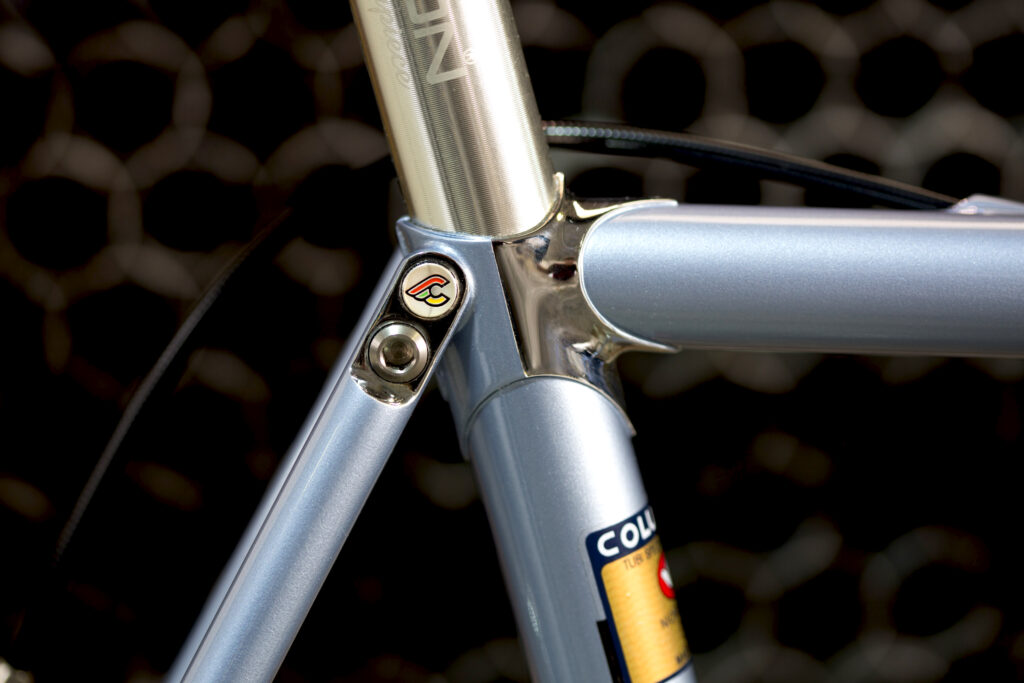
The seat tube lug is partly chromed too, with the seatpost clamp bolting across the seatstays. The rear dropouts are more modern, being vertical, but there is a Pista Supercorsa version with rear facing horizontal dropouts for those wishing to ride fixed or singlespeed.
As the Supercorsa doesn’t come as a built-up bike, you’ll need to think about which groupset and components to use. To my mind, a polished silver groupset would suit it best. But it’s getting harder to buy new silver gruppos with rim brakes. However the Campagnolo Centaur 11speed groupset achieves both of these requirements, and can still be found for around £600.
Also, pairing a handbuilt Italian frame with Campagnolo components is almost de-rigeur. Your other option is to dig out that biscuit tin containing an old groupset that you loved back in the day, and couldn’t bear to part with. Maybe it can have a second life?
The price? €3,150 (around £2,728 at today’s exchange rate) and it will take around three months to arrive from ordering. However, this is a handbuilt and painted frame. Cinelli talks about this bike being an “object of desire for riders and collectors alike”.
As beautiful an object as this bike is, surely it’s the riding that will make it come alive. That said, it’s your money to do with as you like, but I’d ride it if it were mine!
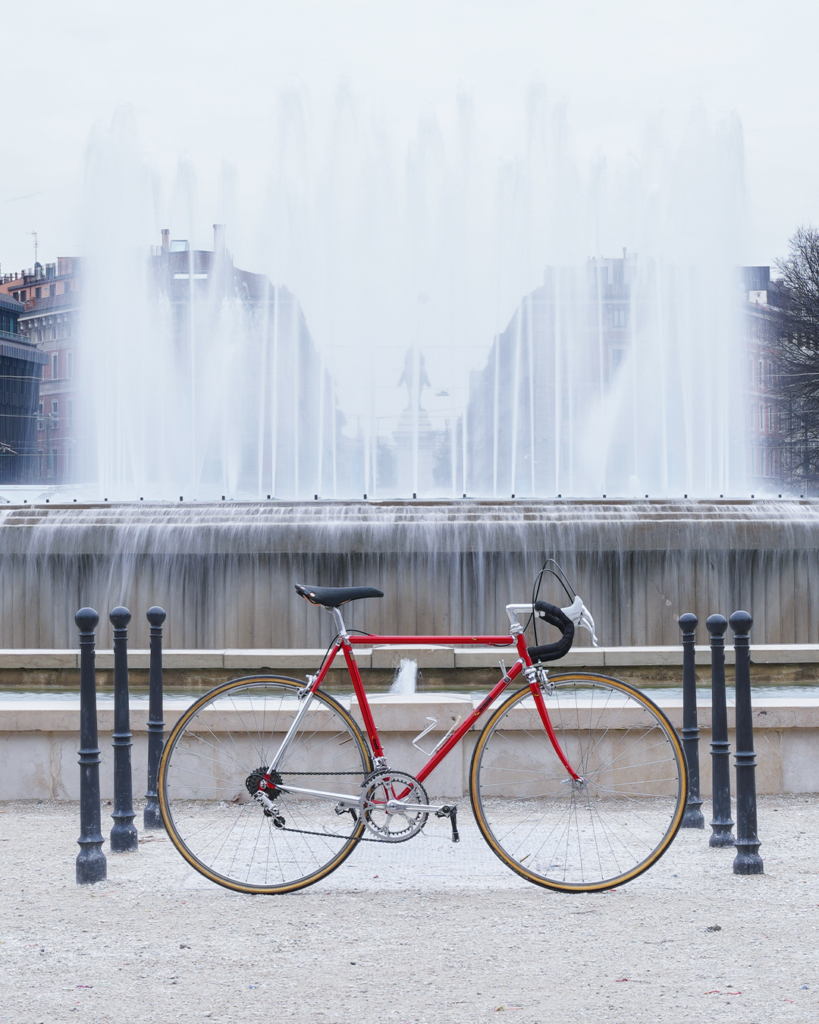
In fact, apart from not using the traditional cloisonne (fired glass on brass) head badge, which featured a knight’s helmet, the Florentine red lily and the Milanese green serpent, it’s hard to pick fault with the classic silhouette of this bicycle, judging just on aesthetics. The head badge is now the Winged-C logo instead, but I wouldn’t let that tiny detail put you off!
For more Bikes at Bedtime, check out our archive here