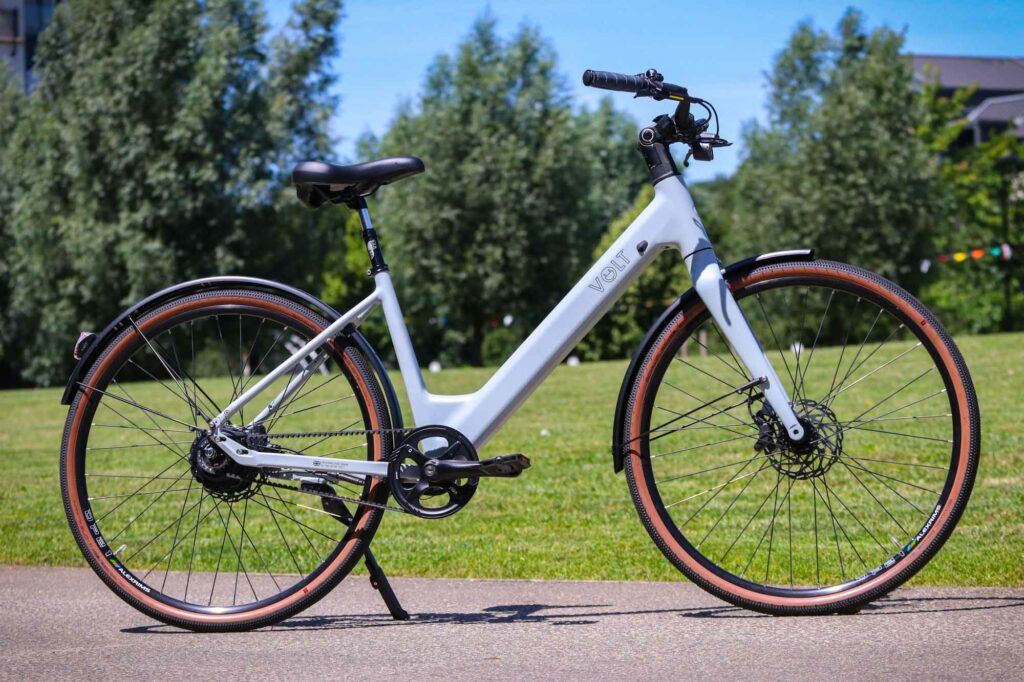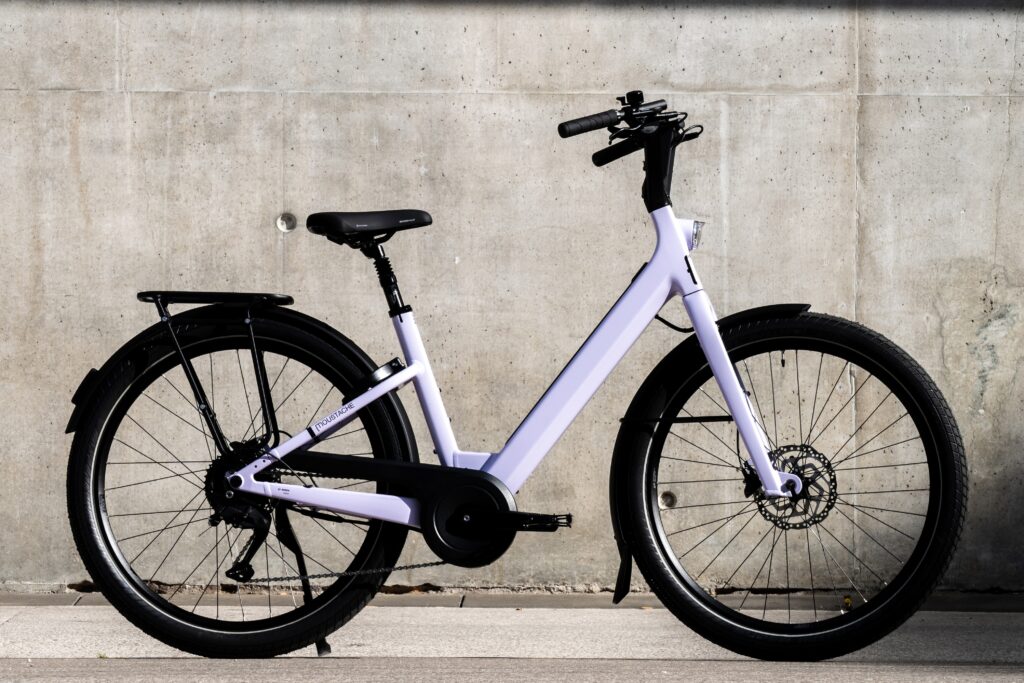

Ah, the Dutch bike lane. The world-leading cycling infrastructure that everyone points to as a near-perfect example of how bicycles and motor vehicles can co-exist. The Netherlands government has prioritised safety and sustainability in urban planning since the 1970s, contributing to a happy, healthy country where cycling is embraced by young, old and everyone in between. But something is wrong.
What were once segregated sanctuaries of self-powered transit have become battlegrounds, as increasingly powerful illegally modified ‘fat bikes’ blaze past classic Dutch bikes. As a result of their burst in popularity, the number of ER visits for young e-bikers doubled between 2020 and 2024, and fat bikes were involved in 300 incidents in the same period.
“We are deeply concerned about fat bikes,” said the Fietsersbond, the Dutch cyclist’s union. “Fat bikes are legally considered regular electric bicycles, but they are often modified to go faster. For example, many fat bikes are tuned up by removing the speed limiter or adding a throttle. This creates dangerous situations and accidents for the (often young) rider, the passenger, and other road users.”
To tackle the rising accidents, the proudly bareheaded Dutch have proposed a helmet mandate for anyone under 18, set to begin in 2027. But policing illegal e-bike usage is a bigger and more complicated issue.
The Dutch national government is still working out how to tackle the surge of e-bike usage, leaving it up to local councils to implement bans. In July this year, the small city of Enschede approved a motion to ban fat bikes. This paved the way for Utrecht city council to back a plan to ban them from canal paths and parks before moving into the wider city.

Now Amsterdam could follow suit. Alderwoman Melanie van der Horst has proposed a ban on fat bikes, beginning in Amsterdam’s Vondelpark, a popular city centre park just a stone’s throw from the Rijksmuseum. If it’s successful, bans are likely to spread into further areas of the Netherlands’ capital city.
“Every week, I receive messages from Amsterdam residents saying they no longer dare to go out on the road and begging me to ban fat bikes,” said Van der Horst. “So I feel it’s my duty to do everything in my power to address this problem.”
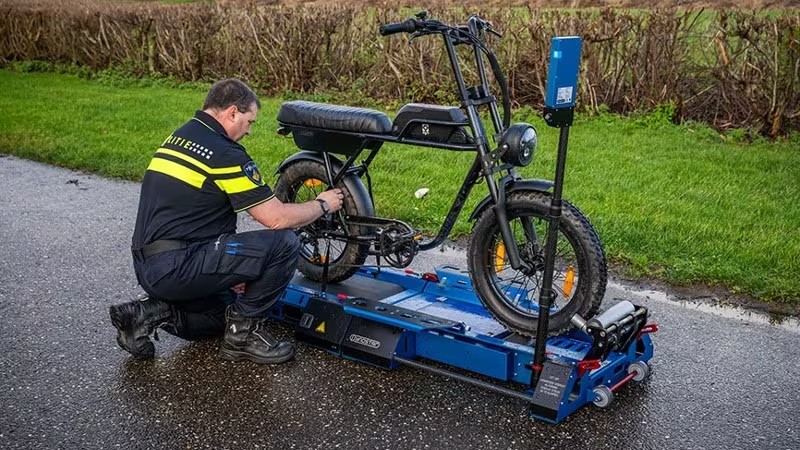
To tackle this, van der Horst is proposing a ban targeting any fat bike with tyres over seven centimetres wide. This is where the issue becomes legally complicated: in the Netherlands, fat e-bikes, with their chunky wheels and overweight-chopper-style frames, have become so synonymous with illegal speed boosts that they’re facing bans based on their looks alone.
Confiscating bikes based on tyre width is a quick and obvious fix that takes advantage of a legal loophole that allows vehicles to be banned based on their design. However, it doesn’t take into account anyone legally riding an unmodified fat bike, and manufacturers could easily circumvent the rules by creating bikes with 6.9-centimetre tyres, which would immediately override any laws.
This grey area of the law is why the government is taking its time to enforce a national ban or guidance. In the Netherlands, e-bikes are considered legal up to a pedal-assisted speed of 25 km/h with a 250W motor. Above this, they’re considered mopeds or speed pedelecs, which require insurance, a licence plate and a helmet. The Ministry of Infrastructure argues that focusing on bike design is a “futile path” and that enforcement must target illegal speed modification – regardless of tyre size.
Bans based on tyre width seem like a sticking plaster over a much bigger issue. China, the world’s biggest e-bike market, has ensured a modicum of safety for its hundreds of millions of e-bike riders through mandatory registration and centralised control over sales, whereas the United States has set up three classes to determine who can ride e-bikes where.
The Netherlands is seen as a world leader in cycling, and the eyes of city planners the world over are on Amsterdam’s streets. Not literally, because that would be weird and disgusting. But whatever happens next could ultimately shape the global future of e-bike restrictions and enforcement.