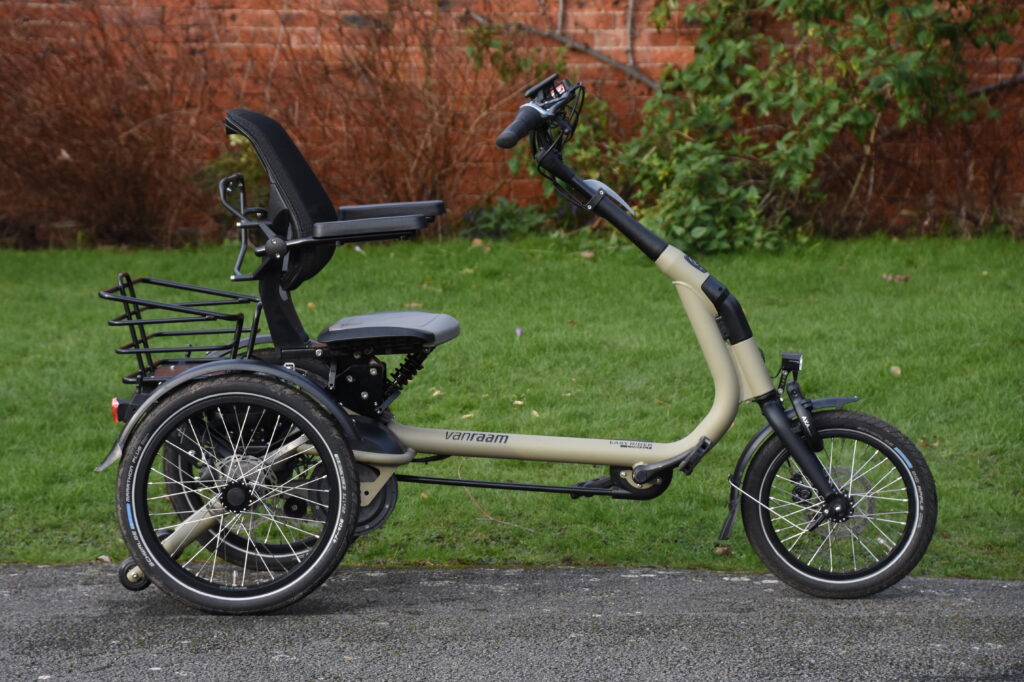

Despite strong rumours that a £2,000 limit could come in for Cycle to Work schemes, Chancellor Rachel Reeves kept schtum on the subject during her Budget – and a spokesperson at the Treasury has now confirmed in an email to road.cc that no such cap is set to be reintroduced after all.
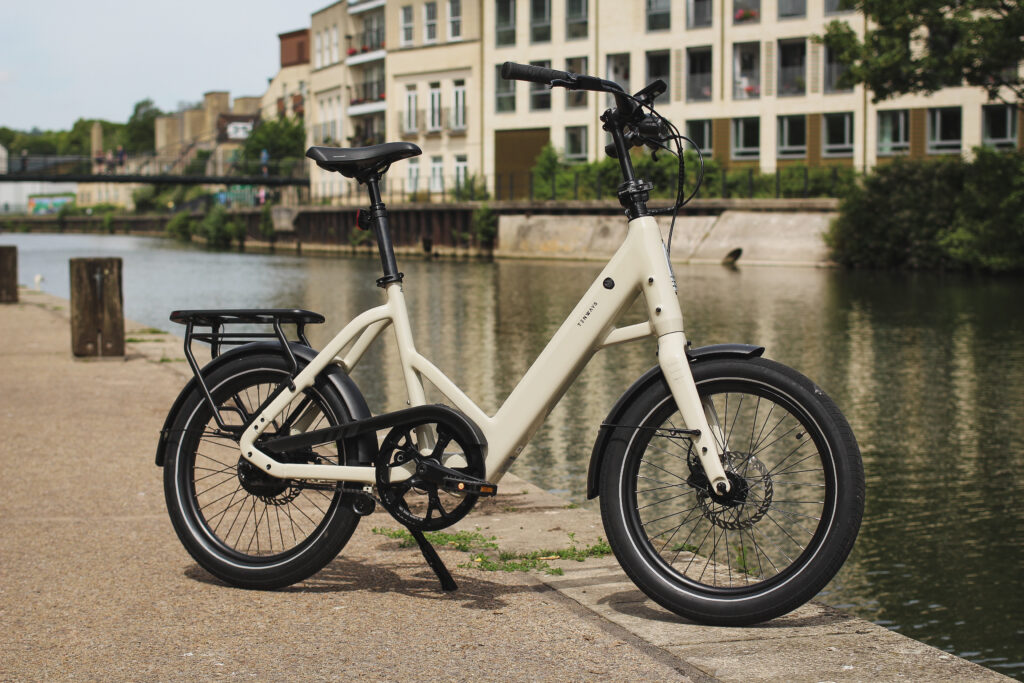
The Cycle to Work scheme has become hugely popular among workers as a tax-free way to get their hands on car-replacing e-bikes and cargo e-bikes, which in turn help reduce congestion and improve health. But, in the Government’s view, the scheme has been a victim of its own success.
A £1,000 cap was removed in 2019 precisely because expensive e-bikes were becoming more popular, and the pandemic in 2020 caused a spike in cycle-related purchases. The scheme is still widely used, with official estimates from HM Revenue and Customs showing the cost of running it has doubled from £55 million in 2019-20 to £130 million in 2024-25.
The scheme has also been criticised as being unfair to people on lower incomes who don’t benefit from higher tax breaks, as well as those who use it to purchase high-end road bikes. “Cycle to Work should be about helping ordinary commuters switch to greener travel, not giving tax breaks to high earners buying £4,000 e-bikes for weekend rides in the Surrey Hills,” a government figure was quoted as saying in the Financial Times, in a move Jack described as “tone-deaf.”
In opposition, cycling advocates argued that the scheme gives back a lot more than it takes. The Cycle to Work Alliance argued that the scheme provides £573 million in annual economic benefits across retail, productivity, health, and household savings in 2023/24. Employees using the scheme spent a total of £219 million on bikes and accessories, which in turn generated £43.8 million in VAT. It may have been that this industry-wide backlash changed the government’s mind.
“The ‘official’ combined figures I saw from the Cycle to Work Alliance show that only 6% of total vouchers issued are above £2,000,” says Ben Mowbray of e-bikeshop.co.uk, the UK’s biggest independent supplier of electric bikes. “This says to me that 94% of users of the scheme are not ‘rich people buying swanky toys, subsidised by the taxpayer.’”
Although the Treasury spokesperson’s confirmation that there was “…nothing announced on Cycle to Work at the Budget”, there is perhaps a small chance that the cap will be announced at a later date based off the mixed messaging we’ve received so far; but its absence from today’s Budget suggests that hopefully it’s been swept under the parliamentary carpet. If it does, then there’s likely to be outrage among the country’s booming e-bike industry.
“It would all but completely write off the ability to get bikes designed for active travel, such as cargo/transport bikes and trikes,” says Ben Mowbray of e-bikeshop.co.uk. “This is obviously at direct odds with the Government’s wish to push more people in this direction and reduce the amount of vehicles on the road, especially in town and city centres.”
Hopefully, this will be the last we hear on the subject. E-bike commuters and families will be safe, and our city and town centres will continue on their path to becoming benevolent e-bike utopias.