



Upgrading a road bike is a great way to inject new life into a favourite machine. You can often get more speed, enhanced comfort, or sometimes even both at once.
From my countless trials, tribulations and tinkering over the years, there are some upgrades that can really transform your cycling experience. This can get costly of course, so where possible, I’ve suggested some budget-friendly alternatives that offer comparable performance improvements, showing that speed and comfort don’t always have to come with the very highest price tags…
The aerodynamic handlebar
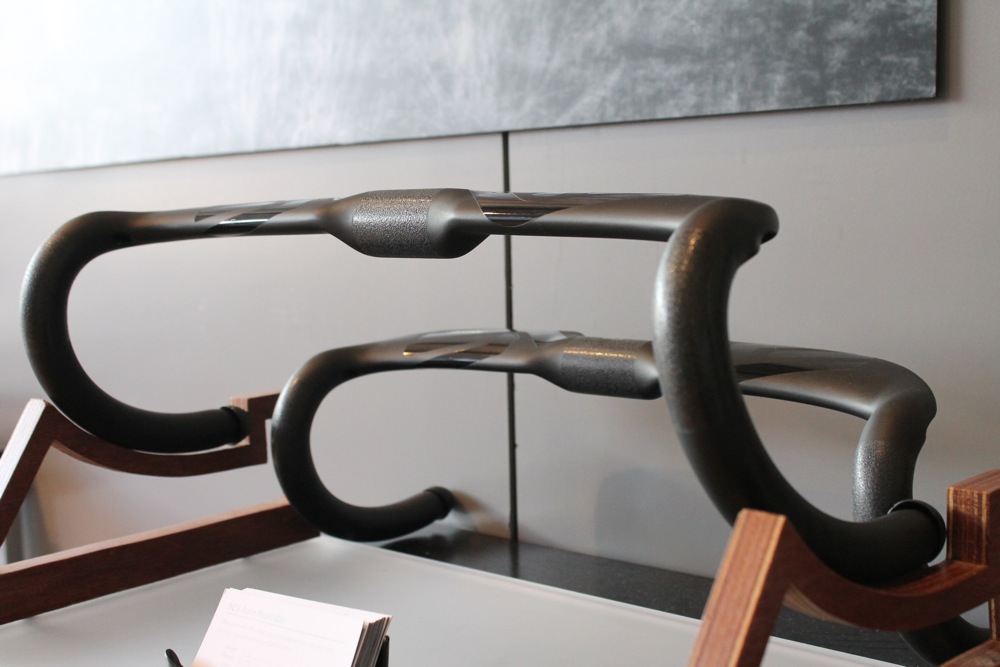
The front end of the bike is where you and your machine meet the wind, and achieving a narrow profile is crucial for slicing through the air.
A high-end carbon aero bar, such as the integrated Enve SES Aero, is an exceptional way to achieve a smaller frontal area. Beyond the aerodynamic benefits, the vibration-dampening qualities of high-quality carbon can also lead to a noticeable boost in comfort. A modern, narrow position can also prove surprisingly comfortable for long periods on the hoods and drops.
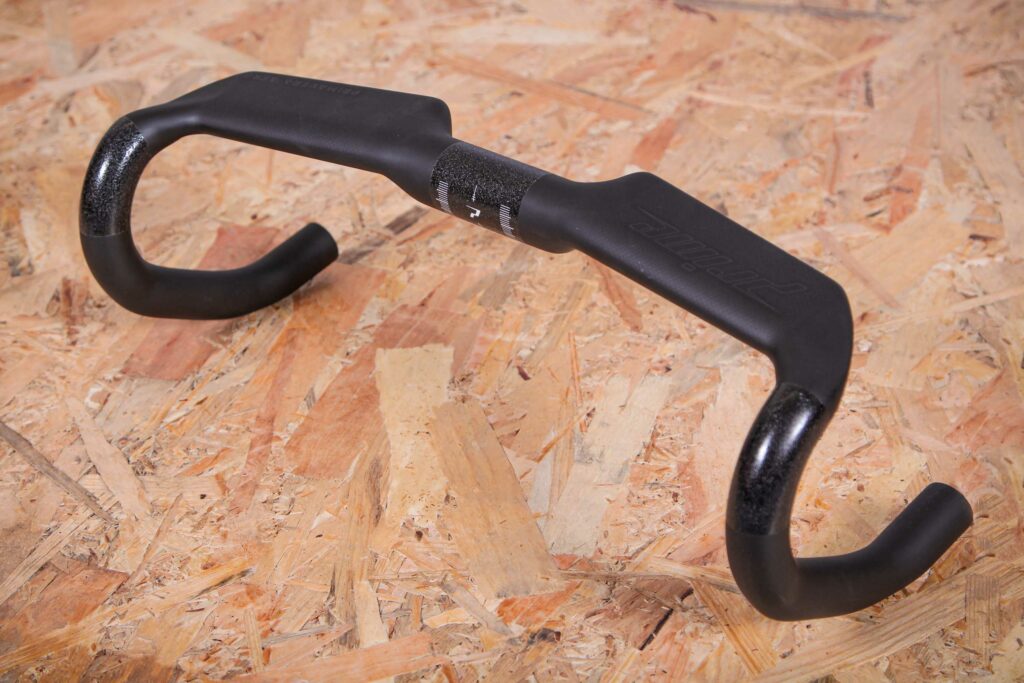
That said, the price or that particular party piece is £440, and there are significantly less expensive options available, such as Prime’s Primavera Aero Carbon. This offers much of the gain without the premium price tag. These can be found for prices around £120, making the aero advantage accessible to more riders.
Race tyres
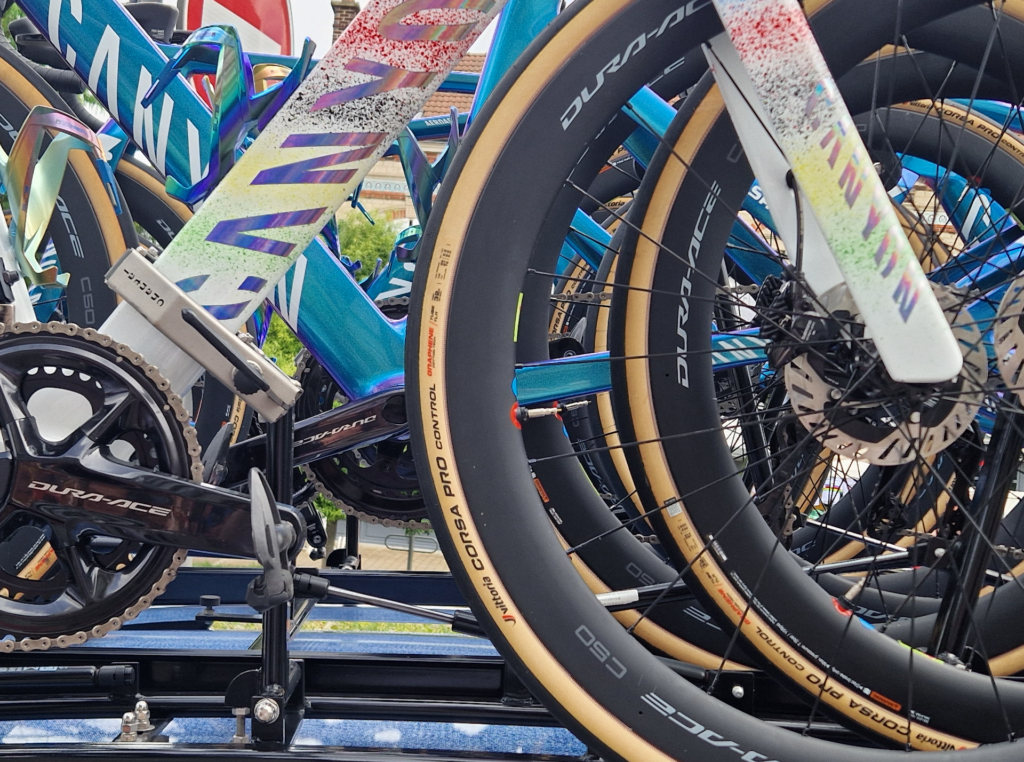
Tyres are critical for speed, comfort, and handling. This is one area where the phrase ‘less is more’ holds true, apart from when it comes to price.
Choosing slim and supple tyres dramatically reduces rolling resistance, which is a massive factor in overall speed. High-TPI (threads per inch) casings are also often more compliant than stiff training tyres, adding a degree of comfort. Models like the Vittoria Corsa Pro are my favourite example of this high-performance category.
A single top-tier race tyre from this segment can cost close to £100.00, making a pair over £200. A more cost-effective solution is to use older, clincher-only tyres (which are often cheaper than tubeless versions) paired with modern, ultra-lightweight TPU inner tubes. This combination offers much of the low rolling resistance of a full race set-up for a fraction of the price.
The aero helmet
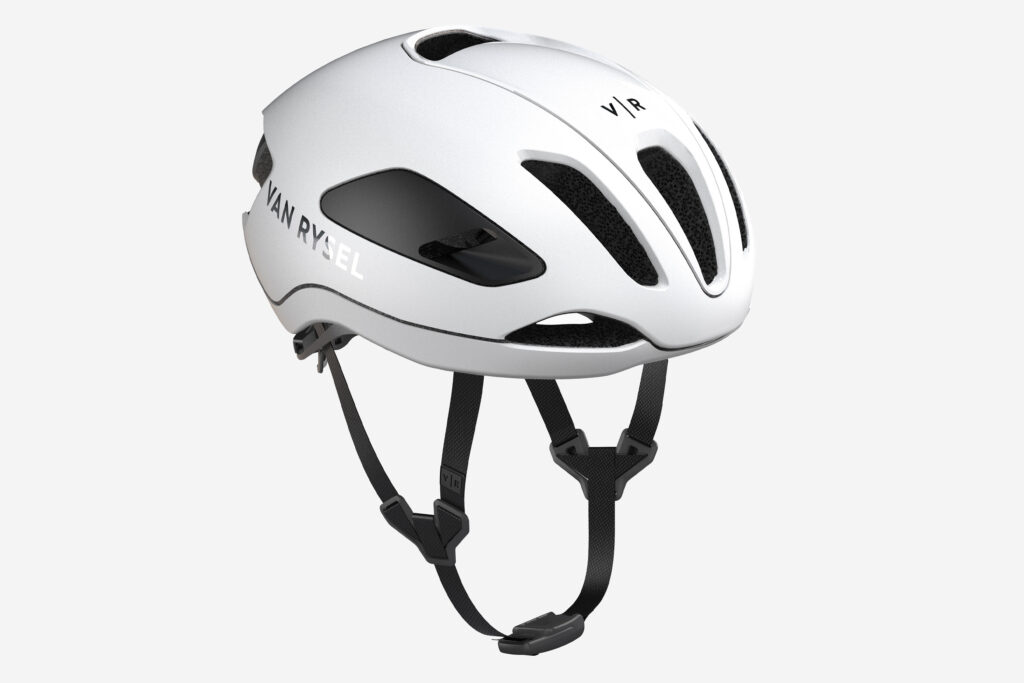
An aero helmet is one of the most effective equipment upgrades for achieving free speed.
A high-quality aero road helmet can make a significant difference, especially at higher speeds. Top models from leading brands will command prices of several hundred pounds, but the Van Rysel RCR-F is my favourite for its blend of performance and, at under £100, value.
Deep-section aero wheels
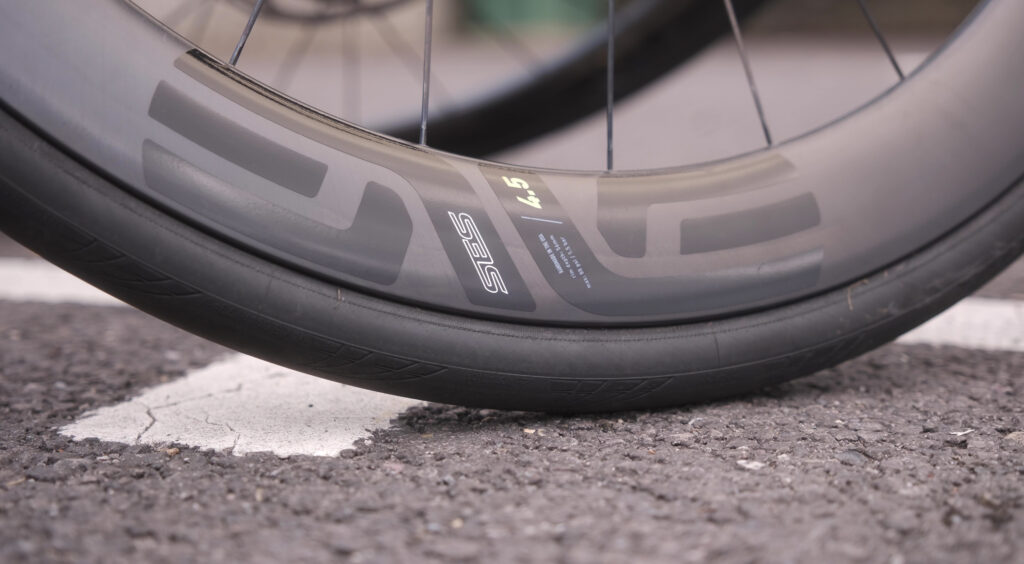
The classic go-faster upgrade, aero wheels remain the gold standard for performance improvement, mostly because they also take a bike to new levels aesthetically.
Deep-section carbon wheels slice through the air and hold speed with greater efficiency. Modern designs have also focused on wider rims and better internal volumes, which, when paired with the right tyre, significantly enhance ride comfort and grip. Premium brands like Enve, Roval, and Princeton offer wheelsets that can see riders spending £2,500 and above per pair.
The market is now flooded with direct-to-consumer and challenger brands such as Yoeleo from China and the likes of Scribe in the UK, offering wheelsets for well under £1,000. These companies often produce high-quality, fully carbon wheelsets that offer excellent performance for a fraction of the cost of the established household names.
Aero clothing and kit

Ignoring clothing is a common mistake, because a rider’s apparel is a significant factor in aerodynamic drag.
A comprehensive aero wardrobe includes perfectly fitted jerseys, bib shorts, base layers, and overshoes. Well-fitting clothes can eliminate flapping material, which is a major source of drag, leading to both faster times and a more comfortable, second skin feel. Brands like Castelli and NoPinz are known for their wind-tunnel-proven speed.
If you can’t quite justify buying aero-specific kit, focus on finding a perfectly fitted jersey and bib shorts, as this will also do wonders for your comfort on the bike.
A better saddle
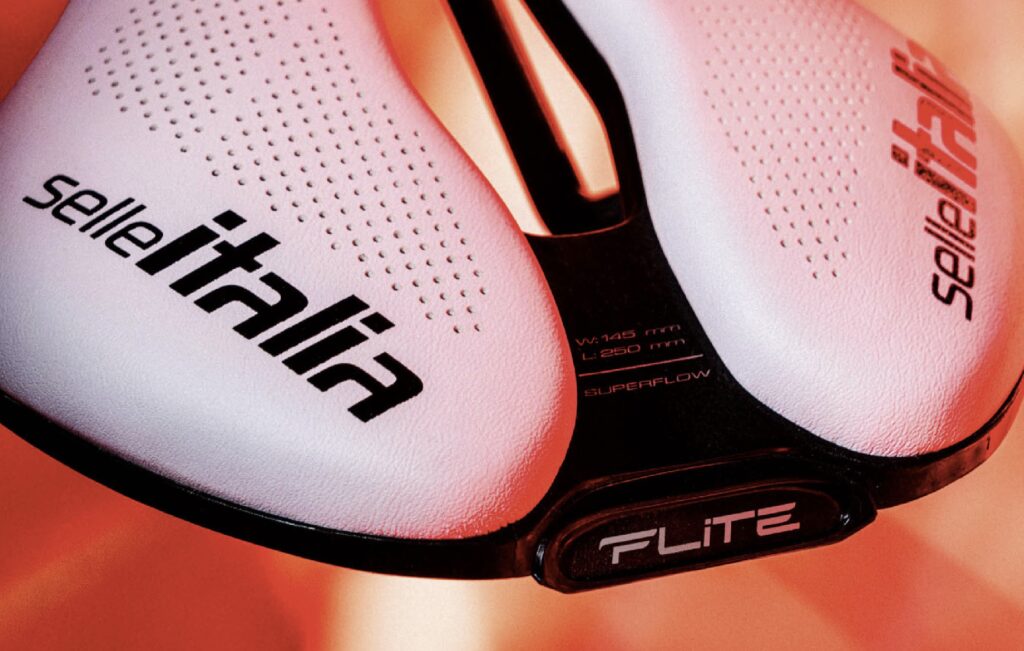
A comfortable saddle is perhaps the most personal and fundamental component for long-term enjoyment and performance.
I made the switch to a much narrower Selle Italia SLR Boost Kit Carbonio which, to go along with its overly long name, has an eye-watering price of £289.99.
High-end models can go well over £350, but this is an upgrade that requires experimentation rather than money. However, many brands offer their top-tier shapes in slightly heavier, non-carbon-railed versions. Start there and then upgrade later.
Expensive cycling shoes
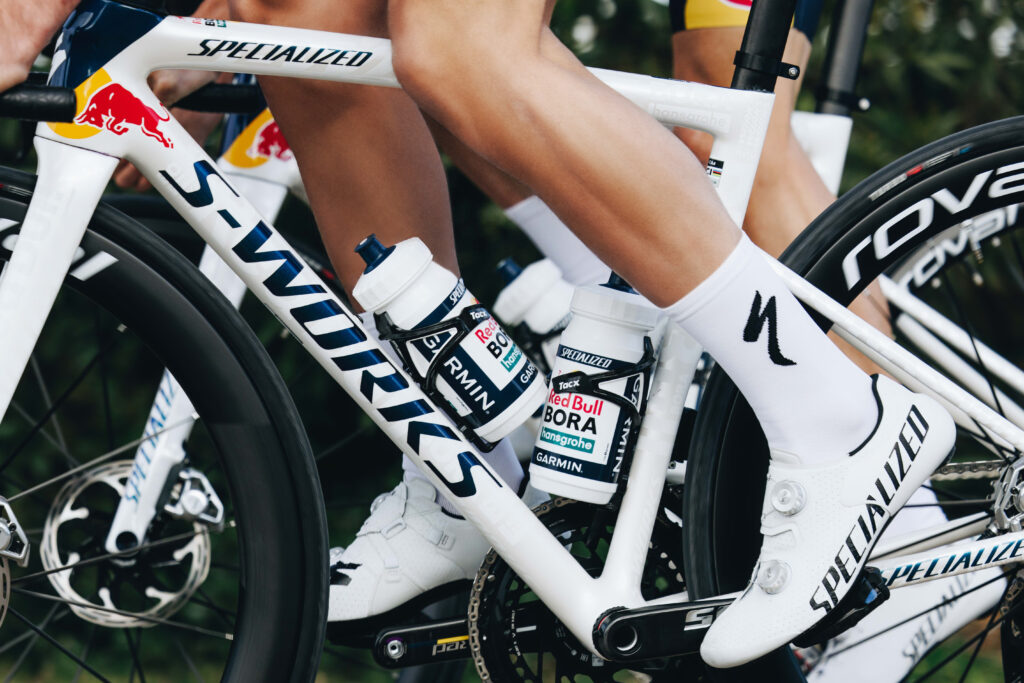
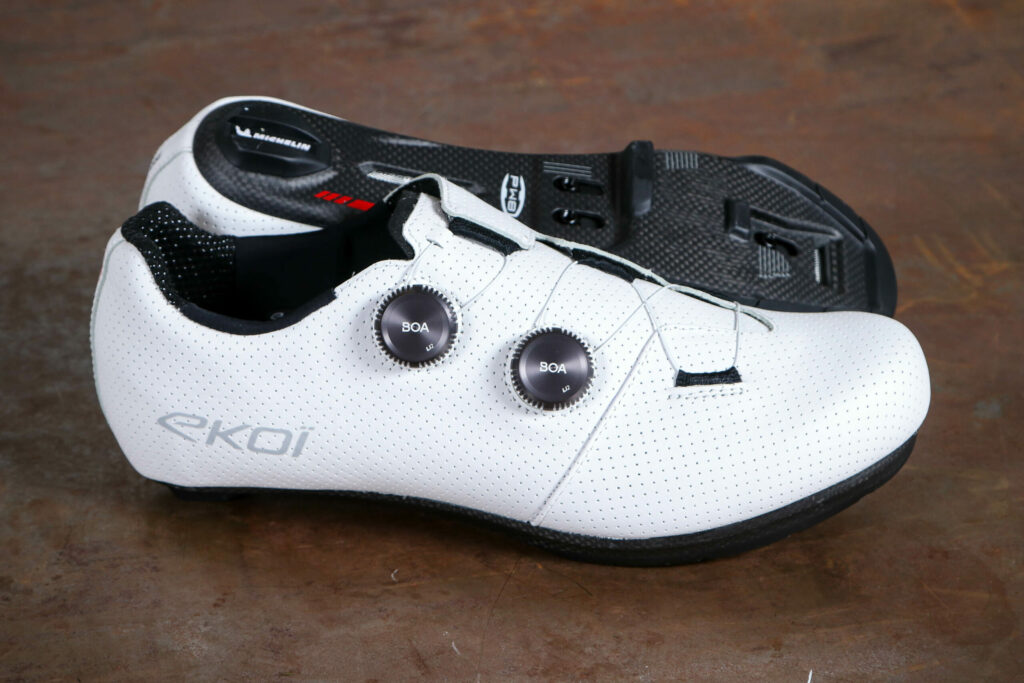
Some cycling shoes have become exceptionally expensive in recent years. Racing models, such as the S-Works Ares, are designed for maximum power transfer, and often use dial closure systems for a precise, comfortable fit. Custom insoles are also a costly add-on that claim to improve power transfer and prevent injury.
Excellent performance can be found in mid-range offerings like Shimano’s RC7 models, which share features with the flagship shoes, including a carbon-composite sole and Dual BOA dials, for a price of around £170.
A professional bike fit
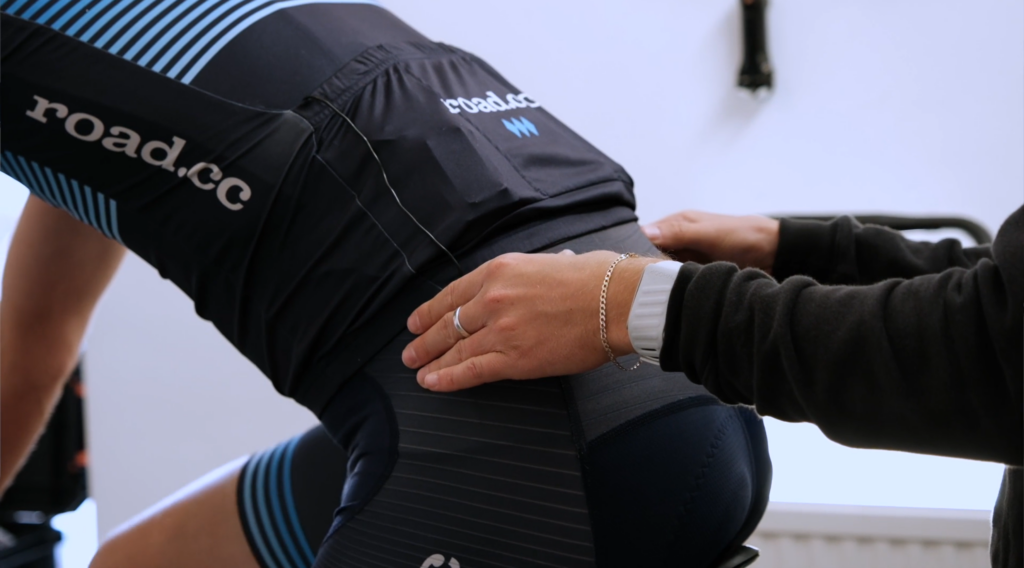
While not a component, a bike fit is the single best investment a cyclist can make for their long-term comfort and performance.
> The things I learnt from a professional bike fit
A professional, in-person bike fit uses sophisticated motion capture and analysis to perfectly tailor the bike’s geometry to the rider’s body. This can optimise pedalling efficiency, improve comfort, and reduce the risk of injury. Nothing else offers such profound long-term gains.
A comprehensive fit can cost between £150 and £300, so if an in-person fit is financially out of reach, riders can utilise various bike fit apps or online resources. While these are no replacement for a professional, they can provide useful starting measurements and videos to guide self-adjustments, ensuring you’re at least close to an ideal position.
What upgrades have given you the most bang for your buck? As always, let us know in the comments.





1 thought on “8 expensive upgrades to make you faster and more comfortable (and some budget-friendly alternatives)”
I agree with nearly
I agree with nearly everything here except the bike fit.
A bike fit can only really be done in person with a professional. While the apps might seem a good alternative, they mostly work off a side on view and that only tells part of the story. Rocking to one side in your saddle? app aint gonna see it. have a knee, leg allignment issue ? app aint gonna see it. Have problems with shoes, feet, cleat setup? App aint gonna see it.
A bike fit is has to be done holistically. Last fit I had was about 2 months ago, Every small adjustment was checke to ensure it didnt have a dispruptive effect on another metric. You need someone watching you pedal and ask for feedback as you do. Apps might look like a solution but there is a very fine line between comfort and potentail injury if you get it wrong